Soaring fuel prices have placed daily life in the Philippines under severe strain, leaving transport workers struggling to make ends meet and prompting the government to seek alternative fuel supplies from China and other regional partners to ease the crisis.
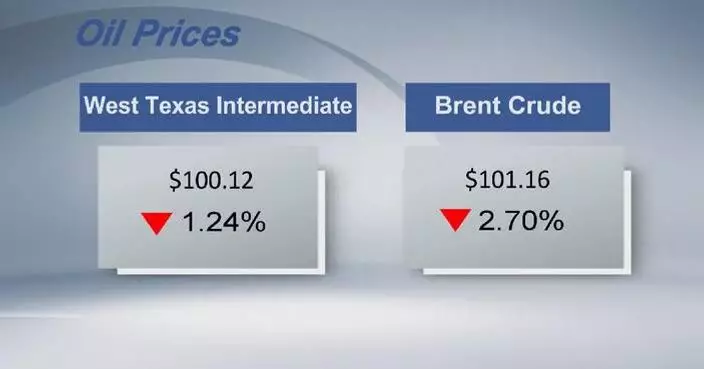
Fuel costs have surged since conflict erupted in the Middle East in late February, with drivers reporting that their expenses have nearly doubled.
Hundreds of transport workers protested in Manila recently, saying they can no longer earn enough to survive.
Jeepney driver Noel Dela Cruz said he now takes home just 200 pesos (about 3.5 U.S. dollars) a day, barely a third of the average daily pay for non-agricultural workers in Metro Manila.
"I even borrowed another 200 pesos from our operator, so I'd have money to bring home to my family," he said.
Taxi and motorized tricycle drivers voiced similar frustrations, saying that no matter how long they work, they still cannot make a living.
"Now there's almost nothing left. I bring home 300 pesos, which covers food, but there's no money left to pay for electricity or water bills," said Dolardo Gamo, a tricycle driver.
"I've pawned some of my belongings just to cover the taxi rental fee," said Rolando Beyo, a taxi driver.
Close to 400 gasoline stations nationwide have temporarily shut down due to supply shortages.
President Ferdinand Romualdez Marcos Jr. declared a national energy emergency on March 24, expanding government powers to stabilize supply, provide subsidies and fast-track key energy decisions. Transport workers have received a 5,000-peso fuel subsidy, or about 83 U.S. dollars.
The Philippines relies heavily on imported oil, most of it from the Middle East, leaving the country vulnerable to regional disruptions.
Officials say reducing dependence on fuel is critical, with plans to shift part of the transport sector to electric vehicles.
"Ninety percent of fuel consumption comes from the transport sector. If we can shift even a portion to electric, we can reduce demand for fuel, and it's also cleaner," said Patrick Aquino, director of the Energy Utilization Management Bureau under the Department of Energy.
With the Strait of Hormuz effectively shut down, the Philippines has turned to alternative suppliers, including China.
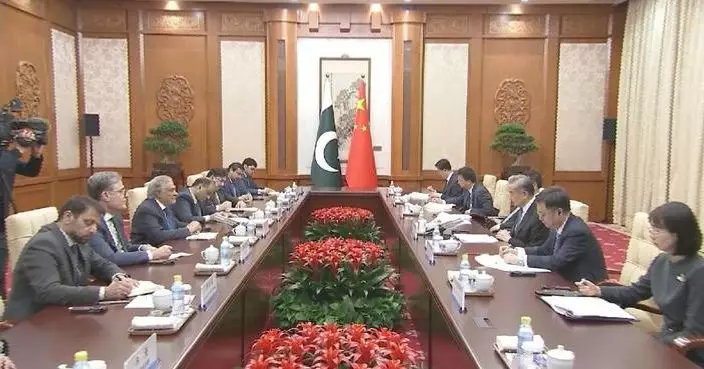
In mid-March, Energy Secretary Sharon Garin met with Chinese Ambassador Jing Quan to discuss efforts to secure fuel supply. Garin said the two sides are in constant communication to ensure reliability.
The Philippines is also exploring longer-term solutions, including reviving talks on joint oil and gas exploration with China, as part of efforts to strengthen energy security and reduce reliance on imported fuel.
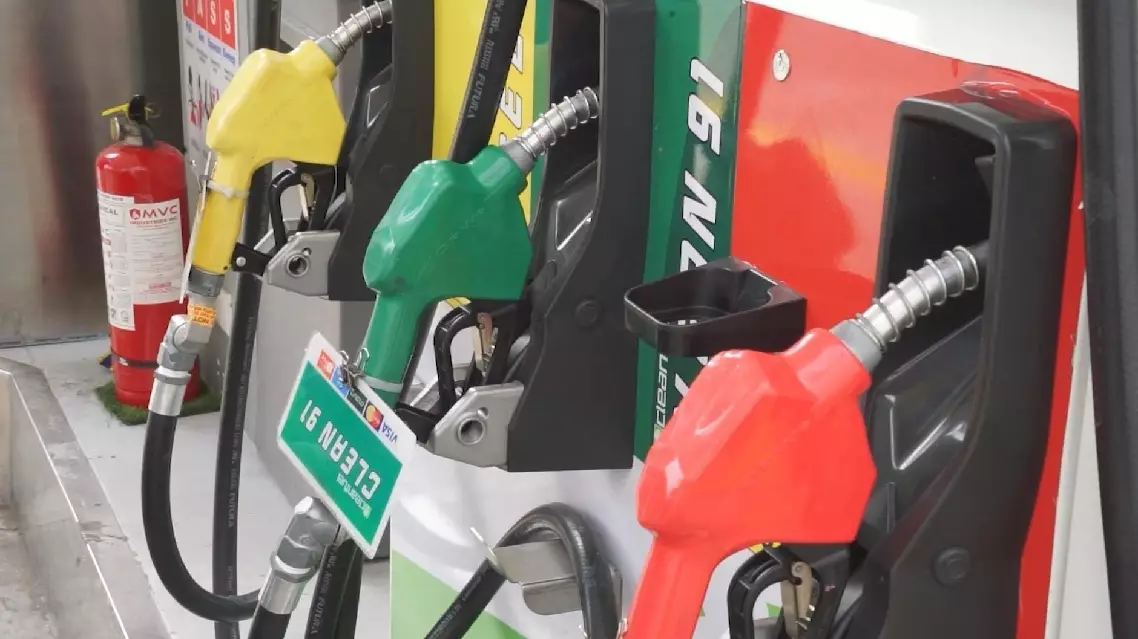
Rising fuel costs squeeze Filipinos as gov't seeks alternative supplies