UTICA, N.Y. (AP) — A former corrections officer was found guilty of manslaughter Wednesday in the fatal beating of an inmate at Mid-State Correctional Facility in upstate New York.
The jury in Utica, New York, also found Jonah Levi guilty of gang assault and conspiracy in the death Messiah Nantwi on March 1, 2025, and the subsequent coverup. The jurors acquitted him of second-degree murder.
“This verdict sets an important precedent — not just for Messiah, but for everyone who is incarcerated," Patterson Nantwi, Messiah Nantwi's father, said in a written statement. "No one should have to fear losing their life at the hands of those who are supposed to care for them.”
Levi was the first guard to go on trial in Nantwi's death.
“The first step in justice for Messiah is complete with some work to go,” Onondaga County District Attorney William J. Fitzpatrick said in an email. “I thank the hard working jurors for their diligence and am very pleased with the verdict.”
A message was left seeking comment from Levi's attorney.
Nantwi, 22, was struck dozens of times by guards who used their fists, boots and batons. He died due to massive head trauma and other injuries to his body from the beatings, according to prosecutors.
The beating occurred during a wildcat strike by many officers that forced the governor to send in National Guard members to help keep order. Nantwi’s death also came several months after Robert Brooks was fatally beaten at a separate prison just across the road from Mid-State.
Levi was part of an emergency response team called to Nantwi’s housing unit to help National Guard members who sought backup after Nantwi was uncooperative during a prisoner headcount. A witness testified that Nantwi calmed down once backup was called.
Corrections officers who responded to the call began beating Nantwi in his room after he refused to be handcuffed and grabbed a guard’s vest. Prosecutors said the beatings intensified after Nantwi bit a guard’s hand.
Fitzpatrick told jurors that Levi stomped on Nantwi’s head multiple times and participated in a cover-up by guards.
“The evidence of guilt here, ladies and gentlemen, is simple and it’s overwhelming. Stomp on someone’s head, you’re not trying to get their attention,” Fitzpatrick told jurors during closing arguments Monday. “You’ve divorced yourself from the human race.”
Levi’s attorney, Lewis G. Spicer, told jurors that his client did not use any force that resulted in Nantwi’s death.
“Jonah Levi did not kick Messiah Nantwi in the head,” Spicer said in his closing statement.
More than half a dozen others have pleaded guilty to lesser charges related to the beating and alleged cover-up.
Another former guard charged with murder, Caleb Blair, is scheduled to go on trial May 4, along with a fellow defendant will stand trial for first-degree manslaughter. Another guard charged with manslaughter is scheduled for trial June 1.
Nantwi entered the state prison system in May 2024 and had been serving a five-year sentence for second-degree criminal possession of a weapon related to an exchange of gunfire with police officers in 2021. He was shot multiple times, while the officers were uninjured.
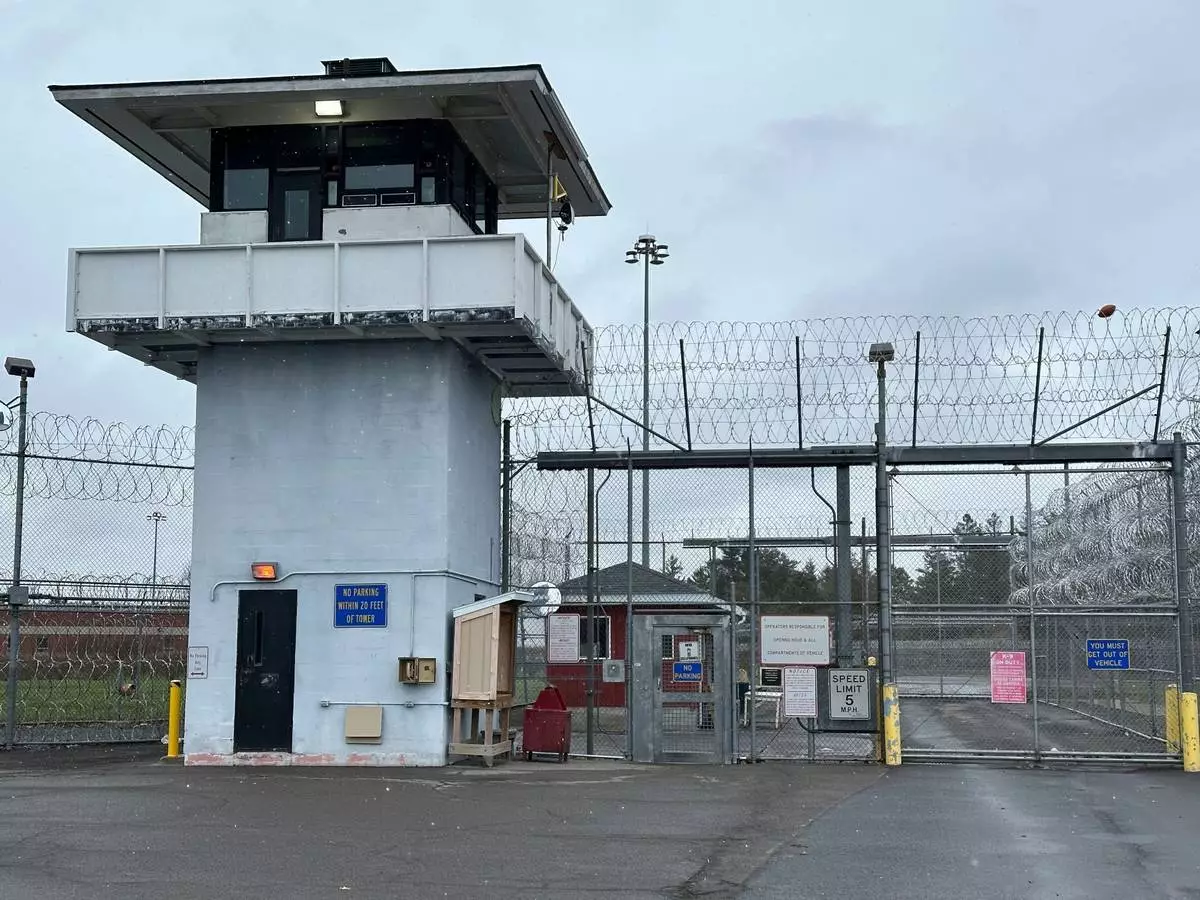
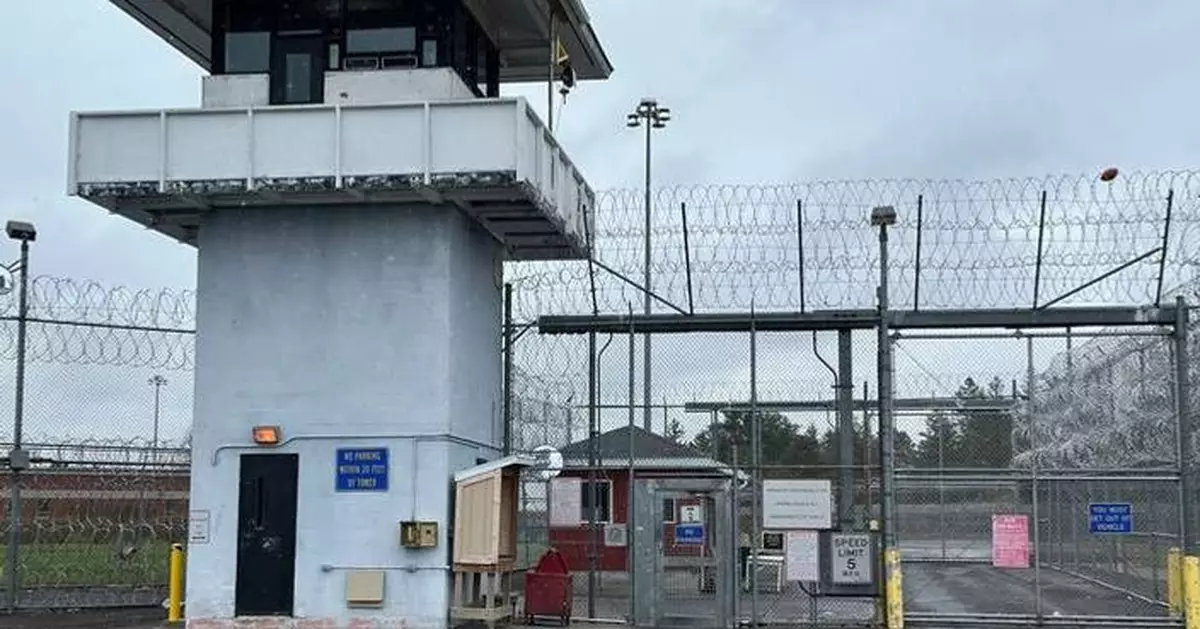
FILE - The Mid-State Correctional Facility is seen on April 16, 2025, in Marcy, N.Y. (AP Photo/Michael Hill, File)
LOS ANGELES (AP) — A man was charged with murder Friday in the stabbing of “Jumanji” and “Top Gun: Maverick” actor James Handy, who was in a relationship with the suspect's mother.
Michael Gledhill, 44, was charged after police say officers found the 81-year-old Handy stabbed in the chest and lying unconscious outside a home in Los Angeles on Wednesday. Handy was taken to the hospital and later pronounced dead.
Gledhill did not appear at an arraignment Friday afternoon in Los Angeles Superior Court and no plea was entered for him. Javier Trincado, Gledhill’s lawyer, said his client is “unable to assist” in his defense and told the judge that the sheriff’s department did not bring Gledhill to the courtroom, but did not provide a reason.
Superior Court Judge John H. Reid ordered that Gledhill be sent to mental health court and undergo psychological evaluations. Another judge will decide whether he is competent for trial.
Authorities say Gledhill was arrested after telling police he was the person they were looking for. Police had responded to the home after a 911 caller stated: “I am the son of man, I just killed the man of sin,” according to the department.
Los Angeles County District Attorney Nathan J. Hochman said Handy deserved to enjoy his later years with his loved ones and that the person who took his life should be held accountable.
“This is not how anyone’s life should end, stabbed in the chest and left dying in the front yard of a home,” he said in a statement.
Handy was a character actor in films and on TV for decades, including appearances in a variety of television crime procedurals.
Actor Brian Delate knew Handy for more than four decades after meeting him at a Vietnam veterans theater company in New York. Delate described him as someone with a great sense of humor who was always curious.
Delate told The Associated Press that a few times over the past couple of years, Handy mentioned in passing that his girlfriend's son had mental health problems.
“I didn’t think much of it, because he just kind of mentioned it casually,” he said.
Handy's girlfriend had fixed up the garage so her son could live there, Delate said. Handy had his own home.
Bail was set at $2 million for Gledhill, according to authorities. If convicted, Gledhill faces up to 26 years to life in prison, according to the Los Angeles County District Attorney’s Office.
Emails sent to Trincado and officials from the Los Angeles County Public Defender’s Office were not immediately answered.
Born in New York, Handy appeared in films and TV shows for decades.
He was known for his role as an exterminator in the 1995 film “Jumanji” and more recently as the bartender Jimmy in the 2022 film “Top Gun: Maverick,” according to IMDB. He’s also appeared in some of the top TV crime dramas, including “NCIS: Los Angeles,” “The Closer” and “Cold Case.”
“I could not have asked for a more talented, humble or gracious client and friend than James Handy,” Pam Ellis-Evenas, from the Ellis Talent Group, said in an email to The Associated Press.
With Vietnam in mind, Delate lamented how his friend died.
“If he’d just passed away from an illness or something like that, this would be a very different experience,” he said. “But because of the nature of how he died and the fact that we lived in an arena of killing back in the '60s, it has a different resonance.”
—-
Associated Press journalist Philip Marcelo contributed from New York City.
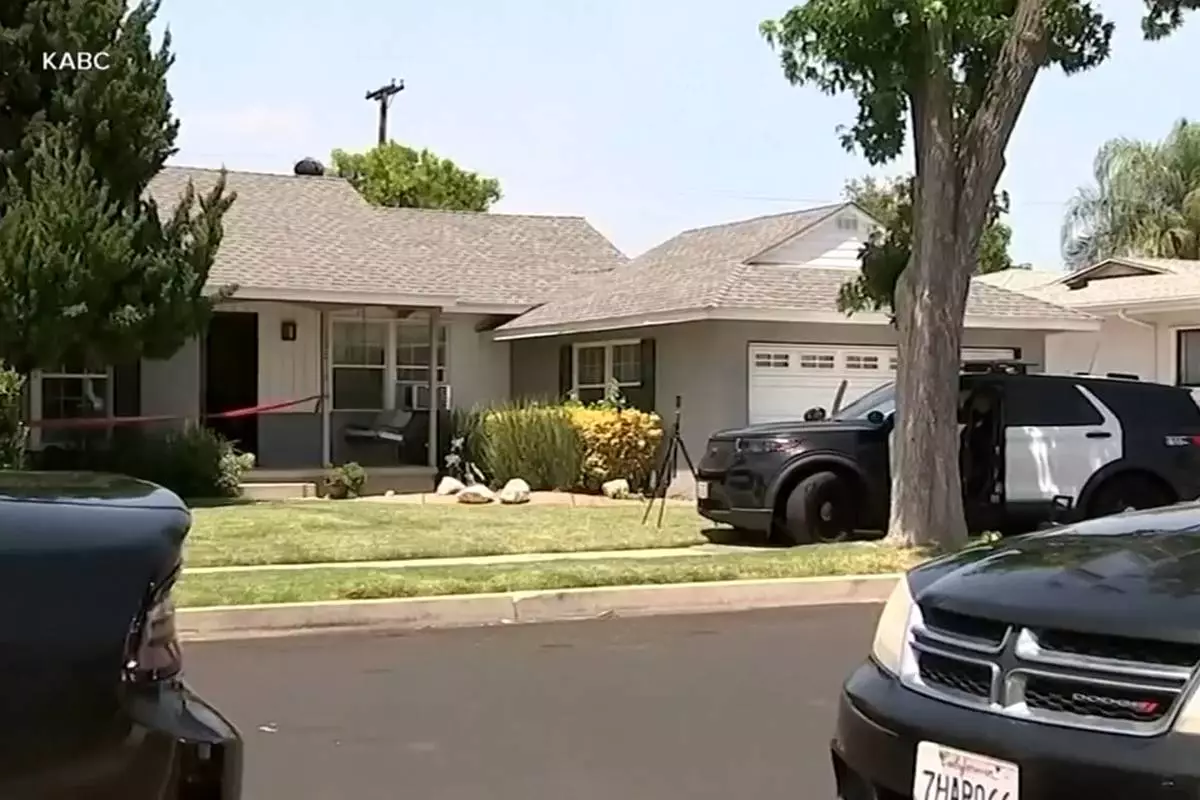
This image made from video provided by KABC shows the scene at a home where authorities were investigating the fatal stabbing of actor James Handy on Wednesday, June 3, 2026, in Los Angeles. (KABC via AP)