CHICAGO (AP) — A potential replay challenge by the Los Angeles Angels on Wednesday was denied because first-year manager Kurt Suzuki waited too long to make the appeal.
The play occurred with the Chicago Cubs batting in the third inning of the Angels' 6-2 loss in the series finale at a chilly Wrigley Field. Nico Hoerner doubled into the gap in left-center, and Miguel Amaya used a headfirst slide to score the first run of the game.
Shortstop Zach Neto's throw beat Amaya to the plate. It was unclear if Amaya's left hand touched home, and if it got in there ahead of catcher Travis d'Arnaud's tag. Umpire David Rackley ruled Amaya was safe.
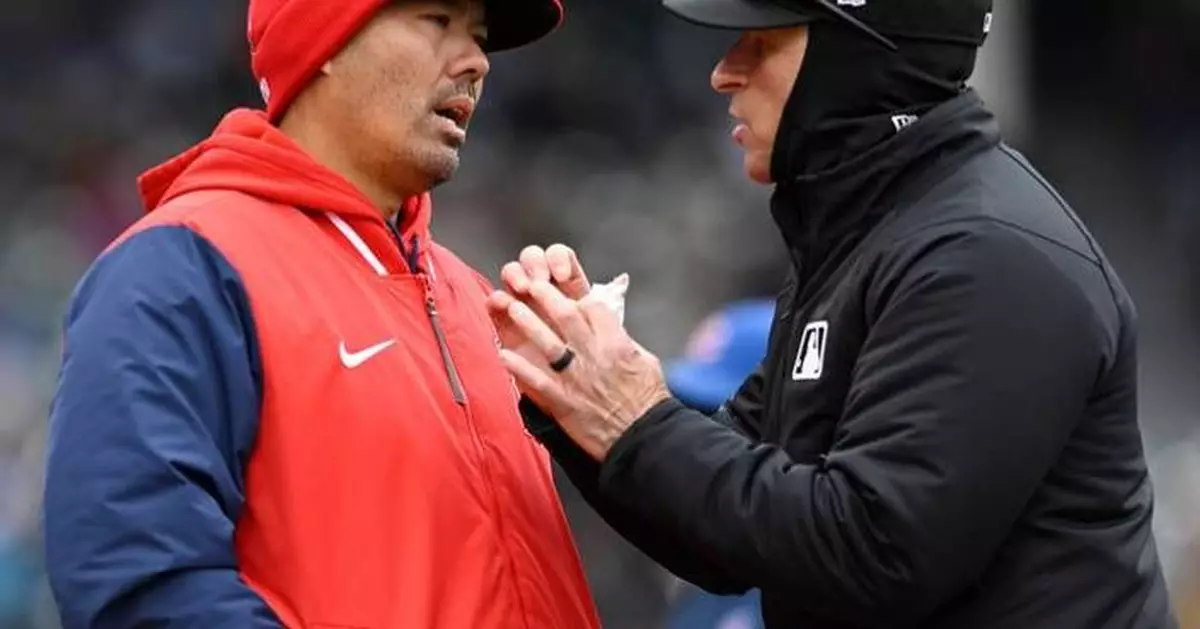
Suzuki held up his hand in the direction of the field before deciding to challenge. But the umpires did not initiate a replay review because they said Suzuki took too long to make his decision.
According to Major League Baseball's replay regulations, once a manager notifies an umpire that a club is considering a challenge, the umpire “will hold play until the earlier of the expiration of the 15-Second Determination Timer ... or an indication from the Manager that the Club is not going to challenge the play.”
“When a close play happens like that, the manager is required to immediately hold, to signal to start the clock, which is 15 seconds,” crew chief Chris Guccione told a pool reporter. “So once I see a manager hold by raising his hand, I'll radio up to the press box, to the tech up there, who then starts the clock. So then from that point they've got 15 seconds to either wave it off, challenge, whatever they need to do.”
The 15 seconds is displayed on the pitch clock, and umpires wear a communication device that buzzes when the clock strikes zero.
“There's zeros and the buzz, and then Kurt came up just a little late,” Guccione said.
Suzuki said bench coach John Gibbons, who is the conduit between the manager and Angels staffers looking at the replay, said the timing of the challenge decision was close.
“He said it was a judgment thing,” Suzuki said. “He said it was like zero-bam and then I challenged, so it was like right after. If we’re late, we’re late. Can’t really argue that. Even if it’s a half-second, a second, you can’t argue that. If you’re late, you’re late.”
The Cubs went on to score four more runs in the third, including two with two outs in the inning.
The Angels challenged a successful steal by Hoerner in the sixth, but the call was upheld.
The time limit for deciding whether to request a replay challenge was lowered from 20 to 15 seconds when the pitch clock was instituted as part of a package of rules changes ahead of the 2023 season.
The 42-year-old Suzuki took over as the team's manager in October. He spent the previous three seasons as a special assistant to Angels general manager Perry Minasian.
Suzuki was a major league catcher for five teams over 16 seasons, winning a World Series with Washington in 2019. He had no major league coaching experience when he was hired as manager.
AP MLB: https://apnews.com/hub/mlb
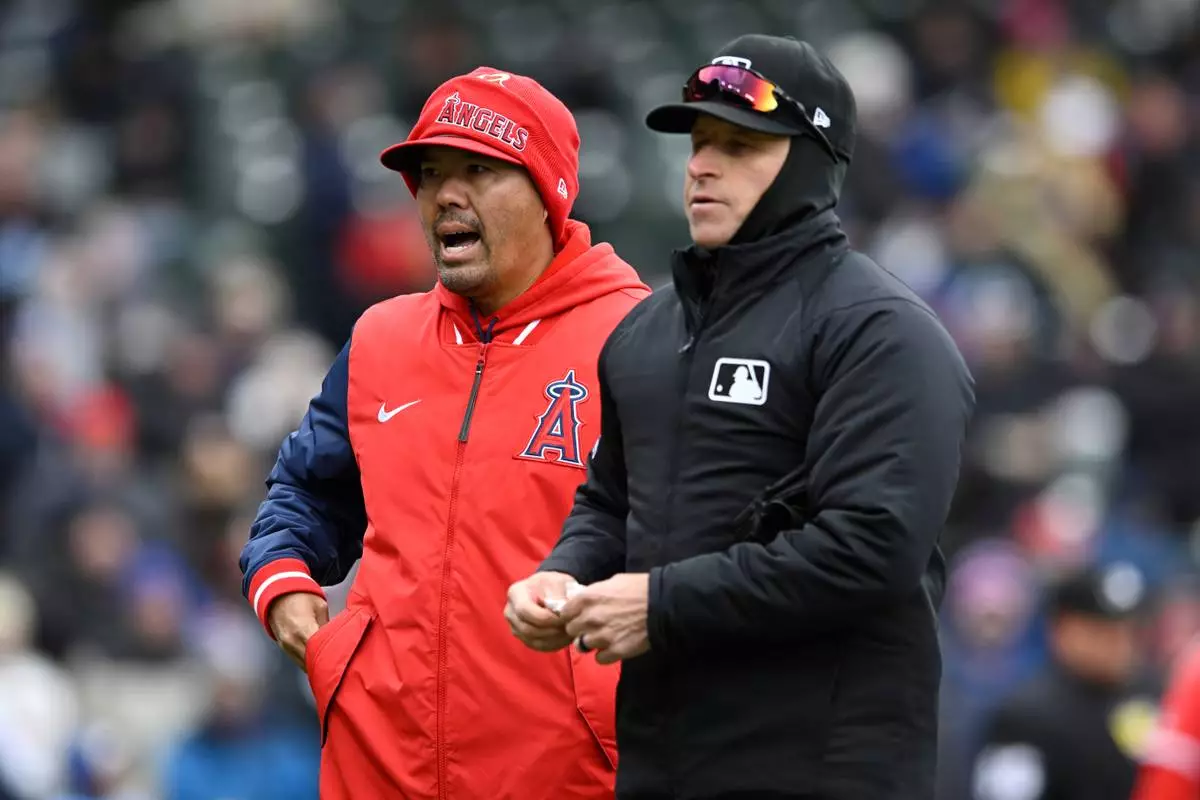
Los Angeles Angels manager Kurt Suzuki, left, attempts to challenge a play with an umpire during the third inning of a baseball game against the Chicago Cubs in Chicago, Wednesday, April 1, 2026. (AP Photo/Paul Beaty)
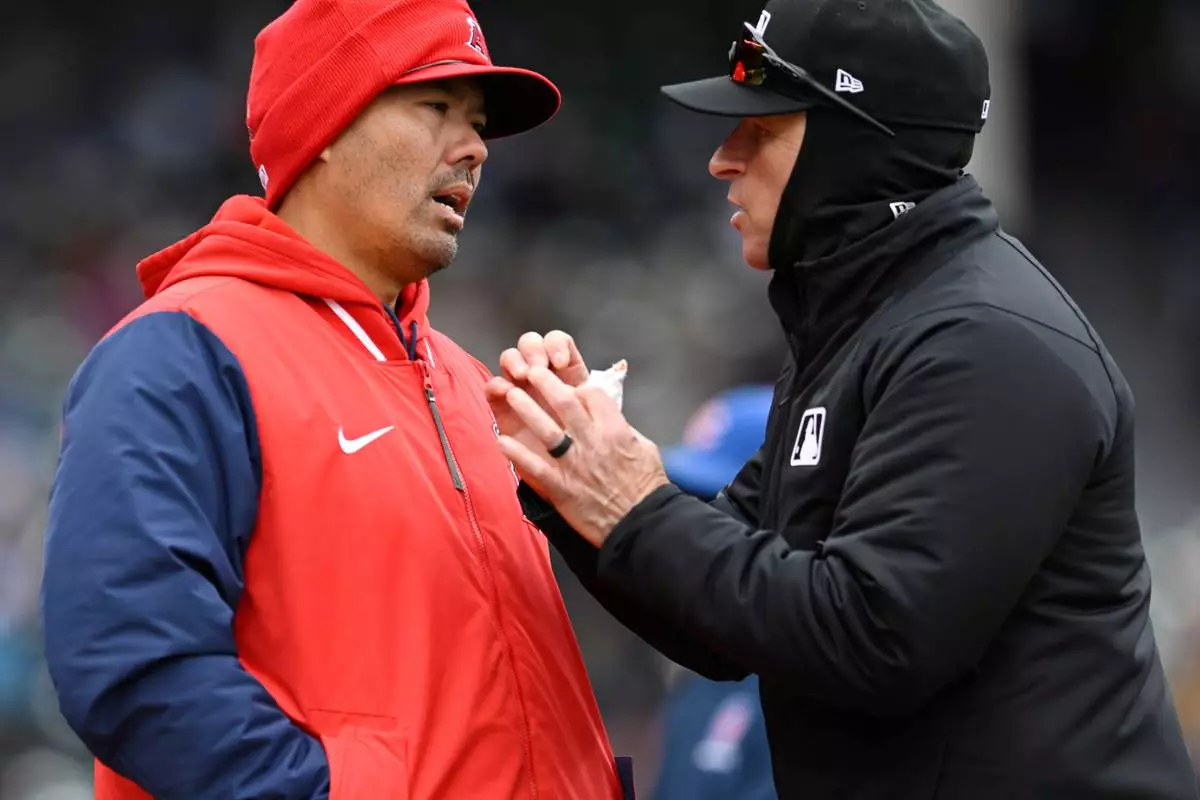
Los Angeles Angels manager Kurt Suzuki, left, attempts to challenge a play with an umpire during the third inning of a baseball game against the Chicago Cubs in Chicago, Wednesday, April 1, 2026. (AP Photo/Paul Beaty)
SALT LAKE CITY (AP) — New DNA testing has definitively linked the unsolved death of a Utah teenager in 1974 to the infamous serial killer Ted Bundy, the local sheriff’s office said Wednesday.
Laura Ann Aime, 17, went missing Halloween night 51 years ago after she left a party alone to go to a convenience store. About a month later, her body was found on the side of a highway in American Fork Canyon. She was bound, beaten and without clothing. Authorities said she had likely been kept alive for several days after her abduction.
Investigators long suspected that Bundy was responsible — police said he verbally acknowledged his culpability before his execution in Florida in 1989 — but the case remained open until they could be certain.
“It's really quite amazing that people are even still interested in Laura's case,” her sister, Michelle Impala, said at a news conference Wednesday. “Know I speak for my family when I thank you, and thank you media, too, for even caring.”
Bundy was one of the nation’s most prolific serial killers, with at least 30 women and girls’ deaths linked to him in several states in the 1970s. His murders — which occurred in sorority houses, parks and elsewhere — set the nation on edge. Bundy’s arrest drew widespread fascination, in part because many considered him to be charming and handsome.
Investigators had carefully preserved the evidence from Aime’s case, and forensic analysts were able to identify portions that seemed most likely to have usable DNA samples, Utah Department of Public Safety Commissioner Beau Mason said.
The state crime lab got new technology in 2023 that allows investigators to extract DNA from samples even if they are small, degraded from age or contain DNA from multiple people, he said. That technology allowed them to identify a single male DNA profile, which they submitted to a national law enforcement database.
Bundy’s DNA was a match, Mason said.
That profile can now be used by other law enforcement agencies who have long suspected Bundy of additional unsolved killings, he said, adding that more families could get similar closure.
“Laura Aime is the quintessential daughter of Utah County,” Sgt. Mike Reynolds said. “We felt the pain the family feels when she was taken. We felt the pain that you felt this whole entire time, and we’ve had the desire to deliver to you some type of healing.”
Impala was only 12 when her older sister died. Even with a five-year age gap, she said they were very close and did everything together. They shared a bedroom on the family's farm in Fairview, Utah, about 50 miles (80 kilometers) southeast of Provo.
“I'm a little kid just following her around, but we had a lot in common," Impala said.
Impala reminisced about about riding horses with her sister and watching Aime feed her horse licorice nibs.
“When she died, he would not eat those anymore,” she said.
It’s not known when Bundy first began his attacks, but by 1974, young women — many of them college students — began disappearing in Washington state. Authorities were still investigating those cases when Bundy moved to Salt Lake City and began killing people in Utah, Idaho and Colorado.
At the time of Aime’s killing, Bundy was studying law at the University of Utah.
In August 1975, he was arrested for the first time in connection with the attacks. Police pulled him over and found incriminating items in his vehicle including rope, handcuffs and a ski mask.
He was found guilty the following year of kidnapping and assaulting a teen in Utah who had managed to get away. Bundy was sentenced to 15 years in prison for that crime, and while imprisoned he was charged in connection with the earlier death of a nursing student.
He was brought to Aspen, Colorado, for a hearing in that case in 1977, and he escaped custody by climbing out a second-story courthouse window when he was left alone for a time. He was caught after about a week, but escaped again six months later by breaking through the ceiling of a jail.
Bundy fled across the country, eventually making his way to Tallahassee, Florida. On Jan. 15, 1978, he entered the Chi Omega sorority house at Florida State University, bludgeoning two women to death with a large branch and leaving two more badly injured. He then went to another house nearby, badly injuring another woman.
Less than a month later, he abducted, sexually assaulted and killed a 12-year-old girl in Lake City, Florida. Kimberly Leach was believed to be his last victim before he was arrested again and executed years later.
Boone reported from Boise, Idaho.
This story has been updated to correct that the killings at the Florida State University sorority house were in 1978, not 1977.
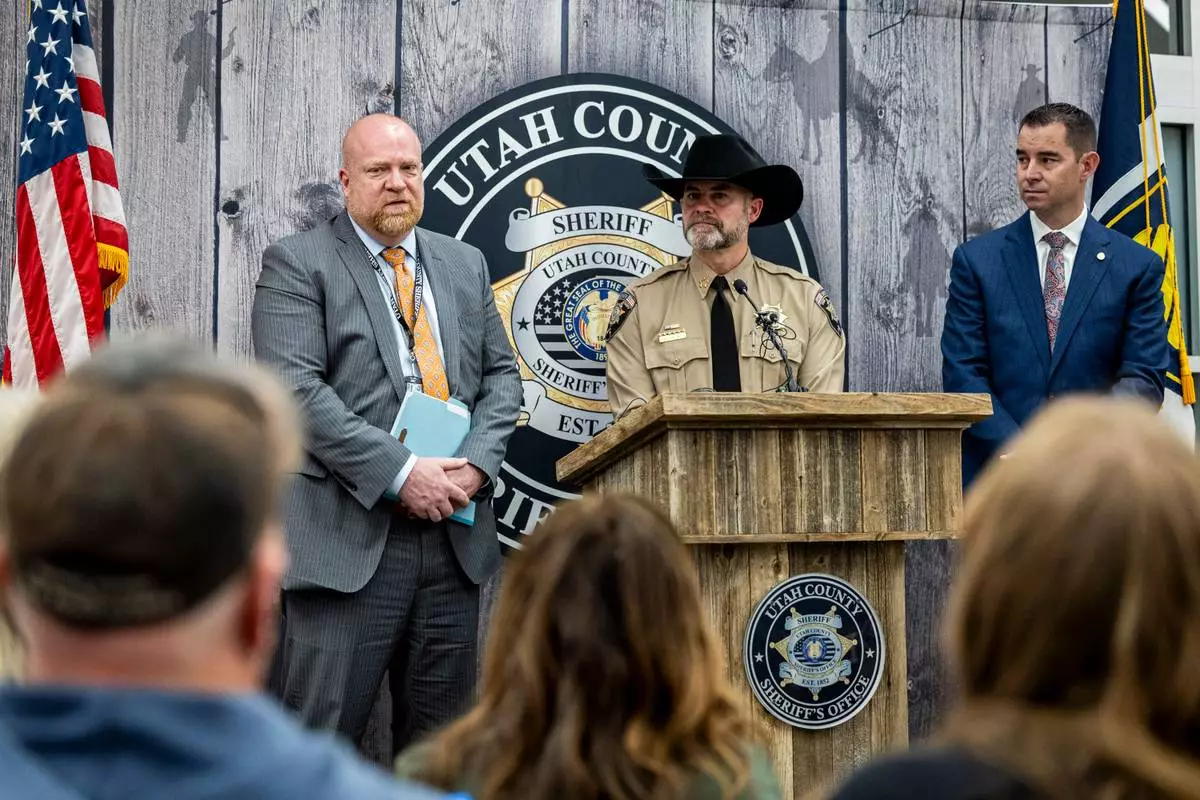
Utah County Sheriff Sgt. Mike Reynolds, from left, speaks as he and Utah County Sheriff Mike Smith and Beau Mason, commissioner of the Utah Department of Public Safety, field questions at the end of a news conference announcing that definitive evidence has linked Ted Bundy to the murder of Laura Ann Aime, at the Utah County Sheriff's Office, in Spanish Fork, Utah, Wednesday, April 1, 2026. (Isaac Hale/The Deseret News via AP)
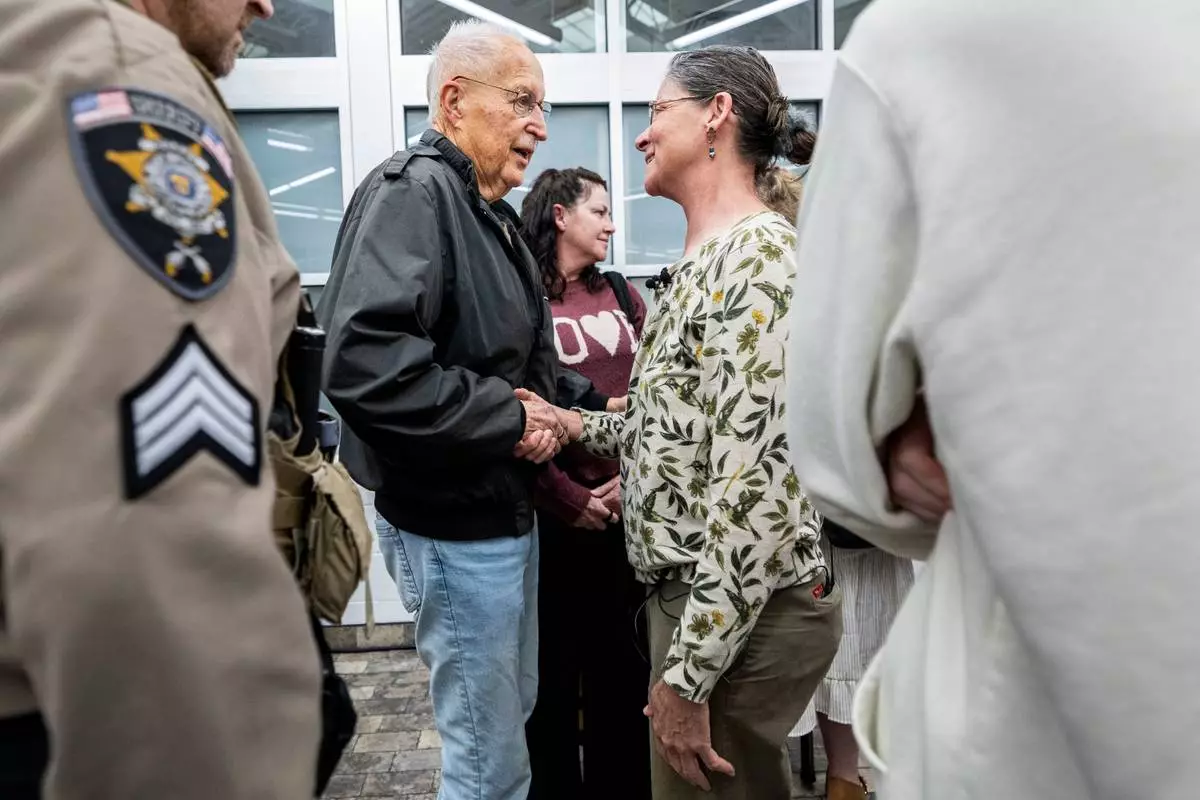
Brent Bullock, center left, who led investigations at the Utah County Attorney's Office around the time of Laura Ann Aime's murder, shakes hands with Michelle Impala, Aime's younger sister, after a news conference at the Utah County Sheriff's Office in Spanish Fork, Utah, Wednesday, April 1, 2026, announcing definitive evidence linking Ted Bundy to Aime's murder. (Isaac Hale/The Deseret News via AP)
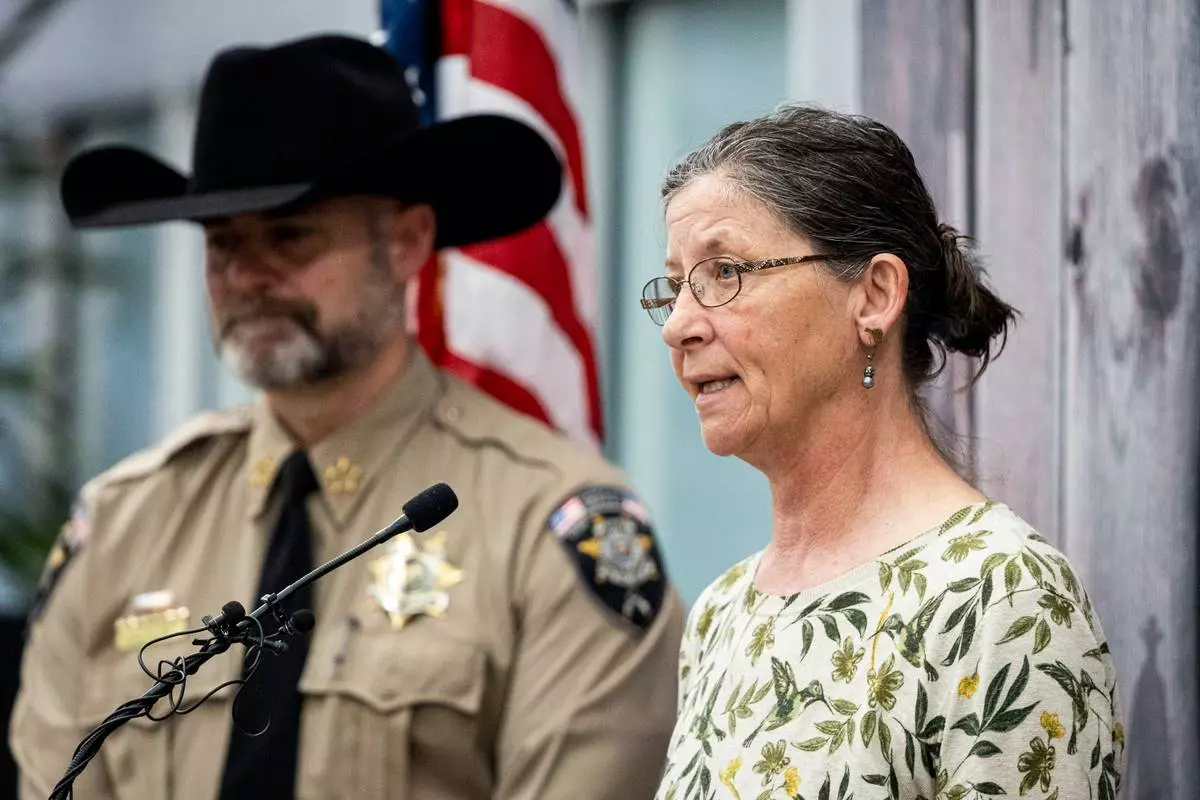
Michelle Impala, right, sister of Laura Ann Aime, speaks, joined by Utah County Sheriff Mike Smith, during a news conference announcing that definitive evidence has linked Ted Bundy to Aime's murder, at the Utah County Sheriff's Office, in Spanish Fork, Utah, Wednesday, April 1, 2026. (Isaac Hale/The Deseret News via AP)
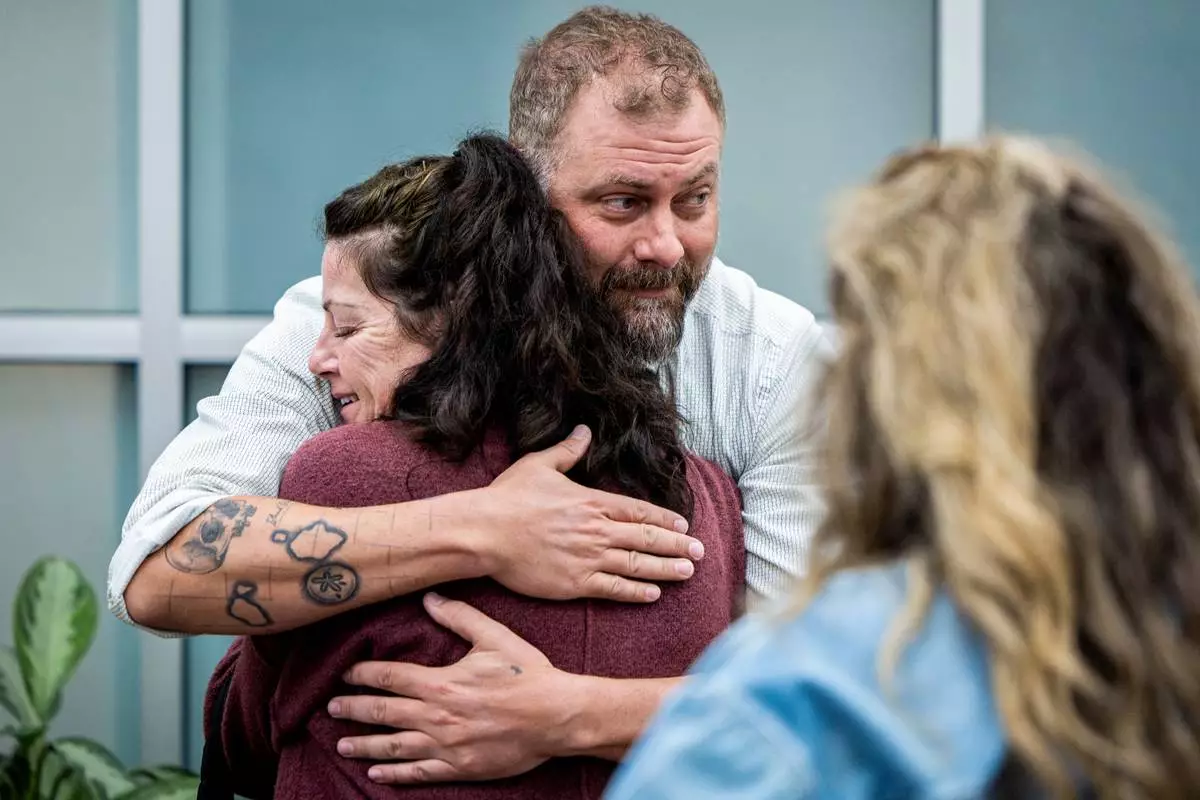
Utah County Sheriff's Deputy Jake Hall, lead detective on the case, looks to other family members as he hugs Tommi Aime, youngest sister of Laura Ann Aime, after announcing that definitive evidence has linked Ted Bundy to Laura's murder at a news conference at the Utah County Sheriff's Office, in Spanish Fork, Utah, Wednesday, April 1, 2026. (Isaac Hale/The Deseret News via AP)
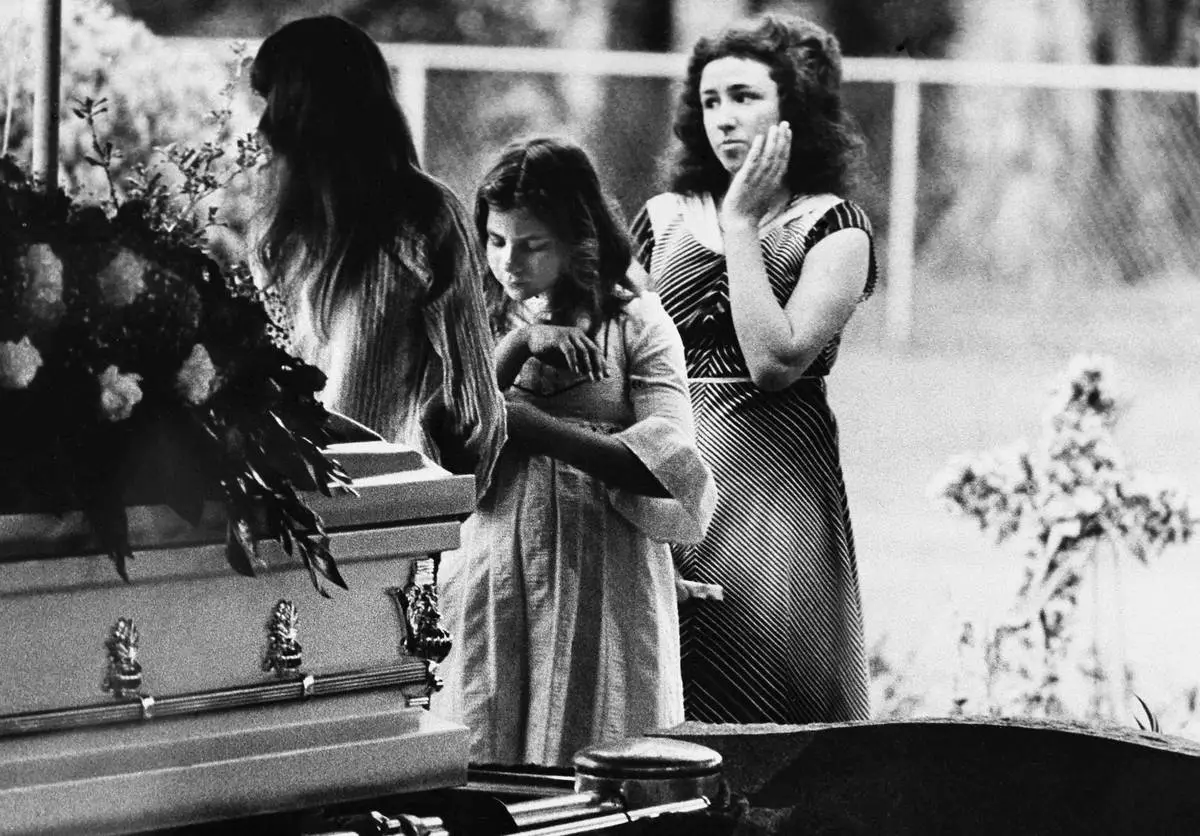
FILE - Mourners say goodbye to Kimberly Leach at her funeral, April 13, 1978, in Lake City, Fla. (AP Photo, File)
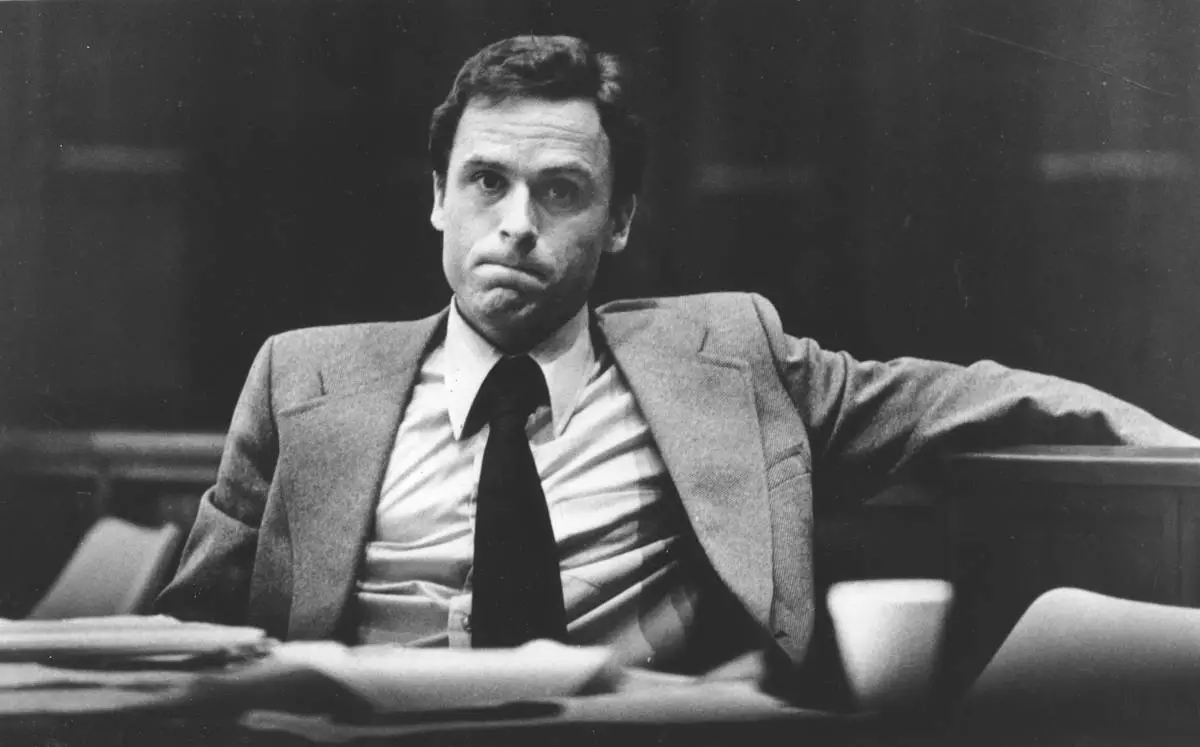
FILE - Accused murderer Ted Bundy attends the second day of jury selection in his murder trial, June 27, 1979, in Miami, Fla. (AP Photo,File)
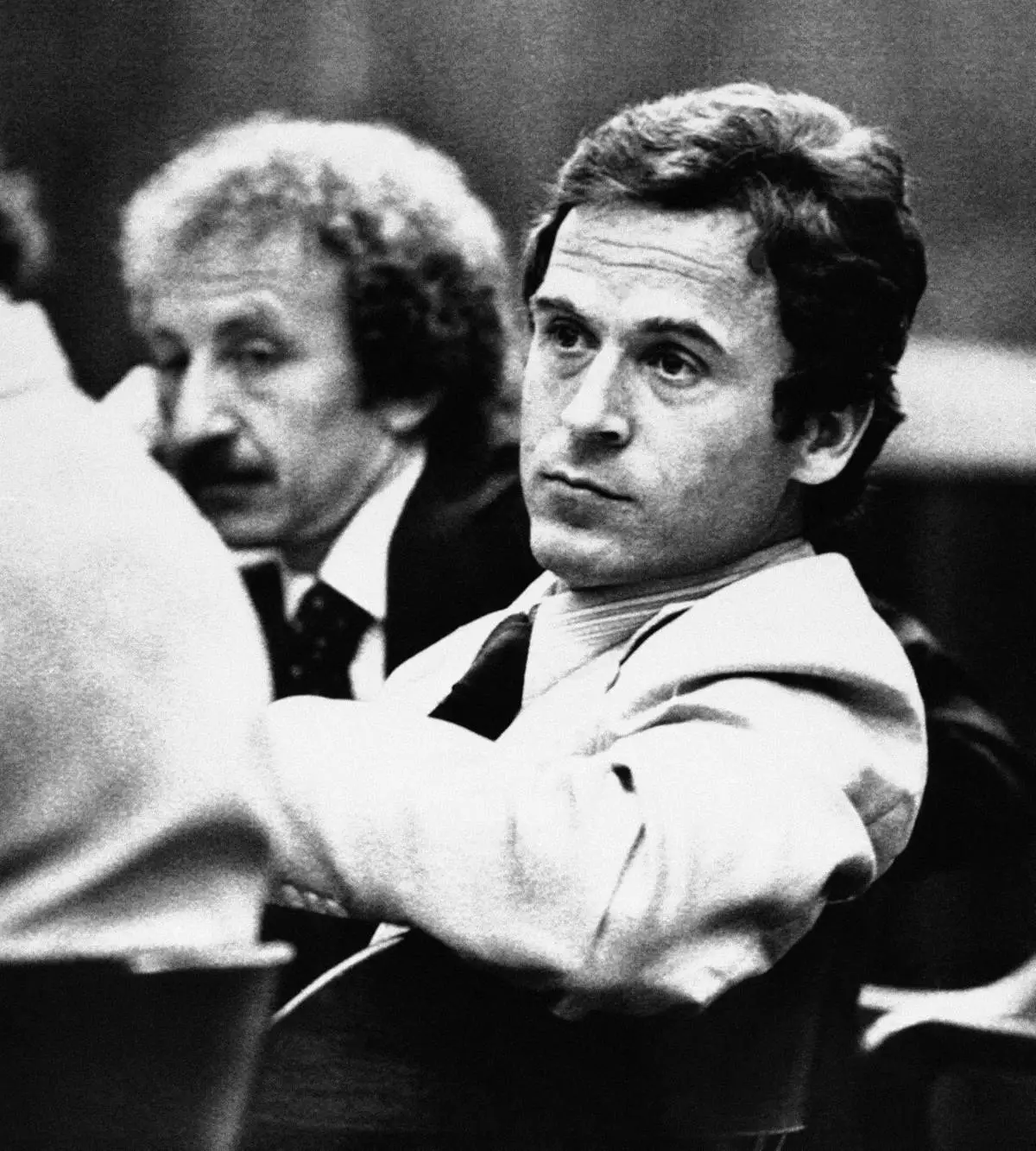
FILE - Accused murderer Ted Bundy leans back in his chair as trial judge Edward Cowart speaks, in Tallahassee, Fla., April 26, 1979. (AP Photo/Mark Foley, File)