British Prime Minister Keir Starmer said Wednesday that Britain will host an international summit this week on restoring freedom of navigation in the Strait of Hormuz.
Speaking at a morning press conference, Starmer said Foreign Secretary Yvette Cooper would host the meeting of international leaders, involving 35 countries, as part of efforts to address the growing economic impact of the conflict in the Middle East.
He said Britain would not be drawn into the conflict and stressed that the best way to deal with rising living costs was to push for de-escalation and ensure the Strait of Hormuz is reopened.
Starmer also warned of economic pressure stemming from the situation, saying the outlook would depend on how long the conflict lasts and how quickly the Strait of Hormuz reopens.
U.S. President Donald Trump said on Tuesday he is not ready "quite yet" to withdraw U.S. military support from efforts to force Iran to reopen the Strait of Hormuz, a critical artery for global oil and fuel flows, while urging allies to take on a greater role.
Britain to host int'l summit on Strait of Hormuz: Starmer
A Japanese energy expert has warned that ongoing oil supply shortages caused by escalating tensions in the Middle East could continue to drive up prices, intensify concerns over supply security, and ultimately drag down the world economy if the situation persists.
The ongoing conflict sparked by the attacks of the United States and Israel against Iran has tightened global energy supplies, prompting countries to take emergency measures. The Japanese government began releasing oil reserves on March 16.
In an Interview with China Central Television on Wednesday, Ken Koyama, chief economist at Japan's Institute of Energy Economics, warned that the uncertain situation in the Middle East could keep pushing up oil prices and worsen supply concerns.
"This crisis caused by attacks by the U.S. and Israel has already lasted a month. Although there are various reports about a ceasefire, the actual direction remains unclear. If this situation continues, not only will it push up oil prices for Japan and the world, but it will also intensify concerns about supply shortages, dragging down the global economy. The longer it lasts, the more serious the problem becomes," said Koyama.
Koyama noted that shipping disruptions in the Strait of Hormuz have nearly halted Middle Eastern exports of refined oil products, posing a severe challenge for Japan, which relies heavily on these imports.
"Crude oil can be transported via pipelines that bypass the Strait of Hormuz, but there are no such alternative routes for refined oil products. Exports of refined oil products from the Middle East have been almost completely interrupted. This presents a huge challenge for countries dependent on Middle Eastern oil products. About 40 percent of Japan's naphtha is imported directly from the Middle East, and the raw materials for naphtha produced domestically also rely on crude oil from the region. So, the overall impact is significant. If the crisis is prolonged, the effects will gradually expand, and the outlook is not optimistic," he said.
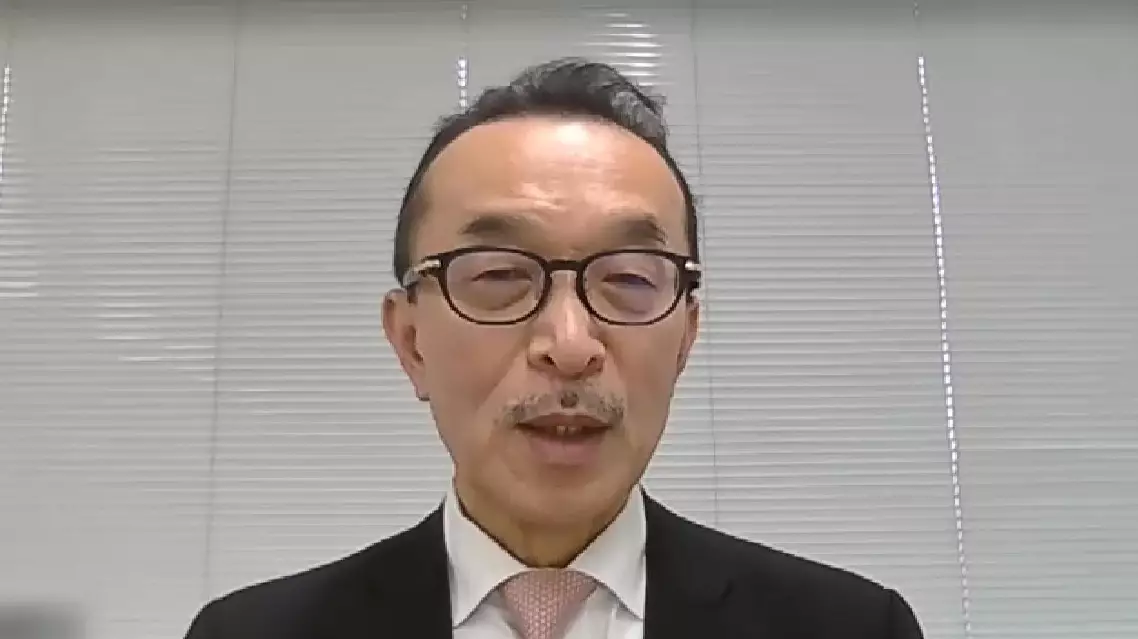
Oil shortage threatens global economy: Japanese expert