DURHAM, N.C.--(BUSINESS WIRE)--Apr 2, 2026--
restor3d, a leader in 3D-printed, personalized orthopedic solutions, today announced the full commercial availability of the Aeros™ Modular Stem System, an advancement in stemmed total ankle replacement designed to enhance implant stability, preserve bone, and improve surgical efficiency. The system follows a successful limited market release that began May 5, 2025, during which more than 250 procedures were completed across 50+ unique surgeons with strong feedback regarding intra-operative workflow and patient outcomes.
This press release features multimedia. View the full release here: https://www.businesswire.com/news/home/20260402716594/en/
Part of the Kinos Total Ankle portfolio, the Aeros Modular Stem System introduces the first modular stem tibial implant designed to be implanted entirely through a standard anterior incision without bulky external hardware or violating the calcaneus and subtalar joint. By combining a familiar surgical exposure with stemmed fixation, the system enables surgeons to achieve enhanced stability while minimizing disruption to surrounding anatomy.
“Fixation has always been one of the most important drivers of long-term success in total ankle replacement, but historically that has required tradeoffs in exposure or bone preservation,” said Samuel Ford, MD, OrthoCarolina, and design team surgeon for the Aeros Total Ankle System. “The ability to place a modular stem through a standard anterior approach gives me the stability I want without increasing surgical morbidity. In practice it feels familiar, efficient, and reproducible, and my early patients have recovered very well.”
Built on restor3d’s proprietary TIDAL Technology™, the system incorporates 3D-printed tibial and talar implants with optimized porous architecture designed to support biological fixation and long-term osseointegration 1,2. The platform allows surgeons to select interchangeable articulation constructs and pair any tibial implant size with any flat-cut talar component, supporting flexibility in surgical philosophy while preserving bone through minimized resections. The system also features streamlined instrumentation and can be used with or without Axiom PSR™, restor3d’s fully metal patient-specific resection guides for total ankle replacement. Stemmed tibial implants have demonstrated significantly reduced odds of tibial and overall mechanical failure compared with low-profile tibial implants 3.
“With Aeros, we focused on delivering fixation, flexibility, and efficiency in a single platform,” said Kurt Jacobus, CEO and Co-Founder of restor3d. “This system expands surgeon choice within the Kinos ankle portfolio while supporting consistent, reproducible outcomes for patients.”
The Aeros Modular Stem System is now commercially available in the United States beginning April 2, 2026. To learn more, visit https://www.restor3d.com/healthcare-professionals/products/foot-ankle/total-ankle-replacement/
Citations
About restor3d, Inc.
restor3d is a world leader in 3D printed patient specific musculoskeletal implants and driven by the belief that every patient deserves personalized care. The company holds proprietary expertise and intellectual property in 3D printing of osseointegrative materials, AI-based planning and design automation tools, and digital health solutions to provide seamless data-backed care to optimize individual patient outcomes. Alongside its customers, restor3d is reimagining the musculoskeletal reconstruction landscape. More information is available at www.restor3d.com.
Forward-Looking Statements
Certain statements made in this release that are not statements of historical or current facts are forward-looking statements which involve known and unknown risks, uncertainties and other factors that may cause the actual results, performance or achievements of the company to be materially different from historical results or from any future results or projections expressed or implied by such forward-looking statements. In many cases, forward-looking statements can be identified by terms such as “future,” “believes,” “expects,” “may,” “will,” “should,” “potential,” “estimates,” “intends,” “anticipates” or “plans” or the negative of these terms or other comparable terminology. Forward-looking statements are based upon management’s beliefs, assumptions and current expectations but are subject to known and unknown risks and uncertainties including, without limitation, distribution challenges, market trends and demand, product efficacy and safety concerns, product or raw material availability and other supply constraints. Although management believes that the expectations reflected in the forward-looking statements are reasonable, forward-looking statements are not, and should not be relied upon as a guarantee of future performance or results. The forward-looking statements included are made only as the date of this release. The company assumes no obligation to update any information or forward-looking statement contained herein, save for any information required to be disclosed by law.
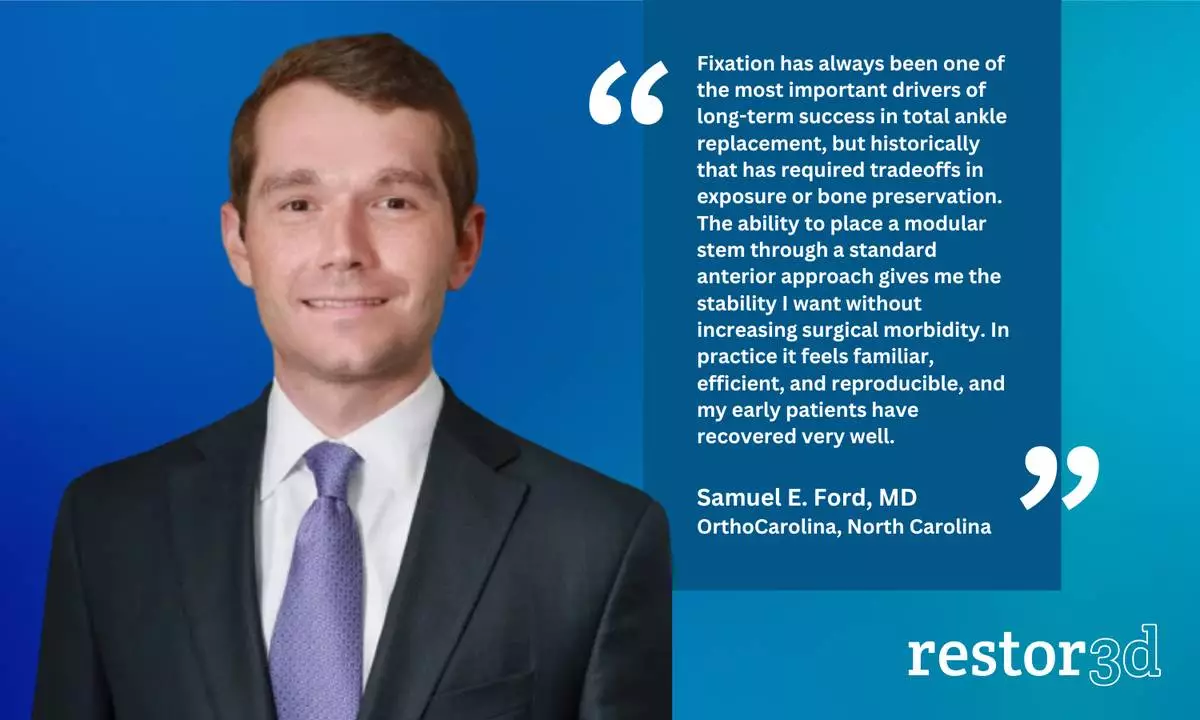
The system follows a successful limited market release that began May 5, 2025, during which more than 250 procedures were completed across 50+ unique surgeons with strong feedback regarding intra-operative workflow and patient outcomes.
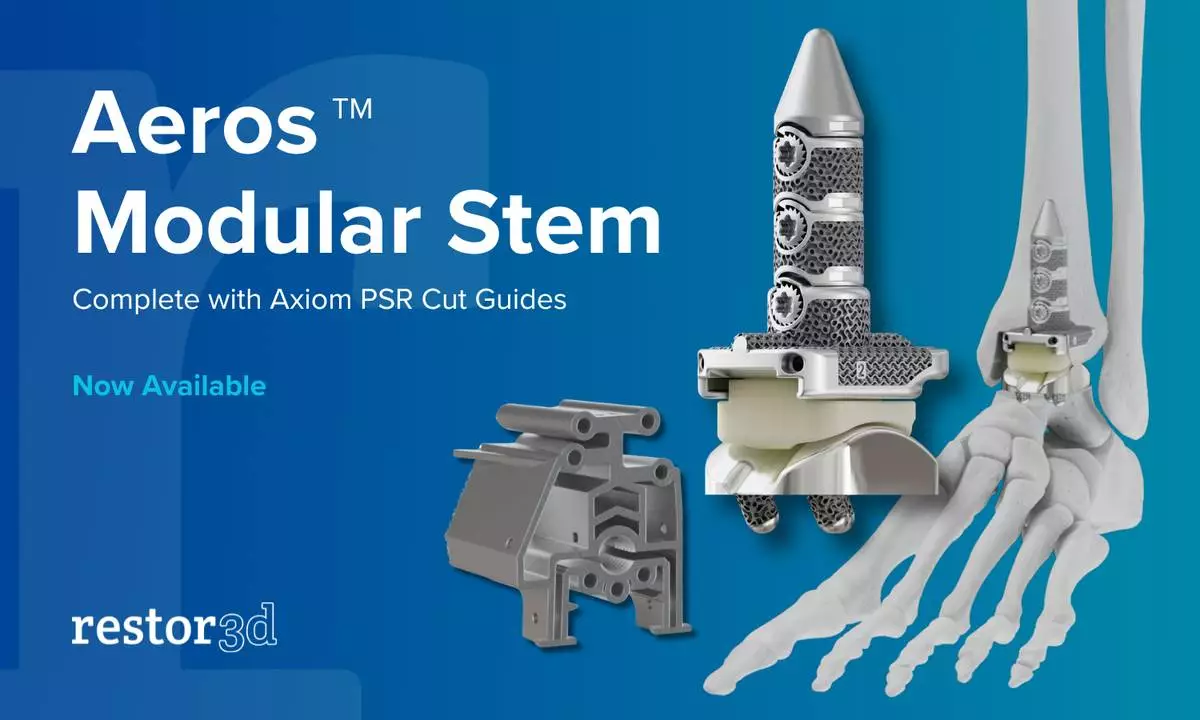
The Aeros Modular Stem System is now commercially available in the United States beginning April 2, 2026.
DUBAI, United Arab Emirates (AP) — Iran fired more missiles at Israel and Gulf Arab states Thursday, demonstrating Tehran’s continued ability to attack even as U.S. President Donald Trump claimed the threat from the country was nearly eliminated and predicted the war would end soon.
Iran’s strikes on its neighbors along with its chokehold on the Strait of Hormuz have disrupted the world’s energy supplies with effects far beyond the Middle East. That has proved to be Iran’s greatest strategic advantage in the war. Britain planned to hold a call with nearly three dozen countries about how to reopen the strait, through which 20% of all traded oil passes in peacetime, once the fighting is over.
Trump has insisted the strait, which was open to traffic before the U.S. and Israel launched their war on Iran, can be taken by force — but said it is not up to the U.S. to do that. In his address to the American people Wednesday night, he encouraged countries that depend on oil passing through Hormuz to “build some delayed courage” and go “take it.”
Iran responded defiantly to Trump’s speech, in which the American president claimed U.S. military action had been so decisive that “one of the most powerful countries” is “really no longer a threat.”
A spokesman for Iran’s military insisted Thursday that Tehran maintains hidden stockpiles of arms, munitions and production facilities. “The centers you think you have targeted are insignificant, and our strategic military productions take place in locations of which you have no knowledge and will never reach,” Lt. Col. Ebrahim Zolfaghari claimed.
Just before Trump began his address — in which he said U.S. “core strategic objectives are nearing completion” — explosions were heard in Dubai as air defenses worked to intercept an Iranian missile barrage.
Less than a half-hour after the president was done, Israel said its military was also working to intercept incoming missiles. Sirens sounded in Bahrain, home to the U.S. Navy’s 5th Fleet, immediately after the speech.
Attacks continued across Iran on Thursday, with strikes reported in multiple cities.
More than 1,900 people have been killed in Iran during the war, while 19 have been reported dead in Israel. More than two dozen people have died in Gulf states and the occupied West Bank, while 13 U.S. service members have been killed.
More than 1,200 people have been killed and more than 1 million displaced in Lebanon, home to Iran-backed Hezbollah militants who are fighting Israel, which has launched a ground invasion. Ten Israeli soldiers have also died there.
Iranian attacks on some two dozen commercial ships, and the threat of more, have halted nearly all traffic in the waterway that connects the Persian Gulf to the open ocean.
The 35 countries speaking Thursday, including all G7 industrialized democracies except the U.S., as well as the United Arab Emirates and Bahrain, signed a declaration last month demanding Iran stop blocking the strait. British Prime Minister Keir Starmer said the countries will discuss “viable diplomatic and political measures” to resume shipping.
But no country appears willing to try to open the strait by force while the war is raging. There is a concern that Iran might limit traffic through the strait even after U.S. and Israeli attacks on it cease.
The idea of an international effort has echoes of the “coalition of the willing,” led by the U.K. and France, that was assembled to underpin Ukraine’s security in the event of a ceasefire in that war. The coalition is, in part, an attempt to demonstrate to Washington that Europe is doing more for its own security in the face of frequent criticism from Trump.
The U.S. has presented Iran with a 15-point plan for a ceasefire, but Trump didn’t say anything in his speech about the diplomatic efforts or bring up his April 6 deadline for Iran to reopen the Strait of Hormuz or face severe retaliation.
The conflict is driving up prices for oil and natural gas, roiling stock markets, pushing up the cost of gasoline and threatening to make a range of goods, including food, more expensive.
On Thursday, Brent crude, the international standard, rose again and was at $108 in spot trading, up about 50% from Feb. 28 when Israel and the U.S. started the war.
Though the oil and gas that typically transits the strait is primarily sold to Asian nations, Japan and South Korea were the only two countries from the region joining Thursday's call about the strait. The supply of jet fuel has also been interrupted by the conflict, with consequences for travel worldwide.
Weissert reported from Washington and Rising from Bangkok.
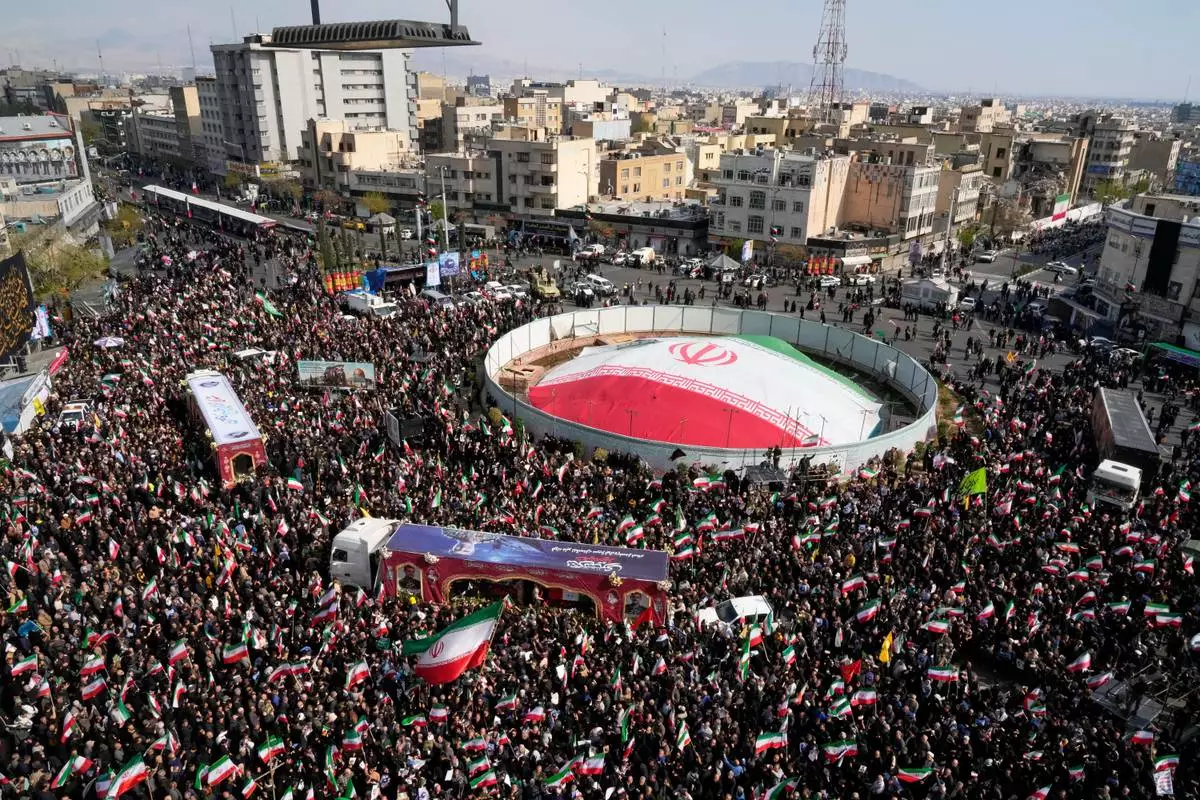
Mourners gather during a funeral procession for Alireza Tangsiri, head of Iran's Islamic Revolutionary Guard Corps Navy, and others killed in Israeli strikes in late March, in Tehran, Iran, Wednesday, April 1, 2026. (AP Photo/Vahid Salemi)
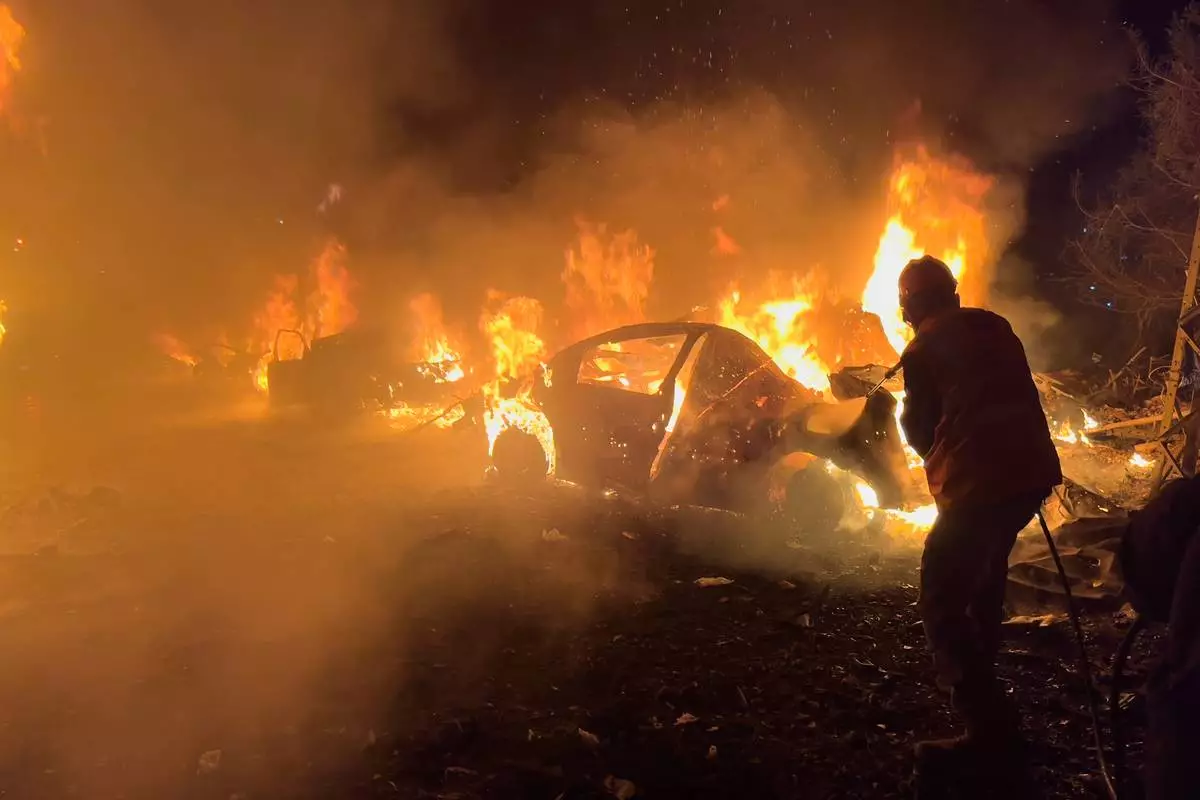
A firefighter extinguishes a car at the site of Israeli airstrikes, in Beirut, Lebanon, Wednesday, April 1, 2026. (AP Photo/Hussein Malla)

People take cover in a bomb shelter as air raid sirens warn of incoming Iranian missile strikes in Bnei Brak, Israel, Wednesday, April 1, 2026. (AP Photo/Oded Balilty)
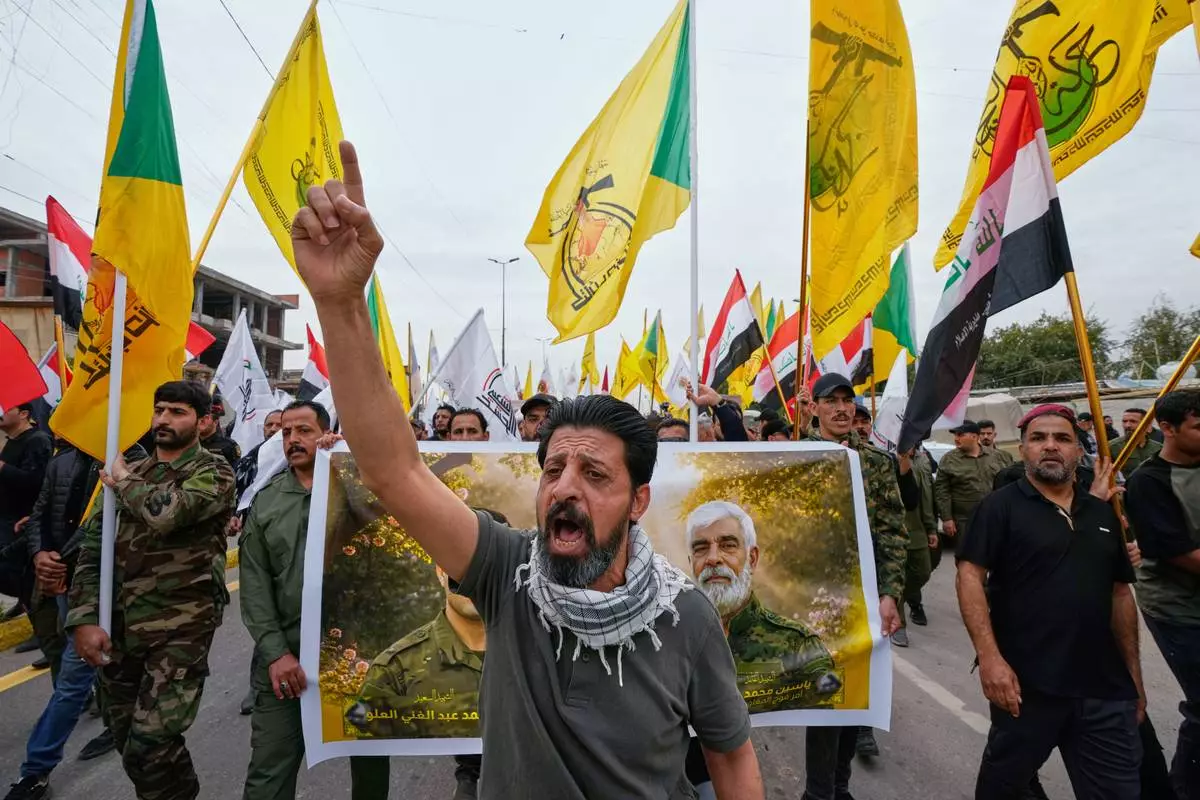
Members from the Popular Mobilization Forces attend a funeral of fighters who were killed in a U.S. airstrike, in Tal Afar, Nineveh province, north of Baghdad, Iraq, Thursday, April 2, 2026. (AP Photo/Hadi Mizban)
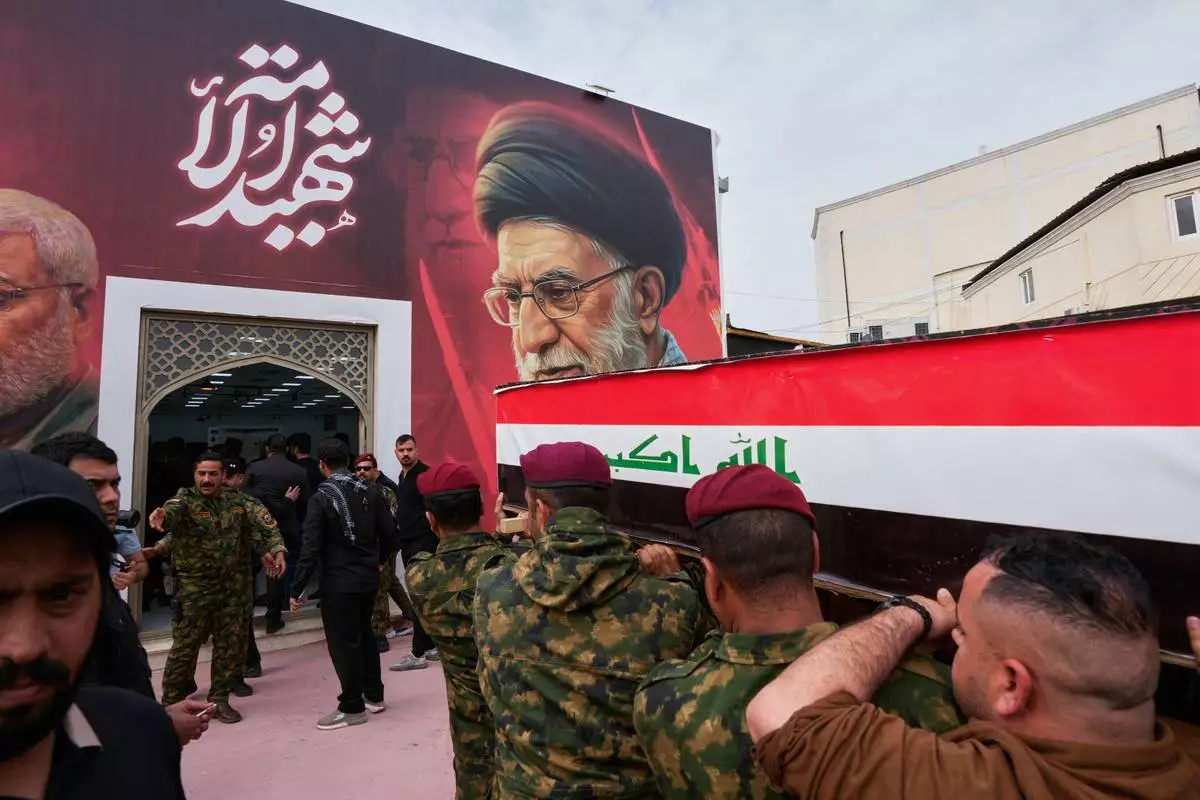
Members from the Popular Mobilization Forces attend a funeral of fighters who were killed in a U.S. airstrike, in Tal Afar, Nineveh province, north of Baghdad, Iraq, Thursday, April 2, 2026. (AP Photo/Hadi Mizban)
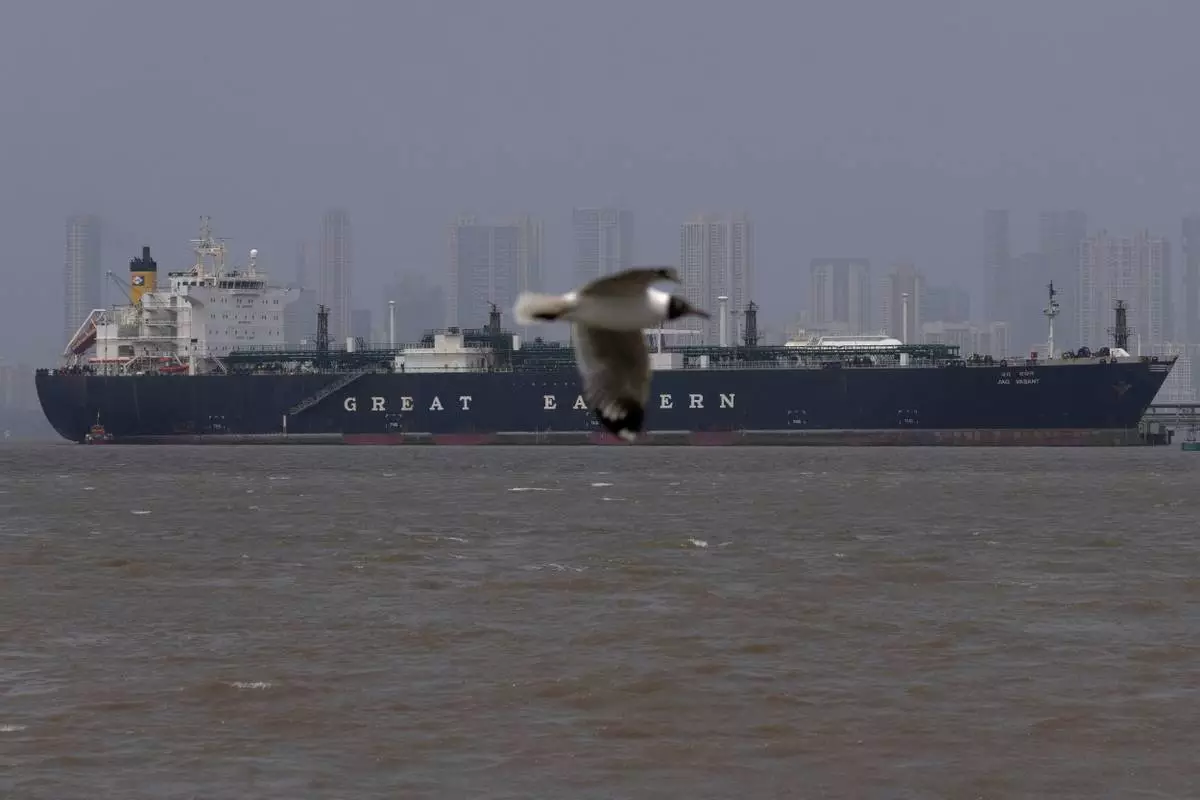
The Indian flagged LPG carrier Jag Vasant transporting liquefied petroleum gas, is seen at the Mumbai Port in Mumbai, India, after it arrived clearing the Strait of Hormuz, Wednesday, April 1, 2026. (AP Photo/Rafiq Maqbool)
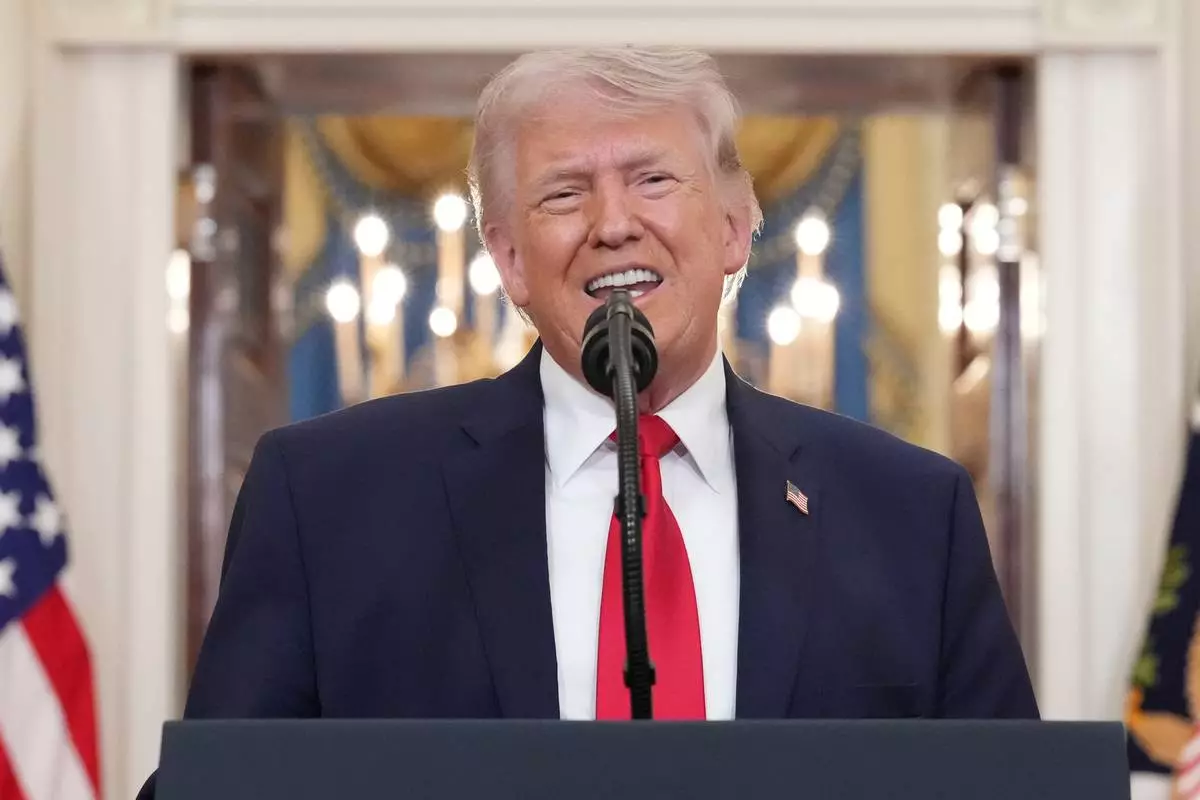
President Donald Trump speaks about the Iran war from the Cross Hall of the White House on Wednesday, April 1, 2026, in Washington. (AP Photo/Alex Brandon, Pool)
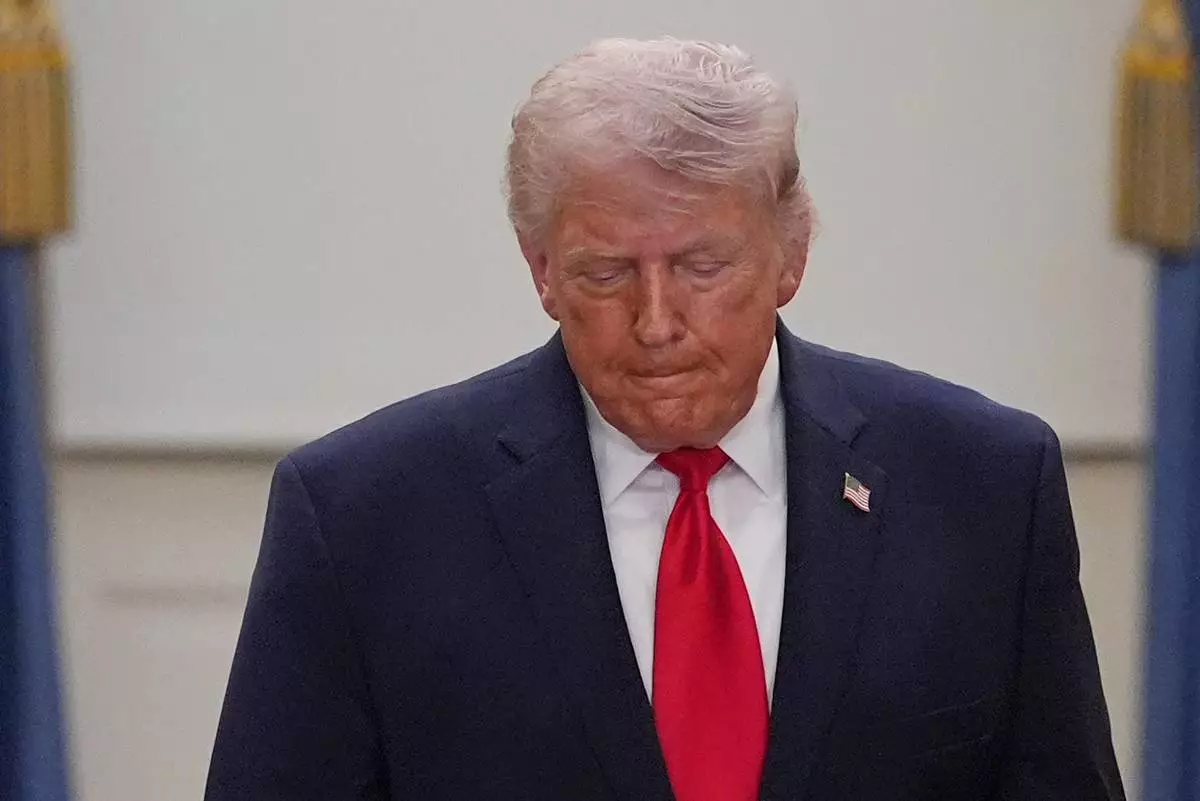
President Donald Trump walks from the Blue Room to speak about the Iran war from the Cross Hall of the White House on Wednesday, April 1, 2026, in Washington. (AP Photo/Alex Brandon, Pool)
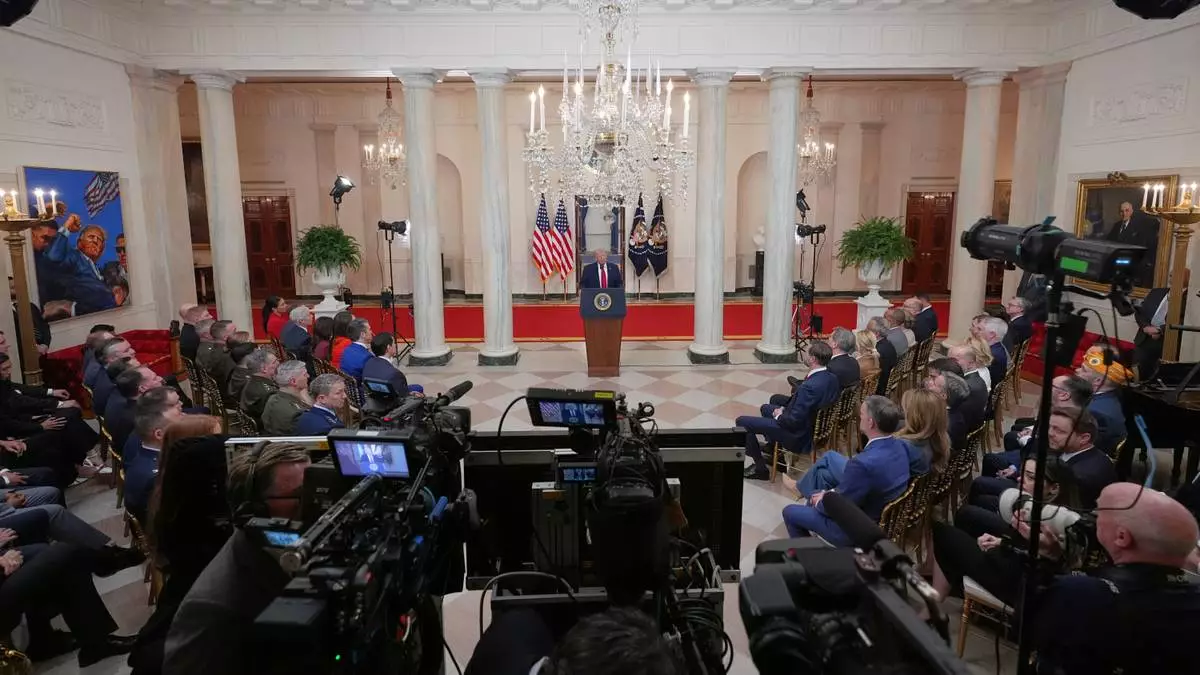
President Donald Trump speaks about the Iran war from the Cross Hall of the White House on Wednesday, April 1, 2026, in Washington. (AP Photo/Alex Brandon, Pool)
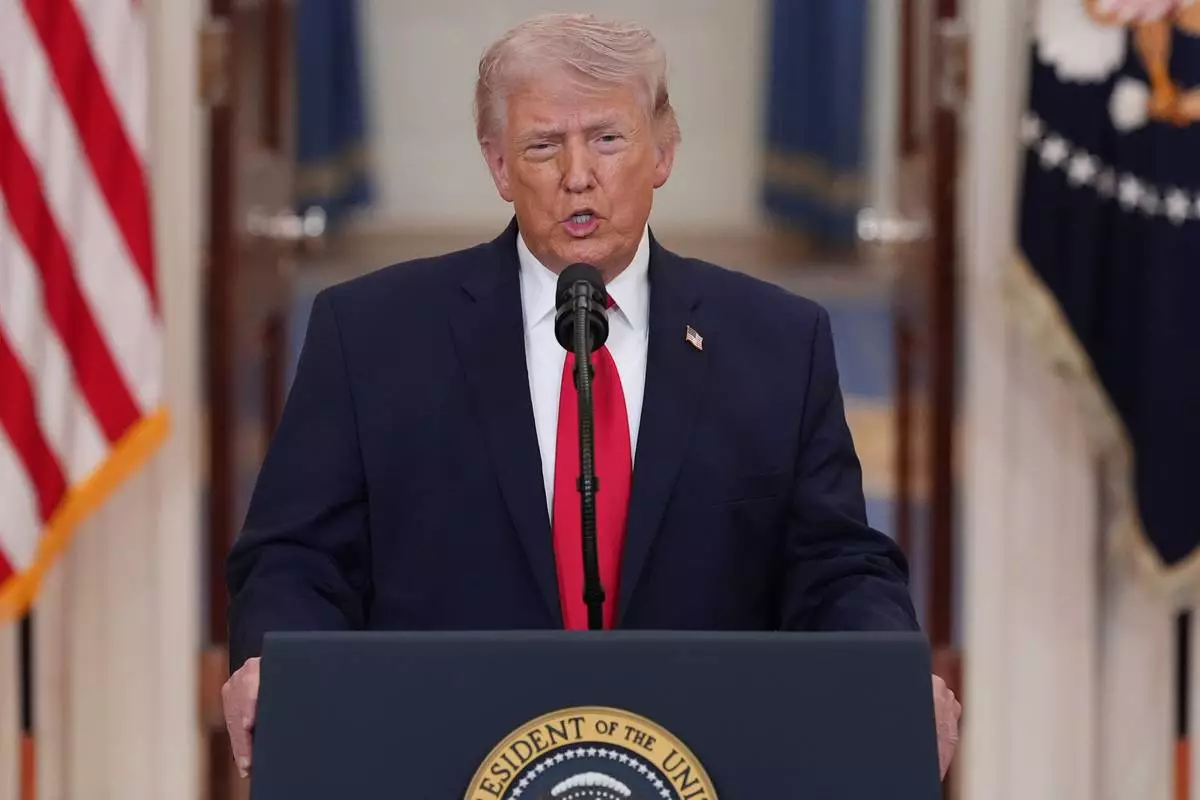
President Donald Trump speaks about the Iran war from the Cross Hall of the White House on Wednesday, April 1, 2026, in Washington. (AP Photo/Alex Brandon, Pool)