CAPE CANAVERAL, Fla. (AP) — NASA’s moonbound astronauts have reason to celebrate, and not just because their launch went so well. Their toilet is now working.
The so-called lunar loo malfunctioned as soon as the Artemis II crew reached orbit Wednesday evening. Mission Control guided astronaut Christina Koch through some plumbing tricks and she finally got it going.
Click to Gallery
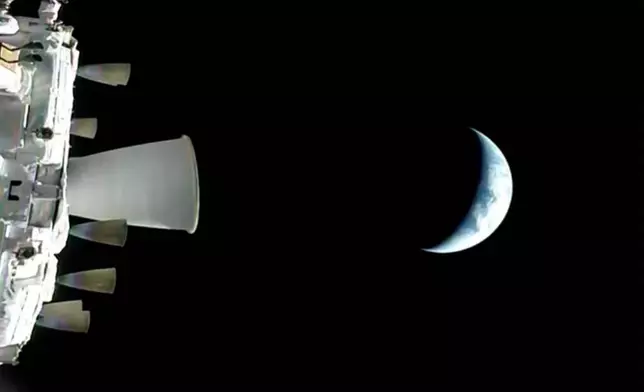
In this photo provided by NASA, a view of the Earth from NASA's Orion spacecraft as it orbits above the planet during the Artemis II test flight, on Thursday, April 2, 2026. (NASA via AP)
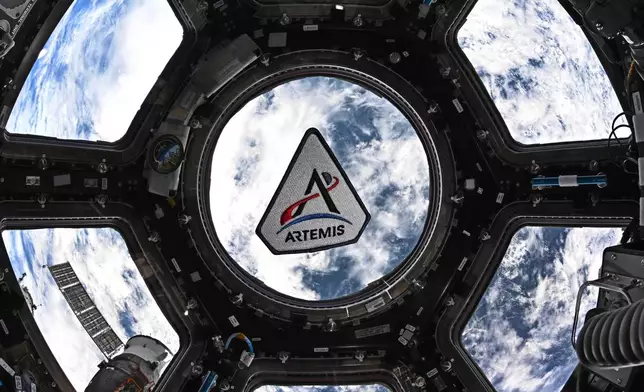
In this photo provided by NASA, an Artemis program patch floating in the International Space Station's cupola, on March 30, 2026. (Jessica Meir/NASA via AP)
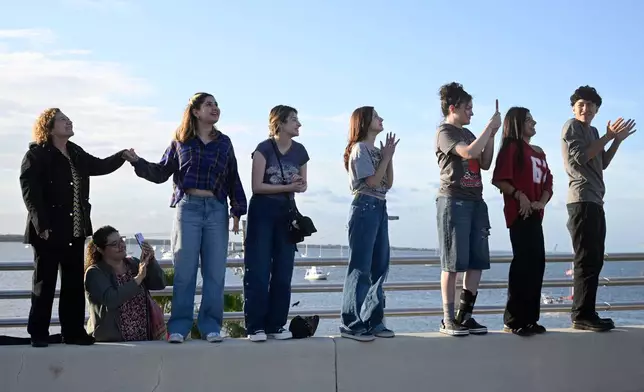
Spectators view NASA's Artemis II moon rocket launch from the A. Max Brewer Bridge, Wednesday, April 1, 2026, in Titusville, Fla. (AP Photo/Phelan M. Ebenhack)
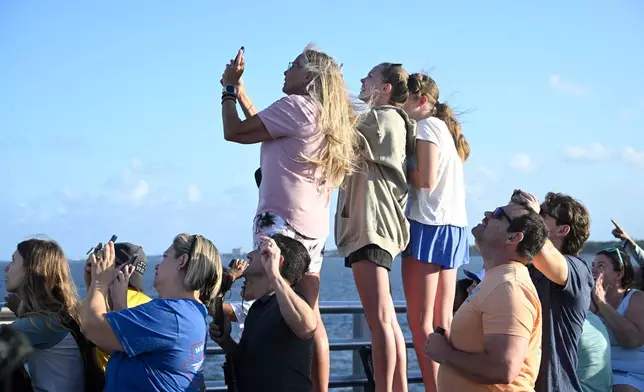
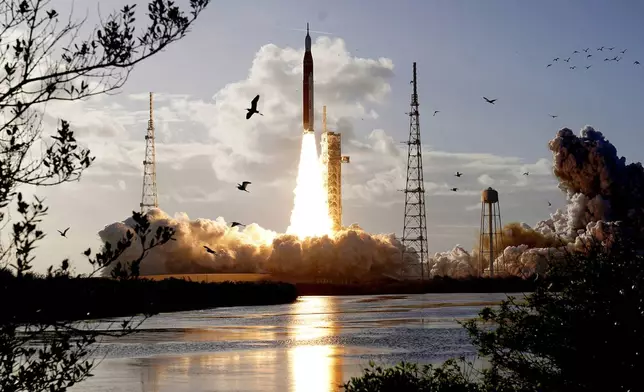
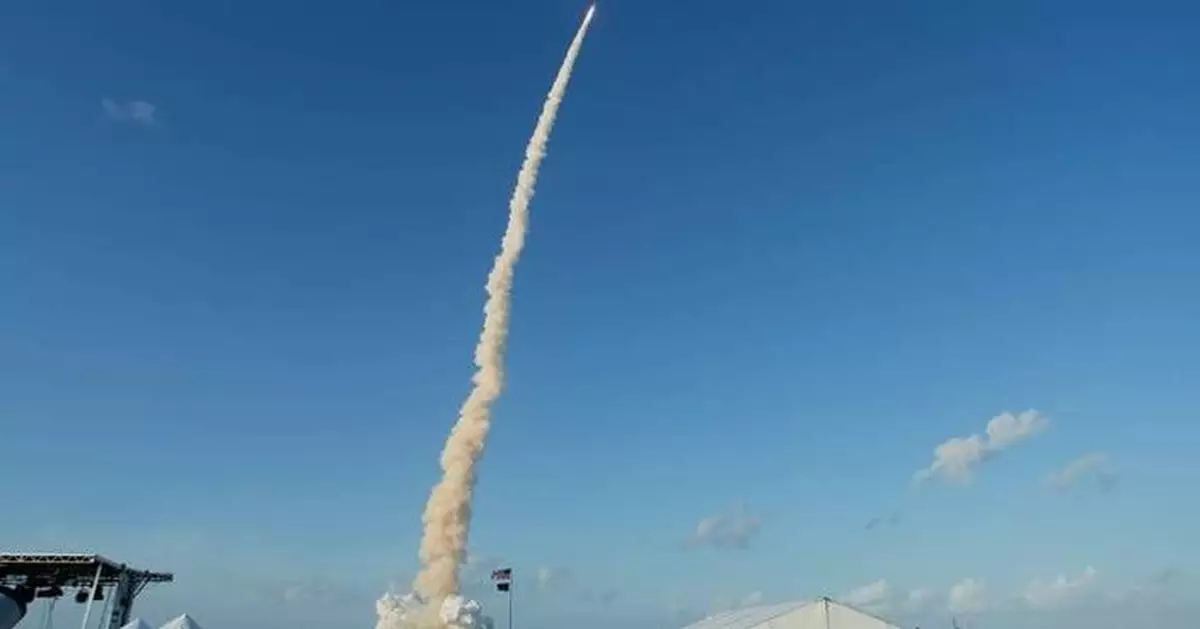
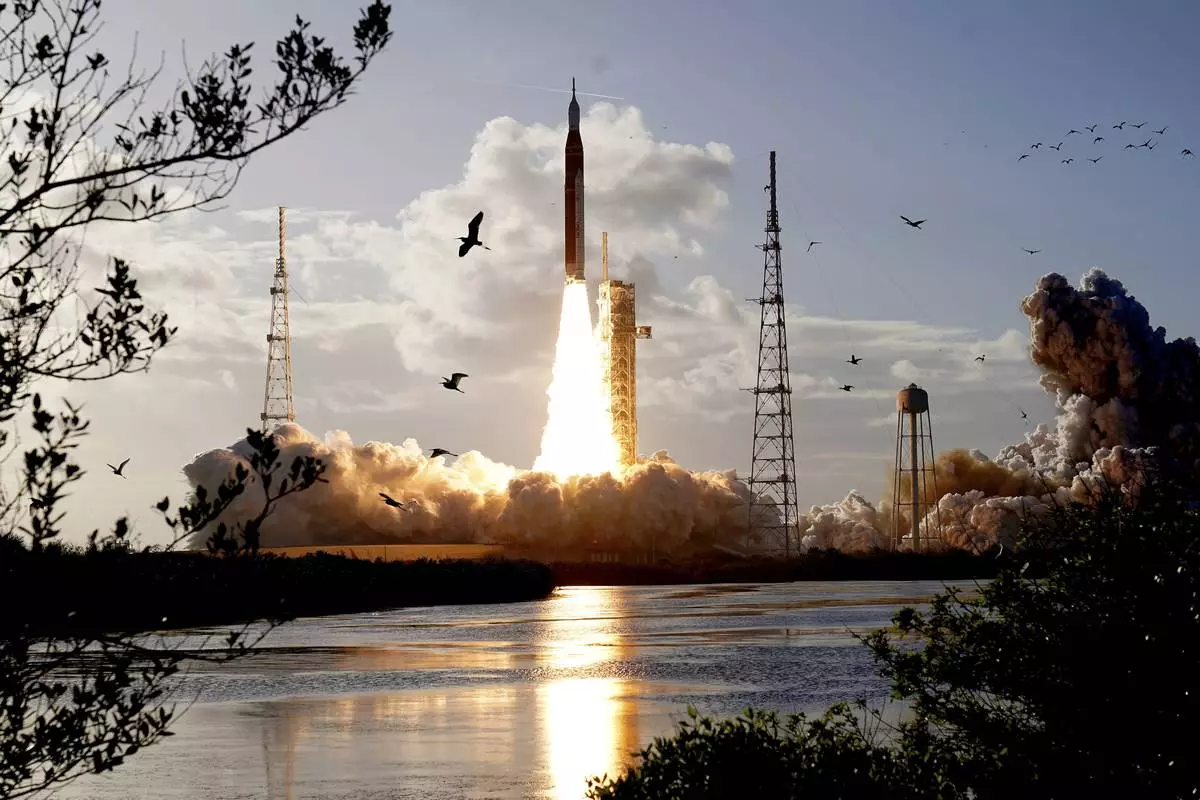
NASA's Artemis II moon rocket lifts off from the Kennedy Space Center's Launch Pad 39-B Wednesday, April 1, 2026, in Cape Canaveral, Fla. (AP Photo/Chris O'Meara)
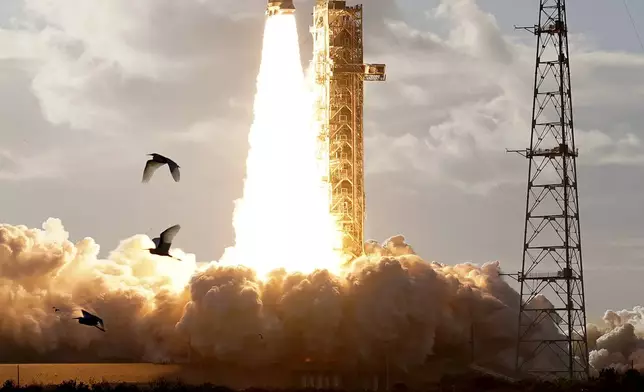
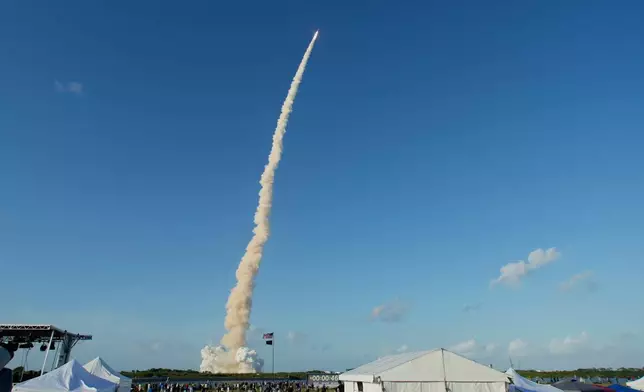
NASA's Artemis II moon rocket lifts off from the Kennedy Space Center's Launch Pad 39-B Wednesday, April 1, 2026, in Cape Canaveral, Fla. (AP Photo/John Raoux)
The bad news is that it’s so cold inside the Orion capsule — 65 degrees Fahrenheit (18 degrees Celsius) — that the four astronauts are digging into suitcases for long-sleeved clothes. Mission Control is trying to warm things up.
The three Americans and one Canadian are on track to bust out of orbit around Earth on Thursday night and zoom to the moon for a lunar fly-around. It will be Mission Control’s first translunar injection since Apollo's swan song in 1972.
To set the mood, Mission Control’s wake-up music for the crew was “Green Light” by John Legend featuring André 3000. The song segued into the 3-2-1 of the astronauts' thunderous liftoff, followed by a medley of greetings from NASA teams around the country.
“We are ready to go, and that was awesome,” pilot Victor Glover said.
While awaiting their orbital departure, the astronauts savored the views of Earth from tens of thousands of miles high. Koch told Mission Control that they can make out the entire coastlines of continents and even the South Pole, her old stomping ground.
"It is just absolutely phenomenal," radioed Koch, who spent a year at an Antarctic research station before joining NASA.
The mission is due to end with a Pacific splashdown on April 10. NASA is counting on the test flight to kickstart the entire Artemis program and lead to a moon landing by two astronauts in 2028. Orion's toilet may need some design tweaks before that happens.
Located in the floor with a door and curtain for privacy, the capsule's lone toilet is based on an experimental commode that launched to the International Space Station in 2020. That station potty barely saw any use and has been out of order for years.
Known as the universal waste management system, the compact toilet uses air suction instead of water and gravity to remove waste, similar to earlier space toilets. It’s also designed to better accommodate female astronauts.
Koch and her crewmates had to resort to a bag and funnel system for urinating until she got the toilet working overnight.
Any toilet — even a fitful one — is better than none if you ask any of the six surviving Apollo astronauts.
NASA's Apollo capsules were too small to accommodate a commode, so the all-male crews relied on bags to relieve themselves throughout the lunar journey. These so-called Apollo bags were repurposed during NASA's later space shuttle flights; they served as backup whenever the shuttle toilet acted up.
The Associated Press Health and Science Department receives support from the Howard Hughes Medical Institute’s Department of Science Education and the Robert Wood Johnson Foundation. The AP is solely responsible for all content.
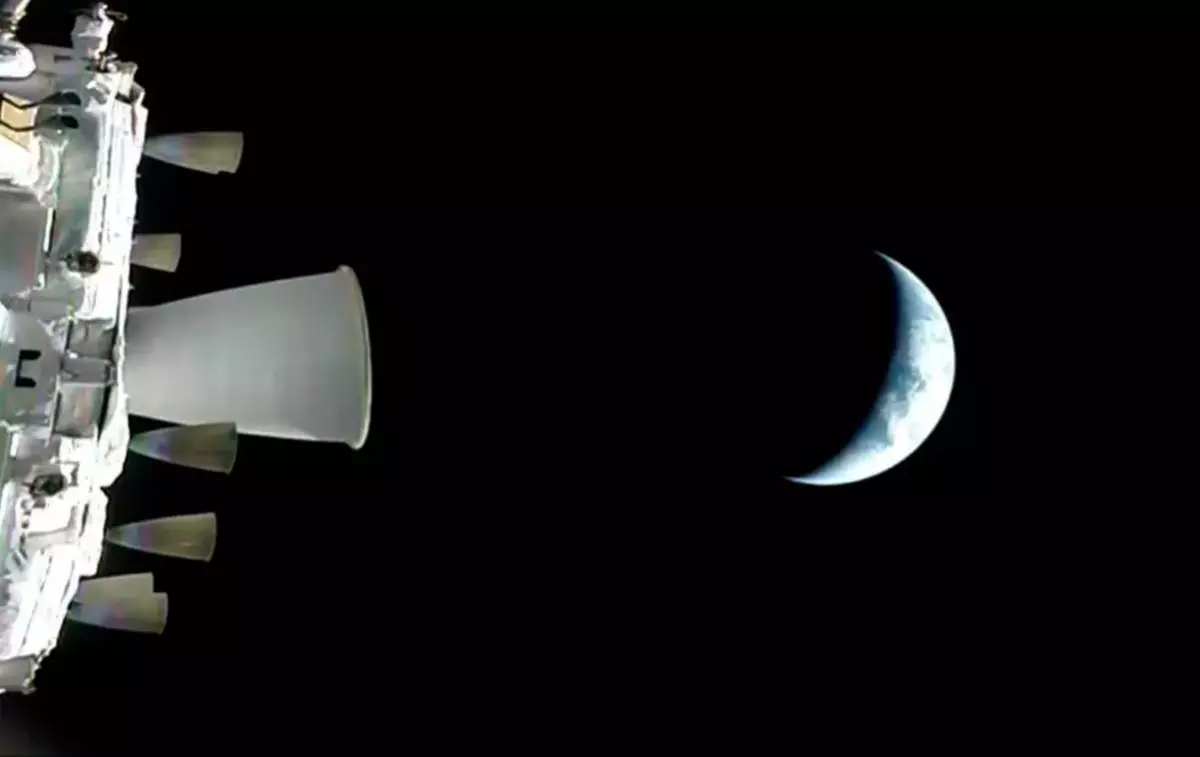
In this photo provided by NASA, a view of the Earth from NASA's Orion spacecraft as it orbits above the planet during the Artemis II test flight, on Thursday, April 2, 2026. (NASA via AP)
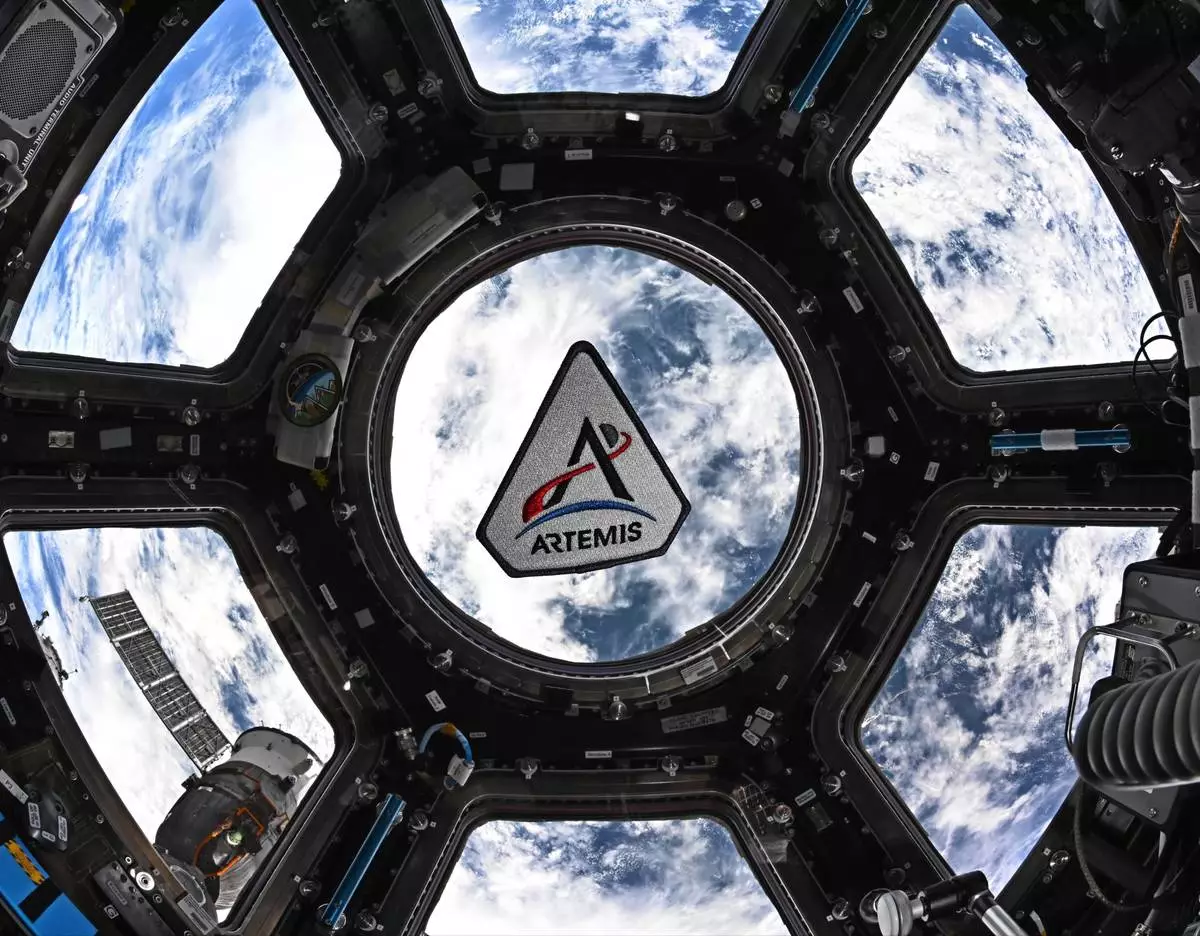
In this photo provided by NASA, an Artemis program patch floating in the International Space Station's cupola, on March 30, 2026. (Jessica Meir/NASA via AP)
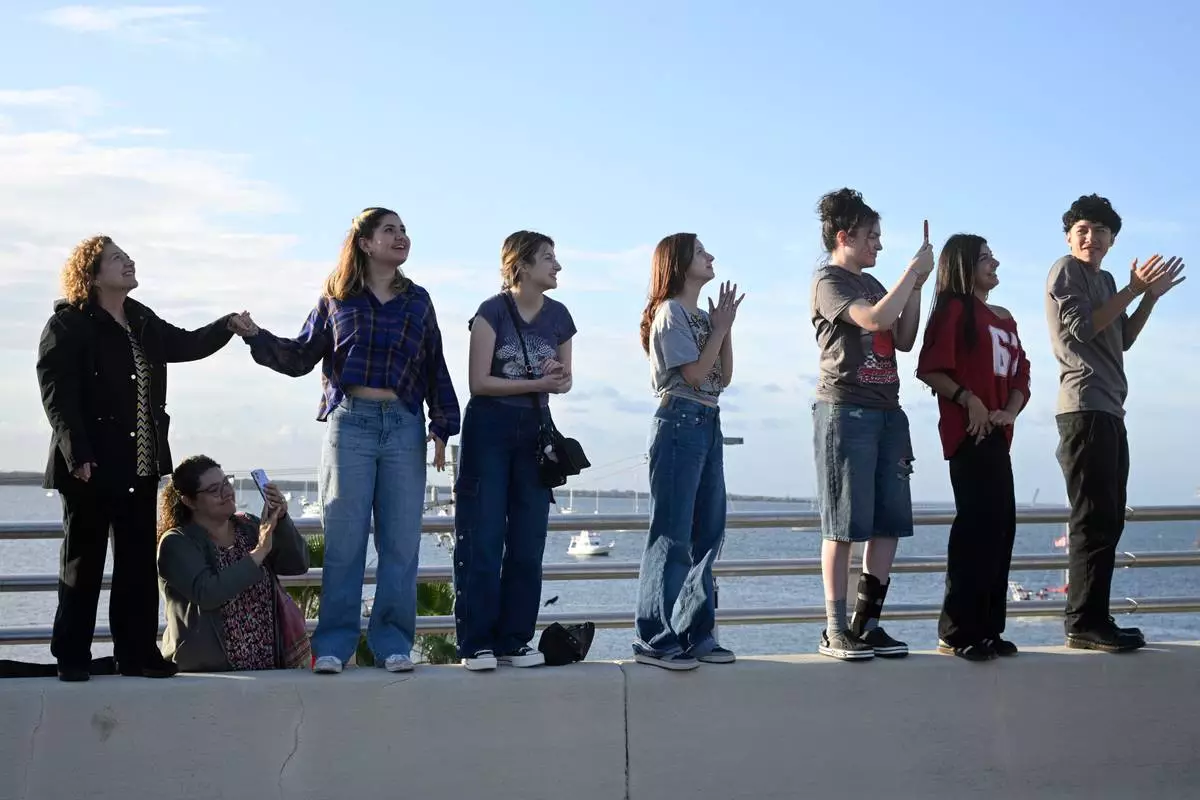
Spectators view NASA's Artemis II moon rocket launch from the A. Max Brewer Bridge, Wednesday, April 1, 2026, in Titusville, Fla. (AP Photo/Phelan M. Ebenhack)
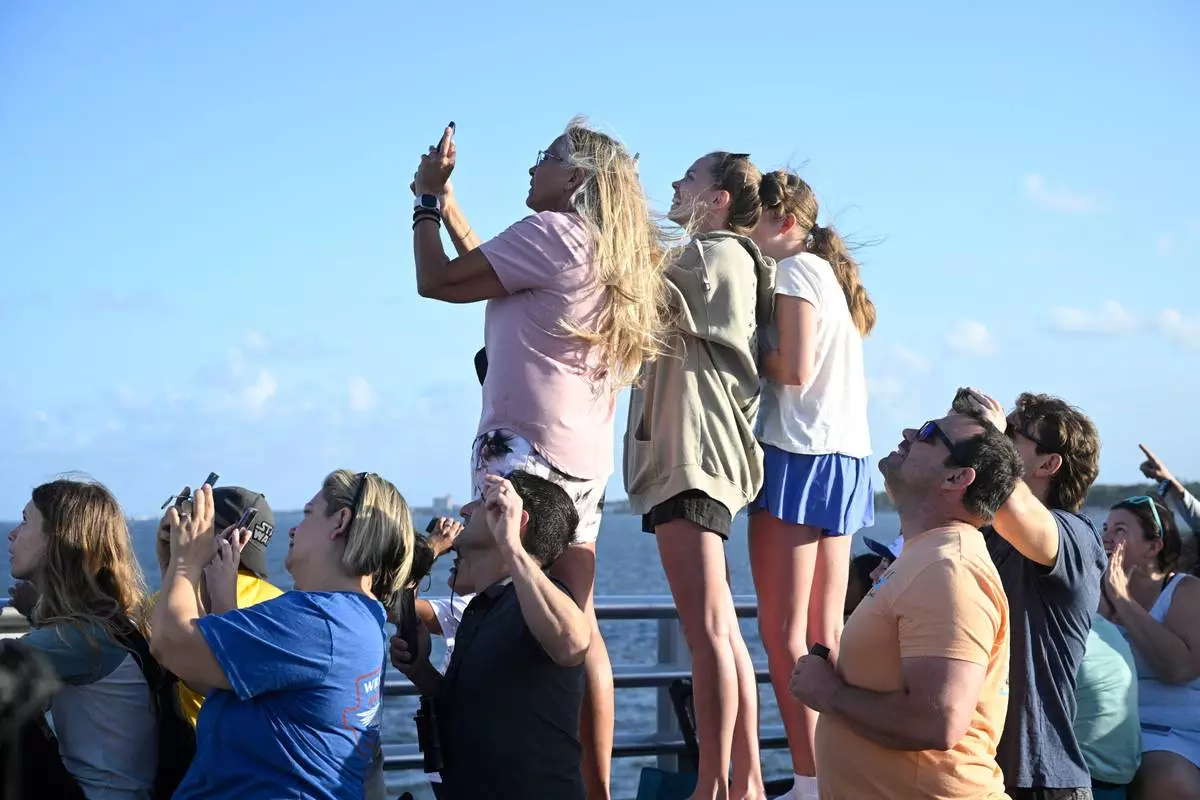
NASA's Artemis II moon rocket lifts off from the Kennedy Space Center's Launch Pad 39-B Wednesday, April 1, 2026, in Cape Canaveral, Fla. (AP Photo/Chris O'Meara)
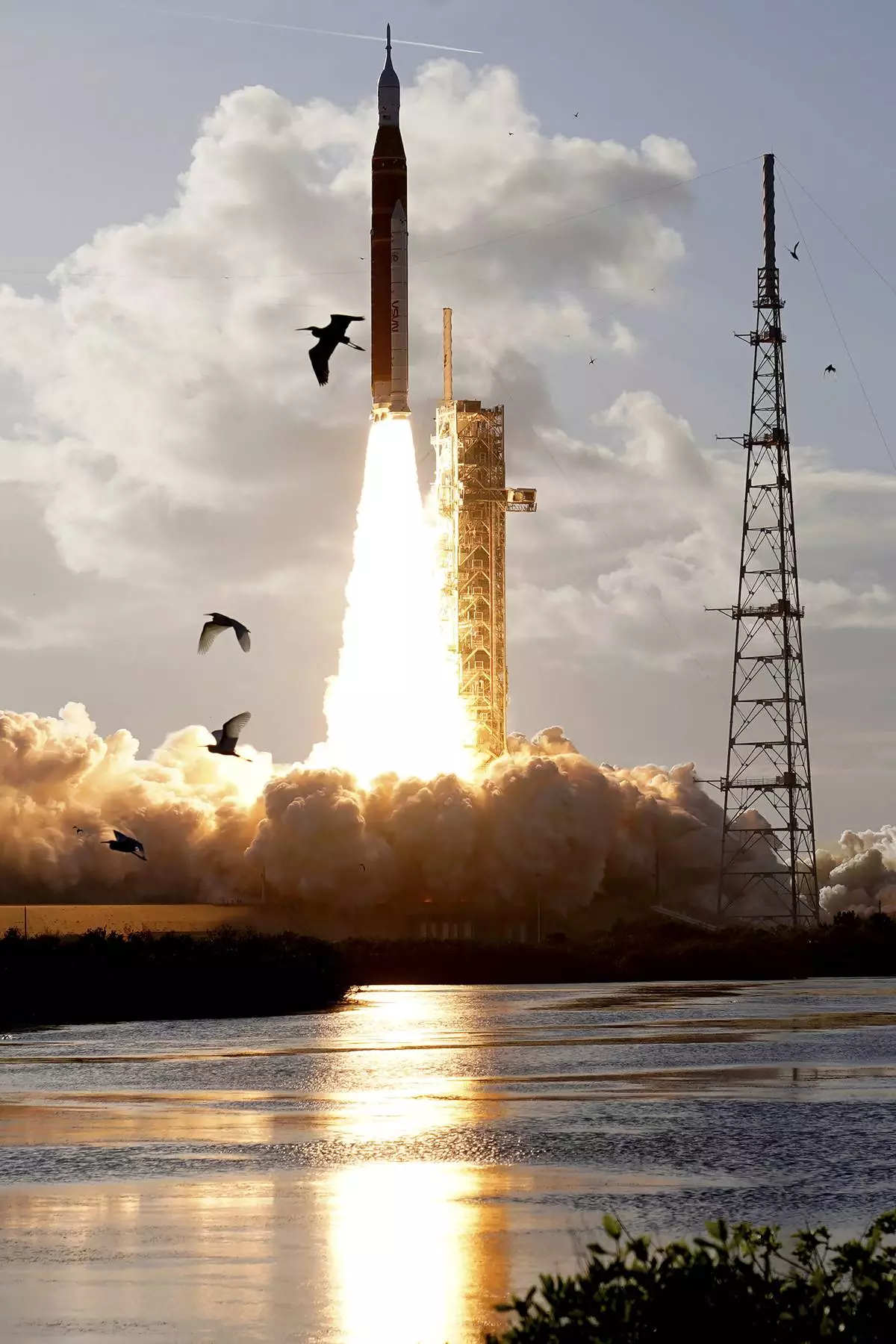
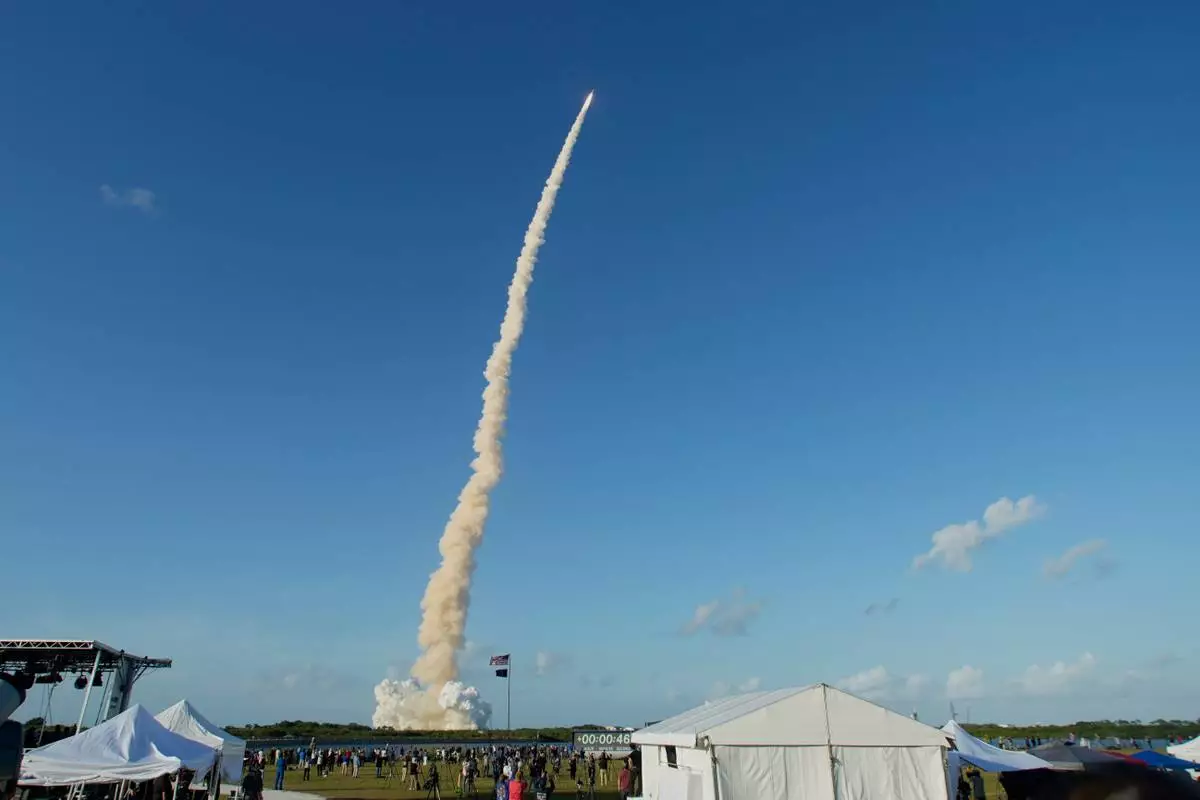
NASA's Artemis II moon rocket lifts off from the Kennedy Space Center's Launch Pad 39-B Wednesday, April 1, 2026, in Cape Canaveral, Fla. (AP Photo/John Raoux)
NEW YORK (AP) — Stocks recovered most of their earlier losses as volatility returned to Wall Street Thursday after two days of solid gains.
The S&P 500 fell 0.1% after slumping as much as 1.5% in early trading. The Dow Jones Industrial Average shed 108 points, or 0.2% as of 3:17 p.m. Eastern. The Nasdaq composite fell 0.1%. Stocks in Europe and Asia finished lower.
Oil prices remained elevated although down from earlier highs. The price for a barrel of U.S. crude rose close to $114 a barrel at one point.
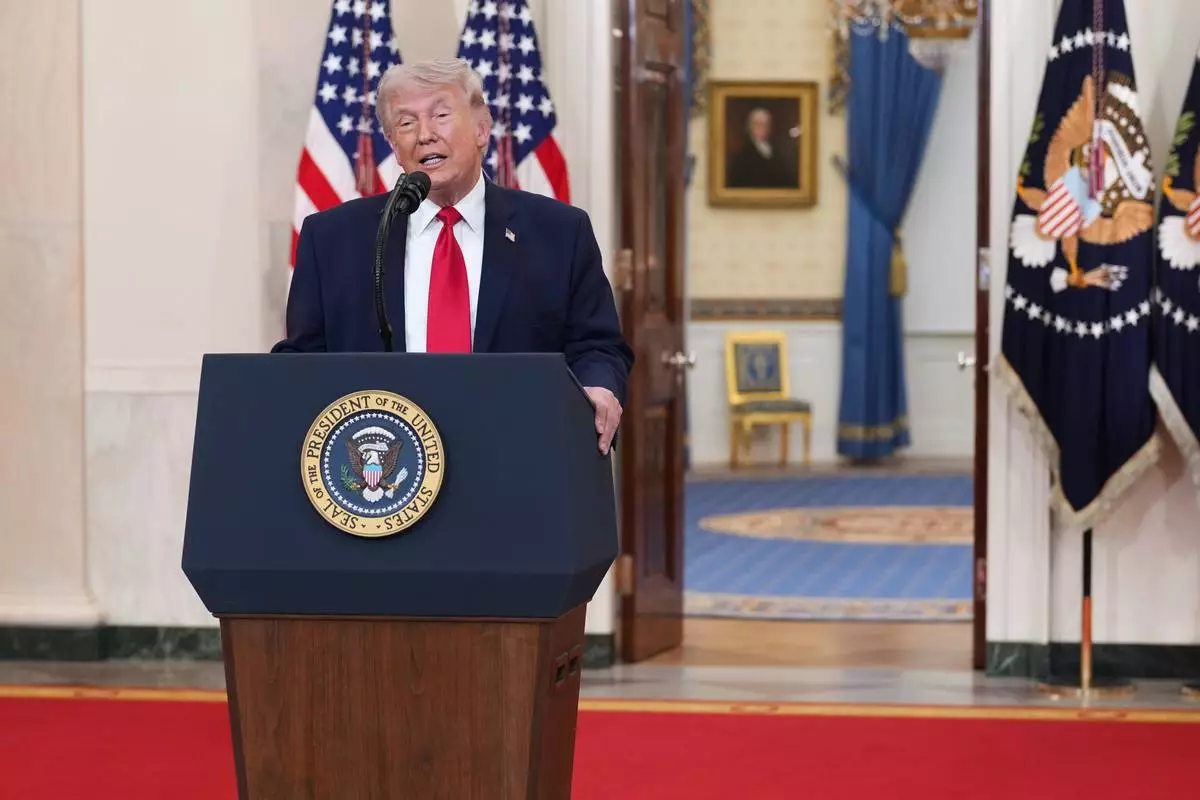
The unsettled trading follows a national address late Wednesday from President Donald Trump, where he vowed the U.S. will continue to attack Iran and failed to offer a clear timetable for ending the conflict in the Middle East. Those comments appeared to dim the hopes for a near-term conclusion to the war that had pushed stocks higher through most of the week.
Major indexes are still on track to close out the week with gains and it will mark the S&P 500's first winning week since the war with Iran began. Thursday is the last day of trading on Wall Street this week with with the stock market closed on Good Friday.
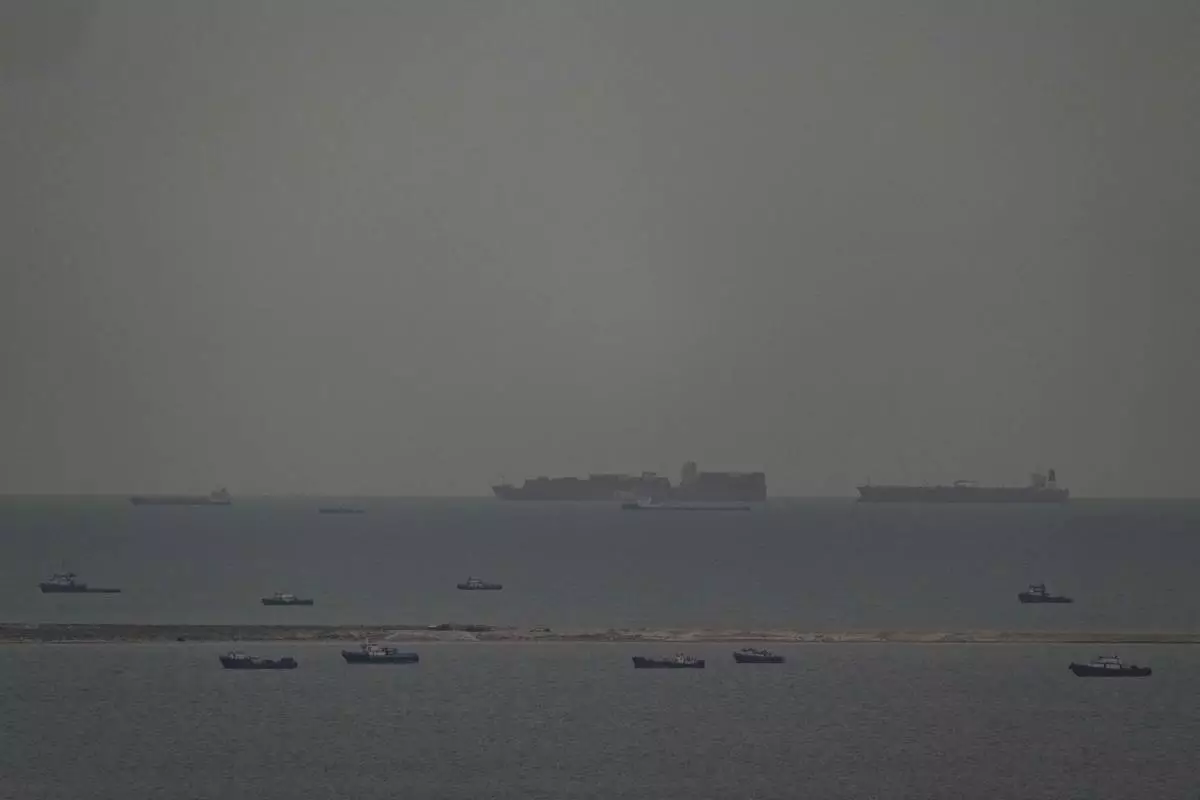
Crude oil prices have been the main force behind the sharp swings for stocks globally. Shipping traffic has been severely curtailed in the Strait of Hormuz, where a fifth of the world’s traded oil passes through during peacetime.
The price of Brent crude, the international standard, jumped 7.8% to $109.03 per barrel. Benchmark U.S. crude rose 11.4% to $111.54 per barrel. Prices had been sliding back toward $100 per barrel prior to Trump’s address on Wednesday. The U.S. only relies on the Persian Gulf for a fraction of the oil it imports, but oil is a commodity and prices are set in a global market. A disruption anywhere affects prices everywhere.
Stocks have been broadly sliding since the war began, with indexes often rising and falling sharply along with statements from Trump about the direction of the war. Just on Monday, the S&P 500 briefly neared a 10% drop from its record, a steep-enough fall that professional investors have a name for it: a “correction. The index gained ground Tuesday and Wednesday on hope that the war could end soon.
“For markets, a prolonged conflict increases the risk of sustained pressures on inflation, global growth, interest rates, and equity valuations,” wrote Adam Turnquist, chief technical strategist for LPL Financial, in a note to investors.
Airlines and other travel-related companies were among the biggest losers on Thursday. United Airlines fell 2.8% and Carnival shed 3.9%.
Tesla fell 5.7% after a report showing that sales over the past three months fell short of analysts' expectations.
Several big technology stocks gained ground to help offset losses elsewhere in the market. Intel jumped 4% and Advanced Micro Devices rose 3.2%.
Treasury yields remained relatively steady in the bond market. The yield on the 10-year Treasury fell to to 4.30% from 4.32%.
Wall Street is worried that higher energy prices are adding to already stubbornly high inflation. Rising fuel prices take a bigger chunk out of consumers' wallets in several ways. Directly, gasoline prices in the U.S. have surged 36 percent from a month ago to average $4.08 per gallon, according to the auto club AAA.
Indirectly, rising fuel prices tend to make a wide range of services and goods more expensive. Flights become more expensive as airlines raise ticket prices to offset rising fuel costs. Consumer goods become more expensive as shipping and transportation costs rise.
Inflation has been stubbornly above the Federal Reserve's 2% target. The war and its corresponding surge in energy prices effectively pushes inflation higher and that has dashed hopes for the Fed to cut interest rates. Wall Street had hoped for the central bank to cut rates in order to help offset a weakening job market. Lower interest rates could help stimulate the economy by lowering borrowing costs, but they also risk worsening inflation.
Traders came into 2026 forecasting several cuts to the Fed's benchmark interest rate, which influences rates for mortgages and other loans. They are now expecting the benchmark rate to remain steady this year.
The war with Iran has overshadowed many of the other moving pieces within the economy that the Fed and Wall Street have been monitoring. It remains a mixed picture. Reports this week revealed that consumers remain confident and are still spending, though inflation remains a big concern. A report Thursday showed that mortgage rates continue climbing, posing an obstacle for prospective home buyers. Another update Friday will give a more detailed view of the job market.
Associated Press journalists Chan Ho-Him and Matt Ott contributed to this report.
Fishing boats dot the sea as cargo ships, in the background, sail through the Arabian Gulf toward the Strait of Hormuz off the United Arab Emirates, Friday, March 27, 2026. (AP Photo)
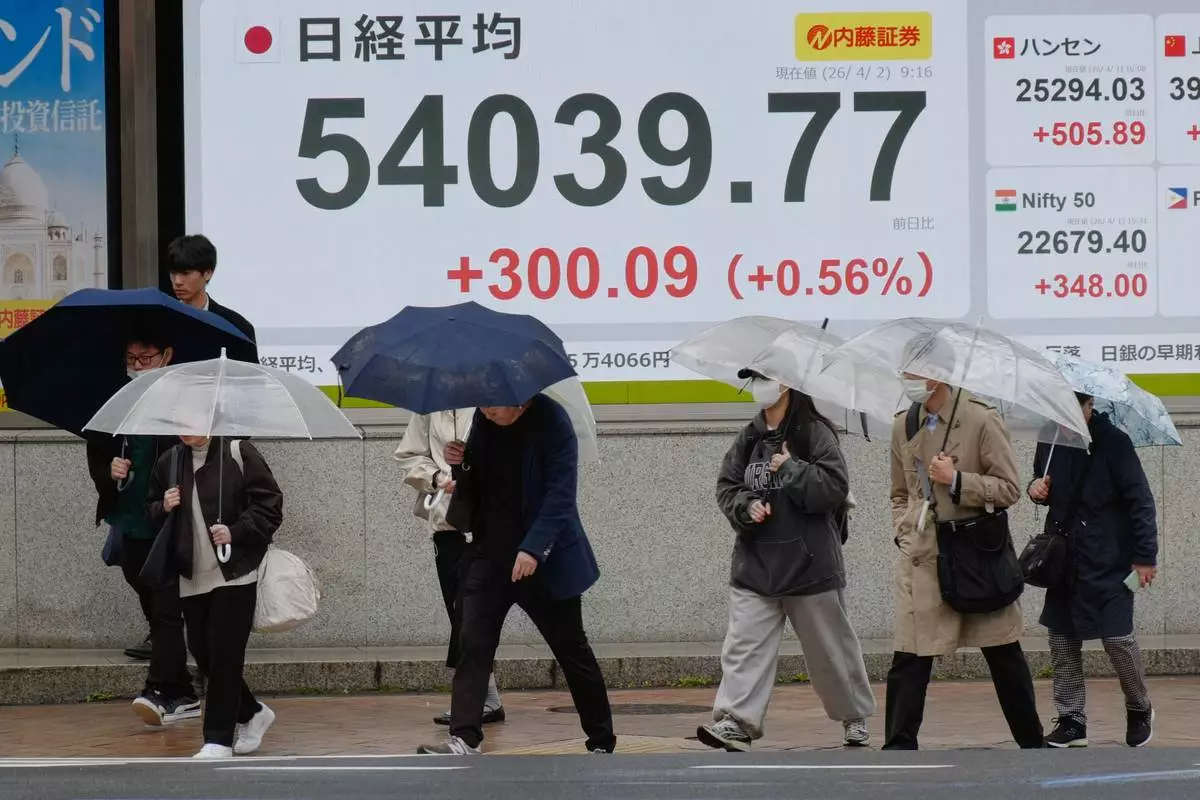
Perople walk in front of an electronic stock board showing Japan's Nikkei index at a securities firm Thursday, April 2, 2026, in Tokyo. (AP Photo/Eugene Hoshiko)
President Donald Trump speaks about the Iran war from the Cross Hall of the White House on Wednesday, April 1, 2026, in Washington. (Doug Mills/The New York Times via AP Pool)
Persons walk in front of an electronic stock board showing Japan's Nikkei index at a securities firm Thursday, April 2, 2026, in Tokyo. (AP Photo/Eugene Hoshiko)