Hong Kong Customs detects two dangerous drugs cases and seizes suspected drugs worth about $3.4 million
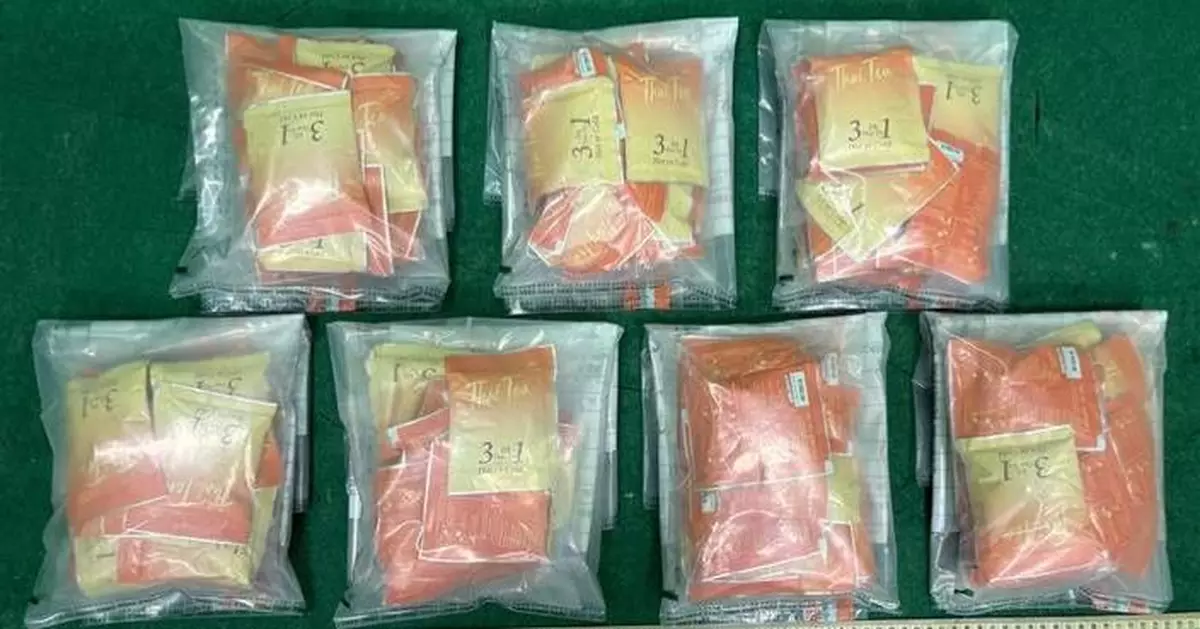
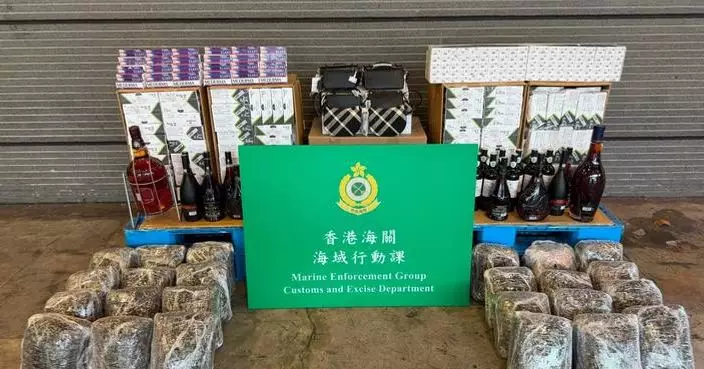
Hong Kong Customs detected two dangerous drugs cases in Hong Kong International Airport and Yau Ma Tei respectively on April 1 and yesterday (April 2), and seized a total of about 3.1 kilograms of suspected ketamine, about 1.7 kilograms of suspected cocaine and about 1.7 kilograms of suspected methamphetamine with a total estimated market value of about $3.4 million. Two persons suspected to be connected with the cases were arrested.
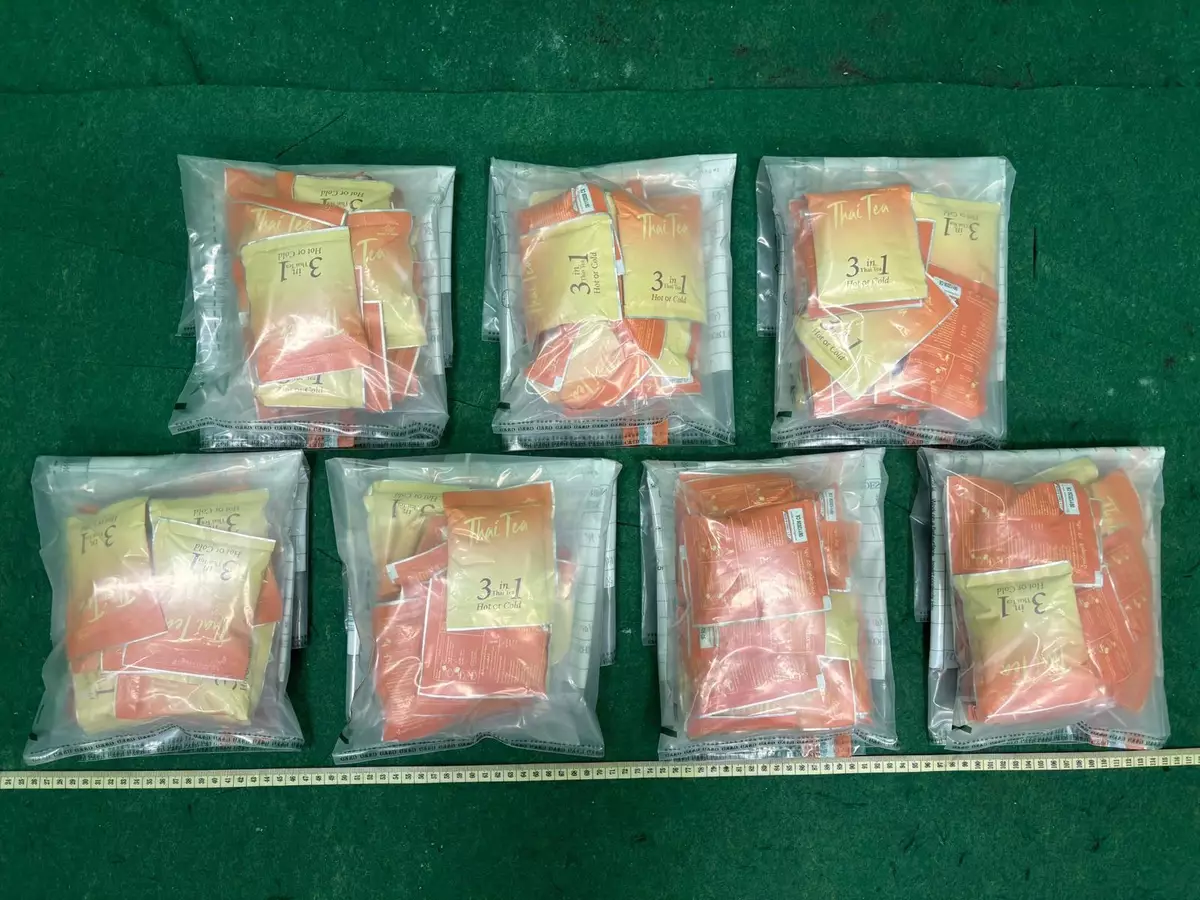
In the first case, a 43-year-old male passenger arrived in Hong Kong from Bangkok, Thailand on April 1. During customs clearance, Customs officers found about 3.1 kilograms of suspected ketamine concealed inside food packaging in his baggage. The man was subsequently arrested.
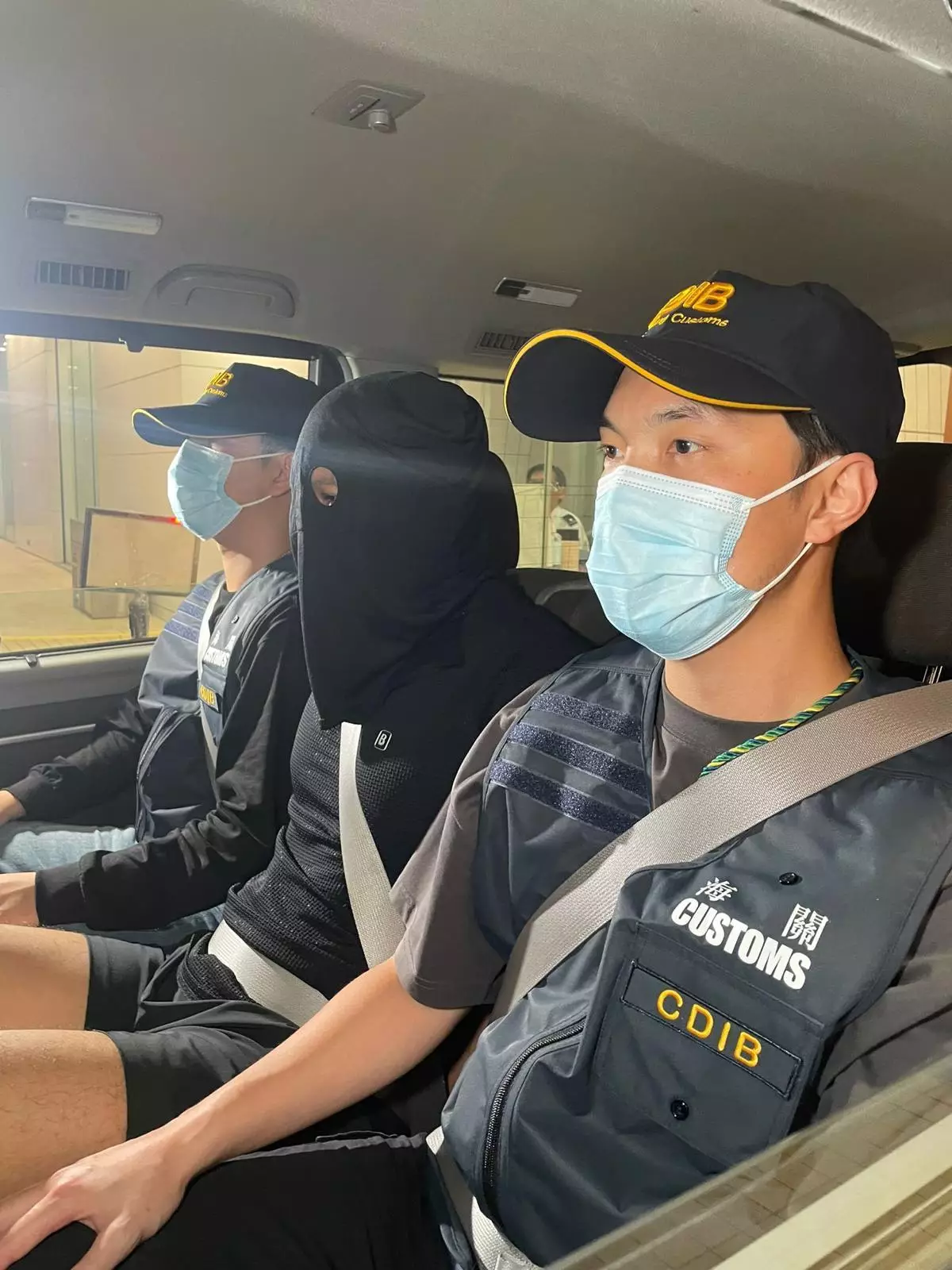
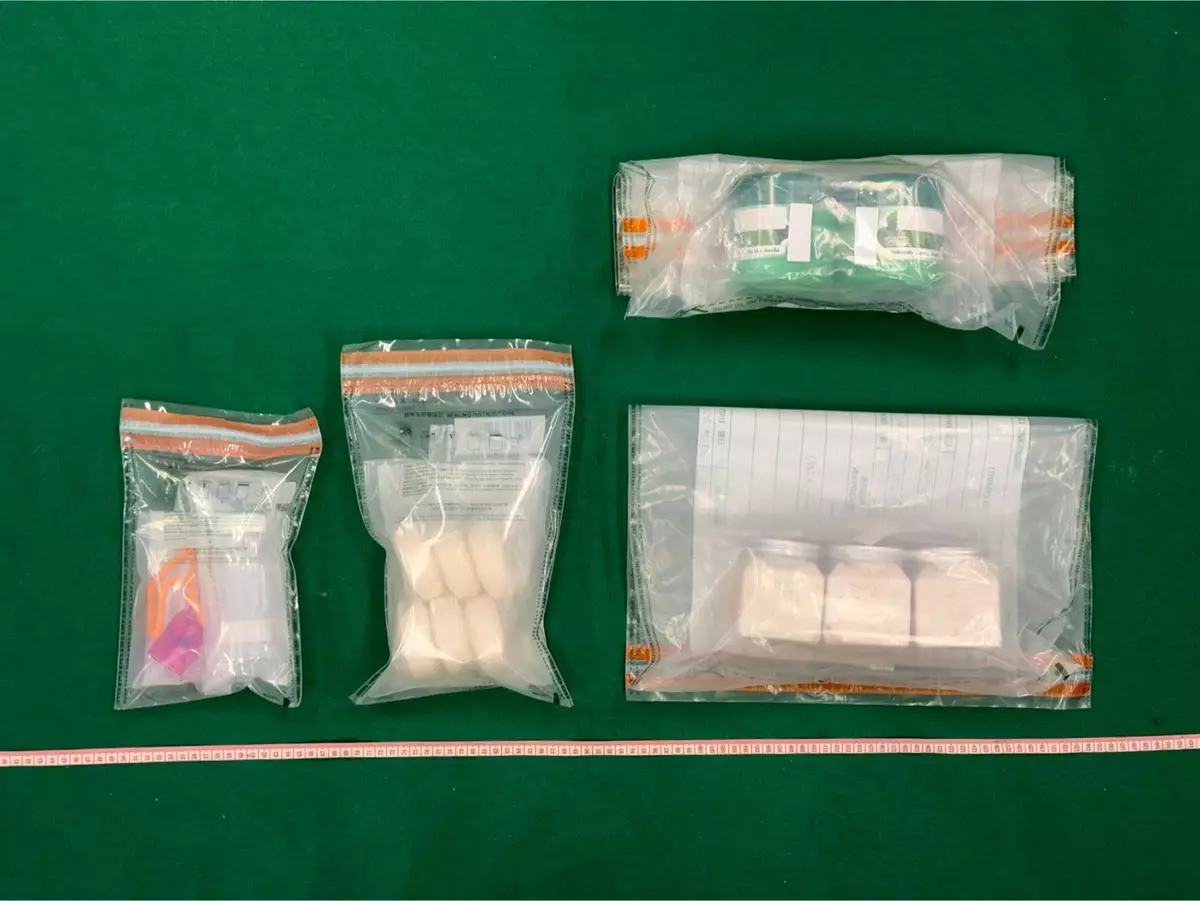
In the second case, during an anti-narcotics operation conducted in Yau Ma Tei on April 2, Customs officers intercepted a 41-year-old man and later escorted him to a hotel room nearby for a search and seized about 1.7 kilograms of suspected cocaine, about 1.7 kilograms of suspected methamphetamine, a drug inhaling apparatus and a batch of drug packaging paraphernalia. The man was subsequently arrested.
The arrested persons have been charged with one count of trafficking in a dangerous drug respectively and will appear at the Kwun Tong Magistrates' Courts tomorrow (April 4).
Customs will continue to step up enforcement against drug trafficking activities through intelligence analysis. The department also reminds members of the public to stay alert and not to participate in drug trafficking activities for monetary return. They must not accept hiring or delegation from another party to carry controlled items into and out of Hong Kong. They are also reminded not to carry unknown items for other people, nor to release their personal data or home address to others for receiving parcels or goods.
Customs will continue to apply a risk assessment approach and focus on selecting passengers from high-risk regions for clearance to combat transnational drug trafficking activities.
Under the Dangerous Drugs Ordinance, trafficking in a dangerous drug is a serious offence. The maximum penalty upon conviction is a fine of $5 million and life imprisonment.
Members of the public may report any suspected drug trafficking activities to Customs' 24-hour hotline 182 8080 or its dedicated crime-reporting email account (crimereport@customs.gov.hk) or online form (eform.cefs.gov.hk/form/ced002).
Hong Kong Customs detects two dangerous drugs cases and seizes suspected drugs worth about $3.4 million Source: HKSAR Government Press Releases
Hong Kong Customs detects two dangerous drugs cases and seizes suspected drugs worth about $3.4 million Source: HKSAR Government Press Releases
Hong Kong Customs detects two dangerous drugs cases and seizes suspected drugs worth about $3.4 million Source: HKSAR Government Press Releases
Third National Security Education Study Tour returns to Hong Kong after visiting Beijing and Nanjing
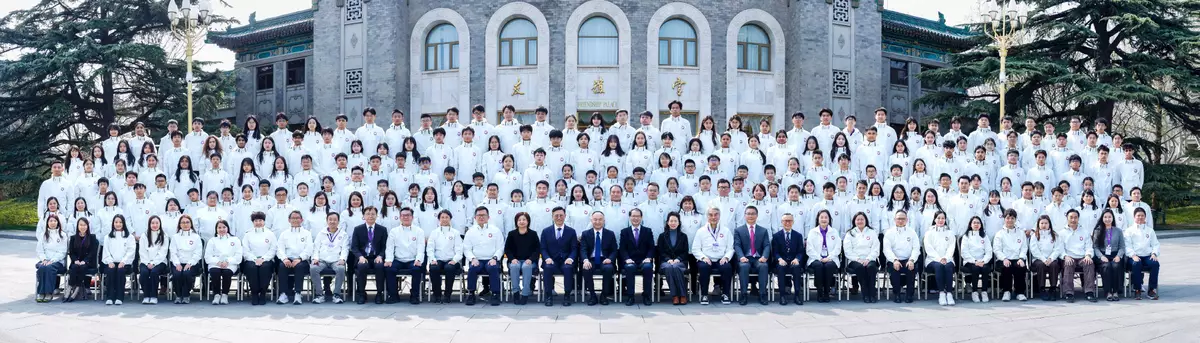
The third National Security Education Study Tour organised by the Hong Kong Special Administrative Region (HKSAR) Government concluded and returned to Hong Kong this afternoon (April 3). This year's study tour was impressively large in scale, comprising 187 principals, teachers and students (including 17 non-Chinese speaking students) from 30 primary and secondary schools in Hong Kong. Members of the study tour were primarily from the winning school teams, their coaching principals and teachers in the Territory-wide Inter-School National Security Knowledge Challenge, jointly organised by the Department of Justice, the Security Bureau, the Education Bureau and the Hong Kong Shine Tak Foundation.
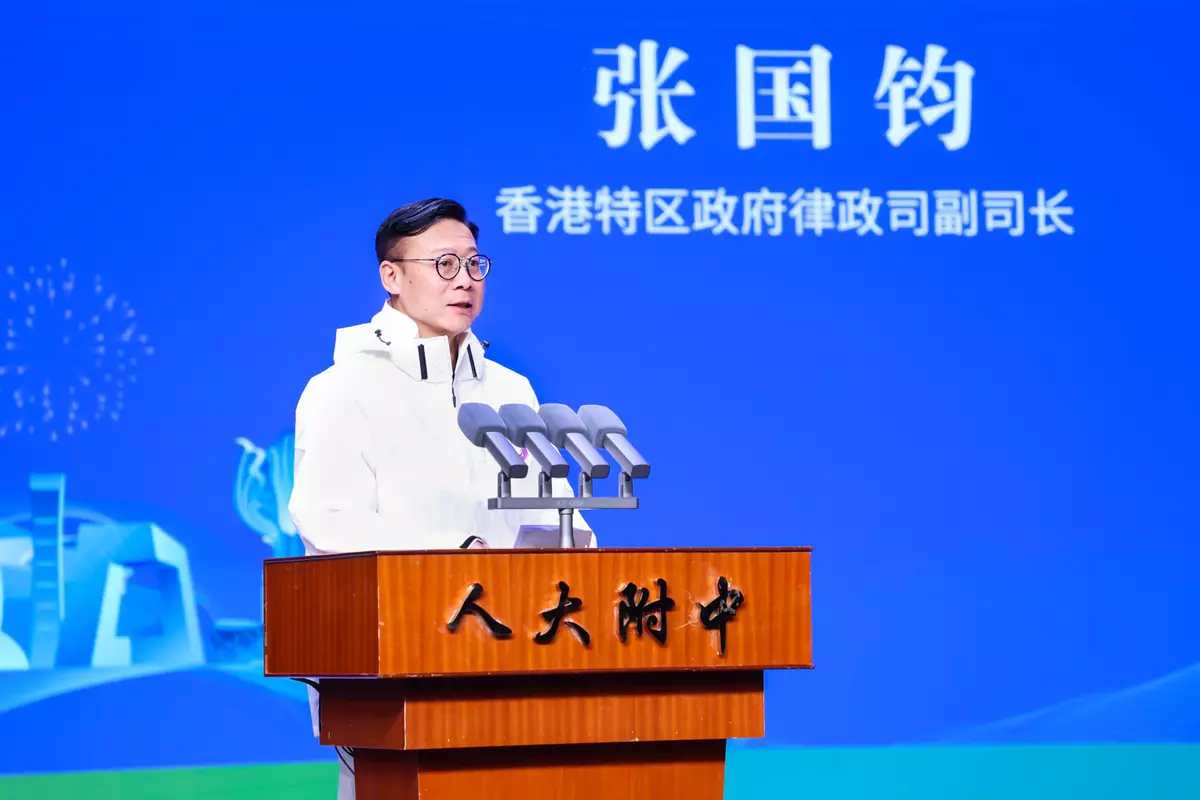
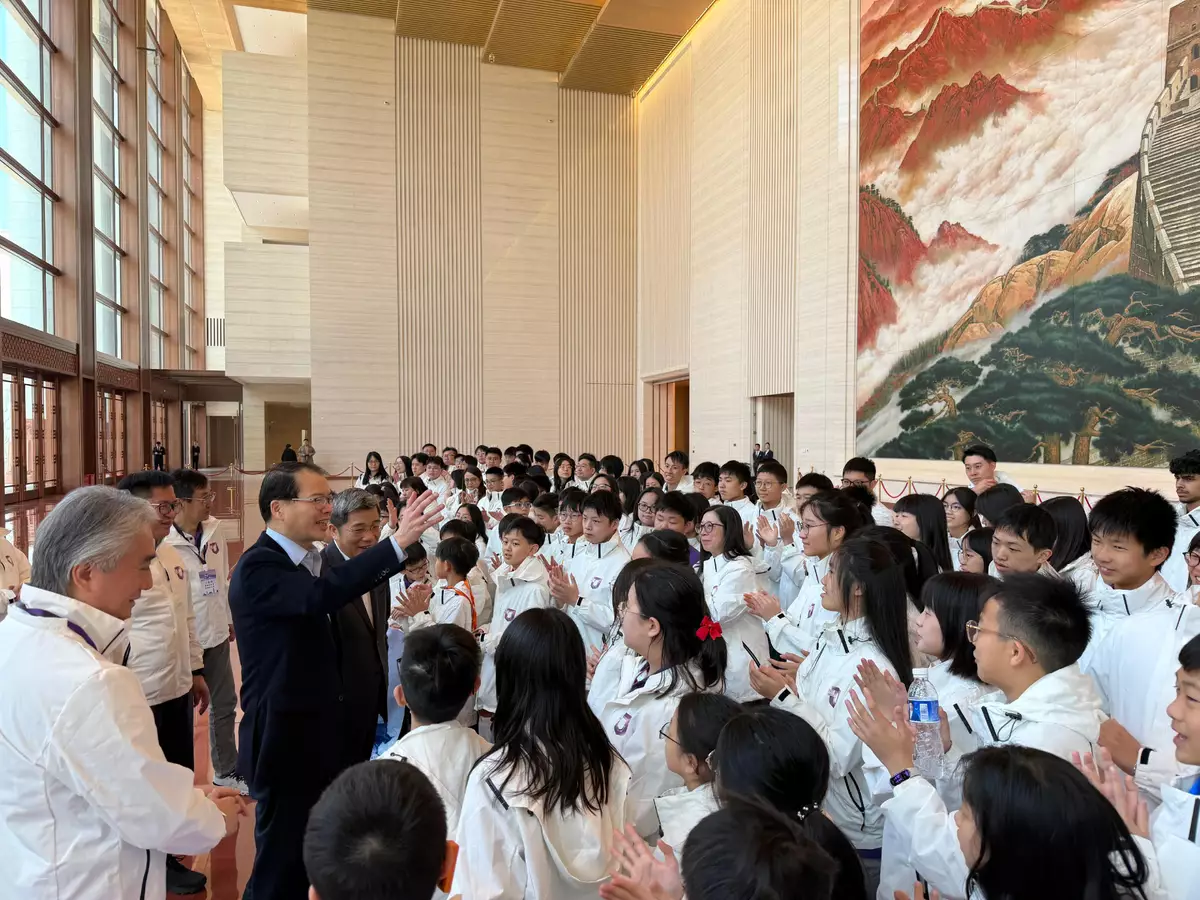
The study tour departed for Beijing on March 28. The primary school group completed their tour and returned to Hong Kong on April 1, while the secondary school group proceeded to Nanjing on the same day and returned today. The Secretary General of the Committee for Safeguarding National Security of the HKSAR, Mr Au Chi-kwong, accompanied the study tour to Beijing on March 28, while the Deputy Secretary for Justice, Dr Cheung Kwok-kwan, and the Chairman of the Hong Kong Shine Tak Foundation, Mr Lam Kwok-hing, joined the study tour on March 29. On March 30, members of the study tour were warmly received by the Deputy Director of the Hong Kong and Macao Work Office of the Communist Party of China Central Committee and the Hong Kong and Macao Affairs Office of the State Council, Mr Nong Rong.
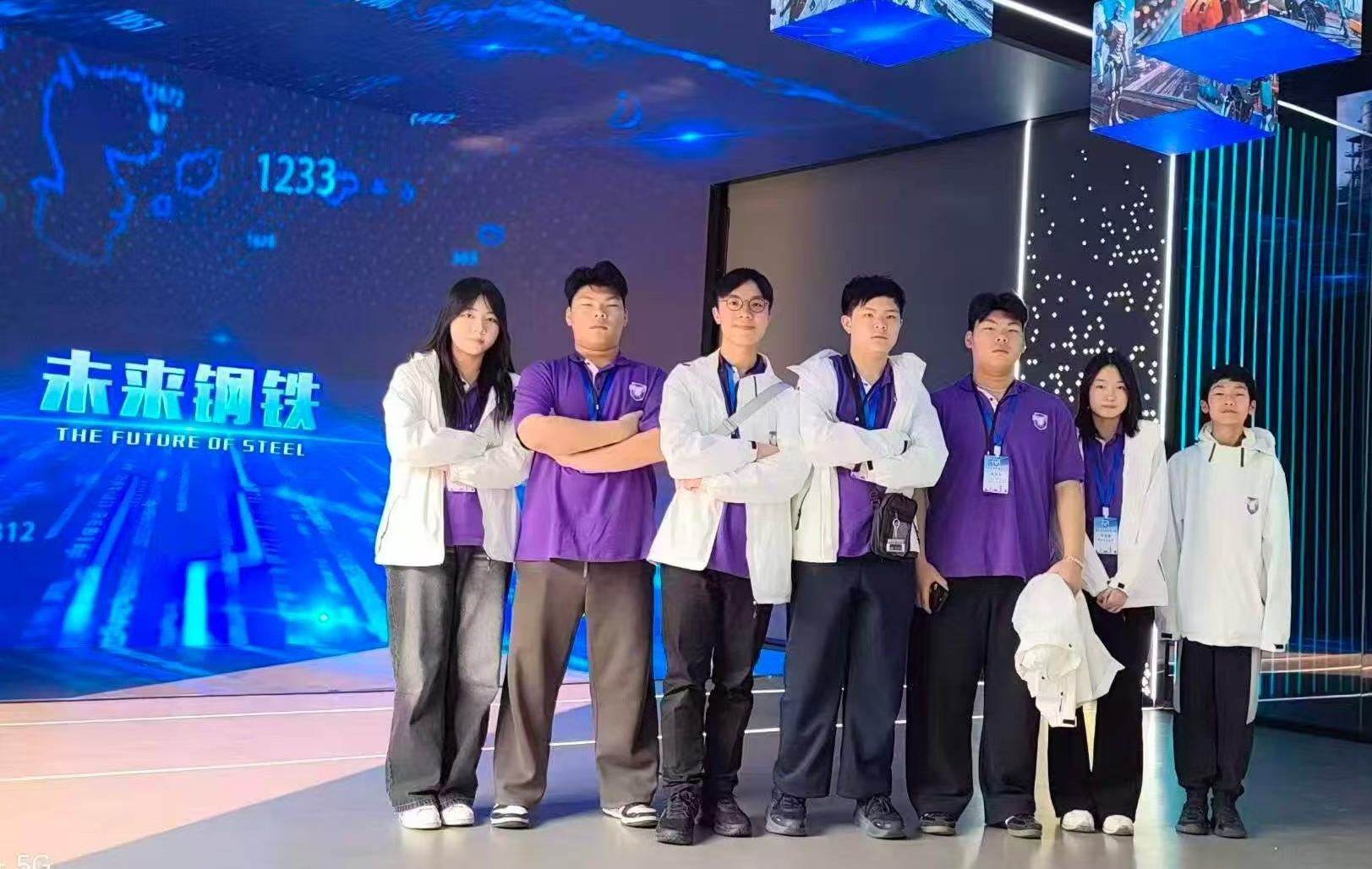
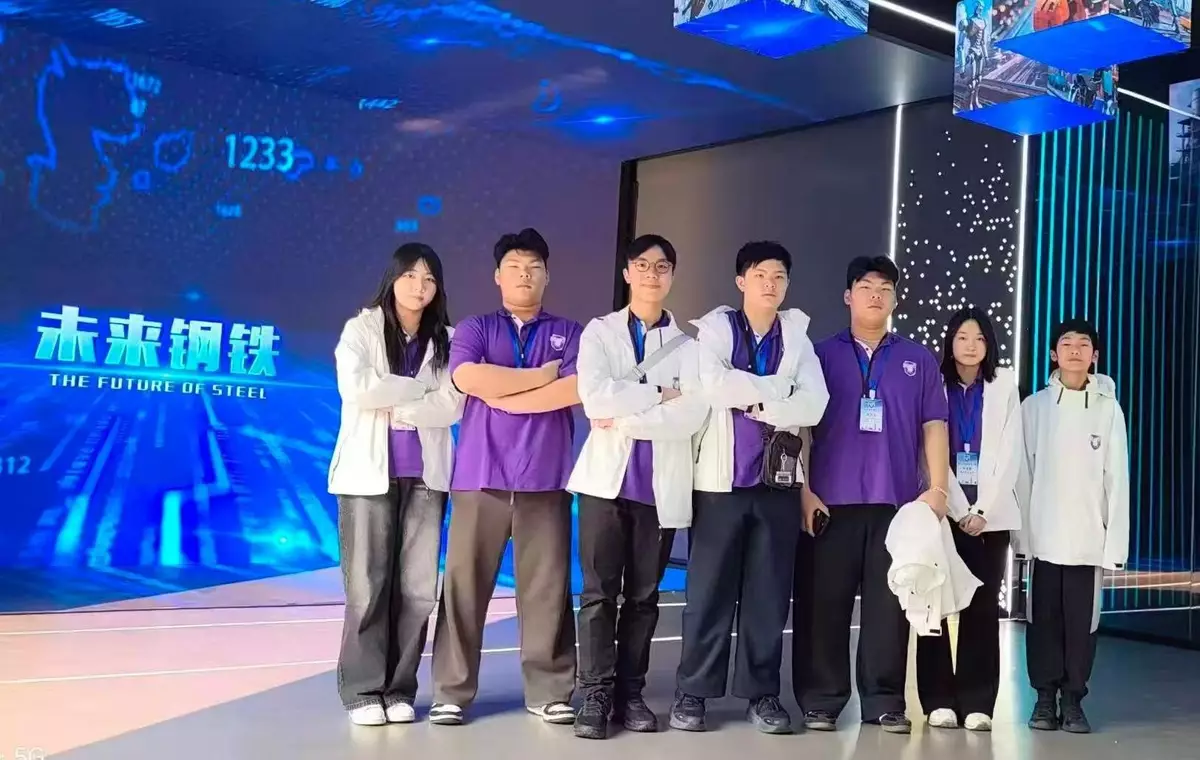
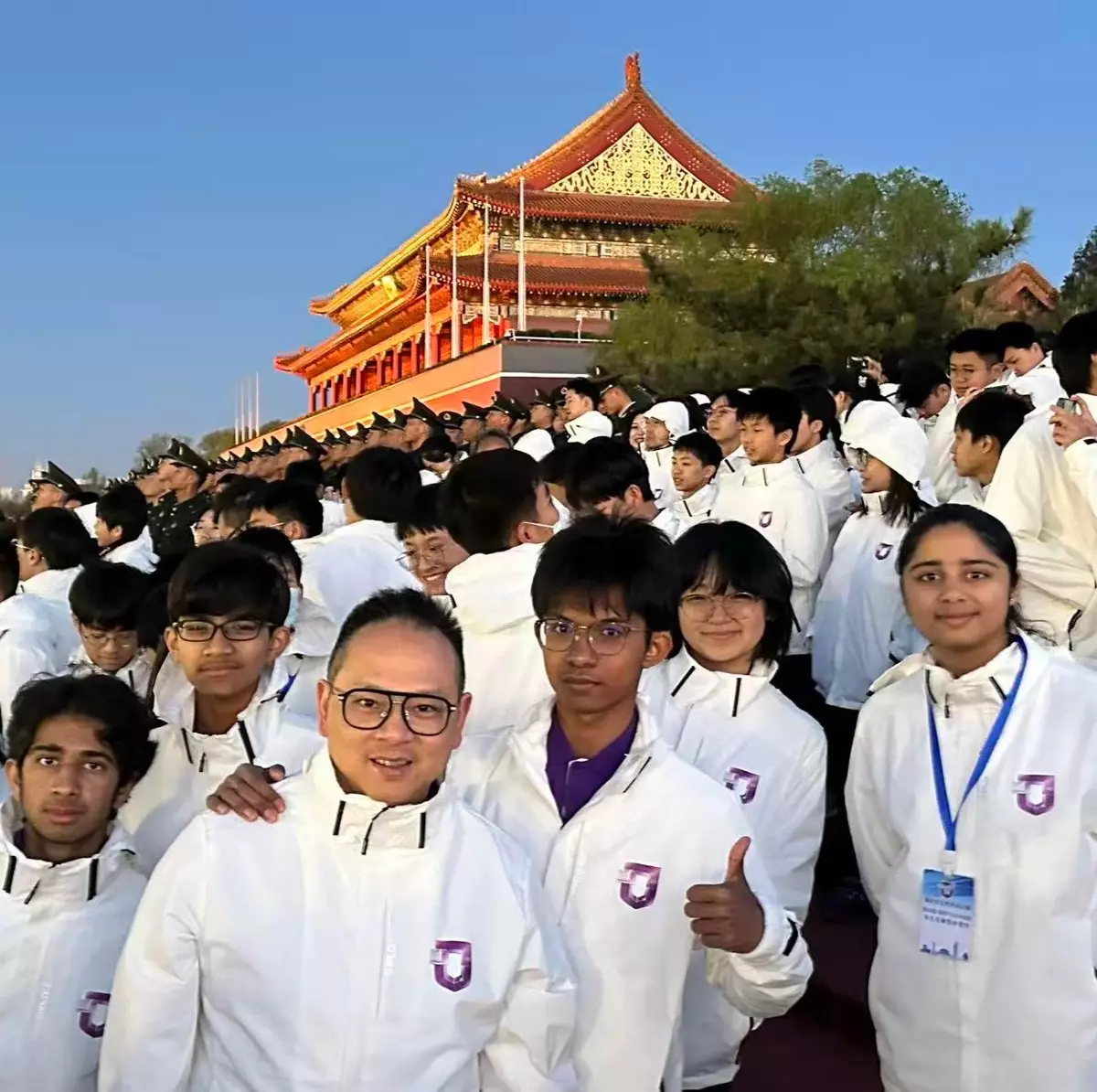
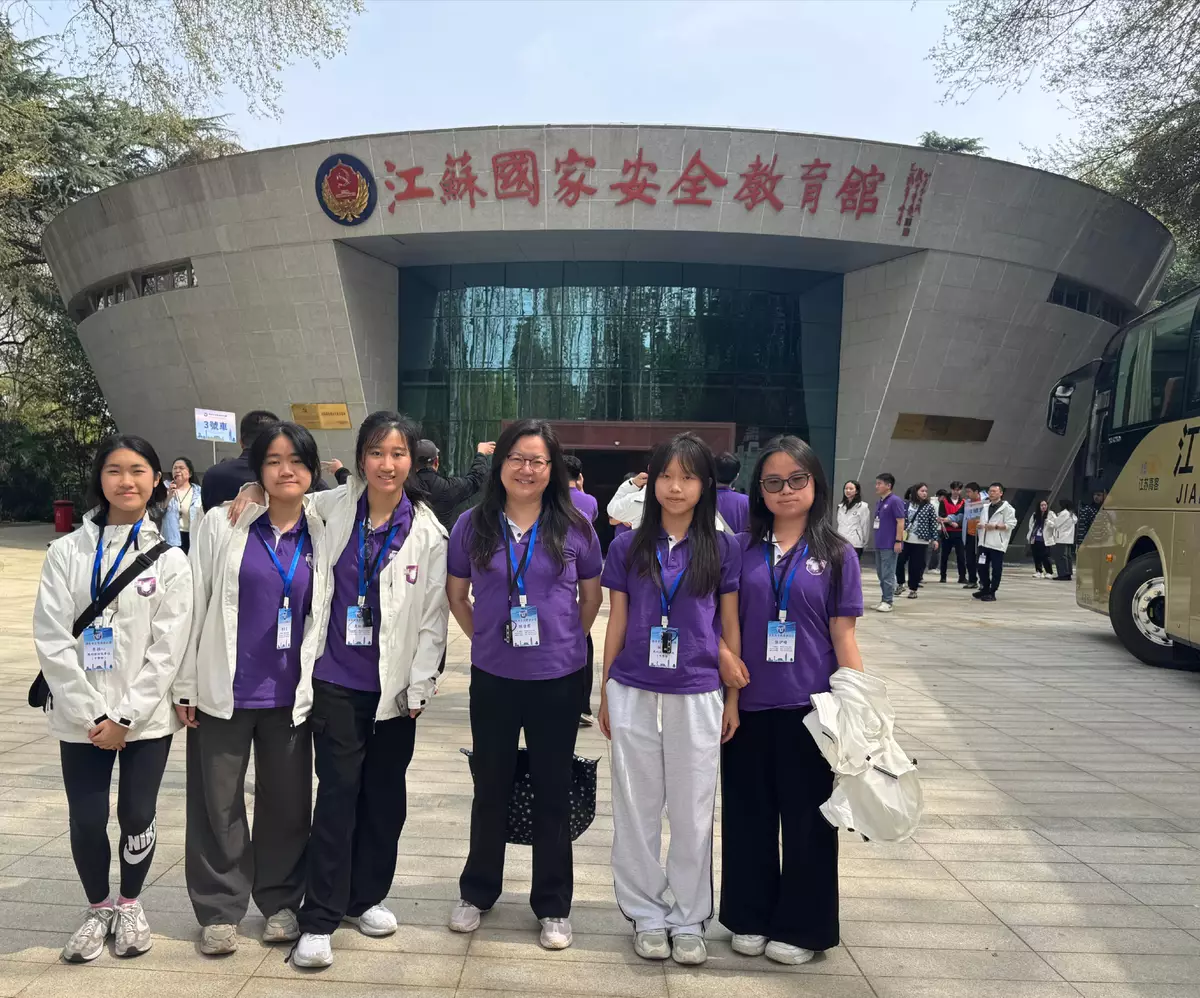
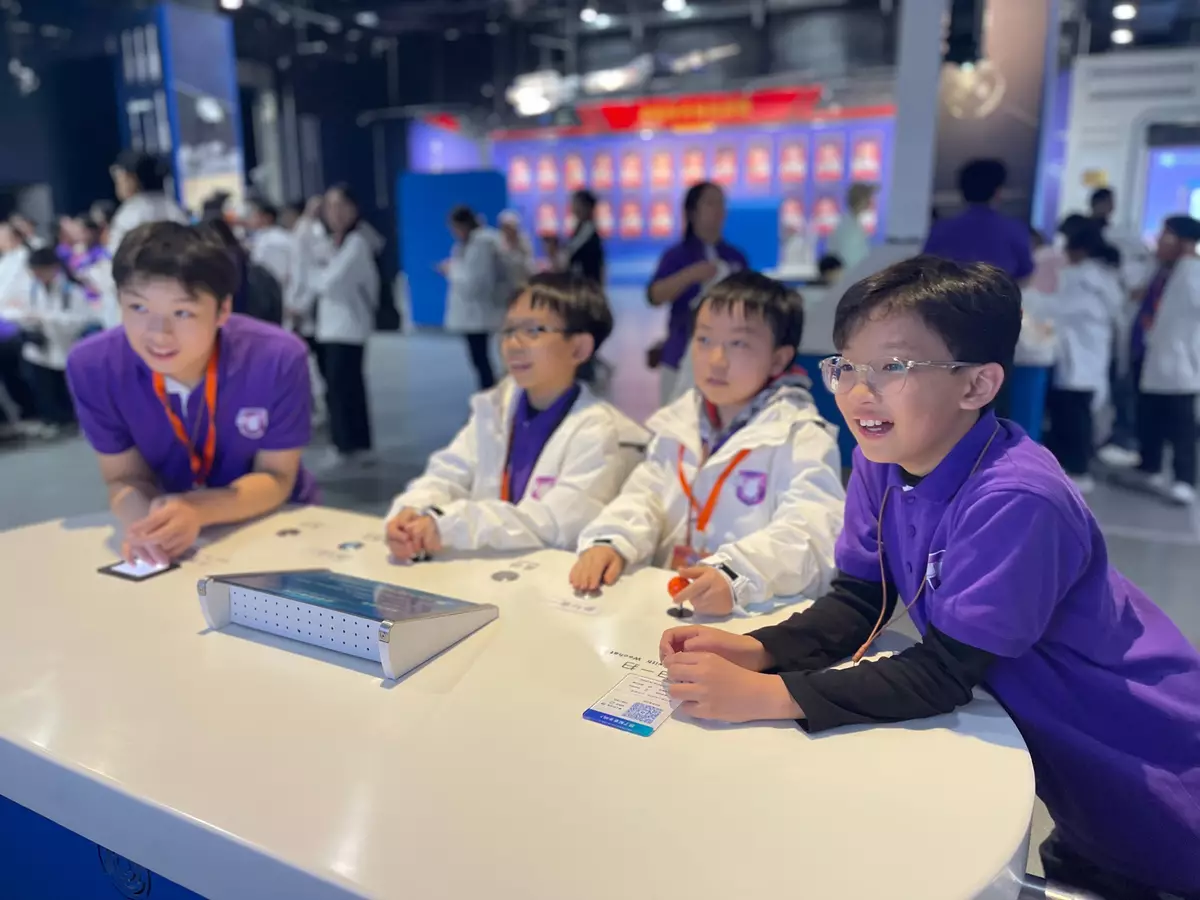
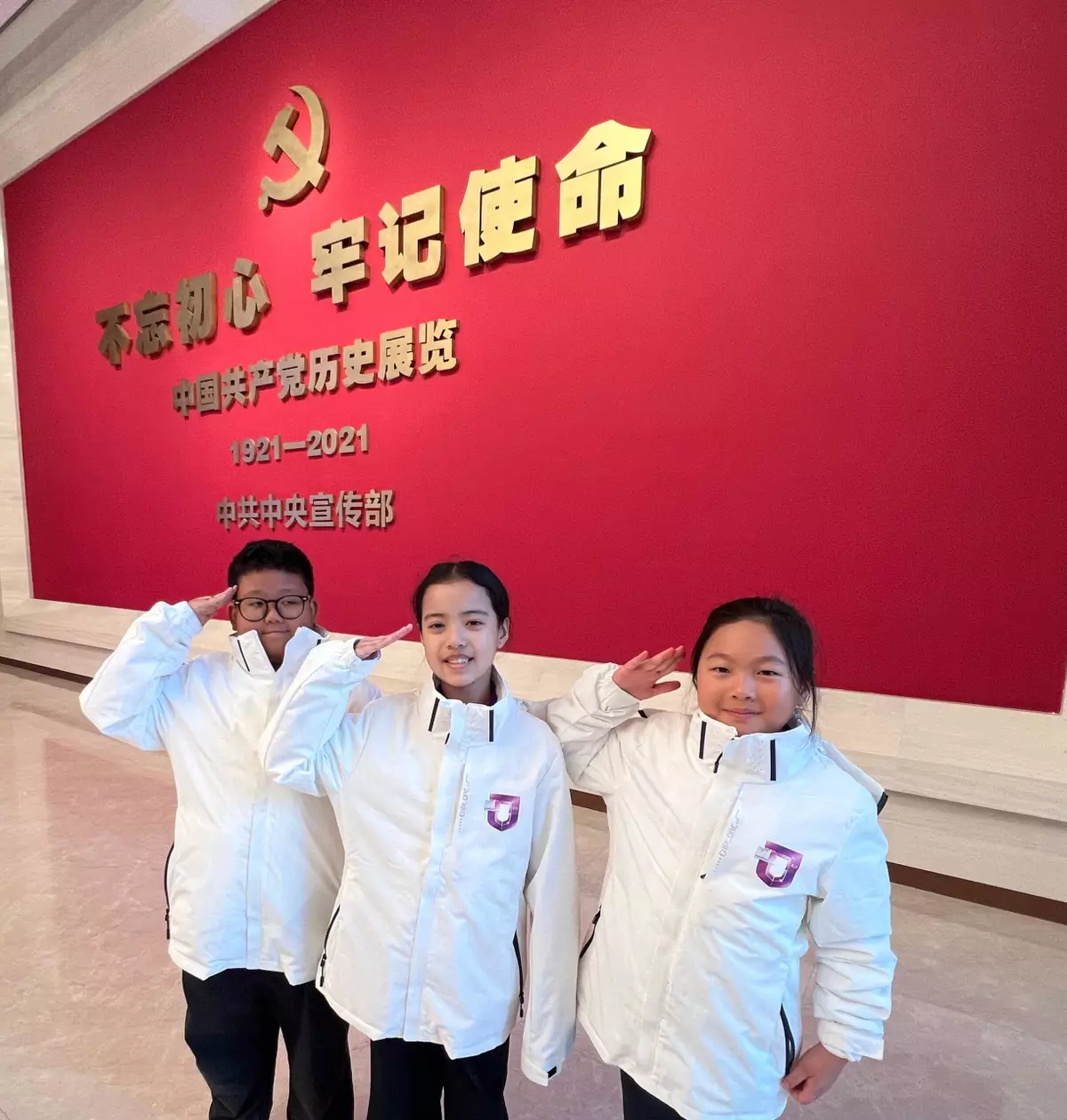
The itinerary included the study tour having been invited to ascend the viewing stands of the Tiananmen Square where they watched the national flag-raising ceremony with the military band playing music on April 1. They also visited the Great Wall at Juyongguan Pass, the Museum of the Communist Party of China, the Museum of the War of Chinese People's Resistance Against Japanese Aggression, the Zhongguancun Science and Technology Exhibition Center, the China Science and Technology Museum, the Memorial Hall of the Victims in Nanjing Massacre by Japanese Invaders, the Jiangsu National Security Education Museum, and an enterprise, Nanjing Iron and Steel Group Co., Ltd. Additionally, the students engaged in exchange activities with teachers and students at the High School Affiliated to Renmin University of China and Zhongguancun No.3 Primary School Science and Technology Park Campus, Beijing.
The students were fully engaged throughout the tour, not only actively participating in various activities but also proactively probing and boldly asking questions. Through their observations and learning, they have deepened their understanding of the country's development and national affairs, gained a better grasp of the significance of national security, and strengthened their sense of national identity and responsibility. During the school exchange, the students were captivated by the Mainland diverse and interactive teaching methods and were deeply touched by the enthusiasm of local students. After the exchange, they became friends and further exchanged contact information to develop their friendships.
Chiu, a student from Po Leung Kuk Tin Ka Ping Primary School, expressed that when visiting the Museum of the War of Chinese People's Resistance Against Japanese Aggression, she was deeply moved by the valour of our pioneers in fighting against the enemy whilst our country was under invasion. She said that she would certainly share her reflections with her friends and parents and looks forward to visiting the Museum again with her parents. Zhang, a student from Pui Kiu Middle School, recalling his viewing experience on the stands of the Tiananmen Square, expressed that watching the extra-large national flag rise gradually in the morning light, coupled with the imposing presence and resounding footsteps of the Guard of Honour, has given him a great sense of appreciation about the Motherland's strength and made him proud of being Chinese. Eiman, a non-Chinese-speaking student from Po Leung Kuk Ngan Po Ling College, noted that the study tour helped him realise that social stability and security are essential prerequisites for national development. He also reflected that other countries could look to China's development model as a reference for seeking happiness for their people.
Dr Cheung Kwok-kwan encouraged students to live by the exploratory spirit of combining reading and travelling, and to deepen their understanding of the history and the current state of the Motherland. He also called on the students to make the best use of the study tour to appreciate the country's history and cultures, its scientific and technological development, and current national affairs, in order that they can better equip themselves and contribute to the Motherland and Hong Kong in future.
Mr Au expected that students would grasp four key points during the tour: security is of paramount importance to any country; the Communist Party of China shoulders the mission of rejuvenating the Chinese nation; a holistic approach to national security should be fully implemented; and ensuring both development and security is of great importance. Mr Au hoped that students of the study tour, through field learning and exchange with the Mainland counterparts, would take pride in the country's latest development, feel proud of being Chinese, and strengthen their confidence and determination in safeguarding national security.
The HKSAR Government would like to express its sincere gratitude to the Hong Kong and Macao Work Office of the Communist Party of China Central Committee, the Liaison Office of the Central People's Government in the HKSAR and the Office for Safeguarding National Security of the Central People's Government in the HKSAR for their wholehearted support, and also to the relevant authorities in Beijing and Nanjing for their warm hospitality. Thanks to them, members of the study tour returned with a wealth of enriching experiences, and the students have gained unforgettable and fond memories that will profoundly shape their personal growth.
Photo
Third National Security Education Study Tour returns to Hong Kong after visiting Beijing and Nanjing Source: HKSAR Government Press Releases
Third National Security Education Study Tour returns to Hong Kong after visiting Beijing and Nanjing Source: HKSAR Government Press Releases
Third National Security Education Study Tour returns to Hong Kong after visiting Beijing and Nanjing Source: HKSAR Government Press Releases
Third National Security Education Study Tour returns to Hong Kong after visiting Beijing and Nanjing Source: HKSAR Government Press Releases
Third National Security Education Study Tour returns to Hong Kong after visiting Beijing and Nanjing Source: HKSAR Government Press Releases
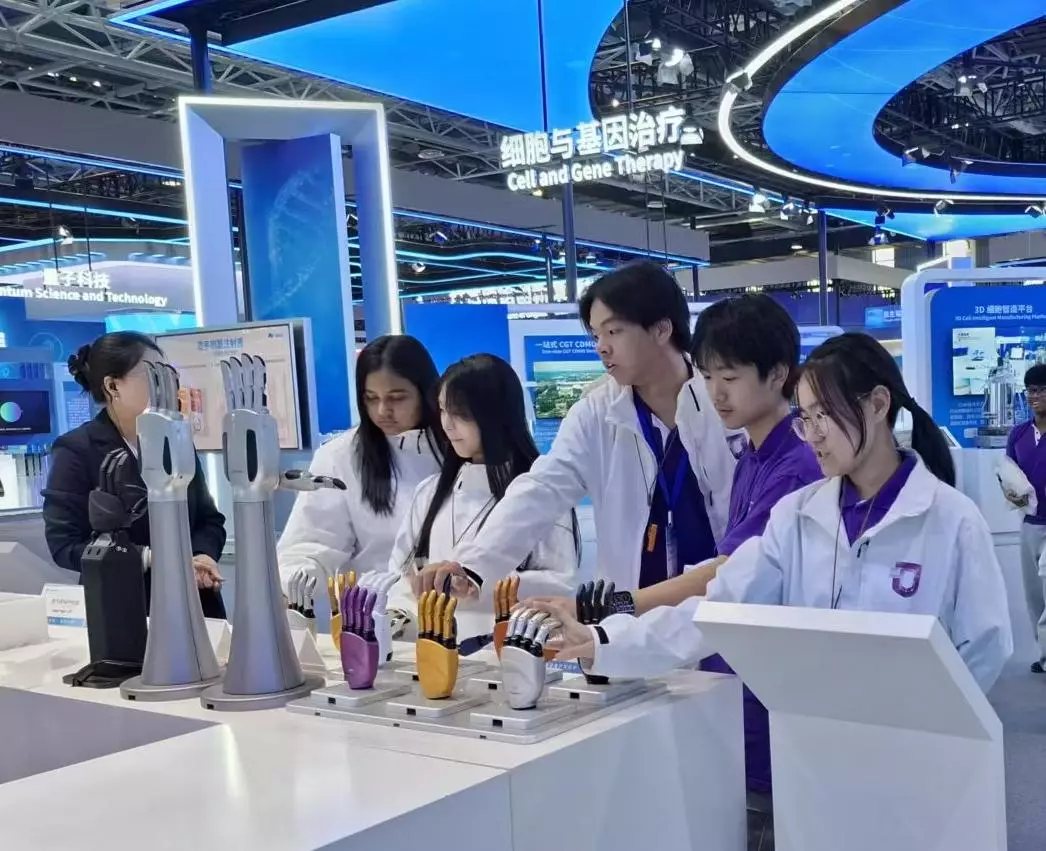
Third National Security Education Study Tour returns to Hong Kong after visiting Beijing and Nanjing Source: HKSAR Government Press Releases
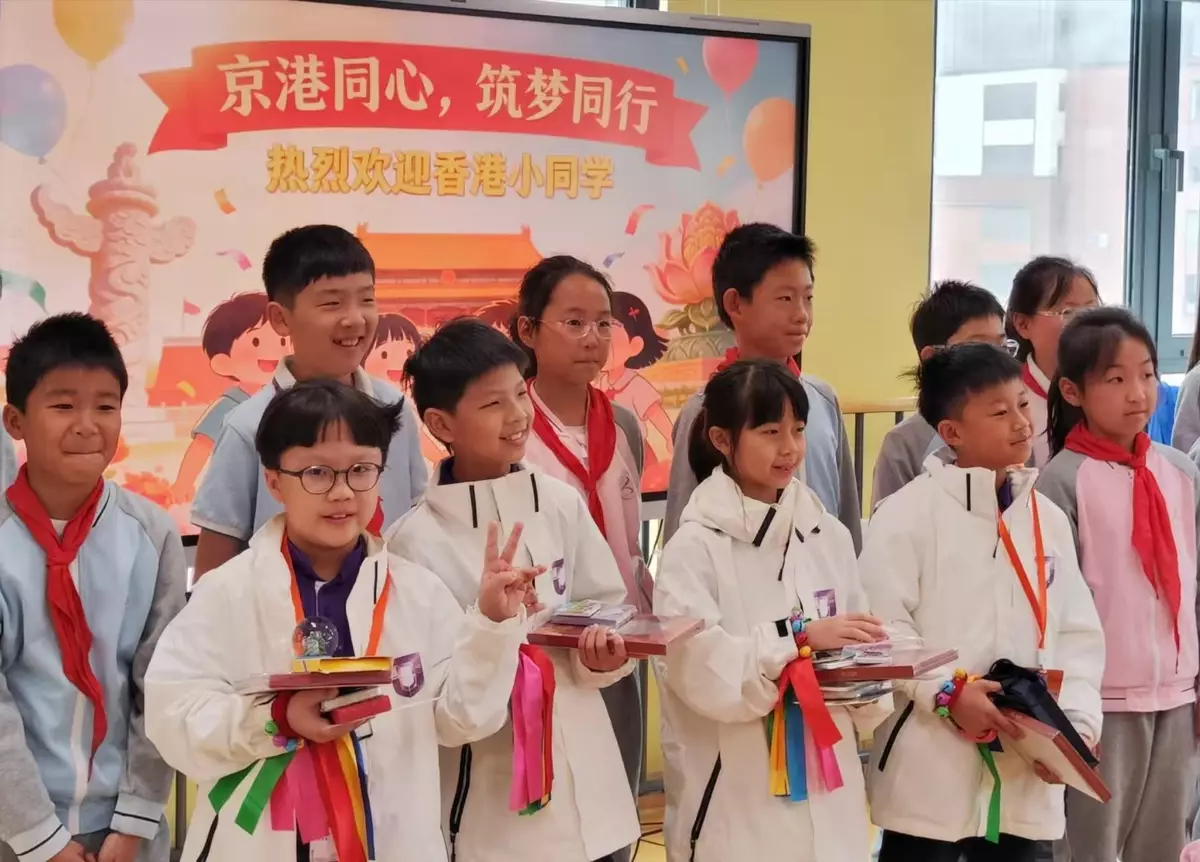
Third National Security Education Study Tour returns to Hong Kong after visiting Beijing and Nanjing Source: HKSAR Government Press Releases
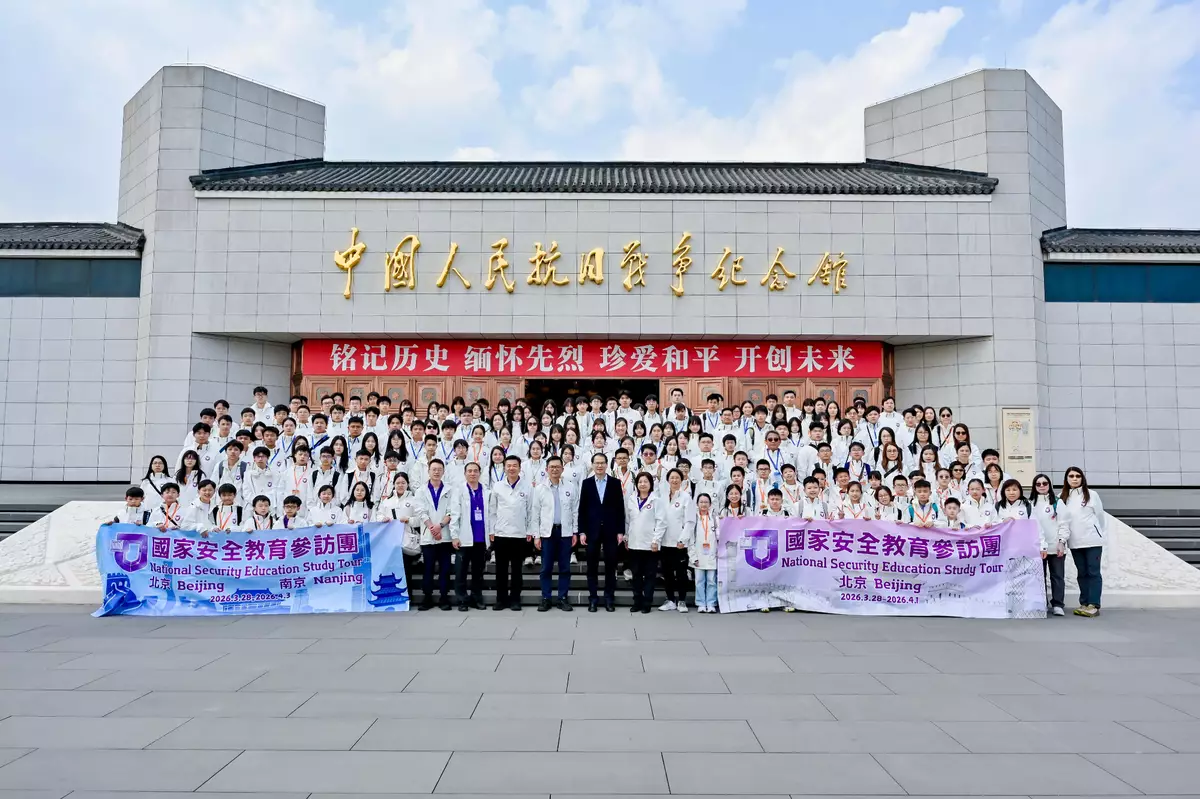
Third National Security Education Study Tour returns to Hong Kong after visiting Beijing and Nanjing Source: HKSAR Government Press Releases
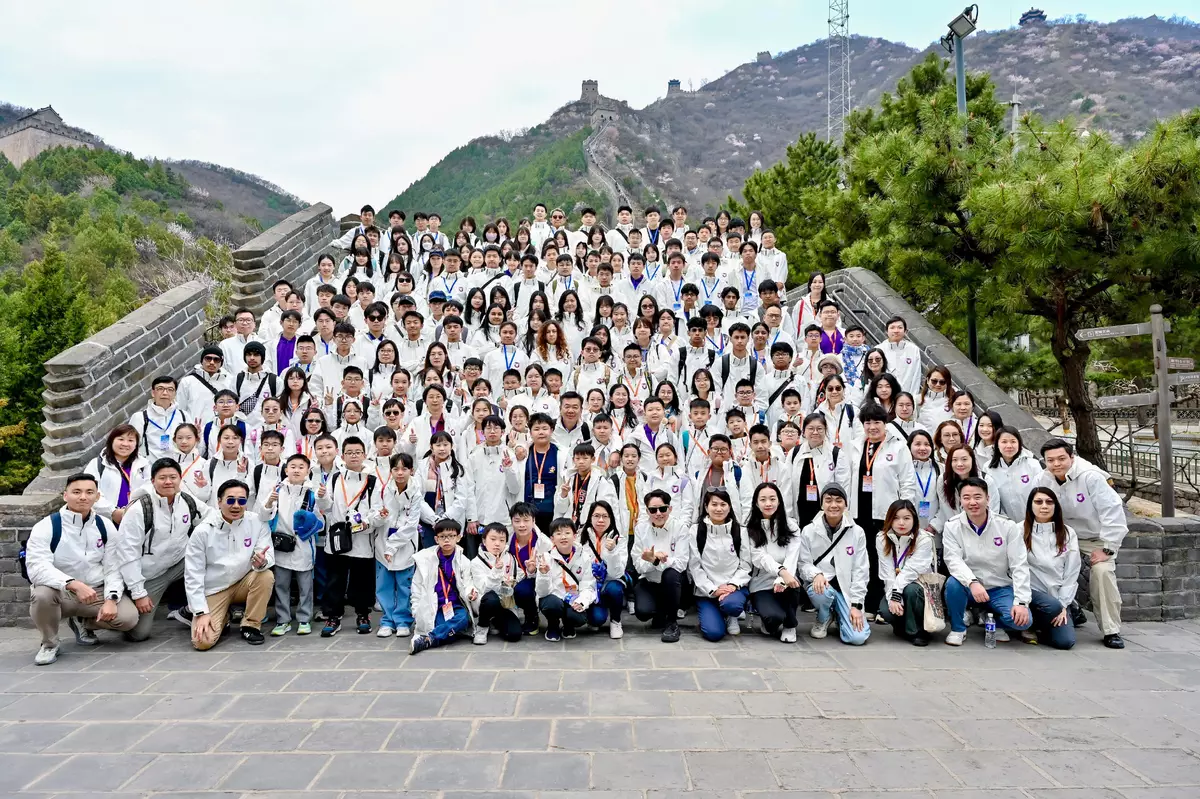
Third National Security Education Study Tour returns to Hong Kong after visiting Beijing and Nanjing Source: HKSAR Government Press Releases
Third National Security Education Study Tour returns to Hong Kong after visiting Beijing and Nanjing Source: HKSAR Government Press Releases
Third National Security Education Study Tour returns to Hong Kong after visiting Beijing and Nanjing Source: HKSAR Government Press Releases
Third National Security Education Study Tour returns to Hong Kong after visiting Beijing and Nanjing Source: HKSAR Government Press Releases