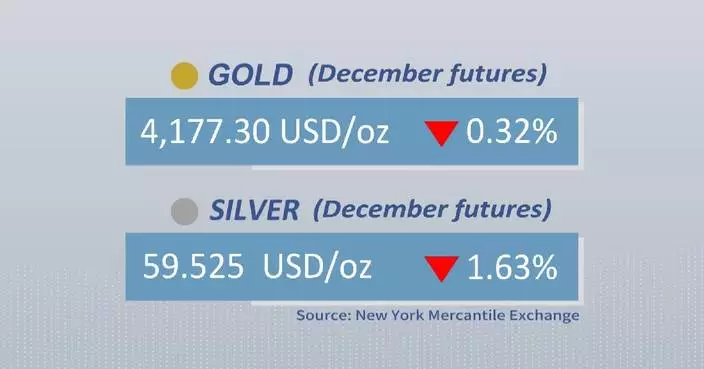
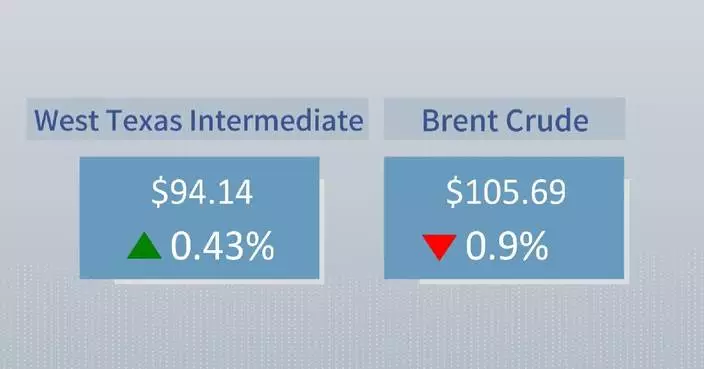
Japan's crude oil imports fell sharply in March to their lowest monthly level since 2013, as tensions in the Middle East lingered on to disrupt energy flows, Japanese media, The Nikkei, reported on Friday.
The report said statistics from Kpler, a data and analytics platform, showed that Japan imported 52.03 million barrels of crude oil in March, down roughly 30 percent from the previous month. The Nikkei said Kpler's figure also demonstrated that Japan's crude oil imports highly depended on producers in the Gulf region in March.
Oil imports from Saudi Arabia, the United Arab Emirates and Kuwait accounted for 54 percent, 35 percent and 4 percent, respectively, of the total in March, bringing Asia's third largest economy's overall reliance on the Middle East to 96 percent.
As most of the crude arriving in March had already been shipped before the U.S. and Israeli attacks on Iran, imports are expected to decline even further in April. Kpler forecast Japan's crude imports for April will fall to 42.15 million barrels, dropping around 41 percent from February.
Imports of refined petroleum products, such as gasoline and naphtha, are also shrinking. Kpler said imports of those products were projected to fall by about 30 percent month on month.
In light of mounting supply pressure, Japanese Prime Minister Sanae Takaichi said on Thursday that the government does not rule out calling on the public to save electricity and fuel.
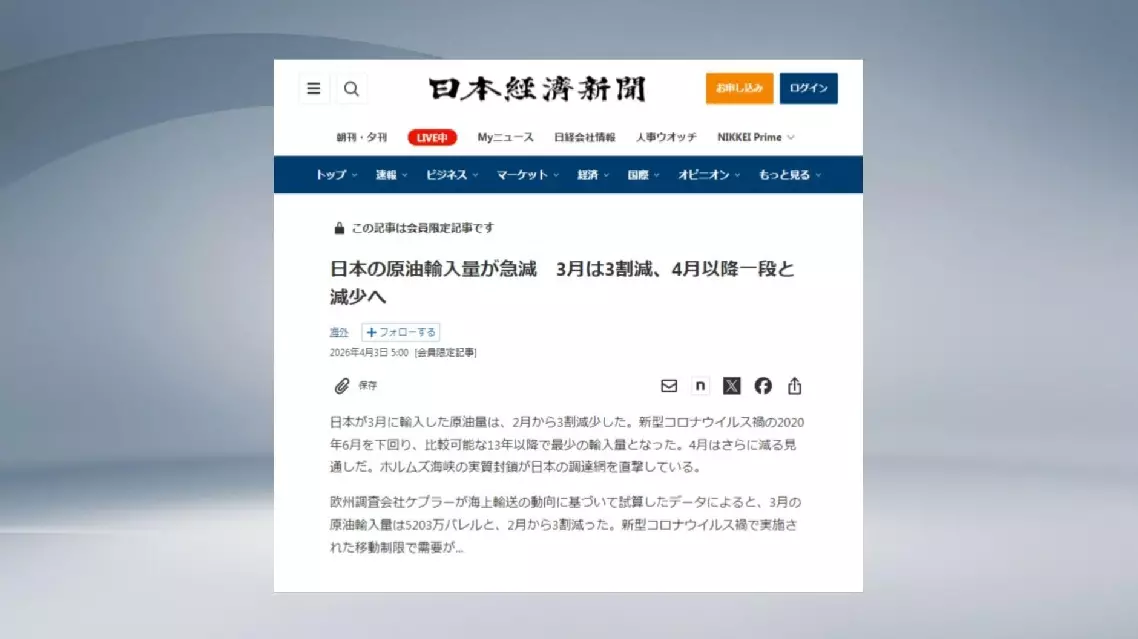
Japan's crude oil imports fall to monthly lowest
China's service trade export expanded 14.8 percent year on year in the first eight months of this year, according to data released by the Ministry of Commerce on Tuesday.
In the Jan-Aug period, the country's total service trade volume exceeded 5.07 trillion yuan (about 757.6 billion U.S. dollars), up 7.9 percent year on year, the ministry said.
Among them, exports neared 2 trillion yuan, while imports topped 3.07 trillion yuan, increasing 14.8 percent and 3.8 percent year on year, respectively. The deficit narrowed by 145.12 billion yuan compared with a year earlier.
In terms of structure, in the first eight months, trade in knowledge-intensive services exceeded 2.23 trillion yuan, up 6.6 percent year on year and accounting for 44 percent of the total.
Exports of knowledge-intensive services increased by 10.9 percent, making up 53.7 percent of all service exports. Among them, personal cultural and entertainment services and financial services recorded the strongest growth, at 66 percent and 21.6 percent, respectively.
"In the first eight months of this year, China's service trade exports grew significantly faster than imports, narrowing the service trade deficit and continuously enhancing the sector's international competitiveness. Knowledge-intensive services have emerged as a new driver of export growth. The export of digital content, such as games and micro dramas, has helped drive the rapid growth in exports of personal cultural and entertainment services. Meanwhile, productive services linked to goods trade have provided important support, with strong demand for international shipping, air freight and cross-border logistics driving rapid growth in both imports and exports of transportation services," said Li Jun, director of the Institute of International Trade in Services at the Chinese Academy of International Trade and Economic Cooperation.

China's service trade export surges 14.8 percent in Jan-Aug