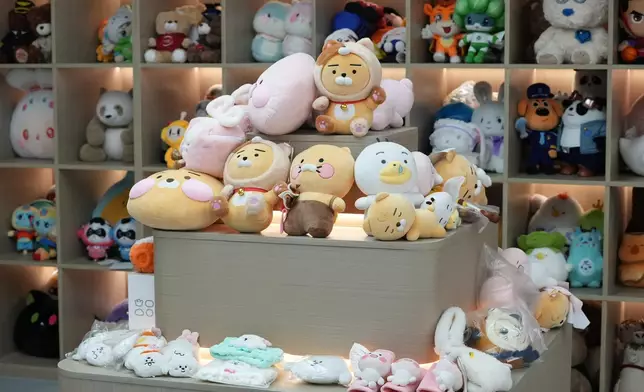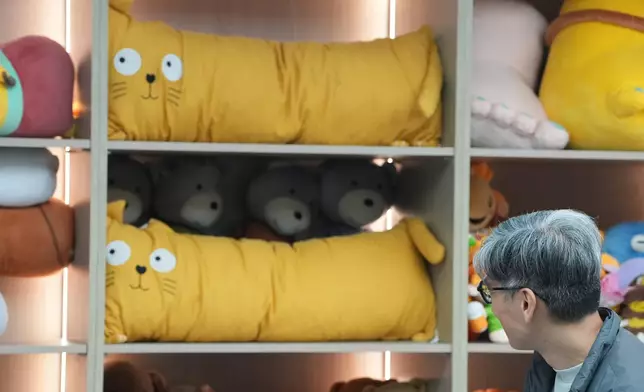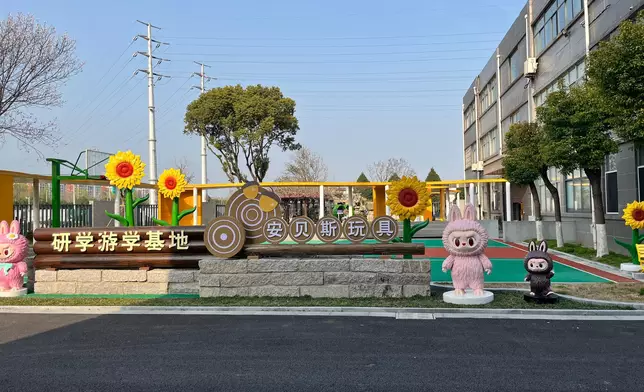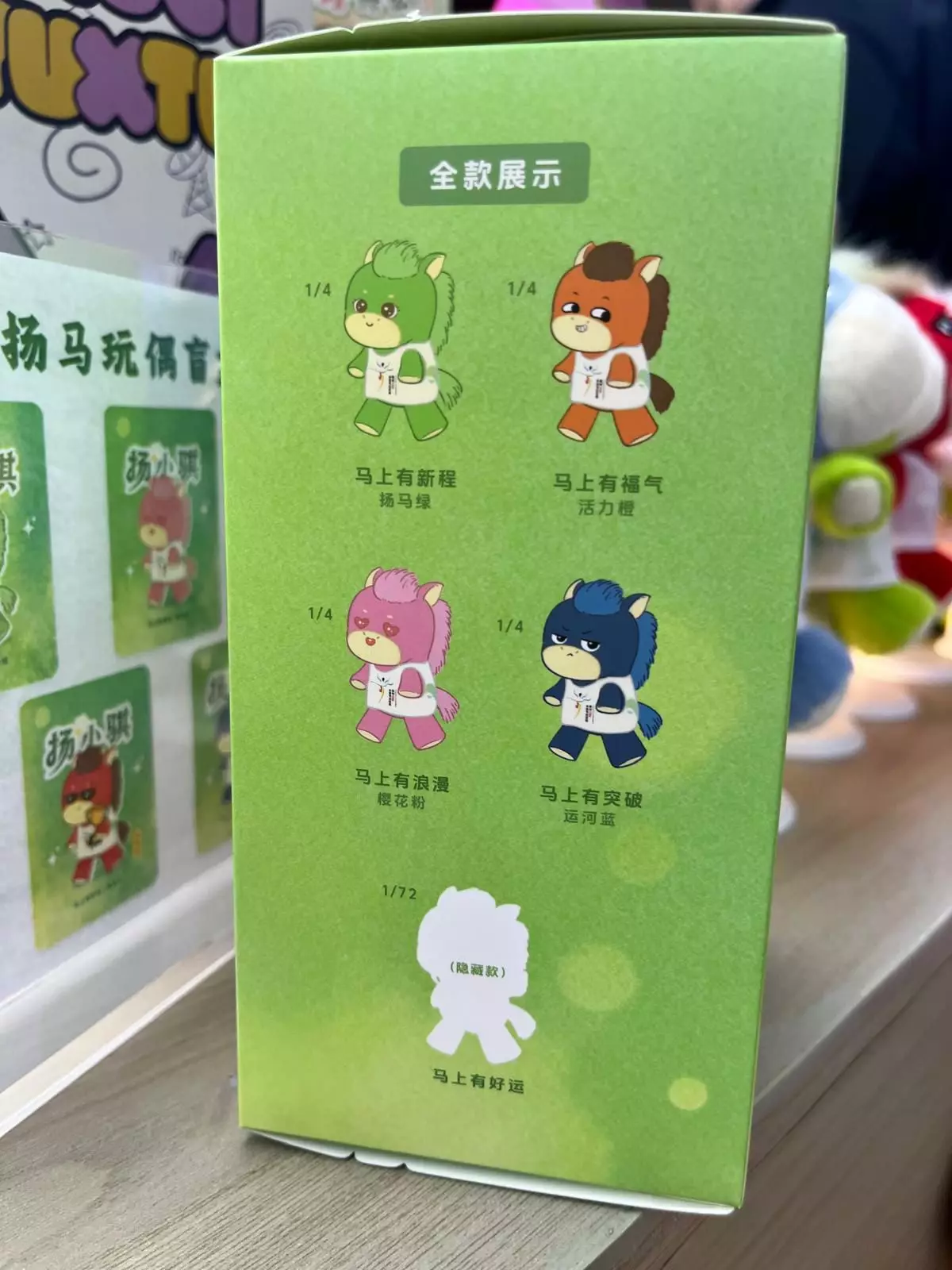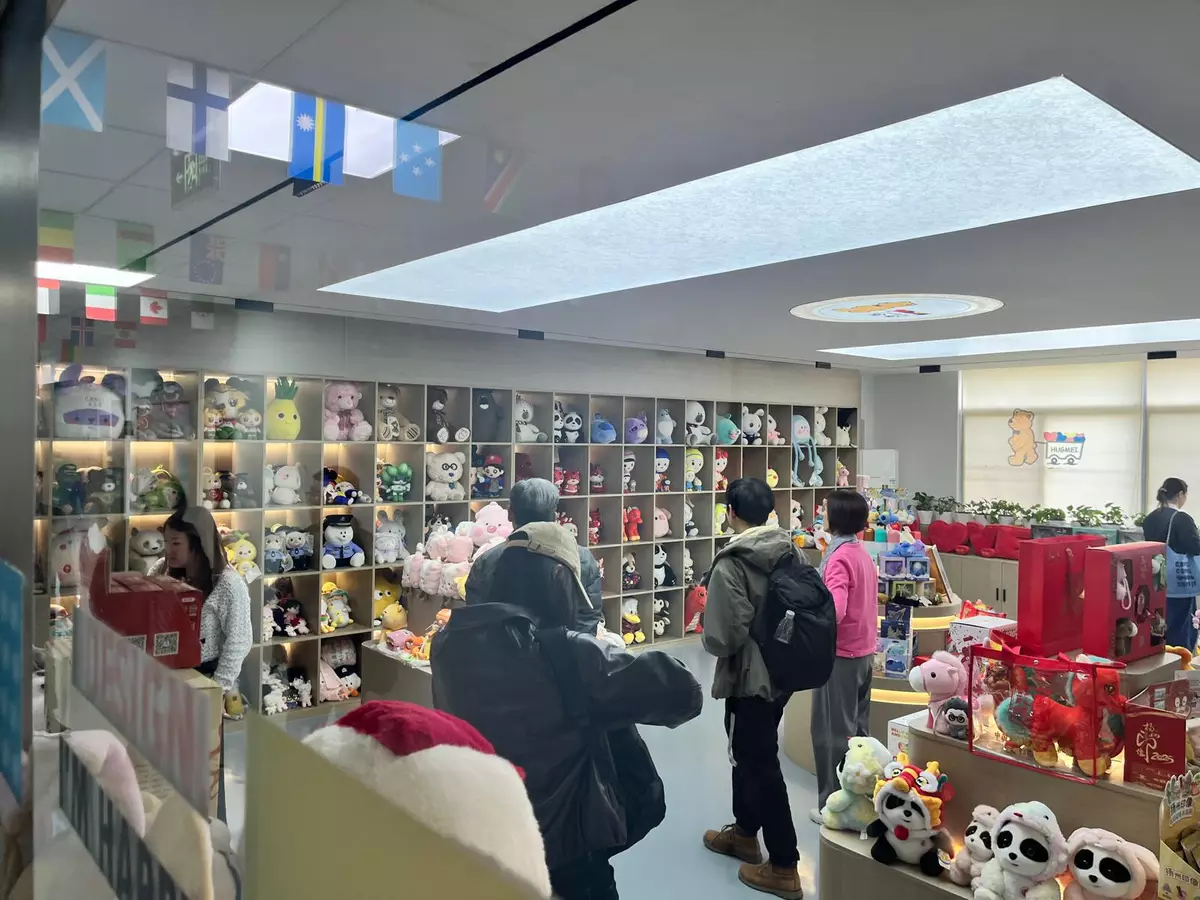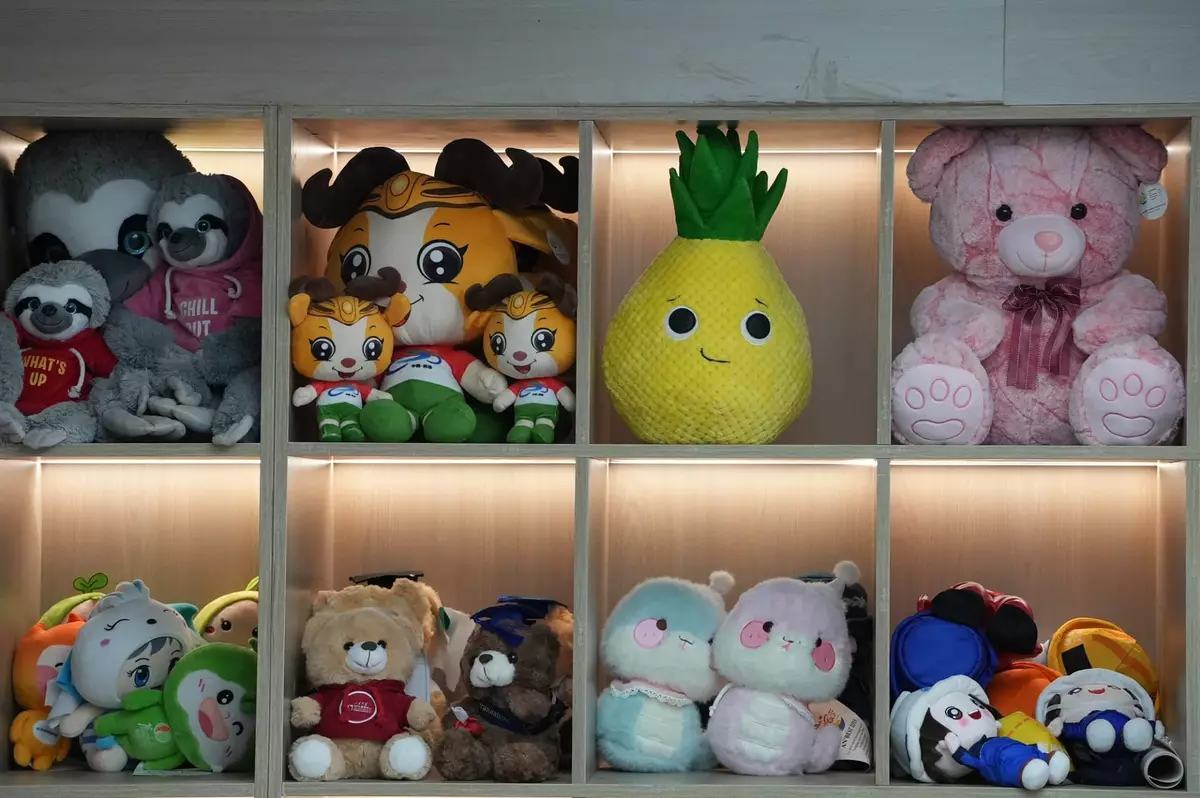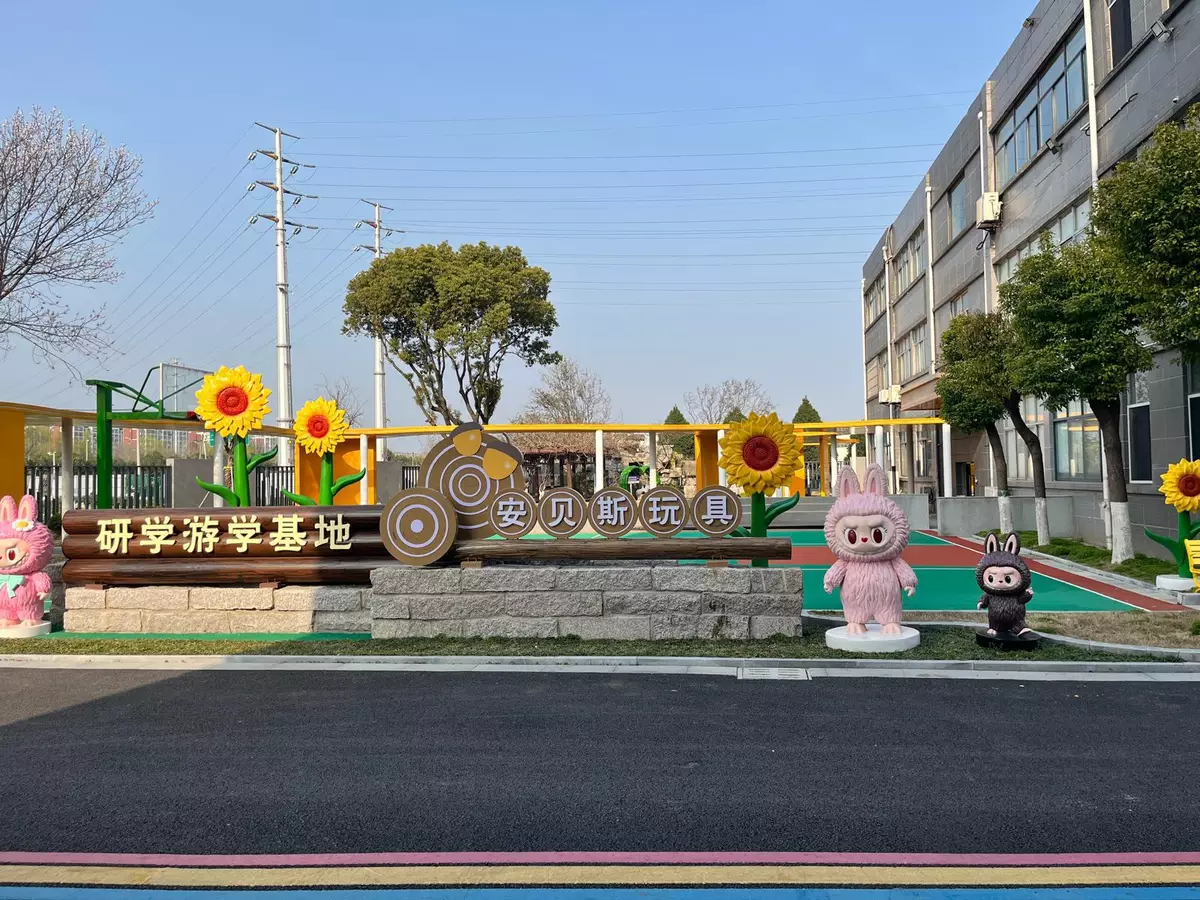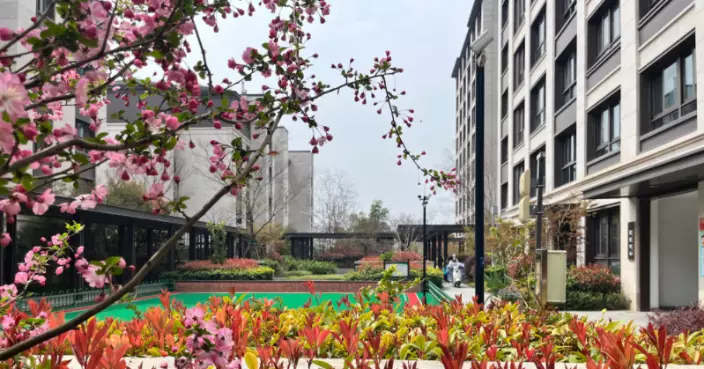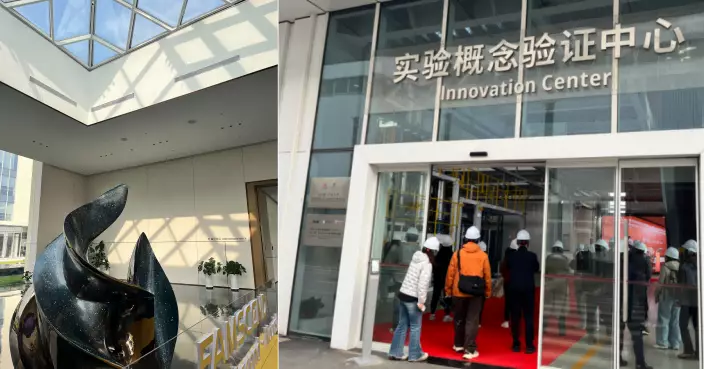
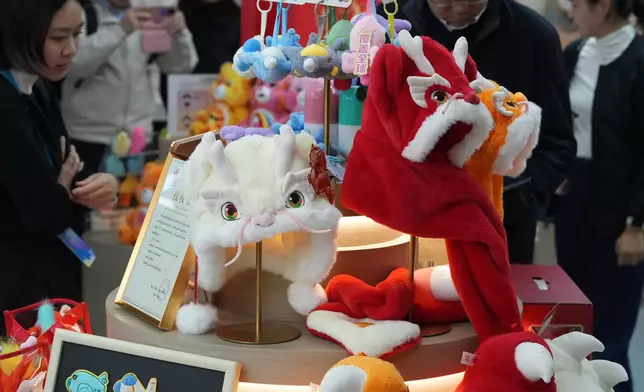
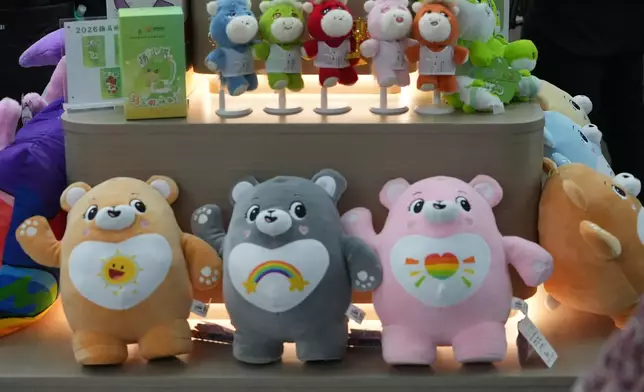
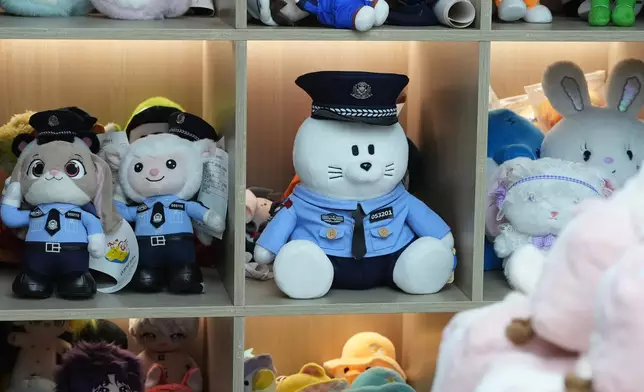
The Hong Kong media delegation visited YangZhou An'best Toys Co., Ltd. on March 25. The corporation representative introduced the over 3,500 original copyrighted products of the corporation and mentioned that, influenced by the US tariff policies with pressure on 40% of its export business, the corporation is responding by simplifying production techniques and optimizing raw materials, while actively promoting its AI toy product lines and expanding its market layout in Hong Kong.
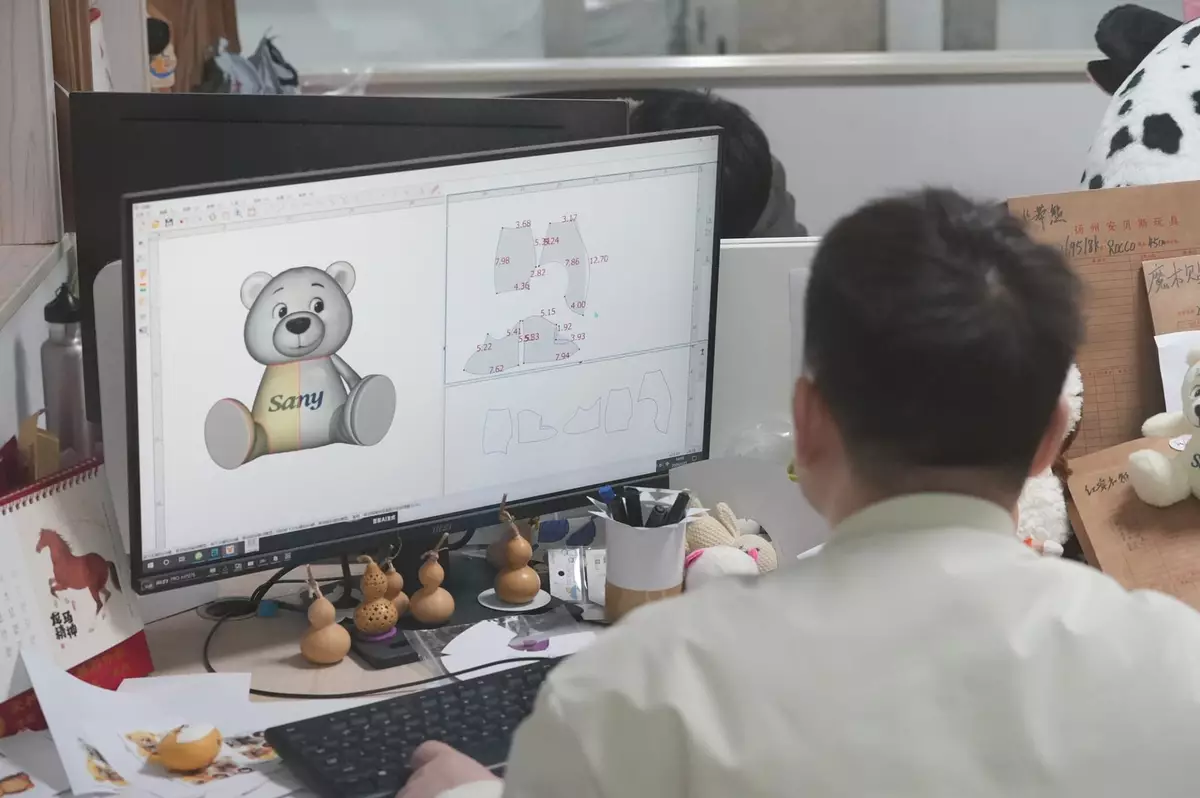
The corporation is responding by simplifying production techniques and optimizing raw materials, while actively promoting its AI toy product lines and expanding its market layout in Hong Kong. Photo by Bastille Post
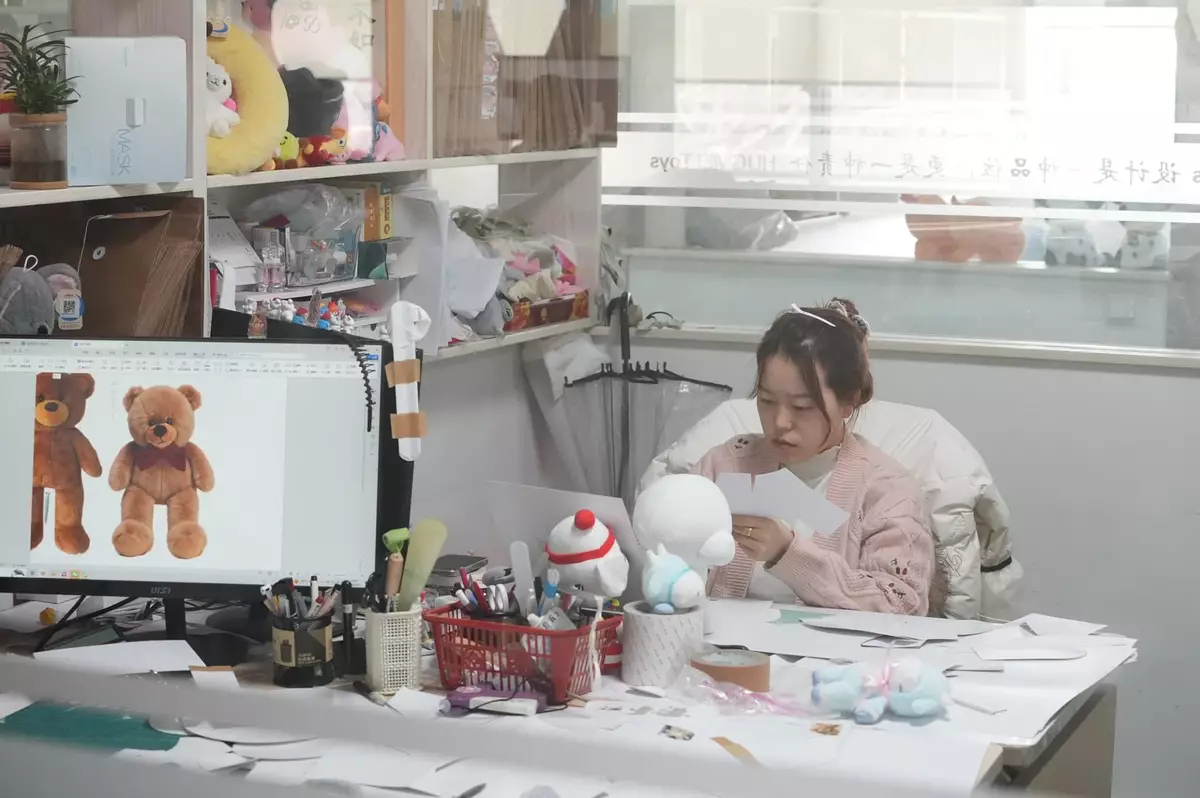
Photo by Bastille Post
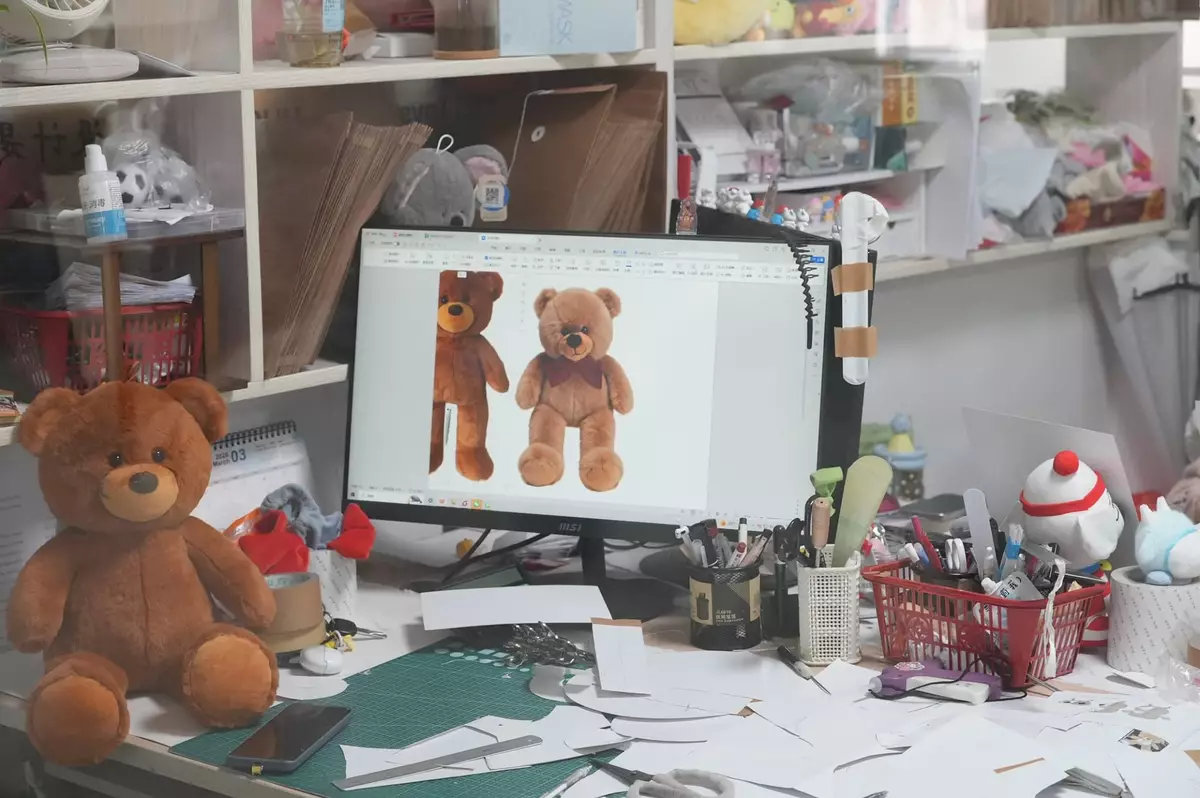
OEM to Copyright Leader: A 30-Year Evolution
Click to Gallery
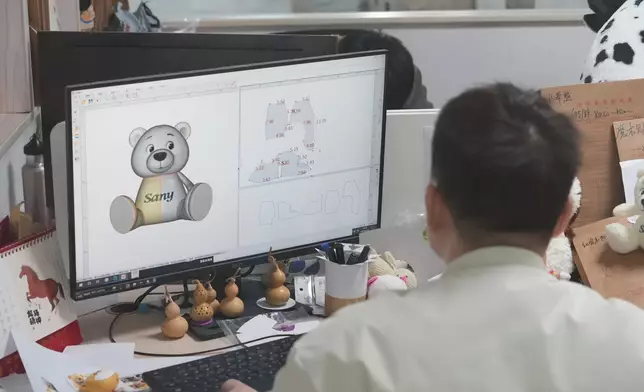
The corporation is responding by simplifying production techniques and optimizing raw materials, while actively promoting its AI toy product lines and expanding its market layout in Hong Kong. Photo by Bastille Post
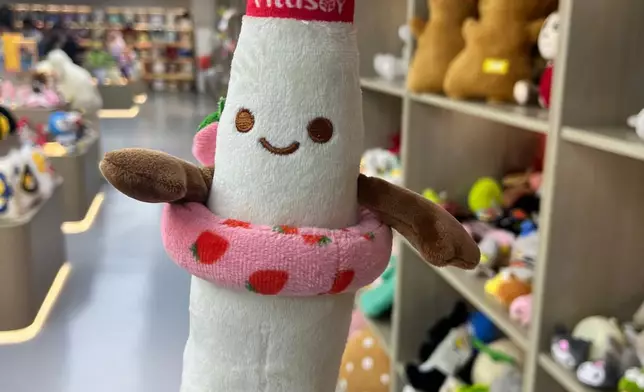
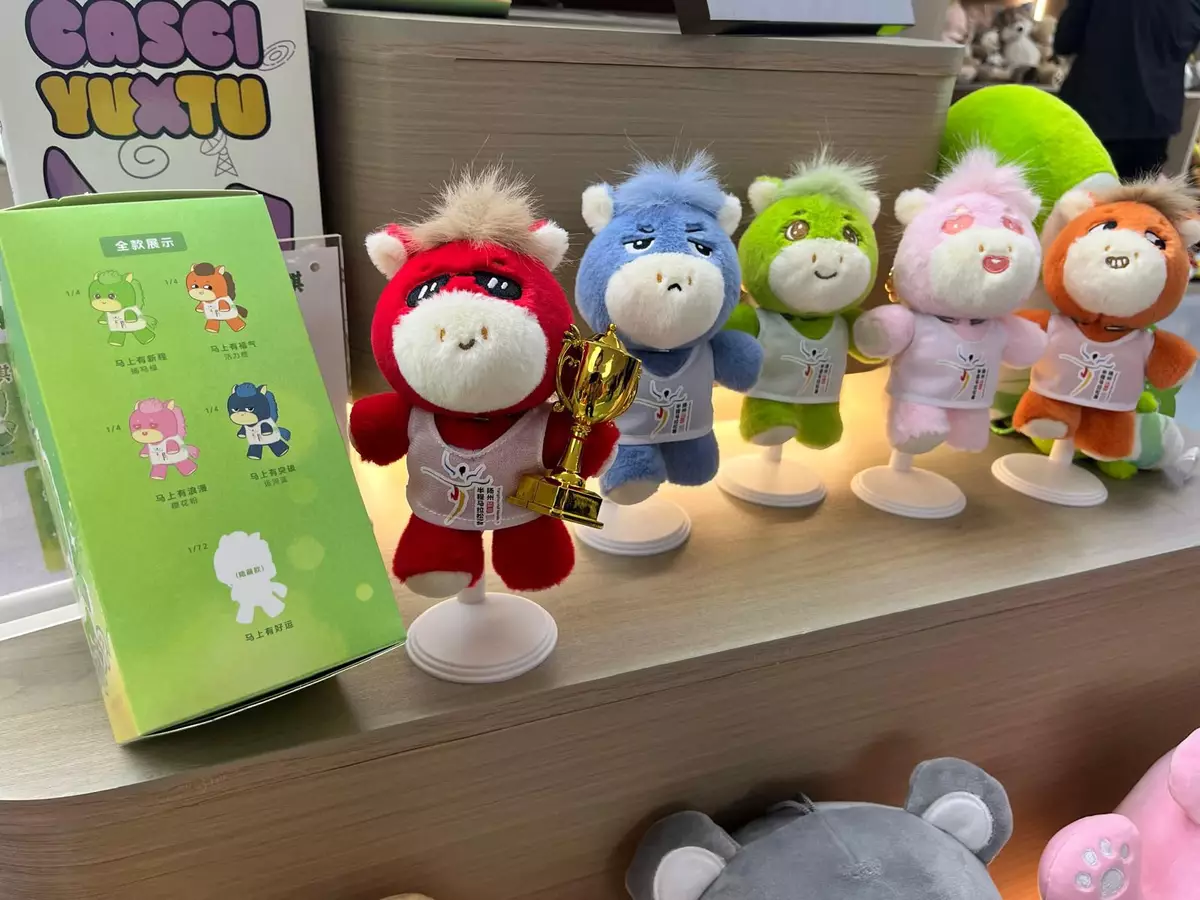
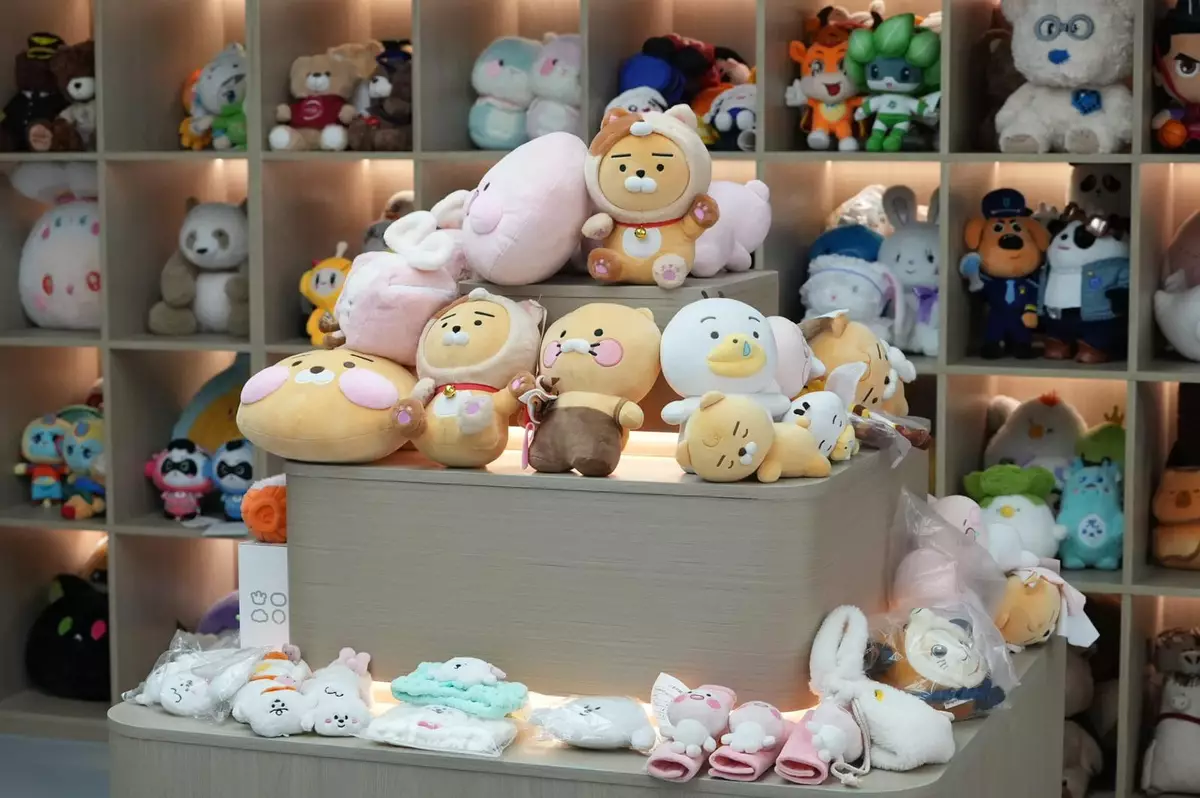
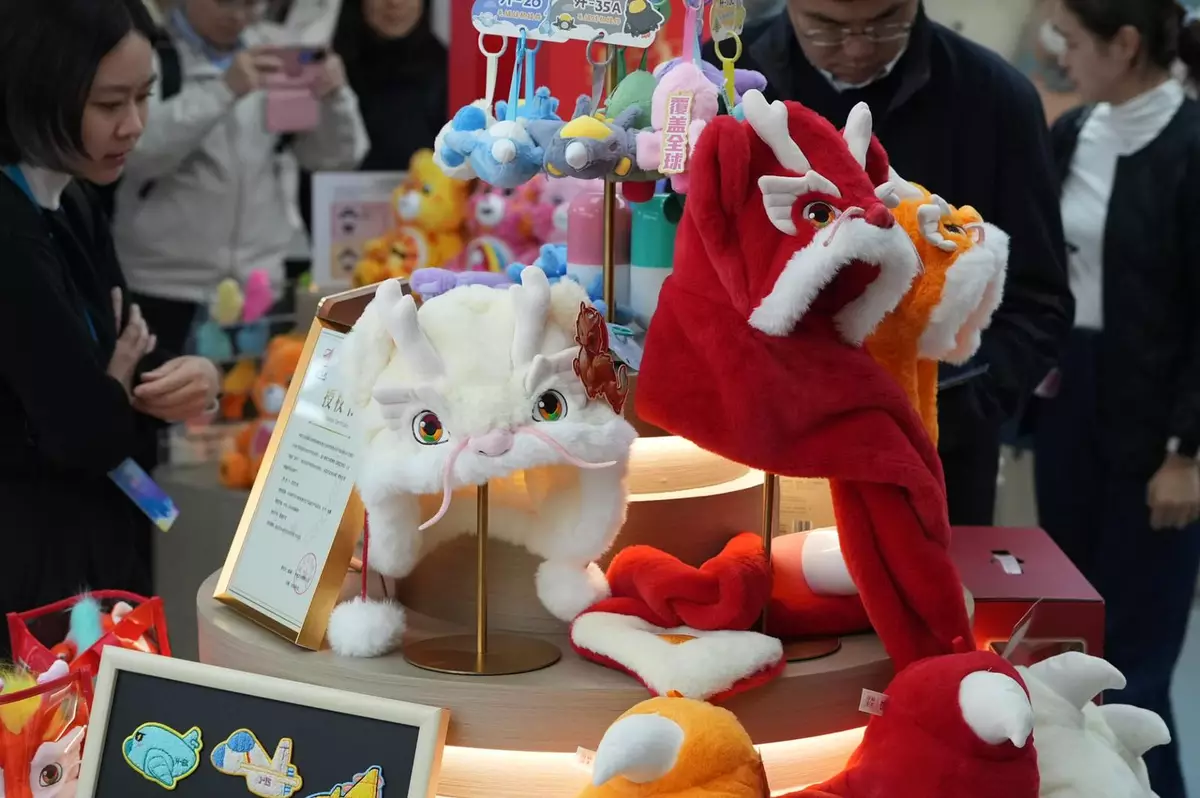
The toy product released by An'best, Photo by Bastille Post
The toy product of An'best, Photo by Bastille Post
Ms. Shi Qiaoyan, the head of An'best's HR Department, Photo by Bastille Post
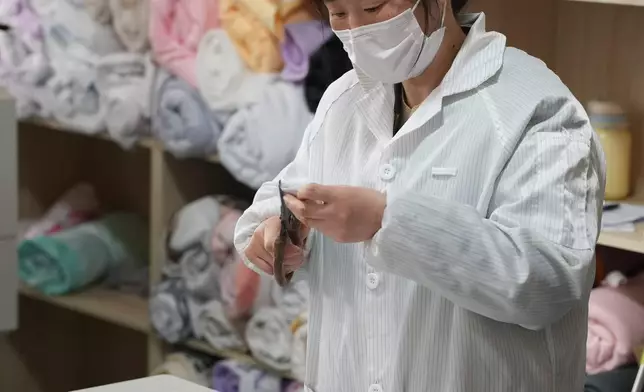
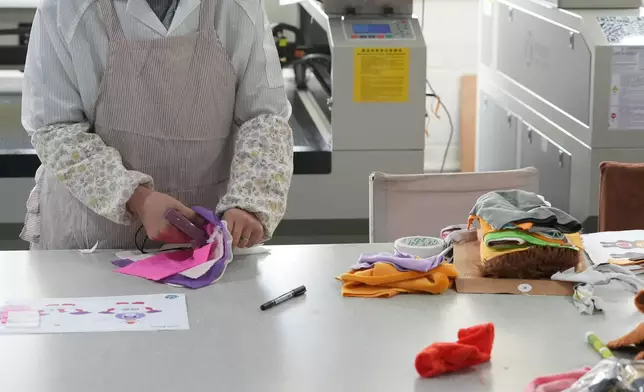
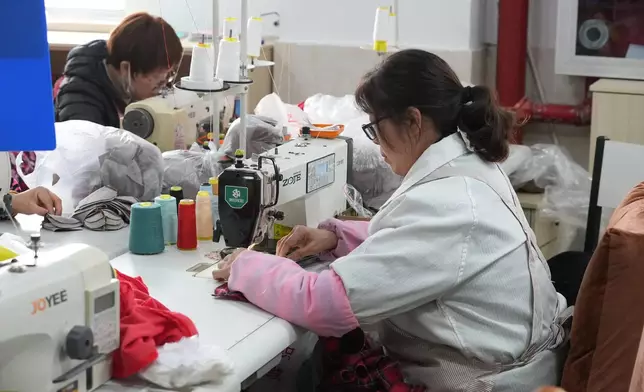
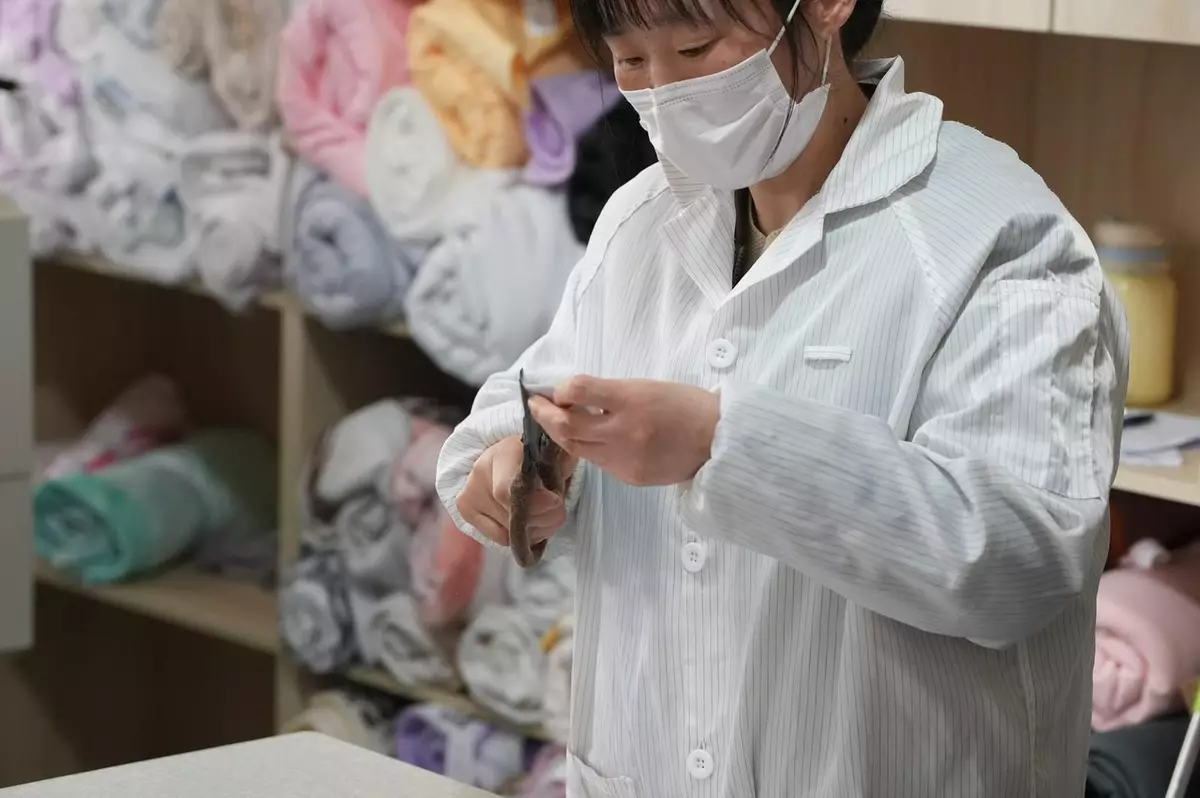
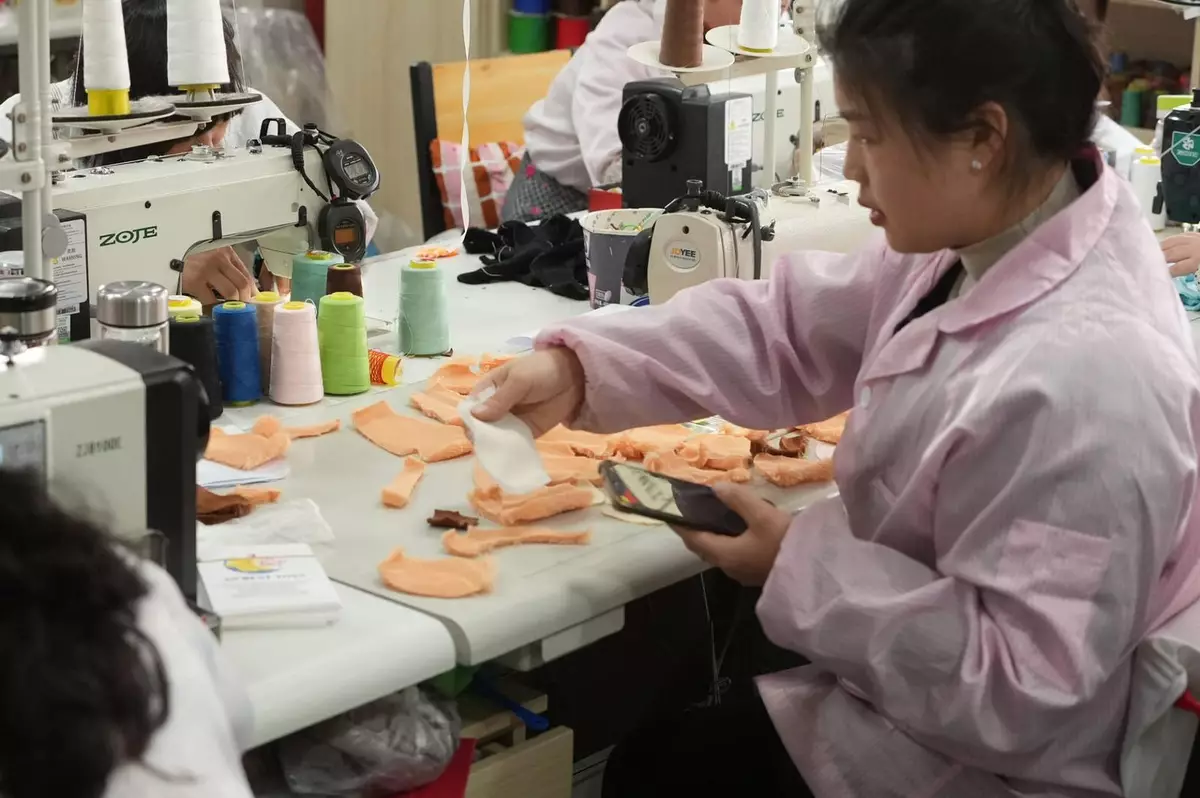
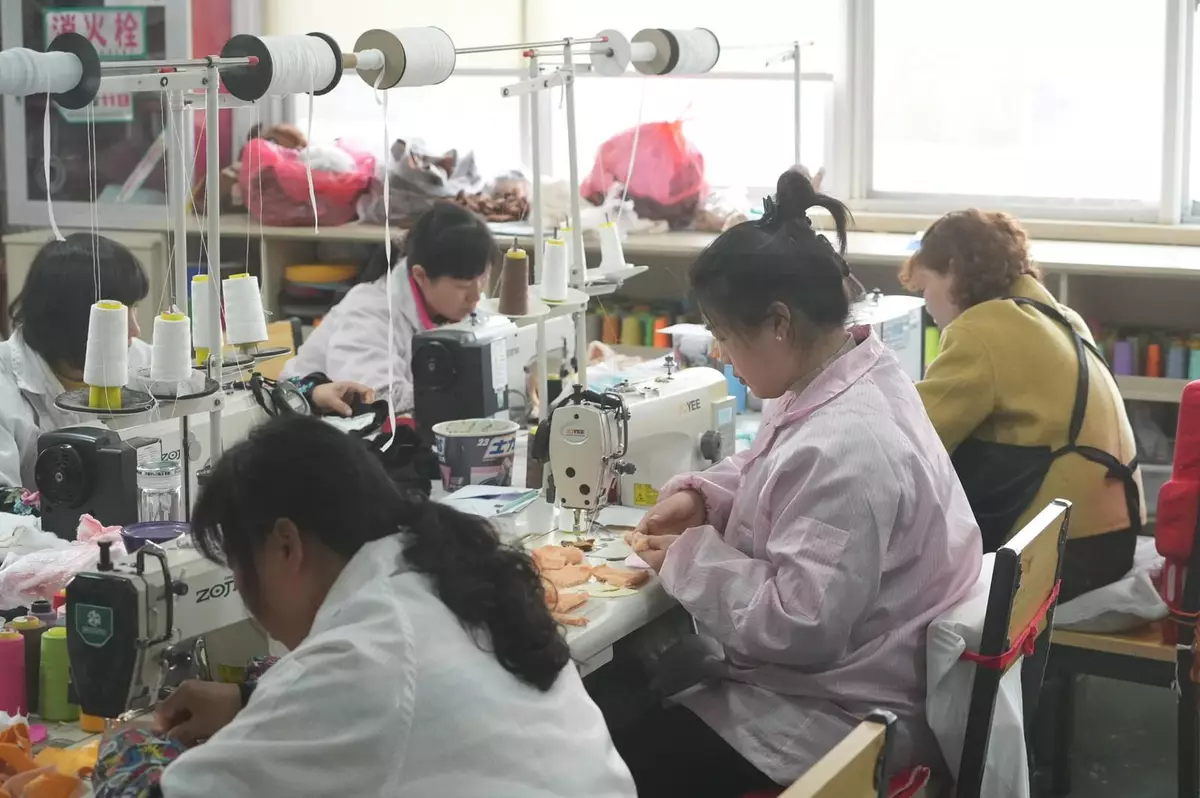
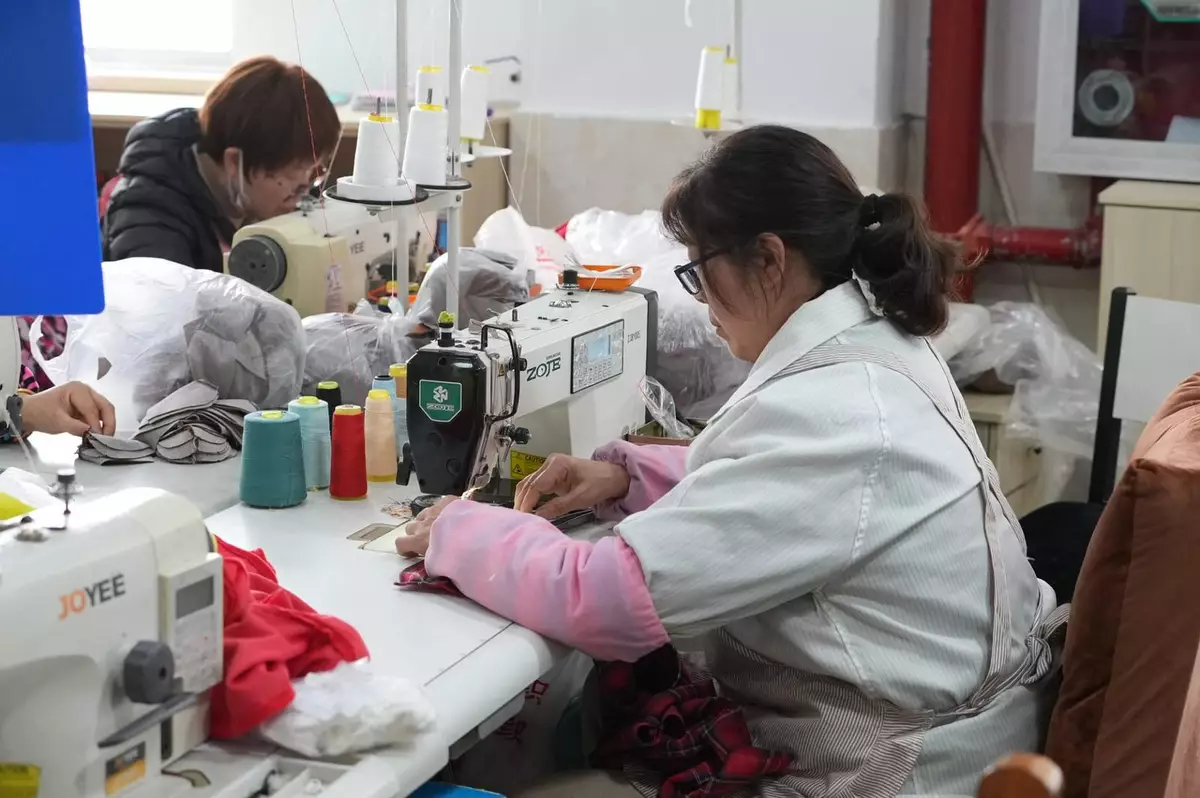
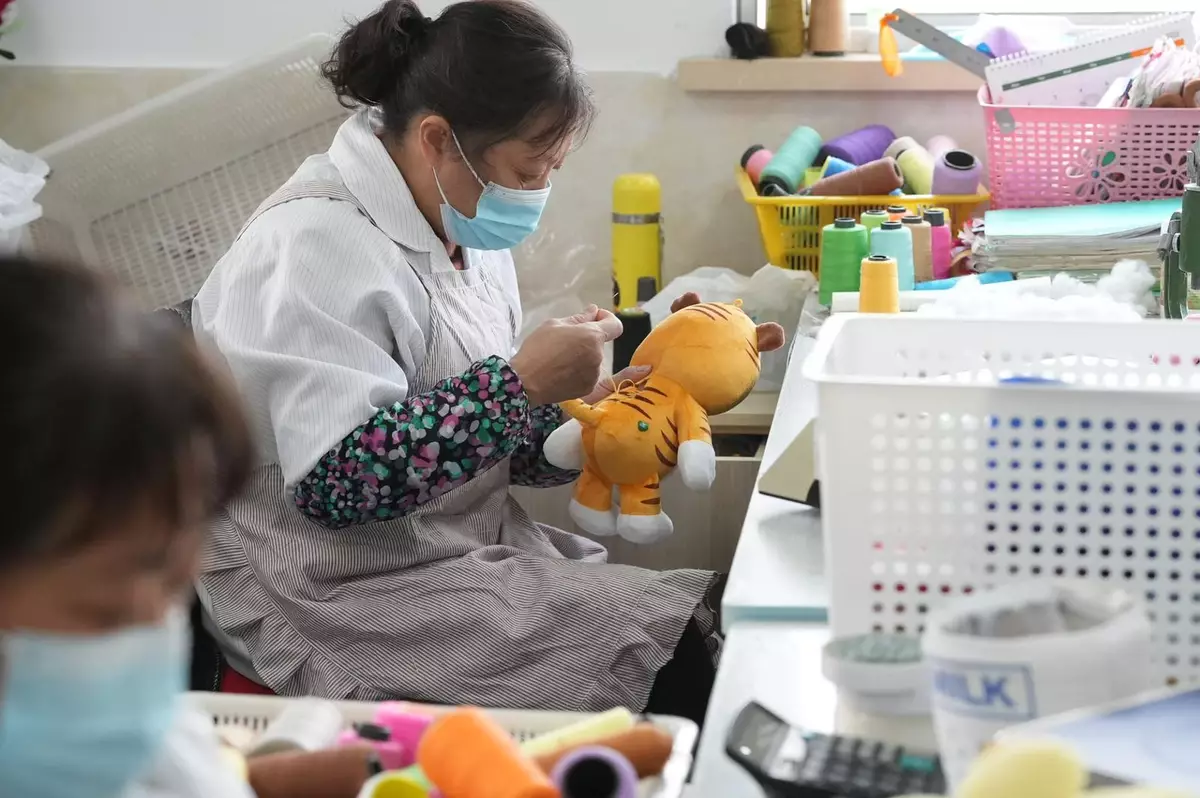
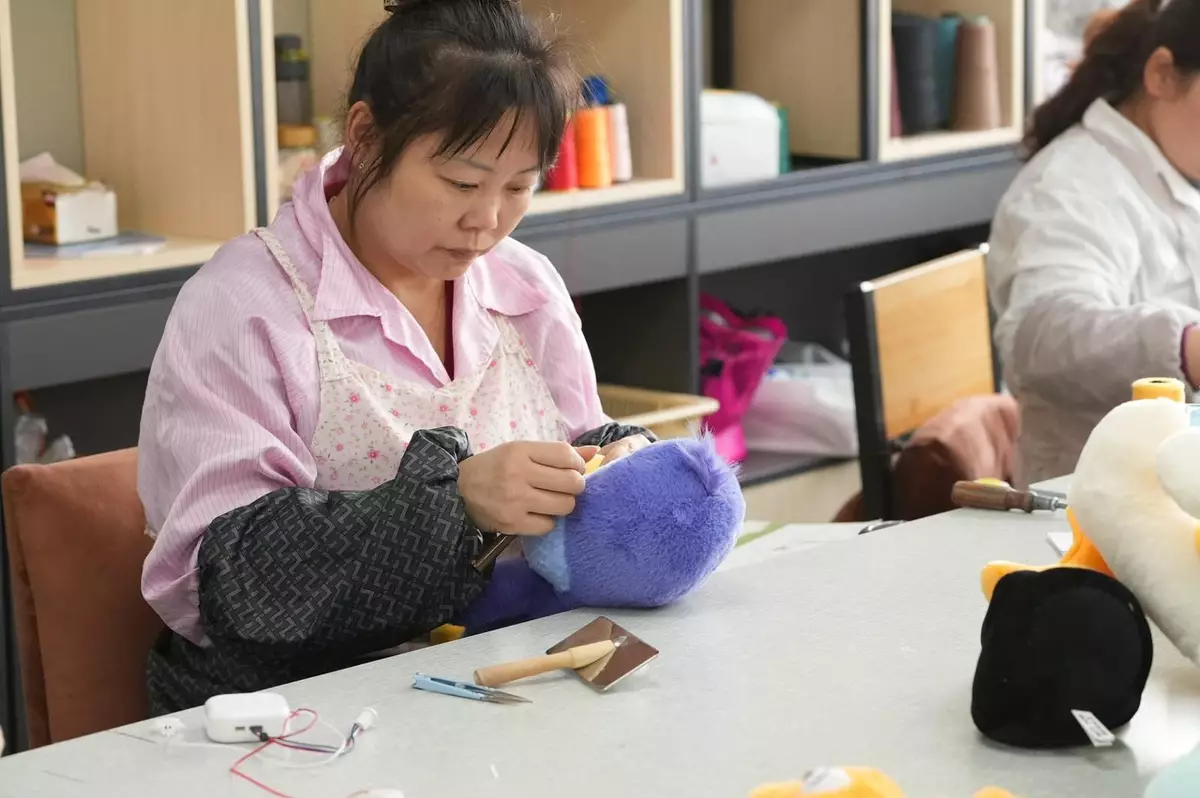
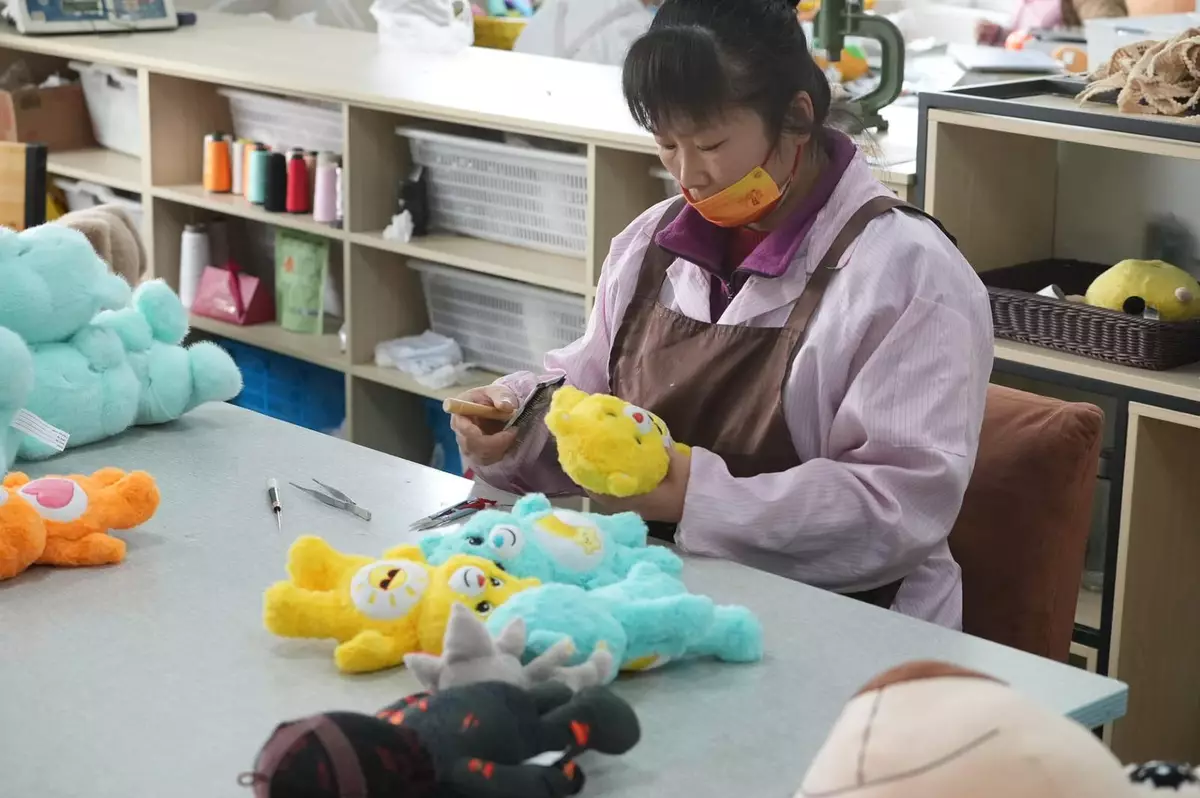
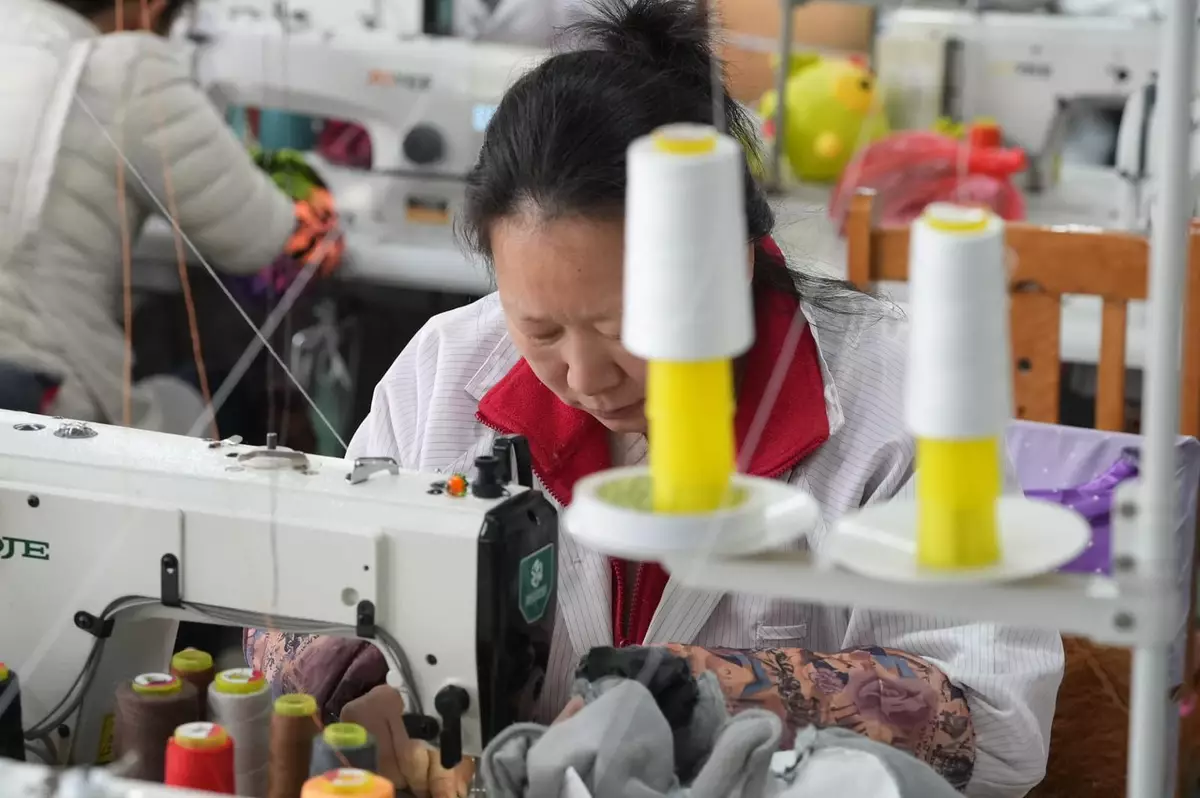
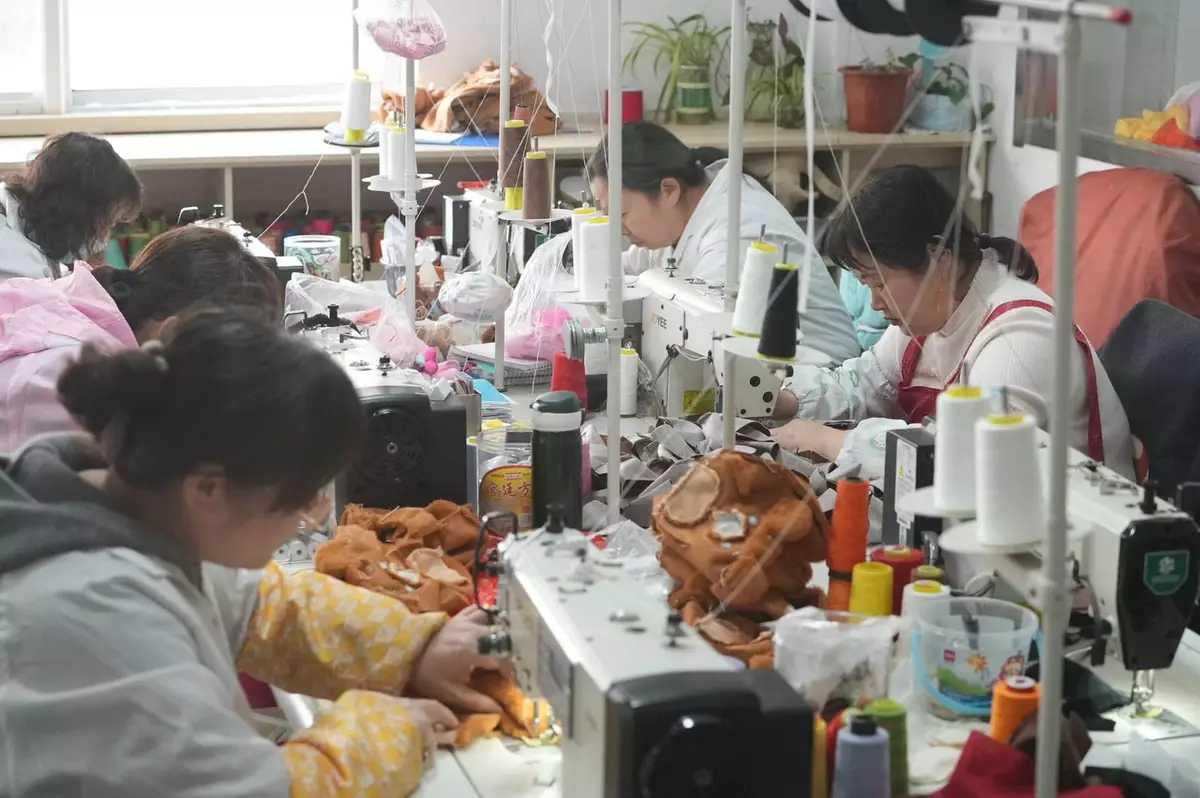
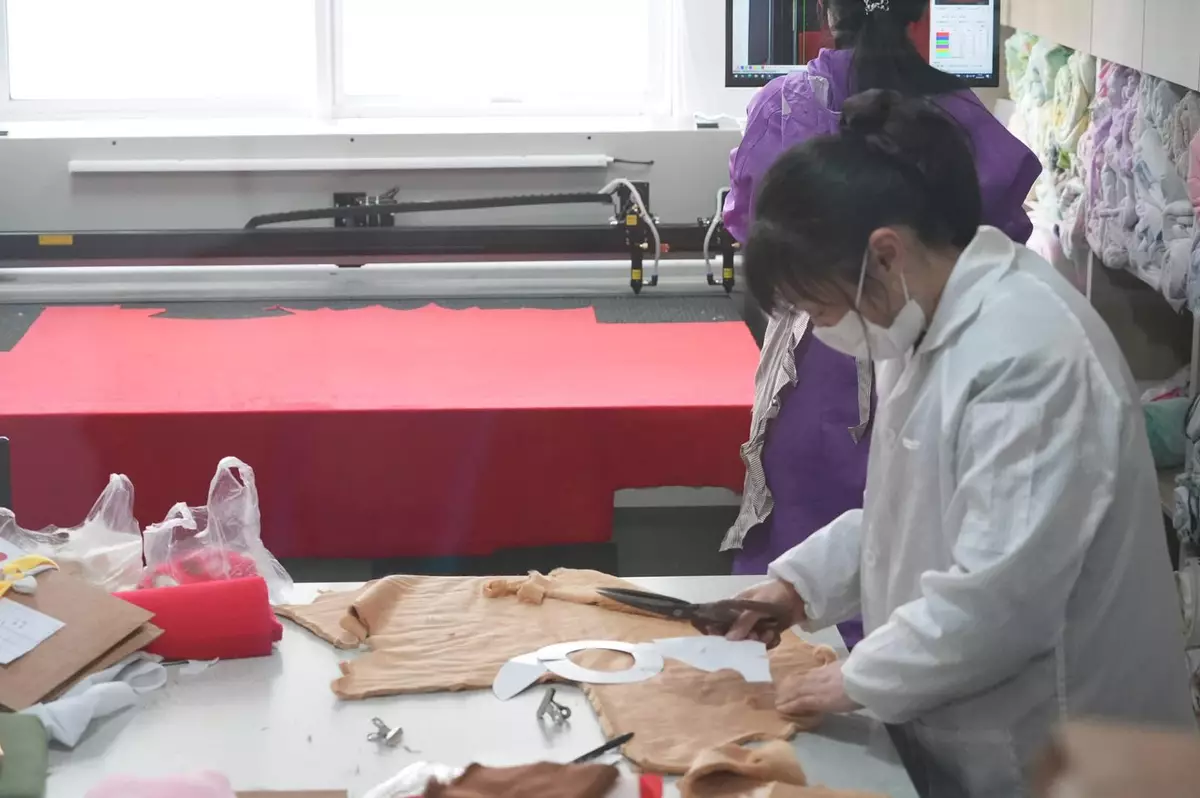
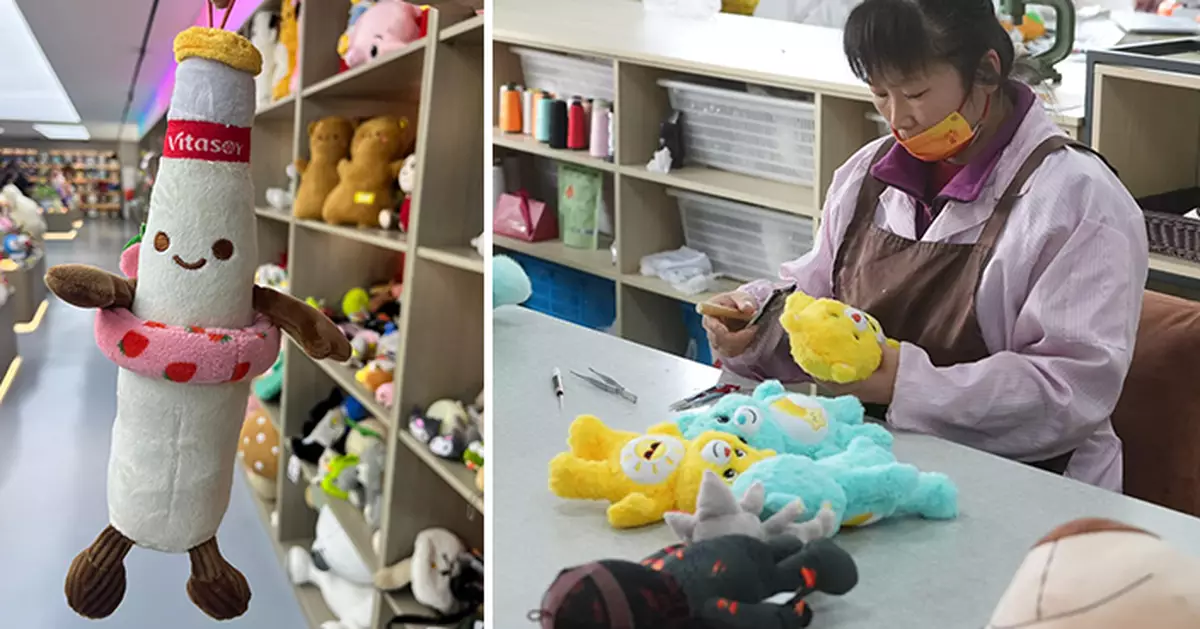
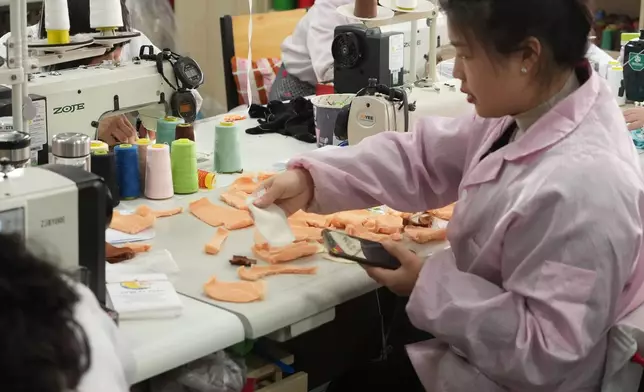
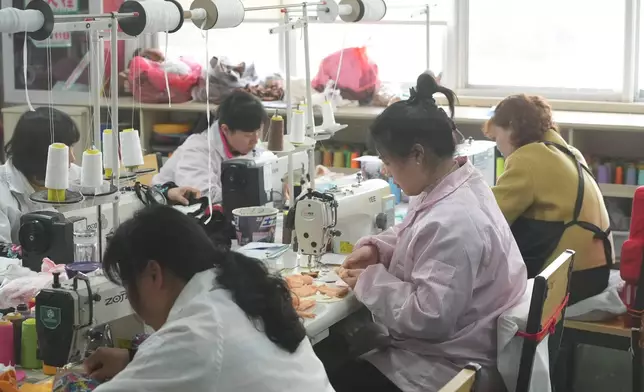
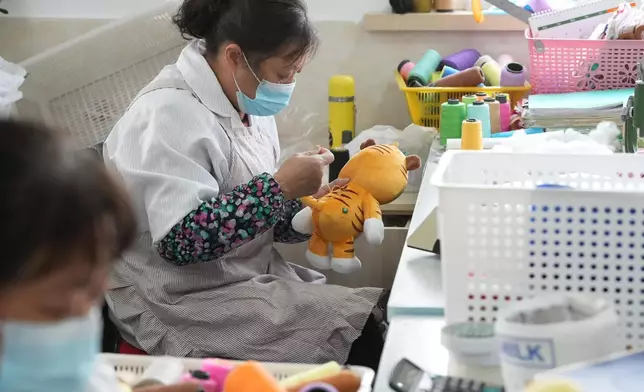
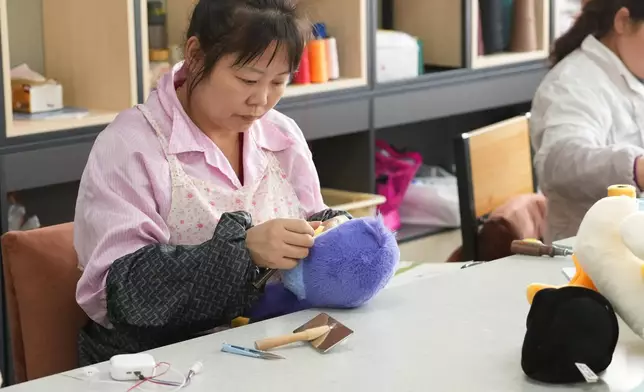
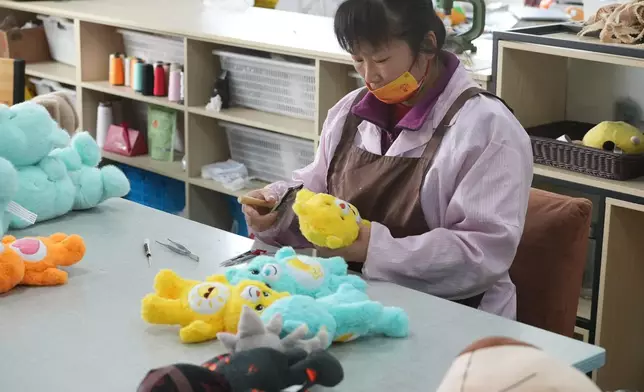
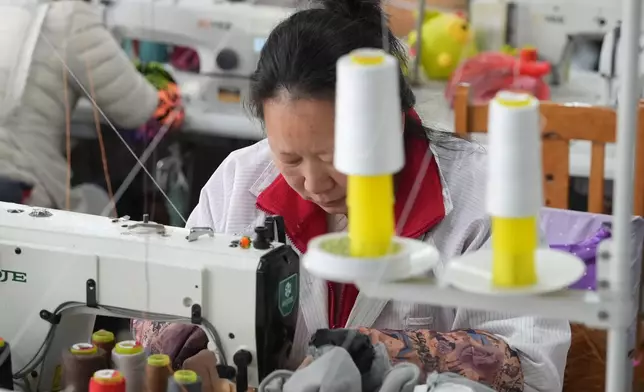
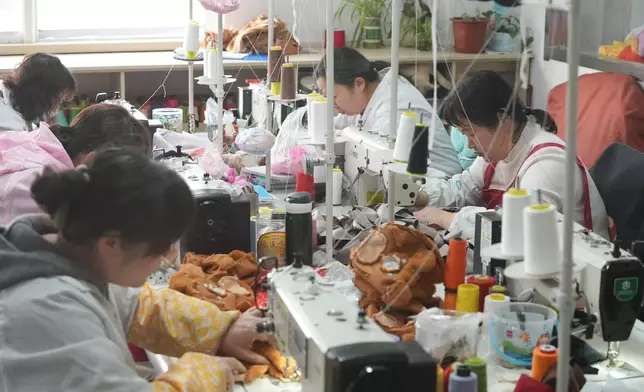
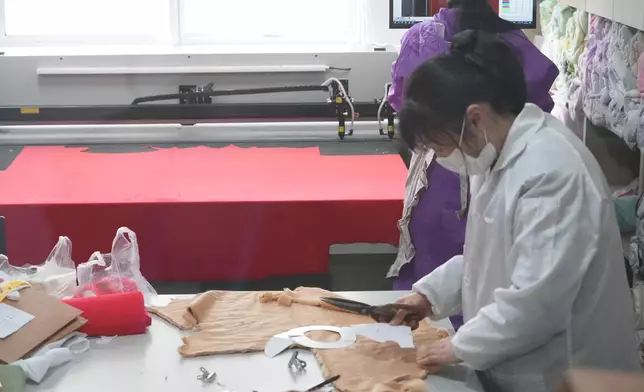
The sewing process for plush toys still relies mainly on skilled manual workers. Photo by Bastille Post
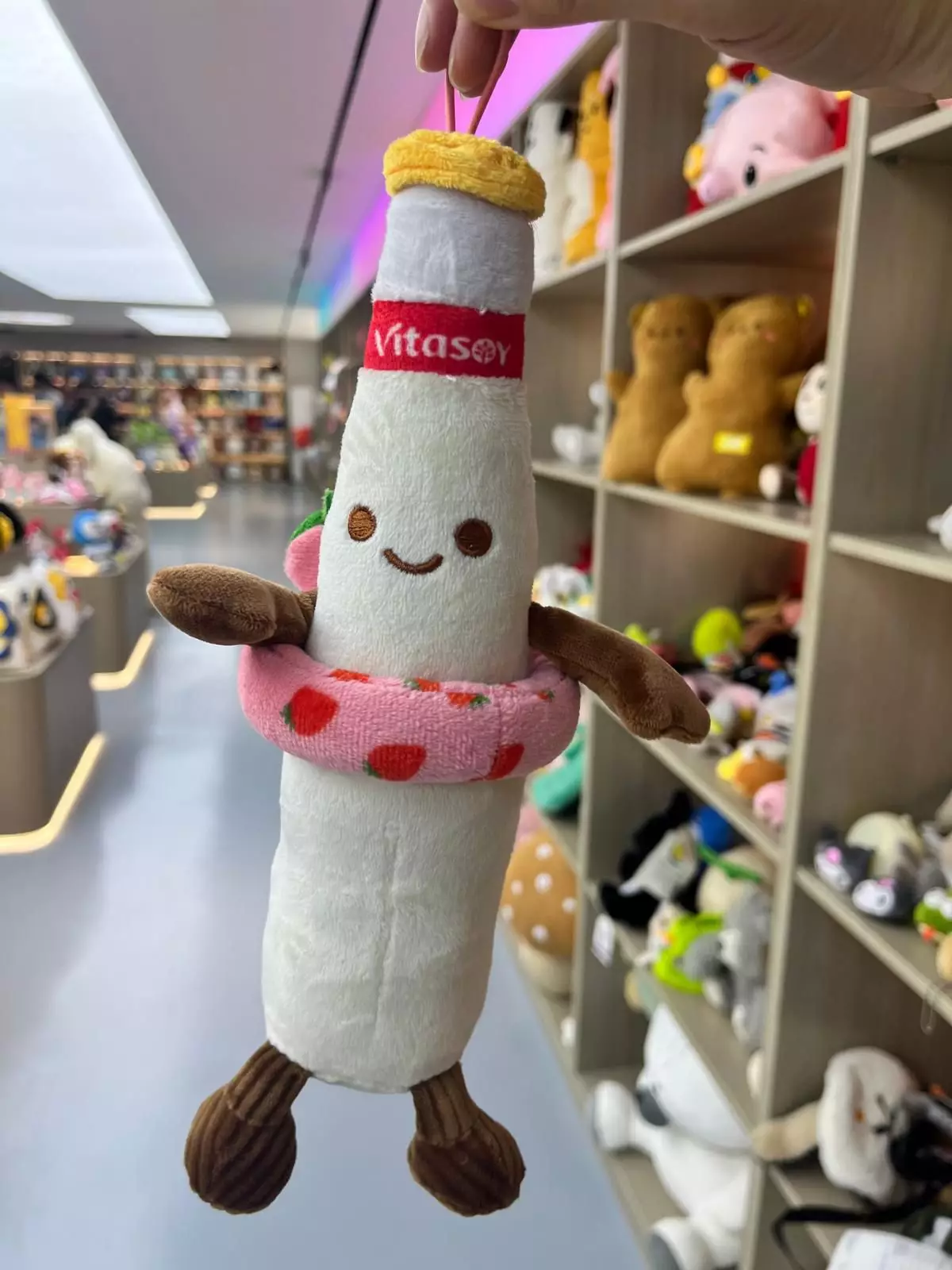
The toy products of An'best, Photo by Bastille Post
YangZhou An'best Toys Co., Ltd. Photo by Bastille Post
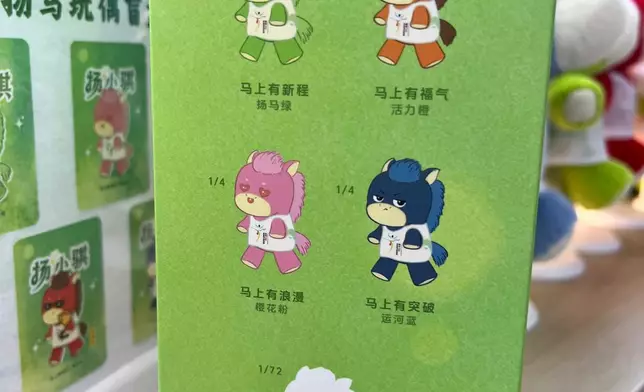
Founded in Yangzhou, An'best Toys started as an OEM manufacturer working from client-supplied designs. Ms. Shi Qiaoyan, the head of the corporation's HR Department, pointed out that since the pure OEM model is seeing its profit margins shrink with the declining demographic dividend, An'best has made a shift toward independent design and R&D, holding more than 3,500 copyrights and 19 authorized patents. "We increasingly realize the enormous benefits that respecting originality and design brings to the corporation," she said.
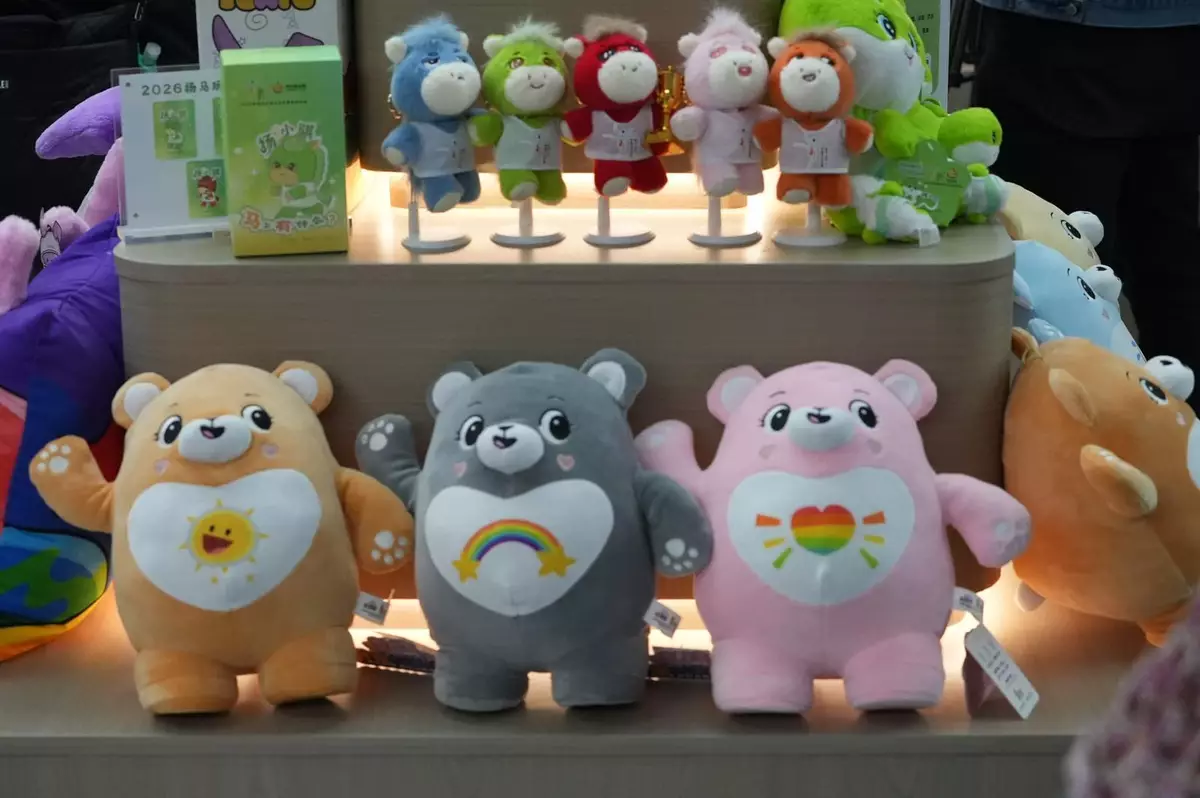
The toy product released by An'best, Photo by Bastille Post
As for now, the corporation operates 8 regular designer teams, while the chairman himself leads a separate team responsible for key projects' design, which puts the total design personnel of An'best headcount among the highest in the industry.
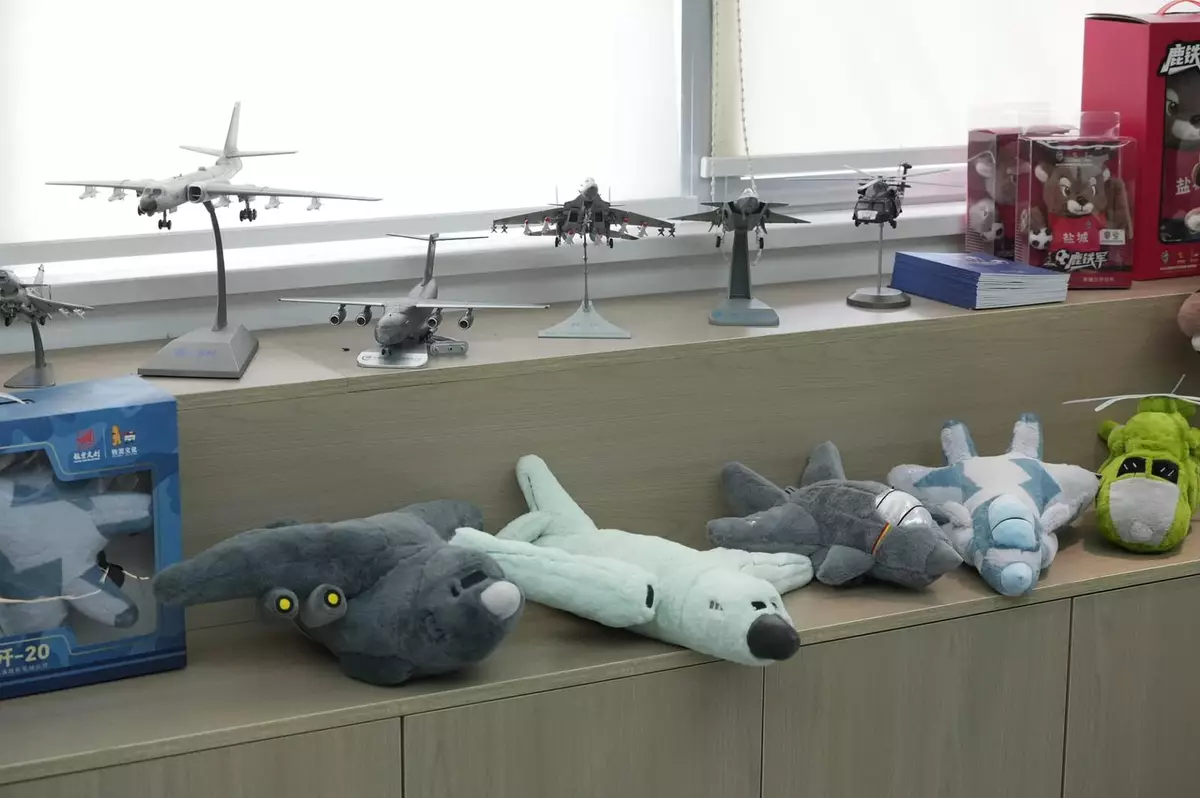
The toy product released by An'best, Photo by Bastille Post
Design Talents Grown from University's Micro Major
To strengthen the corporation's design talent pool, An'best has partnered with Yangzhou University to offer a micro major in plush toy design. Under the program, students can take part in hands-on design work during their senior year, with some receiving direct job offers upon graduation.
The toy product of An'best, Photo by Bastille Post
Ms. Shi explained that beyond local university partnerships, An'best also actively recruits from cities known for their strong design talent, such as Hangzhou. "Designers are currently in high demand for us," she said.
US Export Business Hit by Tariffs, Orders Stranded in Warehouses
Affected by U.S. tariff policy imposed in April 2025, An'best is facing significant pressure on its exports to the U.S., which account for approximately 35% to 40% of its total business. Ms. Shi said that the corporation has adopted three countermeasures in response: simplifying production techniques, sourcing more cost-effective alternative raw materials, and making appropriate price adjustments on large orders at customer request. "We are striving to retain continued orders from customers with a smaller profit margin," she said.
Ms. Shi Qiaoyan, the head of An'best's HR Department, Photo by Bastille Post
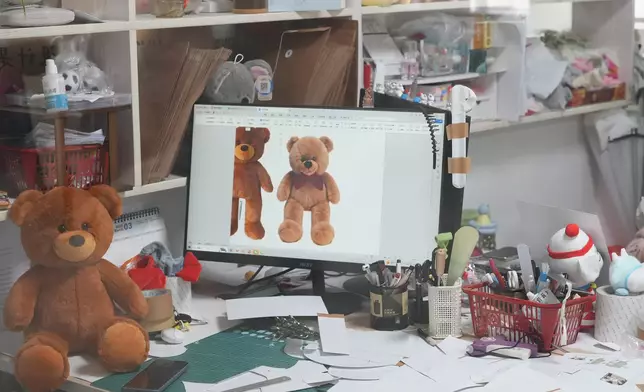
AI Toys Coming, but Sewing Stays Manual
Ms. Shi revealed that the corporation is collaborating with partners to develop a series of plush toys with built-in AI interactive functions, tailored to different age groups. "The development momentum is very strong right now," she said, adding that specific products will be launched soon.
She acknowledged the current limitations of AI-generated images in the design process, making the design drawing often technically difficult to realize in production. "The AI-generated images can represent an aesthetic preference, but they still cannot be used as the main design drawing for cultural and creative products," she said.
The sewing process for plush toys still relies mainly on skilled manual workers. Photo by Bastille Post
Photo by Bastille Post
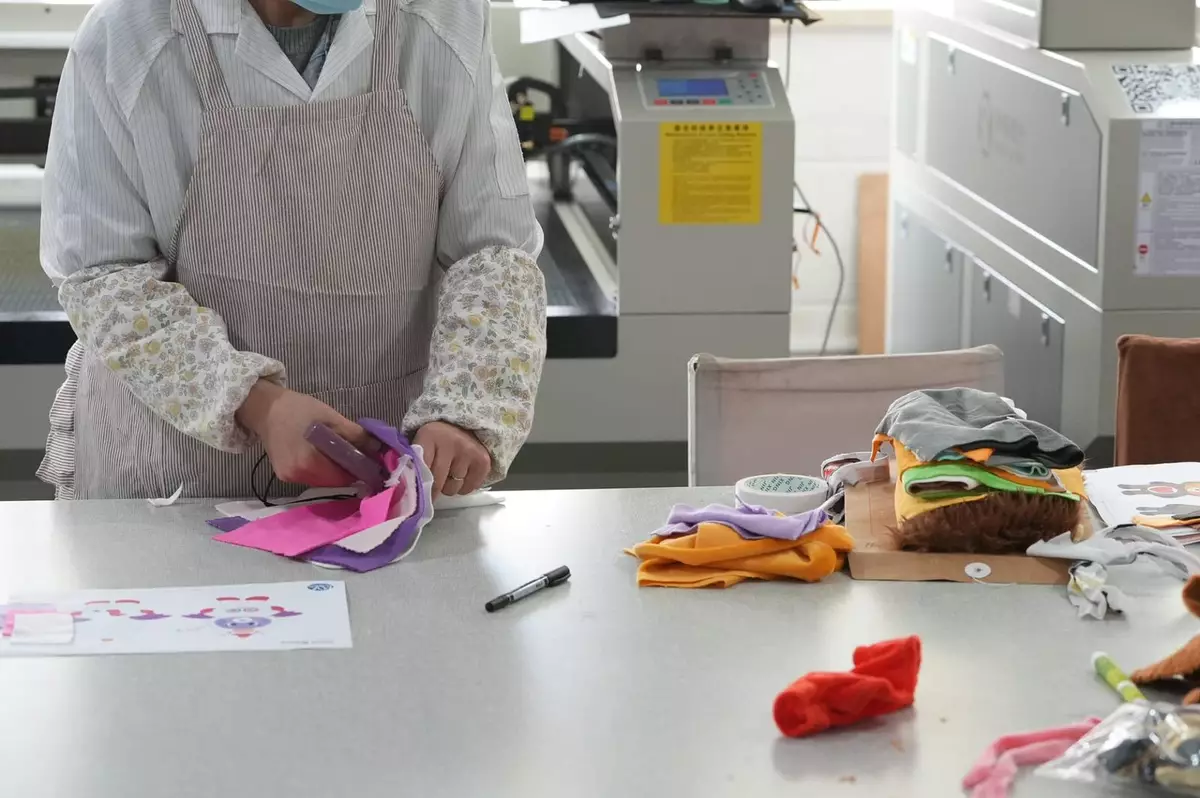
When it comes to manufacturing, the sewing process for plush toys still relies mainly on skilled manual workers. Moreover, An'best is also collaborating with Soochow University to develop new nano-antibacterial materials, which have already been applied to some plush toy products. Upon launch, these toys were marketed as "dolls with antibacterial functions," whose market response has been positive.
Photo by Bastille Post
Steady Toy Fair Attendance, Loyal Hong Kong Customers
Ms. Shi stated that the Hong Kong Toys & Games Fair is an international platform that An'best yearly attends. Moreover, the corporation has already established a fixed customer base in Hong Kong. She pointed out that Hong Kong plays an important role in promoting Chinese cultural and creative IPs to the international market.
The sewing process for plush toys still relies mainly on skilled manual workers. Photo by Bastille Post
Photo by Bastille Post
"I believe that more and more Hong Kong people will get to know An'best," she said, adding that the corporation also plans to use Hong Kong as a springboard to further expand overseas IP licensing cooperation.
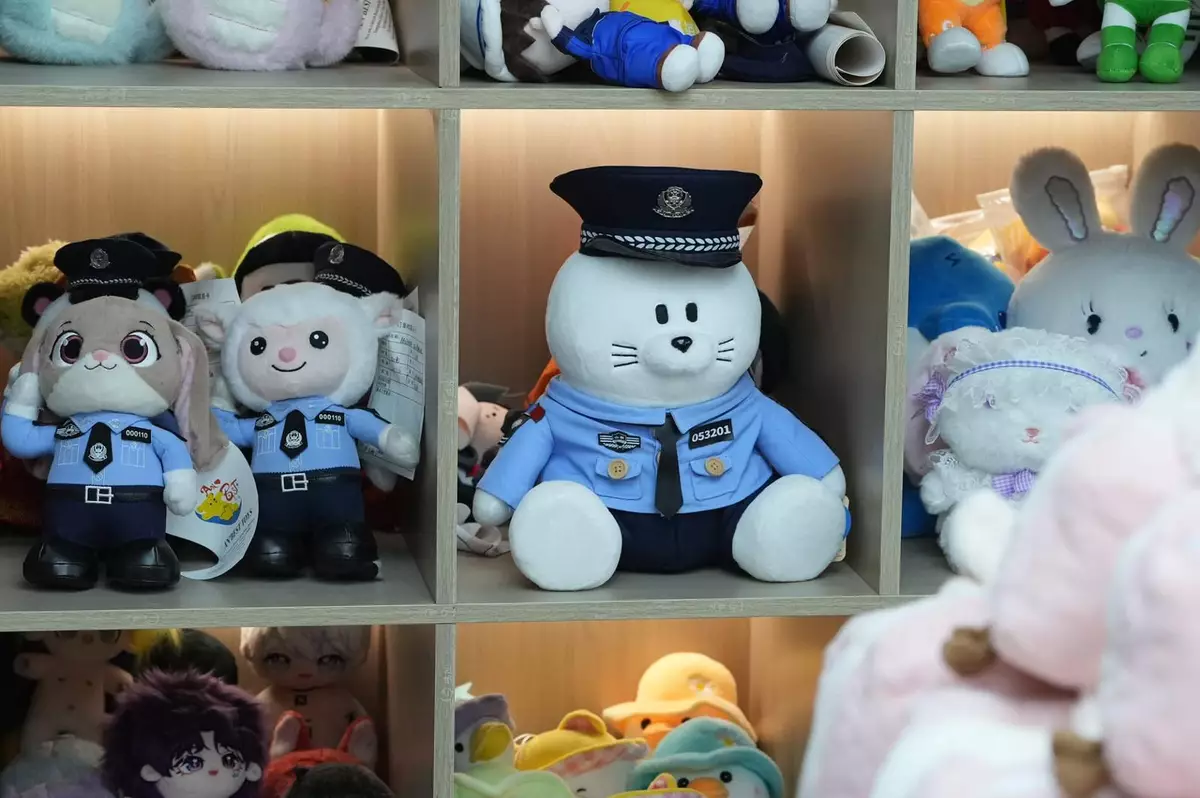
The toy products of An'best, Photo by Bastille Post
Photo by Bastille Post
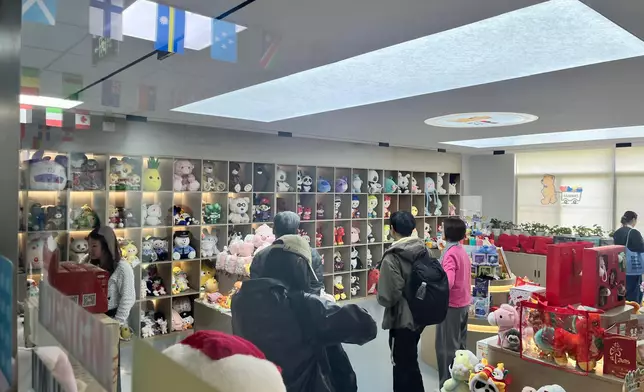
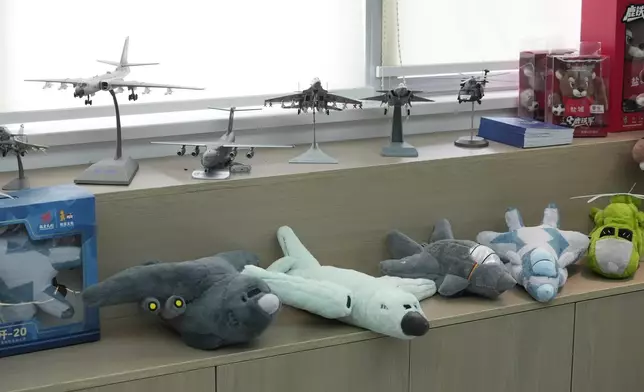
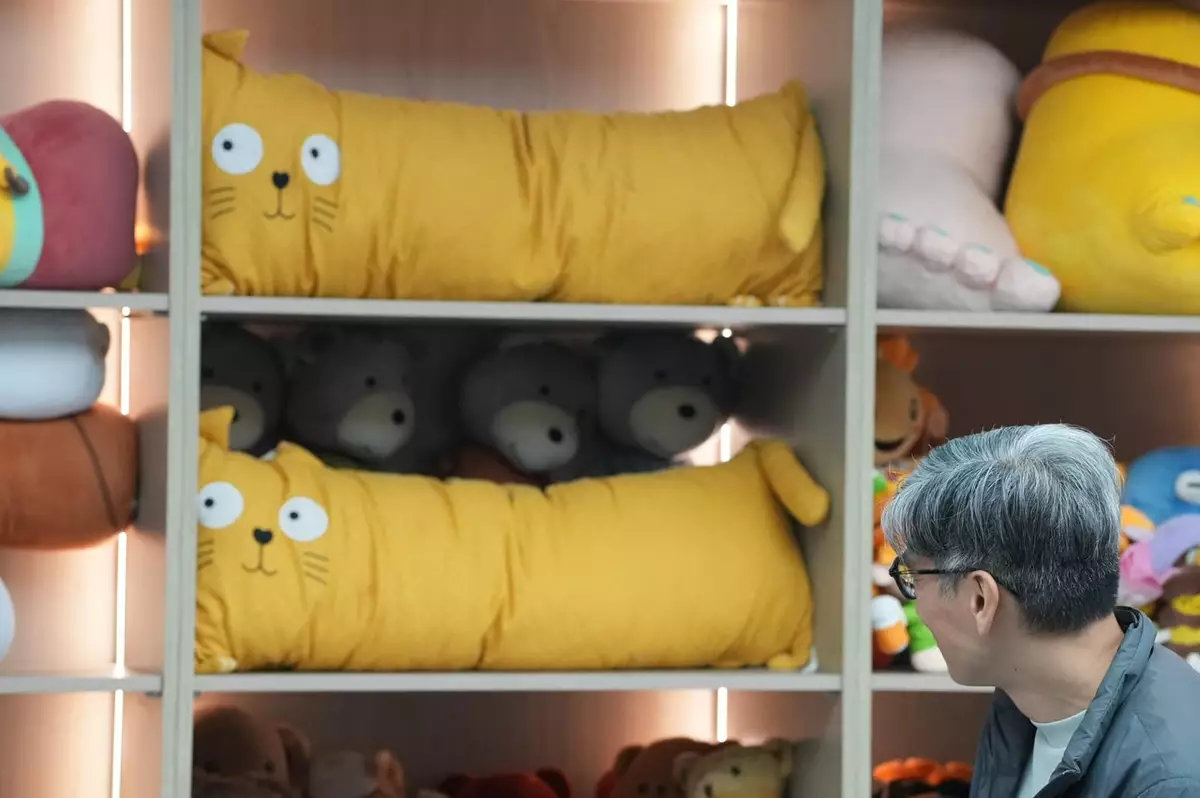
YangZhou An'best Toys Co., Ltd. Photo by Bastille Post
In late March, the Hong Kong media delegation visited the Confucius Temple, Qinhuai River, Slender West Lake, the Yangzhou China Grand Canal Museum, and the Suzhou Pingjiang Historical and Cultural District, following the Grand Canal and waterways from various dynasties. Appreciating lantern festivals, classical gardens, ancient streets, and the timeworn waters, the delegation experienced the cultural heritage of Jiangnan in early spring and witnessed the preservation of the world's cultural heritage sites.
Photo by Bastille Post
Nanjing: Qinhuai River's Glimmering Lanterns
On the evening of March 23, the delegation boarded an ornately decorated boat from the Confucius Temple and traveled along the Qinhuai River.
On the water, lotus lanterns, cicada lanterns, rabbit lanterns, and lanterns depicting ladies in ancient costumes and zodiac animals swayed with ripples. The docent explained, "The Qinhuai Lantern Festival and Qinhuai lantern decorations are both national intangible cultural heritage. The classic Qinhuai lantern designs include lotus lanterns, cicada lanterns, and rabbit lanterns, etc." The Qinhuai Lantern Festival, revived in 1984, is now in its 40th year, with the theme "A Thousand Years of Lanterns Illuminating Jinling, A New Chapter Begins at 40th Year." The festival features eight exhibition areas and approximately 390 lantern sets.
On the water, lotus lanterns, cicada lanterns, rabbit lanterns, and lanterns depicting ladies in ancient costumes and zodiac animals swayed with ripples. Photo by Bastille Post
The firewalls of the Hui-style buildings on both banks rose high into the night. The docent explained that the firewalls were "both aesthetically pleasing and, due to their height, provided excellent fire prevention".
Photo by Bastille Post
The boat passed Wende Bridge, famous for its alignment with the meridian. Every year on the fifteenth day of the eleventh lunar month at midnight, the bridge's shadow perfectly splits the moon's reflection in the river in two, with half the moon visible on each side — a phenomenon known as "Wende Dividing the Moon."
The Confucius Temple is crowded with visitors. Photo by Bastille Post
According to folklore, the poet Li Bai, while drinking at a tavern near the bridge, saw the moon's reflection in the water and leapt from the bridge in an attempt to catch it, thus adding fame to this extraordinary sight.
Yangzhou: The Enduring Grace of Classical Gardens and Ancient Waterways
On the evening of March 25, the delegation boarded a boat in Yangzhou for a night cruise on Slender West Lake.
Tracing back to history, when Emperor Qianlong traveled south by water, Slender West Lake lay along his imperial route. As the emperor passed through, the salt merchants of Yangzhou vied to build a garden along the shores. Whoever built a more beautiful garden would have the emperor's procession slow down before theirs for appreciation. Driven by the competition, one garden after another rose along the shores, until the lake landscape became "flowers and willows lining both shores, pavilions and terraces stretching all the way to the mountains."
The beautiful scenery of the Slender West Lake at night, Photo by Bastille Post
The docent introduced the history of the Five Pavilion Bridge, the Twenty-Four Bridges, and the Fishing Terrace along the lake. The Five Pavilion Bridge, whose official name is "Lotus Bridge", was originally built during the Qianlong era. The existing White Pagoda and the bridge foundation of the Five Pavilion Bridge are authentic Qing Dynasty relics; the rest were rebuilt after being destroyed during the Taiping Rebellion.
The White Pagoda, Photo by Bastille Post
The docent remarked, "The beauty of Slender West Lake during the day is visible at a glance, but its beauty at night must be comprehended." The lake features a water curtain performance titled "Two Parts of the Moon", inspired by the Tang Dynasty poem: "Of the three parts of the moonlit night under heaven, two parts belong to Yangzhou." Using lights and water mist, the performance brings to life the poetic imagery that scholars have sung of for centuries.
The water curtain performance at night, Photo by Bastille Post
The following day, the delegation visited Jianzhen Road and the Grand Canal Museum. Jianzhen Road is named after the Tang Dynasty monk Jianzhen, a native of Yangzhou who travelled six times to Japan to spread Buddhism. During the flowering season, cherry blossoms bloom along the road, accompanied by creative markets and Hanfu (traditional Han clothing) photography events.
The statue of the Tang Dynasty monk Jianzhen, Photo by Bastille Post
The Yangzhou China Grand Canal Museum, located in the Sanwan Scenic Spot, is a national first-class museum. It houses over 10,000 artifacts related to the Grand Canal, spanning from the Spring and Autumn Period to the present day. A key exhibit is a 25-meter-long cross-section of the Bian River channel, retrieved intact from an archaeological site in Henan Province. Layers of bed soil from different dynasties are stacked, allowing visitors to see a cross-section of time itself.
The Yangzhou China Grand Canal Museum, Photo by Bastille Post
A key exhibit is a 25-meter-long cross-section of the Bian River channel, retrieved intact from an archaeological site in Henan Province. Photo by Bastille Post
The museum houses over 10,000 artifacts related to the Grand Canal, spanning from the Spring and Autumn Period to the present day. Photo by Bastille Post
Photo by Bastille Post
Moreover, the museum also features a digital immersive exhibition titled "Love of the River". In 2014, Yangzhou led 35 cities along the Grand Canal in successfully applying for UNESCO World Cultural Heritage status.
The exhibits at the museum, Photo by Bastille Post
Photo by Bastille Post
Suzhou: Spring Breathes Life into Ancient Streets and Winding Waters
On the afternoon of March 28, the delegation visited the Suzhou Pingjiang Historical and Cultural District.
Pingjiang Road is approximately 1,600 meters long, and its layout closely matches the Pingjiangtu, a city map of Suzhou in the Song Dynasty. The double-chessboard structure of "parallel waterways and land, streets adjacent to rivers" from the Tang and Song Dynasties has been preserved to the present, earning it the UNESCO Asia-Pacific Heritage Conservation Award.
Photo by Bastille Post
In the springtime, tourists and locals enjoyed themselves along Pingjiang Road, which is not a deliberately constructed tourist attraction, but a living ancient street where people still reside, run shops, and go about their daily lives. Some were even dressed in traditional costumes, strolling amidst the lively atmosphere.
Photo by Bastille Post
Near the parking area stands a building hidden within the campus of Suzhou Pingjiang Experimental School — the Dacheng Hall of Changzhou County School, the main hall of the county school. Originally built in the Song Dynasty, the current structure is a reconstruction from the Guangxu period of the Qing Dynasty, sharing the same site with the present-day school.
The Dacheng Hall of Changzhou County School, Photo by Bastille Post
As the trip drew to a close, the delegation moved to a lakeside in Suzhou, appreciating the beauty of the flower season and spring scenery.
Photo by Bastille Post
Ancient streets and waterways lay on one side, while the springtime lakeside was on the other. One side held a landscape spanning over two thousand years; the other held a modern spring afternoon. Each simply rested in its own tranquility to form a peaceful harmony.
Photo by Bastille Post