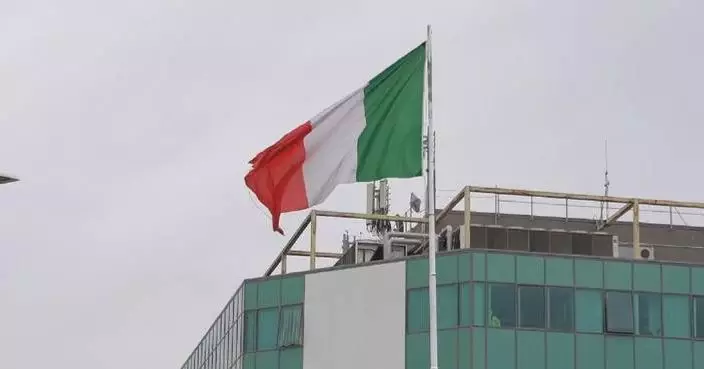
Finance ministers from Germany, Italy, Spain, Portugal and Austria urged the European Commission on Saturday, in a joint letter, to impose a windfall tax on excess profits of energy companies, citing surging oil prices linked to the U.S.-Israeli-Iran conflict.
In the letter, the ministers said the tax could fund temporary relief for consumers. Media reports noted they did not propose a specific rate or identify which companies would be subject to the levy.
Europe is highly dependent on imported fuel, and since the conflict in Iran erupted on Feb. 28, natural gas prices have jumped more than 70 percent, media reports said.
Hungarian Prime Minister Viktor Orban warned in a social media post Saturday that a grave energy crisis is looming, with shortages and rising prices threatening Europe's economy. He said the only way to avert the crisis is for the EU to replenish oil and gas reserves from all possible sources, in the largest quantities and at the fastest pace, stressing that every day is critical.
Orban added he had spoken with Slovak Prime Minister Robert Fico, and said Hungary and Slovakia are urging the EU to lift sanctions on Russian energy and pressing Ukrainian President Volodymyr Zelensky to reopen the Druzhba pipeline.
Oil prices rose sharply on Thursday, with West Texas Intermediate for May delivery increasing by 11.42 U.S. dollars, or 11.41 percent, to settle at 111.54 dollars a barrel on the New York Mercantile Exchange. Brent crude for June delivery went up 7.87 dollars, or 7.78 percent, to settle at 109.03 dollars a barrel on the London ICE Futures Exchange.
With the Strait of Hormuz effectively closed, a chokepoint for nearly one-fifth of global oil supplies, markets face tighter supply and heightened volatility, adding to the surge that began after U.S.-Israeli strikes on Iran on Feb. 28. The shock is reminiscent of the energy crunch that followed the Russia-Ukraine conflict in 2022, even as EU states expand renewable capacity.
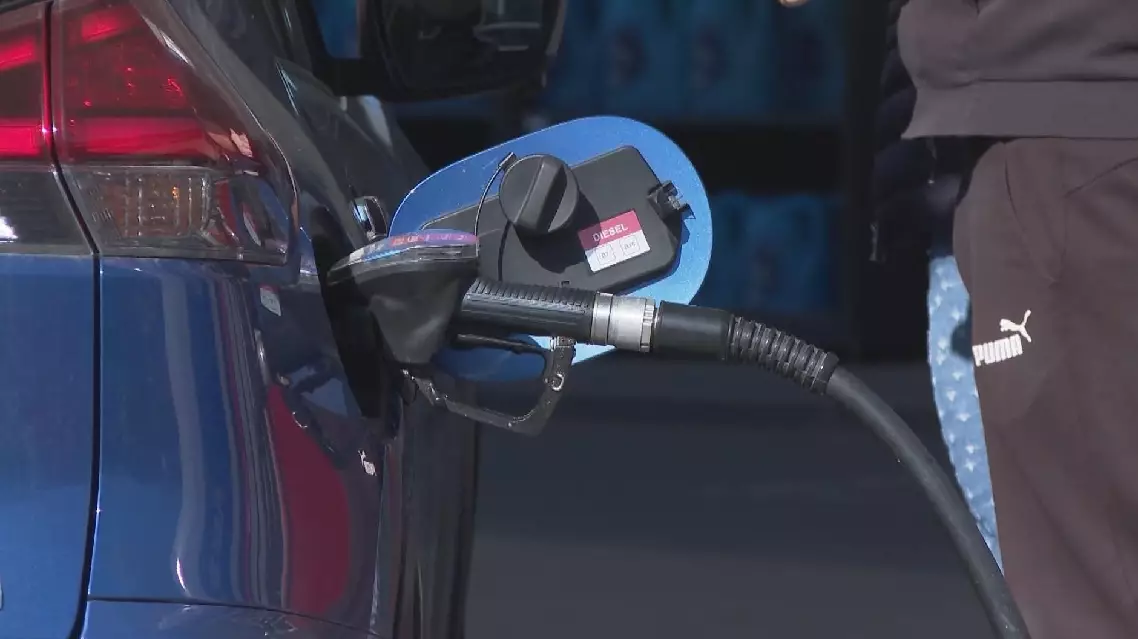
EU ministers push windfall tax on energy companies
U.S. President Donald Trump posted "Tuesday, 8:00 p.m. Eastern Time!" on social media on Sunday, a message that appeared to signal a possible extension of the deadline for Iran to reopen the Strait of Hormuz.
On March 21, Trump threatened to hit and obliterate Iranian power plants if the country fails to fully open the strait within 48 hours. Two days later, he postponed strikes on power plants for five days, claiming to have held productive conversations with Iran.
On March 26, Trump again pushed the deadline back, saying that he will pause planned strikes on Iranian energy facilities for 10 days, to April 6, the upcoming Monday at 20:00 Eastern Time. On Saturday, Trump reaffirmed that Iran has 48 hours to strike a deal on opening up the strait or face "Hell."
However, in the post on Sunday, Trump appeared to hint at extending the deadline for Iran to reopen the strait for another time.
In a post earlier Sunday, the U.S. president threatened that Tuesday would be "Power Plant Day, and Bridge Day, all wrapped up in one" for Iran, and again urged Iran to open the Strait of Hormuz.
Despite the threats, Trump said on Sunday that he believes a deal can be reached before the deadline, adding that Iran is currently negotiating. If Iran refuses, he said he is considering bombing everything and seizing Iran's oil.
Ali Abdollahi, chief commander of Iran's Khatam al-Anbiya Central Headquarters, responded Saturday that the Iranian armed forces would not hesitate for a moment to defend the country's rights and protect national assets and will put the aggressors in their place.
Trump also claimed that earlier this year, the U.S. sent weapons to Iranian protesters through the Kurds, though he believes the Kurds took them.
He also said he was very satisfied with a recent operation to rescue the pilot of a U.S. fighter jet that was shot down in Iranian airspace. He said Israel had assisted with the rescue, describing the bilateral relationship as big brother and little brother.
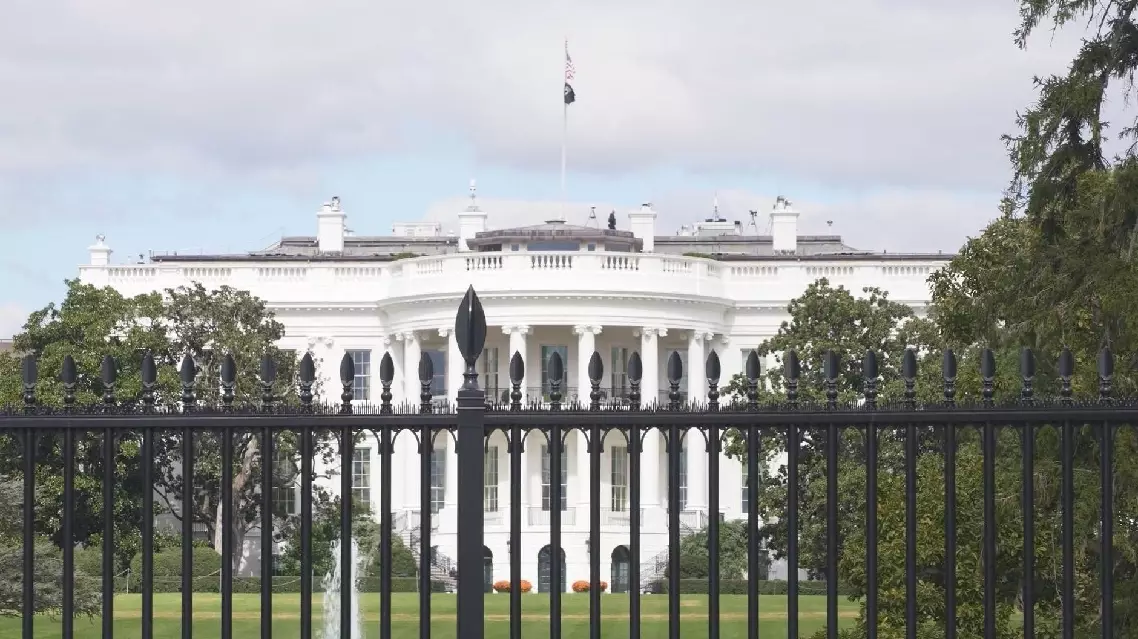
Trump hints at extending deadline for Iran to reopen Strait of Hormuz