Food waste is far from useless. With responsible recycling, it can be recovered and redeployed.
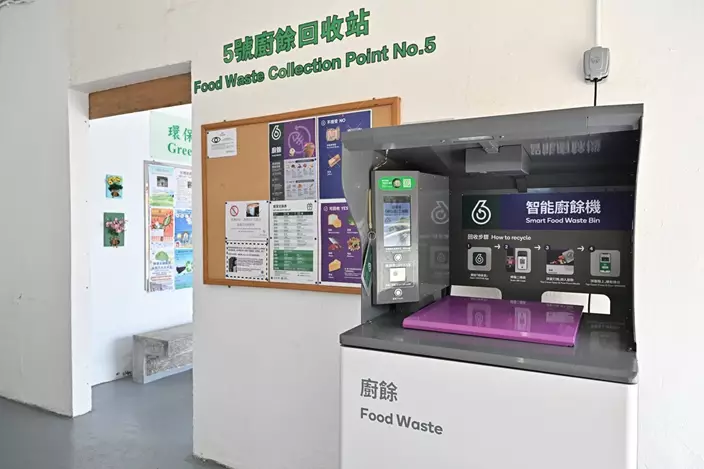
Going smart: The Pilot Scheme on Food Waste Smart Recycling Bins in Private Housing Estates provides funding to help private housing estates install smart recycling bins for easier food waste recycling. Image source: www.news.gov.hk
In recent years, the Government has continued to expand and improve its food waste recycling network, including enhancing recycling bin designs to encourage more citizens to recycle.
Click to Gallery
Going smart: The Pilot Scheme on Food Waste Smart Recycling Bins in Private Housing Estates provides funding to help private housing estates install smart recycling bins for easier food waste recycling. Image source: www.news.gov.hk
Enthusiastic participant: Mrs So praised the smart recycling bin’s ability to collect hard food waste, such as bones, adding that their convenient location encourages more participation in the recycling scheme.Image source: www.news.gov.hk
Raising awareness: Vincent Liu welcomes the decision to continue using the smart recycling bins after the subsidy period ends, to help further promote environmental awareness.Image source: www.news.gov.hk
Enhancing effectiveness: Environmental Protection Department Senior Environmental Protection Officer (Waste Reduction & Community Recycling) Benjamin Kwong (left) hopes lower eligibility requirements will encourage more small and medium size private housing estates to participate in the scheme.Image source: www.news.gov.hk
In 2025, an average of 350 tonnes of food waste was recycled in Hong Kong each day. Recycling of domestic food waste has surged from around two tonnes per day in 2022 to more than 120 tonnes daily in 2025.
Encouraging participation
The Environmental Protection Department (EPD) and the Environmental Campaign Committee rolled out the Pilot Scheme on Food Waste Smart Recycling Bins in Private Housing Estates in 2023, providing two years of funding to cover the installation, maintenance and repairs of the bins.
As of February 2026, 453 food waste smart recycling bins have been installed in 115 private housing estates under the scheme, serving more than 270,000 households.
“Participating estates have collectively recycled over 7,300 tonnes of food waste,” explained EPD Senior Environmental Protection Officer (Waste Reduction & Community Recycling) Benjamin Kwong.

Enthusiastic participant: Mrs So praised the smart recycling bin’s ability to collect hard food waste, such as bones, adding that their convenient location encourages more participation in the recycling scheme.Image source: www.news.gov.hk
Optimised design
Mrs So’s housing estate is taking part in the pilot scheme. Eight of the recycling units have been installed throughout her neighbourhood.
Praising the bin’s ability to collect hard food waste, such as bones, Mrs So noted that their convenient locations encourage more residents to take part in the recycling scheme.
The smart recycling bins are also connected to the GREEN$ Electronic Participation Incentive Scheme, allowing residents to earn GREEN$ points by recycling food waste. The points can be redeemed for gifts, such as daily necessities, or even supermarket gift vouchers, considered great incentives for participants.
The bins are also equipped with functions such as overflow prevention, deodorising and pest control, to help reduce environmental hygiene issues caused by food waste.
The housing estate’s residents' association chairman Vincent Liu said they are eager to continue participation in the scheme to further raise environmental awareness among residents.
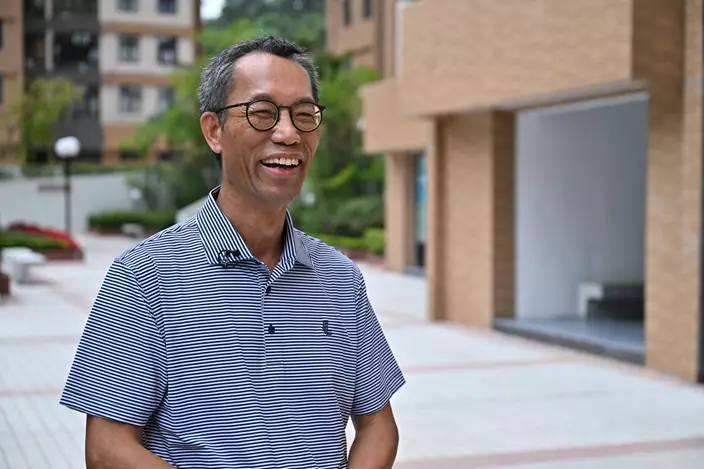
Raising awareness: Vincent Liu welcomes the decision to continue using the smart recycling bins after the subsidy period ends, to help further promote environmental awareness.Image source: www.news.gov.hk
Expanding coverage
To broaden the reach of the trial and enhance its effectiveness, the Government adjusted the eligibility threshold for the pilot scheme in 2025. The requirement has been reduced from 1,000 households or more to 200 households or more, allowing more small and medium size private housing estates to participate.
At the end of 2025, the EPD rolled out the Trial Scheme on Food Waste Recycling Truck. The vehicle visits various locations nightly to promote food waste recycling.
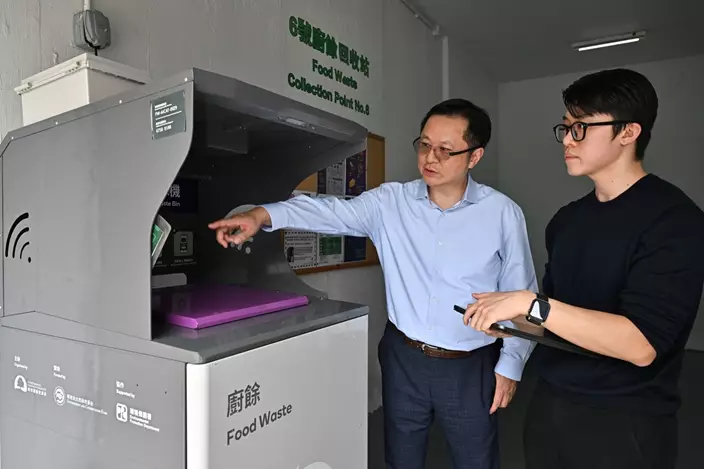
Enhancing effectiveness: Environmental Protection Department Senior Environmental Protection Officer (Waste Reduction & Community Recycling) Benjamin Kwong (left) hopes lower eligibility requirements will encourage more small and medium size private housing estates to participate in the scheme.Image source: www.news.gov.hk
NEW YORK & SAN FRANCISCO--(BUSINESS WIRE)--May 20, 2026--
With millions of travelers set to explore new cities across North America this summer, Men in Blazers Media Network (MiBMN) and Visa today announced a new collaboration designed to celebrate the cities, cultures, and small businesses that give the global game its local heartbeat.
This press release features multimedia. View the full release here: https://www.businesswire.com/news/home/20260520687174/en/
As part of this effort, Visa and MiBMN are launching Men in Blazers City Guides, presented by Visa, a fan-powered travel companion for this summer and beyond, fueled by soccer-fan-curated recommendations and video reviews. City Guides were built to offer the authentic, local soccer fan’s perspective in helping global traveling supporters discover where to eat, drink, watch, and explore around the 13 cities across the U.S. and Canada, while driving visibility and commerce to local businesses during one of the world’s most anticipated sporting moments.
The City Guides bring together Visa’s commitment to small businesses and MiBMN’s deep connection to soccer fans, using fan insight and storytelling to turn match-day travel into meaningful, locally rooted experiences.
“The game of soccer lives far beyond the stadium,” said Roger Bennett, Founder and CEO of Men in Blazers Media Network. “When the whole world arrives on our shores this summer, we want travelers to truly feel and absorb the distinct and beautiful wonder of each city. To do that, we wanted to take on the burden of sourcing the local favorites, so they can focus more on the joys of the experience and less on the planning of it. Working together with Visa allows us to elevate those local institutions and help supporters experience these cities through the lens of the people who know them best.”
The inaugural City Guides are designed to help travelers navigate each destination with intention. Powered by more than 25,000 fan recommendations collected through a nationwide survey, the guides spotlight 25+ destinations per city across four categories.
This collaboration builds on Visa & Main, Visa’s program dedicated to supporting small businesses at the intersection of commerce and community. Through Visa & Main, Visa works to connect small businesses with customers, tools, and opportunities—making the City Guides a natural extension of that commitment during a global moment when local discovery matters.
“This initiative is about capitalizing on the moment and directing fans toward the small businesses and local institutions that shape the character of each city,” said Kyndra Russell, Chief Marketing Officer, North America at Visa. “By working with Men in Blazers and its incredibly passionate fan community—and building on our broader commitment through Visa & Main—we’re connecting global fandom with local commerce in ways that meaningfully support small businesses this summer and beyond.”
The City Guides serve as the flagship expression of Traveling Support, a new travel-focused storytelling platform designed to help fans experience soccer culture wherever the game is played. Additionally, MiBMN will release a series of short-form videos filmed at fan-recommended locations, featuring Roger Bennett and network talent alongside local creators. The content will appear across Men in Blazers’ social channels and extended digital platforms, highlighting the people and places where soccer culture thrives.
Fans can explore the City Guides, presented by Visa by visiting https://www.meninblazers.com/city-guides and start planning their journeys today.
About Men in Blazers Media Network
The Men in Blazers Media Network (MiBMN) is the largest soccer dedicated media company in North America, entertaining the most passionate and expansive fan base on the continent with comprehensive coverage of the global game across the men’s and women’s landscape. MiBMN has grown over the last decade from a single podcast to 360° coverage, including verticals offering authentic storytelling and analysis specifically tailored to superfans of the women’s game through The Women’s Game platform (TWG) and the hyper-passionate Hispanic American soccer community through the VAMOS platform. Through trusted partnerships with iconic brands and unparalleled relationships with the biggest names in entertainment, sports, and world football, MiBMN leads the conversation on the global game in North America with meaningful, genuine storytelling. The MiBMN ecosystem produces over a thousand shows a year, with millions of followers and billions of views across platforms. MiBMN has partnered with many of the most recognizable brands in sports including Anheuser Busch InBev, Coca-Cola, New Balance and Verizon amongst others.
About Visa
Visa (NYSE: V) is a world leader in digital payments, facilitating payments transactions between consumers, merchants, financial institutions and government entities across more than 200 countries and territories. Our mission is to connect the world through the most innovative, convenient, reliable and secure payments network, enabling individuals, businesses and economies to thrive. We believe that economies that include everyone everywhere, uplift everyone everywhere and see access as foundational to the future of money movement. Learn more at Visa.com.
Men in Blazers City Guides, presented by Visa