NGERULMUD, Palau--(BUSINESS WIRE)--Apr 6, 2026--
The Saudi Fund for Development (SFD) today signed a USD 15 million development loan agreement with the Republic of Palau, marking the Fund’s first-ever development partnership in the Pacific island nation.
Click to Gallery
Saudi Fund for Development Signs USD 15 Million Agreement with the Republic of Palau to Drive Local Economic Growth (Photo: AETOSWire)
Saudi Fund for Development Signs USD 15 Million Agreement with the Republic of Palau to Drive Local Economic Growth (Photo: AETOSWire)
Saudi Fund for Development Signs USD 15 Million Agreement with the Republic of Palau to Drive Local Economic Growth (Photo: AETOSWire)
Saudi Fund for Development Signs USD 15 Million Agreement with the Republic of Palau to Drive Local Economic Growth (Photo: AETOSWire)
This press release features multimedia. View the full release here: https://www.businesswire.com/news/home/20260406306007/en/
The agreement was signed by H.E. Sultan Abdulrahman Al-Marshad, Chief Executive Officer of SFD, and H.E. Surangel S. Whipps Jr., President of the Republic of Palau during a ceremony in Palau’s capital, Ngerulmud.
The USD 15 million development loan will be channeled through the National Development Bank of Palau. Designed to empower the local economy, the financing will support projects spearheaded by Palauan developers, businesses, and entrepreneurs. By aligning with Palau’s national priorities, the funds will catalyze high-impact initiatives and foster sustainable, grassroots economic growth.
This agreement reflects SFD’s continued commitment to Small Island Developing States (SIDS), having supported development projects across 18 island nations in the Caribbean and Pacific regions. Through its financing, SFD contributes to strengthening economic resilience, expanding access to essential services, and enabling sustainable development in developing economies.
H.E. Surangel S. Whipps Jr., President of the Republic of Palau, stated the deep appreciation for the assistance. He noted: “This agreement is about building a stronger Palauan economy by channeling this financing through our National Development Bank so that Palauan developers, businesses, and entrepreneurs can lead new projects that create jobs, unlock investment, and keep more value here at home. At the same time, by prioritizing affordable, climate-resilient housing, we are strengthening our communities, giving our young people more reasons to build their future in Palau, and laying a more resilient economic foundation for generations to come.”
H.E. Sultan Abdulrahman Al-Marshad, CEO of SFD, stated: “We are proud to launch our first collaboration with the Republic of Palau. By expanding access to vital funding, we aim to uplift local entrepreneurs and help secure a resilient future for the Palauan people. This agreement embodies our broader mission to foster prosperity across island nations.”
Since its establishment in 1974, SFD has supported developing countries through concessional financing, contributing to sustainable social and economic growth worldwide.
About the Saudi Fund for Development:
The Saudi Fund for Development (SFD) is a government institution that provides concessional development loans, to finance projects and programs in developing countries.
Since its establishment in 1974, SFD has financed more than 800 projects and programs in over 100 countries, with a total value exceeding USD 22 billion. These projects span sectors including transportation and communications, social infrastructure, agriculture, energy, industry and mining, among others. These projects contribute to generating socio-economic growth and improving the living standards of disadvantaged communities in countries most in need. SFD’s activities are guided by international development principles and support the achievement of the United Nations Sustainable Development Goals. The Fund also works to strengthen development cooperation through partnerships with regional and international organizations.
*Source: AETOSWire

Saudi Fund for Development Signs USD 15 Million Agreement with the Republic of Palau to Drive Local Economic Growth (Photo: AETOSWire)

Saudi Fund for Development Signs USD 15 Million Agreement with the Republic of Palau to Drive Local Economic Growth (Photo: AETOSWire)
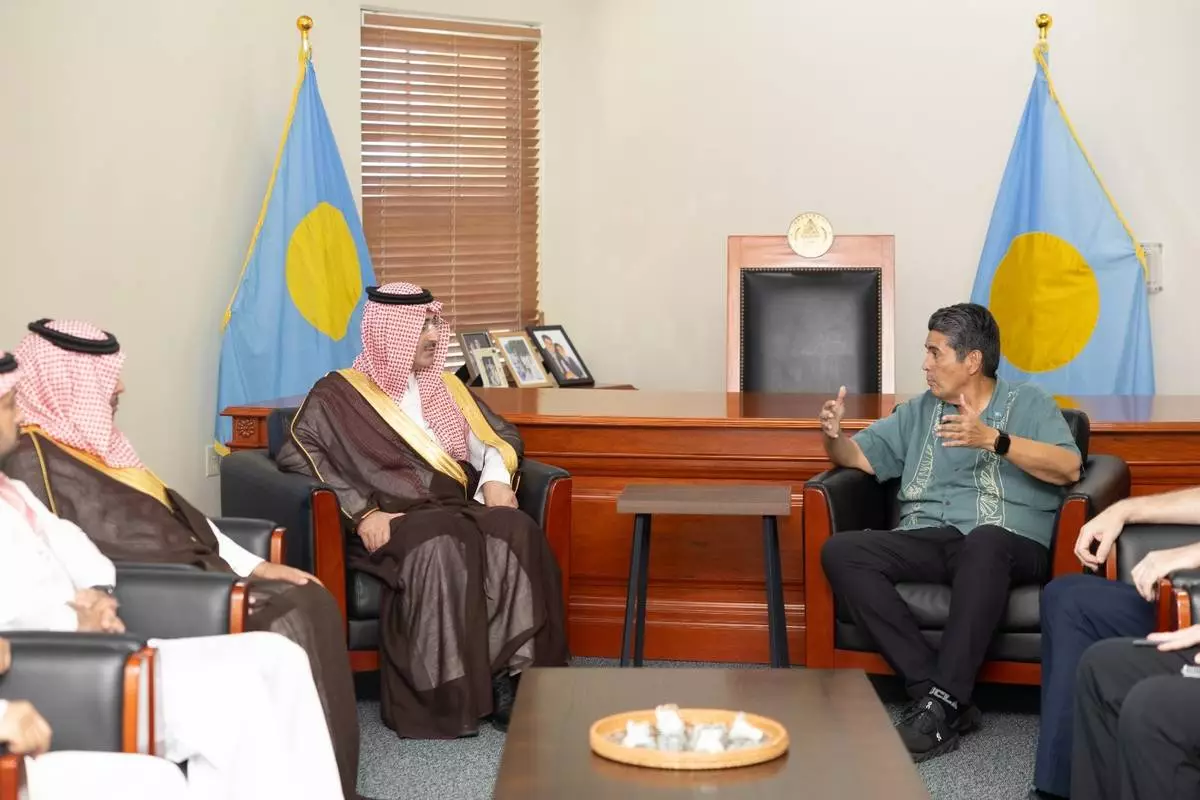
Saudi Fund for Development Signs USD 15 Million Agreement with the Republic of Palau to Drive Local Economic Growth (Photo: AETOSWire)

Saudi Fund for Development Signs USD 15 Million Agreement with the Republic of Palau to Drive Local Economic Growth (Photo: AETOSWire)
JOHANNESBURG (AP) — South Africa on Tuesday marks the 50th anniversary of the Soweto uprising when over 200 young people protesting against the apartheid education system were shot and killed by the police.
The events of June 16, 1976 — now commemorated annually as Youth Day — are considered a turning point in South Africa's liberation struggle against white minority rule.
They ignited more demonstrations in various parts of the country, fueled more resistance against the apartheid and brought international attention to the racial oppression faced by Black people in South Africa.
Fifty years after the uprising, however, there are still concerns about the plight of young people in the country.
Survivors of the violent protests, experts and young South Africans have lamented the challenges facing the country's youth including inequality, high unemployment, poverty and social problems such as drug and alcohol abuse.
Soweto, one of the oldest townships in South Africa, bears symbols of the historic day which are frequently visited by local and international tourists.
These include a memorial named after Hector Pieterson, the 13-year-old whose lifeless body appears being carried away by another student in an iconic photograph that came to symbolize the 1976 uprising after it was published around the world.
Murals and billboards depicting protesting students can be found throughout the township, which is also home to the June 16 Memorial commemorating the uprising.
But for those who survived the protests, the symbols are a painful remembrance of the day that changed their lives forever.
Seth Mazibuko, a survivor of the deadly protests, remembers vividly how students fought back against the police, who were using tear gas to try and disperse the defiant demonstrators.
“They struggled with the tear gas because when they threw it our way, the wind would blow the gas back to them, so it was also affecting them,” said Mazibuko. “They then started sending the police dogs to us, we used stones to chase the dogs back to them.”
Mazibuko was detained for 18 months after his arrest and later imprisoned in Robben Island, where he served 7 years alongside other political prisoners.
Fifty years after the uprising, South Africa has undergone significant changes but inequality, unemployment and poverty are among the most pressing challenges facing its “born free” generation — those born after the end of apartheid.
“I would say the issues of poverty and crime are the most pressing ones,” said Sima Poto, a 19-year-old visiting the June 16 Memorial. “It is poverty that is leading many of them into crime.”
Zola Mguli, a 29-year-old who works with the Southern African Alcohol Policy Alliance, an organization campaigning against alcohol and substance abuse, said he is grateful to belong to a generation that has grown up in freedom, even as significant challenges remain. "Things are not going as well as our forefathers hoped, there is still racism, alcoholism and other things we are battling with,” he said. “But if we, the youth, rise up, we can do better.”
Historian Noor Nieftagodien said the 1976 student protest movement was a traumatic and transformative moment that reshaped the anti-apartheid struggle, placing young people at the forefront of liberation politics.
“This was a generation that was young, gifted, and Black,” he said. “They wanted education.”
“The idea of Black power resonated with this new generation of young people,” Nieftagodien said. “Black consciousness was kind of electrifying; it inspired university students and then increasingly also students in high schools.”
He said that since June 16 was declared a public holiday after the end of apartheid, the significance of the historic event has diminished, overshadowed by celebratory events that, in his view, water down its political meaning.
“It has lost its meaning,” he said. “What has happened is that we’ve had the day marked with concerts, etc. I’m all for concerts. But, in fact, in so doing, the kind of celebrations that have been organized have been disinvested from politics, from a critical understanding of what happened.”
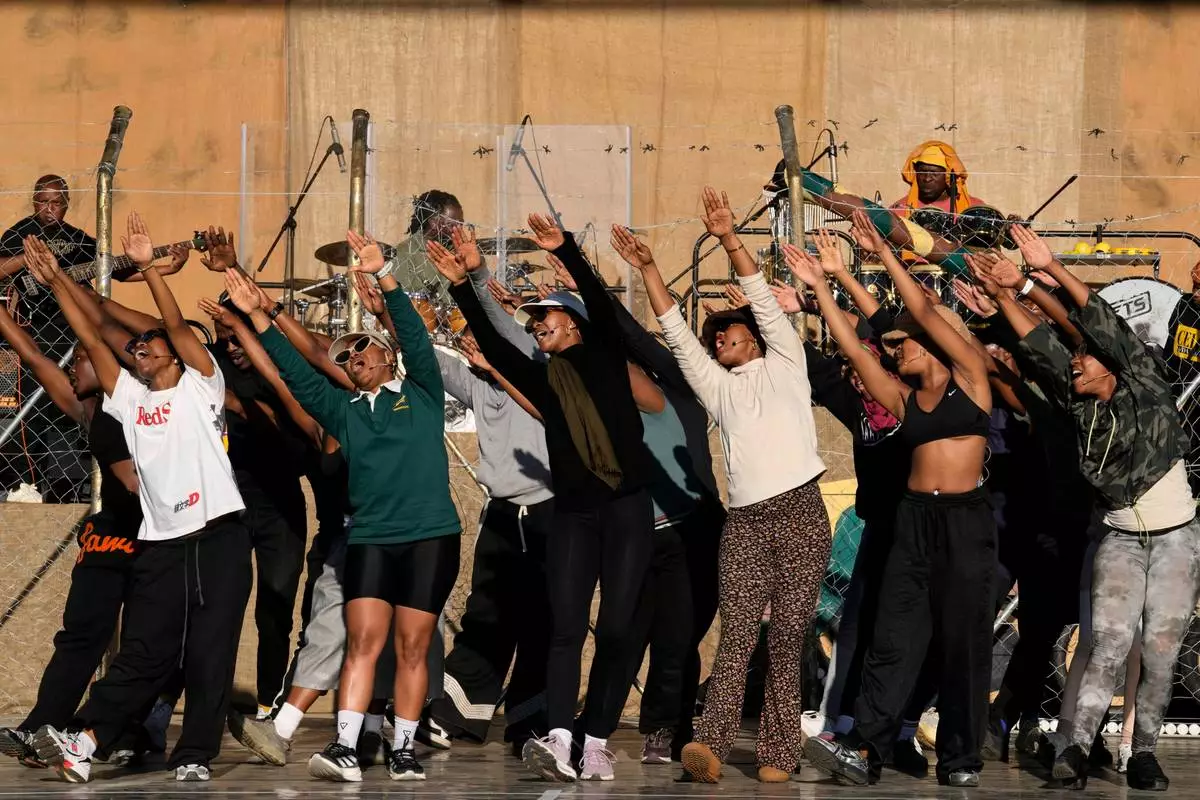
Sarafina cast members performs during rehearsal at Jabulani Amphitheatre, in Soweto, South Africa, Monday, June 15, 2026. (AP Photo/Themba Hadebe)
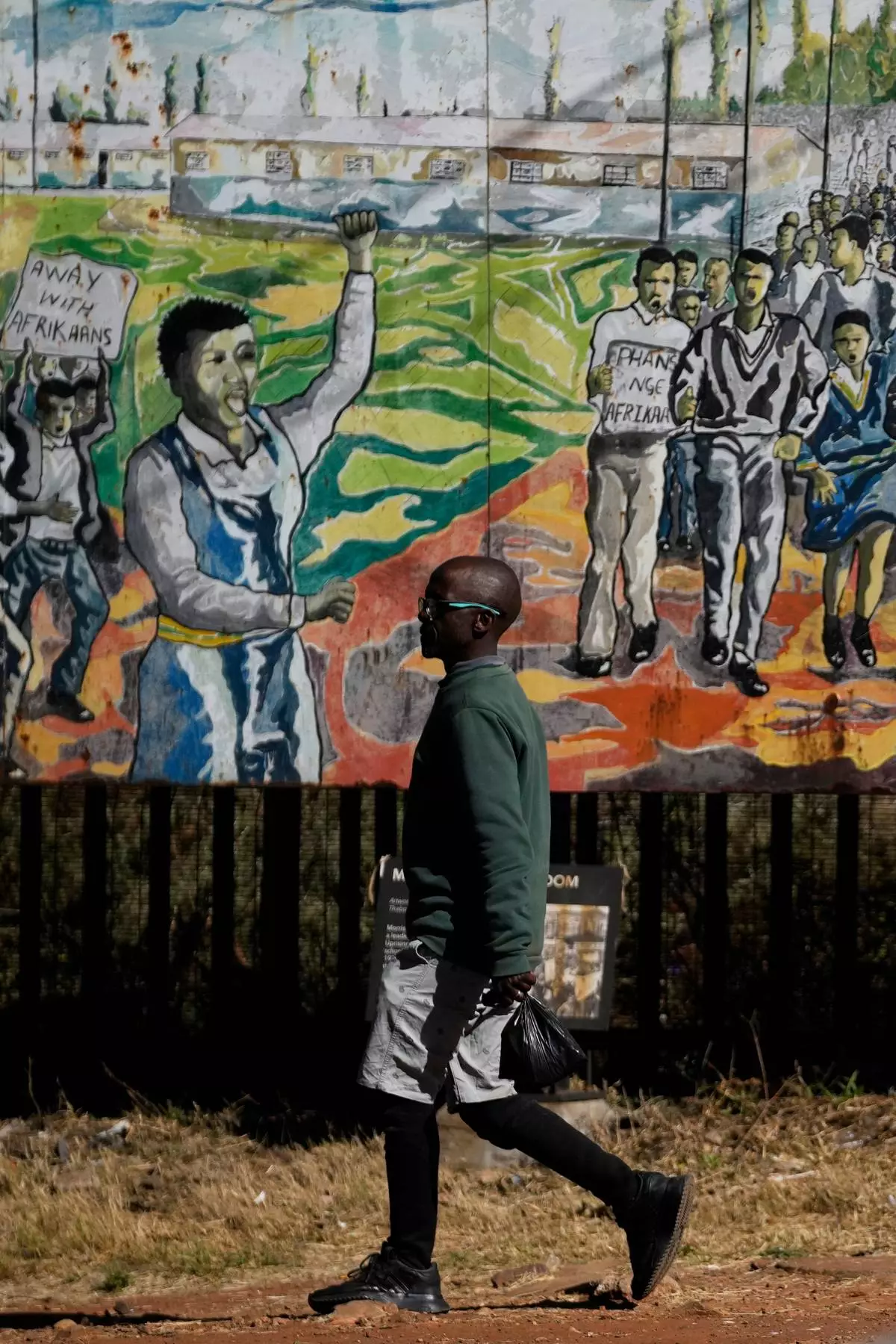
A man walks past a June 16 mural, in Soweto, South Africa, Monday, June 15, 2026. (AP Photo/Themba Hadebe)
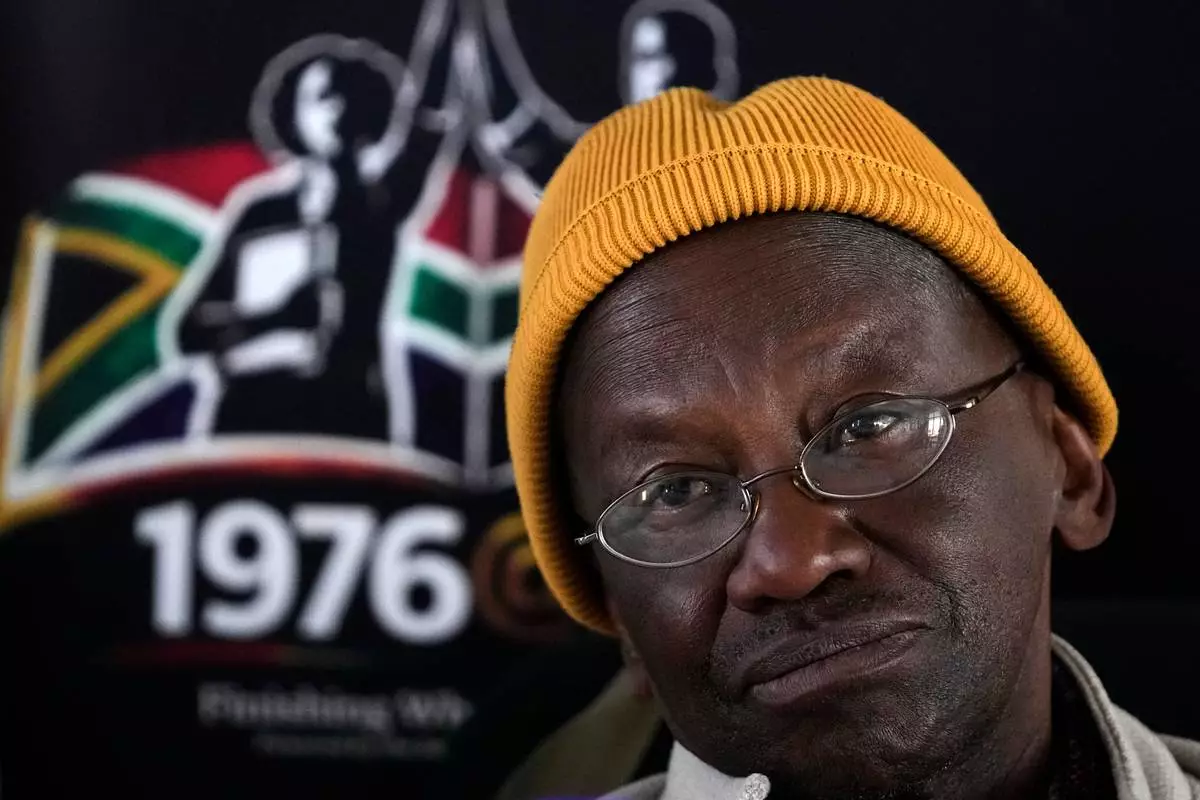
Seth Mazibuko, a former student leader involved in the 1976 Soweto student movement, takes a question during a media briefing at the June 16 Memorial Acre, in Soweto, South Africa, Monday, June 15, 2026. (AP Photo/Themba Hadebe)
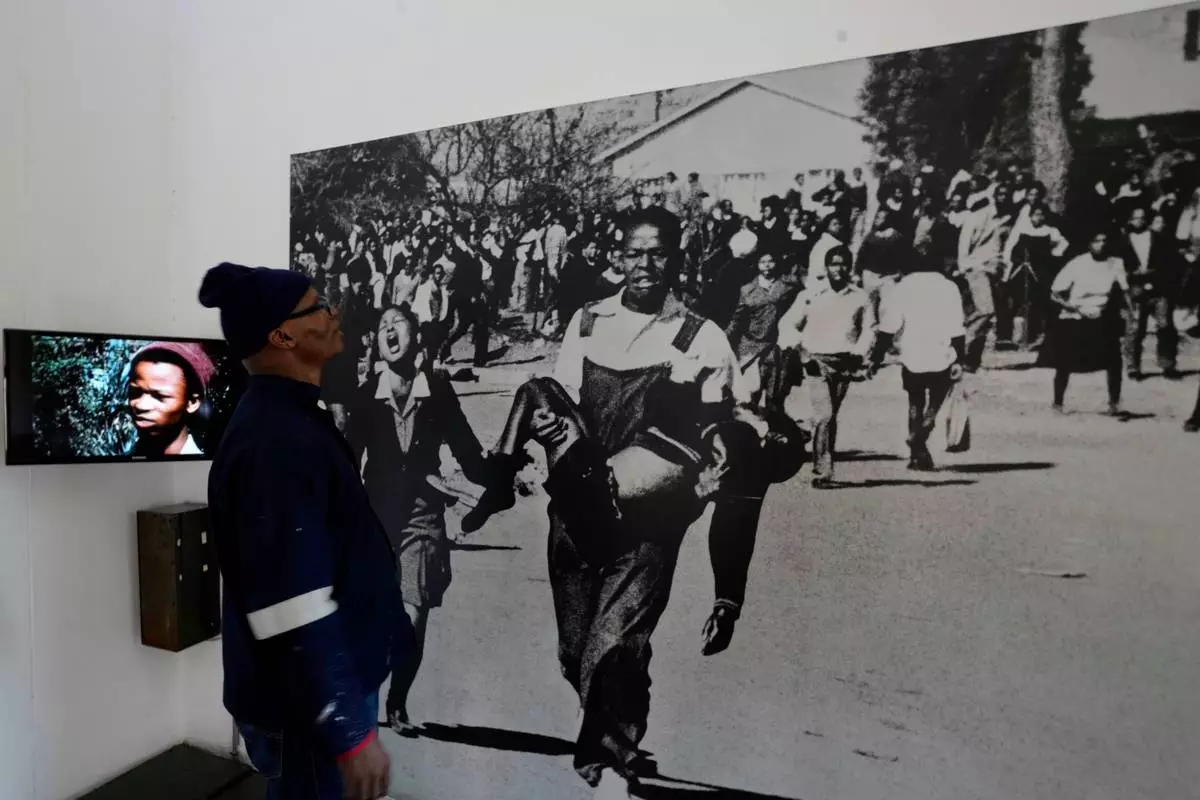
A man looks at June 16 iconic image taken by the late Sam Nzima displayed at The Hector Pieterson Memorial and Museum, in Soweto, South Africa, Monday, June 15, 2026. (AP Photo/Themba Hadebe)
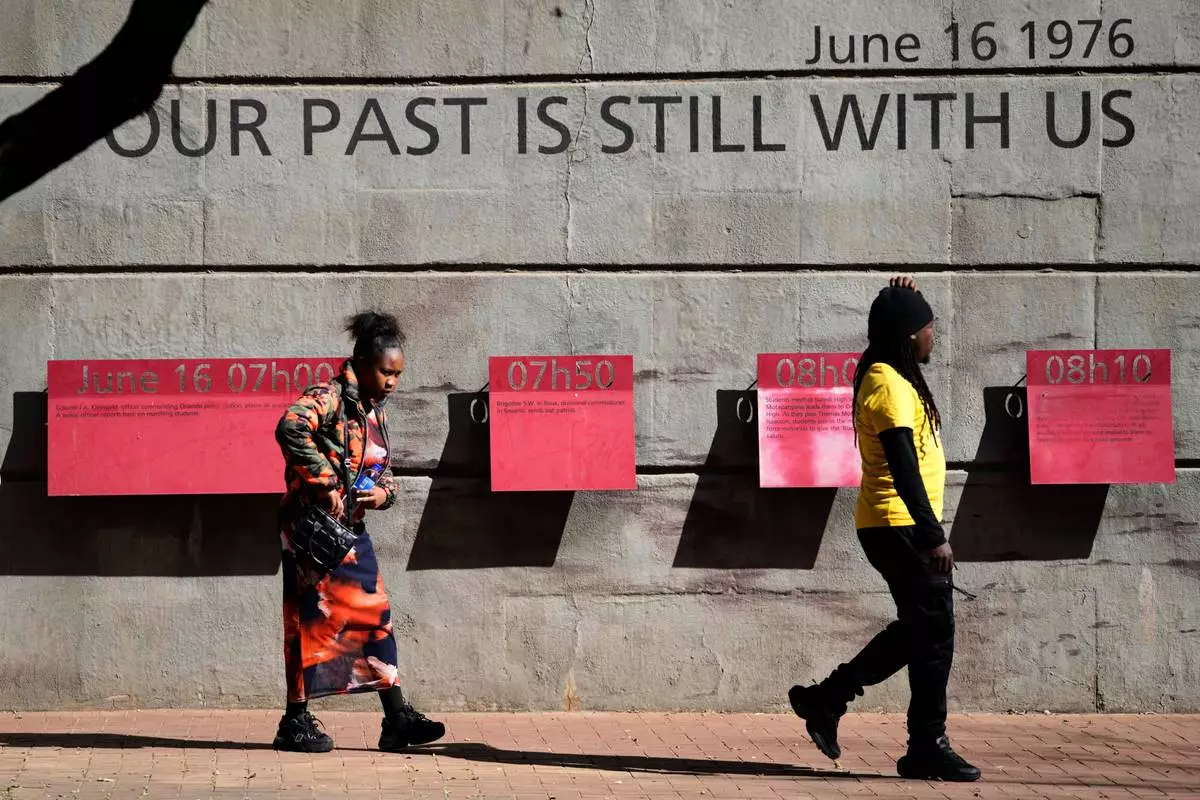
Youth visit the June 16 Memorial Acre, in Soweto, South Africa, Monday, June 15, 2026. (AP Photo/Themba Hadebe)