With the ongoing U.S.-Israeli war with Iran disrupting global petrochemical supply chains, Serbia's plastics industry, which is highly dependent on imported raw materials, has grappled with the dual pressure of soaring costs and supply uncertainty.
A Serbian manufacturer of pressed polyethylene and polypropylene polymer sheets said that prices of its key raw materials have surged by about 50 percent in the past two to three weeks.
Although the company maintains several months of inventory, it continues to face mounting cost pressures from rising prices of raw materials, natural gas, petroleum, and electricity. Meanwhile, logistics challenges have also emerged.
"Basically, the prices are now very high, doubled then they were like two months ago. And the second thing is supply chain. I mean the logistic and the transportation, especially these days, is too long. It's more than two months," said BWC Group CEO Slobodan Skundric.
Such impact triggered by the war has been felt across Serbia's entire chemical industry, forcing some companies to suspend acceptance of new orders to manage the market volatility.
"Prices of plastic raw materials, which are petroleum derivatives, have climbed to historically high levels, posing severe challenges to the industry's development. Serbia has a very developed plastics industry, with more than 2,600 companies engaged in plastic products manufacturing nationwide. The sector generates export revenues of 1.2 billion euros and holds strategic importance for the country. The price hikes are undoubtedly hard to the industry," said Dragan Stevanovic, secretary of the Association for Chemical, Rubber and Non-Metal Industry with the Chamber of Commerce and Industry of Serbia
In response, the Serbian government has taken actions to mitigate the effects on the economy and people.
"First, the government has prohibited the export of fuel, petroleum, and their derivatives. This ban was extended a few days ago. In addition, the government has lowered certain consumption taxes to alleviate the impact of the current situation on the economy and the public," said Stevanovic.
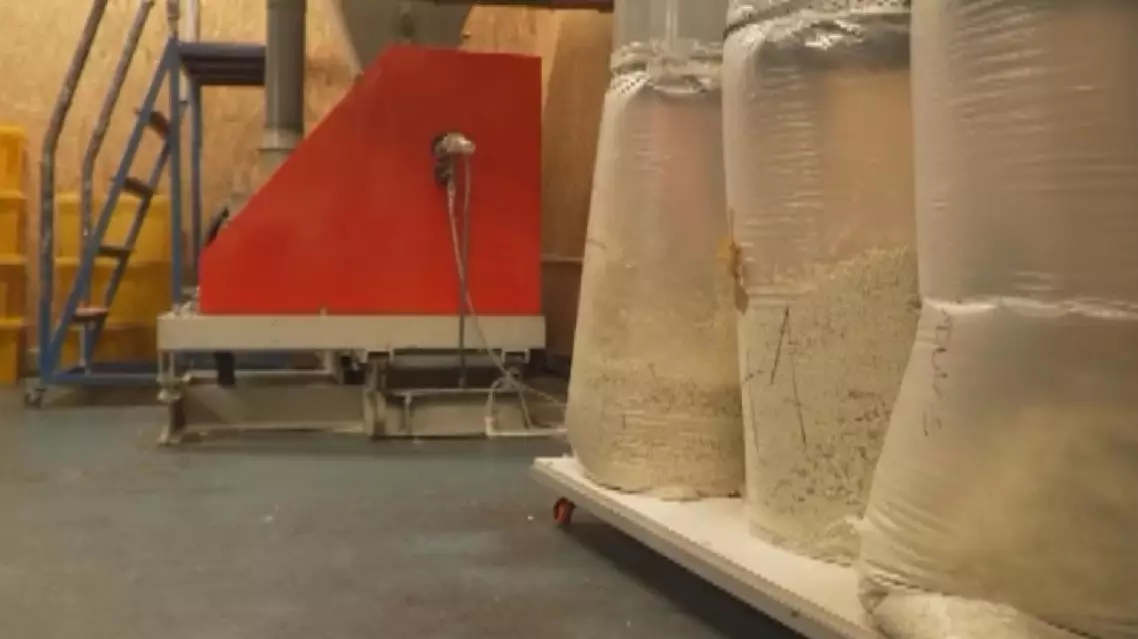
Serbian plastic industry grapples with soaring costs, supply uncertainty amid Middle East tensions
Serbian plastic industry grapples with soaring costs, supply uncertainty amid Middle East tensions
Serbian plastic industry grapples with soaring costs, supply uncertainty amid Middle East tensions