MONTREAL--(BUSINESS WIRE)--Apr 7, 2026--
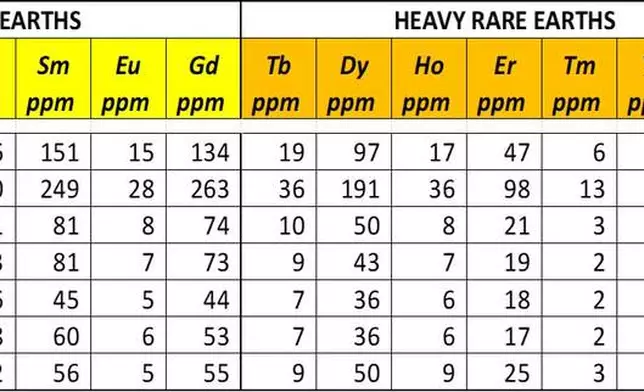
Lomiko Metals Inc. (TSX.V: LMR) (“Lomiko” or the “Company”) is pleased to announce results from additional REE analysis on 32 samples from the Phase II soil sampling program at the Yellow Fox Property. Recent success from the 2025 Phase II soil sampling program resulted in the identification of new REE anomalies (Cerium (Ce) and Lanthanum (La)). These positive results led to re-running seven samples with a rare-earth ICP package, yielding highly anomalous Light Rare Earth Element (LREE) and Heavy Rare Earth Element (HREE) assays hosted within the Mount Peyton Intrusion. This new REE discovery prompted the submission of 32 additional samples for REE analysis, which will serve as the basis for this release.
Click to Gallery
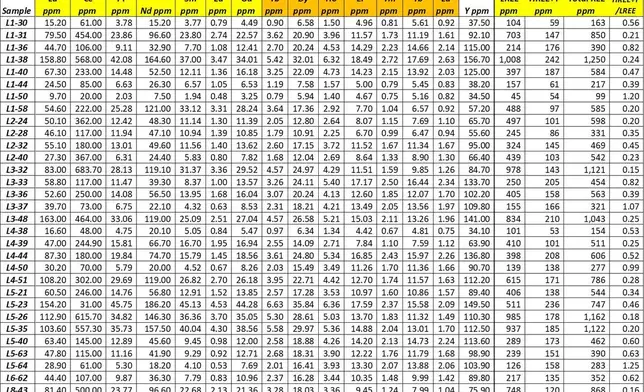
Table 2: Follow-up Re-Run Soil Samples with Rare Earth Package
Table 1 -Initial 7 sample Re-Run Soil Samples with Rare Earth Assay Package
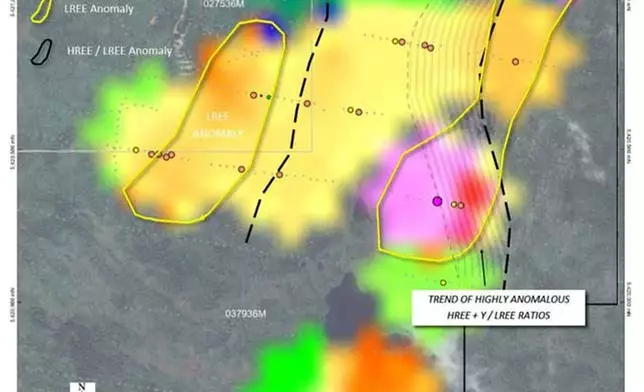
Figure 2: Yttrium (Y) anomalies demonstrating high-grade and broad widespread assays
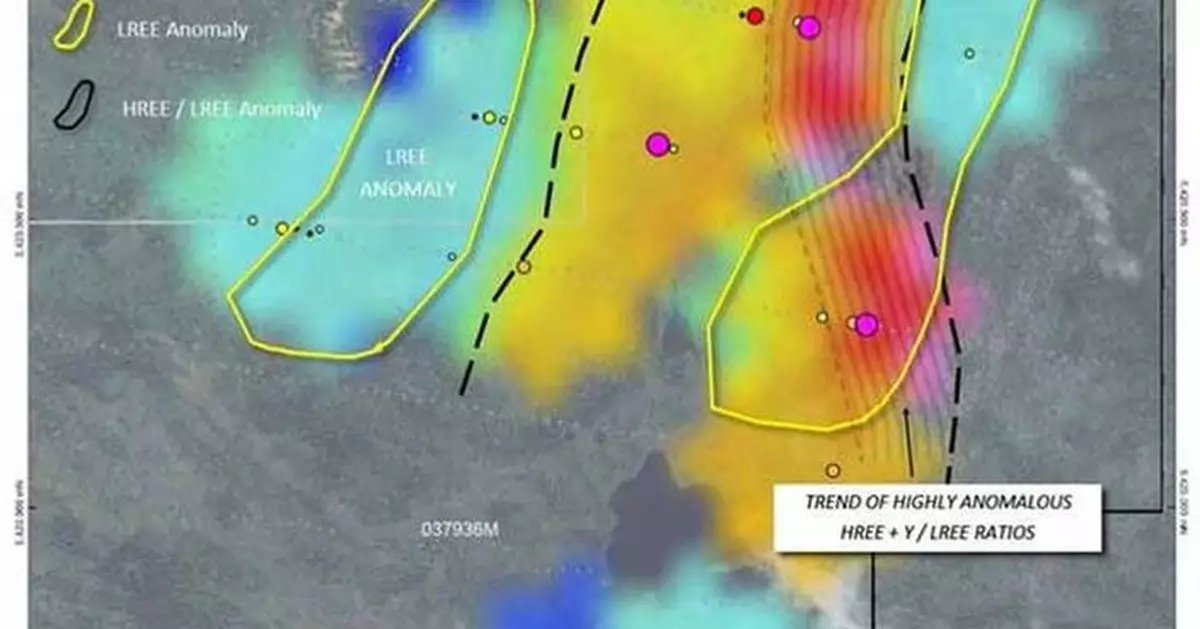
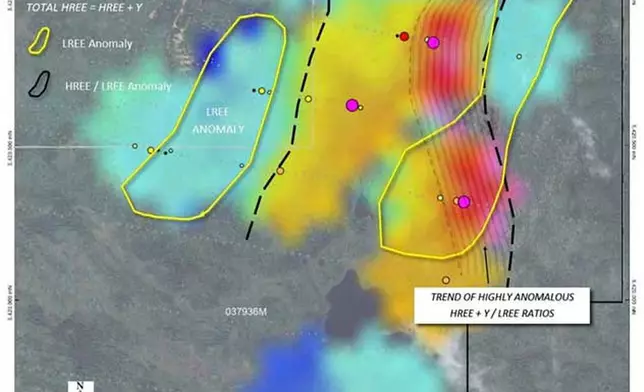
Figure 1: HREE+Y/LREE and LREE Anomalies
This press release features multimedia. View the full release here: https://www.businesswire.com/news/home/20260407670140/en/
Highlights:
Gordana Slepcev, CEO, President, and Director, stated: “We are very happy to build on the encouraging results from the soil sampling program, with an additional 32 samples processed with the REE package, identifying further REE anomalies and outlining the Yttrium potential on the land package. The results from these additional 32 assays confirm continuity of the previously identified zones and exhibit highly elevated LREE accompanied by HREE, including Yttrium (Y), over a minimum length of 1200m, indicating a mixed LREE and HREE mineralized system with highly anomalous values in Dysprosium and Terbium, with select samples up to 10 to 20 times background values. We're very encouraged to see those elevated values as Dy and Tb are considered the two most sought-after HREEs due to their scarcity and high value.”
These results are from additional REE analysis from the Phase II soil sampling and prospecting program (See News Release September 23, 2025) on the Yellow Fox Antimony property and follow-up to the initial 7 samples assayed for REE’s (See News release January 14, 2026). Lomiko acquired the Yellow Fox Project from Metals Creek in 2025. (See MEK news release dated January 21 st, 2025).
Results from these 32 assays (See Table 2) continue to exhibit strong LREE enrichment (La-Ce-Pr-Nd-Eu) accompanied by highly elevated HREE (Dy-Tb-Ho-Er-Tm-Yb-Lu), including Yttrium (Y), over a minimum length of 1200m, indicating a mixed LREE and HREE mineralized system hosted by what is interpreted to be a highly fractionated peralkaline granite. These peralkaline granites are considered to be one of the primary hosts for HREE enriched systems. Assays revealed an enriched REE system with highly anomalous HREEs, including Dysprosium (Dy) and Terbium (Tb), with select samples up to 10 to 20 times background (See Figure 1).
This latest batch of assays at Yellow Fox continues to return highly encouraging results, characterized by an unusually high ratio of Heavy Rare Earth Elements (HREE) and Yttrium (Y) relative to Light Rare Earth Elements (LREE). Ratio’s as high as 1.25 has been achieved with a large majority of these Re-Assay results achieving ratio’s greater than 0.20. These results illustrate this REE system is HREE enriched. Yttrium (Y) values are highly enriched making up 61 to 69 percent of the HREE+Y totals. The enrichment of Yttrium (See Figure 2) is highly encouraging in that it is almost always associated with Dysprosium (Dy), serving as a strong pathfinder. Dy’s primary value lies in its ability to allow Neodymium Magnets to maintain their strength at high temperatures, making it indispensable for electric vehicle (EV) motors and wind turbines. This enrichment of Y+Tb+Dy is a critical indicator for the identification of high priority HREE targets (See Figure 1) within the Yellow Fox project, highlighting the potential host the high-demand rare earth minerals required for high-performance magnets.
The exploration potential at yellow fox is underpinned by what appears to be a highly specialized geological environment, characterized by a highly fractionated peralkaline granite host and a highly evolved magmatic system. These specific granitic systems are recognized as primary sources for Heavy Rare Earth Elements (HREE) because their unique chemistry allows incompatible elements like Dysprosium, Terbium, and Yttrium to remain in the melt until the final, most enriched stages of crystallization.
The presence of such a highly evolved system is further confirmed by the identification of elevated Gallium (Ga) and Rubidium (Rb). These elements serve as critical geochemical indicators, often correlating with the presence of HREE-hosting accessory minerals such as zircon and xenotime. Assays up to 41.9 ppm Gallium and 194.6 ppm Rubidium exhibit geochemical pathfinders for this potential rare earth system. In peralkaline systems, such elevated Gallium is a primary indicator of extreme magmatic differentiation, where rare metals are concentrated in the final stages of crystallization. Rubidium (Rb) values reached a peak of 194.6 ppm, with a broad distribution of samples exceeding 150 ppm. High Rubidium is another strong indication for a highly evolved granitic system.
The simultaneous enrichment of Ga, Rb, and Yttrium (Y) alongside highly elevated HREE+Y/LREE ratio’s up to 1.25 creates a highly prospective geochemical signature. High Zr levels are also present, averaging 546 ppm with values up to 1169 ppm, in conjunction with elevated niobium (Nb), further validating the presence of a potentially highly fractionated magma.
The geochemistry of the Yellow Fox project continues to point toward a highly evolved peralkaline granite that has similar characteristics to alkaline granites of the Strange Lake Complex. With HREE+Y/LREE ratios up to 1.25 and heavy Yttrium content (61-69% of HREE), this aligns well with Strange Lake, which is considered to be rich in HREE oxides. The highly anomalous Zr and Rb paired with moderate Nb and Ga pathfinders are strong geochemical signatures of a peralkaline A-type granite like the Strange Lake Alkalic Complex located in Labrador.
Rare earth metals are essential to modern technology, enabling high-performance electronics, clean energy, and defense systems to operate at high temperatures. A renewed focus on exploration is underway for REEs with particular emphasis on HREEs like dysprosium and terbium, which are vital for the permanent magnets used in electric vehicle (EV) motors and wind turbines. Beyond green tech, these metals are highly important for miniaturizing components in smartphones and medical devices, as well as powering precision-guided missiles and radar systems.
The rare earth market is currently characterized by a significant supply-demand imbalance and extreme geographic concentration. China dominates the sector, accounting for approximately 70% of global mine production and 90% of refined supply. This has created a tight market where even minor export restrictions can cause immediate global shortages and price volatility. Future demand is projected to surge significantly in the coming decades, making exploration for HREEs all the more critical.
Strategic growth in the green technology and defense sectors will drive increased demand for REEs. Primary drivers for the increased use of REE’s include wind turbines, electric vehicles, defence and aerospace as well as advanced electronics.
Last summer saw the identification of several expansive, untested critical metal soil anomalies (Sb-Pb-Zn-Ag-Au) up to 1200m in length, as well as the discovery of highly anomalous LREE and HREE anomalies. These REE results in conjunction with the results discussed in this release further indicate a second type of highly prospective untested targets with highly anomalous LREE and HREE assays. These results will form the basis of this coming summers exploration plans for yellow fox.
Yellow Fox antimony and REE prospect exploration – future steps
Location Details
The Yellow Fox Property is located approximately 10 km southwest of the Town of Glenwood NL, and south of the Trans-Canada Highway. The Property occurs within NTS map sheets 02D/14 and 15 with excellent access along several logging and skidder roads originating from Glenwood. The main Yellow Fox showing is located in the central part of License 027536M, 5km from the western end of Gander Lake. The property is centered at approximately UTM (NAD 27) grid coordinates 5,419,400m North and 645,300m East.
Geologically, Yellow Fox’s surface antimony showing and critical metal soil anomalies (Sb-Pb-Zn-Ag-Au) exhibits similar traits to those of Beaver Brook with cross-cutting structural zones that show intense carbonate alteration with sulphide-bearing stringers to veins of stibnite and arsenopyrite with similar high-grade tenors of antimony, gold, lead, zinc, and silver. Arsenopyrite is also present in both locations. Two prominent fracture vein sets are present, one being the muscovite-pyrite-rutile veins trending 356 degrees and the second stibnite-quartz-arsenopyrite being the most abundant and trending 025 degrees. Both these vein sets are similar to that of the past producing Beaver Brook antimony Mine, and both vein sets trend in N to NE direction, which is the same as the prospective regional structures. Yellow Fox has never been explored for REE’s. Importantly, the project is underlain by the mount peyton intrusion which potentially appears to be a fertile environment for the emplacement of REE’s. Soil sample results indicate that the mount peyton intrusion may form part of a highly evolved peralkaline granite highly prospective for LREE’s and HREE’s.
Yellow Fox is an early-stage exploration property prospective in antimony, Zinc, Lead, gold, silver and more recently REE’s. Historic work has returned samples anomalous in gold (Au), antimony (Sb), lead (Pb), zinc (Zn), gold (Au), and silver (Ag) which included trenching which exposed bedrock. Results included grab samples up to 59.43g/t Au, 11.10% Sb, 7.00% Zn, 72.90g/t Ag, and 5.50% Pb in arsenopyrite-stibnite veins within altered monzogranite. (See Metals Creek assessment report https://gis.geosurv.gov.nl.ca/geofilePDFS/Batch2016/002D_0779.pdf
The surface grab samples described in this news release are selective by nature and are unlikely to represent average grades on the property.
Please note that the results on an adjacent or nearby property (Beaver Brook) are not necessarily what can be expected on the Yellow Fox project and that the results of surface or grab samples, by their nature, this type of sample is selective and that the assay results may not be indicative of underlying mineralization.
Qualified Person
The technical content presented in this press release was reviewed and approved by Gordana Slepcev, P.Eng., who is the CEO & President of Lomiko Metals and acts as the “Qualified Person” as that term is defined under National Instrument 43-101, Standards of Disclosure for Mineral Projects. Also, Wayne Reid, P.Geo, and director for the Corporation (MEK) and a qualified person as defined in National Instrument 43-101, has reviewed and approved the disclosure of the exploration information in this news release.
All 851 initial soil samples from this past summer’s programs were dried and then sent to Eastern Analytical Ltd., located in Springdale, Newfoundland, Canada. Samples are analyzed by ICP34 method that delivers a 34-element package and analyzed by ICP-OES analytical technique with blanks and standards inserted every 20-25 samples. The 32 samples in this press release were sent to Bureau Veritas, located in Vancouver, British Columbia, Canada. Samples are analyzed by ICP-OES utilizing multi acid digestion analytical technique. Standards and blanks were inserted to this batch of samples.
Please note that the results on an adjacent or nearby property (Beaver Brook) are not necessarily what can be expected on the Yellow Fox project, and that the results of surface or grab samples, by their nature, are selective, and that the assay results may not be indicative of underlying mineralization.
About Lomiko Metals Inc.
The Company holds mineral interests in its La Loutre graphite development in southern Quebec. The La Loutre project site is within the Kitigan Zibi Anishinabeg (KZA) First Nation’s territory. The KZA First Nation is part of the Algonquin Nation, and the KZA traditional territory is situated within the Outaouais and Laurentides regions. Located 180 kilometers northwest of Montreal, the property consists of one large, continuous block with 76 mineral claims totaling 4,528 hectares (45.3 km2).
Lomiko Metals published an updated Mineral Resource Estimate (MRE) in a NI 43-101 Technical Report and Mineral Resource Estimate Update for the La Loutre Project, Quebec, Canada, prepared by InnovExplo on May 11th, 2023, which estimated 64.7 million tonnes of Indicated Mineral Resources averaging 4.59% Cg per tonne for 3.0 million tonnes of graphite, a tonnage increase of 184%. Indicated Mineral Resources increased by 41.5 million tonnes as a result of the 2022 drilling campaign, from 17.5 million tonnes in 2021 MRE with additional Mineral resources reported down-dip and within marble units resulted in the addition of 17.5 million tonnes of Inferred Mineral Resources averaging 3.51% Cg per tonne for 0.65 million tonnes of contained graphite; and the additional 13,107 metres of infill drilling in 79 holes completed in 2022 combined with the refinement of the deposit and structural models contributed to the addition of most of the Inferred Mineral Resources to the Indicated Mineral Resource category, relative to the 2021 Mineral Resource Estimate. The MRE assumes a US$1,098.07 per tonne graphite price and a cut-off grade of 1.50% Cg (graphitic carbon). The independent and qualified persons for the mineral resource estimate, as defined by NI 43 101, are Marina Iund, P.Geo. (InnovExplo Inc.), Martin Perron, P.Eng. (InnovExplo Inc.)., Simon Boudreau, P.Eng. (InnovExplo Inc.). and Pierre Roy, P.Eng. (Soutex Inc.). The effective date of the estimate is May 11, 2023.
The Company also holds interest in seven early-stage projects in southern Quebec, including Ruisseau, Tremblant, Meloche, Boyd, Dieppe, North Low and Carmin, covering 328 claims in total on 7 early-stage projects covering 18,622 hectares in the Laurentian region of Quebec and within KZA territory.
The stage graphite portfolio consists of 328 claims in total on seven early-stage projects covering 18,622 hectares in southern Quebec. The grades presented below for the Laurentides graphite portfolio were press-released on January 7 th, 2025. ( https://lomiko.com/news/lomiko-metals-encounters-up-to-27-9-graphite-at-its-laurentides-early-stage-projects-including-the-discovery-of-four-new-zones-at-the-ruisseau-project-spanning-over-3-kilometres-long/ )
The Yellow Fox Property is located approximately 10 km southwest of the Town of Glenwood NL, and south of the Trans-Canada Highway. The main Yellow Fox showing is located in the central part of License 027536M, 5km from the western end of Gander Lake.
This property is on the same trend as the past-producing antimony mine Beaver Brook, which is located 25km southwest of the property. Yellow Fox is an early-stage exploration property prospective in antimony, gold, and silver where historic works returned samples anomalous in gold (Au), antimony (Sb), lead (Pb), zinc (Zn), and silver (Ag). The trenching exposed the rocks, resulting in grab samples to 59.43g/t Au, 11.10% Sb, 7.00% Zn, 72.90g/t Ag, and 5.50% Pb in arsenopyrite-stibnite veins within altered monzogranite. (See Metals Creek assessment report at https://gis.geosurv.gov.nl.ca/geofilePDFS/Batch2016/002D_0779.pdf )
Lomiko QP relied on the information provided by Metals Creek. Metals Creek QP is Wayne Reid P.Geo. is registered in Newfoundland.
On behalf of the Board,
Gordana Slepcev
CEO & President and Director, Lomiko Metals Inc.
Cautionary Note Regarding Forward-Looking Information
This news release contains "forward-looking information" within the meaning of the applicable Canadian securities legislation that is based on expectations, estimates, projections and interpretations as at the date of this news release. The information in this news release about the Company; and any other information herein that is not a historical fact may be "forward-looking information" (“FLI”). All statements, other than statements of historical fact, are FLI and can be identified by the use of statements that include words such as "anticipates", "plans", "continues", "estimates", "expects", "may", "will", "projects", "predicts", “proposes”, "potential", "target", "implement", “scheduled”, "intends", "could", "might", "should", "believe" and similar words or expressions. FLI in this new release includes, but is not limited to: the total gross proceeds of the Offering, the use of proceeds of the Offering, the timing and successful completion of the Offering; the Company’s ability to successfully fund, or remain fully funded for the implementation of its business strategy and for exploration of any of its projects (including from the capital markets);, and the expected timing of announcements in this regard. FLI involves known and unknown risks, assumptions and other factors that may cause actual results or performance to differ materially.
The FLI in this news release reflects the Company’s current views about future events, and while considered reasonable by the Company at this time, are inherently subject to significant uncertainties and contingencies. Accordingly, there can be no certainty that they will accurately reflect actual results. Assumptions upon which such FLI is based include, without limitation: the Company’s, ability to implement its overall business strategy and to fund, explore, advance and develop each of its projects, including results therefrom and timing thereof, the impact of increasing competition in the mineral exploration business, including the Company’s competitive position in the industry, and general economic conditions, including in relation to currency controls and interest rate fluctuations.
The FLI contained in this news release are expressly qualified in their entirety by this cautionary statement, the “Forward-Looking Statements” section contained in the Company’s most recent management’s discussion and analysis (MD&A), which is available on SEDAR+ at www.sedarplus.ca. All FLI in this news release are made as of the date of this news release. There can be no assurance that such statements will prove to be accurate, as actual results and future events could differ materially from those anticipated in such statements. Accordingly, readers should not place undue reliance on such forward-looking information. The Company does not undertake to update or revise any forward-looking information contained herein to reflect new events or circumstances, except as may be required by applicable securities laws.
Neither the TSX Venture Exchange nor its Regulation Services Provider (as that term is defined in the policies of the TSX Venture Exchange) accepts responsibility for the adequacy or accuracy of this news release.
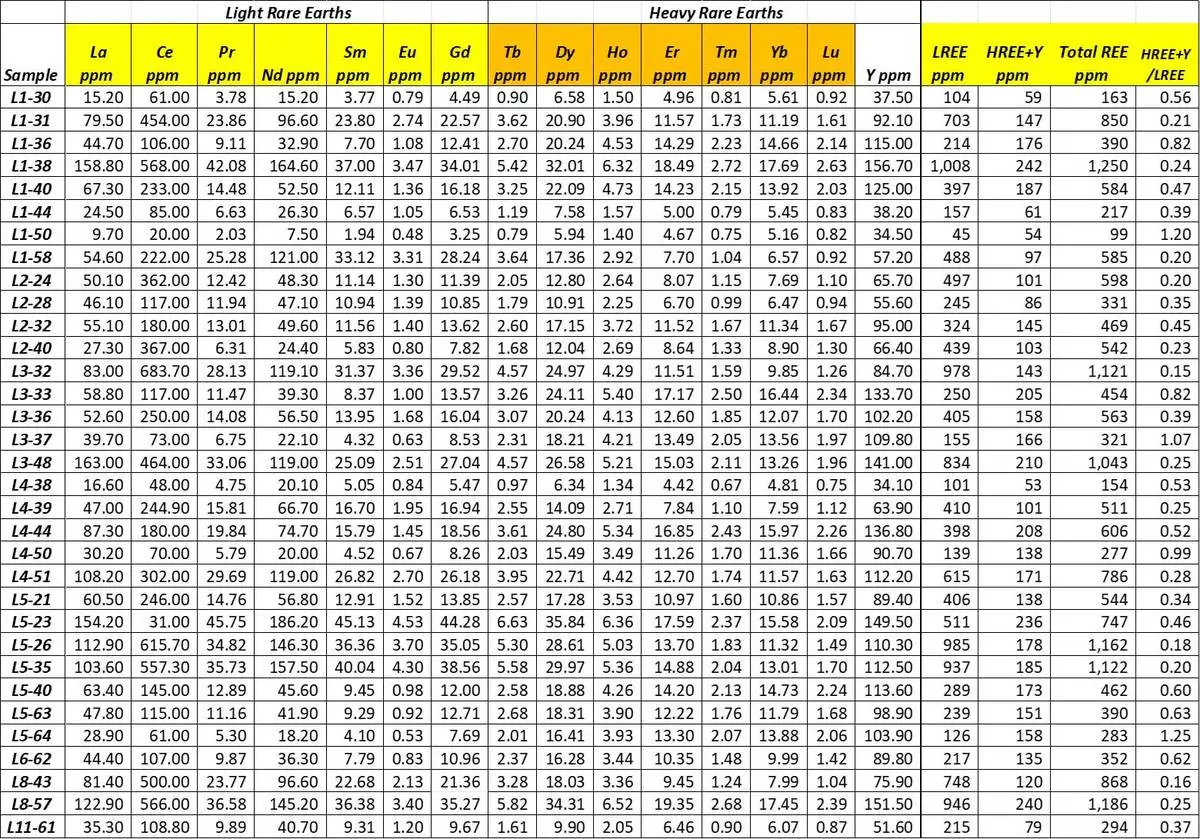
Table 2: Follow-up Re-Run Soil Samples with Rare Earth Package
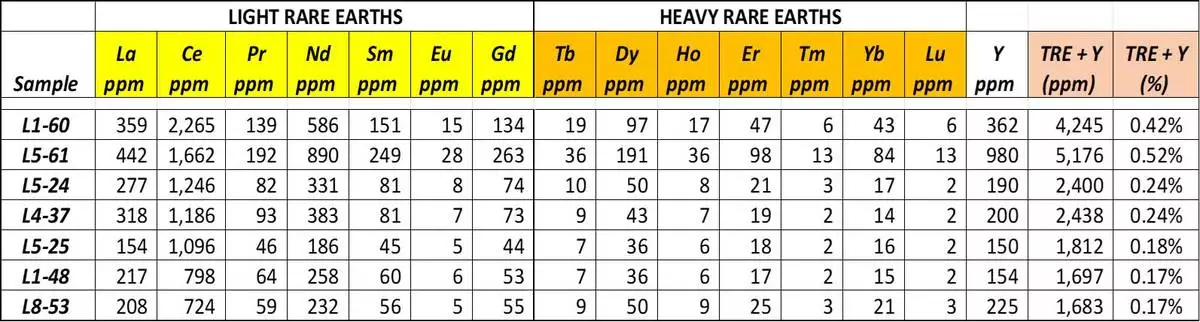
Table 1 -Initial 7 sample Re-Run Soil Samples with Rare Earth Assay Package
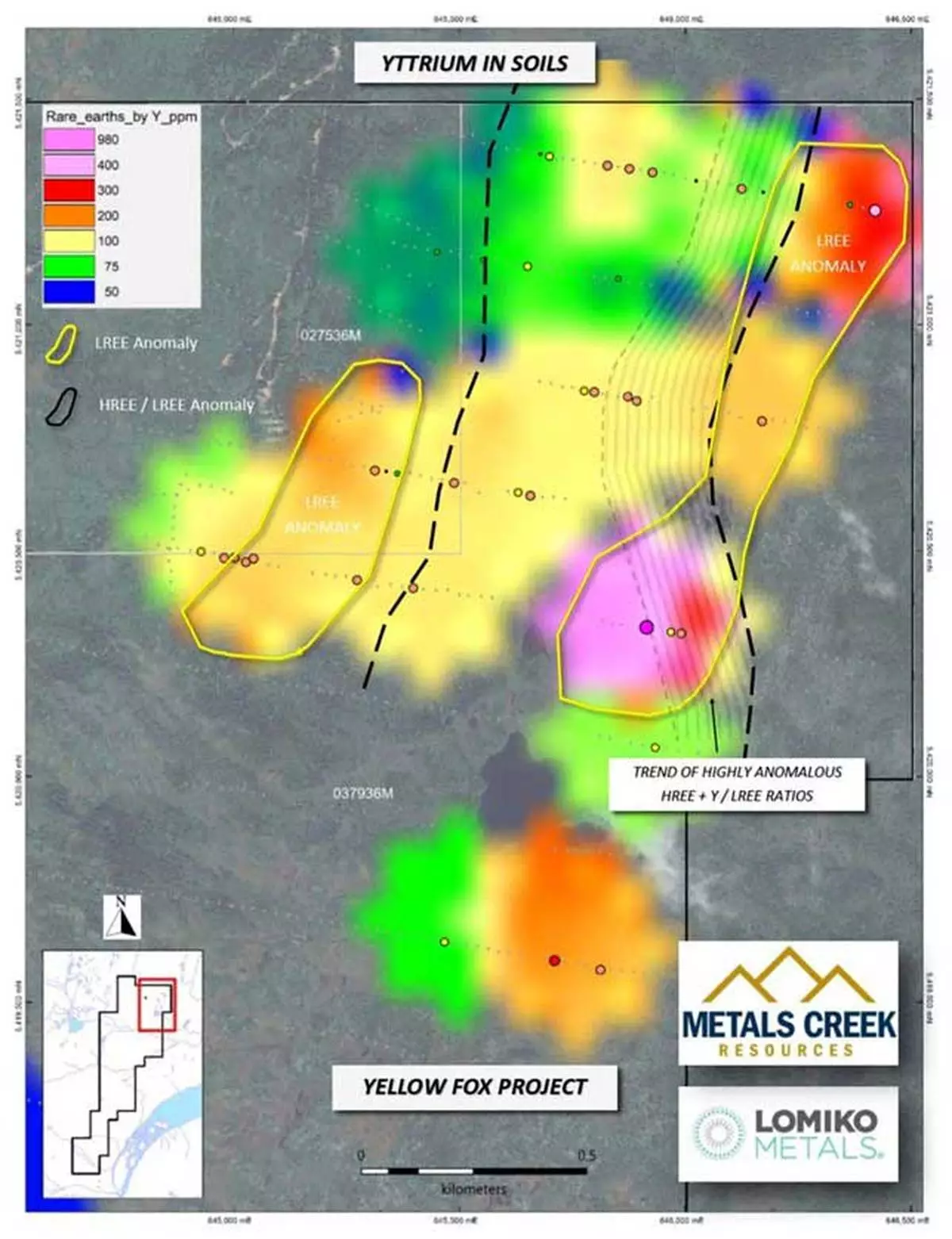
Figure 2: Yttrium (Y) anomalies demonstrating high-grade and broad widespread assays
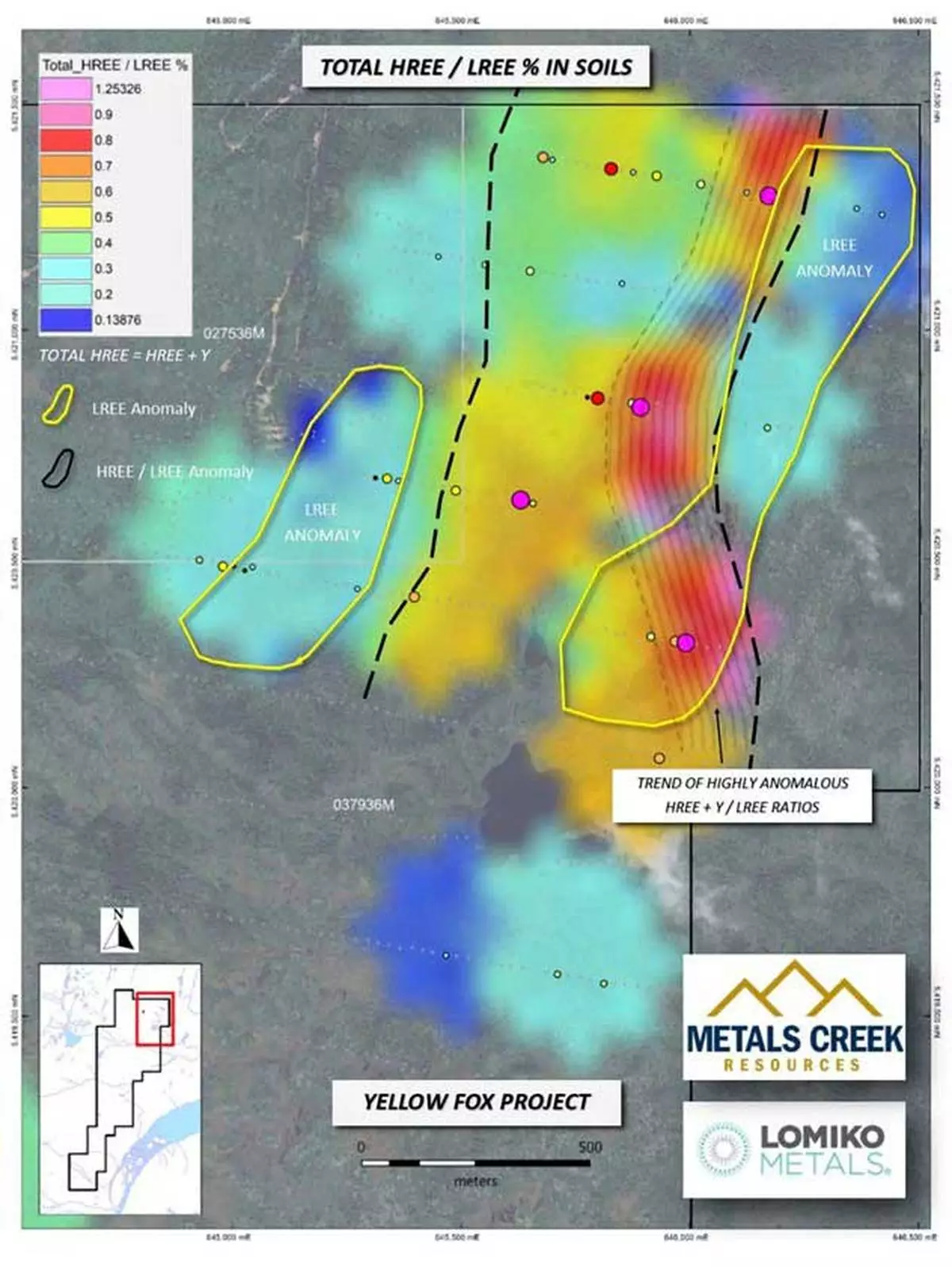
Figure 1: HREE+Y/LREE and LREE Anomalies
Iran rejected a 45-day ceasefire proposal and said it wants a permanent end to the war as U.S. President Donald Trump's ultimatum to make a deal ticked closer with an expanded threat of strikes against the Islamic Republic to include all power plants and bridges.
Trump said Monday he is “not at all” concerned about committing possible war crimes as he again threatened to destroy Iranian infrastructure if Tehran does not meet his Tuesday 8 p.m. EST deadline to reopen the Strait of Hormuz.
U.N. Secretary-General António Guterres warned the U.S. that attacking civilian infrastructure is banned under international law, his spokesperson said Monday.
Israel carried out a new wave of attacks on Iran early Tuesday, while Iran responded with missile fire against Israel and its Gulf Arab neighbors.
A gunfight erupted outside the Israeli Consulate in Istanbul on Tuesday. The exchange with police left two assailants dead while a third was captured. One police officer sustained injuries.
More than 1,900 people have been killed in Iran since the war began, but the government has not updated the toll for days.
In Lebanon, more than 1,400 people have been killed and more than 1 million people have been displaced. Eleven Israeli soldiers have died there.
In Gulf Arab states and the occupied West Bank, more than two dozen people have died, while 23 have been reported dead in Israel and 13 U.S. service members have been killed.
Here is the latest:
A telecommunications building in the United Arab Emirates was struck Tuesday by an Iranian ballistic missile, injuring two people, authorities said.
The missile hit an administrative building for the Thuraya Telecommunications Company in Sharjah, the medical office said.
The two Pakistani nationals injured in the strike were taken to a hospital, the office said.
Iranian authorities said Tuesday that a series of airstrikes took out a railway bridge in Kashan, a train station in Mashhad and highway bridge near Tabriz on Tabriz-Tehran freeway.
Neither the United States nor Israel immediately claimed the attacks.
A northern Tehran resident says friends and family are storing water and charging phones over fears the U.S. will take out Iran’s energy infrastructure.
“By attacking infrastructure, the Islamic Republic will not be destroyed, only we will be destroyed,” the resident told The Associated Press, speaking anonymously for her safety.
The teacher in her 20s spoke to the AP in the weeks before the war when Iranians were reeling from the killing of thousands of anti-government protesters.
Many opponents of Iran’s government hoped a threatened U.S.-Israeli strike would quickly overthrow it, she said.
“Like the people who were desperate and were afraid of people getting killed again, I believed Trump’s words. I thought that he would kill a few leaders of the regime and the work of this regime would be finished,” she said Tuesday.
Now she fears U.S. and Israeli attacks will spread chaos: “If we don’t have the internet, and if we don’t have electricity, water, and gas, we’re really going back to the Stone Age, as Trump said.”
Iran’s internet remains largely blocked, throttling news as panic spreads that critical infrastructure will be destroyed in the next 24 hours.
Three assailants opened fire at police outside a building housing the Israeli Consulate in Istanbul on Tuesday, sparking a gunfight that left one attacker dead, Turkish officials said.
The two other assailants were captured with injuries.
Two police officers sustained slight injuries in the clash, Istanbul Gov. Davut Gul told reporters. The assailants were carrying long-barreled weapons.
Interior Minister Mustafa Cifti wrote on X that the attackers had traveled to Istanbul from the neighboring city of Izmit in a rented car. One of the assailants was linked to a group he described as “exploiting religion,” without naming the organization.
The Islamic State group has carried out deadly attacks in Turkey in the past.
A previous version of this item incorrectly reported two assailants had been killed.
Iran’s paramilitary Revolutionary Guard warned Tuesday it would “deprive the U.S and its allies of the region’s oil and gas for years” if U.S. President Donald Trump carries out his threat to attack power plants and bridges if the Strait of Hormuz doesn’t open.
Multiple Iranian media outlets carried the statement.
It also issued a new threat to the Gulf Arab states.
“We have exercised great restraint and had considerations in choosing retaliatory targets, but from now on all these considerations have been removed,” the warning read.
Israel’s Magen David Adom rescue service said a 20-year-old woman was taken to hospital with a mild head injury from shrapnel in the northern town of Nahariya.
Several cars burst into flames and buildings were damaged from a direct impact on a residential street, medics and Israel’s Fire and Rescue service said.
Rocket and drone attacks by the Iran-backed militant group Hezbollah have set off sirens throughout Tuesday in Israeli communities close to the Lebanon border.
A container ship in the Persian Gulf has been hit by a projectile that caused damage, the British military said Tuesday.
The attack happened in international waters south of Iran’s Kish Island, the British military’s United Kingdom Maritime Trade Operations center said.
It said no one was hurt and there was no environmental impact from the apparent attack.
Over 20 ships have been attacked in the Mideast by Iran since the war began.
The United Nations health agency has suspended evacuations from the Gaza Strip through the Rafah Crossing with Egypt after the death of one of its contractors.
World Health Organization Director-General Tedros Adhanom Ghebreyesus said in a social media post that the contractor was killed Monday in what he described as a “security incident.”
Two WHO staffers were present but were not hurt, he said without elaborating.
The incident is being investigated and the evacuations of patients and wounded people will be halted until further notice, Tedros said.
The Rafah Crossing was reopened in February after long delays in a key but mostly symbolic step in the Israel-Hamas ceasefire deal.
A previous version of this item incorrectly reported two WHO staffers were wounded.
At least four northern Italian airports have imposed restrictions on jet fuel due to shortages, giving priority to long-haul and medical flights.
The restrictions at Milan Linate, Bologna, Venice and Treviso airports involve supplier Air Bp Italia, the British Petroleum group’s aviation division, and will remain until at least April 9.
Priority will be given to ambulance flights, state flights and flights of more than three hours, according to an official notice.
For nonpriority flights, the airports have imposed a supply ceiling of 2,000 liters (528 gallons) per aircraft.
The Venice airport has requested pilots ensure they have enough fuel from the previous airport for the following flight.
Ahead of U.S. President Donald Trump’s Strait of Hormuz deadline, Iranians have expressed both their hopes and fears about the war.
“I had expected Trump would offer us something fancier than hell,” said Mahmoud Azimi, 35, who was carrying home milk and a sack of potatoes. “We have experienced an inferno because of many bad things like sanctions, assassinations and wars. So, at the end, hell is being replaced by hell!”
Reza Alaghemand 24, who runs an ice cream stall, urged Iran to keep fighting against Israel and the U.S.“
“If we stop the war, they soon wage another war,” he said. “Once and for all, we should teach them an unforgettable lesson not to attack us.”
Maryam Mehrabi, a 67-year-old retiree, recounted how it was the third war she’d seen in her life.
“There was the 1980s war that Iraq waged against Iran. Then the June war that the U.S. and Israel launched and I lost a close friend,” she said. “I have no idea what is waiting for us ahead of these threats.”
One young couple, in a coffee shop in central Tehran, offered their opinions on condition of anonymity for fear of reprisals.
“I hate this situation. Why are officials on both sides only threatening to go into a deeper war with more damages?” the woman asked. “All night long, we hear the sound of strikes and bombings and then in the daytime, we are occasionally stopped by mushrooming checkpoints.”
Her partner shrugged.
“I feel we are stuck between the blades of a pair of scissors,” he said. “It is more than a month that we have had no Internet and now we are going to face a power cut.”
An airstrike targeting Iran’s Alborz province northwest of Tehran killed at least 18 people, state media reported Tuesday.
The strike also wounded 24 people, the judiciary’s Mizan news agency reported.
It wasn’t immediately clear what had been targeted.
A series of intense airstrikes have pounded Iran’s capital, Tehran, including a possible weapons depot in the mountains and residential neighborhoods.
The Israelis have conducted a campaign of airstrikes killing top officials in the theocracy and its military.
Facing a looming U.S. deadline, Iran’s president said Tuesday that 14 million Iranians, including himself, have volunteered to sacrifice their lives in the war.
President Masoud Pezeshkian made the comment on X just ahead of U.S. President Donald Trump’s deadline to bomb power stations and bridges in Iran if it doesn’t loosen its chokehold on the Strait of Hormuz.
The figure is double other figures mentioned by state media in the past about volunteers the government had been soliciting by text messages and media as the war went on.
Iran is home to 90 million people. Many remain angry at the government over its bloody crackdown on nationwide demonstrations and the 14 million figure likely is aimed at trying to dissuade the promised American bombing campaign.
“More than 14 million Iranian people have declared their readiness to sacrifice their lives in the (self-sacrificing) campaign,” Pezeshkian wrote. “I too have been, am, and will remain ready to give my life for Iran.”
Nearly 1-in-5 service stations in France had run dry of at least one type of fuel Tuesday morning as motorists filled tanks after Easter weekend.
There is no risk of broader fuel shortages and “oil is arriving in France,” government spokeswoman Maud Bregeon said, adding that shortages at some pumps resulted from transport difficulties that were being urgently addressed.
Around 18% of service stations were short of at least one fuel type, but 83% of those belong to TotalEnergies, which has capped prices. Weekend lines formed at some of the company’s stations because its fuels are often cheaper than other distributors.
Bregeon said about 900 trucks, hundreds more than a normal day, were traveling to Total stations with resupplies Tuesday.
“There are no problems at the refineries. When trucks go to depots, they can load up” with unleaded and diesel, Bregeon said. “We can expect a progressive improvement.”
Airstrikes pounded sites across Iran’s capital, Tehran, on Monday, including residential areas. Strikes also were reported in Qom, the Shiite seminary city to the south of Tehran.
Iranian state television acknowledged the strikes in an online message, saying more details would be released.
Areas around Parchin, a military base associated with Iran’s ballistic missile program, and points south of downtown Tehran were struck.
Khorramabad International Airport also came under attack Tuesday, the judiciary’s Mizan news agency reported.
Video circulated online showing what appeared to be a cruise missile targeting one site in Iran.
Residential strikes in the past have targeted Iranian government and security officials.
The King Fahd Causeway, a key bridge linking Saudi Arabia and the island of Bahrain, reopened Tuesday morning after closing for hours over possible threats from Iran.
The King Fahd Causeway Authority made the announcement in a post on X, saying the only route by road between Bahrain and the Arabian Peninsula reopened.
Bahrain’s airport has been closed over the Iranian attacks for weeks.
The hourslong closure came after a ballistic missile attack from Iran targeted Saudi Arabia and may have done damage to energy infrastructure there.
The kingdom has not elaborated on damage from that attack.
French Foreign Minister Jean-Noël Barrot said attacks targeting civilian and energy infrastructure “are barred by the rules of war, international law” and would surely trigger reprisals from Iran.
He spoke ahead of the Tuesday evening deadline for possible strikes against Iran set by U.S. President Donald Trump.
“In the framework of the war in Iran, they would without doubt trigger a new phase of escalation, of reprisals, that would drag the region and the world economy into a vicious circle that would be very worrying and, most of all, very damaging to our own interests,” the minister said Tuesday morning on France Info television.
“We’re already seeing a surge of fuel prices. If energy facilities in Iran were struck, we can expect reprisals from the Iranian regime that would further worsen an already worrying situation,” he said.
Pakistan Foreign Minister Ishaq Dar spoke early Tuesday with Egyptian Foreign Minister Badr Abdelatty about the latest regional developments in the face of an approaching deadline for the opening of the Strait of Hormuz set by U.S. President Donald Trump.
Pakistan’s Ministry of Foreign Affairs said the leaders “underscored the need for de-escalation and dialogue” and agreed to remain closely engaged as the situation evolves.
Pakistan, with the support of regional countries, has been engaged in diplomatic efforts to bring the U.S. and Iran to the negotiating table.
Abdelatty also spoke with U.S. envoy Steve Witkoff and Iraqi Foreign Minister Fouad Hussein.
The calls included “an assessment of the rapidly evolving situation and the efforts ... to reach understandings between the U.S. and Iran to achieve de-escalation and reduce tensions,” the Egyptian foreign ministry said.
Iran has reported fatalities from airstrikes overnight into Tuesday.
At least nine people were killed in the city of Shahriar, west of the capital, Tehran, Iranian media reported.
In the city of Pardis, east of Tehran, at least six people were killed in a strike and recovered from buildings, Iranian media reported.
A Revolutionary Guard general in Iran has urged parents to “send your kids to man checkpoints.”
Gen. Hossein Yekta, previously identified as leading plainclothes units of the all-volunteer Basij force, made the comments on an Iranian state television channel.
“Moms, dads, take your kids hands and go out on streets,” he said. “Do you want your kid to become a real man? Let him feel like a hero standing right at the heart of the battlefield. Moms, dads, at night send your kids to man checkpoints. They become men!”
Basij checkpoints have been repeatedly targeted in airstrikes.
The Basij has been accepting children as young as 12 to man checkpoints. Amnesty International has warned some even carry firearms, calling their recruitment a war crime.
During nationwide protests in January, Yekta warned parents to keep their children home or they would be shot.
An adviser to Sheikh Mohamed bin Zayed Al Nahyan, the president of the United Arab Emirates, says they have lost trust in the Iranian government after its attacks on Arab neighbors.
“We are facing a perfidious regime that cannot be trusted,” Anwar Gargash wrote in a social media post Tuesday, adding that his country had sought to avoid the war.
He also claimed the UAE’s position toward Iran’s attacks in the Gulf Arab countries is appreciated across the region.
Iranian state television on Tuesday claimed 14 million people had volunteered to fight for the country if there is a ground invasion by the United States and Israel.
The claim by state TV, which included no other information, doubles an April 2 claim by Iranian Parliament speaker Mohammad Bagher Qalibaf that 7 million had volunteered.
Iran is home to some 90 million people. Iran had conducted a bloody crackdown on nationwide demonstrations in January that killed thousands and saw tens of thousands detained.
State media and text message campaigns have urged people to volunteer. The government also has called on retired soldiers to express their interest in fighting, while the paramilitary Revolutionary Guard’s all-volunteer Basij force has begun accepting children as young as 12 into its ranks.
After the 1979 Islamic Revolution, Ayatollah Ruhollah Khomeini, for instance, called for a 20-million Basij force.
Iranian media reported Tuesday that a synagogue in the capital, Tehran, was damaged in an airstrike.
They identified the house of worship as the Rafi Niya Synagogue.
Video from the site showed rescuers moving around and what looked like a book of Hebrew scripture in the rubble.
Iran has a small Jewish population still living in the country. Many fled during the 1979 Islamic Revolution.
Likely signaling a new target for their airstrikes, the Israeli military warned Iranians in Farsi on Tuesday to avoid taking trains until at least 9 p.m. local time.
“Your presence puts your life at risk,” the warning posted on X read.
Iran has shut off access to the internet for weeks, making it difficult for the average Iranians to see these warnings. However, Farsi-language satellite news networks abroad report them, allowing the information to make its way back into the Islamic Republic.
South Korean President Lee Jae Myung is dispatching his chief of staff as a special envoy to Kazakhstan, Oman and Saudi Arabia in a diplomatic push to secure more fuel and mitigate the energy crunch caused by the war in the Middle East.
Kang Hoon-sik said he will depart Tuesday evening, with the visits aimed at securing additional sources of crude oil and naphtha, a key petroleum product used in plastics manufacturing.
South Korea last month reached an agreement with the United Arab Emirates to receive 24 million barrels of crude and initial shipments have arrived in recent weeks.
More than 60% of crude and 50% of naphtha supplies imported by South Korea last year passed through the Strait of Hormuz, a narrow waterway that is now largely blocked by Iran as it seeks to exert leverage against the U.S. and Israel.
The King Fahd Causeway, a key bridge linking Saudi Arabia to the island kingdom of Bahrain, closed early Tuesday over threats from Iranian attacks.
The King Fahd Causeway Authority made the announcement on X.
Vehicle movements had been “suspended as a precautionary measure” over Iranian attacks targeting Saudi Arabia’s Eastern Province, the authority said.
The 25-kilometer (15.5-mile) bridge is the only connection by road for Bahrain, home to the U.S. Navy’s 5th Fleet, to the Arabian Peninsula.
While there has been no formal threat against the King Fahd Causeway, some hard-liners within Iran have increasingly identified it as a possible target.
That risk likely would grow if Trump carries out his threatened strikes against bridges in Iran.
Saudi Arabia said early Tuesday that seven ballistic missiles from Iran targeted the kingdom’s oil-rich Eastern Province, with “debris from the missiles” crashing into the ground near energy facilities.
The brief statement from Maj. Gen. Turki al-Malki, a spokesman for the Saudi military, did not elaborate on the extent of the damage on the ground, though he said an “assessment is underway.”
It wasn’t immediately clear what energies facilities had been impacted.
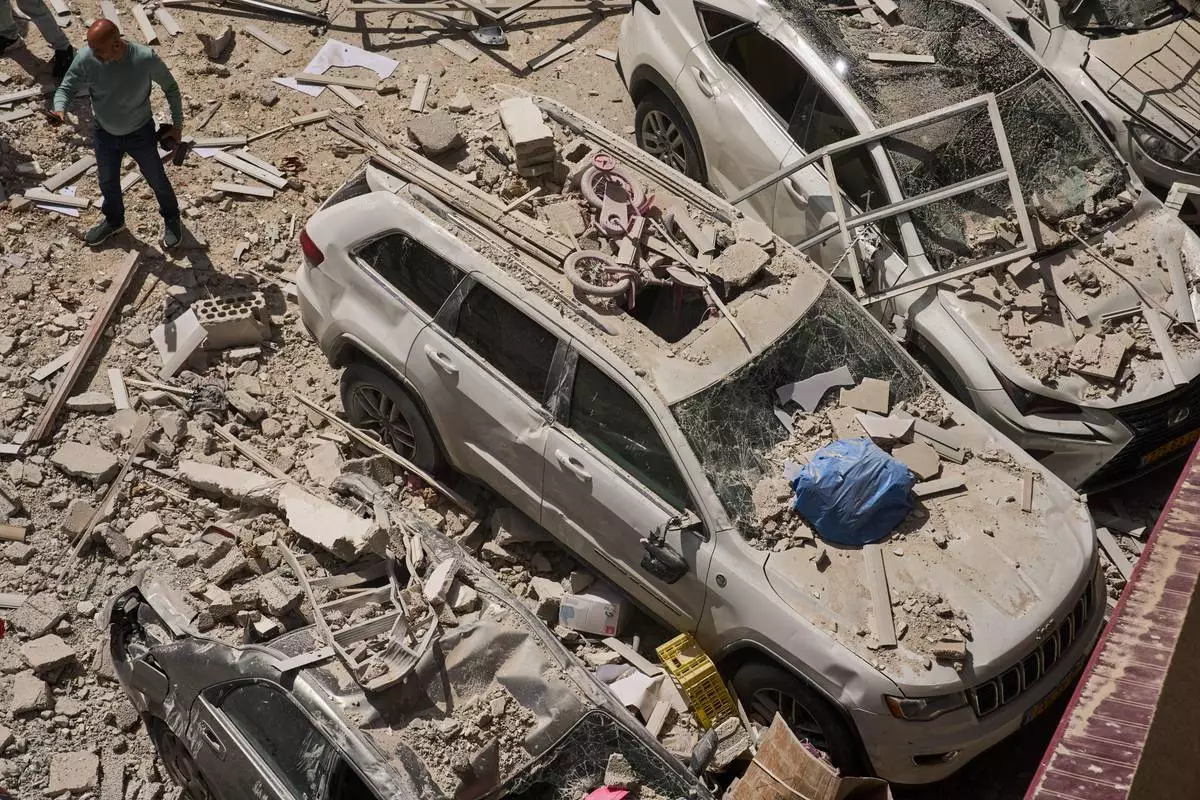
A man inspects the damage to cars and an apartment building struck by an Iranian missile in Ramat Gan, Israel, Monday, April 6, 2026. (AP Photo/Oded Balilty)
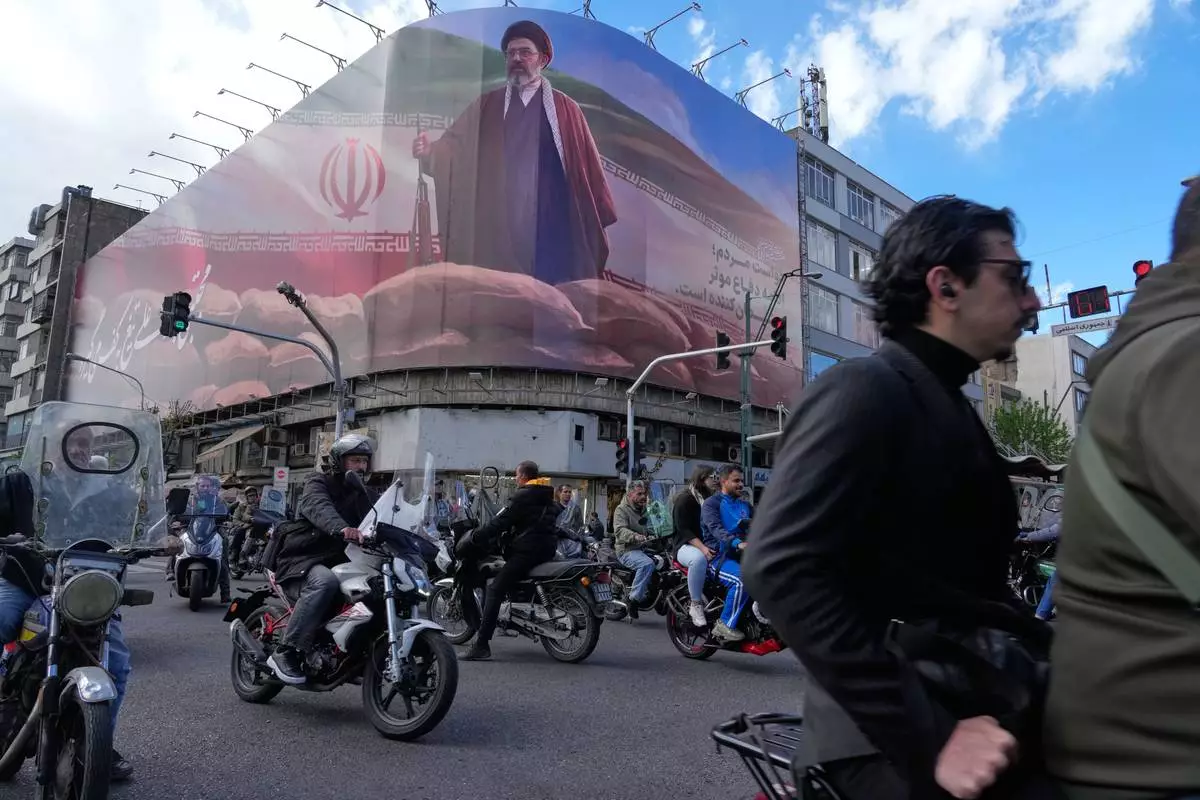
People drive their motorbikes past a billboard that shows a graphic depicting Iran's Supreme Leader Ayatollah Mojtaba Khamenei in downtown Tehran, Iran, Monday, April 6, 2026. (AP Photo/Vahid Salemi)
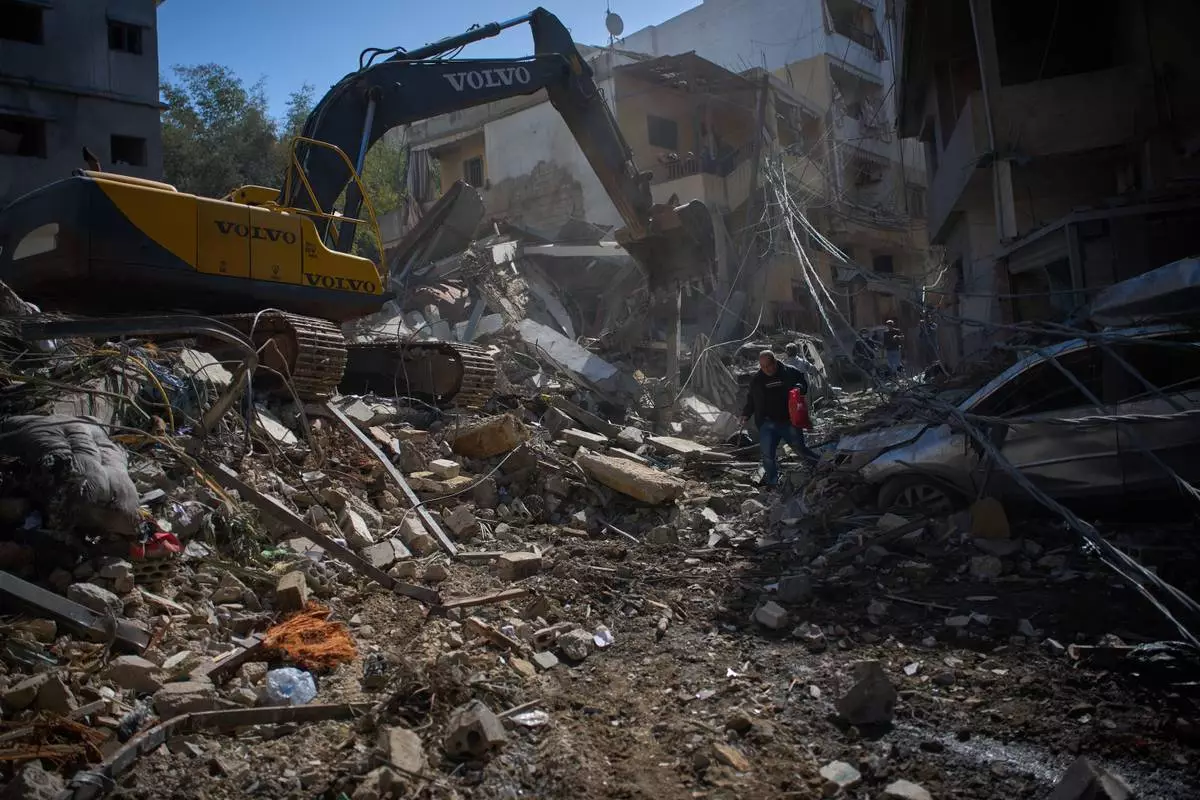
An excavator works removing the rubble as people walk at the site of Sunday's Israeli strike on a building in Beirut's Jnah neighborhood, Lebanon, Monday, April 6, 2026. (AP Photo/Emilio Morenatti)

President Donald Trump departs after speaking with reporters in the James Brady Press Briefing Room at the White House, Monday, April 6, 2026, in Washington. (AP Photo/Alex Brandon)
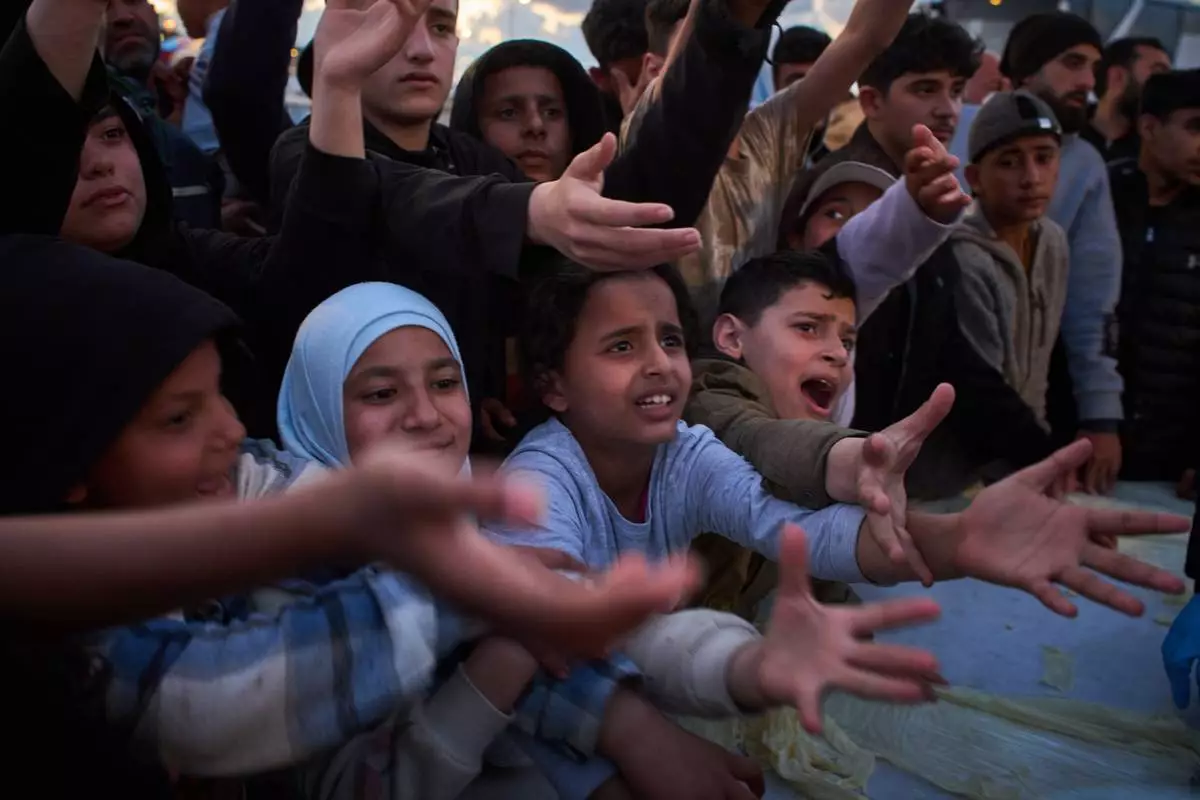
Displaced people wait to receive donated food beside the tents they use as shelters after fleeing Israeli bombardment in southern Lebanon, in Beirut, Lebanon, Monday, April 6, 2026. (AP Photo/Emilio Morenatti)