The United Nations Security Council on Tuesday failed to adopt a draft resolution on the Strait of Hormuz.
The draft resolution "strongly encourages" states interested in the use of commercial maritime routes in the Strait of Hormuz to coordinate efforts of a defensive nature to contribute to ensuring the safety and security of navigation across the Strait of Hormuz, including through the escort of merchant and commercial vessels.
Eleven members of the Security Council voted in favor of the draft resolution, China and Russia voted against it, while Colombia and Pakistan abstained.
The draft resolution was proposed by Bahrain in coordination with fellow Gulf Cooperation Council members Kuwait, Oman, Qatar, Saudi Arabia and the United Arab Emirates, as well as with Jordan.
In his explanation of the vote, China's permanent representative to the United Nations Fu Cong said the draft resolution failed to capture the root causes and the full picture of the conflict in a comprehensive and balanced manner.
Vassily Nebenzia, Russia's permanent representative to the United Nations, said the draft resolution presented Iranian actions as the sole source of regional tensions, while illegal attacks by the United States and Israel against Iran were "not mentioned at all."
Iran's permanent representative to the United Nations Amir Saeid Iravani said the draft seeks "to punish the victim for defending its sovereignty and vital national interests in the Persian Gulf and the Strait of Hormuz, while providing political and legal cover for further unlawful acts by the aggressors."
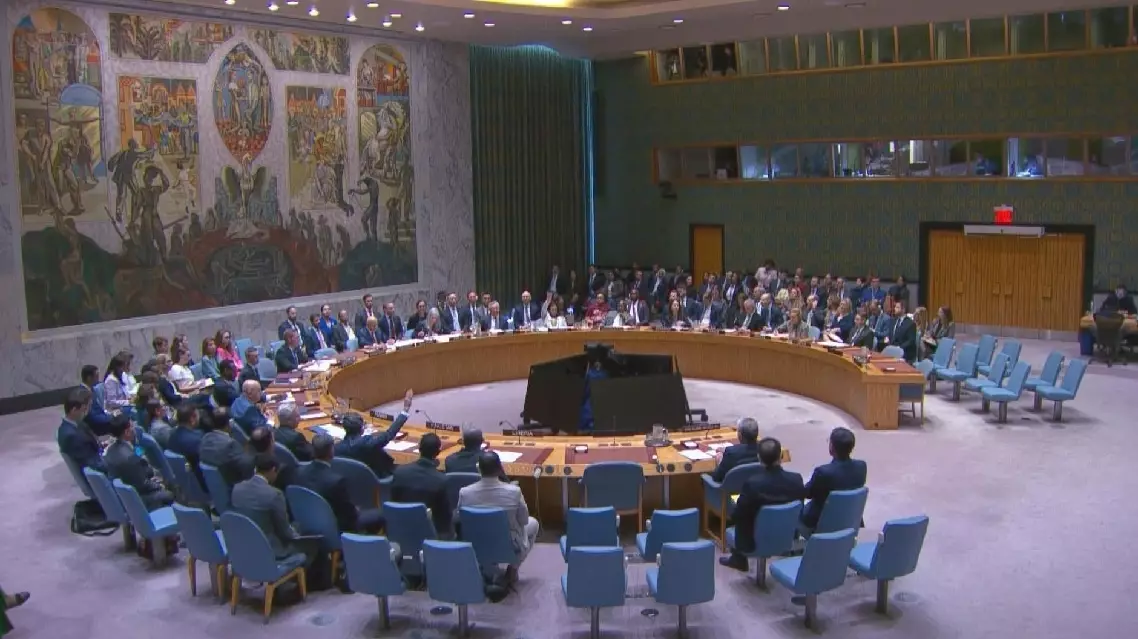
UN Security Council fails to adopt draft resolution on Strait of Hormuz
Preliminary findings indicate that Israeli tank fire and a Hezbollah explosive were likely responsible for the deaths of three Indonesian peacekeepers in Lebanon last week, a UN spokesperson said at a daily briefing on Tuesday.
The UN Interim Force in Lebanon (UNIFIL) shared the initial findings of its inquiry with the governments of Indonesia, Israel and Lebanon, said Stephane Dujarric, chief spokesman for UN Secretary-General Antonio Guterres.
He said these are preliminary findings based on initial physical evidence, adding that a full UN investigation continues.
The spokesman said that all actors must fulfill their obligations to ensure the safety and security of peacekeepers at all times. The inviolability of UN installations must be respected.
"These incidents are unacceptable. We have requested with the relevant parties that the cases be investigated and prosecuted by national authorities to bring the perpetrators to justice and ensure criminal accountability for crimes against peacekeepers. Attacks on United Nations peacekeepers may constitute war crimes under international law," said Dujarric.
The three Indonesian peacekeepers were killed in two separate incidents in southern Lebanon in late March. A UN investigation determined that one died when Israeli tank fire struck a UNIFIL position on March 29. The next day, two others were killed when an explosion of unknown origin destroyed their vehicle in a logistics convoy near Bani Hayyan. Initial findings pointed to a roadside blast.
UNIFIL paid tribute to the life and work of the fallen peacekeepers in an April 2 ceremony at Rafik Hariri International Airport, Beirut, before their remains were repatriated.
The three peacekeepers were posthumously awarded medals in recognition of their dedicated service to UNIFIL's mission in southern Lebanon.
On Saturday, the remains of the three fallen Indonesian peacekeepers arrived at Soekarno-Hatta International Airport where they were received with honors by Indonesian President Prabowo Subianto before being transferred to their respective hometowns for final rites.
The secretary-general earlier condemned the killings, extended his deepest condolences to the families of the fallen peacekeepers and to the government of Indonesia, while expressing appreciation for the courage and service of all men and women serving with UNIFIL.
The UN Security Council, which mandated the UNIFIL mission, also condemned the attacks in a statement, offering condolences to the victims' families and to Indonesia. Council members reaffirmed their full support for UNIFIL.
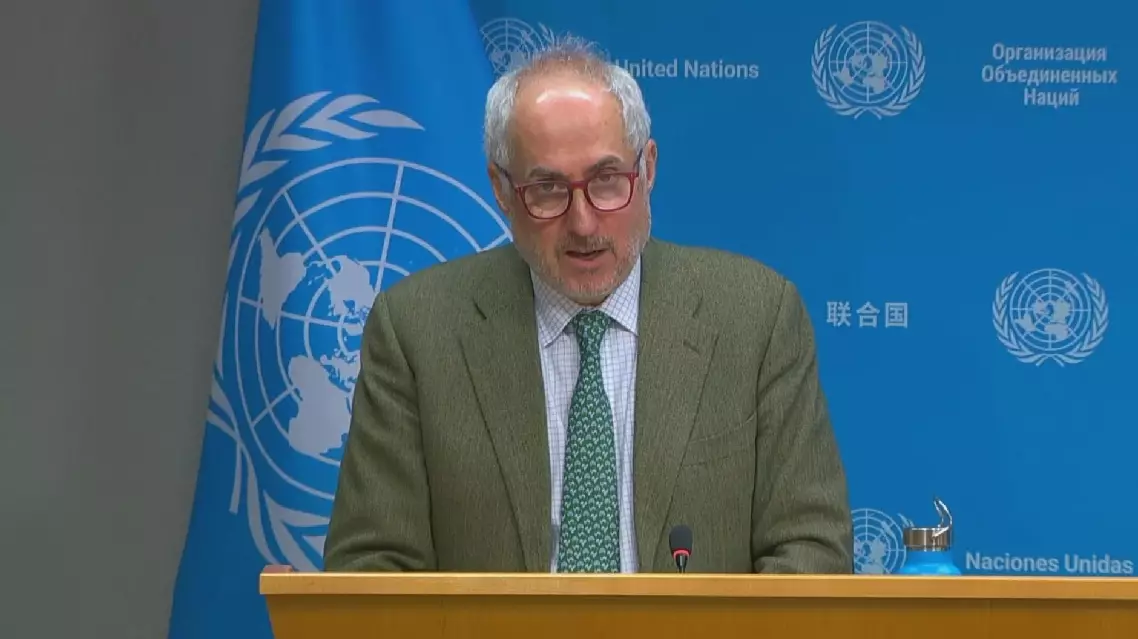
Israeli tank fire, Hezbollah explosive likely killed 3 UN peacekeepers in Lebanon: spokesperson