PITTSBURGH (AP) — The future the Pittsburgh Pirates once envisioned fully became the present on Tuesday night.
Paul Skenes on the mound. Konnor Griffin at shortstop. Two first-round picks drafted a year apart — Skenes in 2023, Griffin in 2024 — who have embraced the pressure that comes with being labeled the cornerstones of a franchise that appears intent on being taken seriously in 2026 and beyond.
For a tidy 2 hours, 29 minutes during a 7-1 victory over San Diego that gave the Pirates their sixth win in seven games, Skenes and Griffin took turns showcasing why Pittsburgh believes its decade-plus playoff drought could end this fall.
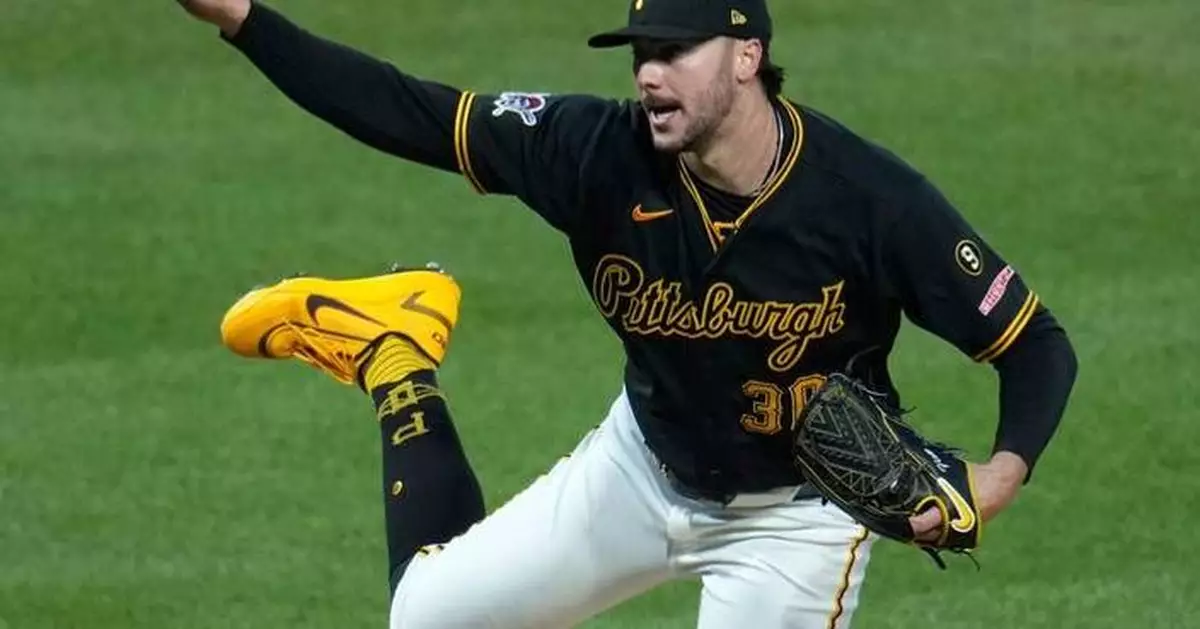
Skenes, the reigning NL Cy Young Award winner, struck out five of the first nine Padres he faced and didn't allow a hit until the sixth inning. Griffin, called up last Friday at just 19, beat out an infield single in the fifth, then nearly caught teammate Spencer Horwitz while racing from first to home on Oneil Cruz's two-run double that gave Skenes and three relievers all the offense they would need.
Griffin, whose night on defense included a laser throw to first to nail Fernando Tatis Jr. on a slow chopper, later tacked on a two-run single in the eighth for the first multi-hit game of his career.
Yes, it's early April. Yes, the season is not even two weeks old. Still, for a team that insisted from the moment it arrived in spring training that it was time to win — and made a couple of uncharacteristically aggressive moves in the offseason by trading for All-Star second baseman Brandon Lowe and signing All-Star outfielder/first baseman Ryan O'Hearn to a two-year deal in free agency — the early returns have been encouraging.
“We’re in a good spot,” Skenes said after improving to 2-1. “A lot of season to go, for sure, but the first couple of weeks have been pretty dang fun. ... I’m excited to see what it turns into because I don’t even think we’re playing our best baseball yet – which is scary to think about."
Skenes challenged the front office to get serious after a frustrating 2025 that was doomed by a miserable start that cost former manager Derek Shelton his job. The ace pitcher pledged to take on more of a leadership role, and the tone he sets has permeated a roster that's a mix of young homegrown talent and veterans in contract years with something to prove.
Griffin leaned into the opportunity to get an up-close look at Skenes while he kept the Padres off balance, taking another step forward following a forgettable opening-day start against the New York Mets in which he failed to make it out of the first inning.
“The way he competes on the mound, the way he fires us up in this clubhouse, we want to get runs for him because he’s going to dominate every time he goes out there,” Griffin said. "If we can just scratch some runs for him, then we’ll get him a win.”
Skenes, less than two years removed from arriving in the majors with outsized expectations of his own, has marveled at the way Griffin has deftly handled the attention that comes along when you're considered the No. 1 prospect in baseball, which Griffin was when he was called up on April 3.
Griffin provided a splash of adrenaline in his debut, lacing an RBI double in his first major league at-bat. An 0-for-13 stretch followed before Griffin raced down the line for an infield hit, and his two-run single in the eighth came after a hard-hit grounder in the seventh turned into a double play.
The setback didn't appear to rattle Griffin in the slightest, one of the many reasons the Pirates — who signed Griffin to a nine-year deal worth at least $140 million early Wednesday — are so bullish on him and why Skenes is optimistic about the direction the franchise is headed after years of feeling rudderless.
“It’s the player that we all know that he is and that he’s going to be,” Skenes said. "Sometimes, it takes a little bit to break out. It was nice to see today. It’s going to be exciting to watch.”
Skenes called Griffin, who turns 20 on April 24, “a big leaguer through and through.”
He's not the only one. Nick Gonzales, a first-round pick in 2020, played alongside Griffin at second base on Tuesday and at times couldn't help but shake his head.
“He’s a kid,” Gonzales said. “He’s doing things that I wish I could do. He hits the crap out of the ball. He’s mature beyond his age.”
And the Pirates might be — seven years into the top-down overhaul general manager Ben Cherington began methodically orchestrating when he took over in the fall of 2019 — contenders for the first time in a long time, with two players not old enough to rent a car without paying extra because they're still a ways away from their 25th birthdays at the center of it all.
It's a start.
AP MLB: https://apnews.com/hub/mlb
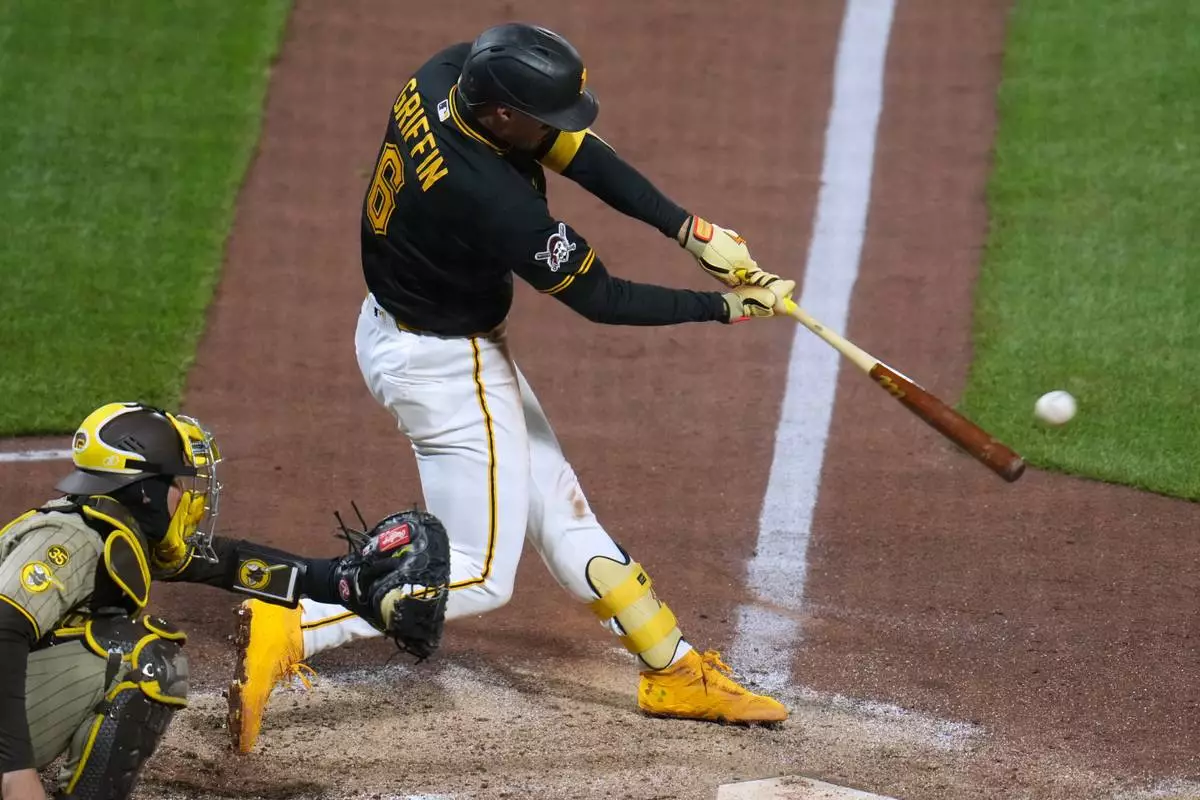
Pittsburgh Pirates' Konnor Griffin (6) singles off San Diego Padres pitcher Adrian Morejon, driving in two runs, during the eighth inning of a baseball game in Pittsburgh, Tuesday, April 7, 2026. (AP Photo/Gene J. Puskar)
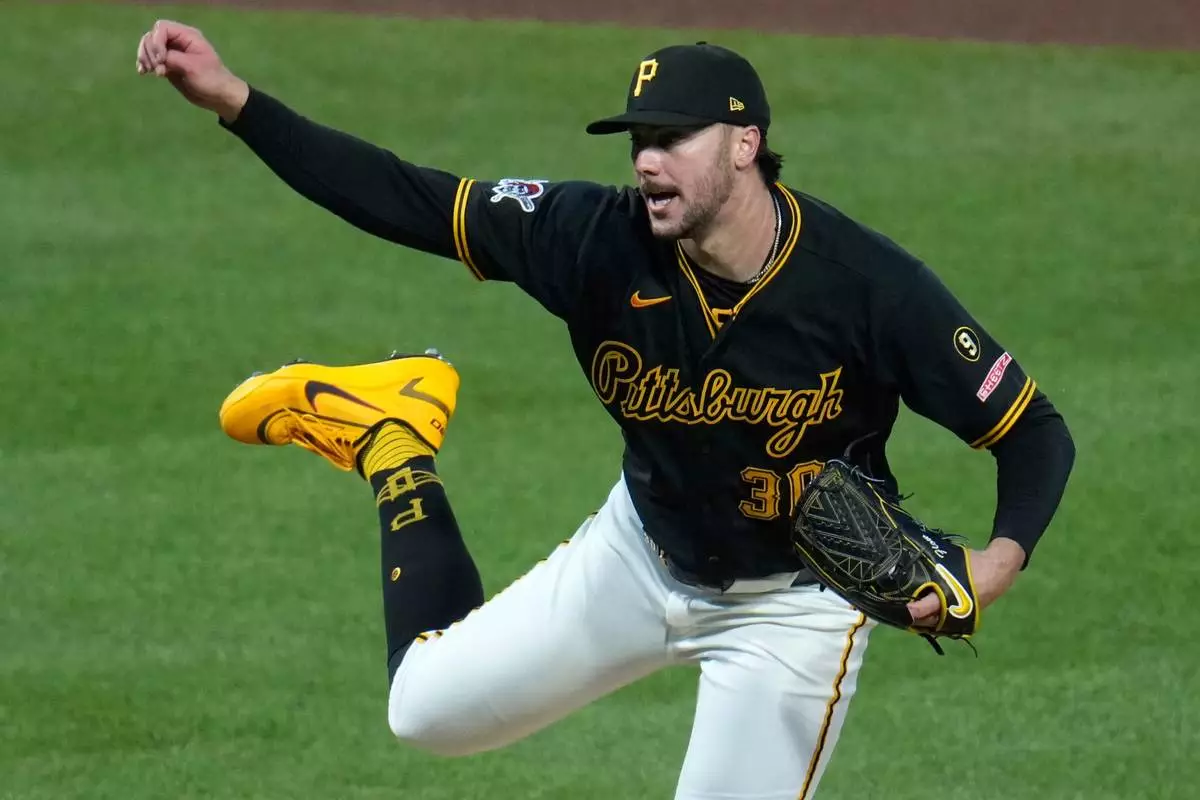
Pittsburgh Pirates pitcher Paul Skenes follows through on a pitch during the sixth inning of a baseball game against the San Diego Padres in Pittsburgh, Tuesday, April 7, 2026. (AP Photo/Gene J. Puskar)
TEHRAN, Iran (AP) — Iran, the United States and Israel agreed to a two-week ceasefire, an 11th-hour deal that headed off U.S. President Donald Trump's threat to unleash a bombing campaign that would destroy Iranian civilization. But hours after the announcement, Iran and Gulf Arab countries reported new attacks Wednesday.
It was not clear if the strikes would scuttle the deal, which U.S. Vice President JD Vance called “fragile.”
Even before the new attacks, much about the agreement was unclear as the sides presented vastly different visions of the terms.
— Iran said the deal would allow it to formalize its new practice of charging ships passing through the Strait of Hormuz, a crucial transit lane for oil, but the terms were not clear, nor was whether ships would feel safe using it. It also was unclear whether any other country agreed to this condition.
— Pakistan, which helped to mediate the deal, and others said fighting would pause in Lebanon, where Israel has launched a ground invasion against the Iran-backed Hezbollah militant group. Israel said it would not, and strikes hit Beirut on Wednesday.
— The fate of Iran's missile and nuclear programs — the elimination of which were major objectives for the U.S. and Israel in going to war — also remained unclear. Trump said the U.S. would work with Iran to remove buried enriched uranium, though Iran did not confirm that.
In the streets of Tehran, pro-government demonstrators screamed: “Death to America, death to Israel, death to compromisers!” after the ceasefire announcement and burned American and Israeli flags.
The chants underscored the anger animating hard-liners, who have been preparing for what many assumed would be an apocalyptic battle with the United States. Trump warned Tuesday that “a whole civilization will die tonight,” if a deal wasn’t reached.
Trump initially said Iran proposed a “workable” 10-point plan that could help end the war the U.S. launched with Israel on Feb. 28. But when a version in Farsi emerged that indicated Iran would be allowed to continue enriching uranium — which is key to building a nuclear weapon — Trump called it fraudulent without elaborating.
Vance later said the deal was being misrepresented within Iran, though he didn’t offer details.
Iran’s demands for ending the war, meanwhile, include a withdrawal of U.S. combat forces from the region, the lifting of sanctions, and the release of its frozen assets.
In his post Wednesday, Trump said: “We are, and will be, talking Tariff and Sanctions relief with Iran.”
It’s not clear if other Western nations would agree to that — and the other points are likely nonstarters.
Pakistan said that talks to hammer out a permanent end to the war could begin in Islamabad as soon as Friday.
Israel backed the U.S. ceasefire with Iran, but Prime Minister Benjamin Netanyahu said early Wednesday that the deal doesn’t cover fighting against Hezbollah. Israel’s military said later that fighting and ground operations continue.
Loud booms could be heard throughout Beirut on Wednesday, and smoke rose from several points. It was not immediately clear what was targeted.
Hezbollah has not confirmed if it will abide by the ceasefire, though the group has said it was open to giving mediators a chance to secure an agreement. An official, speaking on condition of anonymity because he was not authorized to comment publicly, said the group would not stop firing at Israel unless Israel agreed to do the same.
While Iran could not match the sophistication of U.S. and Israeli weaponry or their dominance in the air, its ability to control the Strait of Hormuz since the war began proved a tremendous strategic advantage: Iranian attacks and threats deterred many commercial ships from passing through the waterway, through which 20% of all traded oil and natural gas passes in peacetime.
That has roiled the world economy and raised the pressure on Trump both at home and abroad to find a way out of the standoff.
The ceasefire may formalize a system of charging fees in the strait that Iran instituted — and give it a new source of revenue.
The plan allows for both Iran and Oman to charge ships, according to a regional official who spoke on condition of anonymity to discuss negotiations they were directly involved in. The official said Iran would use the money it raised for reconstruction.
That would upend decades of precedent treating the strait as an international waterway that was free to transit and will likely not be acceptable to the Gulf Arab states, which also need to rebuild after repeated Iranian attacks targeting their oil fields.
Iranian Foreign Minister Abbas Araghchi said passage through the strait would be allowed under Iranian military management — further clouding the picture of who would be allowed to transit the waterway.
Trump, meanwhile, suggested American warships would be “hangin’ around” the strait. That could be a potential flashpoint in days to come.
News of the ceasefire drove oil prices down Wednesday, but they were still higher than before the start of the Iran war, a sign that uncertainty still persists about the conflict.
U.S.-Israeli strikes have battered Iran and its leadership, but they have not entirely eliminated the threats posed by Tehran's nuclear program, its ballistic missiles or its support for regional proxies, like Hezbollah. The U.S. and Israel said addressing those threats was a key justification for going to war.
Trump said Wednesday that the U.S. would work with Iran to “dig up and remove” enriched uranium that was buried under joint U.S-Israeli strikes in June. He added that none of the material had been touched since. Any retrieval is expected to be an intensive undertaking.
There was no confirmation from Iran on that.
Tehran insisted for years that its nuclear program was peaceful, although it enriched uranium up to 60% purity, a short, technical step from weapons-grade levels.
Iran referred to its nuclear program differently in two versions of the ceasefire plan that it released. The version in Farsi included the phrase “acceptance of enrichment” for its nuclear program. That phrase was missing in English versions shared by Iranian diplomats with journalists.
A senior Israeli official said the United States had coordinated the ceasefire with Israel in advance and said Israel’s government credited “the massive crushing of the regime’s infrastructure” with securing the agreement.
Speaking on condition of anonymity because they were discussing private diplomatic conversations, the official said Washington had committed to pressing for the removal of nuclear material and dismantling of Iran’s ballistic missile program.
Shortly after the ceasefire announcement, Bahrain, Israel, Kuwait, Saudi Arabia and the United Arab Emirates all issued warnings about incoming missiles from Iran. That fire stopped for a time, then hostilities appeared to restart.
An oil refinery on Iran’s Lavan Island came under attack, according to Iranian state television. Its report said that firefighters were working to contain the blaze but no one had been hurt. It did not say who launched the attack.
The island is home to one of the terminals that Iran uses to export oil and gas.
Lt. Col. Nadav Shoshani says the army wasn’t involved in the Lavan attack. The U.S. military’s Central Command did not respond to questions about the strike.
A short time later, the United Arab Emirates’ air defenses fired at an incoming Iranian missile barrage. Kuwait’s military forces, meanwhile, responded to an “extensive wave” of drone attacks.
More than 1,900 people had been killed in Iran as of late March, but the government has not updated the war’s toll for days.
In Lebanon, where Israel is fighting Iran-backed Hezbollah militants, more than 1,500 people have been killed. and 1 million people have been displaced. Eleven Israeli soldiers have died.
In Gulf Arab states and the occupied West Bank, more than two dozen people have died, while 23 have been reported dead in Israel, and 13 U.S. service members have been killed.
Gambrell reported from Dubai, United Arab Emirates, Magdy from Cairo and Metz from Ramallah, West Bank. Associated Press writers Edie Lederer at the United Nations, Natalie Melzer in Jerusalem, Abby Sewell in Beirut, and Michelle L. Price and Aamer Madhani in Washington contributed to this report.
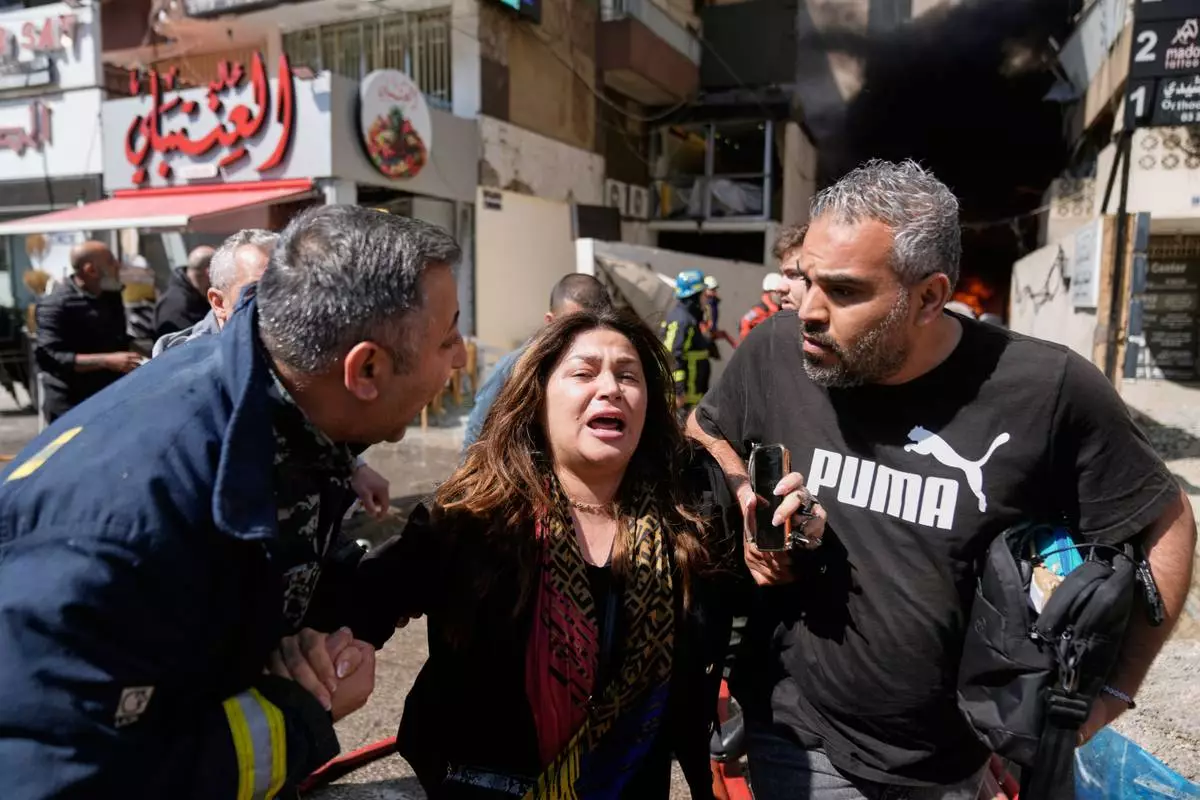
A woman is assisted at the site of an Israeli airstrike that struck an apartment building in Beirut, Lebanon, Wednesday, April 8, 2026. (AP Photo/Bilal Hussein)
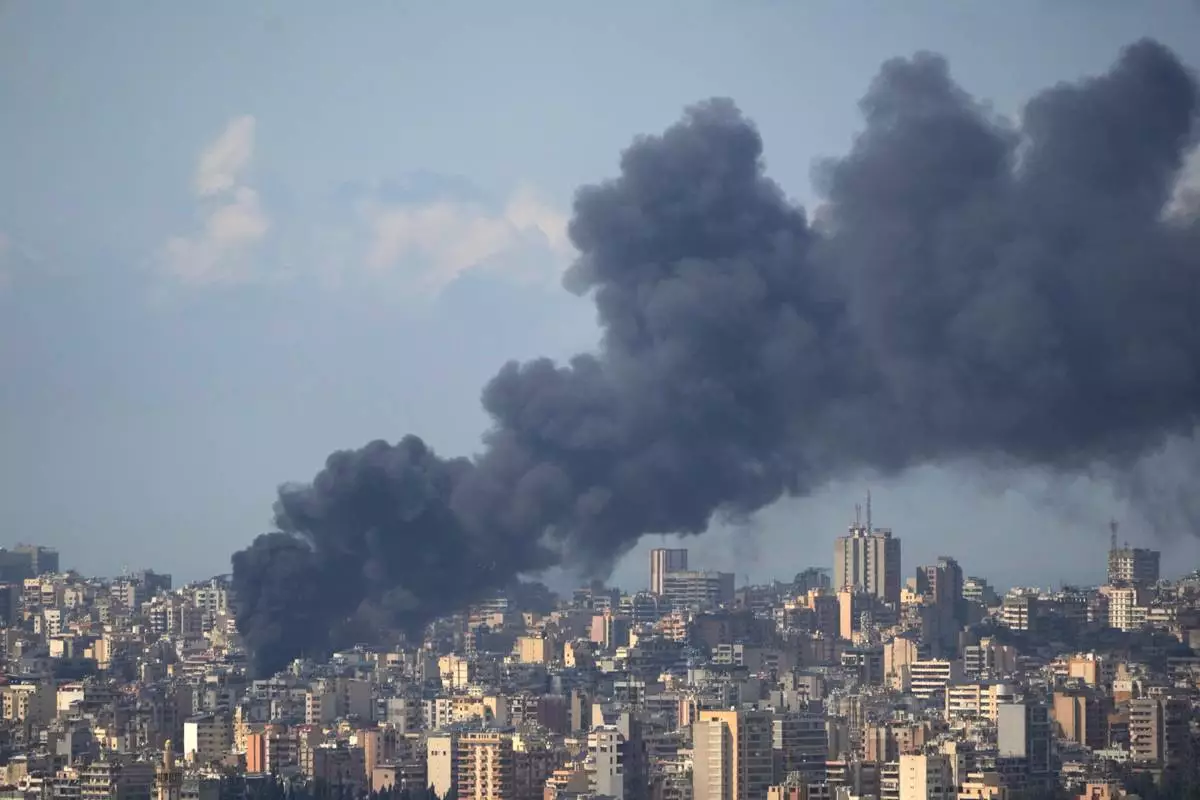
Smoke rises following an Israeli airstrike on a building in Beirut, Lebanon, Wednesday, April 8, 2026. (AP Photo/Hassan Ammar)

A man feeds birds on a street in Tel Aviv, Israel, after the announcement of a two-week ceasefire with Iran, Wednesday, April 8, 2026. (AP Photo/Oded Balilty)
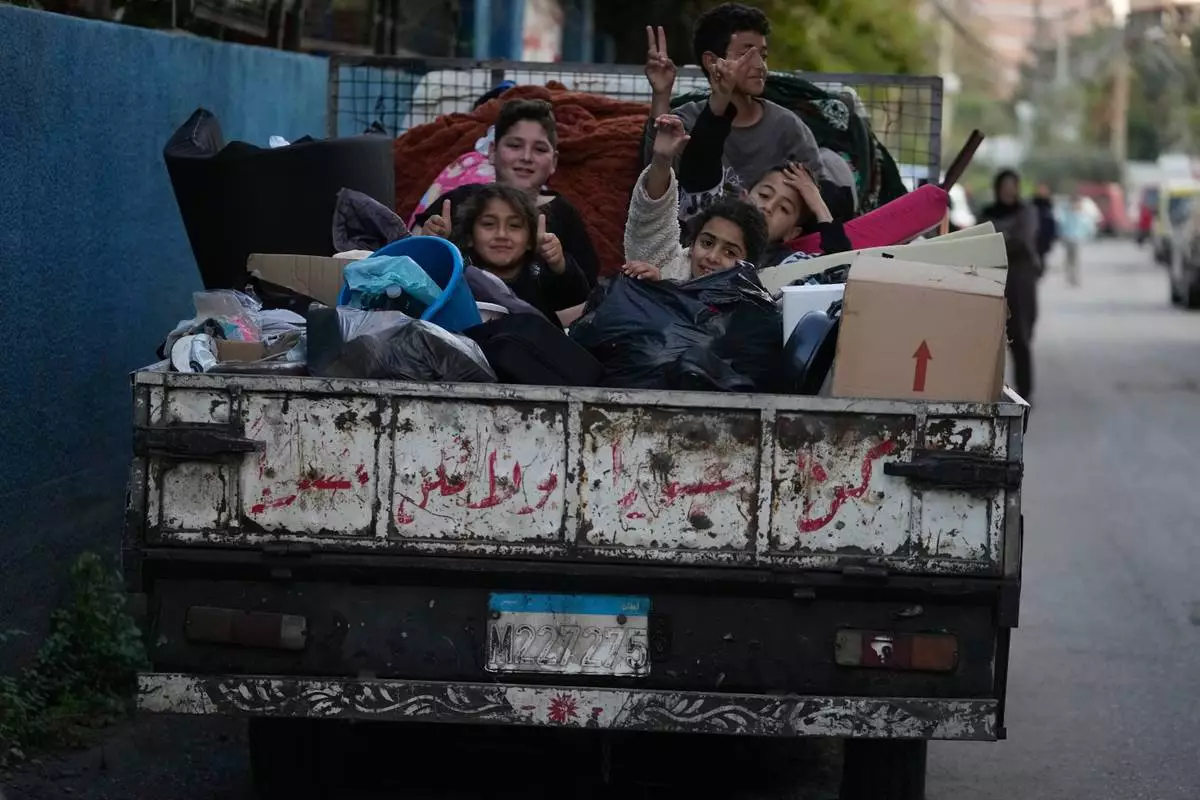
Displaced children sit on a truck with their packed belongings as they wait for an official ceasefire decision between Iran and the United States that they hope will include Lebanon and allow them to return to their villages, in the southern port city of Sidon, Lebanon, Wednesday, April 8, 2026. (AP Photo/Mohammed Zaatari)
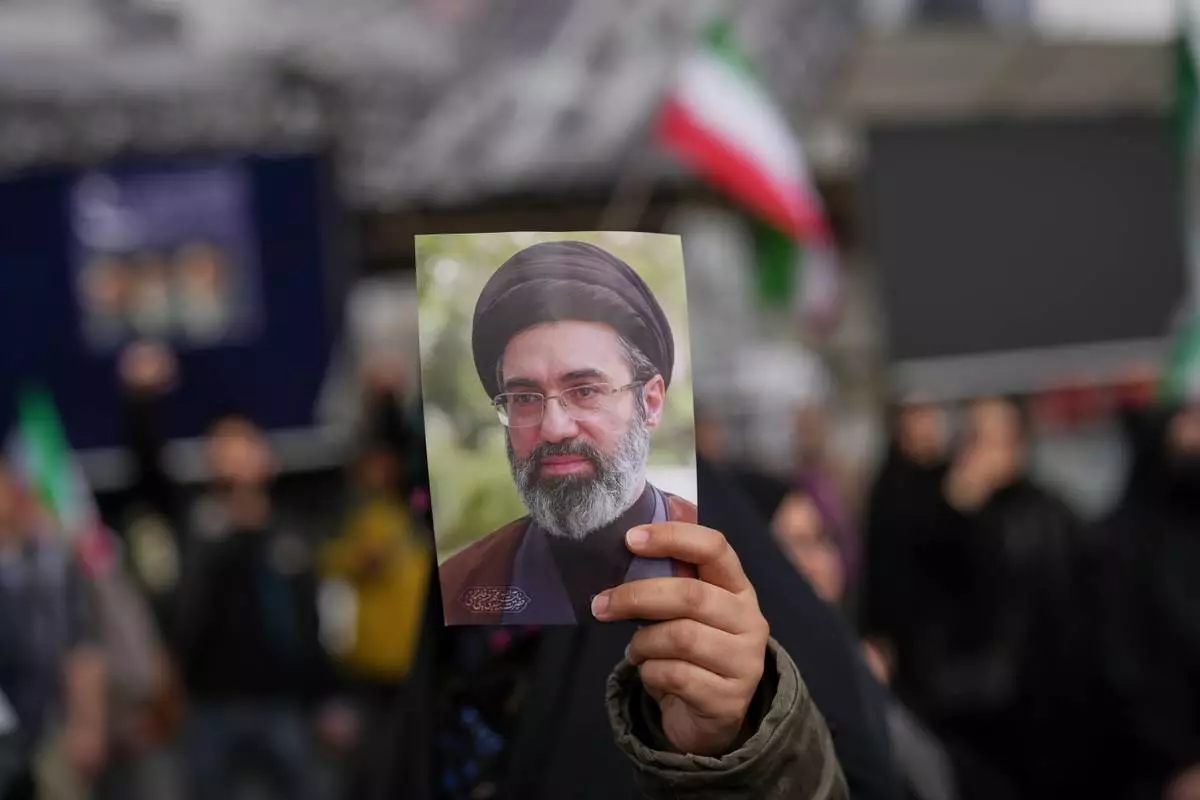
A demonstrator holds a picture of Iran's Supreme Leader Mojtaba Khamenei during a gathering after announcement of a two-week ceasefire with the United States and Israel, in Tehran, Iran, Wednesday, April 8, 2026. (AP Photo/Francisco Seco)
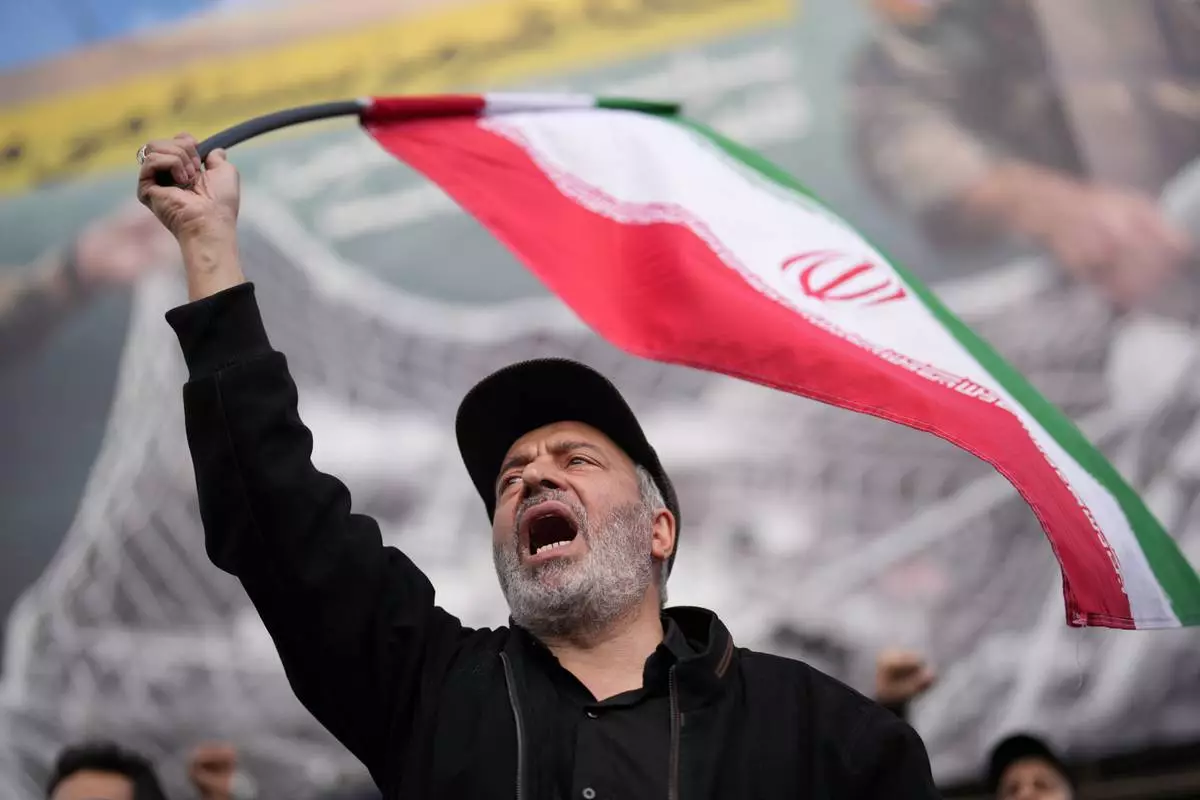
A government supporter chants slogans during a gathering after the announcement of a two-week ceasefire with the United States and Israel in Tehran, Iran, Wednesday, April 8, 2026. (AP Photo/Francisco Seco)
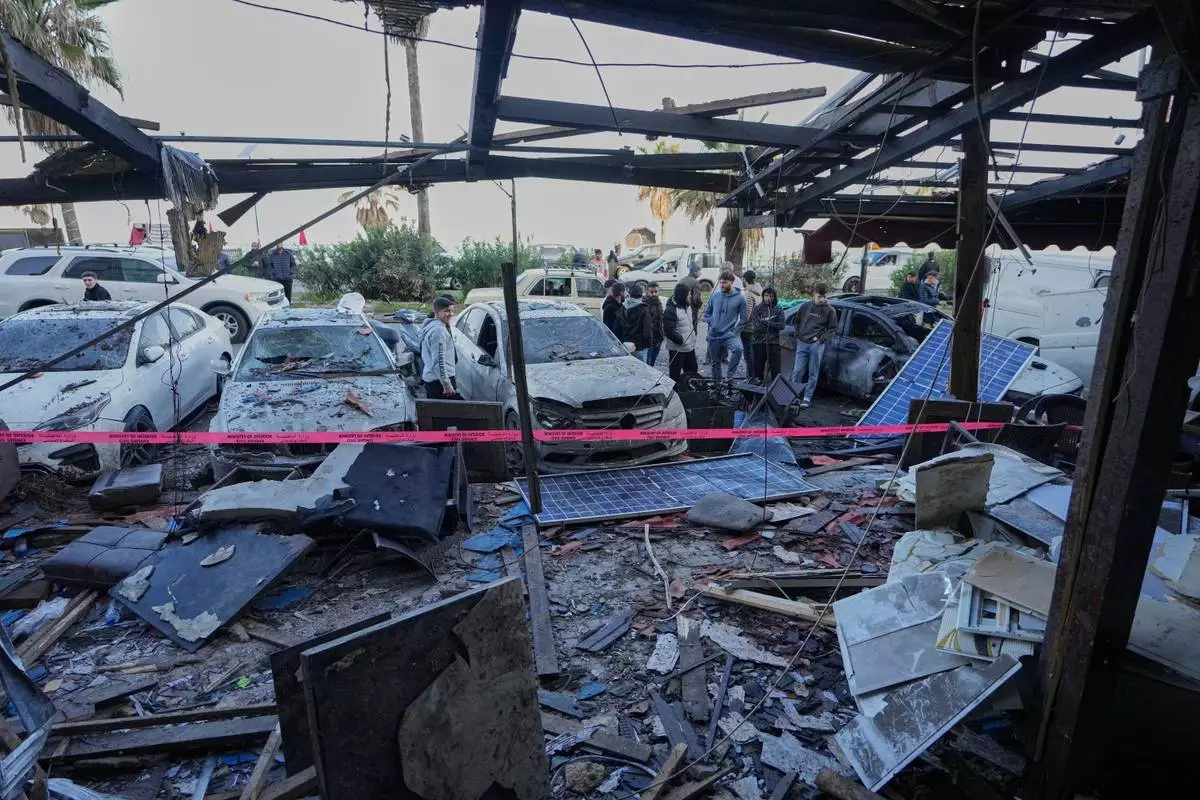
People check the damage of a coffeeshop at the site of an Israeli strike in the southern port city of Sidon, Lebanon, Wednesday, April, 8, 2026. (AP Photo/Mohammed Zaatari)
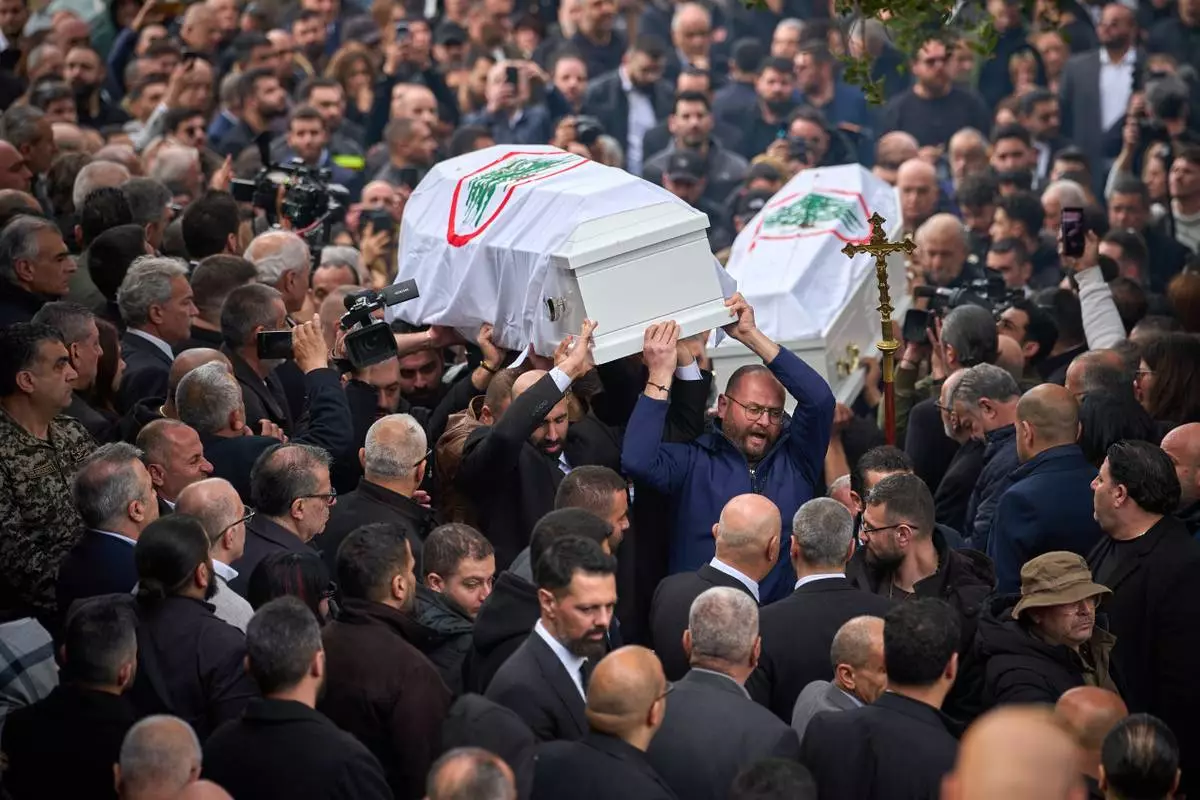
Men carry the coffins with the bodies of Pierre Mouawad, an official with the anti-Hezbollah Lebanese Forces party, and his wife during their funeral in Yahshush, Lebanon, Tuesday, April 7, 2026. (AP Photo/Emilio Morenatti)
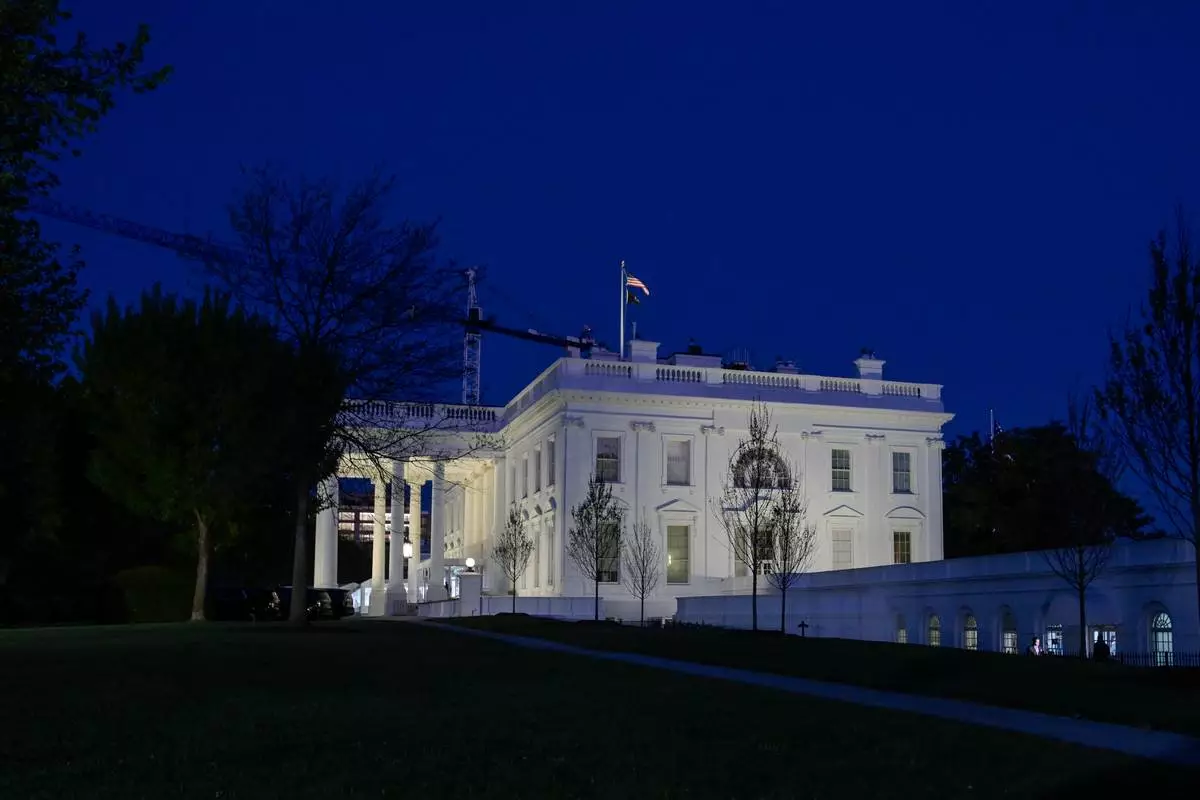
The White House is seen in Washington, Tuesday, April 7, 2026, at 8:00 p.m. EDT. (AP Photo/Rod Lamkey, Jr.)
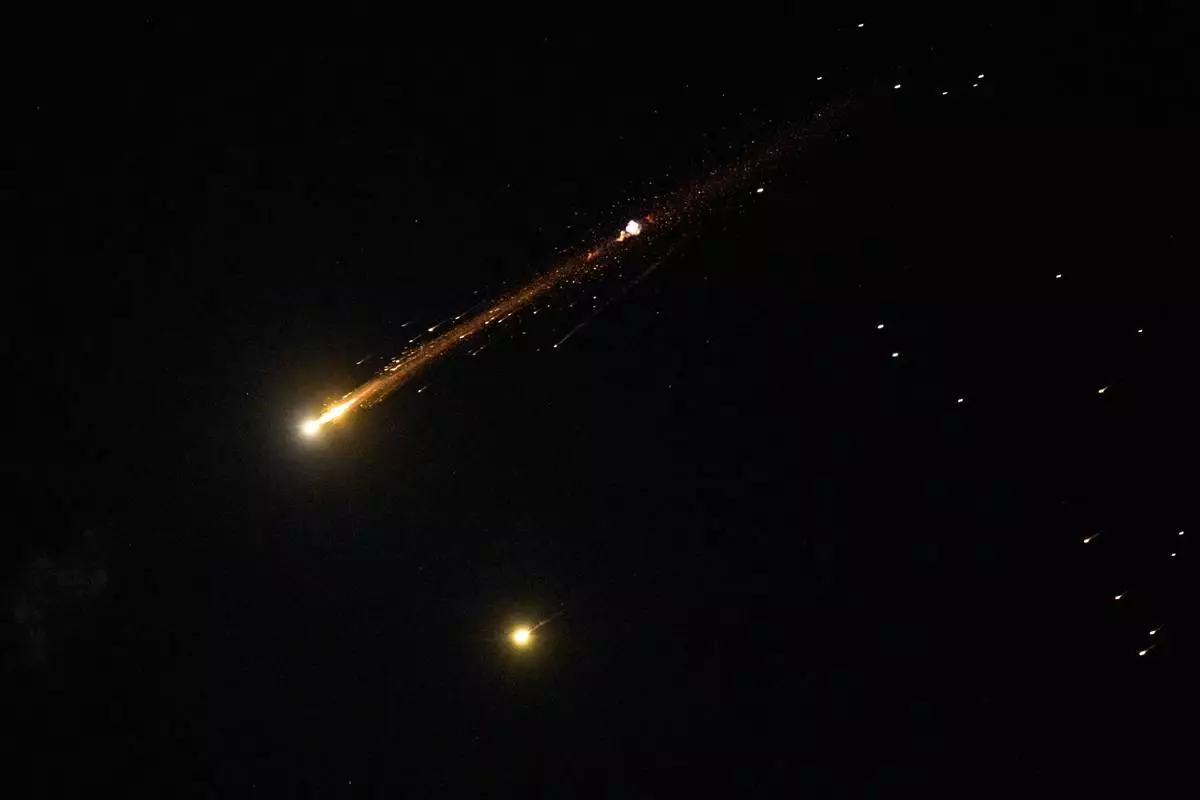
An Iranian cluster munition missile explodes in the sky over northern Israel, Wednesday, April 8, 2026. (AP Photo/Ariel Schalit)
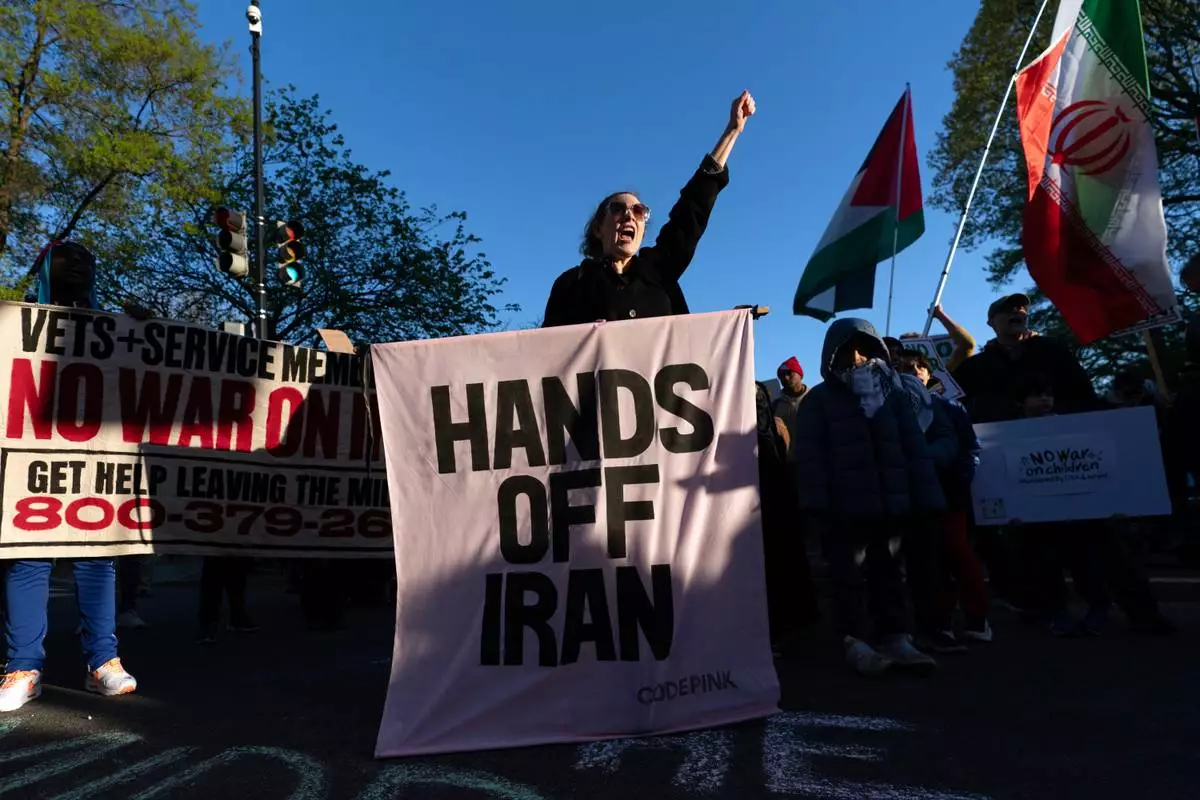
Activists protest near the White House in Washington, Tuesday evening, April 7, 2026. (AP Photo/Jose Luis Magana)
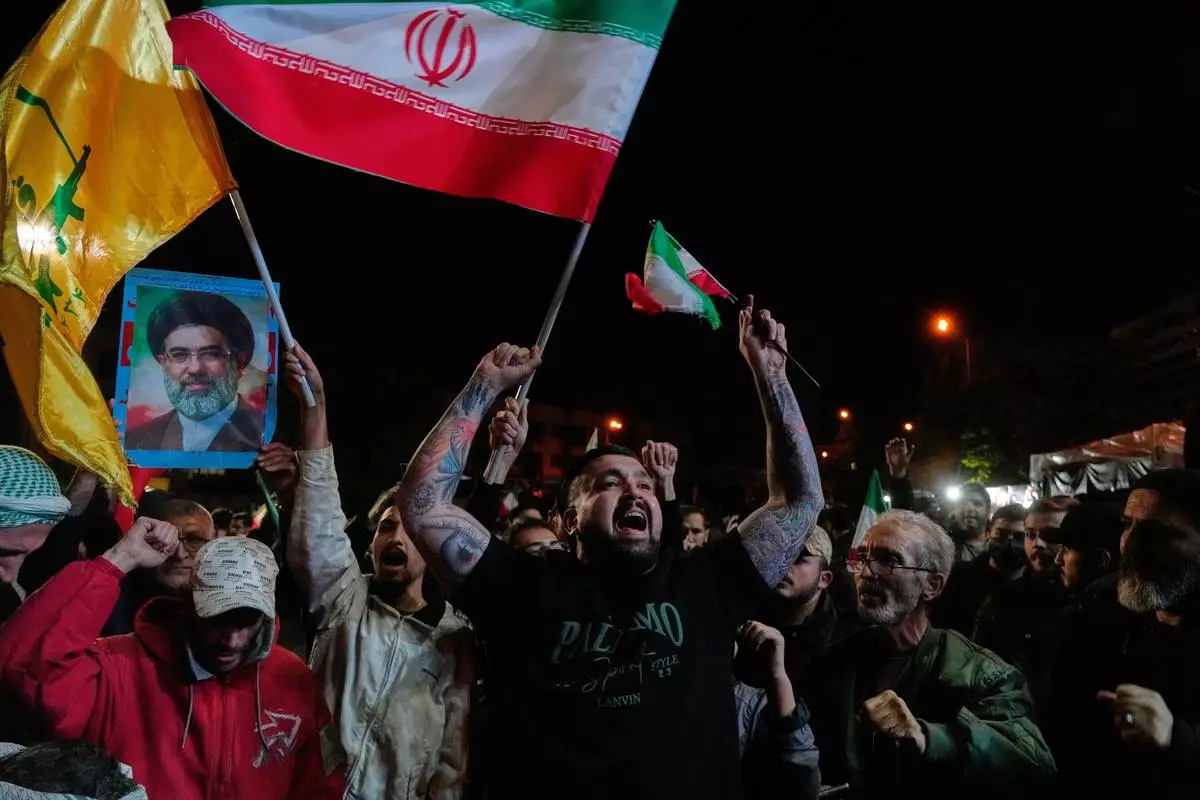
Pro-government demonstrators chant slogans as they hold Iranian flags and a poster of the Supreme Leader Ayatollah Mojtaba Khamenei in a gathering after announcement of a two-week ceasefire in the war with the United States and Israel, at the Enqelab-e-Eslami, or Islamic Revolution, Square, in Tehran, Iran, Wednesday, April 8, 2026. (AP Photo/Vahid Salemi)