CHP investigates cluster of Carbapenemase-producing Enterobacteriaceae carrier cases
The Centre for Health Protection (CHP) of the Department of Health is today (April 9) investigating a cluster of Carbapenemase-producing Enterobacteriaceae (CPE) carrier cases involving six residents of a residential care home for the elderly (RCHE). The CHP reminded all RCHEs to implement measures for the detection, prevention and control of infectious diseases in accordance with the Guidelines on Prevention of Communicable Diseasesin RCHE(the Guidelines).
The CHP received a notification from the Hospital Authority (HA) that two residents living on the same floor of the RCHE in Wong Tai Sin District had recently been admitted to a public hospital for treatment due to their underlying illnesses. Their admission screening samples tested positive for CPE upon laboratory testing. Following the HA's notification, the CHP immediately conducted an epidemiological investigation and contact tracing. Four additional carrier cases were subsequently identified. All six residents (four males and two females aged between 67 and 95) are carriers who exhibited no symptoms associated with CPE infection. They are in stable condition. The CHP cannot rule out the possibility that there were undetected carriers at the RCHE earlier, which could have led to transmission within the RCHE through the contaminated environment and sharing of items.
Staff of the CHP inspected the RCHE and reminded the management to strictly adhere to the Guidelines on proper nursing procedures, thorough cleaning and disinfection of the environment, and ensuring good hand hygiene among staff and residents.The CHP also suggested that the RCHE cohort the carriers in the same area and ensure provision of adequate hand-washing facilities.
The CHP will continue to investigate the cluster and conduct another round of screening at the RCHE concerned to determine whether there are any other CPE-carriers. The CHP will also put the RCHE under medical surveillance.
Enterobacteriaceae (such as Escherichia coli andKlebsiella) are common pathogens that can cause infections in various parts of the body, including urinary tract infections, intra-abdominal infections or blood infection. CPE are enterobacteriaceae that produce carbapenemase, an enzyme that can deactivate carbapenems and other beta-lactam antibiotics such as penicillins. These bacteria are commonly resistant to multiple antibiotics, limiting therapeutic options, and may render severe clinical infections difficult to treat. The range of diseases associated with CPE varies from asymptomatic carriage to potentially life-threatening or fatal infections. The level of risk depends on which part of the body is affected by the infection and the patient's general health.
The proper use of antibiotics and maintaining good personal and environmental hygiene, especially hand hygiene, are important for preventing the emergence and cross-transmission of multi-drug resistant organisms (MDROs), such as CPE. In addition, susceptible individuals such as the elderly, infants, young children, people with weakened immunity and pregnant women can reduce their risk of contracting MDROs by avoiding raw or under-cooked foods.
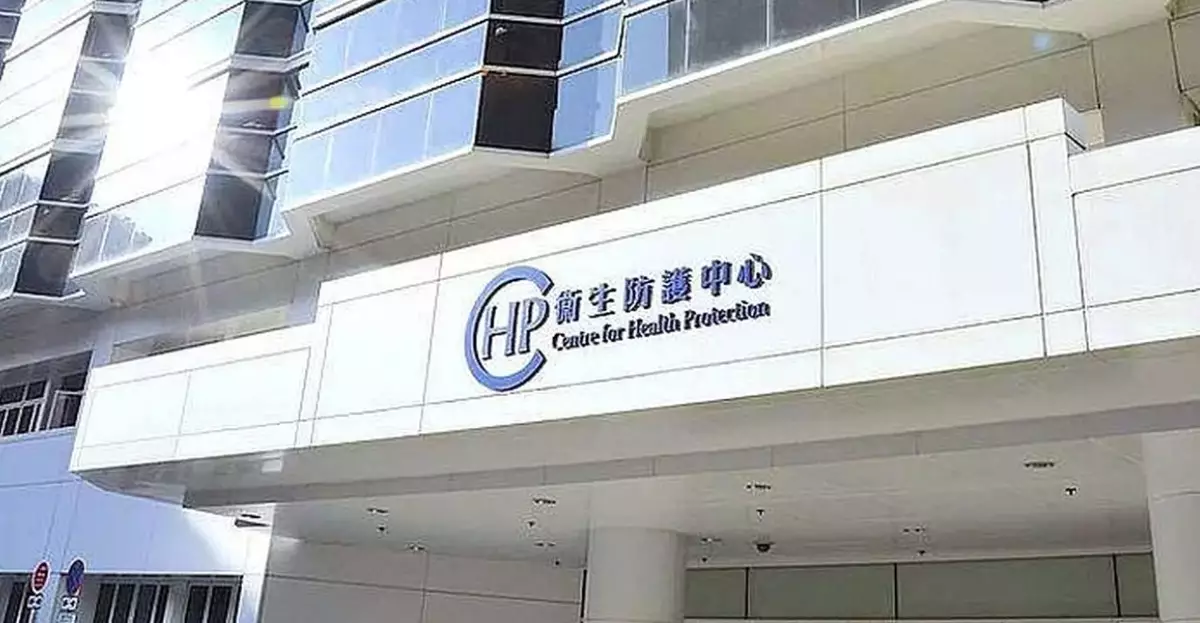
The Centre for Health Protection (CHP), Photo source: reference image
Government announces short-term targeted measures to address rising fuel prices
The Chief Executive, Mr John Lee, chaired a special meeting today (April 9) and was briefed by the Inter-departmental Task Force on Monitoring Fuel Supply (the Task Force), which was earlier established by the Hong Kong Special Administrative Region (HKSAR) Government in response to the conflict in the Middle East region. The fluctuations in international oil prices and their impact on Hong Kong's overall economy, trade and various industries, as well as the Government's work and recommendations, were reported.
In view of the outbreak of the conflict in the Middle East region, the Chief Executive has earlier directed the establishment of the Task Force to monitor and assess geopolitical changes and fuel supply and prices, to ensure the stability of Hong Kong's energy supply, and to examine the impact of oil price fluctuations on various industries. The Task Force is led by the Financial Secretary, and its members include the Deputy Financial Secretary, the Secretary for Financial Services and the Treasury, the Secretary for Environment and Ecology, the Secretary for Commerce and Economic Development, the Secretary for Transport and Logistics, the Government Economist, and the Chairman of the Competition Commission.
The Acting Financial Secretary, Mr Michael Wong, briefed the Chief Executive at the meeting on the local fuel supply situation and the trend movements of international energy price, as well as the measures already taken by the HKSAR Government. The key points of the briefing and related measures are as follows:
(1) Ensure a robust energy supply. Currently, around 80 per cent of Hong Kong's oil products come from the Chinese Mainland. The HKSAR Government has maintained close communication with the Central Government and various Mainland authorities to ensure that Hong Kong's energy supply remains stable with the country's support.
(2) Request local stakeholders to maintain a stable fuel supply. The Environment and Ecology Bureau (EEB) has met with major local auto-fuel suppliers, requesting them to maintain a stable auto-fuel supply in Hong Kong. All suppliers indicated that the auto-fuel supply in Hong Kong is currently normal and that they will continue to strive to maintain a stable supply. The EEB has also confirmed with the two power companies and the Hong Kong and China Gas Company Limited that the fuel supplies for electricity and town gas production remains normal.
(3) Facilitate the public to monitor changes of local retail auto-fuel prices. Starting from April 1, the EEB releases, on a weekly basis, the trend movements of the seven-day moving average retail prices, after walk-in discounts, of unleaded petrol and diesel from local oil companies, together with the trends in international benchmark prices of refined oil products for the same period, to enhance the transparency of market and price. The Competition Commission has also met with the fuel companies, emphasising the importance of fair competition and information transparency. The Competition Commission will continue to closely monitor the market for any instances of price collusion or unfair competition to ensure fair market operations.
(4) Continue to closely monitor the international situation and energy price trends. The situation in the Middle East has driven up international oil prices. The price of crude oil at one point surged to nearly US$120 per barrel. As the situation has developed further this week, crude oil prices have shown a gradual decline. However, the price of refined oil remained high, and the market is closely monitoring the latest developments in the Middle East.
The Task Force recommended that in formulating support measures, the Government shall have regard to the following principles:
(1) Given that fluctuations in crude oil prices have a broad impact across society and considering the Government's fiscal constraints, priority should be given to the operational sectors that are most severely affected and that involve public services;
(2) If the service prices of the operational sectors are subject to regulatory approvals by the Government, these matters shall be addressed through the existing approval mechanism;
(3) The use of private vehicles for self-use, being a matter of personal decision with alternative options available, shall not be considered a primary priority;
(4) Given the unpredictability of the military conflict and the ongoing ceasefire negotiations, any support measures shall be temporary and short-term in nature, so as to avoid creating risks to public finances; and
(5) It is considered that public transport services (including franchised and non-franchised buses, minibuses and ferries) as well as school buses and residential buses, whose operating costs are highly susceptible to fluctuations in diesel prices, should be regarded as priority sectors for consideration of support.
As the short-term trajectory of oil prices remains uncertain, the Task Force, after considering the above principles and prudently balancing various factors, including the Government's fiscal position and the principle of prudent use of public funds, recommends implementing four targeted temporary measures. They are:
(1) Subsidising diesel prices to alleviate the impact of high oil prices on public services provided by relevant industries. Although international crude oil prices have slightly receded recently, the pump prices of motor vehicle diesel remains high, and the future price movements is highly uncertain. This has placed an additional burden on commercial vehicles (including trucks, franchised and non-franchised buses, and minibuses) and vessels (including ferries, passenger ships, work boats and fishing vessels) that mainly run on diesel, exerting a substantial impact on the economy and people's livelihood. Therefore, the Task Force has proposed a two-month subsidy of HK$3 per litre of diesel to support public and commercial vehicles and vessels and related industries that use diesel as fuel, with a view to reducing their operating costs and alleviating pressure to raise prices. The relevant subsidy measures is estimated to cost approximately HK$1.8 billion. The EEB will work with the Competition Commission to monitor the pricing practices of each fuel company to ensure that they do not take advantage of the occasion.
As for the majority of taxis and public light buses, they primarily use liquefied petroleum gas (LPG) as fuel, the price of which currently remains stable. The Task Force will continue to monitor price movements and consider the matter further where appropriate.
(2) Tunnel toll reduction for non-private cars. The government will reduce tunnel tolls by 50 per cent for all commercial vehicles (including goods vehicles, buses, minibuses, and taxis) using government-operated toll tunnels, excluding private cars and motorcycles. The measure will last for two months and is expected to result in a revenue reduction of approximately HK$160 million. The government will work with toll service providers to adjust the toll collection systems in order to implement the reduction as soon as possible.
(3) Establishing a Working Group on Public Transport Service Special Applications to expedite and assist public transport operators (including public buses and ferries) in their applications relating to responding flexibly to rising fuel costs
The Task Force recommends establishing a Working Group on Public Transport Service Special Applications under its purview. The Working Group will maintain communication with public transport service operators. Taking into account the overall operating environment, operators' costs, and public affordability, while maintaining the stability and normal operations of public transport services, the Working Group will assist in expediting the approval of relevant applications submitted by public transport operators in response to rising fuel costs. This includes considering ways to enhance overall operational efficiency through service integration and introducing energy-saving measures. The Working Group will be chaired by the Secretary for Transport and Logistics, with the Secretary for Environment and Ecology as deputy chair. Members include the Commissioner for Transport and the Government Economist.
(4) Dynamically monitoring the evolving situation and changes in oil prices, and adjusting measures according to actual circumstances
The impact of the situation in the Middle East on Hong Kong's overall economy largely depends on whether the military conflict continues, expands, or escalates. The Task Force will continue to conduct dynamic assessments, co-ordinate bureaux and departments to prepare contingency plans, and formulate forward-looking strategies. The Task Force will also study different measures to alleviate the impact of rising oil prices.
The Chief Executive has accepted the four recommendations of the Task Force and has instructed the Task Force to implement the measures as soon as possible, while continuing to monitor developments and the latest situation.
The relevant subsidy measure requires the funding approval by the Finance Committee of the Legislative Council (LegCo). The Government will liaise with the LegCo with a view to scheduling a meeting under the Finance Committee as soon as possible so as to facilitate the early implementation of the concerned measure.
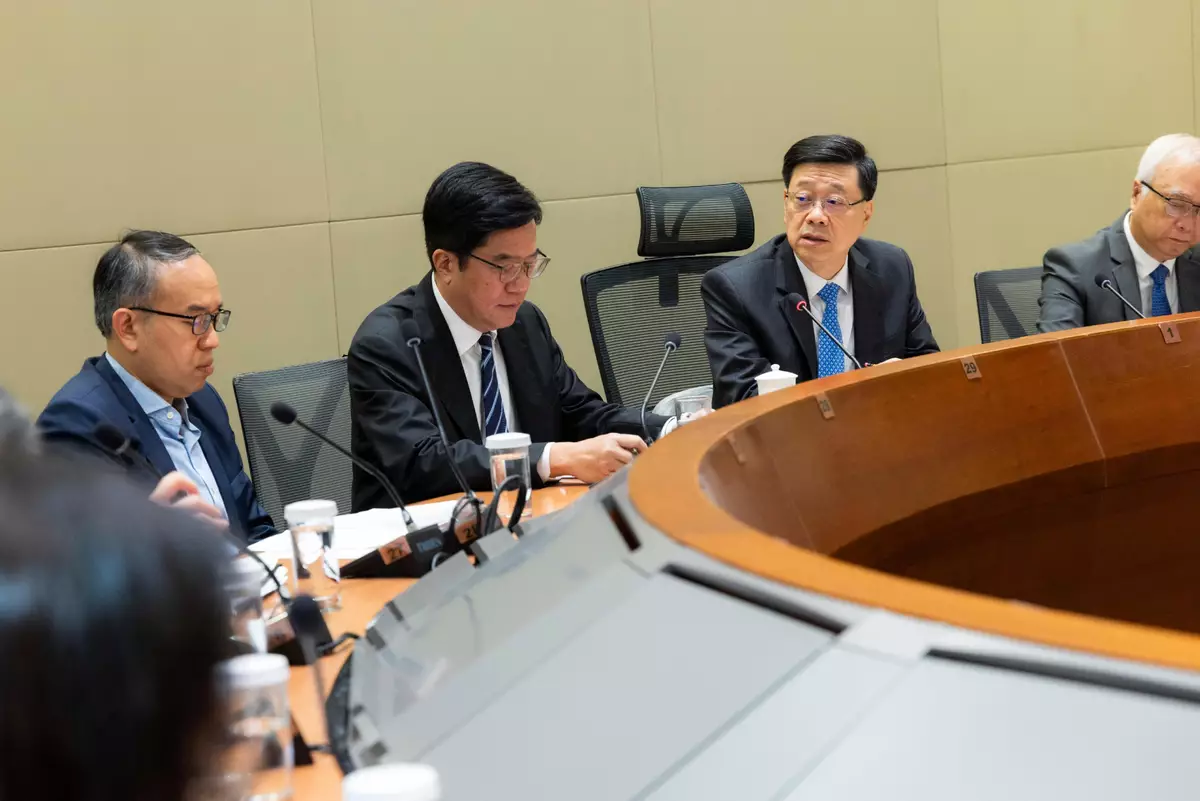
Government announces short-term targeted measures to address rising fuel prices Source: HKSAR Government Press Releases
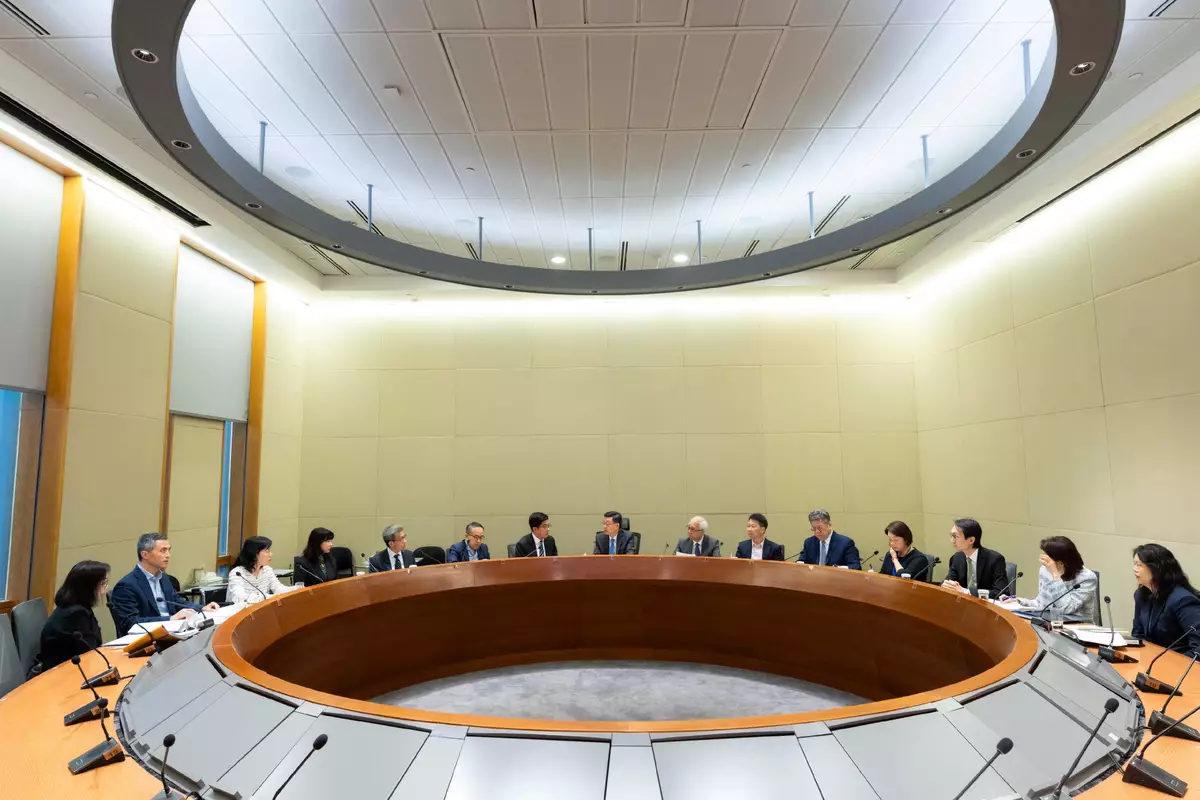
Government announces short-term targeted measures to address rising fuel prices Source: HKSAR Government Press Releases