CHP investigates cluster of Carbapenemase-producing Enterobacteriaceae carrier cases
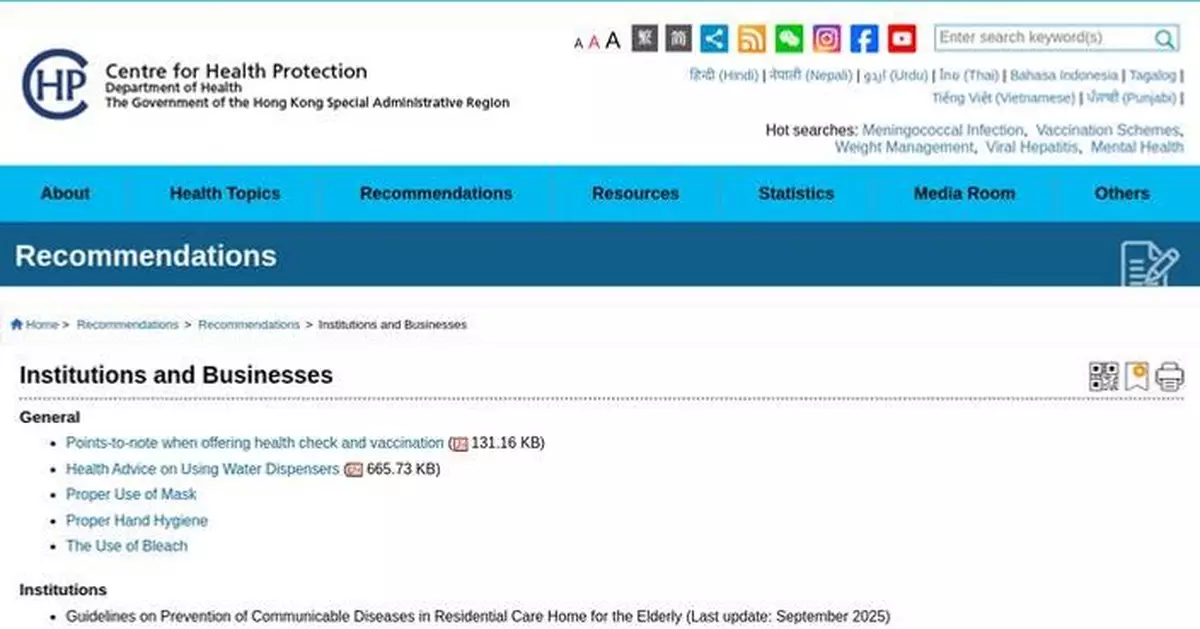
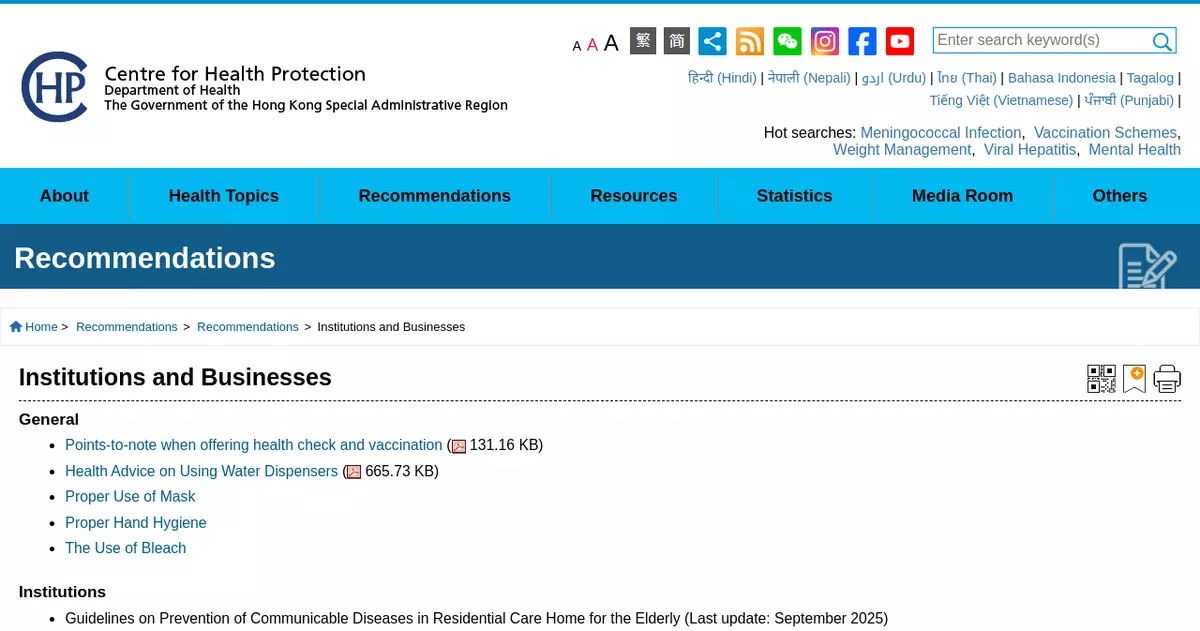
The Centre for Health Protection (CHP) of the Department of Health is today (April 9) investigating a cluster of Carbapenemase-producing Enterobacteriaceae (CPE) carrier cases involving six residents of a residential care home for the elderly (RCHE). The CHP reminded all RCHEs to implement measures for the detection, prevention and control of infectious diseases in accordance with theGuidelines on Prevention of Communicable Diseasesin RCHE(the Guidelines).
The CHP received a notification from the Hospital Authority (HA) that two residents living on the same floor of the RCHE in Wong Tai Sin District had recently been admitted to a public hospital for treatment due to their underlying illnesses. Their admission screening samples tested positive for CPE upon laboratory testing. Following the HA's notification, the CHP immediately conducted an epidemiological investigation and contact tracing. Four additional carrier cases were subsequently identified. All six residents (four males and two females aged between 67 and 95) are carriers who exhibited no symptoms associated with CPE infection. They are in stable condition. The CHP cannot rule out the possibility that there were undetected carriers at the RCHE earlier, which could have led to transmission within the RCHE through the contaminated environment and sharing of items.
Staff of the CHP inspected the RCHE and reminded the management to strictly adhere to the Guidelines on proper nursing procedures, thorough cleaning and disinfection of the environment, and ensuring good hand hygiene among staff and residents.The CHP also suggested that the RCHE cohort the carriers in the same area and ensure provision of adequate hand-washing facilities.
The CHP will continue to investigate the cluster and conduct another round of screening at the RCHE concerned to determine whether there are any other CPE-carriers. The CHP will also put the RCHE under medical surveillance.
Enterobacteriaceae (such as Escherichia coli andKlebsiella) are common pathogens that can cause infections in various parts of the body, including urinary tract infections, intra-abdominal infections or blood infection. CPE are enterobacteriaceae that produce carbapenemase, an enzyme that can deactivate carbapenems and other beta-lactam antibiotics such as penicillins. These bacteria are commonly resistant to multiple antibiotics, limiting therapeutic options, and may render severe clinical infections difficult to treat. The range of diseases associated with CPE varies from asymptomatic carriage to potentially life-threatening or fatal infections. The level of risk depends on which part of the body is affected by the infection and the patient's general health.
The proper use of antibiotics and maintaining good personal and environmental hygiene, especially hand hygiene, are important for preventing the emergence and cross-transmission of multi-drug resistant organisms (MDROs), such as CPE. In addition, susceptible individuals such as the elderly, infants, young children, people with weakened immunity and pregnant women can reduce their risk of contracting MDROs by avoiding raw or undercooked foods.
Source: AI-found images