China's southern tech metropolis of Shenzhen has become the latest testbed for the country's new "One Person Company" (OPC) model, where founders use artificial intelligence (AI) to run lean startups.
Since opening a dedicated OPC registration channel in March, the city logged 17,000 applications in just ten days, a sign of how quickly AI‑driven solo ventures are taking root across the country.
The OPC concept is part of a nationwide push to lower barriers for entrepreneurs facing rising costs and talent shortages.
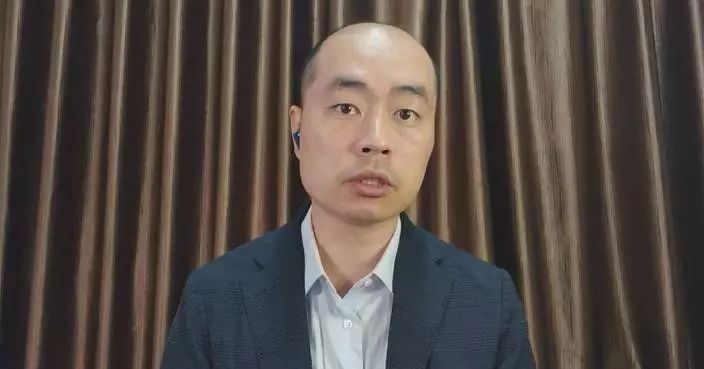
Frank Feng, founder of Gigaway, is among the entrepreneurs showing how Shenzhen's OPC model can turn small offices into growth engines. By harnessing AI, his startup is able to expand capabilities and deliver services once reserved for larger firms.
"People will consider OPC as 'One Person Company' but it actually refers to startups with no more than 10 people. Our company runs a recruitment platform for SMEs. By combining AI technology with community operations, we help startups and SMEs boost their employer branding, increase their visibility, and match job seekers with employers accurately, achieving precise hiring," he said.
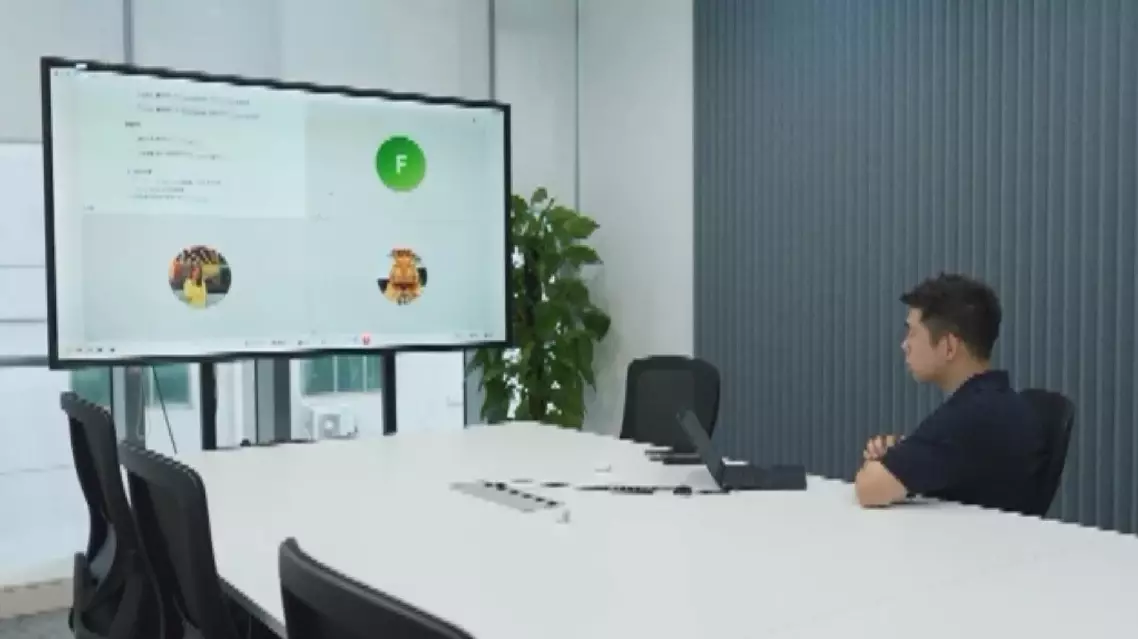
In the same shared office space, other OPC founders are also working to grow their ventures. Supporting them with incubation and operational services is Plug and Play China, which entered the market in 2016. The Silicon Valley‑based firm officially established an OPC community in Shenzhen’s Luohu District at the end of March.
"Our vision was: instead of attracting more large enterprises to the area, why not fully leverage existing local resources to nurture and incubate early-stage startups? We offer OPCs a 120-day incubation program with support including office and computing power. Our real goal is to help companies go from 0 to 0.1, the most critical and difficult stage for any startup," said Ye Fei, general manager of Plug and Play China Greater Bay Area International Innovation Center.
In Shenzhen’s Nanshan District, a hub for advanced technology companies, the AI Ecological Community has become one of the city's largest incubators for AI startups. It was here that Xu Zhanwei, a PhD graduate from Tsinghua University who arrived in Shenzhen last year, founded his OPC.
Within just a few months, he and his team expanded from a single desk to a private office. Their flagship product, a smart wristband designed for seamless data collection, is now in its third generation and preparing for mass production.
"When I first started my business, I was truly on my own. I had to handle every aspect of the company by myself. AI technology helped enhance my capabilities and assisted with many tasks. As our business gradually expanded, our R D team kept growing. We were no longer a simple, narrow‑defined One Person Company. We evolved from a One Person Company to a One Project Company. Our technology is highly focused, and we keep iterating our products," said Xu.
In Shenzhen, the government has set up dedicated service channels for OPCs. In other Chinese cities such as Beijing, Shanghai and Jiangsu, supporting policies and incentives for OPCs have also been introduced, making this AI-driven wave an accelerator for more young people to realize their dreams.
China's 'one-person company' model fuels startup boom in Shenzhen