Skip to Content Facebook Feature Image

Bastille's Story: Renowned Hong Kong Lyricist Chow Yiu Fai’s HKMU Lyrics Writing Class - Crafting Resonant Stories Through Observation, Not Inspiration

HK

Bastille's Story: Renowned Hong Kong Lyricist Chow Yiu Fai’s HKMU Lyrics Writing Class - Crafting Resonant Stories Through Observation, Not Inspiration
HK

HK

Bastille's Story: Renowned Hong Kong Lyricist Chow Yiu Fai’s HKMU Lyrics Writing Class - Crafting Resonant Stories Through Observation, Not Inspiration

2026-04-11 10:00

The renowned Hong Kong lyricist Chow Yiu Fai's inaugural lyrics writing class at Hong Kong Metropolitan University (HKMU) has graduated. Students Henry and Mon shared in an interview with Bastille Post that the course inspired them to observe and perceive life more deeply, while the class instructor, Prof. Chow Yiu Fai, said he hopes students can learn how to bravely express their own voices to the outside world, which is an emotional value that belongs uniquely to 'humans' in this age of AI, through communication and sharing in class.
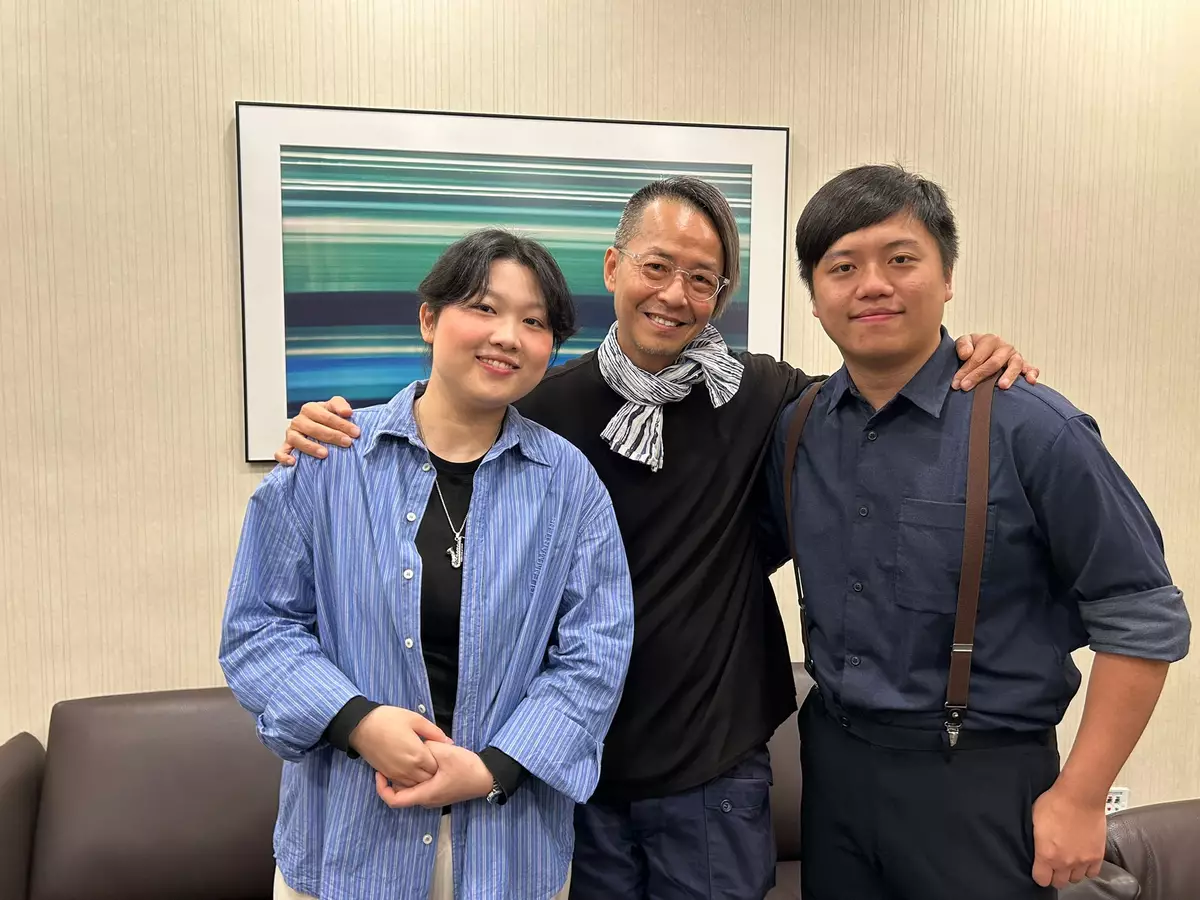
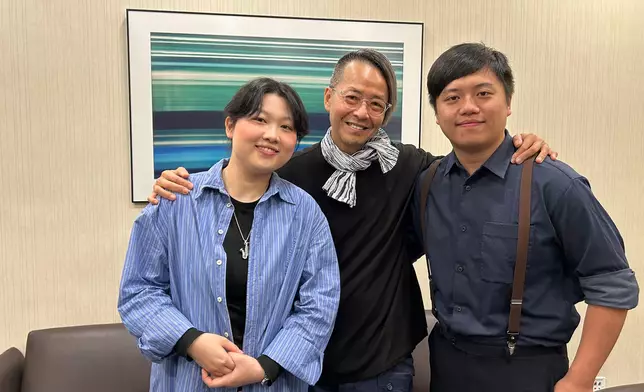
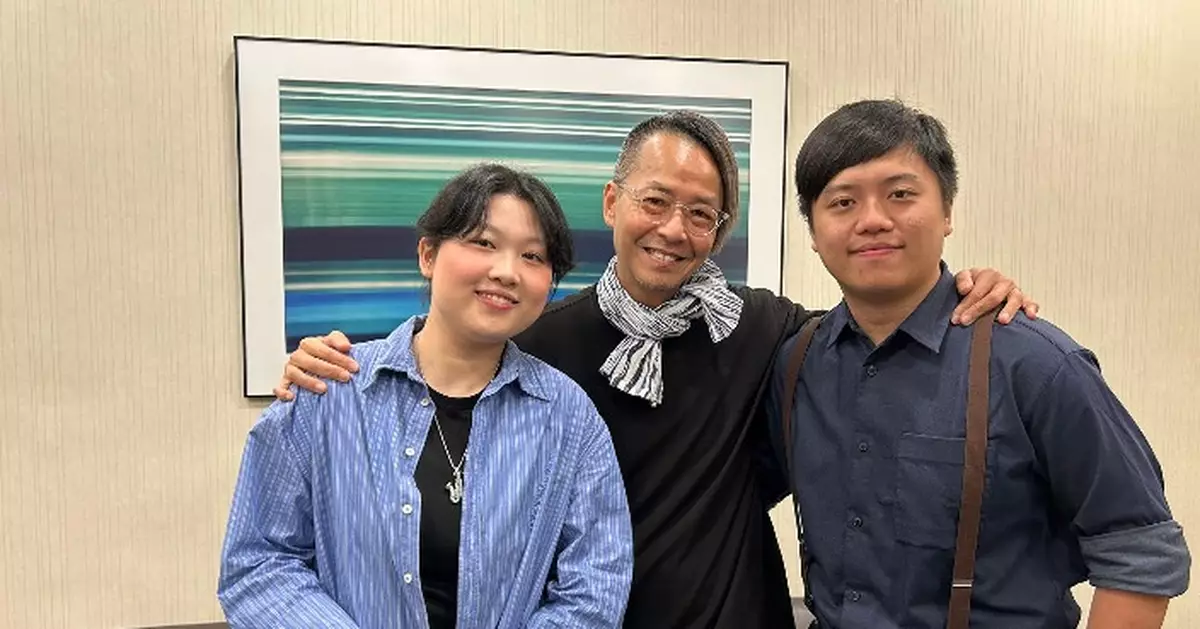
(From left to right): Student Mon, Renowned Hong Kong lyricist Chow Yiu Fai, Student Henry, Photo by Bastille Post
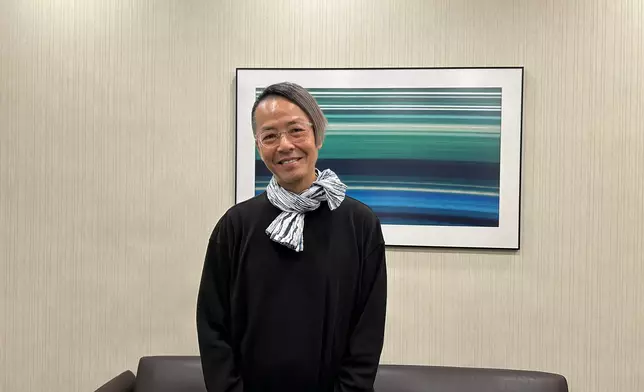
(From left to right): Student Mon, Renowned Hong Kong lyricist Chow Yiu Fai, Student Henry, Photo by Bastille Post

Everyone Has a Story Worthy of a Song

More Images
(From left to right): Student Mon, Renowned Hong Kong lyricist Chow Yiu Fai, Student Henry, Photo by Bastille Post

(From left to right): Student Mon, Renowned Hong Kong lyricist Chow Yiu Fai, Student Henry, Photo by Bastille Post

Prof. Chow Yiu Fai, Photo by Bastille Post
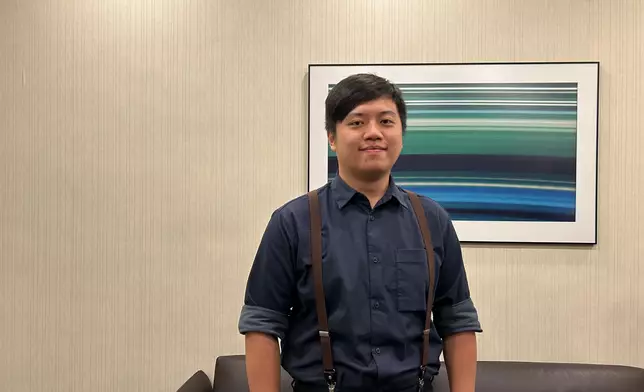
Prof. Chow Yiu Fai, Photo by Bastille Post

Henry, Photo by Bastille Post

Henry, Photo by Bastille Post

Mon, Photo by Bastille Post
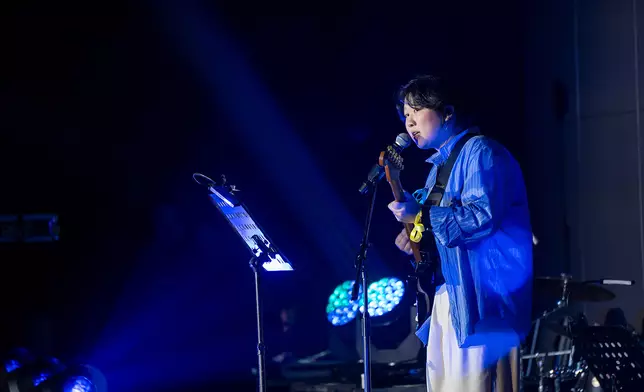
Mon, Photo by Bastille Post

Mon performed the song written by her at the lyrics writing class concert. Photo source: HKMU
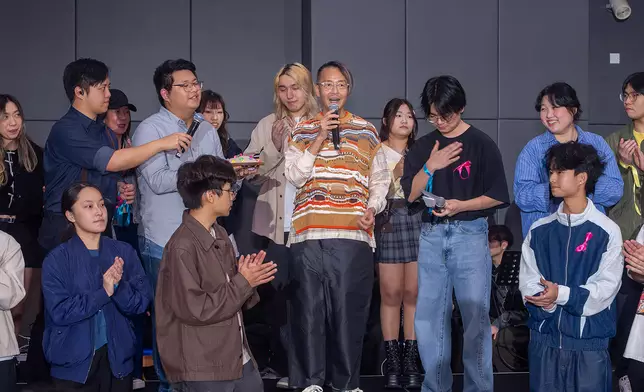
Mon performed the song written by her at the lyrics writing class concert. Photo source: HKMU

Prof. Chow shared the joy of lyrics creation together with his students. Photo source: HKMU
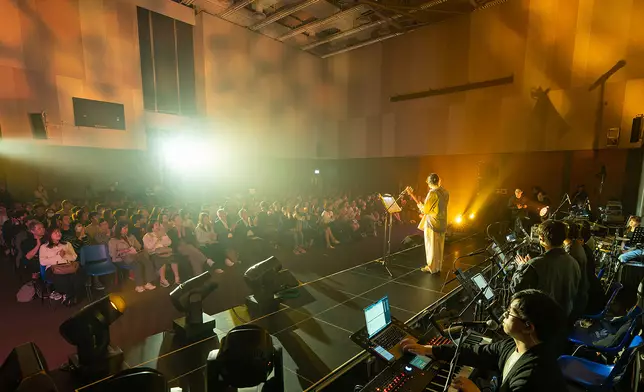
Prof. Chow shared the joy of lyrics creation together with his students. Photo source: HKMU

The students of lyrics writing class wrote down touching stories from their lives, transforming the shining moments of ordinary life into sincere Cantonese songs. Photo source: HKMU
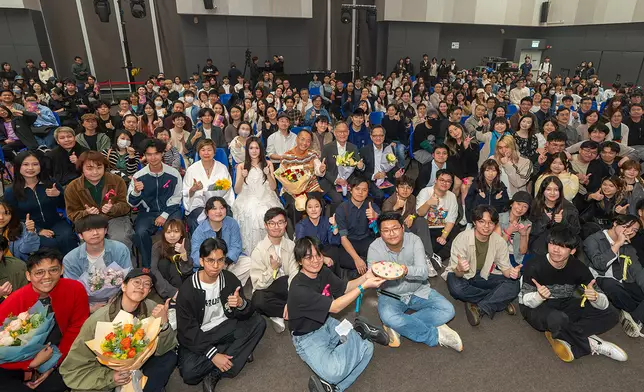
The students of lyrics writing class wrote down touching stories from their lives, transforming the shining moments of ordinary life into sincere Cantonese songs. Photo source: HKMU

The group photo of Prof. Chow Yiu Fai and the students of lyrics writing class, Photo source: HKMU

The group photo of Prof. Chow Yiu Fai and the students of lyrics writing class, Photo source: HKMU

Prof. Chow Yiu Fai bid farewell to Hong Kong Baptist University last September — where he had taught a lyrics writing course for 14 years — to start a new lyrics writing class at Hong Kong Metropolitan University.
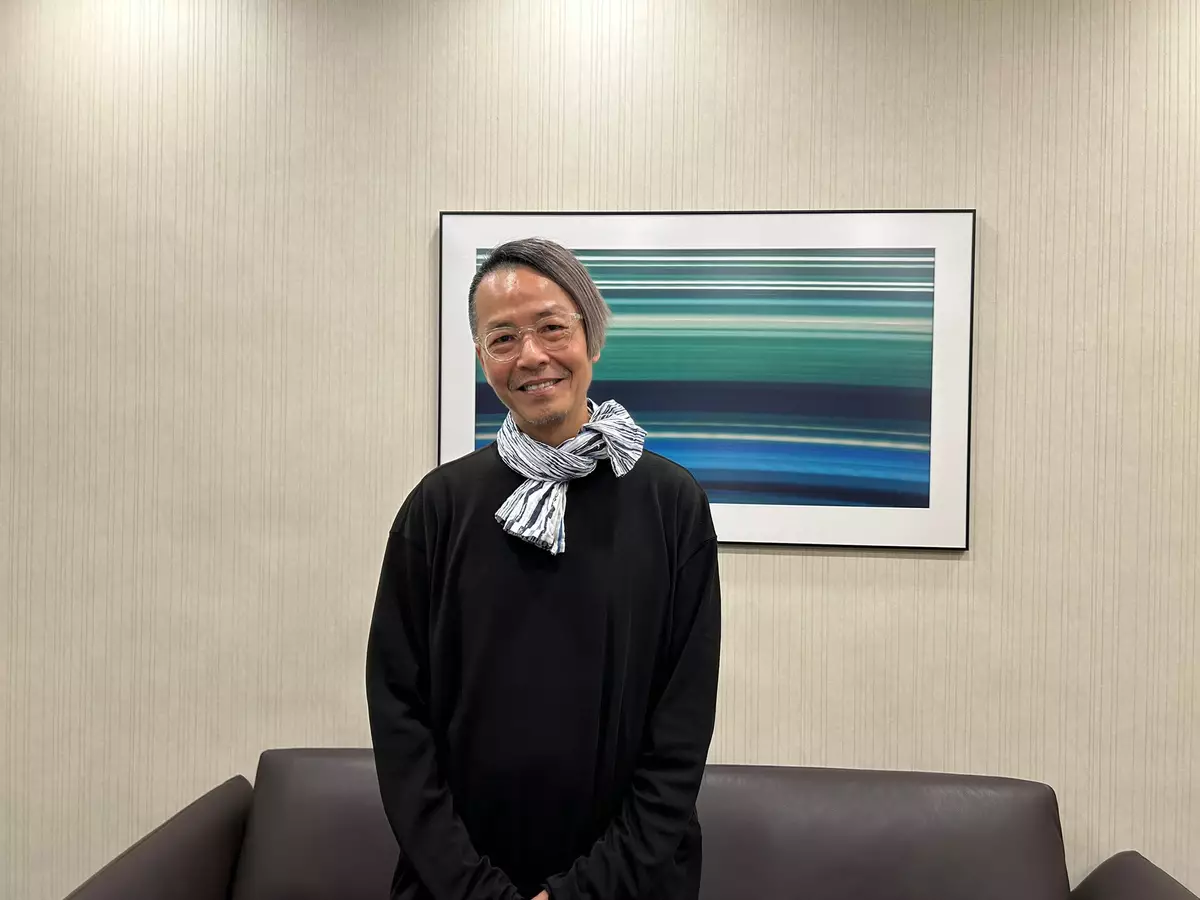
Prof. Chow Yiu Fai, Photo by Bastille Post

Prof. Chow Yiu Fai, Photo by Bastille Post

Most students in the class had no prior experience in artistic creation and worried in the early stages that they wouldn't be able to write smooth, touching lyrics in Cantonese. In response, Prof. Chow actively encouraged them to "step out of their comfort zone," learn to observe the details of life around them, and record every moment they long to cherish. He told his students that they don't need to wait for inspiration to strike before writing lyrics. As long as they observe the world and life closely with their hearts, they will find that everyone around them has a story worthy of a song.
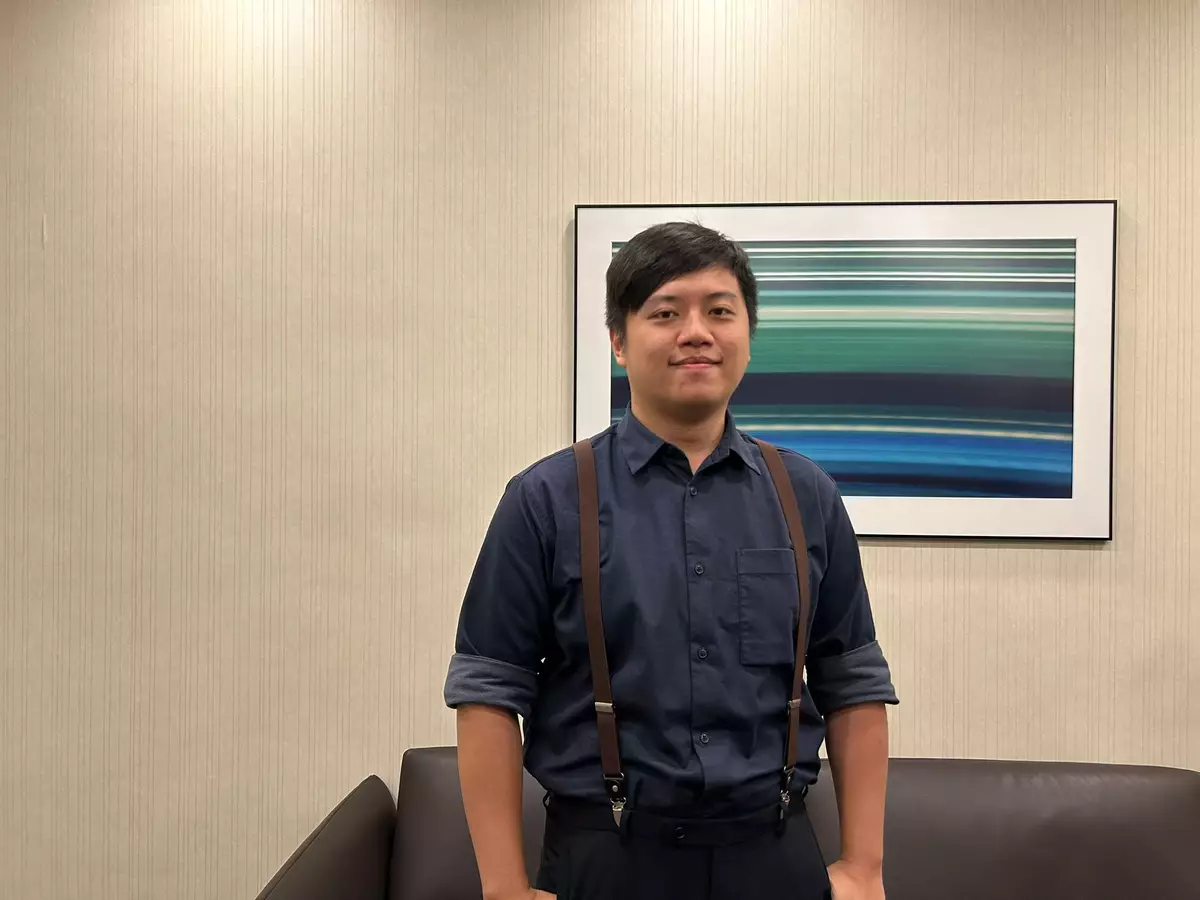
Henry, Photo by Bastille Post

Henry, Photo by Bastille Post

Under his guidance, student Henry visited Tak Gei Zaan Tuck Shop in Cha Kwo Ling and recorded the shop owner, Auntie Tak's, remembrance in the face of Hong Kong's urban changes. With the urban development of East Kowloon, Cha Kwo Ling, which was once prosperous in the 1980s, has become a declining urban village as more and more residents move out. By November 2025, only a few dozen residents remained. Faced with an environment that is no longer what it used to be, Auntie Tak still stuck to running her business in Cha Kwo Ling, hoping to leave a memory for the remaining residents through the presence of Tak Gei Zaan Tuck Shop.

Reflecting on his interview with Auntie Tak, Henry said that through the song "Numerous Little Things" (which shares a similar pronunciation with "Little Shop" in Cantonese) that he created based on her story, he not only gained an in-depth understanding of Hong Kong's urban transformation, but also developed a new perspective on the meaning of creation. In his view, although he had grown up and lived in Hong Kong for many years, he had never paid attention to the everyday scenery around him; he simply liked to record his inner emotions in words. After this creative practice of writing lyrics, he realized that, in addition to personal expression, creation should also serve as a form of documentation, preserving the stories of ordinary people around us. "I want to record something for someone, for something," he said. According to him, perhaps in the future, Cha Kwo Ling will become a faded chapter of history, but he was fortunate enough to leave a testimony for it and preserve a precious voice of old Hong Kong's story.
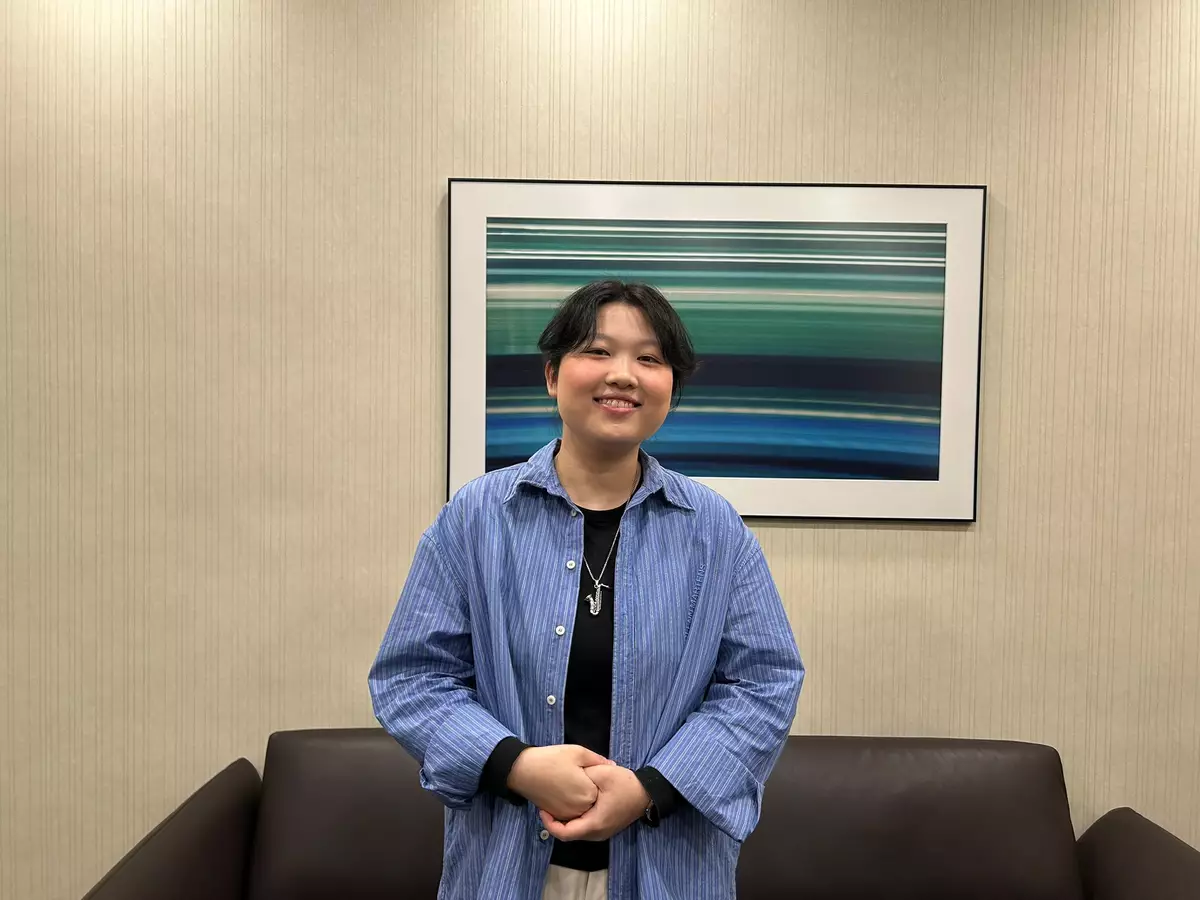
Mon, Photo by Bastille Post

Mon, Photo by Bastille Post

Another student, Mon, wrote the song "People on the Water" based on her father's life experience. The song focuses on the contrast between her father's past life on the water and his down-to-earth daily life on land, expressing his nostalgia for his years with the sea. Mon said she was grateful to gain a deeper understanding of her father's past through the lyrics class. She mentioned that in class, Prof. Chow would encourage everyone to talk more with their parents, listen to their past experiences and views on life, and try to turn their stories into lyrical material. This creative experience of putting the people and things around her into words made her realize that a lyricist's creativity is accumulated by "continuously experiencing the big and small things in life". Only by observing society and experiencing life more deeply can one write flesh-and-blood works.

Such a course revelation further inspired her creative drive. She said that some time ago, while visiting M+ in West Kowloon with friends, she noticed the huge neon signs on display. She hopes to apply what she has learned in the lyrics class to write down her observations and thoughts about Hong Kong's neon signs, thereby preserving the light and shadow of an old era that is gradually disappearing.
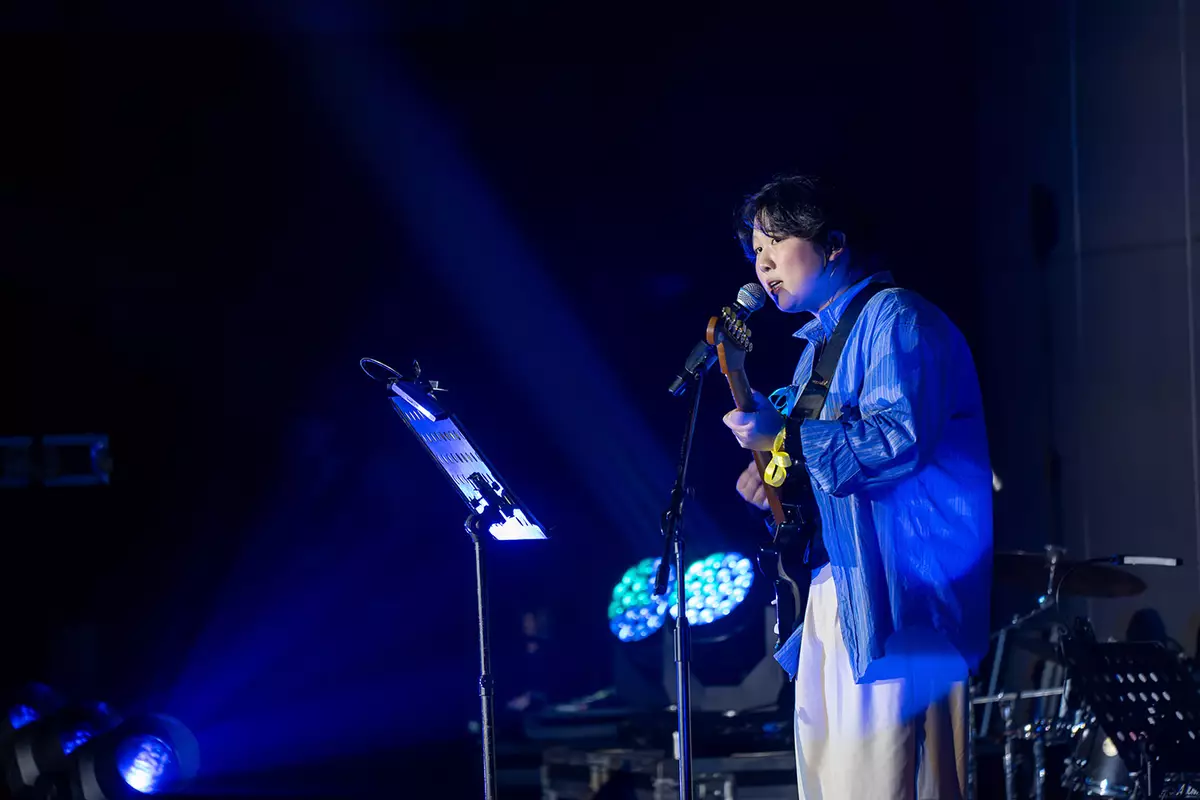
Mon performed the song written by her at the lyrics writing class concert. Photo source: HKMU

Mon performed the song written by her at the lyrics writing class concert. Photo source: HKMU

Facing the AI Wave, Holding On to the Value of Words

Although writing moving lyrics is not easy, with the rapid development and maturity of AI, many voices in society have emerged to dismiss artistic creation, believing that AI is bound to have a huge impact on the lyrics creation industry. In response, Prof. Chow and his students said that self-created lyrics still possess an irreplaceable emotional power compared to machine-generated works.

Prof. Chow mentioned that AI can write extremely gorgeous lyrics in a short time through the accumulation of massive corpora, but that is not the essence of creation. He hopes that through the teaching of the lyrics class, students will gradually realize that lyric writing is not only about cultivating their own sensibilities, but also about learning to connect emotionally with others.

In his view, although the three-hour classroom session is short, it provides students with a free creative space where they can share through communication, tell the stories they want to tell, learn from each other's writing highlights, and discover the joy of life together. Such an emotional exchange built through lyrics is difficult for AI writing to provide. "AI may be able to help everyone quickly learn how to write a perfect lyric," he said, "but the significance of my lyrics class is letting students communicate, share, and create something together, none of which is something that AI can offer them."
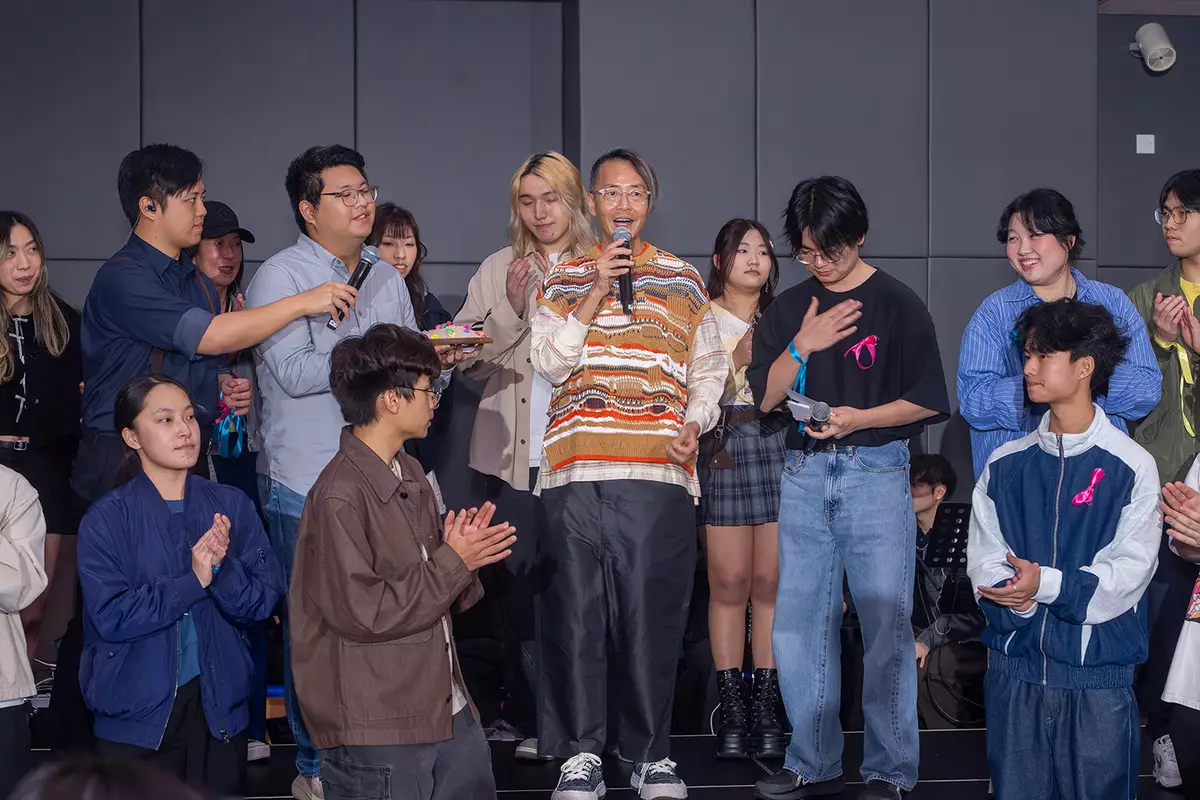
Prof. Chow shared the joy of lyrics creation together with his students. Photo source: HKMU

Prof. Chow shared the joy of lyrics creation together with his students. Photo source: HKMU

In addition, Henry and Mon said that although AI can get straight to the problems in a lyric, such a pursuit of extreme flawlessness can easily lead creators to focus merely on perfection and ranking competition, while ignoring the emotional value of mutual support on the writing journey. In the lyrics class, Prof. Chow actively encourages everyone to say, "Why do I have such thoughts?" rather than whether the thought is good or not, so that students don't have to worry about the pressure of being compared. Instead, they can progress at their own pace, explore the joy of creation through mutual sharing, and feel the unquantifiable emotional value that AI cannot provide.
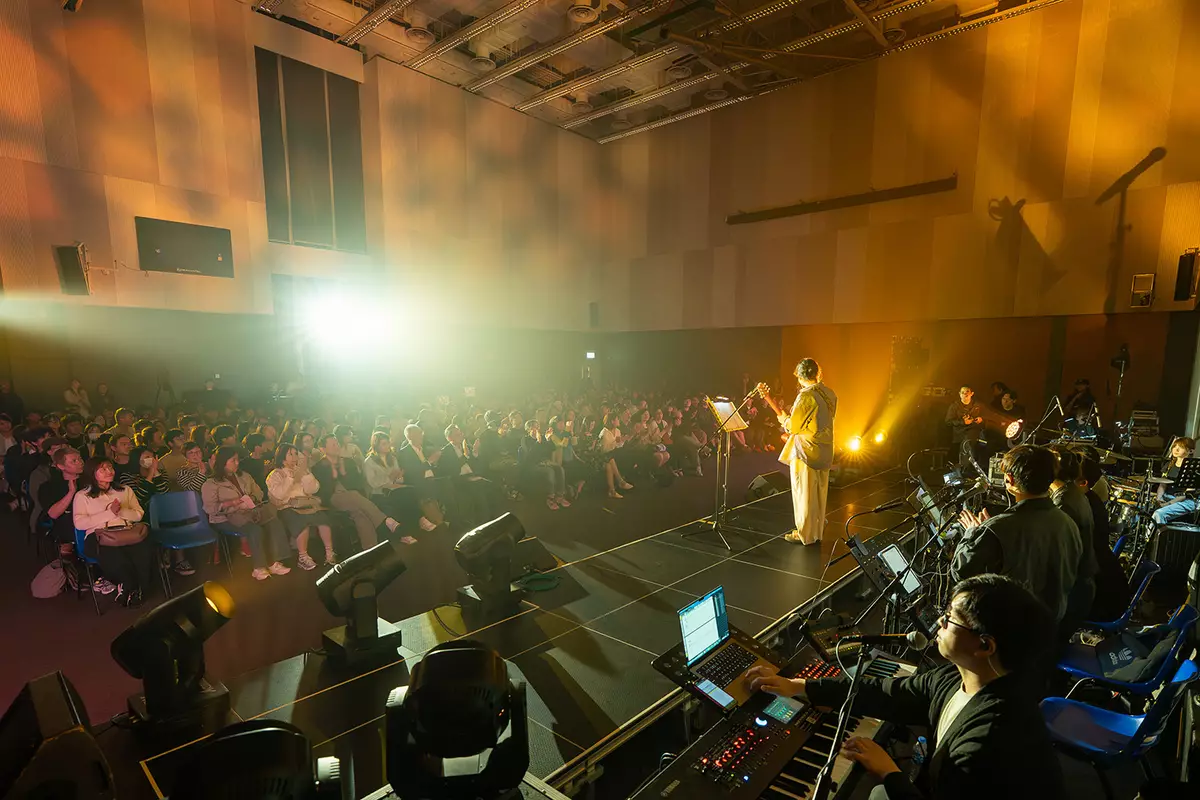
The students of lyrics writing class wrote down touching stories from their lives, transforming the shining moments of ordinary life into sincere Cantonese songs. Photo source: HKMU

The students of lyrics writing class wrote down touching stories from their lives, transforming the shining moments of ordinary life into sincere Cantonese songs. Photo source: HKMU

As for the students' performance throughout the lyrics writing course, Prof. Chow was deeply moved. He said it was truly gratifying that the young generation of creators could continue to write their own stories and those of others in such an era of great change. He is also pleased to continue the tradition of launching lyric writing classes at HKMU for more students who enjoy creating lyrics. "Teaching, especially when we're talking about creation, is about life impacting life," he said.
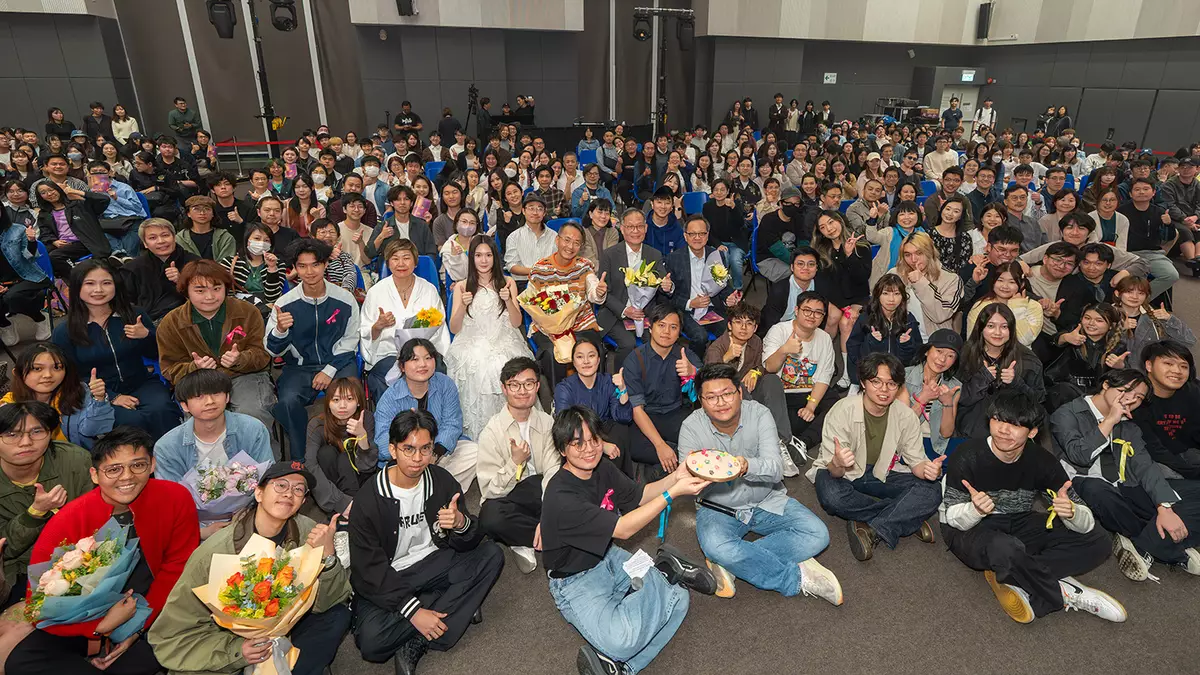
The group photo of Prof. Chow Yiu Fai and the students of lyrics writing class, Photo source: HKMU
The group photo of Prof. Chow Yiu Fai and the students of lyrics writing class, Photo source: HKMU
When he was 19, James Broadnax jotted down rap lyrics, thoughts and even job leads in a notebook that would become evidence at his capital murder trial.

Prosecutors selected lyrics with alleged references to gang affiliation and shootings to convince jurors that instead of life in prison, Broadnax, who is Black, should be put to death after his conviction — a move his lawyers argue biased the almost all-white jury.

Broadnax isn’t the only defendant or even the only person on Texas’ death row whose rap lyrics have been introduced to a jury. Rap lyrics have featured in hundreds of court cases in more than 40 states over the past 50 years, though judges often exclude other forms of creative expression from being used as evidence, researchers have found. Treating rap lyrics as diary entries minimizes their artistic value while playing on negative racial stereotypes to influence jurors, experts say.

“It denies rap music the status of art. It is characterized as autobiography,” said Erik Nielson, co-author of the book “Rap on Trial.” “It really does speak to underlying assumptions that some people have about young men of color — and that’s almost exclusively who this practice targets — that they aren’t sophisticated enough to engage in various literary devices. That there isn’t metaphor here.”

Rap lyrics are commonly used in racketeering or gang-related cases. Prosecutors try to establish the defendant’s involvement in an underlying crime by introducing lyrics as evidence, Nielson said. If someone is charged with a shooting, for example, prosecutors look for lyrics that mention a shooting.

“If the lyrics were written before the alleged crime, the prosecutors will say this is evidence of motive,” Nielson said. “If they’re written afterward, they’re characterized as a straight-up confession.”

Broadnax and his cousin were charged with murder for the 2008 shooting deaths of two men outside a suburban Dallas music studio. After more than a decade on death row, he is scheduled to be executed April 30.

In their pending appeal asking the U.S. Supreme Court to halt Broadnax’s execution, his attorneys argue that a judge should have considered the potential for racial bias and instructed the jury that his lyrics should not be viewed as autobiographical.

“The emphasis on the rap lyrics was a key element in this racially charged narrative,” Broadnax’s attorneys wrote. “Worse, the record in this case confirms that the jury delivered a death sentence based on the racial stereotypes invoked by the rap lyrics.”

Kemba, a rapper featured in the documentary “As We Speak: Rap Music on Trial,” told The Associated Press that introducing rap lyrics is particularly effective with juries because of innate prejudices — and because prosecutors want convictions.

“There’s a lot of people that don’t see rap or Black music as artistic expression,” he said. “And when you’re in a court case, there’s already an assumption that you’ve done something (wrong).”

The defendants in these cases are “almost exclusively young men of color, often with very limited resources,” and many can’t afford a private attorney, Nielson said.

But some high-profile rappers have had their songs introduced in court, like Young Thug, whose lyrics were used as evidence at his trial on gang and racketeering charges. He pleaded guilty to those charges and was released from custody in 2024.

“The criminalization and the targeting of hip-hop has been going on for all 50 years of the culture,” said Nielson, who noted the use of rap lyrics in court ramped up in the early 1990s.

The monitoring of Black artistic expression dates back to the antebellum South, he said, though that intensified as rap music became more critical of power structures, like N.W.A.’s 1989 song “F--- the Police,” which condemns police brutality.

In 2022, The New York Times’ Jaeah Lee looked for non-rap examples of lyrics used at trial from 1950 onward and found only four. Three cases were thrown out and one led to a conviction that was overturned. In that same time period, Nielson found roughly 700 examples of rap lyrics used in court cases, including lyrics that someone rapped but didn’t even write.

Another study conducted by University of Nevada assistant professor Adam Dunbar examined stereotypes of rap. He presented people with lyrics, saying they were from rap, country or metal music. When it came to rap, respondents overwhelmingly considered the lyrics to be autobiographical.

“But if they’re given the same lyrics and told that those are country or heavy metal lyrics, they say, 'No, it’s just art,’” said J.M. Harper, director of “As We Speak.”

Some rappers have begun directly attesting to the fictional nature of their music. The year before he was fatally stabbed in 2021, Drakeo the Ruler released the song “Fictional” from behind bars because his lyrics were being treated as nonfiction. In 2023, 21 Savage described his raps as “fiction as hell.”

“There’s no doubt in my mind that they are doing this for fear of prosecution,” Nielson said.

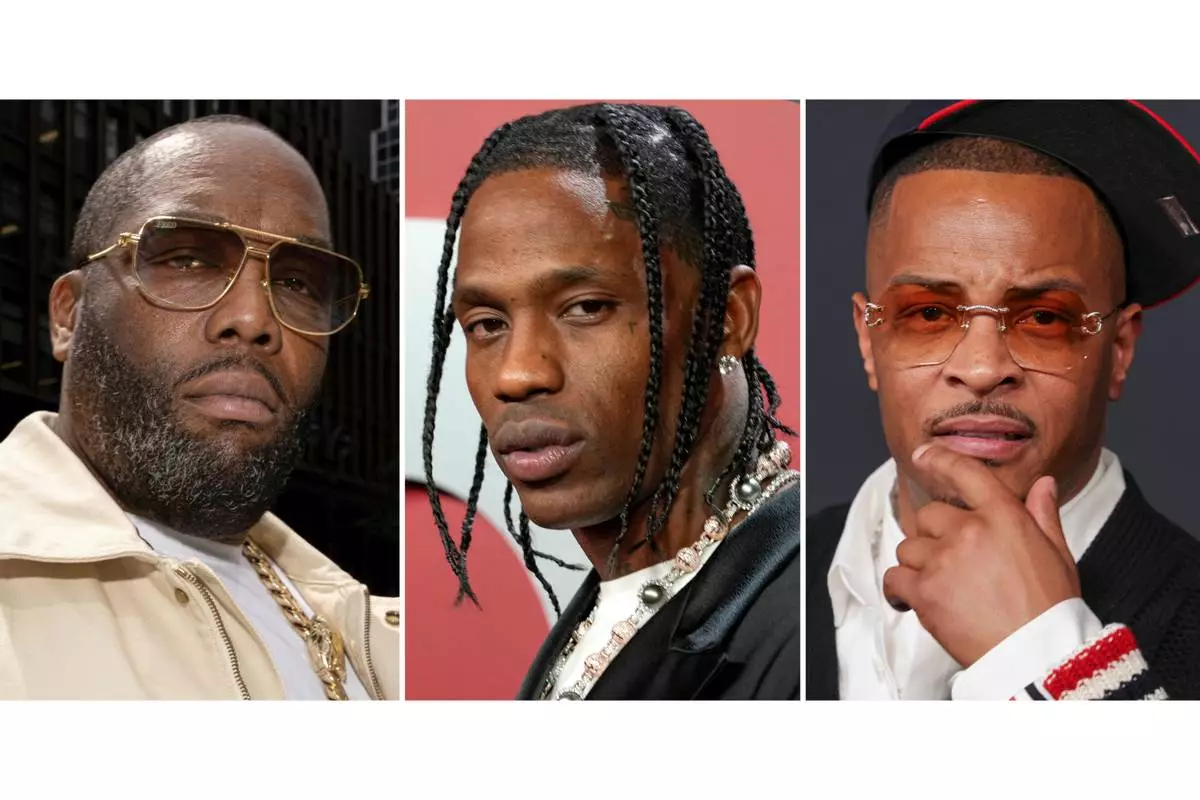
A number of A-list rappers, including Travis Scott, T.I. and Killer Mike, have filed briefs at the Supreme Court in support of Broadnax, cautioning against considering rap lyrics autobiographical.

Prosecutors in the case said Texas law allows evidence relevant to a defendant’s reputation at sentencing and contend the court shouldn’t consider the argument against the lyrics because Broadnax failed to raise concerns in previous appeals. State courts have ruled against other appeals by Broadnax’s attorneys.

“At the end of the day, the most important thing is not the prosecutors,” rapper LL Cool J told the AP in 2024, adding that judges should better block rap lyrics from trials. “The question is: Why is it even admissible?”

Lucius T. Outlaw III, a professor at Howard University School of Law who filed the amicus brief on behalf of Nielson and Killer Mike, said judges enforce rules of evidence specific to each state.

One judge might view rap lyrics as relevant; another may disagree. One might worry about triggering “anti-rap, which is anti-Black, bias,” he said, “where another judge will say, ‘I don’t see that prejudice.’”

“Guidelines about what is relevant when it comes to artistic expression and what is overly prejudicial is so needed,” he said.

Jeff Bellin, a professor at Vanderbilt Law School, said current rules tell judges to exclude evidence if it has low value as proof and a danger of creating bias.

“The safeguard should be judges, but they are often not aware of the social issues, or the context, when it comes to rap lyrics,” he said.

Bellin said legislating around the issue is difficult because lawmakers don’t want to create rules that would exclude evidence truly relevant to any case.

In the past five years, at least 27 bills have been introduced federally and in a half-dozen states to limit the use of a defendant’s creative expressions, including rap lyrics, in criminal proceedings, according to an AP analysis using the bill-tracking software Plural.

On April 9, Maryland became the third state to pass legislation, creating “guardrails and a test for judges to impose anytime prosecutors want to use artistic expression, not just rap,” Outlaw said, noting it requires a factual connection between the potential evidence and the charges.

“It’s not the cure-all, but it’s a huge, important step,” he said.

This combination of photos show rappers Killer Mike, from left, Travis Scott and T.I. (AP Photo)

This combination of photos show rappers Killer Mike, from left, Travis Scott and T.I. (AP Photo)

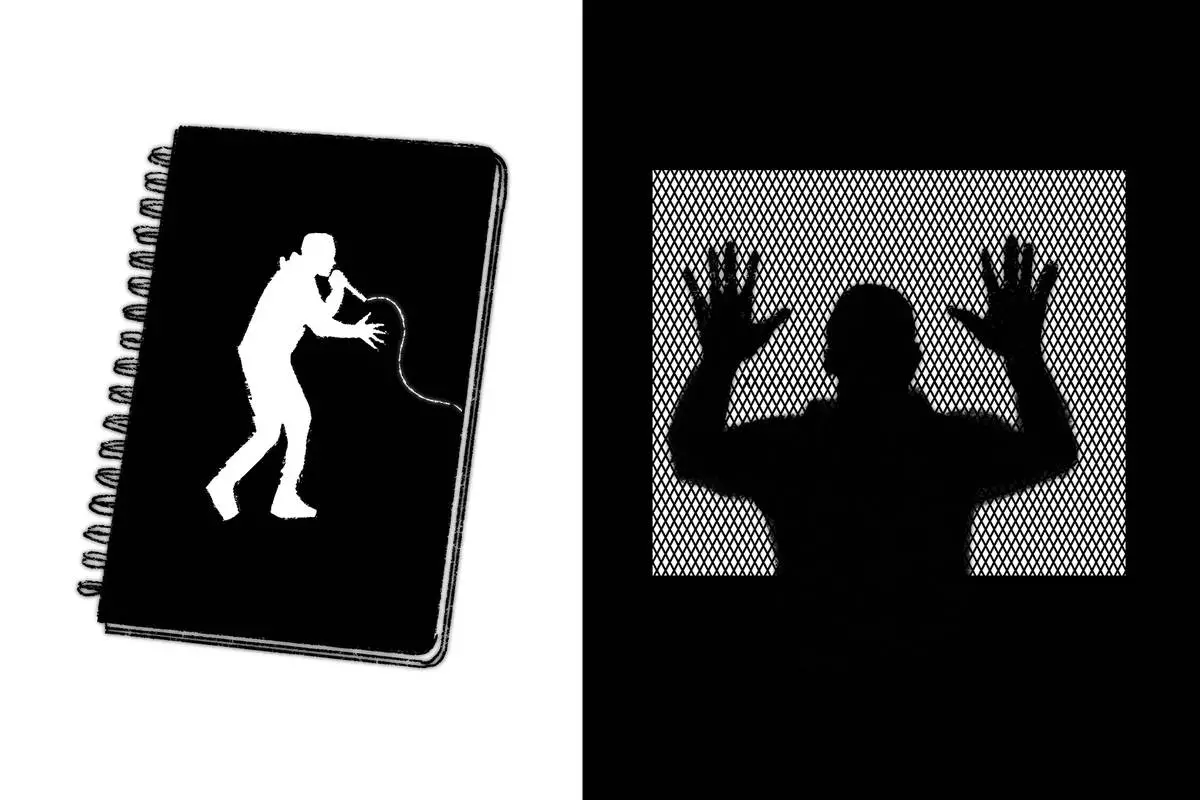
(AP Illustration / Peter Hamlin)

(AP Illustration / Peter Hamlin)

Recommended Articles