China's producer price index (PPI), which measures costs for goods at the factory gate, returned to year-on-year growth in March 2026, ending a 41-month streak of decline, the National Bureau of Statistics (NBS) said Friday.
The PPI went up 0.5 percent year on year in March, reversing a 0.9 percent drop in February, according to the NBS.
NBS statisticians attributed the turnaround mainly to imported inflationary pressures and improved supply-demand dynamics in some domestic industries.
The price of nonferrous metal mining and dressing industry increased by 36.4 percent year-on-year in March, while the price of nonferrous metal smelting and pressing industry rose by 22.4 percent.
The price of petroleum and natural gas extraction industry increased by 5.2 percent. In contrast, the prices of petroleum, coal, and other fuel processing industry, as well as chemical raw materials and chemical products manufacturing industry, declined by 4.5 percent and 0.3 percent, respectively.
In March, the prices of photovoltaic equipment and components manufacturing, as well as lithium-ion battery manufacturing, increased by 5.2 percent and 2.5 percent, respectively.
With the accelerated expansion of "AI Plus" initiative and rapid growth in demand for computing power, the price of fiber optic manufacturing rose by 76.1 percent.
On a monthly basis, the PPI increased by one percent in March, marking the sixth consecutive month of growth. The growth rate expanded by 0.6 percentage points compared to the previous month, representing the largest increase in 48 months.
The price of petroleum and natural gas extraction industry increased by 15.8 percent month-on-month in March, while the price of petroleum, coal, and other fuel processing industry rose by 5.8 percent.
The price of chemical raw materials and chemical products manufacturing industry increased by 3.6 percent on a monthly basis.
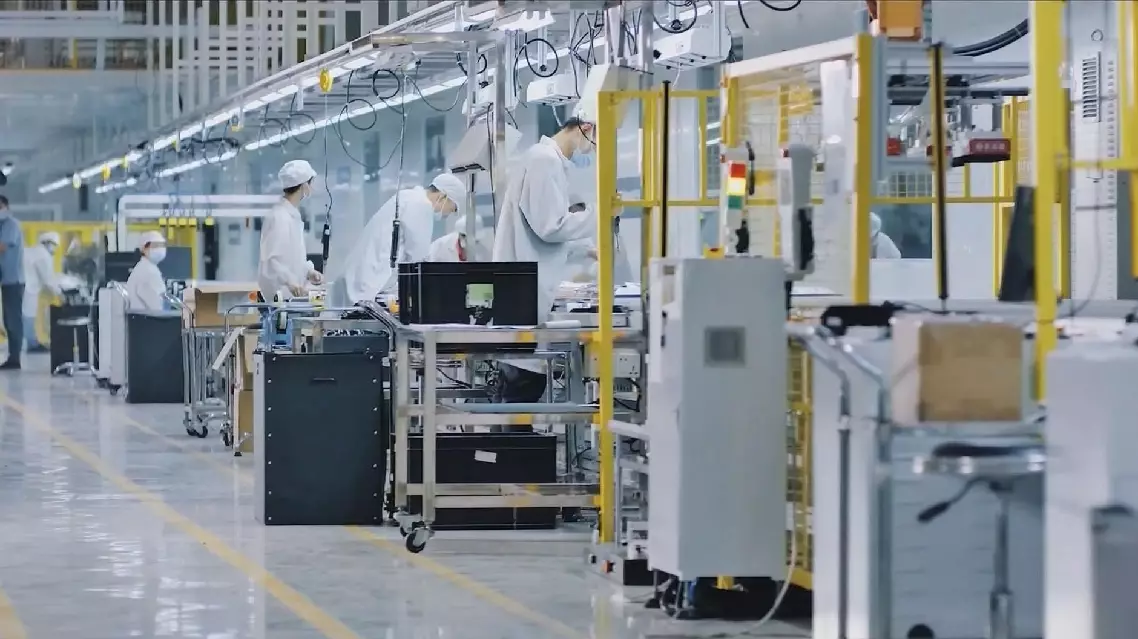
China's PPI up 0.5 pct in March
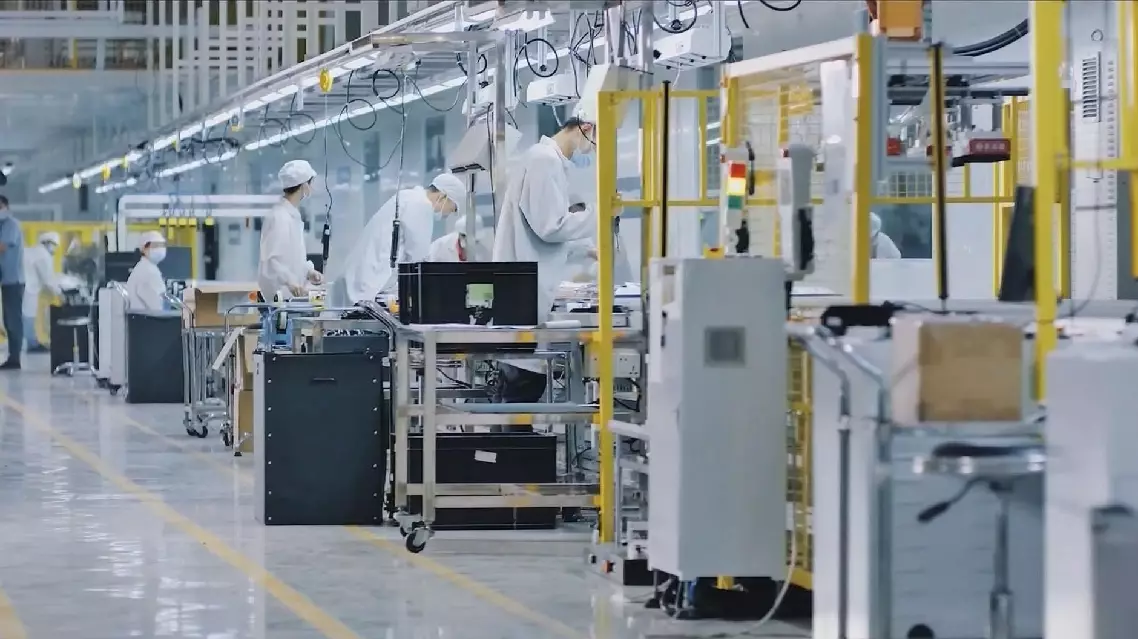
China's PPI up 0.5 pct in March
A Yemeni Houthi official warned on Sunday that the group has a broad range of military options at its disposal if Saudi Arabia continues to escalate its military actions against Yemen.
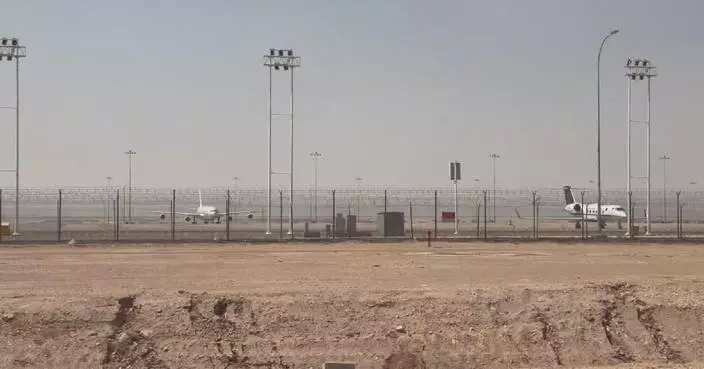
Brigadier General Abed Mohammed Al-Thawr, a Houthi military advisor, made the statement in an interview with China Global Television Network (CGTN), following a series of deadly strikes targeting King Khalid International Airport in the Saudi capital Riyadh.
"The primary objective of targeting Saudi airports is, first and foremost, to impose a blockade in response to a blockade: airport for airport, city for city. If Saudi Arabia continues escalating its actions and its war against our country, our military options are extremely broad, and Saudi Arabia will not be able to withstand them for even one month," he said.
In the latest development, the Saudi-led coalition said a projectile struck a passenger terminal at King Khalid International Airport on Sunday.
The strike came a day after an attack targeting the same airport killed 12 people and injured 309 others, according to the Saudi General Authority of Civil Aviation.
The airport has been repeatedly targeted amid a sharp escalation in recent days, as the Houthis stepped up missile and drone attacks against targets inside Saudi Arabia while the Saudi-led coalition intensified airstrikes against Houthi-held areas in Yemen.
Meanwhile, fighting has intensified in southwestern Yemen, particularly near the strategic Bab al-Mandab Strait, where Yemeni government forces backed by the Saudi-led coalition have been battling Houthi forces.
Yemen has been mired in conflict since late 2014, when the Houthis seized the capital Sanaa and much of northern Yemen. A Saudi-led coalition intervened in 2015 in support of the internationally recognized government, which is now based in the southern port city of Aden.
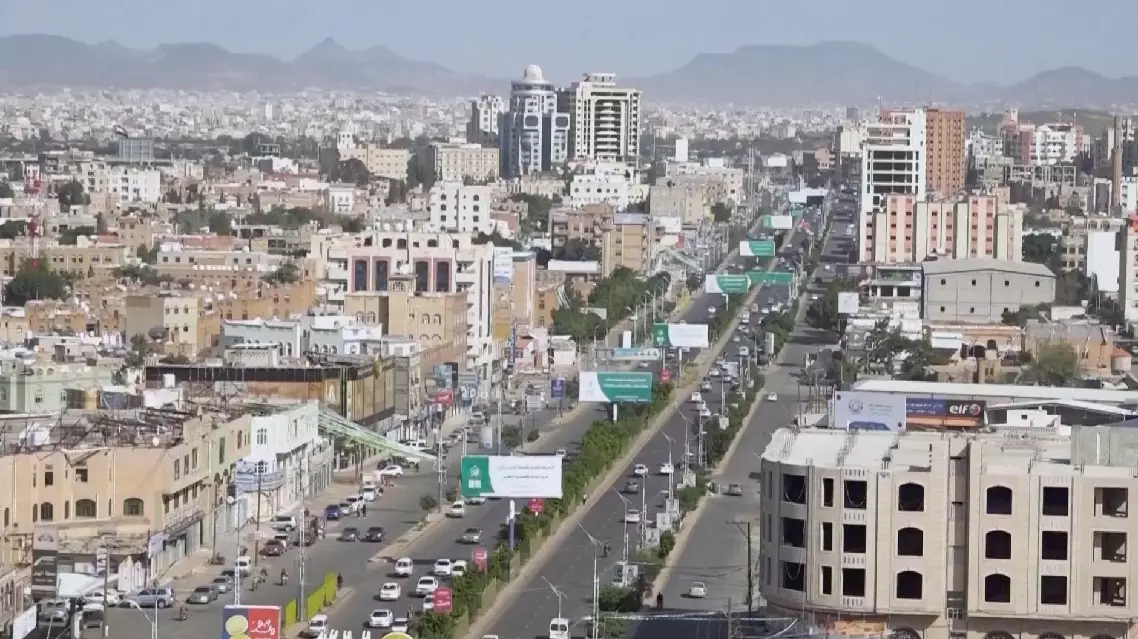
Houthi official warns of broad military options if Saudi Arabia escalates military actions
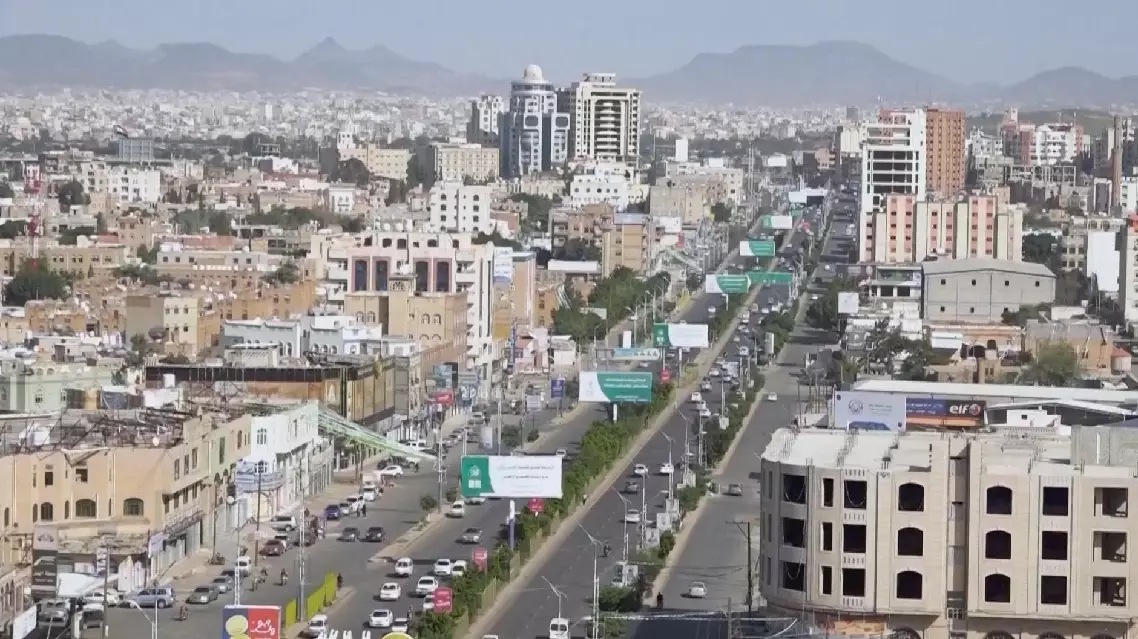
Houthi official warns of broad military options if Saudi Arabia escalates military actions