CHP announces new melioidosis case
The Centre for Health Protection (CHP) of the Department of Health today (April 10) announced that one new melioidosis case was recorded in the past week (April 2 to 9). The CHP appealed to members of the public to maintain personal and environmental hygiene to prevent melioidosis. The CHP also specifically reminded high-risk groups, including the elderly and people with underlying diseases, to avoid contact with soil or muddy water after typhoons or storms with a view to lowering infection risk.
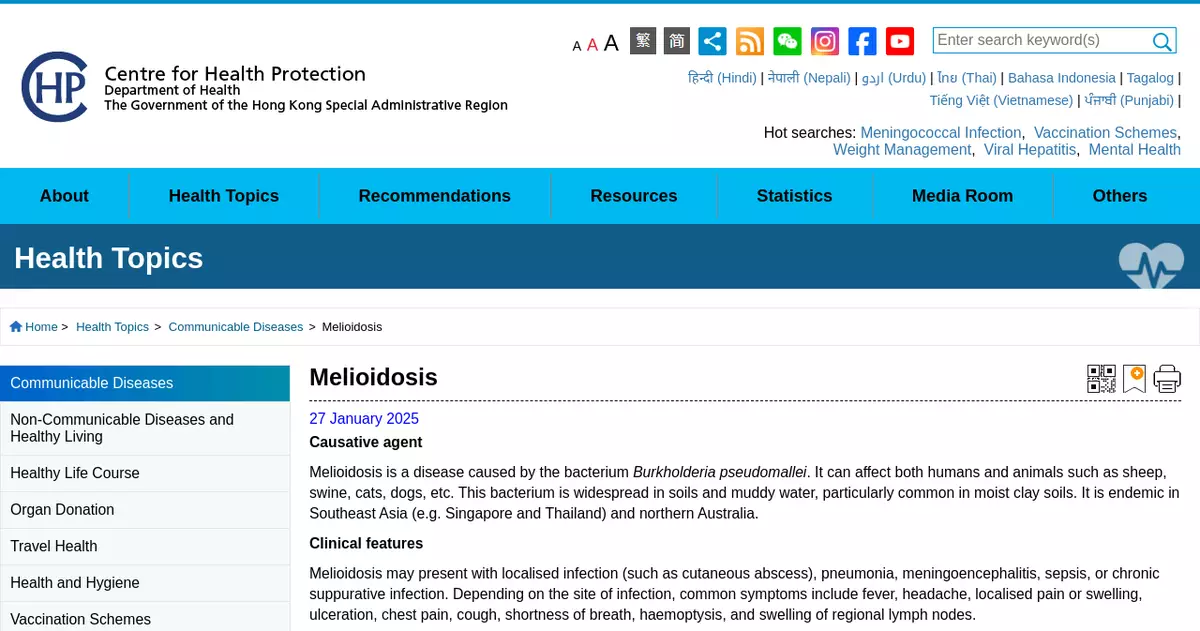
The case involves an 80-year-old male with underlying illnesses. He lives in Yau Tsim Mong District. He presented with a fever, cough with sputum, and shortness of breath on March 31. He attended the Accident and Emergency Department of Kwong Wah Hospital and was admitted for treatment on the same day. He is currently in stable condition. His clinical diagnosis was pneumonia and septicaemia. His clinical sample tested positive for Burkholderia pseudomallei.
The CHP is investigating the infection source of the case. An initial epidemiological investigation revealed that the case is sporadic. No epidemiological linkages have been established between this case and other confirmed cases previously recorded in Hong Kong.
As of yesterday (April 9), six melioidosis cases have been recorded in Hong Kong this year. Last year, 21 melioidosis cases were recorded.
Person-to-person transmission and animal-to-human transmission are rare, but the bacteria causing melioidosis can survive in the local environment. Melioidosis is an endemic disease in Hong Kong, and melioidosis cases have been recorded in Hong Kong each year.
According to literature, melioidosis cases are more common after typhoons or rainstorms. The bacterium Burkholderia pseudomallei in soil and muddy water may become exposed to the ground after typhoons or rainstorms, and the bacteria could spread more easily with strong winds or rainstorms. As such, the number of melioidosis cases may increase.
With this in mind, where practicable, members of the public should stay indoors during typhoons and rainstorms, avoid travelling to areas with potential flooding, and not wade in or have contact with muddy water and soil. In addition, high-risk individuals should avoid paths near stormwater drains where aerosols may be generated from contaminated water.
Members of the public should also take the following preventive measures against infection:
 Avoid contact with contaminated soil;
Wear appropriate protective clothing or footwear when participating in activities with possible contact with soil or water, e.g. using gloves and wearing boots. High-risk individuals may also consider wearing a surgical mask;
Wash or shower after exposure to contaminated water or soil;
Always clean any wounds as soon as possible and cover them with waterproof dressings;
Wash hands with liquid soap and water after handling soil or gardening;
Observe food hygiene and avoid drinking raw water; and
Travellers can contract the disease through outdoor water sports. Risk of infection can be minimised by avoiding exposure to water sources (such as rivers, ponds or lakes) that might be contaminated.
Avoid contact with contaminated soil;
Wear appropriate protective clothing or footwear when participating in activities with possible contact with soil or water, e.g. using gloves and wearing boots. High-risk individuals may also consider wearing a surgical mask;
Wash or shower after exposure to contaminated water or soil;
Always clean any wounds as soon as possible and cover them with waterproof dressings;
Wash hands with liquid soap and water after handling soil or gardening;
Observe food hygiene and avoid drinking raw water; and
Travellers can contract the disease through outdoor water sports. Risk of infection can be minimised by avoiding exposure to water sources (such as rivers, ponds or lakes) that might be contaminated.
The CHP appealed to members of the public to seek medical advice if they develop symptoms, in particular people with diabetes or other immunocompromising conditions, in order to receive an appropriate medical diagnosis and treatment. For more information on melioidosis, please visit the website of the CHP atwww.chp.gov.hk/en/healthtopics/content/24/101110.html.
Source: AI-found images
Hong Kong Customs shuts down underground cigarette factory in Fanling
Hong Kong Customs shut down an underground cigarette factory in Fanling yesterday (April 9), and seized about 31.92 tons of suspected duty-not-paid manufactured tobacco and 1.23 million sticks of suspected illicit cigarette. The total estimated market value of all seizure was about $220 million, while the duty potential was about $130 million. Six persons suspected to be connected with the case were arrested.
After in-depth investigation, Customs Officers identified a large metal hut in Ping Che, Fanling. Customs raided the metal hut yesterday morning and found a complete illegal cigarette production line which included machines for producing and packaging illicit cigarettes, a large amount of raw materials used for manufacturing illicit cigarettes and finished illicit cigarette products. Five men and one woman, aged between 21 and 52, were arrested at the scene.
The case is still under investigation. Customs will continue to trace the source of the batch of raw materials of the illicit cigarettes and the production line-related machines. The likelihood of further arrests is not ruled out.
Customs reminds members of the public that they must be vigilant when purchasing cigarettes. They should patronise reputable merchants or stores and not purchase cigarettes from unknown sources to avoid threats to their health.
Under the Dutiable Commodities Ordinance (Cap. 109), a person shall not, except under and in accordance with a licence, manufacture tobacco. Besides, any person who deals with, possesses, sells or buys illicit cigarettes commits an offence. The maximum penalty upon conviction is a fine of $2 million and imprisonment for seven years.
Members of the public may report any suspected illicit cigarette activities to Customs' 24-hour hotline 182 8080 or its dedicated crime-reporting email account (crimereport@customs.gov.hk) or online form (eform.cefs.gov.hk/form/ced002).
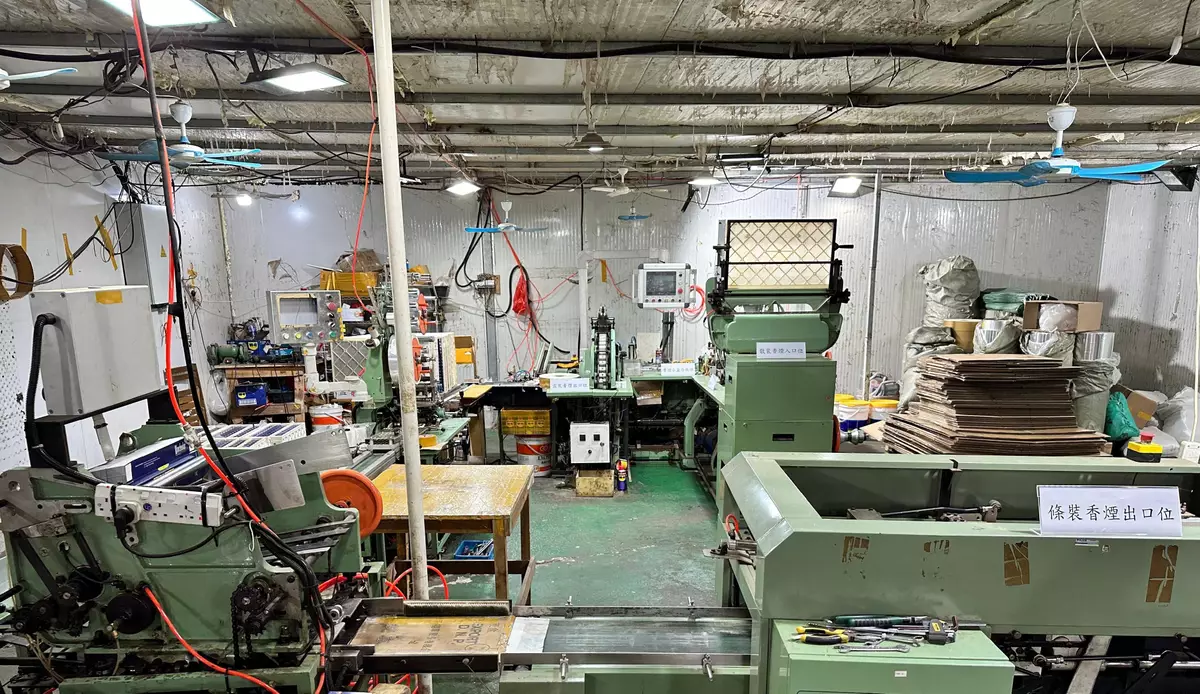
Hong Kong Customs shuts down underground cigarette factory in Fanling Source: HKSAR Government Press Releases
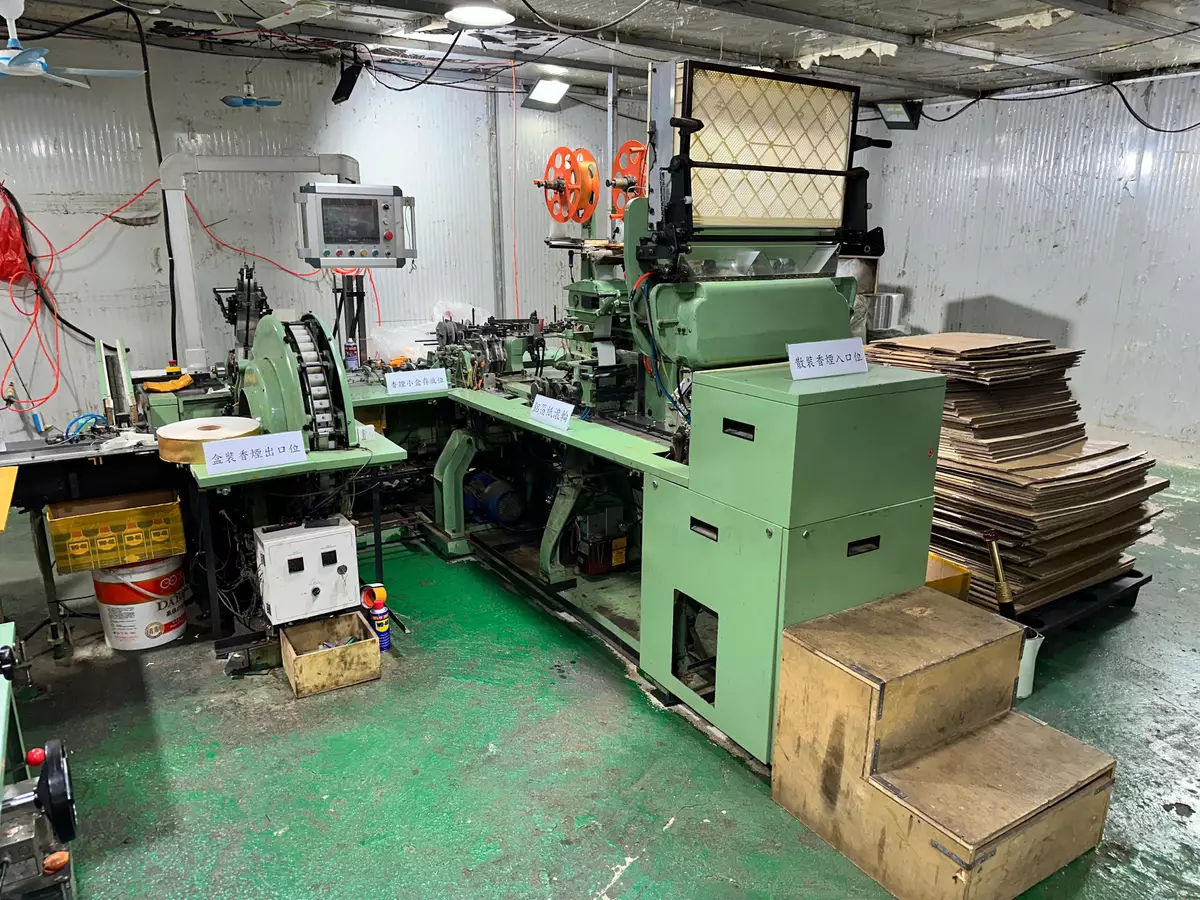
Hong Kong Customs shuts down underground cigarette factory in Fanling Source: HKSAR Government Press Releases
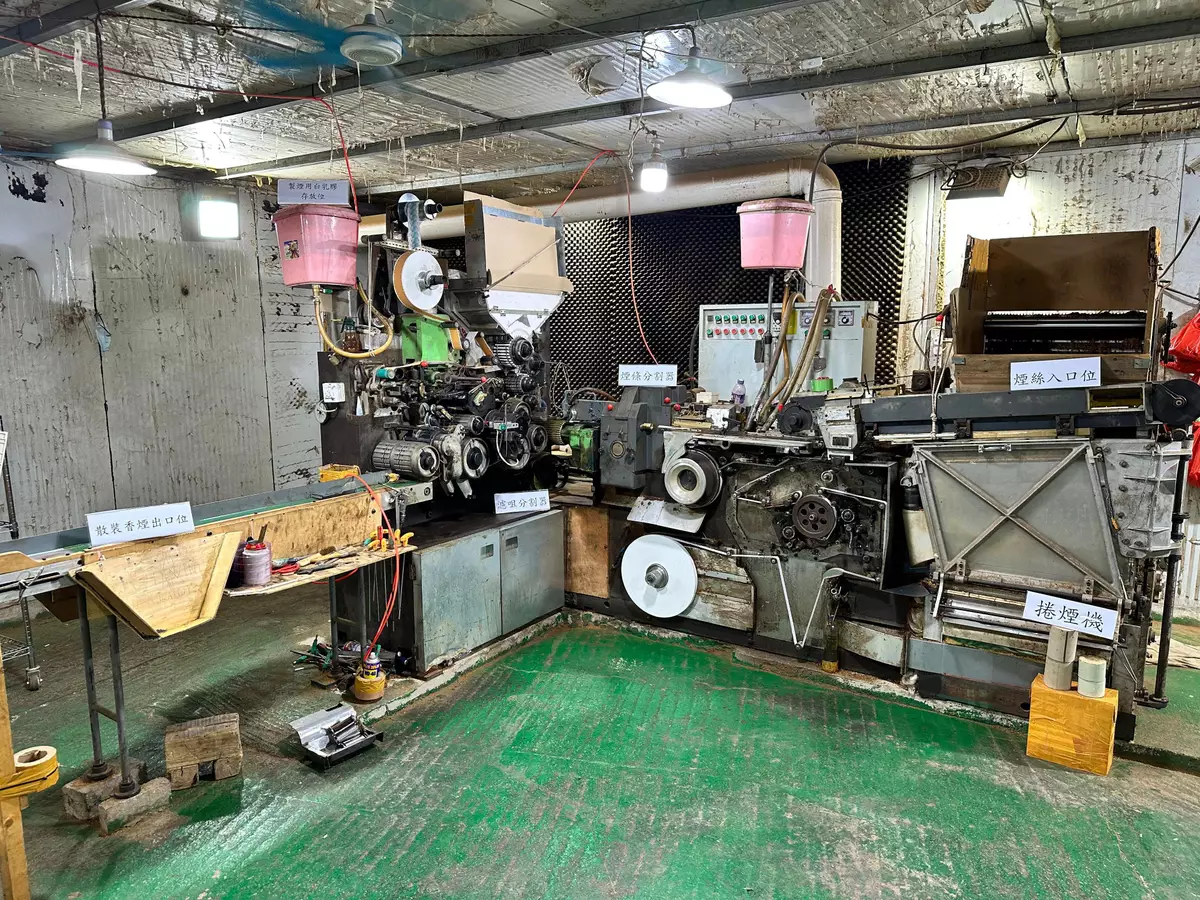
Hong Kong Customs shuts down underground cigarette factory in Fanling Source: HKSAR Government Press Releases
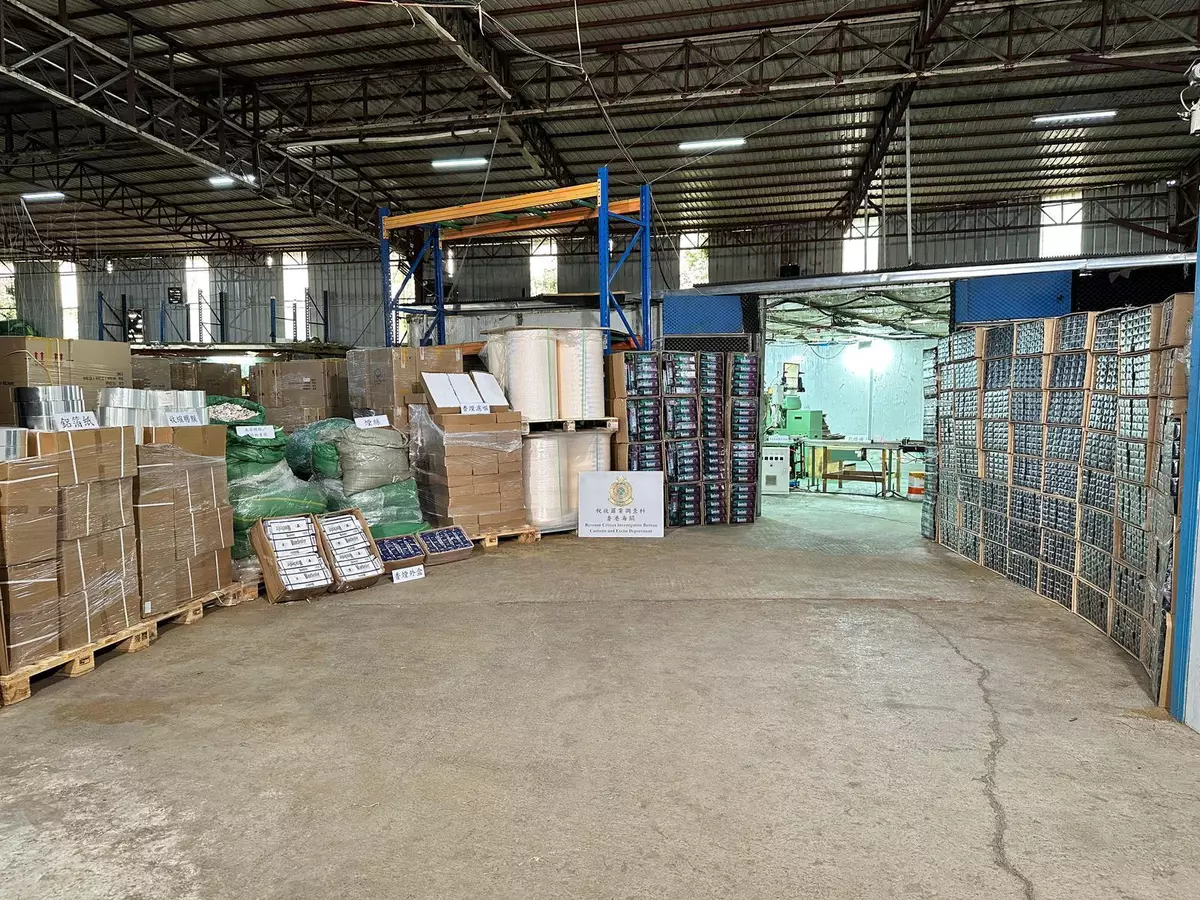
Hong Kong Customs shuts down underground cigarette factory in Fanling Source: HKSAR Government Press Releases