NEW YORK (AP) — Environmentalist Christine Holland closely follows journalist Tiffany Higgins' stories from the Amazon River region, frequently sending her comments and questions. This week, Higgins responded to one message about her piece on the Brazilian arts community by sending Holland a lengthy personal video.
They've turned the usual one-way conversation between a journalist and consumer into a two-way one, and a deal announced Friday indicates that is much more likely to be happening in the future.
The New York-based news company Noosphere signed a multiyear licensing agreement with British broadcaster Sky News to make available its technology that facilitates such connections through an app. Sky immediately announced that it would begin experimenting with its usage for its defense and security experts, promising “a dedicated experience expressly designed for highly engaged audiences.”
The organizing principle of the whole thing: Give audiences access — not only to the news but to those who report it.
Noosphere's founder, former war correspondent Jane Ferguson, said she's been talking with some U.S.-based news companies about similar deals.
“Getting the endorsement of the industry is really special for us,” she said. “It has been a long time coming for them to be ready for this level of a change.”
Ferguson's 2-year-old company hosts some two dozen journalists — among them former NBC “Meet the Press” moderator Chuck Todd and former CNN journalist Chris Cillizza — working almost like independent contractors. They specialize in a more personal style of reportage from all over the world, and part of that is making themselves available to people who follow their work.
Holland, a retired marketing executive from Menlo Park, Calif., said she's corresponded with Higgins several times, often through text messages in the Noosphere app. She feels it brings a personal stake to the stories, more like the journalist is talking to them with their work. For years, a common complaint about television news is that it feels like they're telling stories from “on high.”
“With this, I am much more inclined to remain loyal” to the journalist and news outlet, she said.
That's likely music to the ears of news executives who spend countless hours looking for ways to combat declining viewership or readership. The rise in journalists going independent on Substack or YouTube, some of whom offer subscribers personal access for a price, shows the appeal to consumers for the “authenticity” of feeling journalists are reporting directly to them, Ferguson said.
“It's so hard to know what is even written by a human being anymore,” Holland said. “I really appreciate that there is a real human being behind the story.”
Mike Varga, a retired businessman who lives near Tampa, Florida, said he's accustomed to getting no response or pro forma replies when writing to news organizations or politicians. But Todd sent him a brief video “thank you” when Varga complimented him on a story about tariffs. He wrote to Ferguson after she did a story about the late British war photographer Paul Conroy, and she invited him to a focus group meeting about Noosphere.
It makes him feel more connected to a place where he turns for news. “It's kind of surprising more media organizations don't do that,” Varga said.
When a consumer subscribes to Noosphere to follow the work of a specific journalist, that person gets a part of the subscription fee in a revenue-sharing agreement. That business approach is not part of what Noosphere is selling to a broadcaster like Sky, but giving their journalists more independence might be a way to save money and “not lose them to YouTube.”
Meanwhile, some journalists in legacy media crave more independence but are frightened by going totally alone and still like the platform that a big company can offer, she said. This is a potential middle ground.
“We see a lot of appetite for deals like this,” she said. “We're very interested and looking forward to expanding into the U.S. marketplace.”
Ferguson and Sky News didn't offer financial details of their arrangement, nor has Noosphere publicly said how many subscribers it has.
David Bauder writes about the intersection of media and entertainment for the AP. Follow him at http://x.com/dbauder and https://bsky.app/profile/dbauder.bsky.social.
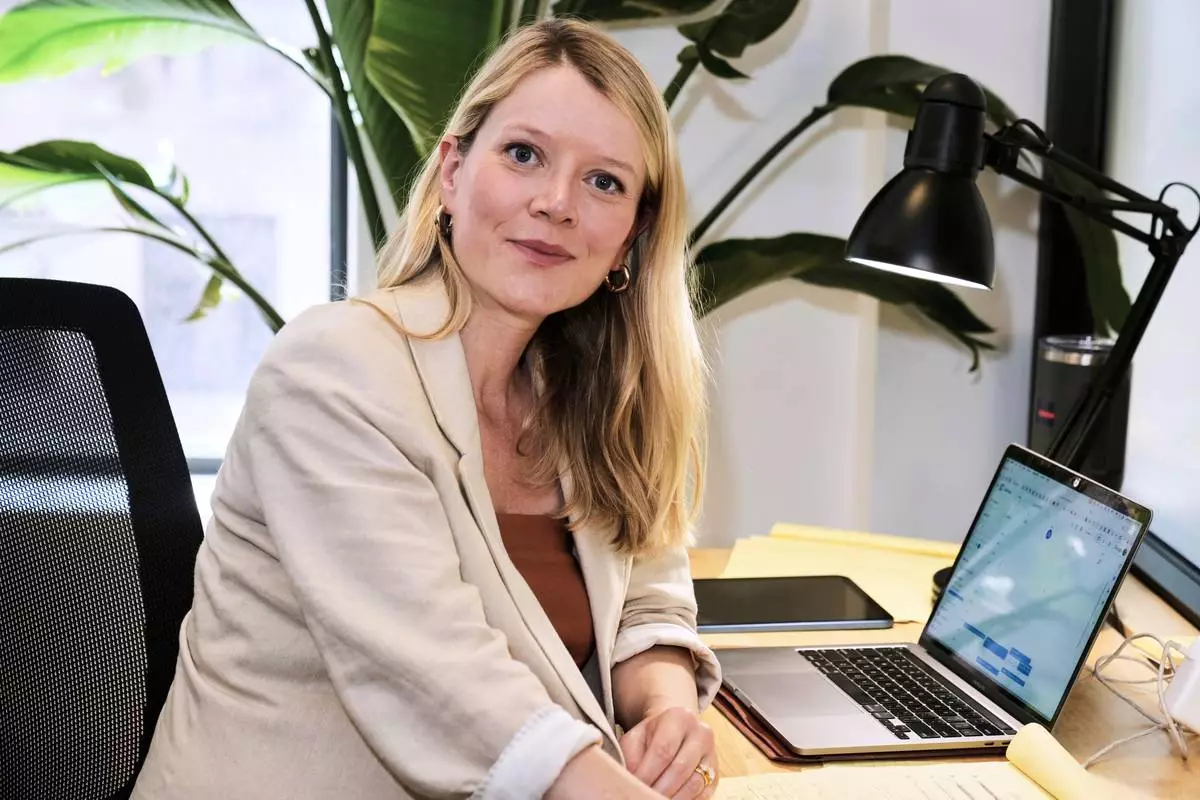
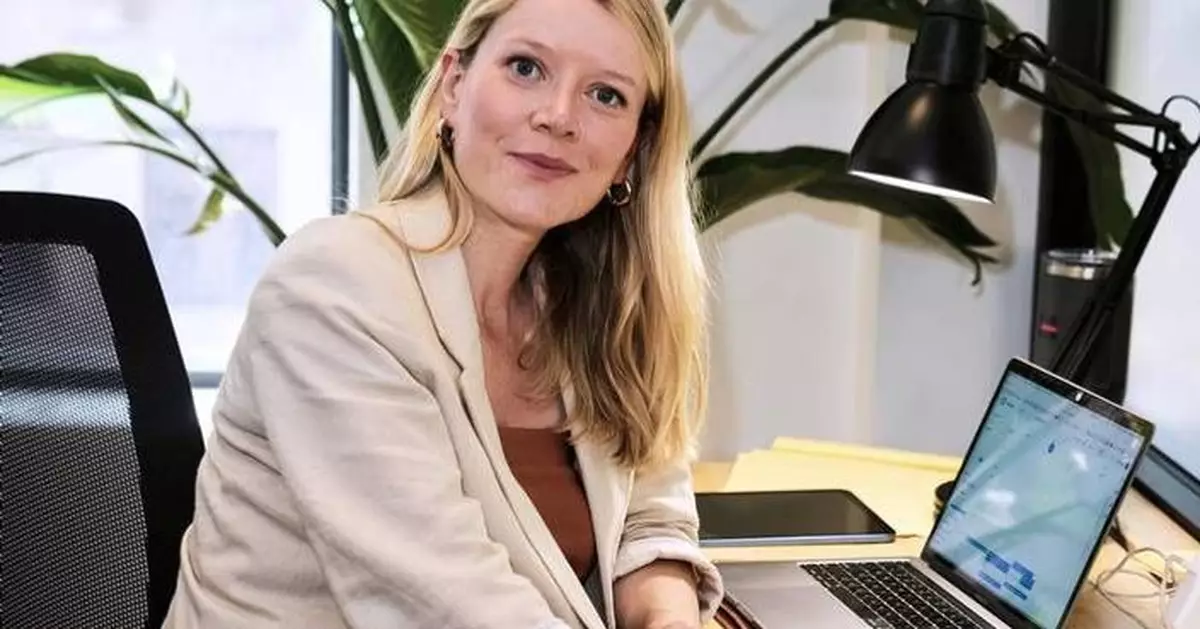
FILE - Jane Ferguson, founder of Noosphere, is photographed in the site's office, in New York, Wednesday, June 25, 2025. (AP Photo/Richard Drew, File)

NEW YORK (AP) — President Donald Trump's administration this week acknowledged it made a significant error in figures it used to help justify a fraud probe into New York’s Medicaid program, a glaring mistake that undercuts a federal campaign to tackle waste, mostly in Democratic-led states.
The error, one of at least a few misrepresentations in its description of the program, prompted health analysts to question how many of the Republican administration’s sweeping anti-fraud efforts around the country were based on faulty findings. It also reflected a common criticism that’s been made of Trump’s second administration — that it tends to attack first and confirm the facts later.
“These numbers could have been cleared up in a phone call, so it’s really slapdash,” said Fiscal Policy Institute senior health policy adviser Michael Kinnucan, whose recent analysis called attention to the Trump administration’s inaccurate claim.
The mistake appeared in comments made last month by Dr. Mehmet Oz, the administrator of the Centers for Medicare & Medicaid Services, in a social media video and in a letter to New York’s Democratic governor announcing the fraud investigation.
Oz claimed that New York’s Medicaid program last year provided some 5 million people with personal care services, which assist people in need with basic activities like bathing, grooming and meal preparation. That would add up to nearly three-fourths of the state’s 6.8 million Medicaid enrollees.
“That level of utilization is unheard of,” Oz said in the video, adding in his post that New York needs to “come clean about its Medicaid program.”
But the real number of New Yorkers who used those services last year was about 450,000, or between 6% and 7% of total enrollees, CMS spokesman Chris Krepich told The Associated Press this week in the agency’s first public acknowledgment of the error. He said the agency misidentified New York’s approach to applying billing codes and had since refined its methodology.
“CMS is committed to ensuring its analyses fully reflect state-specific billing practices and will continue to work closely with New York to validate data and strengthen program integrity oversight,” he said in an emailed statement.
Krepich said the probe was ongoing as the administration still has concerns with New York’s oversight of personal care services and the Medicaid program and is reviewing the state’s response to last month’s letter. CMS had raised other flags about New York’s program, including that it spends more per beneficiary and per resident than the average state, has high personal care spending and employs so many personal care aides that the job category is now the largest in the state.
Health analysts said the state's high spending reflected both high costs for services in New York and a policy choice to provide robust at-home care. Cadence Acquaviva, senior public information officer for the New York Department of Health, called Oz’s initial mischaracterizations “a targeted attempt to obscure the facts.”
“New York State remains committed to protecting and preserving vital Medicaid programs that deliver high-quality services to New Yorkers who depend on them,” she said.
In a statement, a spokesperson for Gov. Kathy Hochul said, “The initial claim by CMS was patently false, and we are glad they now admit it."
“Governor Hochul has been clear that New York has zero tolerance for waste, fraud and abuse in Medicaid, or any other state programs, and will continue her efforts to root out bad actors, protect taxpayer dollars, and safeguard the critical programs that New Yorkers rely on,” spokesperson Nicolette Simmonds said.
The Trump administration’s investigation into New York comes as it has similarly approached at least four other states, including California, Florida, Maine and Minnesota, with investigations into potential health care fraud. The anti-fraud effort appears to be expanding as voters in the upcoming midterm elections say they’re concerned about affordability.
Trump last month signed an executive order to create an anti-fraud task force across federal benefit programs led by Vice President JD Vance. As part of that project, Vance announced the administration would temporarily halt $243 million in Medicaid funding to Minnesota over fraud concerns, a move over which the state has since sued.
Kinnucan, the analyst with expertise in New York’s Medicaid program, said he’s concerned that the Trump administration’s adversarial approach to targeting fraud in some states “politicizes” a conversation that should be a team effort.
“We want to think collaboratively among all the stakeholders in the program about how we can actually fix it,” Kinnucan said. “We don’t want to have fraud be this political football.”
In his video, Oz made at least two other claims about New York that Medicaid advocates and beneficiaries say distorted the facts.
In one instance, he said the state recently made its screening for personal care eligibility “more lenient by allowing problems like being ‘easily distracted’ to qualify for a personal care assistant.”
Rebecca Antar, director of the health law unit at the Legal Aid Society, said the opposite was true — that the state in a rule change that went into effect last September instead made its program requirements more stringent. She said being “easily distracted” doesn’t appear anywhere among them.
Krepich said the administrator was referring to whether New York’s standard for personal care services was “sufficiently rigorous.”
“When standards are overly permissive, it risks diverting resources away from individuals with the highest levels of need and placing long-term pressure on the sustainability of the Medicaid program,” he said.
Oz in the video also referred to personal care services as “something that our families would normally do for us, like carrying groceries.”
Kathleen Downes, a 33-year-old who has quadriplegic cerebral palsy and uses personal care services in New York’s Nassau County, said she was offended by the notion that all Medicaid beneficiaries have family members who are willing and able to help.
Downes, who has been disabled since birth and needs personal care help for things like showering, using the toilet and eating, said she hires both her mother and outside assistants for personal care services, so her aging mother doesn’t have to take on those tasks full time. She said her mother did the labor unpaid for years, precluding her from pursuing other career opportunities.
“He’s assuming that everybody wants to and can just do it for free forever,” Downes said. "And that’s not feasible for a lot of people.”
Associated Press writer Anthony Izaguirre contributed to this story.
Administrator for the Centers for Medicare & Medicaid Services Dr. Mehmet Oz attends the Future Investment Initiative Institute's summit, where President Donald Trump is set to speak, Friday, March 27, 2026, in Miami Beach, Fla. (AP Photo/Mark Schiefelbein)
FILE - Administrator for the Centers for Medicare & Medicaid Services Dr. Mehmet Oz speaks during a news conference on efforts to combat fraud, in the Old Eisenhower Executive Office Building on the White House campus Feb. 25, 2026, in Washington. (AP Photo/Tom Brenner, File)