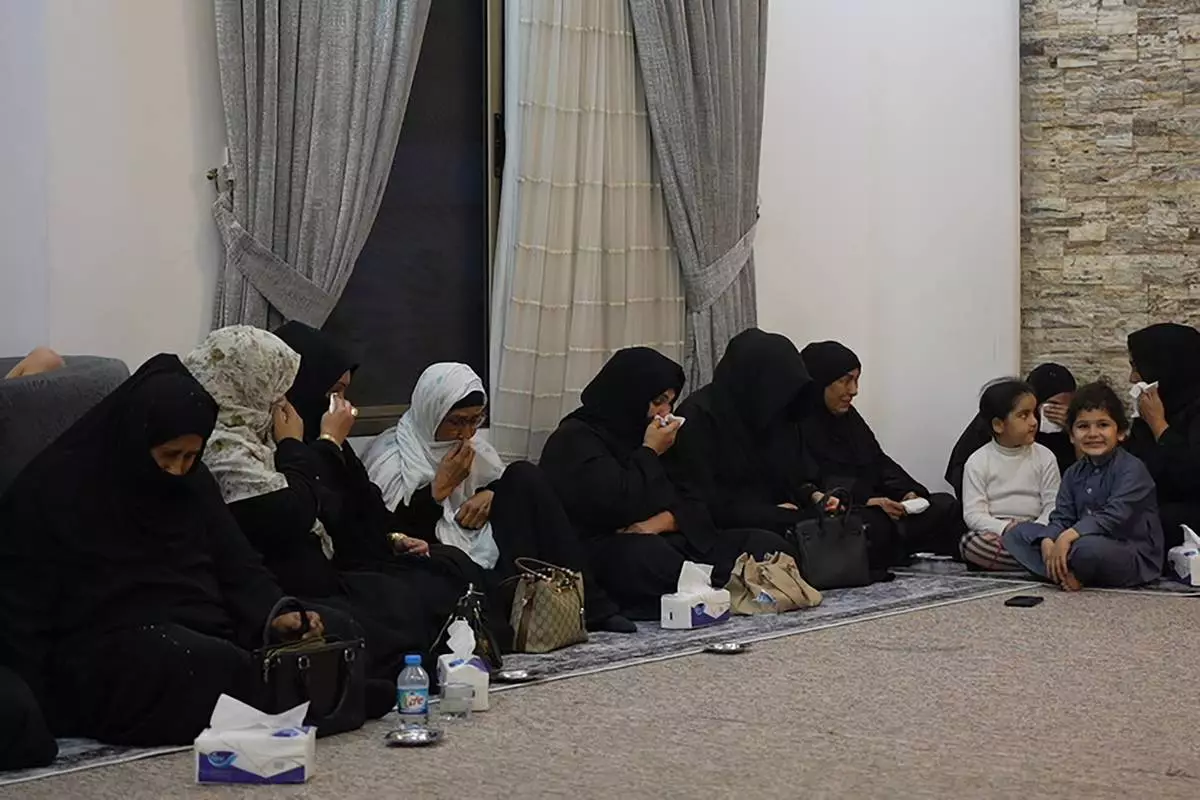
IRBIL, Iraq (AP) — Seven days after the legendary Iraqi singer Sajida Obaid died, women sat wrapped in black veils and abayas, their faces wet at her family home in the northern city of Irbil. Some were family members and others were fans who had loved her for decades.
Bitter black coffee, the drink of Iraqi mourning, passed quietly from hand to hand. The music drifting in from outside filled the spaces between sobs.
Click to Gallery
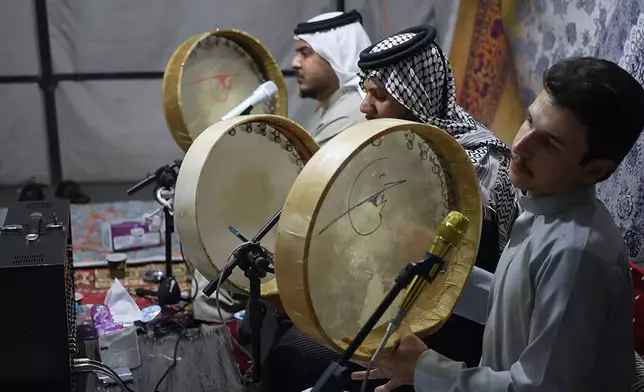
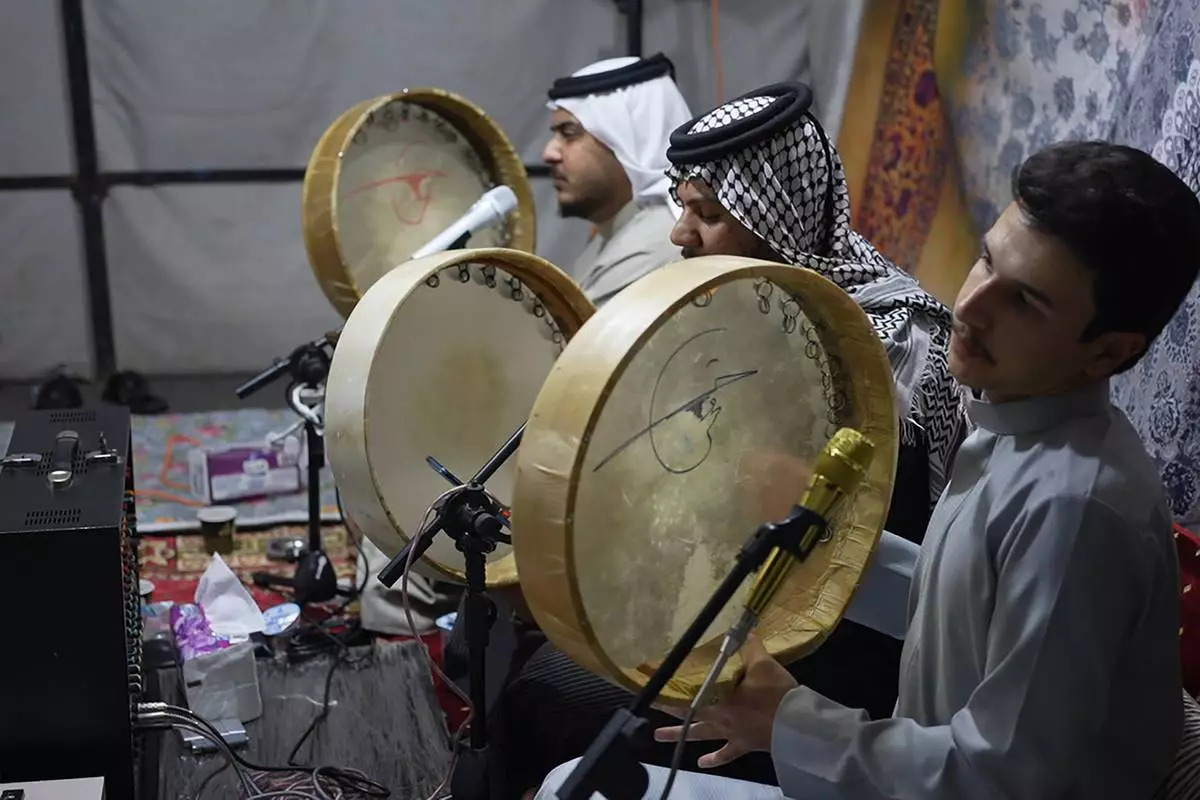
Musicians beat the daf drum as they perform traditional mourning songs for men gathered under a tent outside the family home of Iraqi singer Sajida Obaid on the seventh day of her passing in Irbil, Iraq, Thursday, April 10, 2026. (AP Photo/Stella Martany)
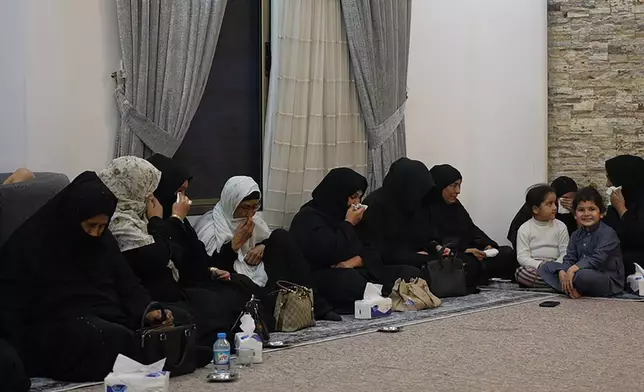
Women sit in quiet grief at the family home of Iraqi singer Sajida Obaid during the seventh-day mourning gathering in Irbil, Iraq, Thursday, April 10, 2026. (AP Photo/Stella Martany)
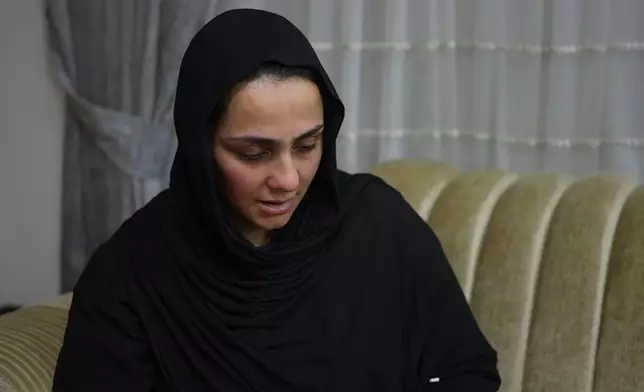
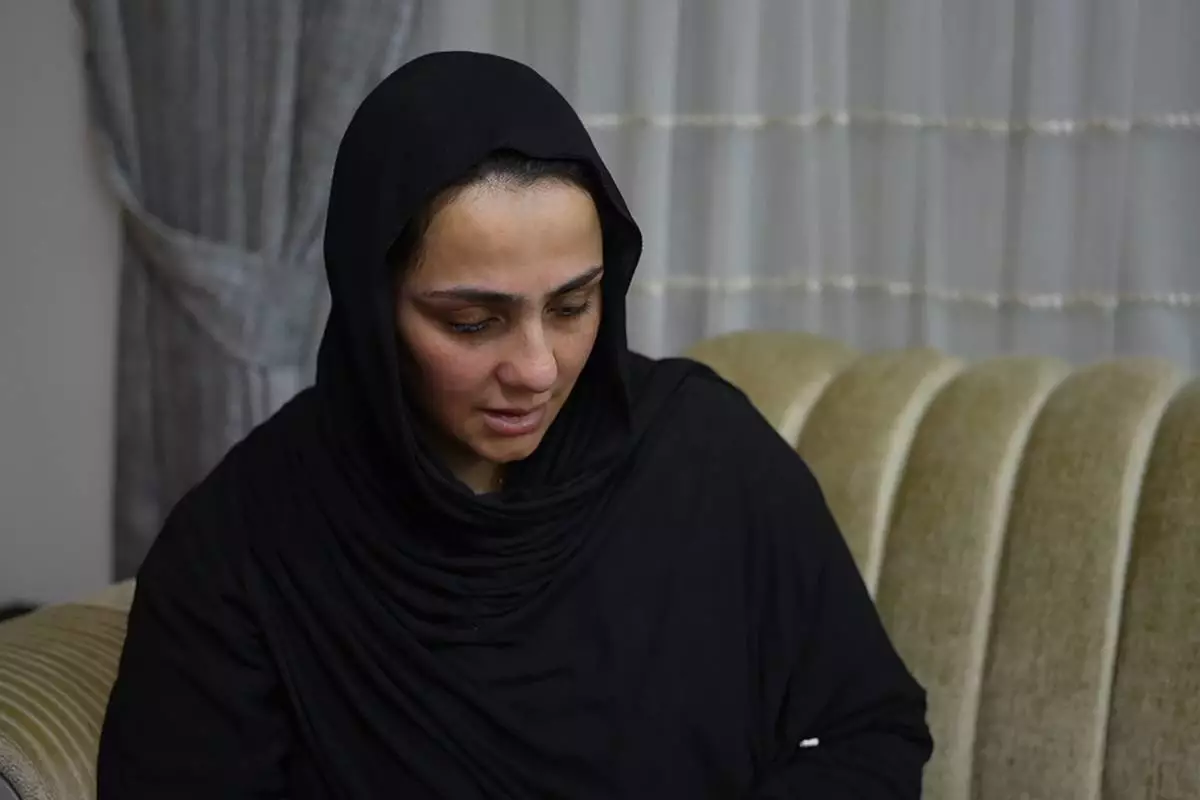
Sahar Sabti, niece of Iraqi singer Sajida Obaid, weeps during the seventh-day mourning gathering at the family home in Irbil, Iraq, Thursday, April 10, 2026. (AP Photo/Stella Martany)
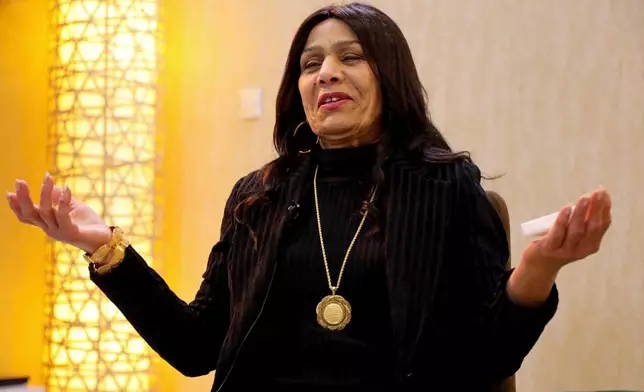
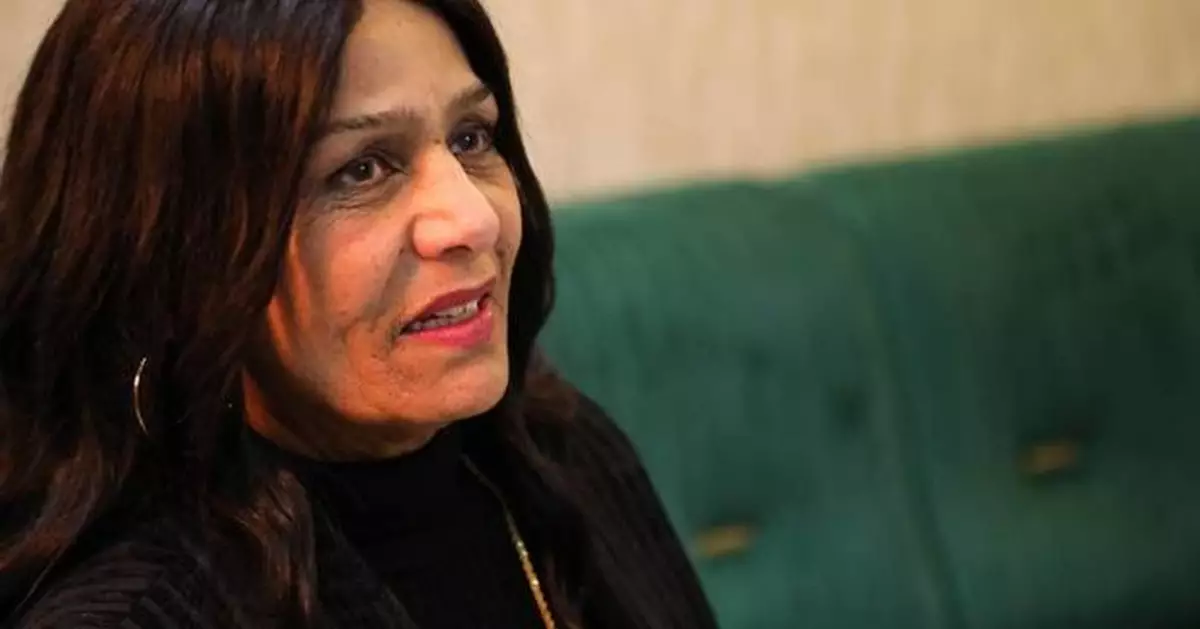
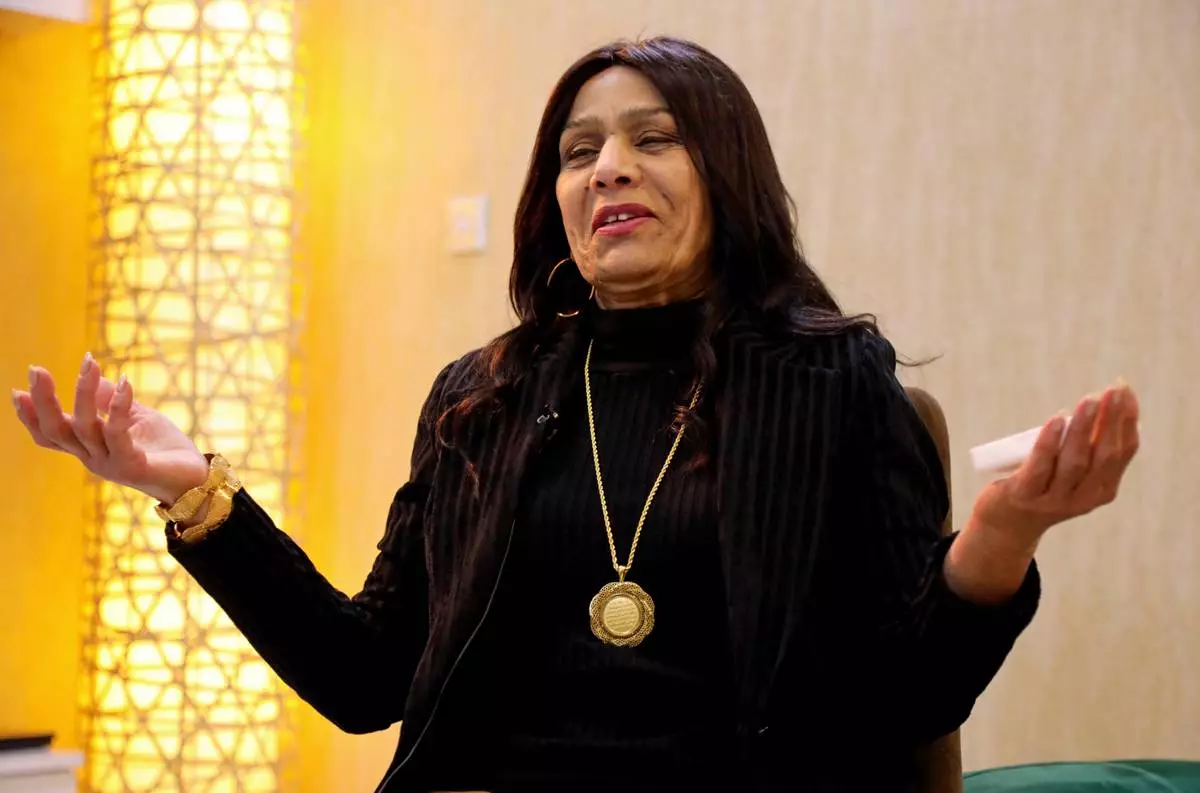
FILE - Singer Sajda Obeid speaks during an interview in Irbil, Iraq, Friday, Dec. 10, 2021. (AP Photo/Hussein Ibrahim, File)
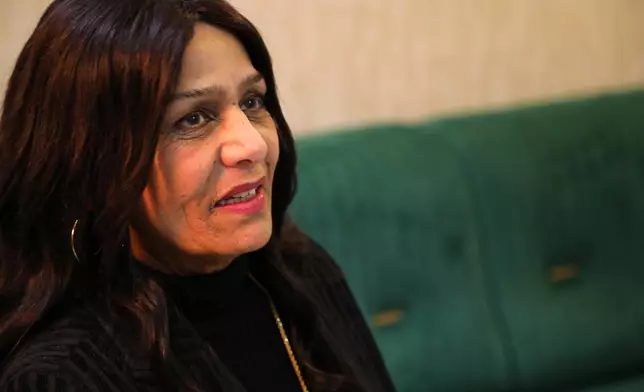
FILE - Singer Sajda Obeid speaks during an interview in Irbil, Iraq, Friday, Dec. 10, 2021. (AP Photo/Hussein Ibrahim, File)
Outside, men sat under a canvas tent in the street. A traditional band beat the daf as some of the men wiped their eyes. In Iraq, the seventh day marks a return, a final gathering before grief begins to thin into memory.
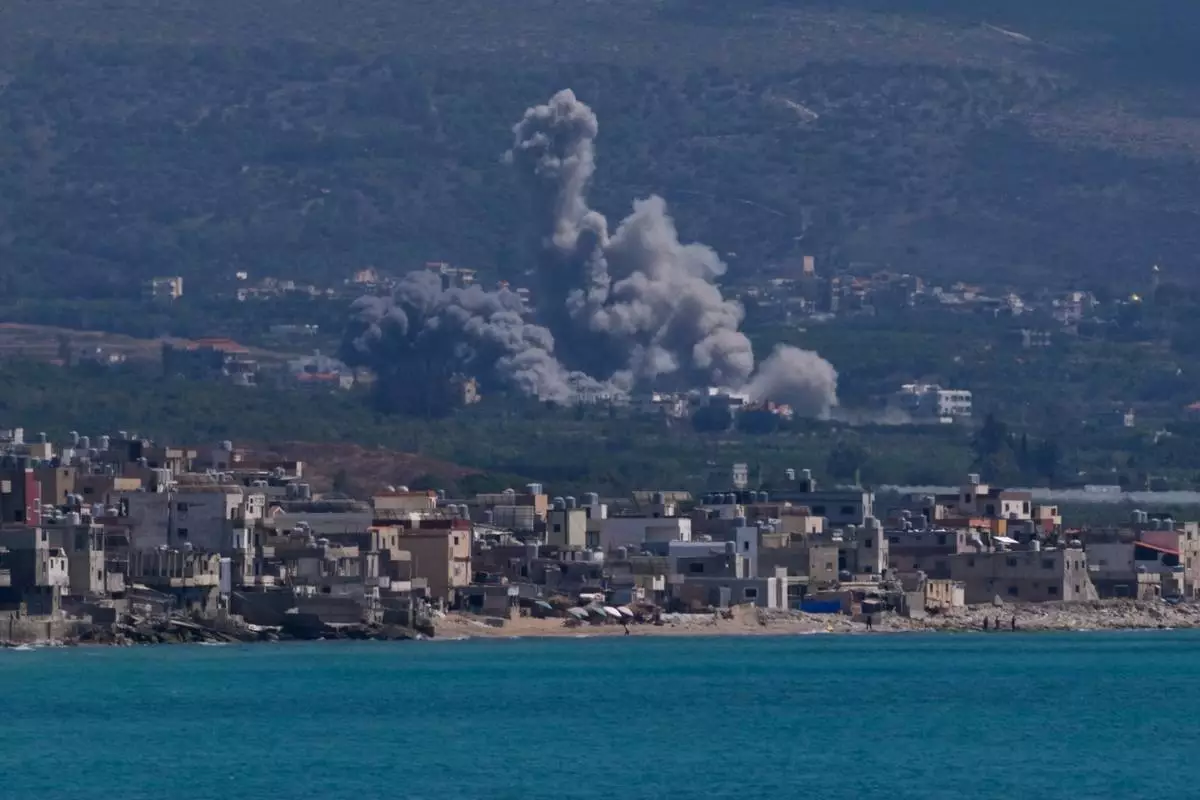
Obaid died on April 4 at the age of 68 after a battle with lung cancer. The news was overshadowed by the Iran war that had spilled over into neighboring Iraq. But for her fans, her death felt personal — the loss of a woman whose voice had given them, for a few hours at a time, something close to freedom.
In Iraq, a woman moving through public life carries weight with her; eyes watching what she wears, how she moves, whether she is stepping too far outside the lines. So Obaid decided to hold parties only for women. Every staff member including the DJ, the waiters, the security, and the organizers was a woman. No phones were allowed to prevent photography. To protect the women in the room, their freedom stayed inside those walls.
Women who would never dream of dancing in front of male audience came. They dressed how they wanted and danced the way they had forgotten they could.
Virgin Jaji, 68, was one of them. While the Arab world traditionally begins its mornings with the dreamy songs of the Lebanese singer Fayrouz, Jaji said she has listened to Obaid every morning for years, in the car, at home, even at the gym. “Even my parrot only dances to Sajida Obaid’s music.
“In her women’s parties we danced like we had no cares in the world,” Jaji said, her eyes red from crying. “We felt free. Truly free.”
Mina Mohammed, 40, said, “The first time I heard about a women-only party by Sajida, I borrowed money from friends just to be in that hall. Her voice will always take me back to the best moments of my life.”
Obaid was born in Baghdad in 1957, the daughter of a Roma family. In Iraq, Roma people are known as “Kawliya,” a community long tied to music and performance, but also one that has lived for generations at the edge of society. Sajida began singing at 12, performing at parties to help her family pay the bills.
By her teenage years she was already a known name. Her voice was warm and commanding, rooted in the dance rhythms of the Kawliya and in the older, more tender Iraqi style known as mawal. By the 1980s, it had reached the most powerful and most dangerous men in Iraq.
Saddam Hussein’s security guards would pull her away mid-performance from other people’s weddings and bring her to sing. She performed at the weddings of Saddam’s children and at birthday parties for his sons and daughters. It was the complicated price of being a national star in an era of dictatorship. She traveled the world, performed at international festivals and sometimes played as many as seven shows a week.
But the women-only parties were always special to her, said her brother and manager, Aayed Awda.
“Those parties were something the women themselves asked for, including women from the most conservative families, because they wanted a place where they could dress freely, move freely, be themselves,” he said. “Sajida believed deeply in helping women and giving them that space.”
Obaid’s songs sometimes pushed social boundaries, like “Inkasarat al-Sheesha” ("the shisha broke”), about a woman who has lost her virginity and must now face her family. “What will I tell my mother?” the lyrics ask. In Iraq, that is not a light question. Obaid sang it with a full voice, without apology.
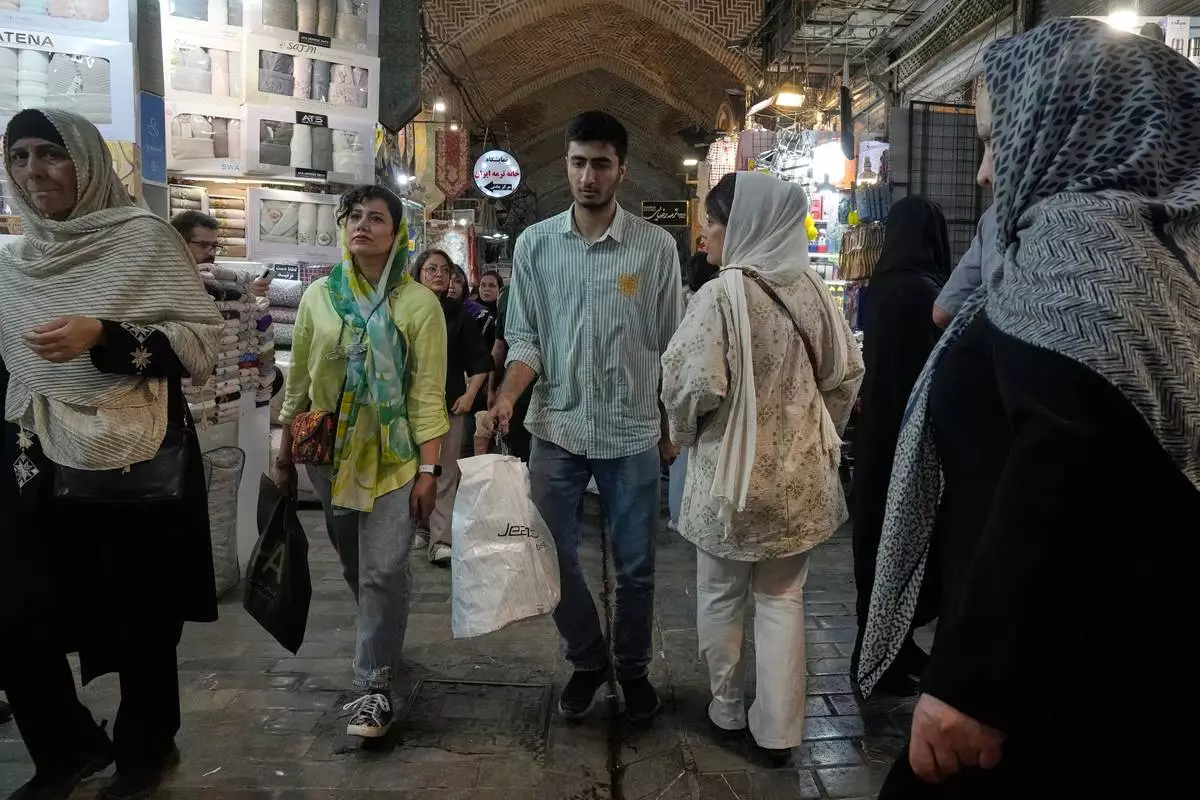
Many Iraqi women feel that the gains they had made in rights over the years are receding. Last year, Iraqi Parliament passed amendments to the country’s personal status law that opponents say would in effect legalize child marriage and erode women's rights in matters like divorce and inheritance.
“Iraq feels like it’s moving backward, and the space for women's freedom is shrinking,” said Mohammed, the fan who borrowed money to attend Obaid's parties. She hopes that the carefree moments they brought can “be carried forward, even in small ways, like women-only DJ nights with her music.”
In her final months, the woman who had sung on stages across five continents lived quietly in Irbil, in the home of her elder brother’s family. She had no children. She had married twice and divorced twice. She rarely went out. She spent her days close to the people she loved and played with the children in the house.
“She was gentle and warm, and she never once caused harm to anyone,” said her niece Sahar Sabti, 38, who shared the home with her. “She took care of everyone around her.”
About four months before Obaid died, doctors found lung cancer, Sabti said. She still insisted on flying to Canada for a concert. But when she came home to receive her first chemo session, her body gave up.
She was hospitalized in Irbil, where she remained for more than two weeks before being sent home on oxygen. Her family took her to the hospital once more, and this time she didn’t come home.
Her brother recalled the 40 years they worked together, and their sibling bickering about the shade of her makeup, the cut and color of her dress, the theme of the next party.
“We disagreed on everything,” Awda said, his voice breaking. “And I miss every single one of those arguments.”
On the seventh day of mourning, as the drum outside finally fell silent and the women inside dried their faces, they spoke about Obaid the way people speak about someone who has stepped out of the room for a moment.
“For me and my friends, dancing and Sajida are the same word,” said Leila Botrus, 55. “She brought people together everywhere she went through joy, through music."
Outside in the tent, the band played its last song of the evening. The coffee in the cups grew cold, but the women stayed a little longer together.
In that room, filled with women sitting close together, it felt as though Sajida had left behind exactly what she always gave them; a space of their own.
Musicians beat the daf drum as they perform traditional mourning songs for men gathered under a tent outside the family home of Iraqi singer Sajida Obaid on the seventh day of her passing in Irbil, Iraq, Thursday, April 10, 2026. (AP Photo/Stella Martany)
Women sit in quiet grief at the family home of Iraqi singer Sajida Obaid during the seventh-day mourning gathering in Irbil, Iraq, Thursday, April 10, 2026. (AP Photo/Stella Martany)
Sahar Sabti, niece of Iraqi singer Sajida Obaid, weeps during the seventh-day mourning gathering at the family home in Irbil, Iraq, Thursday, April 10, 2026. (AP Photo/Stella Martany)
FILE - Singer Sajda Obeid speaks during an interview in Irbil, Iraq, Friday, Dec. 10, 2021. (AP Photo/Hussein Ibrahim, File)
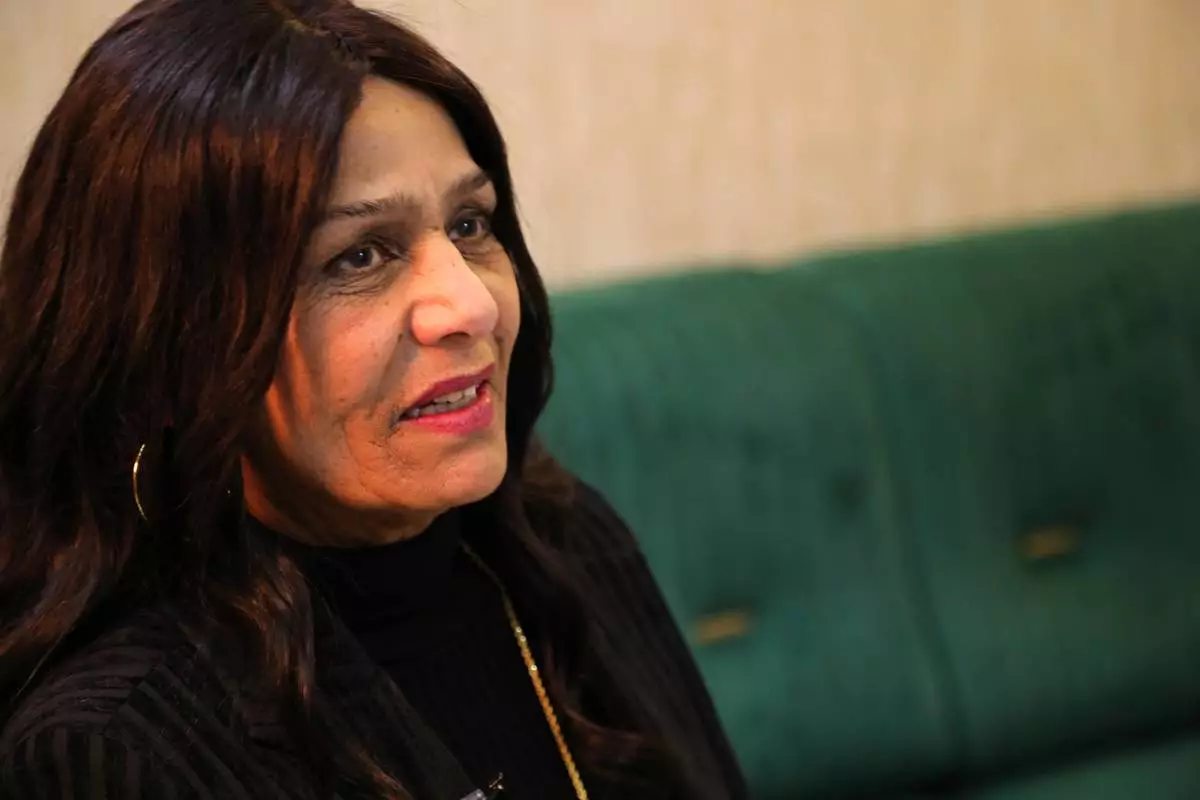
FILE - Singer Sajda Obeid speaks during an interview in Irbil, Iraq, Friday, Dec. 10, 2021. (AP Photo/Hussein Ibrahim, File)