SAN FRANCISCO--(BUSINESS WIRE)--Apr 13, 2026--
Kiddom, a leading education technology platform and developer of Learning Intelligence Technology (LIT), today announced its participation in the upcoming ASU+GSV Summit, taking place April 12-15 in San Diego, California. The Company’s involvement in the Summit reflects its focus on helping school districts achieve greater instructional coherence by aligning curriculum, assessment, insights and technology into a unified system that works for teachers and delivers for students.
This press release features multimedia. View the full release here: https://www.businesswire.com/news/home/20260413349020/en/
Kiddom leaders will participate in two sessions during the Summit. Co-Founder and CEO Ahsan Rizvi will examine what it takes to translate High-Quality Instructional Materials (HQIM) into measurably improved performance, and Co-Founder and Chief Academic Officer Abbas Manjee will discuss coherence as infrastructure.
“The future of education isn’t another tool: it’s coherence in action. At Kiddom, we’re building the infrastructure that makes the right thing the easy thing for teachers, every day,” said Ahsan Rizvi, CEO at Kiddom. “It’s largely invisible and not built on any single silver bullet, but it’s what enables classrooms to run with greater consistency, confidence, and joy. The results speak for themselves, and we’re excited to share them with the ASU-GSV community.”
1) The Coherence Conundrum: Getting the Most Impact Out of High-Quality Instructional Materials (HQIM)
Featuring: Co-Founder and CEO Ahsan Rizvi
When: Tuesday, April 14, 2026, 10:10-10:50 AM
Location: Harbor A, Level 2
Ahsan will join Angie Gaylord, Chief Academic Officer of Dallas ISD and Chong-Hao Fu, CEO of Leading Educators for an examination of how coherence unlocks the impact of HQIM, and how districts can align the right materials with the right supports to accelerate learning, especially for the students who need it most. The session will discuss executing coherence at scale, emphasizing how it can become a catalyst for stronger math outcomes and equity in education.
For more details, visit: https://asugsvsummit.com/schedule/the-coherence-conundrum-getting-the-most-impact-out-of-high-quality-instructional-materials-hqim
2) Coherence as Infrastructure: When Curriculum, Assessment, and Technology Speak the Same Language
Featuring: Co-Founder and Chief Academic Officer Abbas Manjee
When: Tuesday, April 14, 2026, 2:00-2:50 PM
Location: America’s Cup C, Level 4
Abbas will join Cristine Vaughan, Superintendent of New York City Public Schools and Michelle Odemwingie, CEO of Achievement Network to share how they worked together to rethink and co-design a coherent experience collapsing tier 1 and tier 2 instruction into a singular experience for teachers and learners.
For more details, visit: https://asugsvsummit.com/schedule/coherence-as-infrastructure-when-curriculum-assessment-and-technology-speak-the-same-language
About Kiddom
Kiddom is the creator of Learning Intelligence Technology, a new class of technology that helps teachers unlock the full potential of high-quality instructional materials. LIT streamlines planning, delivery, grading, and reporting. It lightens teachers’ workload while delivering actionable insights that foster stronger student connections and deeper learning.
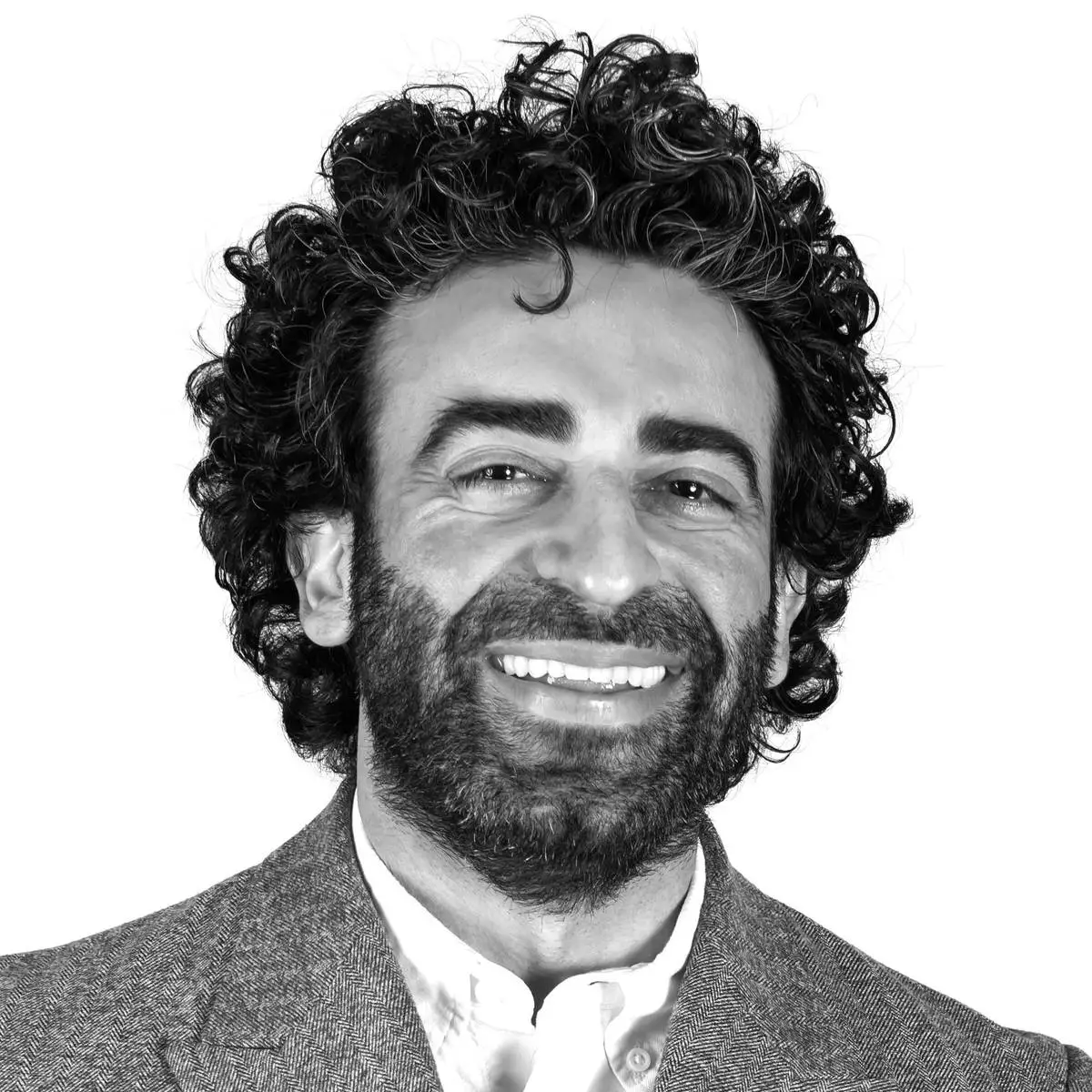
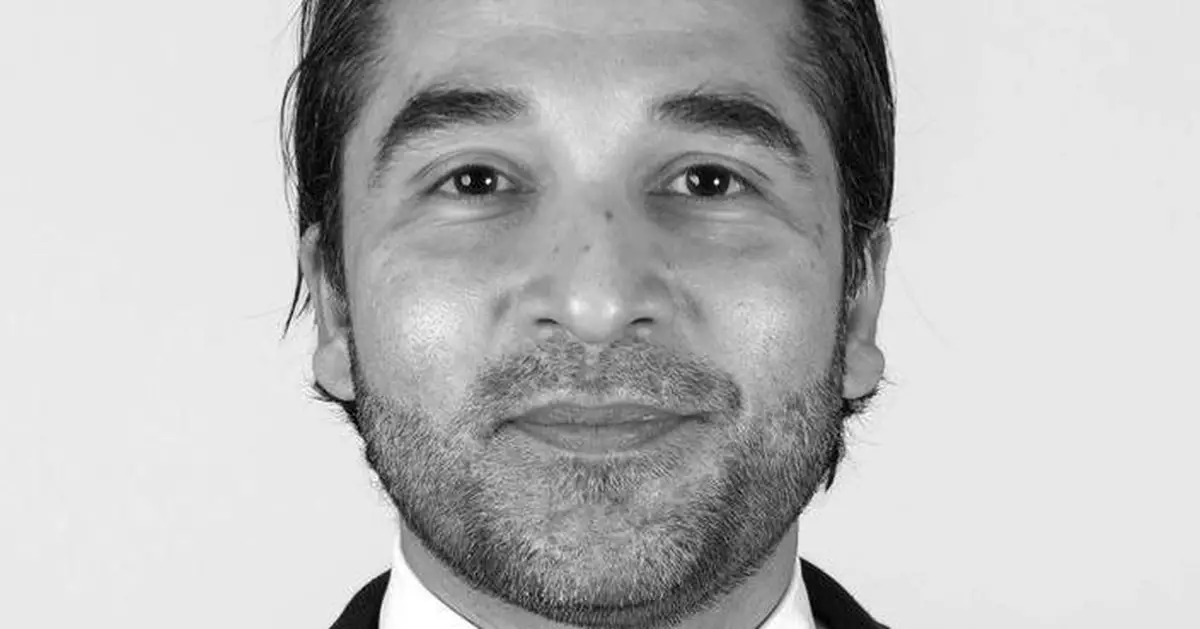
Abbas Manjee, Co-Founder and Chief Academic Officer at Kiddom
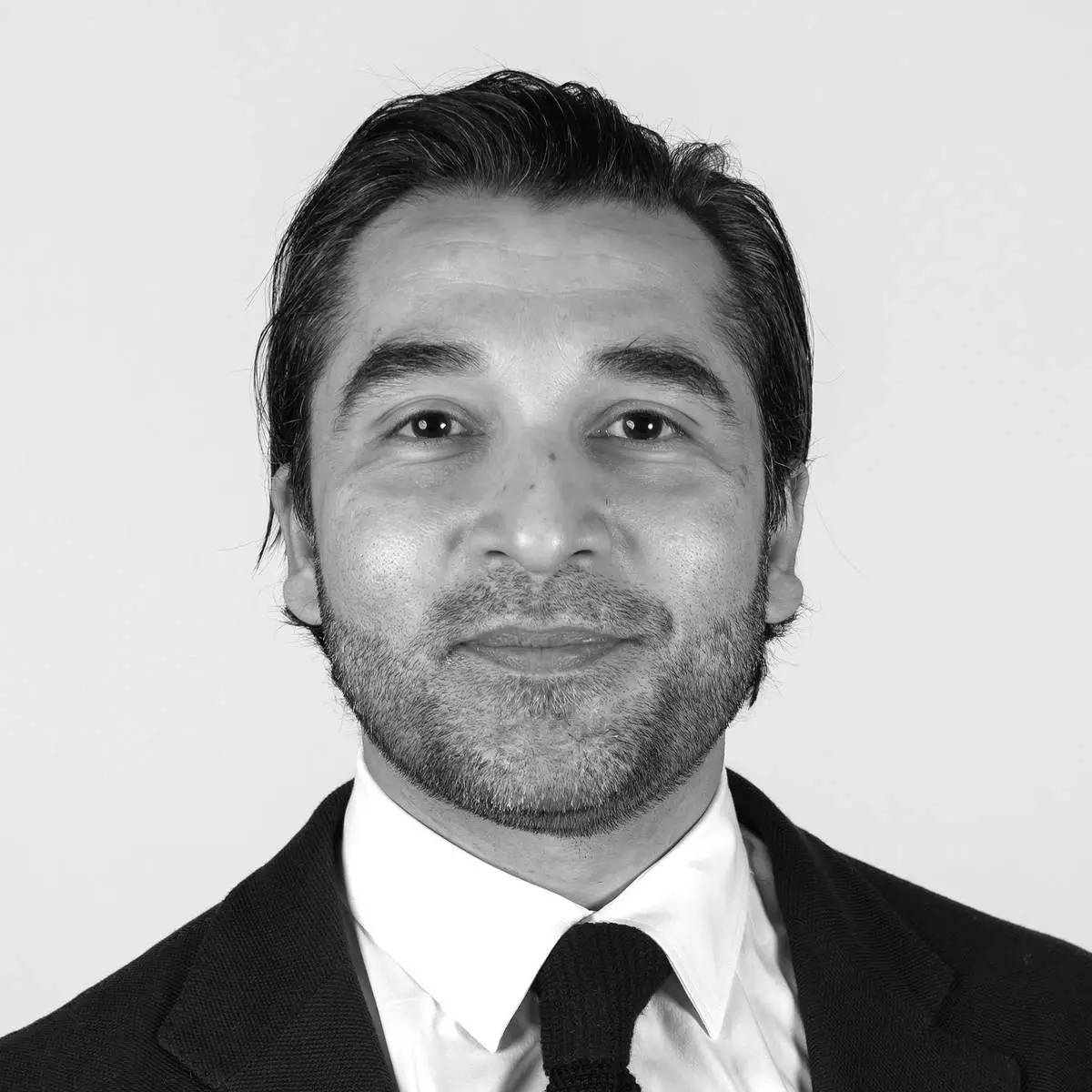
Ahsan Rizvi, Co-Founder and Chief Executive Officer at Kiddom
NEW YORK (AP) — Oil prices are back above $100 per barrel, and stock markets are falling worldwide Monday after 21 hours of ceasefire talks between the United States and Iran failed to end their war.
But the moves are more modest than many of the extreme swings that have rocked financial markets since the start of the war in late February. Analysts said that suggests Wall Street still hopes both sides will ultimately avoid a worst-case scenario for the global economy.
The S&P 500 slipped 0.3% and gave back only a bit of its gains from the prior week, which had built on hopes about the weekend’s U.S.-Iran talks. The Dow Jones Industrial Average was down 361 points, or 0.8%, as of 9:35 a.m. Eastern time, and the Nasdaq composite was 0.3% lower.
The moves were sharper in the oil market, where prices jumped roughly 7%. After the weekend’s talks failed, President Donald Trump threatened a blockade of the Strait of Hormuz, a move that raises the pressure on Iran by trying to prevent it from making money by selling oil.
A blockade would keep even more oil off the global market, after prices already jumped for everyone because of shortfalls due to Iran’s restrictions on traffic in the important strait. That narrow waterway is how much of the oil produced in the Persian Gulf area reaches customers worldwide.
Iran responded by threatening all ports in the Persian Gulf and the Gulf of Oman.
“Security in the Persian Gulf and the Sea of Oman is either for everyone or for NO ONE,” the Islamic Republic of Iran Broadcasting reported Monday. “NO PORT in the region will be safe,” according to a statement from the Iranian military and the Revolutionary Guards.
The price of Brent crude, the international standard, rose back toward $102 per barrel and is well above its roughly $70 price from before the war. But it remains below the $119 peak it’s touched at times when worries about the U.S.-Iran war have been at their heights.
“Markets are taking some encouragement from the fact that the two sides are talking and that the broader ceasefire seems to be holding, for now,” according to Sameer Samana, head of global equities and real assets at Wells Fargo Investment Institute.
And, as with so many pronouncements made so far in the U.S.-Iran war, much will depend on the details of the blockade and exactly what gets restricted.
“Not all blockades are created the same,” said Brian Jacobsen, chief economic strategist at Annex Wealth Management.
“The developments over the weekend might not be as negative for the markets as many fear.”
In the meantime, big U.S. companies are beginning to tell investors how much money they made during the first three months of the year.
Goldman Sachs, the investment bank, said it made $5.63 billion in profit during the quarter, more than investors expected. But financial analysts pointed to some potentially concerning signals underneath the surface, including lower revenue from the trading of fixed income, commodities and currencies. Its stock fell 3.8%.
JPMorgan Chase, Wells Fargo, Citigroup and Bank of America all report later this week, as do Johnson & Johnson, Netflix and PepsiCo.
In the bond market, Treasury yields held relatively steady. The yield on the 10-year Treasury edged up to 4.32% from 4.31% late Friday.
In stock markets abroad, indexes fell across much of Europe and Asia. Germany’s DAX lost 1%, and Hong Kong’s Hang Seng fell 0.9% for two of the world’s larger losses.
“The outcome of the talks was not really what people were hoping for, that’s for certain,” Neil Newman, Managing Director, Head of Strategy at Astris Advisory Japan, said in Hong Kong about the U.S.-Iran negotiations.
“As we stand here at the moment, it doesn’t look very nice. Certainly, the oil prices are a big concern.”
AP journalists Yuri Kageyama, Matt Ott and Mayuko Ono contributed to this report.
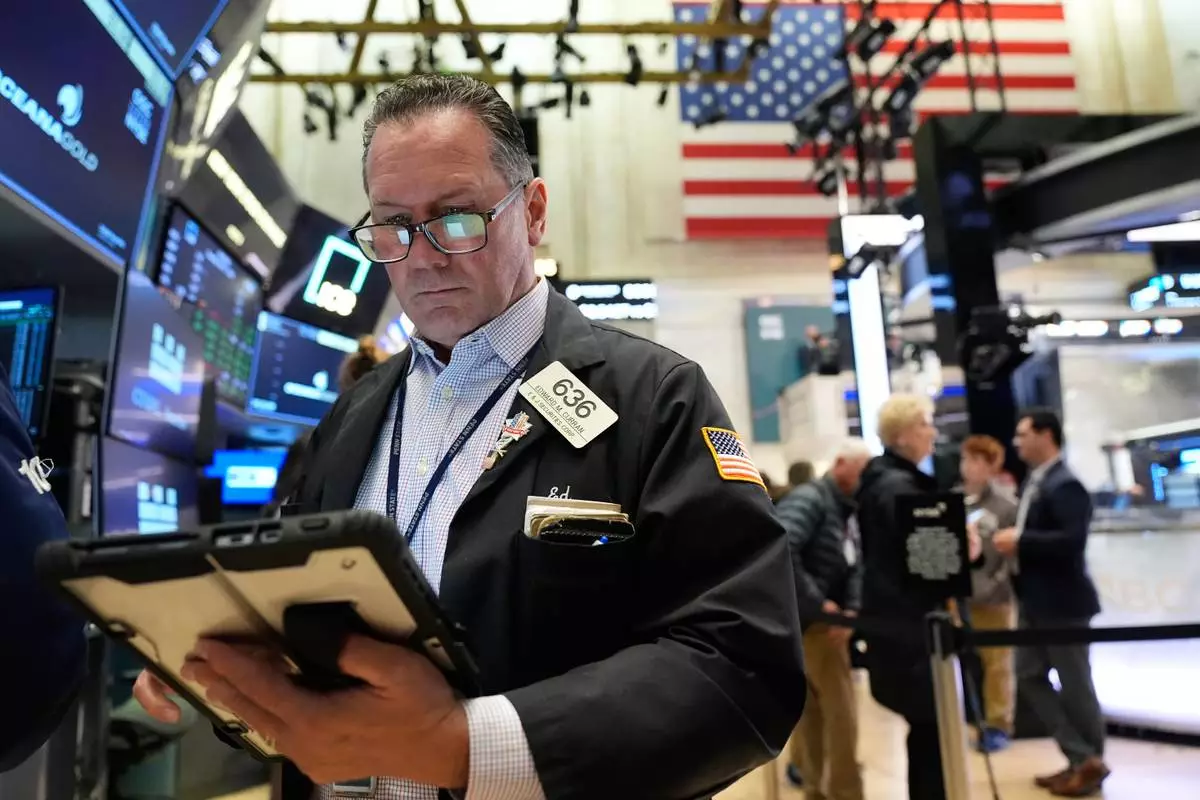
Ed Curran works on the floor at the New York Stock Exchange in New York, Tuesday, April 7, 2026. (AP Photo/Seth Wenig)
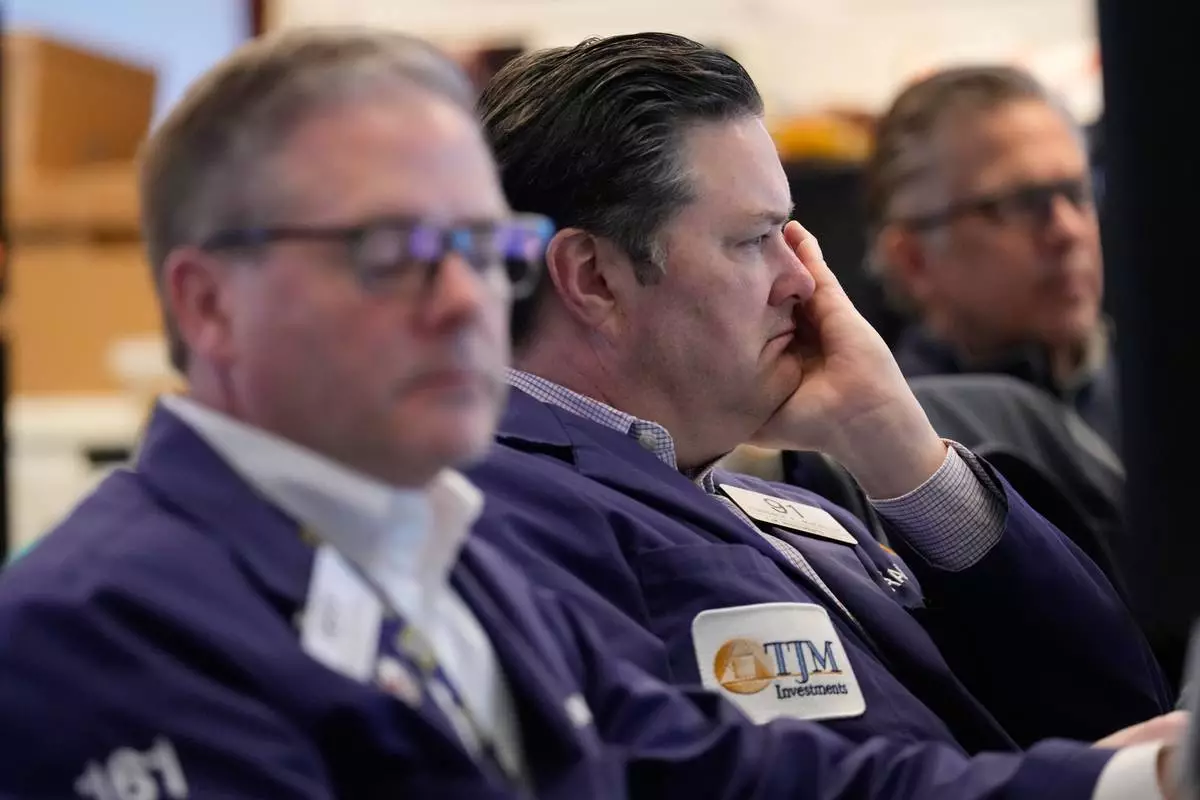
Terrance McCauley works on the floor at the New York Stock Exchange in New York, Tuesday, April 7, 2026. (AP Photo/Seth Wenig)
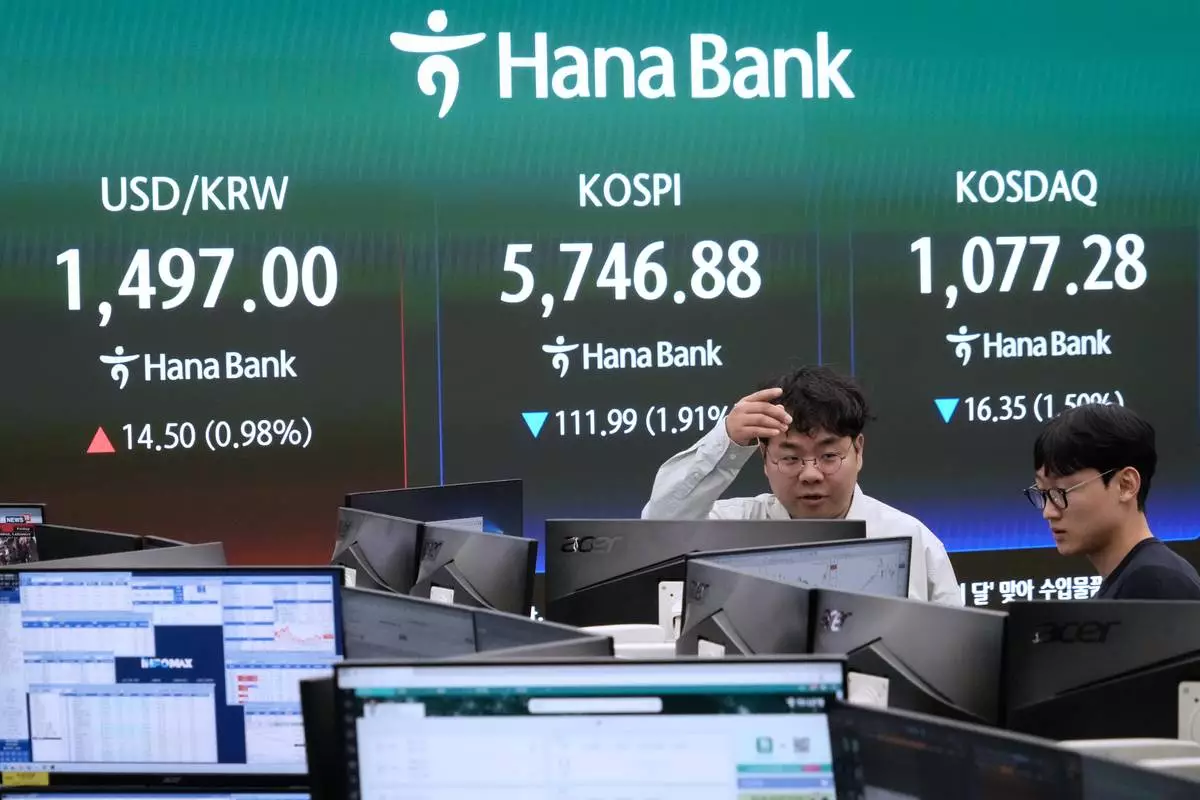
Currency traders work near a screen showing the Korea Composite Stock Price Index (KOSPI), top center, and the foreign exchange rate between U.S. dollar and South Korean won, top center left, at the foreign exchange dealing room of the Hana Bank headquarters in Seoul, South Korea, Monday, April 13, 2026. (AP Photo/Ahn Young-joon)
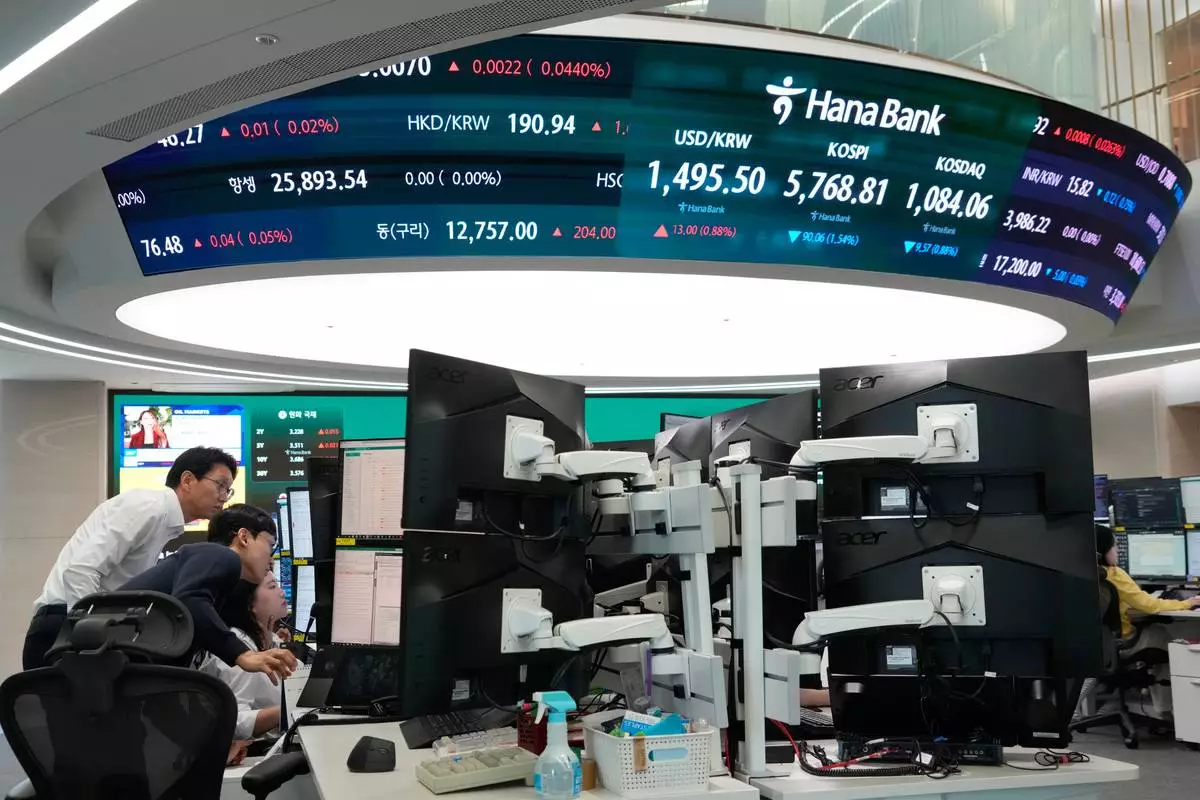
Currency traders watch monitors near a screen showing the Korea Composite Stock Price Index (KOSPI), top center, and the foreign exchange rate between U.S. dollar and South Korean won, top center left, at the foreign exchange dealing room of the Hana Bank headquarters in Seoul, South Korea, Monday, April 13, 2026. (AP Photo/Ahn Young-joon)
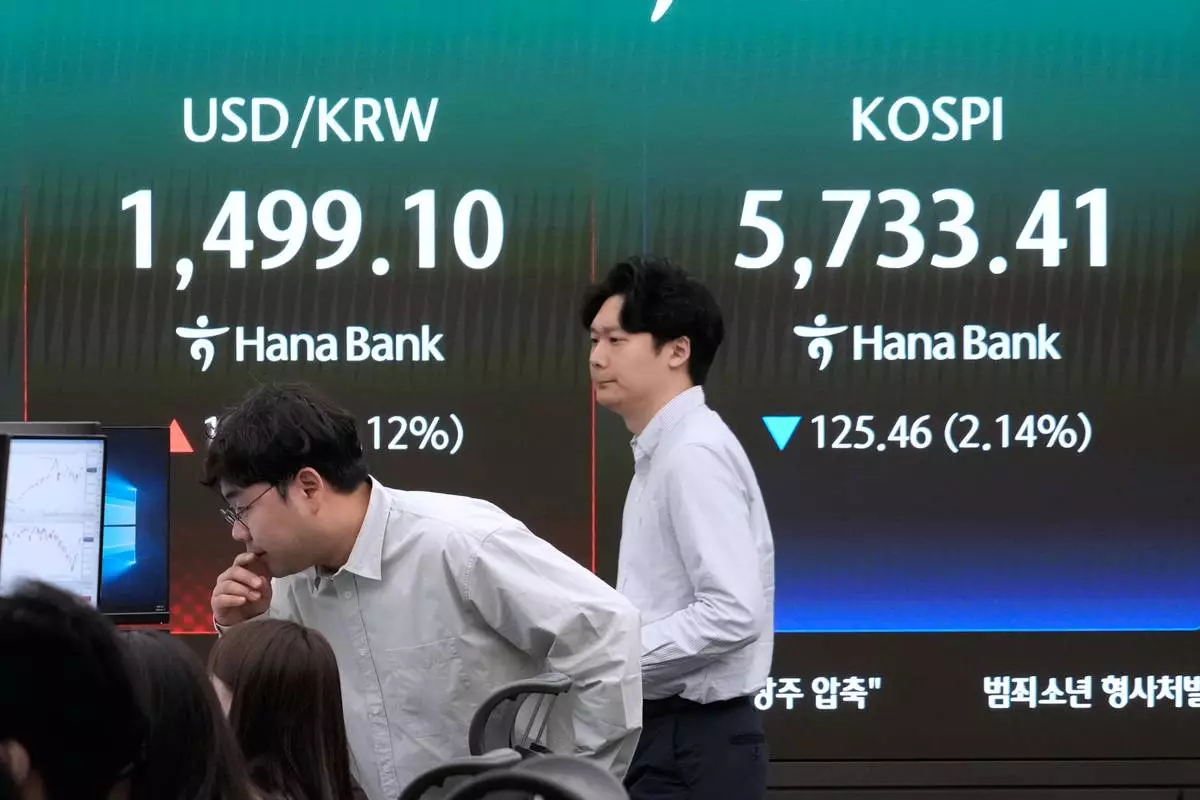
Currency traders work near a screen showing the Korea Composite Stock Price Index (KOSPI), right, and the foreign exchange rate between U.S. dollar and South Korean won at the foreign exchange dealing room of the Hana Bank headquarters in Seoul, South Korea, Monday, April 13, 2026. (AP Photo/Ahn Young-joon)