Several European countries have distanced themselves from the U.S. decision to impose a naval blockade on Iranian maritime traffic, emphasizing diplomatic solutions and warning against escalation in the Strait of Hormuz.
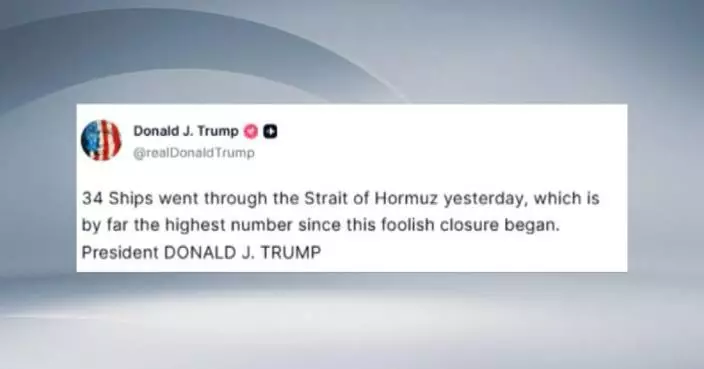
Their statements came on the same day the United States began implementing the blockade. U.S. President Donald Trump warned that the U.S. military will "eliminate" any Iranian ship if it comes close to the U.S. blockade in the Strait of Hormuz.
Earlier, NATO Secretary General Mark Rutte had indicated that the U.S. was seeking concrete commitments from European allies to help secure the Strait of Hormuz. However, these European governments have responded with rejection.
British Prime Minister Keir Starmer on Monday declared that the United Kingdom does not support a threatened blockade of the Strait of Hormuz by Trump.
Despite "some considerable pressure", the country would not be "dragged into the war" that is not in its national interest, Starmer told British media.
Spanish Defense Minister Margarita Robles said that U.S. President Donald Trump's threat to impose a naval blockade on the Strait of Hormuz is "senseless".
She also voiced "deep concern" over the stalled diplomatic efforts, stressing that "any conflict must be resolved through diplomatic channels" despite difficulties.
Turkish Foreign Minister Hakan Fidan urged all sides to ensure unimpeded maritime trade through the Strait of Hormuz via peaceful diplomatic efforts.
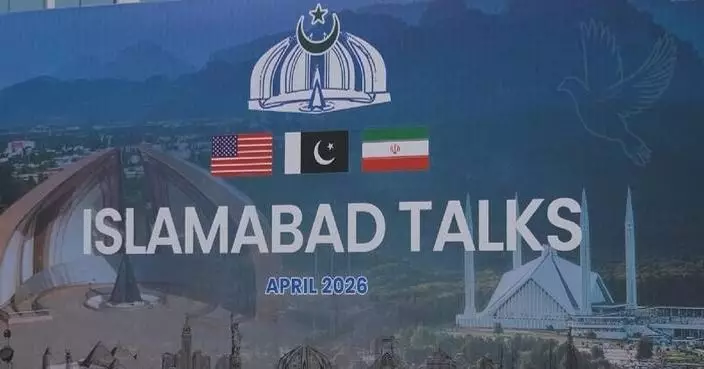
On the just-ended Islamabad talks between Iran and the United States, Fidan said Türkiye is in contact with both the United States and Iran to overcome obstacles to the talks.
European Commission President Ursula von der Leyen said there could be no stability in the Middle East while Lebanon is in flames, adding that restoring freedom of navigation in the Strait of Hormuz is of "paramount importance".
Speaking after a meeting of the European Commission's College of Commissioners, Von der Leyen said the European Union (EU) is concerned that continuous strikes on Lebanon could derail the entire process, and called on all parties to respect Lebanon's sovereignty and implement a complete cessation of hostilities.
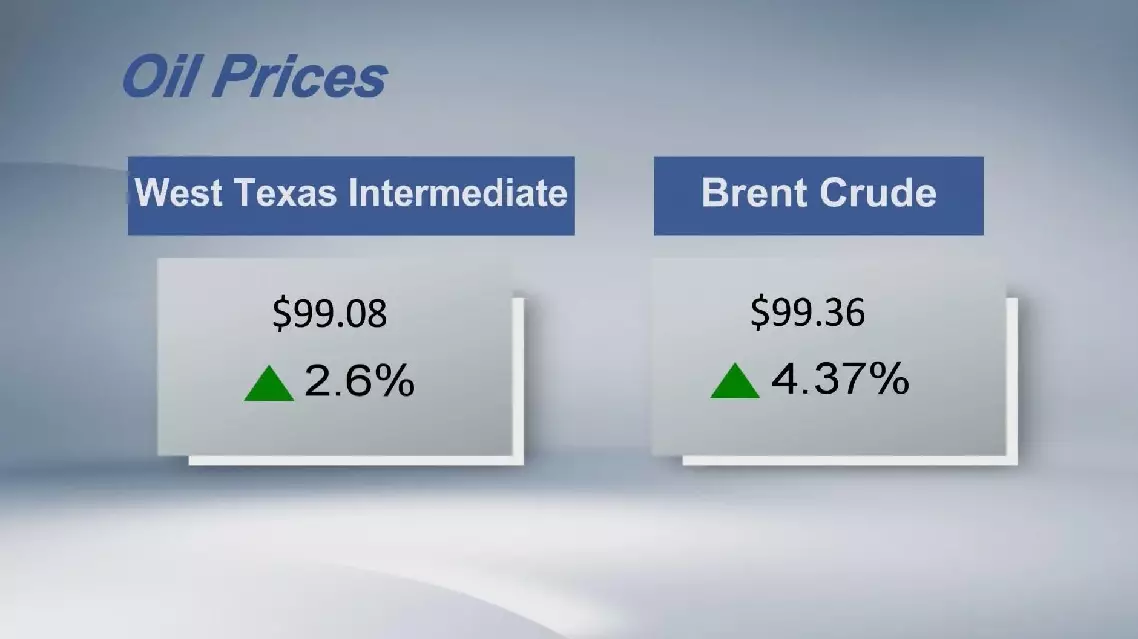
She said the crisis has brought an enormous economic impact on the EU, with the bloc's bill for fossil fuels imports rising by over 22 billion euros (about 25.72 billion U.S. dollars) since the start of the latest conflict in the Middle East.

European countries refuse to back US naval blockade of Iran