Skip to Content Facebook Feature Image

Guevara's daughter warns US embargo deepening Cuba’s humanitarian crisis

China

China

China

Guevara's daughter warns US embargo deepening Cuba’s humanitarian crisis

2026-04-16 15:25 Last Updated At:18:57

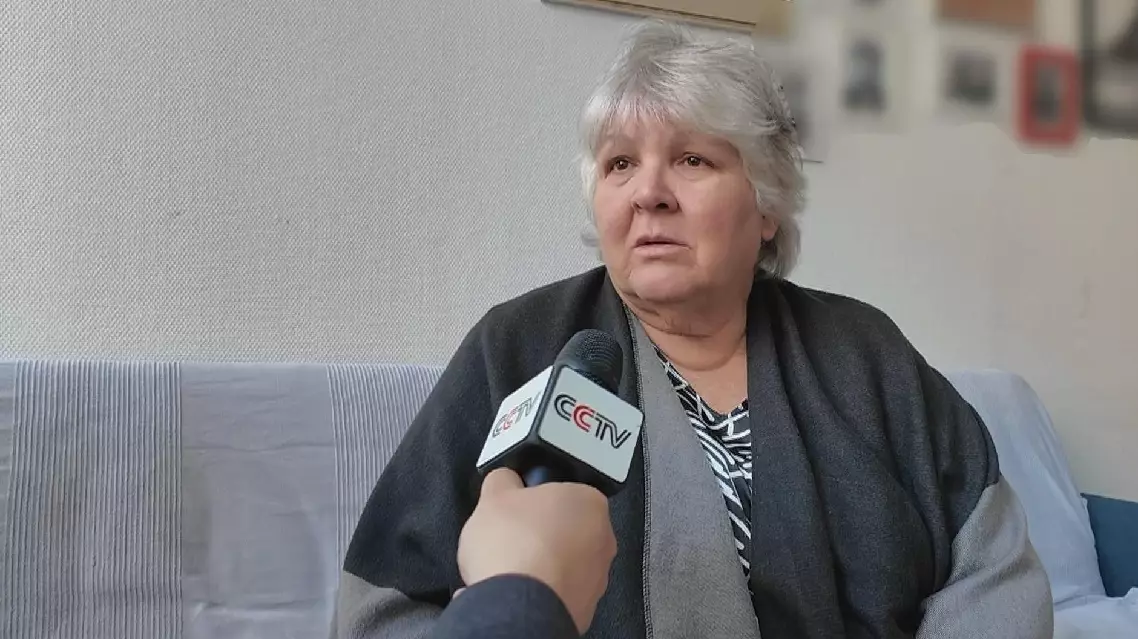
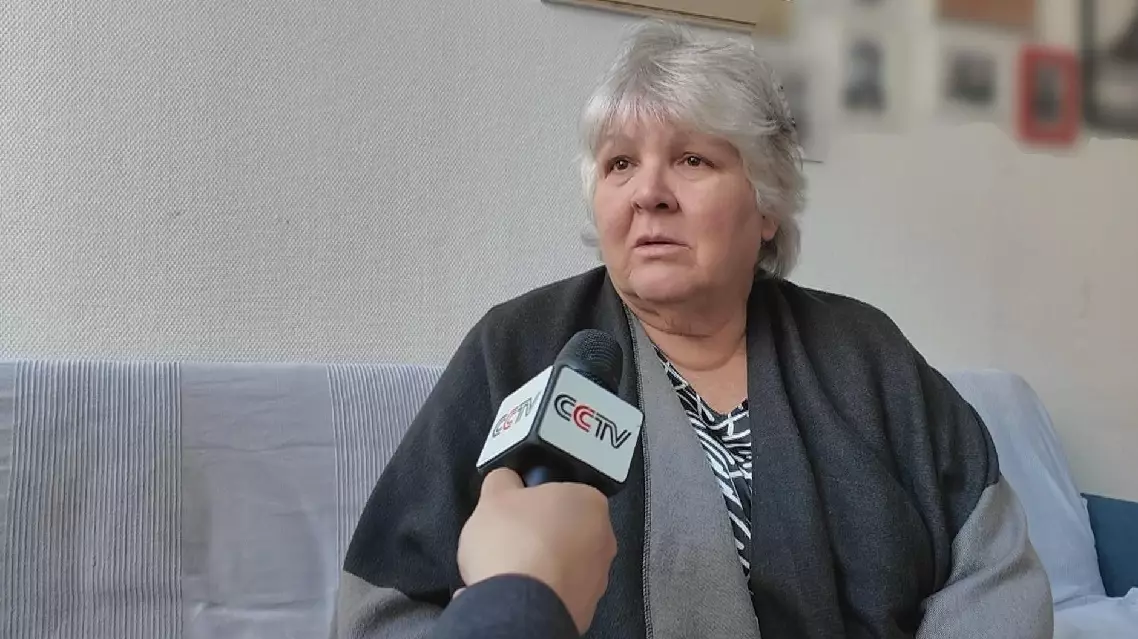
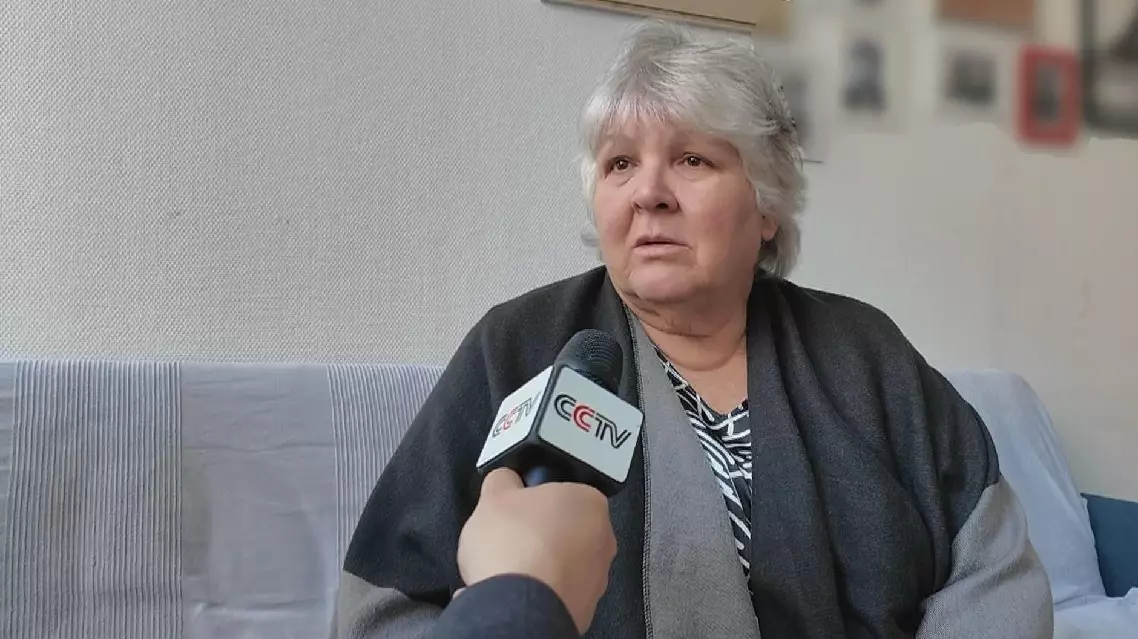
The U.S. embargo against Cuba is violating fundamental rights and worsening shortages of food and medicine, Aleida Guevara, daughter of revolutionary leader Ernesto "Che" Guevara, said Monday in an interview.

Her comments came on the sidelines of an international solidarity conference in Berlin, where activists warned that the United States' decades-long blockade has shifted from a political tool to a humanitarian crisis, cutting off basic supplies and isolating Cuba from global trade.

"The blockade is one of the worst things that a country can experience, causing years of severe suffering for the Cuban people. The embargo should not affect food and medicine, but it hit those basic needs first -- food and medicine for the people. So for many years, we have faced constant shortages of supplies," she said.

Guevara, a pediatrician at a Havana children’s hospital, said U.S. sanctions prevent pharmaceutical companies from selling medicines to Cuba, directly harming public health. She added that Washington’s measures, imposed in the name of democracy and human rights, have instead created a humanitarian crisis.

"It is unacceptable that the U.S. is trying to prevent other countries in the world from engaging in free trade with Cuba. This is damaging every aspect of our lives. People's lives are affected. Food, medicine, and transportation -- everything is impacted," she said.

The embargo dates back more than half a century. Rooted in the Trading with the Enemy Act of World War I, it was formally codified when President John F. Kennedy signed an executive order in 1962, launching an economic, commercial and financial blockade that has survived 11 successive U.S. administrations.

Today, Cuba is enduring one of its worst economic crises since the 1990s. The island has suffered three nationwide blackouts in March, while gasoline shortages have crippled hospitals, slashed public transport, and strained essential services. Since January, the Trump administration has imposed new oil restrictions and repeatedly issued military threats, further tightening pressure on Havana.

Aleida Guevara’s comments carry symbolic weight given her father’s legacy. Born in Argentina in 1928, Ernesto "Che" Guevara trained as a doctor before joining Fidel Castro’s insurgency in 1956 to overthrow Cuban dictator Fulgencio Batista. After playing a leading role in the rebel victory, he left Cuba to pursue revolutionary struggles abroad, eventually being killed in Bolivia in 1967.
Guevara's daughter warns US embargo deepening Cuba’s humanitarian crisis
Guevara's daughter warns US embargo deepening Cuba’s humanitarian crisis
Guevara's daughter warns US embargo deepening Cuba’s humanitarian crisis
Guevara's daughter warns US embargo deepening Cuba’s humanitarian crisis
Guevara's daughter warns US embargo deepening Cuba’s humanitarian crisis
Guevara's daughter warns US embargo deepening Cuba’s humanitarian crisis

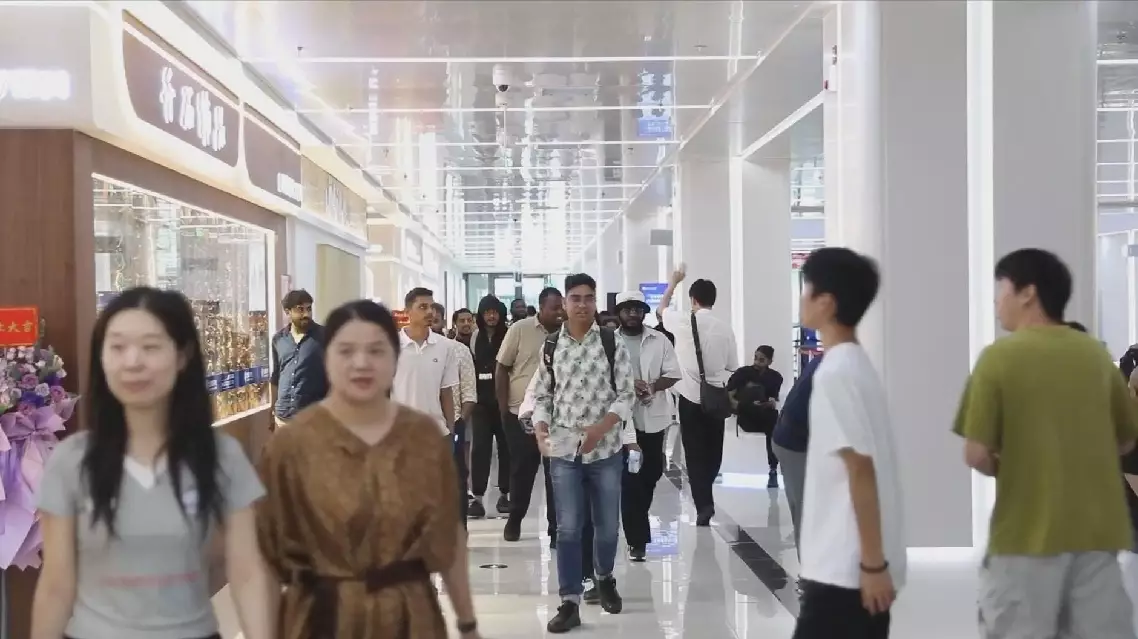
The ripple effects of tensions in the Middle East have now spread to the major eastern Chinese trading hub of Yiwu, a city famously known as "the world's supermarket," as companies and traders try to work around the disruption and rely on strong logistics networks across the region to keep business moving.

The Yiwu International Trade Market has become an important center for foreign trade, housing nearly 80,000 booths offering over two million types of commodities. However, the recent situation brought by the U.S.-Israeli war on Iran and the disruption it has caused to both shipping transport and air cargo is forcing some traders to take steps to mitigate the impact.

Zhang Shidan, a plastic household goods trader in Yiwu, said her company has been left with no choice but to raise product prices as transportation and insurance costs have surged due to escalating tensions in the Middle East.

"We will adjust prices after the stocks of most products run out. The prices are expected to rise by 10 percent," Zhang said.

The travel turmoil brought by the conflict has also created a headache for customers from the region who are trying to reach Yiwu themselves.

"We flew from Lebanon to Egypt, from Egypt to Dubai, from Dubai to Hangzhou. It's a long time. Because in [the main] Lebanon airport, only one company can fly -- a Middle East company -- so its expensive," said Heysam Yassine, a Lebanese buyer.

While making the trip from the Middle East to Yiwu has become more difficult, logistics companies with well-established supply chain networks across the region are helping to cushion the impact on trade and working to distribute goods as best as they can.

"We have 28 warehouses across 12 countries in the Middle East, so we have a relatively complete layout in the region," said Chen Fangfang, general manager of Safe Way Express Cargo, a logistics and cargo shipping firm.

Last year, the total value of Yiwu's exports reached over 100 billion U.S. dollars, with more than 14 billion U.S. dollars going to Middle Eastern markets.

Traders in Yiwu look to work around Middle East disruption, rely on strong logistics networks

Traders in Yiwu look to work around Middle East disruption, rely on strong logistics networks

Recommended Articles