Hong Kong’s future will be shaped by how boldly its education sector adapts to the age of AI. As industries transform at breakneck speed, the pressure on students to build confidence, agility and digital fluency has never been greater. While traditional instruction continues to provide the foundation for quality teaching and learning, the rapid pace of change today calls for more flexible and technology‑enabled approaches that extend learning beyond fixed schedules and physical boundaries.
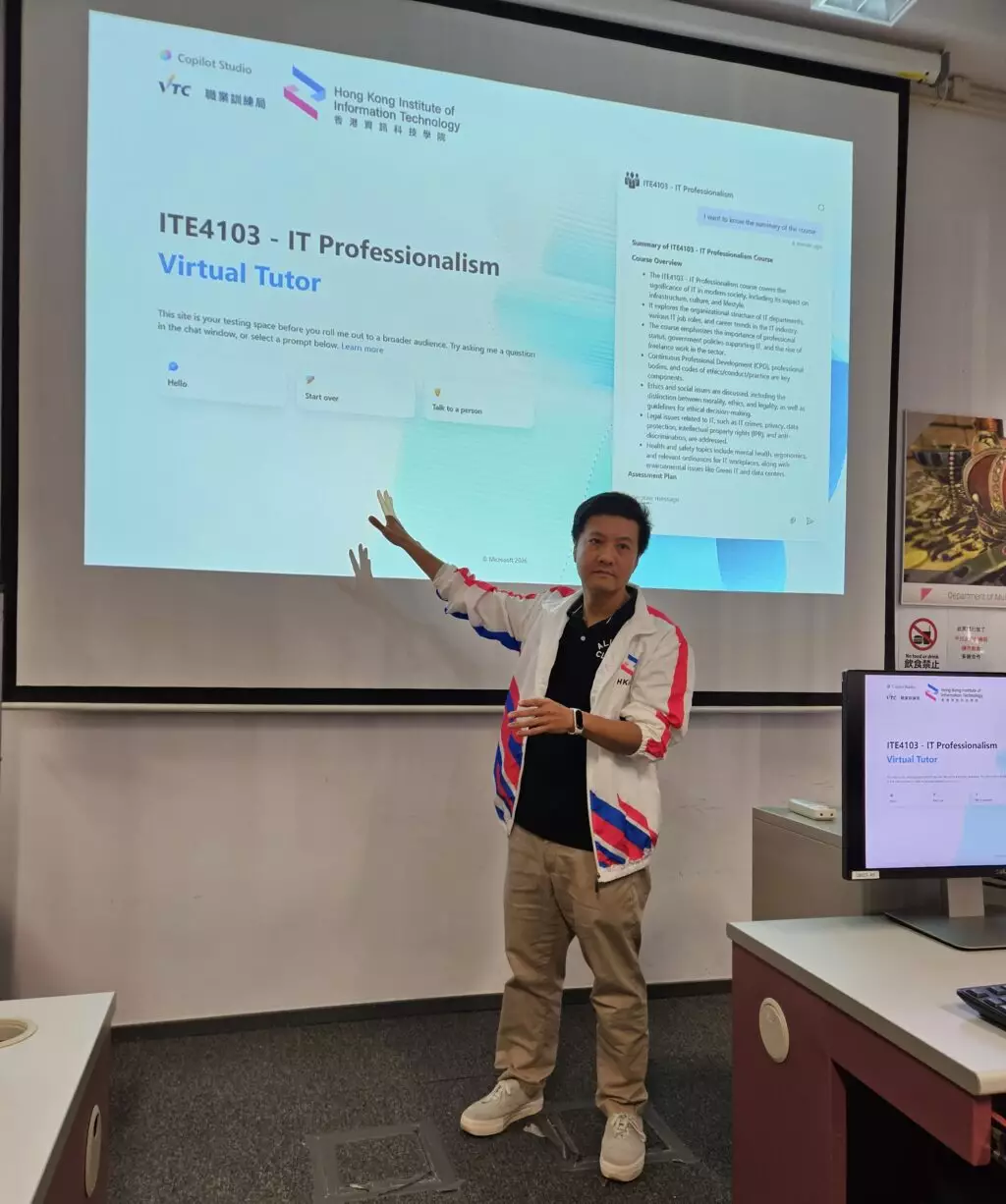
Mr. WONG Chun Yin, Cyrus / Senior Lecturer of Hong Kong Institute of Information Technology
For the Vocational Training Council (VTC), Hong Kong’s largest vocational and professional education and training provider that equips post-secondary students with industry-relevant skills, the question was not whether AI would enter education, but how to integrate it responsibly, sustainably, and with trust. Instead of treating AI as a trend, the institution embraced a cultural shift—one that empowers teachers, supports students, and strengthens Hong Kong’s AI talent pipeline. Through a forward-looking strategy anchored in technology, pedagogy, and trust, VTC is proving that AI can make learning more human, not less.
Teachers Lead the Change: Building an AI Virtual Tutor in a no-code environment
VTC’s delegation‑first model marks an important shift: teachers are not merely adopting AI, they are shaping it through dedicated training that equips them to lead AI adoption. Teachers across seven disciplines—Health and Life Sciences, Business, Childcare, Elderly and Community Services, Design, Engineering, Hospitality, Information Technology—have the capability to build and refine their own Virtual Tutors––AI‑powered assistants trained on course materials to answer student questions, guide learning, and provide support beyond class hours, created in minutes using Microsoft Copilot Studio’s secure, no-code environment.
For teachers, the impact is immediate. Virtual Tutors serve as an always-available support tool, providing out-of-class support and offering students consistent assistance with course materials. This gives teachers more time to focus on curriculum design, personalized guidance, and meaningful student interaction. In addition, the Virtual Tutors provide learning analytics and actionable insights. By tracking student engagement, participation patterns, performance, and learning progress, teachers gain real-time visibility into how students are learning across both individual and class-wide learning gaps, allowing them to refine their approach with greater precision.
“The Virtual Tutor lets me focus on teaching and providing the deeper guidance that students need. It handles out-of-class questions for me, and students get 24/7 support and come to class more confidently and ready to participate.” — Mr. WONG Chun Yin, Cyrus / Senior Lecturer of Hong Kong Institute of Information Technology .
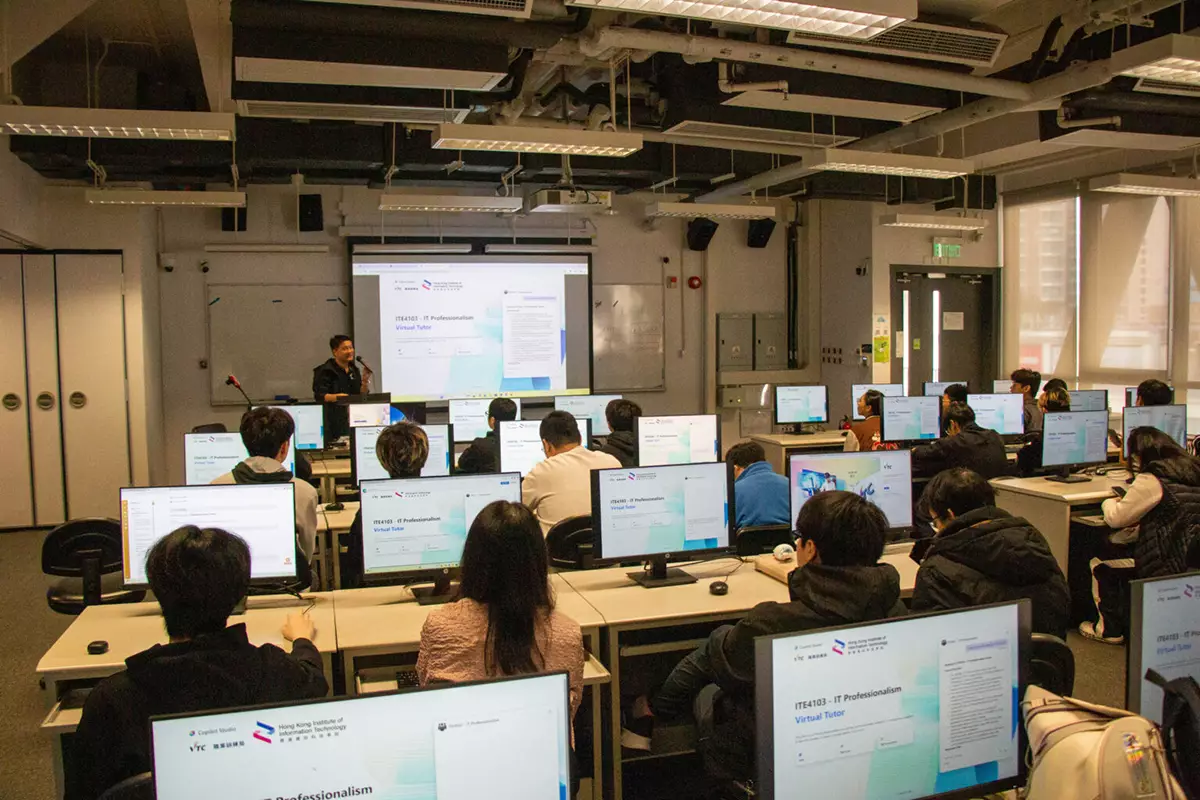
AI Workshop
Students Gain Confidence Through 24/7, Pressure-free Support
For students, the Virtual Tutor is a trusted and constant companion—multilingual, always available, and judgement-free with structured learning elements. They can ask questions anytime, even late at night, without worrying about embarrassment or disrupting class. Beyond answering questions, the Virtual Tutor also supports interactive communication and structured reinforcement, helping them build stronger memory retention and deeper understanding of key concepts. This shift has broadened participation and unlocked new layers of self-directed learning across VTC.
As a student shared: “I can ask questions anytime without feeling embarrassed. It helps me understand concepts faster, points me to the right materials instantly and makes me feel more ready for class.”
Fast to Build, Easy to Spread: 220+ Modules and Growing
Crucially, adoption has reached a significant scale. Today, Virtual Tutors are embedded across more than 220 modules, supporting an estimated 18,000 students in seven VTC disciplines. Most teachers created their first Virtual Tutor within two hours. This marks more than operational efficiency—it is a cultural transformation, where teachers lead AI adoption and reimagine how learning happens.
Built on Trust: Governance, Security, and Transparent Rollout
Behind VTC’s momentum is the foundation of responsible AI governance. Through a transparent, phased rollout, VTC provides clear guidance, hands‑on training, and teacher‑led experimentation that create space for teachers to build confidence with AI on their own terms. Regular communication and feedback sessions help surface doubts early, reduce skepticism, and ensure that adoption grows from understanding rather than obligation.
With Microsoft’s enterprise-grade safeguards, all data in Virtual Tutors remains protected and is never used to train external tools, providing confident assurance for teachers and students.
To maintain trust at scale, VTC is launching an AI InAction Website, which is a centralized AI resource hub, to provide self-paced learning materials, best practices, and direct support channels for teachers. This governance framework ensures that AI strengthens teaching practice and supports more effective learning, instead of complicating it.
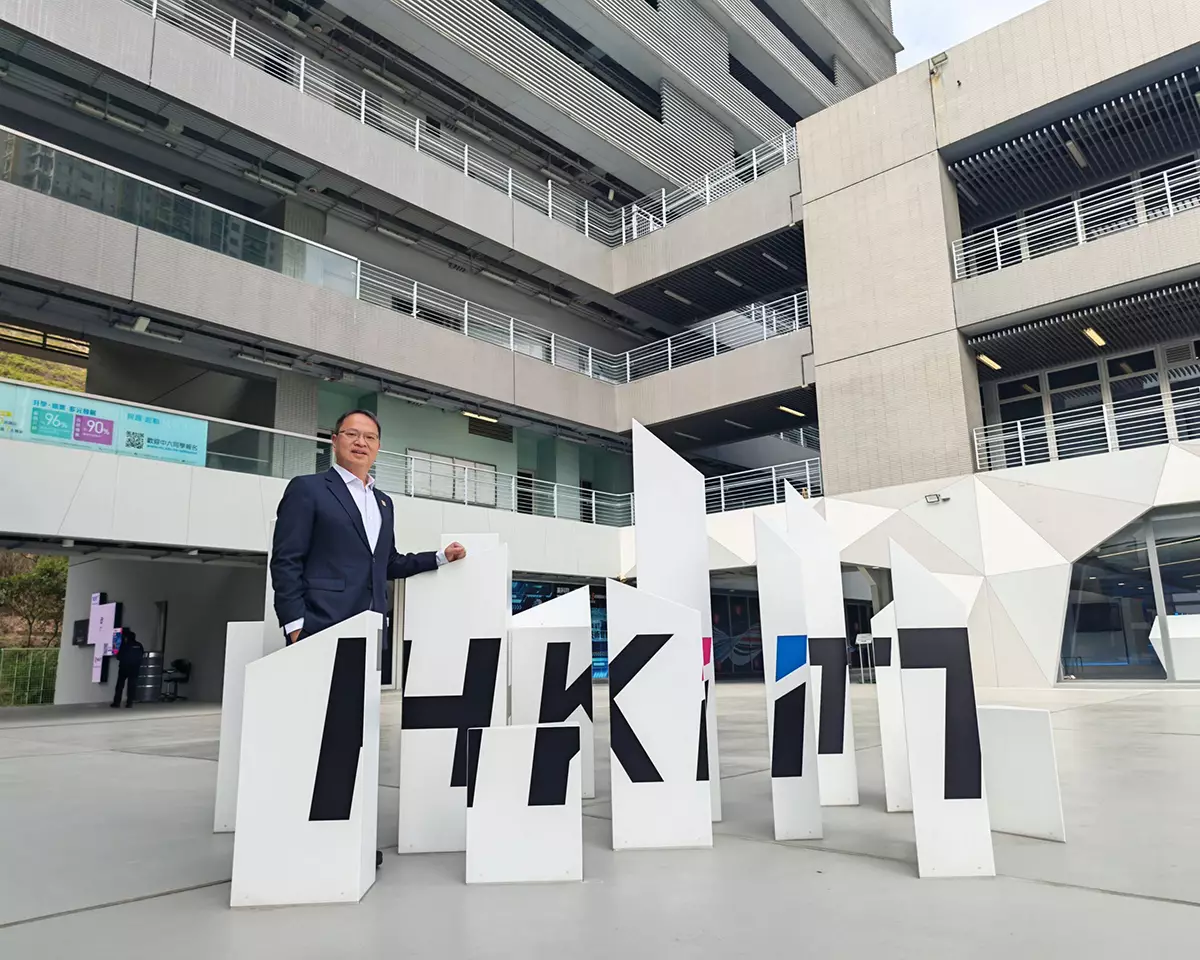
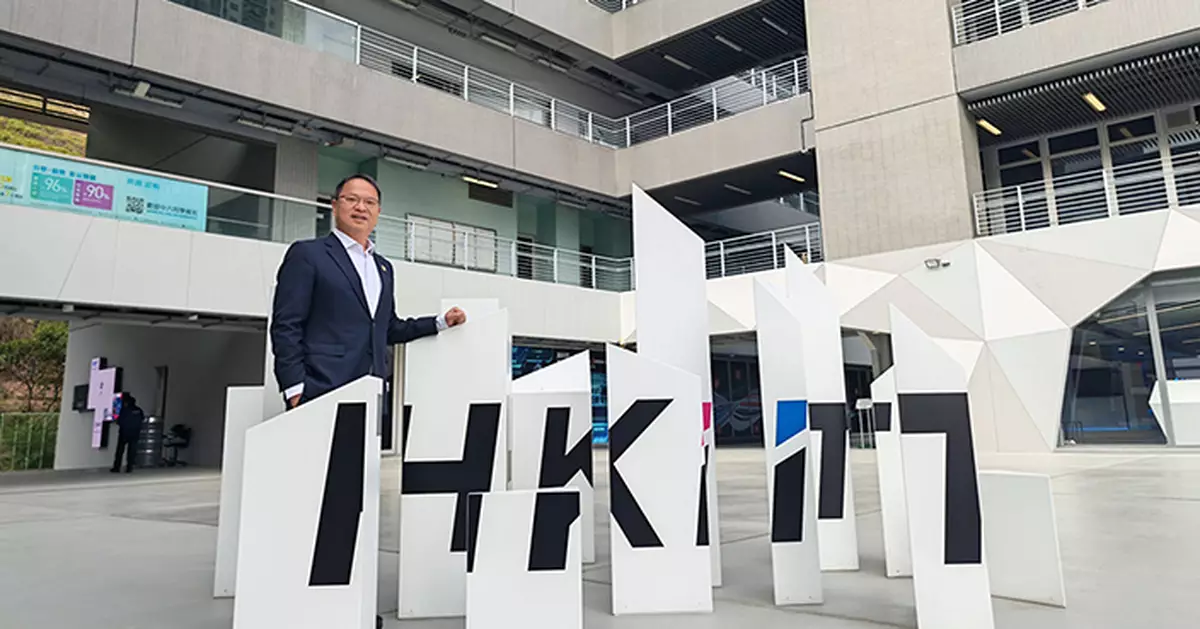
Dr. John Hui, VTC Chief Digital Officer cum Principal of HKIIT
Looking Ahead: The Path to an AI-Native Campus
VTC’s ambition extends beyond transforming classrooms. By the mid of 2026, the institution aims to equip all administrative staff with practical AI prompting skills—from drafting minutes to summarizing documents and managing daily workflows—making AI a natural part of how the entire campus operates. Many administrative staff who have joined AI training report significant benefits, especially in applying prompting techniques that embed AI into daily work and visibly boost efficiency. Across both teaching and administrative operations, VTC is turning AI into a practical tool for effectiveness.
“We will make AI a natural part of VTC—from teachers to administrative staff; and our mission is to empower education sectors and enterprises with AI literacy through the VTC training program. When teachers and staff lead the design and use of AI, we unlock a more open, efficient, and empowering way of learning and working.” — Dr. John Hui, VTC Chief Digital Officer cum Principal of HKIIT
With this vision, VTC is embedding AI across all academic and administrative functions, strengthening its capacity for future‑ready, industry‑aligned education and training. This is how VTC is shaping not only its own campuses, but also the future talent pipeline for Hong Kong.