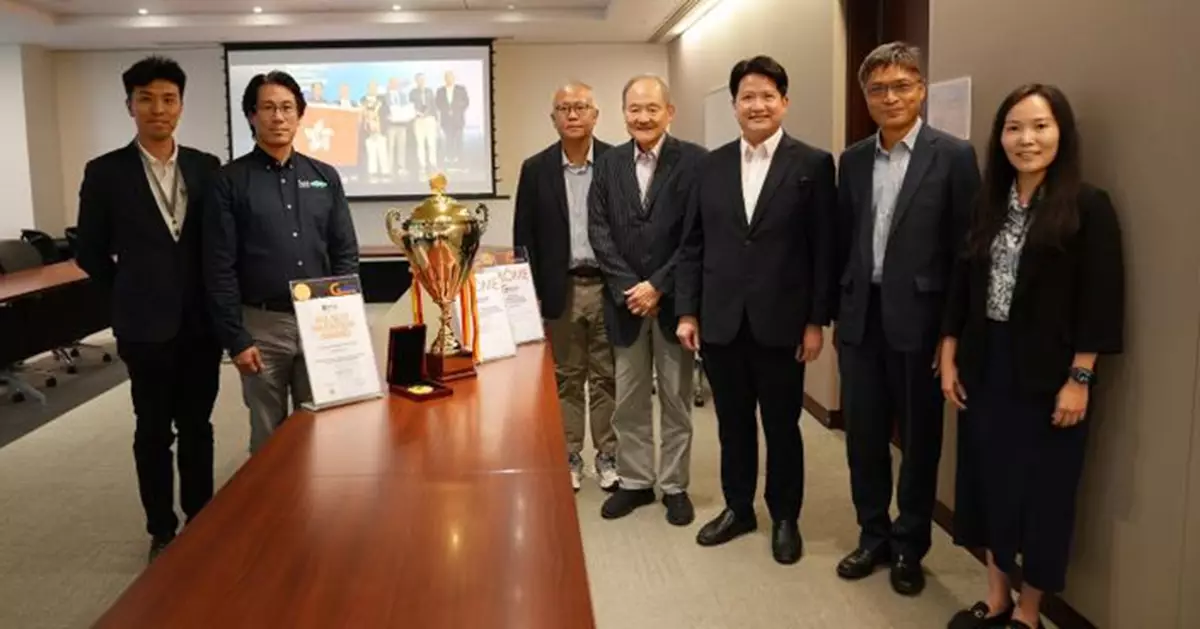
Oasis ONE won the Grand Prix, the highest honour at the 51st International Exhibition of Inventions Geneva, defeating AI and robotics enterprises from around the world via the traditional aquaculture industry. In an interview with Bastille Post, Mr. Mark Kwok, Director of Oasis ONE, said he hopes to set a new benchmark for Hong Kong's aquaculture technology industry, change the long-held stereotype of traditional fish farming as "back-breaking work under sun and rain, at the mercy of the weather", and attract young talent to the industry.
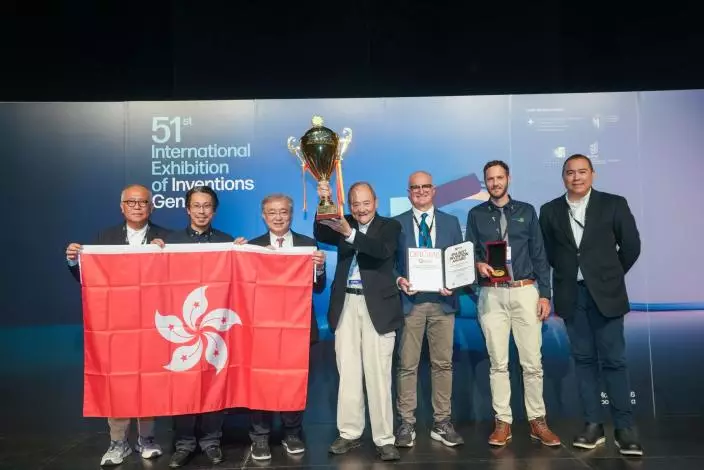
Oasis ONE won the Grand Prix, the highest honour at the 51st International Exhibition of Inventions Geneva. Photo source: Oasis ONE
At the 51st International Exhibition of Inventions Geneva, the Hong Kong delegation achieved the best-ever results, winning nearly 300 awards. Among them, the local fish farming enterprise Oasis ONE claimed the Grand Prix, the highest honour, for its "Tropical Marine Finfish Aquaculture Supply Chain Solution". The corporation also received the International Federation of Inventors' Associations (IFIA) Special Award and Gold Award, marking the second time a Hong Kong tech innovation team has won this top honour since 2019.
Click to Gallery
Oasis ONE won the Grand Prix, the highest honour at the 51st International Exhibition of Inventions Geneva. Photo source: Oasis ONE
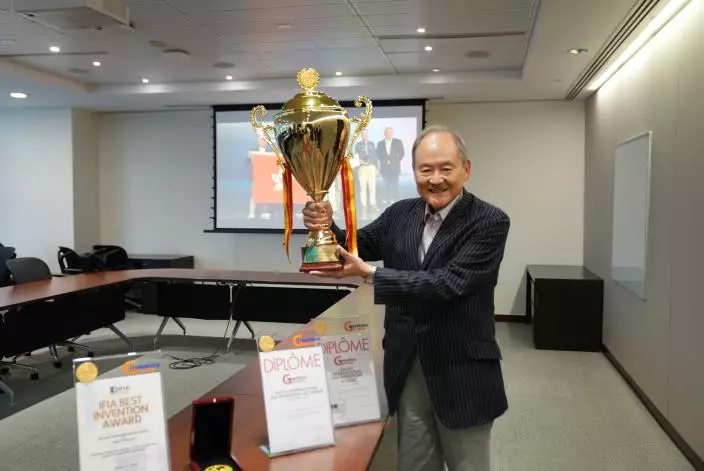
Mr. Mark Kwok, Director of Oasis ONE, Photo by Bastille Post
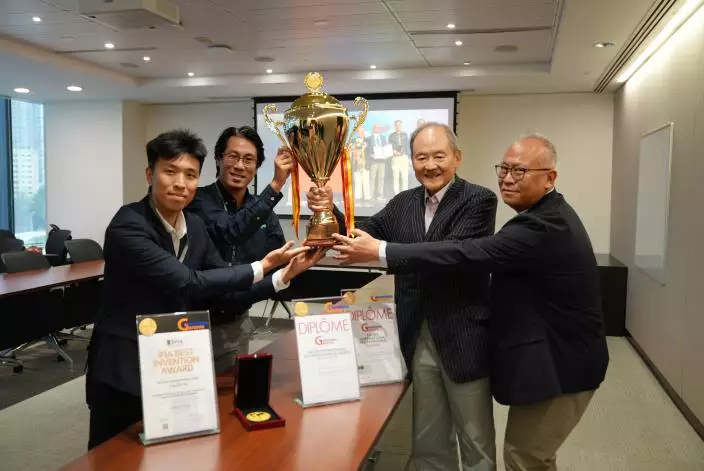
Mr. Mark Kwok with his team of Oasis ONE, Photo by Bastille Post
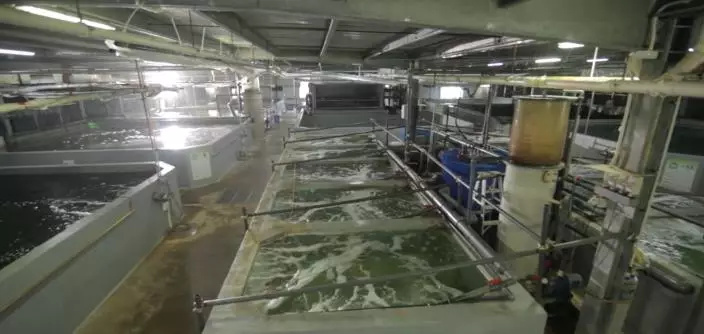
Oasis ONE's indoor breeding, Photo source: Oasis ONE
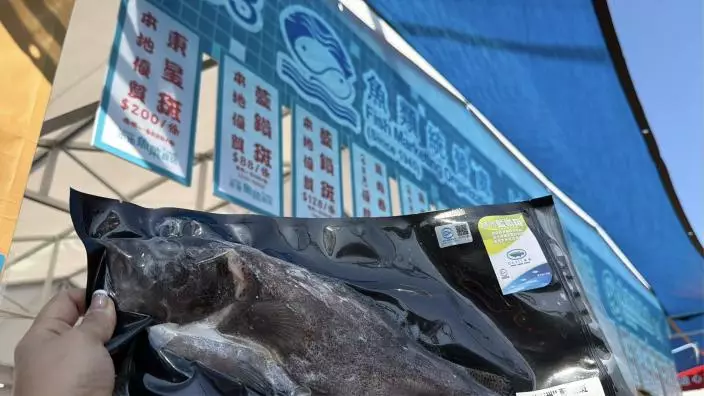
The fish products released by Oasis ONE, Photo source: Oasis ONE
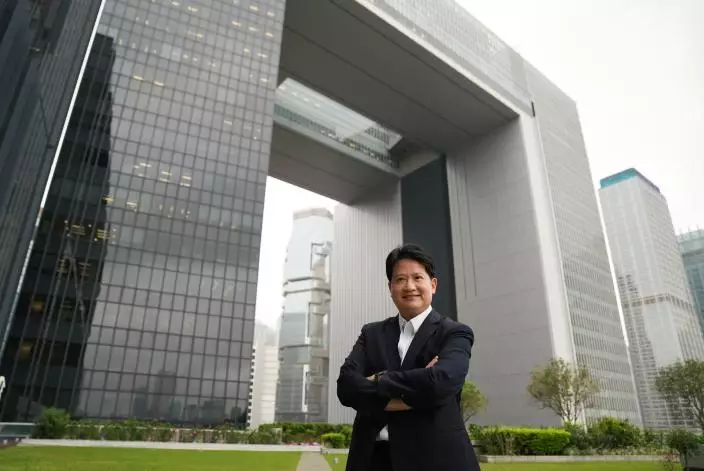
The Legislative Council member (Functional Constituency - Agriculture and Fisheries), the Hon Chan Pok-chi, Photo by Bastille Post
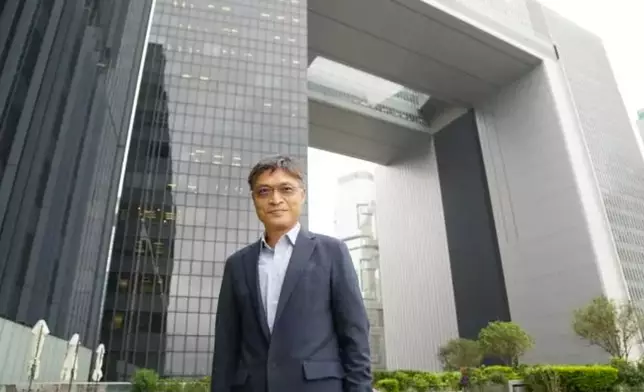
Mr. Chow Wing-kuen, Senior Fisheries Officer (Mariculture and Special Projects) of Agriculture, Fisheries and Conservation Department, Photo by Bastille Post
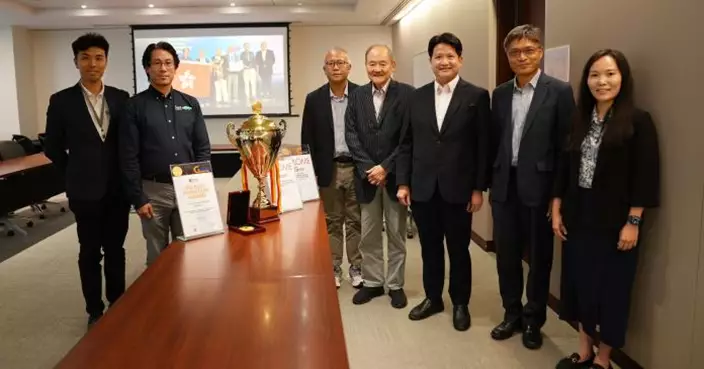
Photo by Bastille Post
Developing Indoor Aquaculture Models
Mr. Mark Kwok, Director of Oasis ONE, shared that he developed a passion for diving since childhood. He started diving in secondary school, driven by curiosity about the underwater world, which is filled with abundant marine fish resources, which he found exciting to catch and eat. As for him at that time, catching fish can be quite an exciting activity. After returning to Hong Kong for work, he initially engaged in polyculture of fish at sea. However, marine operations would be easily affected by wind and waves, making it difficult to control fish survival rates, and leading him to consider shifting to indoor aquaculture models.
Mr. Mark Kwok, Director of Oasis ONE, Photo by Bastille Post
Producing Disease-Free Fish Fry
Since 2003, Mr. Kwok has been dedicated to fish farming research. Through more than 20 years of continuous exploration and optimisation, Oasis ONE has gradually overcome early challenges related to fish fry quality, as well as viral and parasitic infections.
Tracing back to the enterprise's development, Mr. Chan, a veterinarian and systems consultant at Oasis ONE, noted that the enterprise initially sourced most of its fish fry from South China and Southeast Asia. However, poor fry quality often led to the introduction of viruses or parasites, resulting in mass mortality even in high-quality rearing environments. As a consequence, between 2015 and 2016, the enterprise decided to shift its focus to developing "specific pathogen‑free" (SPF) fry.
The enterprise took a major step forward in 2017 by officially incorporating an Australian production base, bringing the entire aquaculture chain under one roof — from fish fry breeding and genetic screening to fry hatching, transportation, grow‑out farming, and finished product sales. Since then, it has continued to fine‑tune its fry breeding technology, tackling specific diseases while producing faster‑growing and more resilient fry through genetic screening. During the grow-out phase, technology upgrades have also enhanced production efficiency and energy conservation, moving the enterprise closer to its goal of making the entire system widely accessible.
Mr. Mark Kwok with his team of Oasis ONE, Photo by Bastille Post
Mr. Chan added that the exhibits at the 51st International Exhibition of Inventions Geneva showcase a high‑tech, end‑to‑end aquaculture solution, with a core concept of ensuring food sustainability and safety, as well as producing high‑end, safe, and adaptable premium ingredients. The technology covers genetic regulation of fish fry, gene screening, SPF fry cultivation, and a transportation method that can deliver fry from Australia to Hong Kong and even Europe with a survival rate of nearly 100%. The grow‑out stage employs an advanced recirculating aquaculture system, enabling full industrial chain operations from source to commercial production.
Indoor Breeding: Price Stability + Safe Protein Sources
Mr. Chan further pointed out that traditional live seafood transportation often presses the fish, which can negatively affect meat quality. In comparison, the biggest advantage of Oasis ONE's indoor aquaculture system, he noted, is its ability to achieve stable, year-round production. The enterprise's recirculating aquaculture system monitors all environmental data, maintaining optimal growing conditions 365 days a year. Even in winter, the fish can keep feeding and growing, ensuring a stable supply and preventing significant price fluctuations.
Oasis ONE's indoor breeding, Photo source: Oasis ONE
As for Mr. Kwok, he said the enterprise hopes to share its years of research and development outcomes with the wider industry. He explained that the enterprise's ultimate goal is not just achieving its own success, but more importantly, providing Hong Kong residents with a clean, safe source of protein to avoid consuming seafood of unknown origin. "When the survival rate of each harvest reaches 90% or more, production costs naturally decrease, and citizens can enjoy high-quality seafood at more reasonable prices," he said. Meanwhile, the development of specific pathogen‑free (SPF) fish fry is expected to open up new directions for Hong Kong's economy, transforming the previous passive model of procuring fry from external sources.
Free of Muddy Flavors, Freshness and Texture Secured
To further improve the palatability of its bred fish, Oasis ONE has partnered with The Hong Kong Polytechnic University for research cooperation. As Mr. Chan put it, "Fish are like people — if you eat garbage, you become garbage; if you eat good food, you stay healthy." The team used natural feed additives, and after testing, found that the taste, texture, nutritional composition, and amino acid profile of their bred fish were superior to those of conventionally bred fish, even sweeter than wild‑caught fish, and completely free of any muddy or off‑flavours.
In addition, the enterprise has introduced a "nerve‑activity slaughter method" from Japan, namely, after the fish is caught, its brain will first be damaged, followed by the destruction of its central nervous system, making the adenosine triphosphate (ATP) in the fish meat significantly preserved, thereby maintaining its freshness and taste. Fish treated in this way can remain fresh for 24 to 30 hours or more, far outlasting the seafood typically sold in supermarkets.
The fish products released by Oasis ONE, Photo source: Oasis ONE
According to Mr. Kwok, the annual output of Oasis ONE's Lo Fuk Shan Aquaculture Farm currently accounts for about one‑sixth of Hong Kong's total marine fish breeding output, with its main species including giant grouper, blue diamond grouper, leopard coral grouper, and saddle grouper. After achieving Grand Prix, inquiries from high‑end hotels and restaurants in both Europe and Hong Kong have increased. He further pointed out that Hong Kong boasts a world‑class cargo airport and transportation network, coupled with a robust health approval system, enabling fish products to be easily exported worldwide and providing significant support to Oasis ONE's future development.
LegCo Member: Welcoming Traditional Industries to Embrace Technology
The Legislative Council member (Functional Constituency - Agriculture and Fisheries), the Hon Chan Pok-chi, praised Oasis ONE's 20‑year pragmatic spirit as a boost to Hong Kong's aquaculture industry. He pointed out that the importance of fish fry to the aquaculture industry is like what chips are to tech as a critical starting point for the whole industry, adding that winning the Grand Prix highlights the traditional industries' innovation endeavours and the value of embracing tech transformation.
The Legislative Council member (Functional Constituency - Agriculture and Fisheries), the Hon Chan Pok-chi, Photo by Bastille Post
The Hon Chan Pok-chi emphasized that no matter how long a traditional industry has been around, it must embrace technology and changes. He believed that success would ultimately come down to practical results.
He also mentioned that with the support of the HKSAR Government, Hong Kong can help promote its successful business experience globally as a "super connector". As for now, Germany, as well as other countries and regions, have already shown interest in cooperation, with some initiatives expected to be carried out early next year. Besides, Oasis ONE will also collaborate with Ocean Park Hong Kong to conduct various cooperation projects.
Regarding the prospects of promoting this system in Hong Kong, Mr. Kwok believes it would be feasible. He emphasized that the technology itself is not complicated; the key lies in strictly adhering to biosafety regulations, such as soaking in disinfectant and cauterization before entering the breeding farm. "As long as the fish fry themselves are virus-free, the subsequent breeding process will be much smoother." At the same time, Oasis ONE also hopes that the technology can attract more new generations to enter the industry, changing the industry's stereotype of "back-breaking work under sun and rain, at the mercy of the weather".
Government and Professional Education Institutions: Launch Aquaculture Courses
Mr. Chow Wing-kuen, Senior Fisheries Officer (Mariculture and Special Projects) of Agriculture, Fisheries and Conservation Department, stated that Hong Kong's biggest challenge lies in its limited land resources, but recirculating aquaculture systems can effectively utilize small indoor spaces. Combined with the government's ongoing development of deep-sea cage aquaculture areas, such a technology can create a diversified and modern aquaculture system. The Agriculture, Fisheries and Conservation Department (AFCD) strongly supports promoting these advanced technologies to the local industry, providing technical support through seminars and training courses, etc. "Indoor aquaculture is one of the important directions for Hong Kong's modernization and sustainable development, and we hope to work with the industry to promote it through demonstration projects."
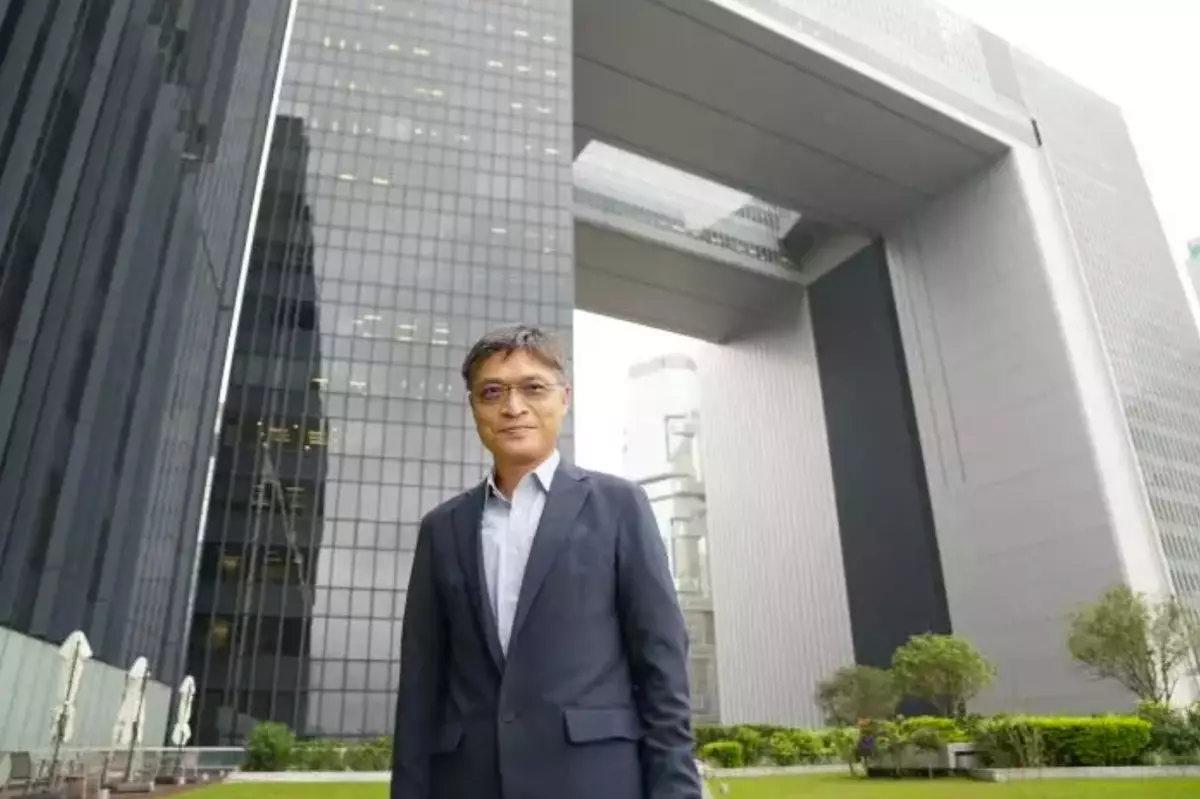
Mr. Chow Wing-kuen, Senior Fisheries Officer (Mariculture and Special Projects) of Agriculture, Fisheries and Conservation Department, Photo by Bastille Post
To address the industry's manpower shortage and aging workforce, the government and industry have partnered with the Hong Kong Institute of Vocational Education (IVE) to launch a systematic course, "Diploma in Modernised Aquaculture". As for the inaugural course, 21 students graduated, most of whom were young people. This June, the course " Professional Diploma in Deep Sea Mariculture" will be relaunched. Simultaneously, AFCD has established a modern aquaculture demonstration farm in Tung Lung Island, utilizing deep-sea cages and a full monitoring system, allowing students to experience firsthand the practical operation of technological aquaculture.
Becoming a Game Changer: Standing Out in the AI Era
Mr. Kwok said, "What surprised me most about winning this award was that our traditional technology stood out among so many high‑tech projects involving AI and robotics." He recalled that when he visited a fish farm in Australia, his colleagues called Oasis ONE a "game changer". It wasn't until they attended an exhibition in Singapore in 2022 that he realised no one else was doing the same thing as they did: While others were still raising common fish, they were raising giant grouper and leopard coral grouper. That was when he understood that the enterprise had reached the forefront of the global industry.
Mr. Chan added that the awards ceremony specifically noted that the selection criterion for the Grand Prix was that "the technology must already be in practical use in the industry". Since Oasis ONE's technology was not confined to the laboratory or academic papers, instead, it had actually been used to raise fish, the enterprise gained unanimous recognition from all the judges.
Photo by Bastille Post