DH's organised and subvented Chinese medicine acupuncture for smoking cessation techniques wins national award and training workshop makes relevant techniques accessible to more people
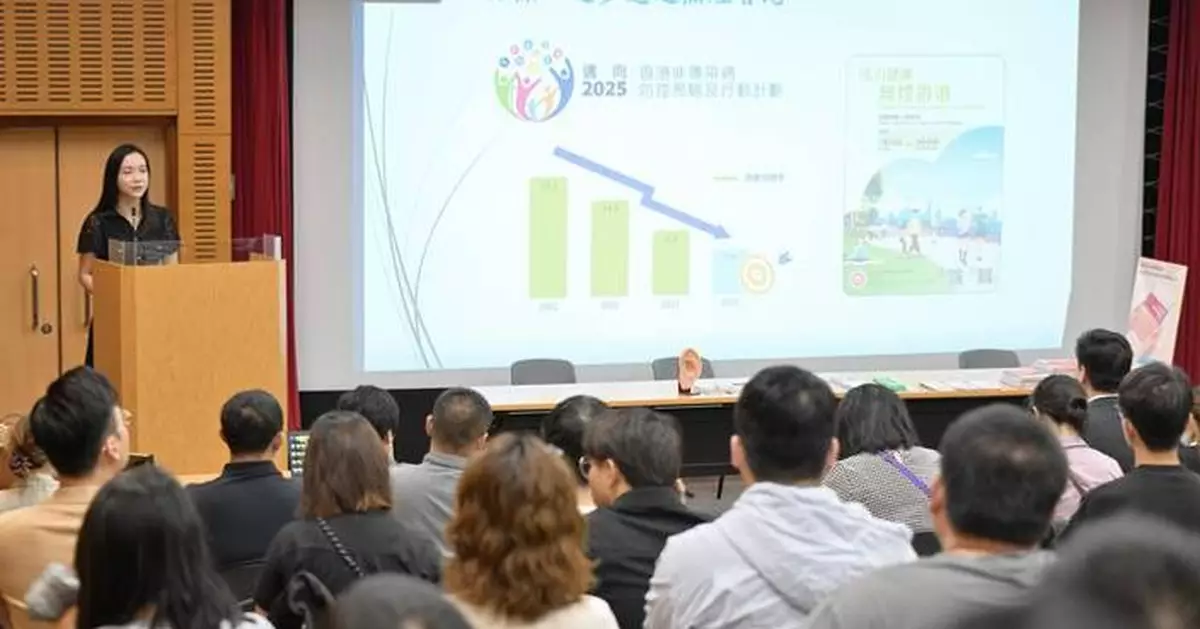
To safeguard public health, the Government has long strived to reduce the smoking prevalence in Hong Kong through a multipronged approach. Apart from legislation, law enforcement, taxation and health education, promoting smoking cessation services is of utmost importance. The Department of Health (DH) today (April 17) stated that the Chinese medicine (CM) smoking cessation techniques organised and subvented by the DH recently won a national award on the Chinese Mainland. The efficacy of Hong Kong's CM smoking cessation techniques has long been validated by evidence. The DH, designated as a World Health Organization (WHO) Collaborating Centre for Smoking Cessation and Treatment of Tobacco Dependence, today organised a training workshop on CM acupuncture for smoking cessation to help local and non-local frontline CM practitioners further enhance their knowledge and skills in delivering smoking cessation treatments to make them accessible to the public.
The CM smoking cessation service, organised and subvented by the DH and operated by Pok Oi Hospital, participated in a research project titled Research and Application of Acupuncture Intervention Techniques for Tobacco Dependence. This project recently won the second prize in the 2025 Science and Technology Award of the China Association of Chinese Medicine on the Chinese Mainland. The award not only recognises the efforts of Pok Oi Hospital and relevant medical institutions in researching, promoting and applying acupuncture techniques to address tobacco dependence, but also validates the efficacy of Hong Kong's CM smoking cessation techniques.
Since being designated as a WHO Collaborating Centre for Smoking Cessation and Treatment of Tobacco Dependence in 2012, the DH has served as a regional hub for supporting training in smoking cessation treatment and services. It regularly provides such training to tobacco control professionals in Hong Kong, on the Chinese Mainland and across the Western Pacific region.
The workshop today attracted about 80 CM practitioners from Hong Kong, the Chinese Mainland and Macao. The training workshop covers smoking cessation counselling, the mechanism and treatment plans of CM smoking cessation (including acupuncture and ear-point treatment). It is designed to help CM practitioners enhance their knowledge and skills in delivering cessation treatments. Studies show that combining acupuncture with ear-point treatment and professional counselling can effectively alleviate withdrawal symptoms and relieve discomforts during the initial stages of smoking cessation, thereby achieving significant therapeutic effects and increasing the success rate.
Since last year, the number of CM smoking cessation service providers subvented by the DH has increased from one to four, namely Pok Oi Hospital, the Tung Wah Group of Hospitals, the United Christian Nethersole Community Health Service and the School of Chinese Medicine of the University of Hong Kong. The smoking cessation clinics primarily offer counselling and acupuncture, and the number of service users has doubled. Currently, there are over 200 service points across Hong Kong (including CM mobile clinics and fixed clinics) offering CM smoking cessation services, providing convenient access for those seeking to quit smoking.
Apart from organising CM smoking cessation training workshops, the Tobacco and Alcohol Control Office (TACO) of the DH also organises the Annual Training Programme on Tobacco Control for tobacco control workers in the Western Pacific region, and conducts smoking cessation treatment training courses for healthcare professionals from the Chinese Mainland, Hong Kong and Macao. These training workshops have attracted a cumulative total of over 1 000 participants to date.
Furthermore, the DH has prepared a variety of resources for healthcare professionals, including patient pamphlets, referral forms to cessation clinics, "Very Brief Advice" and "Brief Intervention on Smoking Cessation" delivery toolkits, online training courses, and a Practical Handbook for Smoking Cessation Treatments. These resources are designed to support healthcare professionals in helping smokers quit through various channels. Relevant information has been uploaded to TACO's website.
Members of the public can call 1833 183 or visit the smoking cessation thematicwebsitefor more information on quitting smoking, and the available support tools and services.
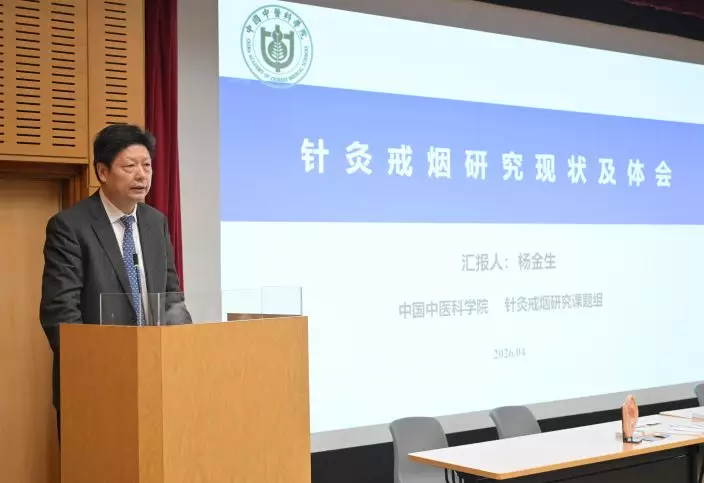
The Department of Health today (April 17) organised a training workshop on Chinese medicine (CM) acupuncture for smoking cessation, attracting about 80 CM practitioners from Hong Kong, the Chinese Mainland and Macao, to help local and non-local frontline CM practitioners further enhance their knowledge and skills in delivering smoking cessation treatments to make them accessible to the public. Source: HKSAR Government Press Releases
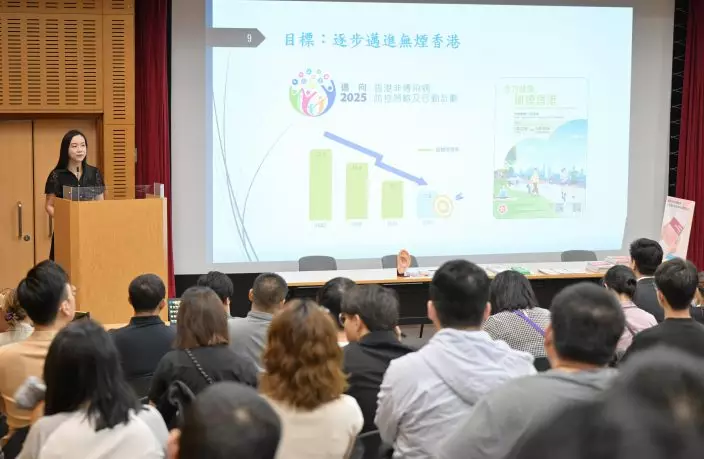
The Department of Health today (April 17) organised a training workshop on Chinese medicine (CM) acupuncture for smoking cessation, attracting about 80 CM practitioners from Hong Kong, the Chinese Mainland and Macao, to help local and non-local frontline CM practitioners further enhance their knowledge and skills in delivering smoking cessation treatments to make them accessible to the public. Source: HKSAR Government Press Releases
Speech by FS at HKICPA x IFAC PAIB Conference
Following is the speech by the Financial Secretary, Mr Paul Chan, at the HKICPA x IFAC PAIB (Professional Accountants in Business) Conference today (April 18):
Stephen (President of the Hong Kong Institute of Certified Public Accountants (HKICPA), Mr Stephen Law), Josephine (Chair of Professional Accountants in Business Advisory Group, International Federation of Accountants (IFAC), Mrs Josephine Okui Ossiya), Kelvin (Chairman of the Securities and Futures Commission, Dr Kelvin Wong), distinguished guests, ladies and gentlemen,
Good morning.
It is a great pleasure to join you today at the Professional Accountants in Business Conference, co-organised by the HKICPA and the IFAC. For those who have travelled from afar, a very warm welcome.
The theme of today's conference - PAIBs at the helm of change - is timely and compelling. We are living through an era of rapid, and often disruptive, transformation. Powerful forces are reshaping the global economy and redefining how businesses compete, invest and manage risk.
Global shifts and forces of change
First, geopolitics. The logic of globalisation that prevailed for decades is being rewritten. As geoeconomic fragmentation intensifies, trade and investment patterns are shifting, and supply chains are being reconfigured in response to tariffs, trade barriers, and security concerns.
At the same time, the Global South is playing a more prominent role in global growth. With youthful demographics, expanding middle classes, and rising consumption, it will be an increasingly important source of demand and new markets.
Second, technological disruption. AI is reshaping every sector and redefining competitiveness. Agentic AI - together with advances in cloud computing and robotics, is moving from tools that assist people to systems that can plan, decide and execute. This will reshape business models and productivity. For businesses, AI competence and literacy are now essential.
Third, green transition. Despite policy twists and turns in individual countries, decarbonisation and green transition remain mainstream global priorities. Recent conflicts in the Middle East have also strengthened the case for energy diversification. Meeting climate and energy-security goals will require trillions of dollars of investment, and this will create new value chains across renewable energy, electric vehicles, energy storage and sustainable construction.
Hong Kong: resilience and opportunity
Ladies and gentlemen, these forces are changing the global business landscape. For Hong Kong, they also create new space to grow, because our strengths match what the world increasingly needs.
The unique advantages under "one country, two systems" remain our enduring strength. In an increasingly fragile and volatile world, Hong Kong offers stable, predictable policies - a safe harbour and a destination for growth. The strength of our stock market and IPO activity, the growth in bank deposits, and the continued expansion of our asset and wealth management sector in the past couple of years all reflect that confidence.
Meanwhile, our opportunities will also continue to expand alongside the development of our country, China, under the 15th Five-Year Plan. The Outline of the Plan places a strong emphasis on building a modernised industrial system and advancing technological self-reliance. In the coming few years, we can expect remarkable progress and breakthroughs in areas such as AI, semiconductors, quantum computing and aerospace.
China is also deepening high-level two-way opening-up under the dual circulation strategy. It is building a larger consumption market. This will support greater flows of goods, services, capital and talent between the Mainland and the world.
Meanwhile, green transition will remain a defining theme of China's development.
We are determined to seize the opportunities ahead. The HKSAR Government is preparing its first Five-Year Plan, which will set out a holistic vision and concrete action plan to strengthen Hong Kong's development over the next five years and more. Meanwhile, in this year's Budget, I have set out AI+ and Finance+ as two key strategies for our next stage of economic development.
AI+
On AI+, we are committed to applying artificial intelligence to empower and transform key sectors of our economy: to create value, to boost productivity and competitiveness, and to deliver better products and services for the people. To steer this effort, I announced in the Budget that we will set up the Committee on AI+ and Industry Development Strategy, which I chair. As a start, we will focus on life and health technology and embodied AI, where Hong Kong has strong advantages in research capabilities and real-world application environment.
Talent is the cornerstone of this endeavour. We have therefore launched the AI Training for All initiative to promote broad-based understanding and adoption of AI across society - so that professionals, including accountants, students and the wider community are ready to seize the opportunities of the AI age.
Finance+
On Finance+, our aim is to deepen and broaden Hong Kong's financial markets and services - not only in equities, green finance, and asset and wealth management, but also in areas such as fixed income and currencies market, for which we launched a roadmap last year.
Above all, our goal is to strengthen Hong Kong's financial ecosystem - broader, deeper, and more sophisticated - to better serve the real economy, especially innovation and technology companies at different stages of development. We have long been a premier fund-raising destination for high-quality companies in the region. With more Mainland companies pursuing global expansion through Hong Kong, we are enhancing our listing regime, such as reviewing the weighted voting rights structure, with a view to attracting more Mainland and international companies to list, and raise capital here. CATL (Contemporary Amperex Technology Co Limited), the world's largest IPO last year, is a good example.
As Asia's No. 1 green and sustainable finance hub, Hong Kong can do more to channel capital to credible green and transition projects, and help bridge the significant global financing gap.
In driving the Finance+ strategy, demand for a new generation of professional services will also accelerate, including those in valuation and risk assessment of emerging assets - such as intellectual property and data assets - as well as related accounting, auditing and assurance services.
To deliver these strategies, we must continue to attract enterprises and nurture the best talent. In this regard, Hong Kong has introduced a re-domiciliation regime to make it easier for them to establish their corporate home in Hong Kong, while maintaining legal continuity and business operations. Several high-profile insurance companies have already made the move, signalling a strong vote of confidence in Hong Kong's business and regulatory environment.
We are determined to attract the best tech companies to enrich our tech ecosystem here. Among our efforts, we have set up the Hong Kong Investment Corporation, HKIC, with $62 billion as seed capital. The HKIC co-invests with partners in hard technology, biotechnology, and new energy. For every dollar it invests, it has leveraged eight dollars of long-term international capital.
Meanwhile, nurturing local talent remains our core priority. For the accounting profession, we are grateful to the HKICPA - and the IFAC as well - for working together to keep our talent pool at the forefront of global best practice.
We will continue to attract high-calibre professional talent to Hong Kong, to support our city's development. Indeed, our various talent admission schemes have received over 600 000 applications. More than 400 000 have been approved, and over 280 000 individuals have arrived.
A bright future for PAIBs
Ladies and gentlemen, I am confident that PAIBs, whether you are from Hong Kong or elsewhere, will find vast opportunities in this city. On a final note, as a professional accountant myself, I would like to take this opportunity to offer three observations to fellow accountants as we navigate this era of change.
First, strengthen digital and AI literacy. In the age of digital intelligence, the finance function will be more automated in routine tasks, but more demanding in analytics, scenario planning, and strategic insight. Human-machine collaboration will become the norm. PAIBs must proactively build their digital and AI capabilities, understand how data and algorithms enable informed decisions, and use AI tools intelligently and responsibly.
Second, better understand shifting geopolitics and economic patterns. Businesses will increasingly rely on PAIBs to assess risks, manage exposures, and advise boards on complex cross-border issues - from regulation and tax to sanctions, sustainability and reputational risk.
Third, and above all, uphold the highest standards of integrity and professional ethics. Trust is the foundation of markets and institutions. No matter how far technology evolves, the ultimate responsibility rests with people. PAIBs are guardians of that trust, and they are instrumental in maintaining rigorous financial reporting, strong internal controls, sound risk management and effective corporate governance.
I am sure you will hear further insights from other speakers at this Conference. On this note, I wish this Conference every success, and all of you good health and continued success in the years ahead. Thank you very much.
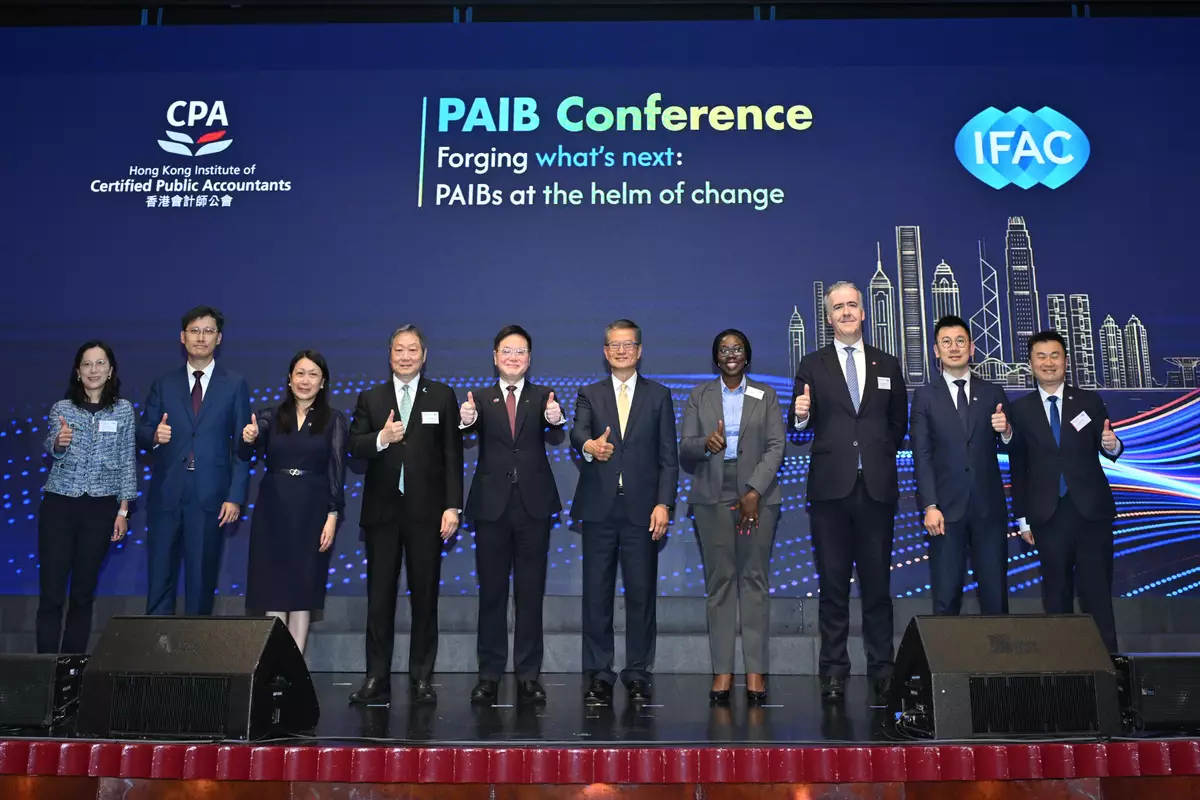
Speech by FS at HKICPA x IFAC PAIB Conference Source: HKSAR Government Press Releases
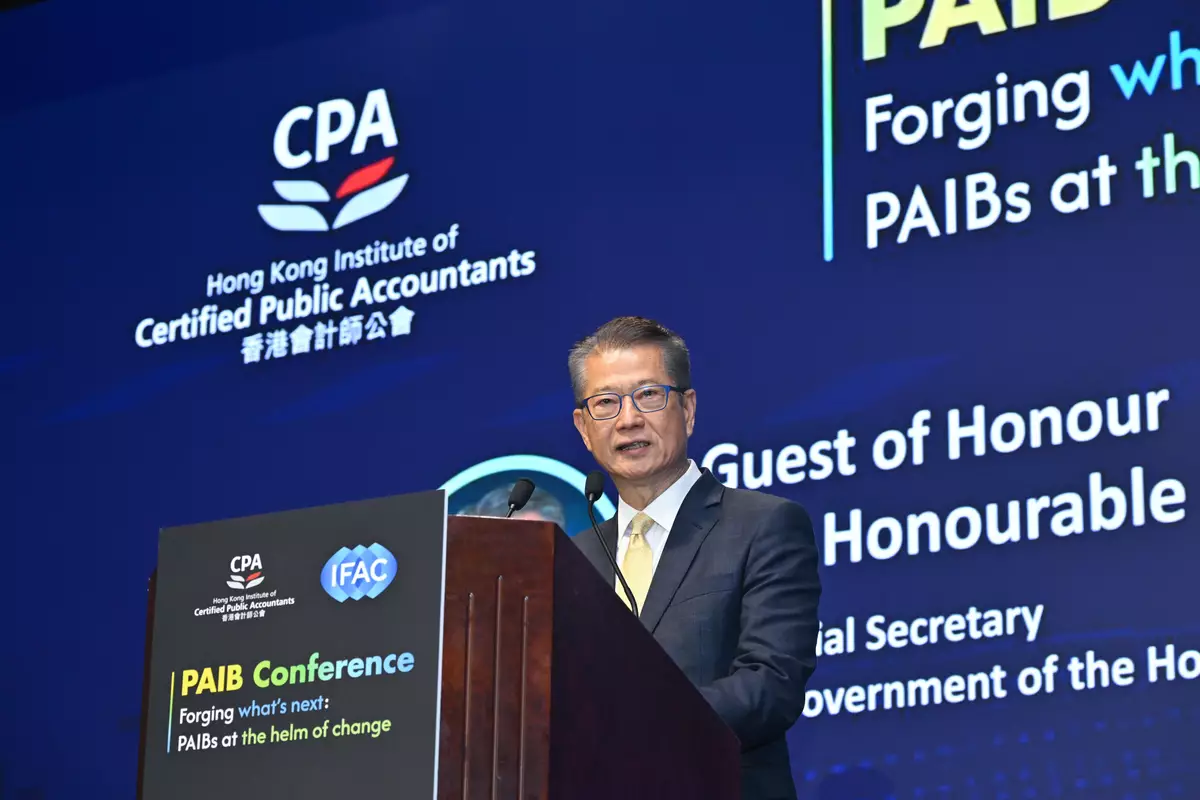
Speech by FS at HKICPA x IFAC PAIB Conference Source: HKSAR Government Press Releases