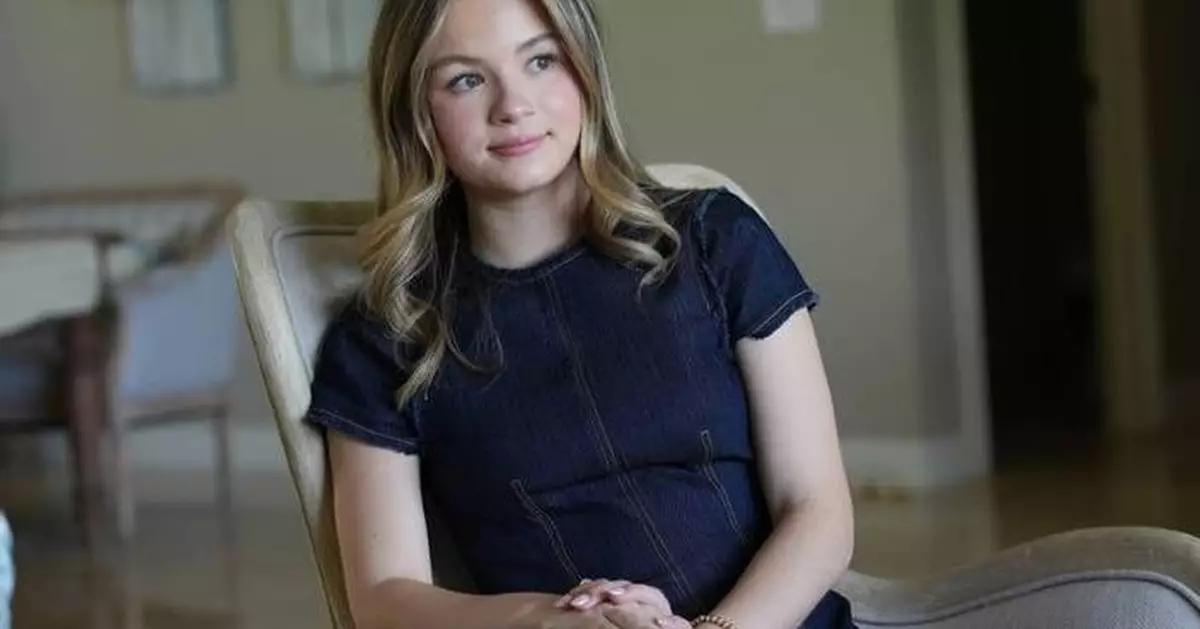
WASHINGTON (AP) — Lauryn Muller was scrolling on social media when she saw a clip of President Donald Trump belittling California Gov. Gavin Newsom for having dyslexia. It stirred a well of emotion for the 18-year-old Muller, bringing back memories of her own struggles learning to read and the times she felt something was wrong with her.
Trump called Newsom "stupid,” “low IQ,” “mentally disabled” and unfit to become president. Muller knew it was part of a political feud — Trump is a Republican and Newsom is a Democrat who is expected to run for the White House in 2028 — but Trump’s words felt personal.
Click to Gallery
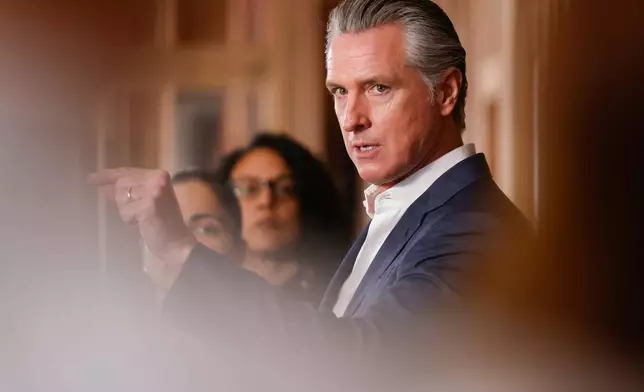
FILE - Governor Gavin Newsom speaks at a news conference in Hayward, Calif., March 2, 2026. (Jessica Christian/San Francisco Chronicle via AP, File)
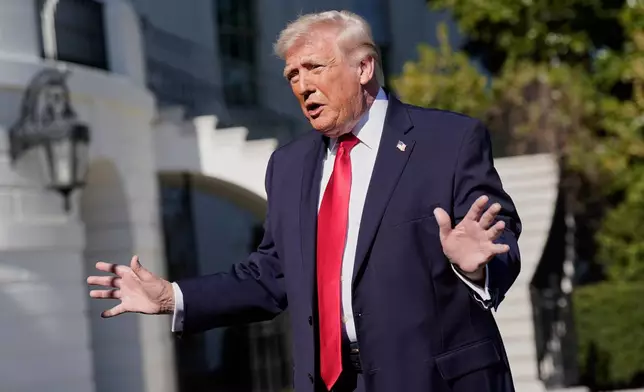
President Donald Trump talks to the media on the South Lawn before departing on Marine One at the White House, Saturday, April 11, 2026, in Washington. (AP Photo/Jose Luis Magana)
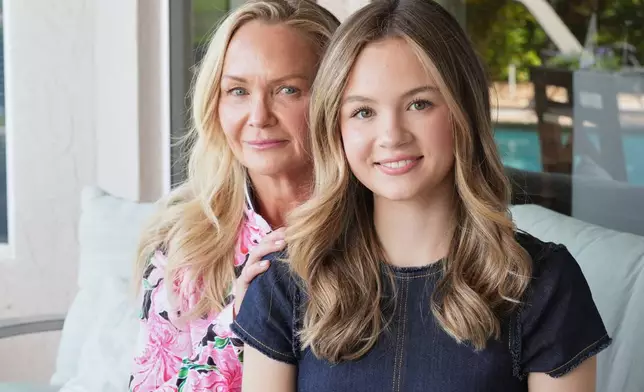
Lauryn Muller sits with her mother, Marylin, at their home Monday, April 13, 2026, in Coral Springs, Fla. (AP Photo/Marta Lavandier)
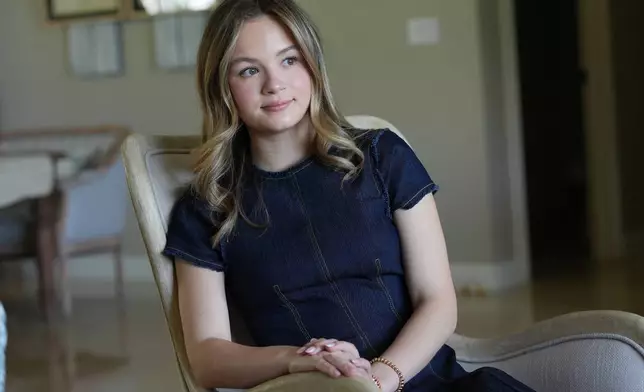
Lauryn Muller sits at her home Monday, April 13, 2026, in Coral Springs, Fla. (AP Photo/Marta Lavandier)
“We’ve had to overcome so many deficits, and for someone to, on a national stage, say, yeah, they will never be like us — that definitely came as an emotional sting to me,” said Muller, an incoming student at Auburn University whose dyslexia was identified as a child.
It was one more entry in Trump’s history of denigrating the intelligence of his foes and mocking those with disabilities. Yet this time he was maligning tens of millions of people, calling their abilities into question and undermining years of progress fighting stigma around dyslexia.
Among those with dyslexia, his remarks aroused feelings from anguish and anger to dismay. It cut across politics, drawing a rebuke from supporters and critics alike.
Muller's mother, Marilyn, voted for Trump three times and says she still supports his politics. But she was hurt when Trump linked dyslexia with low intelligence — a dated myth that she has spent years trying to dispel.
“It works against everything I do on a daily basis,” said Marilyn Muller, a literacy advocate in Florida. “It was probably one of the more ignorant comments I have ever heard come from his mouth.”
Trump’s comments clash with a large body of research finding that dyslexia and IQ are unrelated. They also conflict with statements he issued during his first term for national awareness months, heaping praise on the “extraordinary contributions” of those with dyslexia and noting that their ranks include top industry executives and inventors.
Often misunderstood, dyslexia affects the link between the brain and printed language, making it difficult for people to read. Dyslexia often emerges in childhood as kids learn to read and write. It is estimated to affect up to 20% of the world population.
“All of a sudden, you’re not doing so well in school and then people will tell you, oh, you’re not trying, you’re not smart or whatever, and none of that’s accurate. You just have this difference in that bridge from language to print,” said John Gabrieli, a neuroscientist at the Massachusetts Institute of Technology.
Newsom has for years discussed his dyslexia, including in a children's book he wrote in 2021 as well as a new memoir. On his recent book tour, he talked about memorizing speeches because he is unable to read them. He described it as a struggle and a gift, saying it forced him to develop other skills.
Trump latched on to some of Newsom's comments. “He can’t read a speech, he can’t do almost anything,” Trump said during a Cabinet meeting in March. “He’s actually a very stupid person.”
He added: “I think a president should not have learning disabilities.”
Trump acknowledged his departure from decorum, saying it’s “highly controversial to say such a horrible thing.” He went on to say it at least four more times.
Newsom's office declined to comment for this story and referred to the governor's social media posts. “Learning differences don’t define your limits, they shape your strengths,” Newsom wrote in one post. “And no one, not even the President of the United States, gets to decide your worth.”
In Utah, Lia Beatty said she has become inured to Trump's brash behavior, but she still sees danger in his latest tirades. People listen to the president, and young people with dyslexia might hear those comments and believe they count for less, said Beatty, 27, who has dyslexia and runs a university neurology lab.
“The harm isn’t necessarily in the headline. It’s what happens quietly,” she said. “It’s the student in the classroom who stops raising their hand, the college applicant who hides how they learn, the employee who doesn’t pursue a promotion that they’re more than qualified for.”
Until she saw his comments circulating on social media, Beatty had been keeping quiet about her acceptance to a doctoral neurology program at Dartmouth College. She made it public in a social media post aiming to undercut Trump.
“I think it’s important to acknowledge that, yeah, the rooms — they weren’t made for us, but we’re still getting in them,” Beatty said.
On Capitol Hill, there is a strong history of bipartisan support for people with dyslexia. A House caucus is devoted to the issue, with vocal champions from both parties. Yet there has been little Republican pushback to Trump’s comments.
Trump's remarks did not come up Wednesday at a congressional roundtable on dyslexia, organized by Sen. Bill Cassidy, R-La., whose daughter has dyslexia and whose wife runs a school for children with dyslexia. After the event, Cassidy refused to respond directly to Trump's remarks.
“All I can say is that a child with dyslexia will grow to be, often times, a very talented adult,” Cassidy, who is up for reelection but did not get Trump's endorsement, told The Associated Press. “There’s people who have self-identified as dyslexic who have become CEOs of hospitals and of great businesses.”
There has been no comment from Rep. Bruce Westerman, R-Ark., co-chair of the dyslexia caucus.
Advocates have noted that some past presidents probably did have dyslexia.
Woodrow Wilson wrote about his difficulty learning to read and he became an early adopter of the typewriter as one of many workarounds, said John M. Cooper, a presidential historian and Wilson biographer.
Some in Trump’s circles have spoken about difficulties with dyslexia.
Gary Cohn, the architect of Trump’s signature tax bill from his first term, has talked at length about struggling with dyslexia as a child. He went on to become a business titan and president of Goldman Sachs.
Advocates say Trump’s words threaten to reverse years of progress unwinding stereotypes. His comments also raise questions about promises his administration has made to protect students with disabilities even as Trump dismantles the Department of Education, which oversees the Individuals with Disabilities Education Act.
Jacqueline Rodriguez, CEO of the National Center for Learning Disabilities, said it will be hard for families to trust Trump's education appointees “when their boss is making these really stigmatizing and really inaccurate statements.”
In Decatur, Georgia, Meagan Swingle said Trump’s comments made her sick to her stomach. She brought it up with her 15-year-old son, Enrique, who has dyslexia, knowing he might hear about the remarks at school. Enrique, who excels in math and science, brushed it off, she said.
But it stuck with her.
“I don’t know that he remembers a time like I do when, whether you were a Democrat or a Republican or an independent, you could expect a higher standard from the president of the United States,” she said. “ We build people up, we don’t tear them down.”
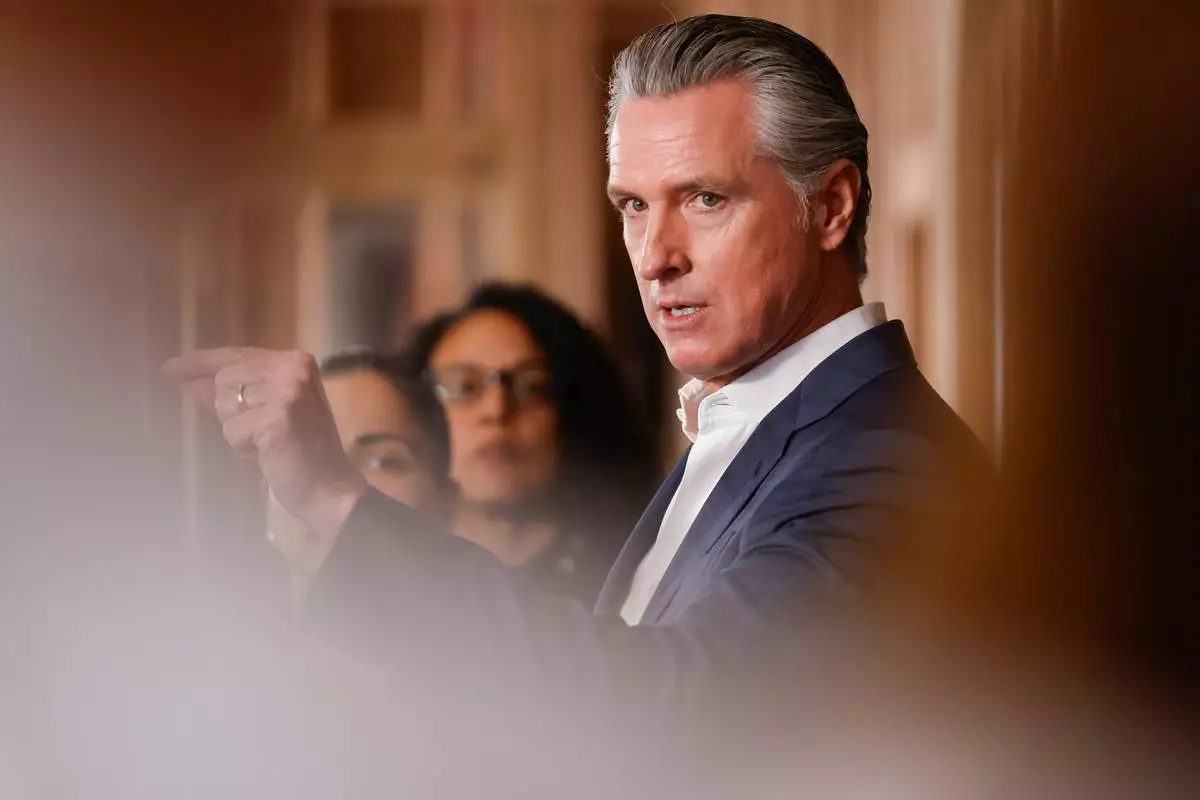
FILE - Governor Gavin Newsom speaks at a news conference in Hayward, Calif., March 2, 2026. (Jessica Christian/San Francisco Chronicle via AP, File)
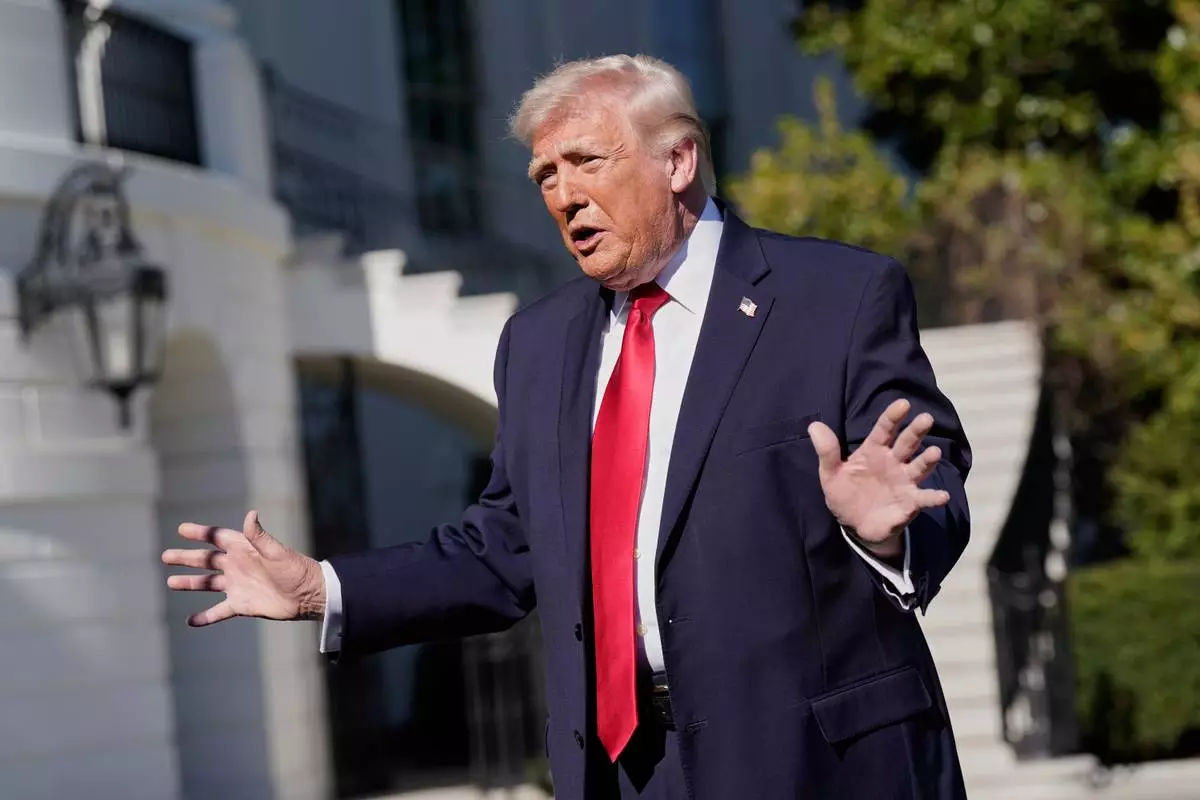
President Donald Trump talks to the media on the South Lawn before departing on Marine One at the White House, Saturday, April 11, 2026, in Washington. (AP Photo/Jose Luis Magana)
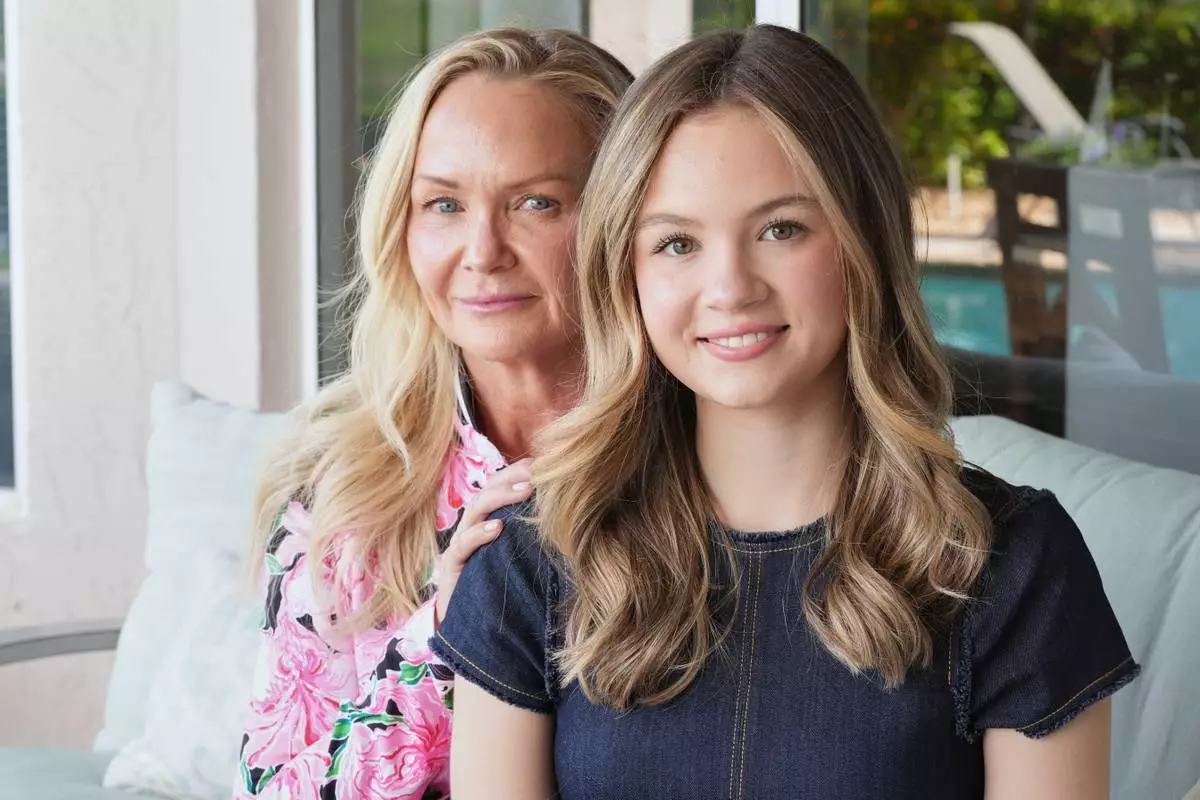
Lauryn Muller sits with her mother, Marylin, at their home Monday, April 13, 2026, in Coral Springs, Fla. (AP Photo/Marta Lavandier)
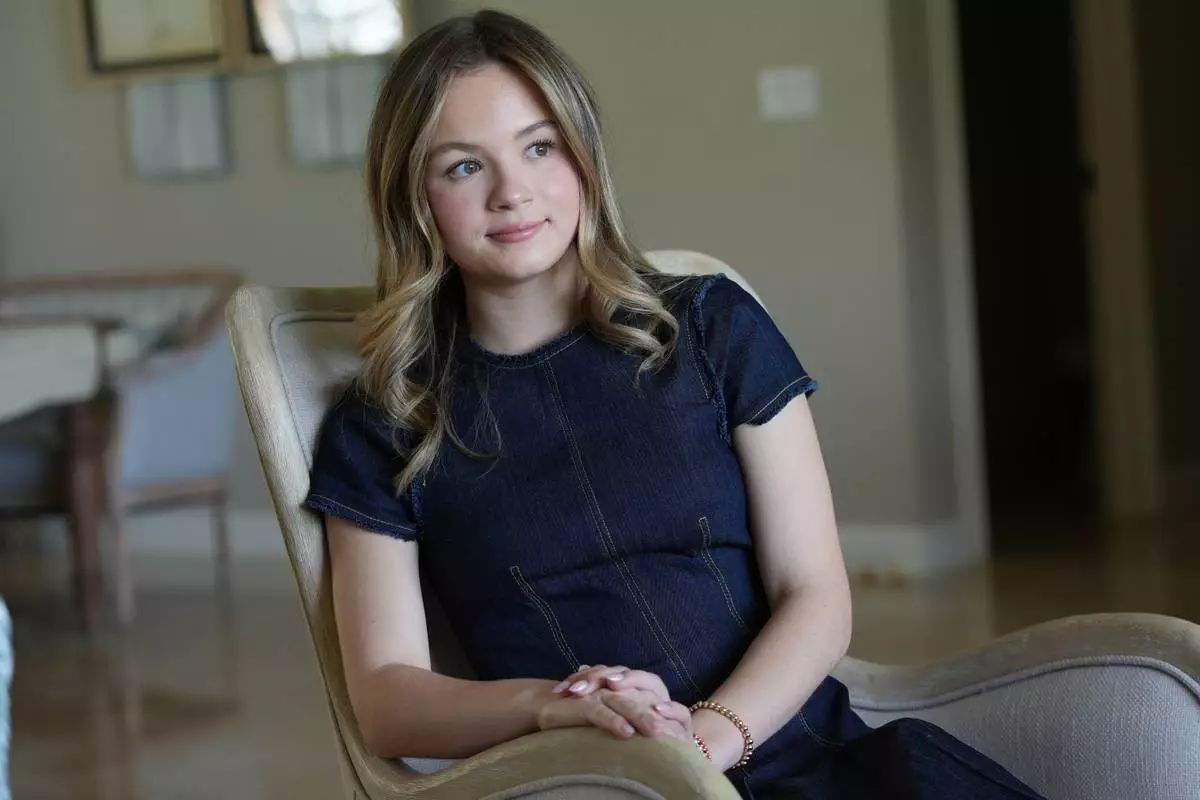
Lauryn Muller sits at her home Monday, April 13, 2026, in Coral Springs, Fla. (AP Photo/Marta Lavandier)