CHP investigates cluster of food poisoning after consumption of porcini mushrooms
The Centre for Health Protection (CHP) of the Department of Health is today (April 20) investigating a cluster of food poisoning cases after consumption of porcini mushrooms. The public is urged to buy mushrooms from reputable and reliable stores.
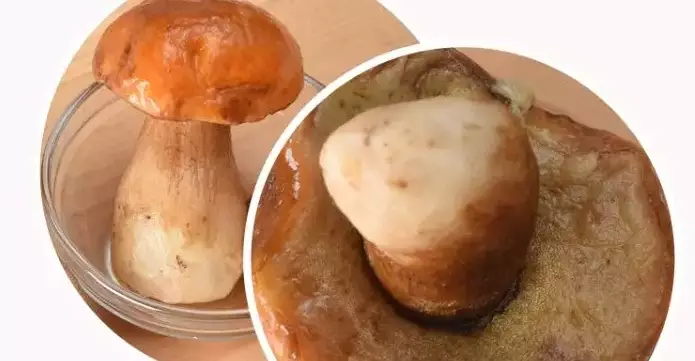
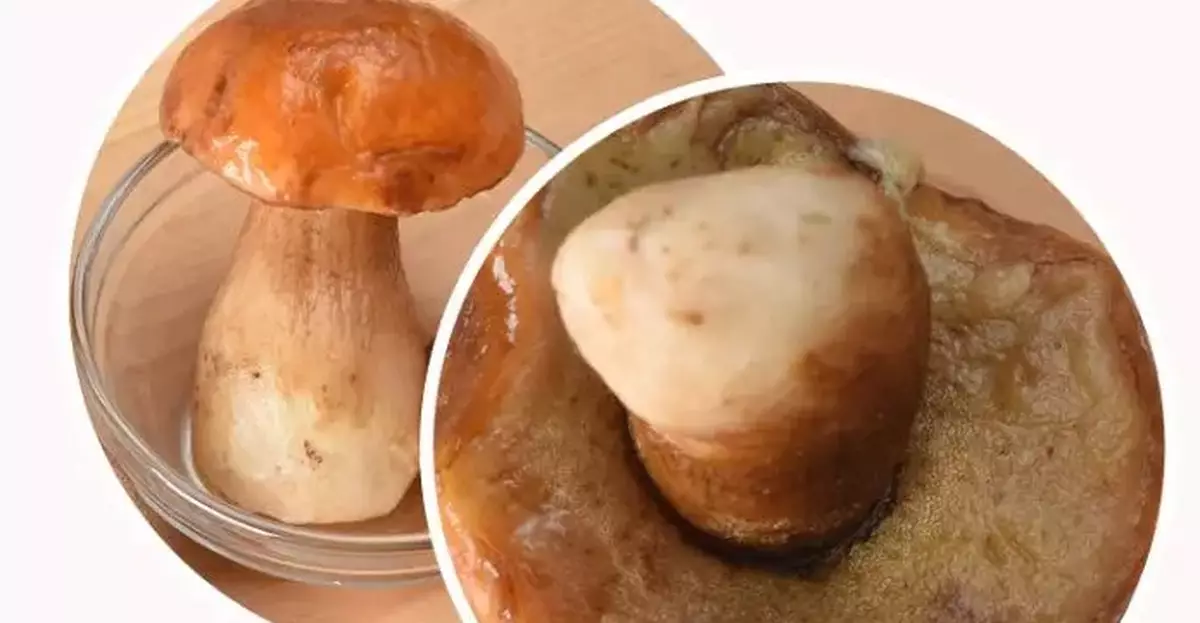
Porcini mushrooms, Photo source: reference image
The cluster involves a male and two females, aged between 12 to 52. Approximately three to six hours after cooking and consuming porcini mushrooms at home on April 5, they presented with vomiting and abdominal pain. They sought medical attention at the Accident and Emergency Department of Pamela Youde Nethersole Eastern Hospital on April 6 and were subsequently discharged after treatment.
Based on their clinical symptoms, the CHP believed that the patients' food poisoning was caused by consuming porcini mushrooms. Samples of uncooked porcini mushrooms from the same batch provided by a patient were confirmed to be a poisonous mushroom species containing certain gastrointestinal irritants that can remain even after being cooked.
Preliminary investigations revealed that one of the patients bought the porcini mushrooms concerned from Yunnan Province in January this year. The product did not have a trademark, nor information about the place of origin.
The CHP will report the case to the relevant authority of the Chinese Mainland, and will continue to follow up on the case and take appropriate action to safeguard public health.
Mushroom poisoning is generally acute. Common presentations include gastrointestinal symptoms such as nausea, vomiting and abdominal pain appearing shortly after ingestion. Depending on the mushroom species, patients may also have other symptoms such as profuse sweating, hallucinations, other neurological symptoms, as well as liver failure. The patient could go into a coma. Death may result in severe cases. If mushroom poisoning is suspected, the patient should seek immediate medical attention and bring along any available remnant for identification.
Members of the public are recommended to take note of the following when choosing or consuming mushrooms locally or overseas:
- Buy mushrooms from reputable and reliable suppliers, and do notbuy mushroom products which may be mixed with unknown species;
- Do not buy mushrooms which look unhygienic, such as those with growing substrates left with the product, or those which show signs of spoilage such as coloured spots/abnormal smell/slime, etc;
- Do not pick wild mushrooms for consumption as it is difficult to distinguish edible mushroom species from inedible ones; and
- Wash and cook mushrooms thoroughly before consumption.
The Centre for Health Protection (CHP), Photo source: reference image