MCLEAN, Va.--(BUSINESS WIRE)--Apr 21, 2026--
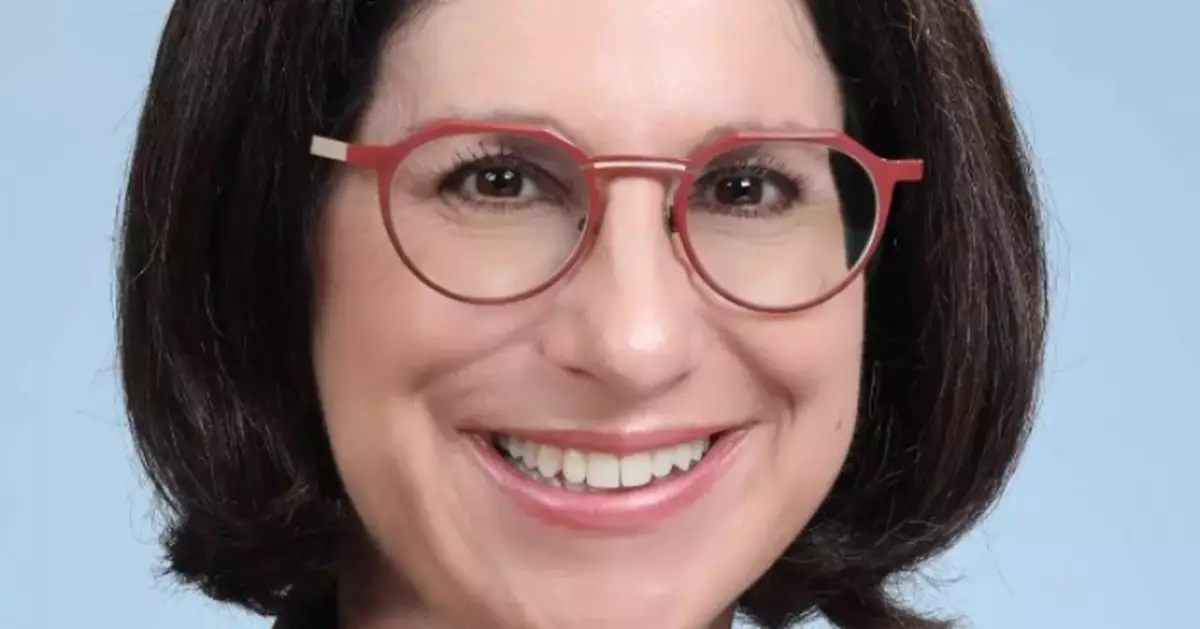
Zephyr AI, Inc. (“Zephyr AI”), a leader in precision medicine harnessing artificial intelligence to accelerate drug development, today announced that it has appointed Lisa Eli, PhD, as its Chief Scientific Officer. Eli brings over 20 years of experience in translational medicine and precision oncology, with deep expertise in advancing biomarker-driven clinical development. She has led integrated biomarker and diagnostic strategies across Phase 1-3 clinical trials, enabling patient selection, informing combination approaches, and supporting regulatory approvals and guideline inclusions in solid tumors. At Zephyr AI, Dr. Eli will leverage this experience to accelerate AI-powered, biomarker-driven diagnostic and clinical development of targeted therapies.
This press release features multimedia. View the full release here: https://www.businesswire.com/news/home/20260421178451/en/
“I am thrilled to join Zephyr AI and support the company's groundbreaking work in oncology discovery and drug development,” said Eli. “The power of AI combined with deeply profiled real-world data offers an immense opportunity to accelerate clinical development and bring biomarker-informed, precise therapies to point of care. I am eager to work with our industry partners to help optimize treatment and elevate the quality of care for people with cancer.”
“Lisa is a key addition to Zephyr AI’s leadership team,” said Zephyr AI CEO Allen Chao, PhD. “She brings a wealth of experience advancing oncology programs from scientific discovery through clinical development and commercialization, and her leadership will energize Zephyr’s ability to apply proprietary data, AI, and machine learning to accelerate smarter drug development.”
As a thought leader in precision oncology, Dr. Eli has led translational medicine teams and supported important developments in cancer treatment. Most recently, Eli founded and led Eli Precision Oncology, LLC, a consultancy where she supported clients in biomarker-driven patient stratification and clinical development strategies. Prior to that, Eli was Vice President of Translational Medicine and Diagnostics at Puma Biotechnology, where she was a key driver of the SUMMIT basket trial of neratinib (Nerlynx®) for patients with solid tumors harboring HER2 mutations. She also held senior roles at N-of-One and Monogram Biosciences, where she supported diagnostic development of HERmark®, a tissue-based assay for HER2 quantitation. In addition, Eli was an appointed member of the California Breast Cancer Research Council and currently serves as an Advisor for the SPARK Program in Translational Research at Stanford.
Eli received a Ph.D. in Biochemistry from Stanford University, and completed her postdoctoral fellowship at UCSF.
About Zephyr AI
Zephyr AI is redefining precision medicine with AI-enabled software and enterprise-scale real-world data. By transforming fragmented clinical and biological information into actionable insights, Zephyr AI advances therapeutic development, patient stratification, and diagnostic innovation—bringing clarity to complexity and impact to patients. Zephyr AI’s solutions integrate seamlessly into existing workflows for rapid validation and clinical translation. Alongside its software models, Zephyr AI provides access to one of the world’s largest proprietary multimodal clinicogenomic datasets—enabling partners to explore populations, accelerate discovery, and improve trial success. For more information, visit zephyrai.bio.
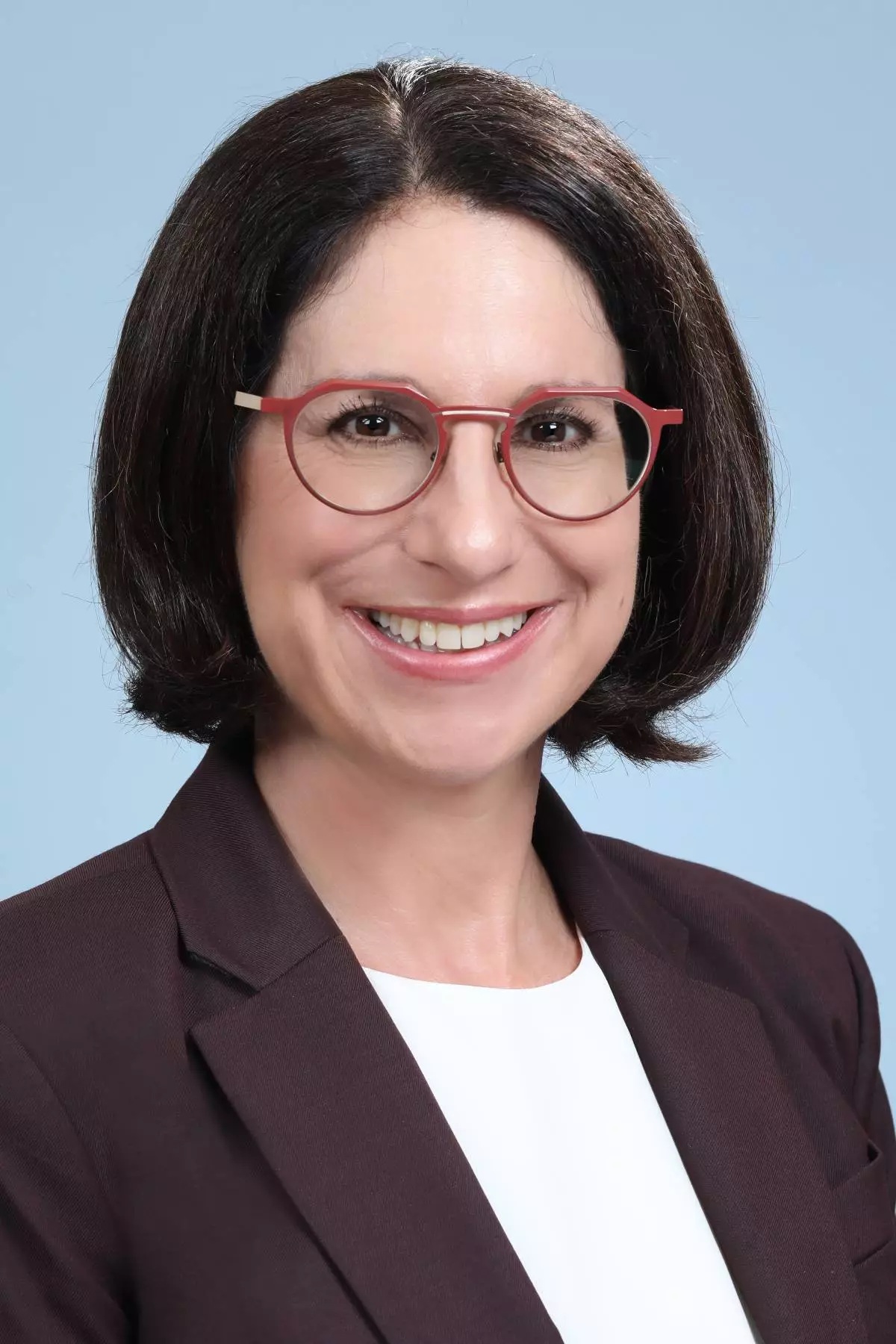
Lisa Eli, PhD
SOUTHAMPTON, N.Y. (AP) — One of the 72 shots Scottie Scheffler hit Thursday at the U.S. Open was a lash with a fairway wood on the 16th hole. He followed up by placing his hands on his knees and squinting into the emerging sunshine while asking caddie Ted Scott if he saw where the ball ended up.
A few minutes later, everyone knew the answer. There was Scheffler jumping up and down in a bunker situated 150 yards shy of the green — and 10 feet lower than the fairway — to catch a glimpse of the flag on the putting surface ahead.
What resulted was a rare bogey 6 for the world's No. 1 player on one of those rare par 5s in pro golf that wasn't remotely reachable in two — thanks to it being uphill and dead into a 25 mph wind. Even after the wind died down in the afternoon, the 16th played at 0.372 strokes over par with most of the first round over, making it the fourth-hardest hole on the course.
Welcome to Shinnecock.
“You had to be hitting a great shot if you wanted to avoid a punishment,” Scheffler said after walking off the windswept golf course at 2-over par, which was eight shots behind leader Wyndham Clark, who played in much tamer conditions in the afternoon. “I think ‘good’ would put you in some tough spots.”
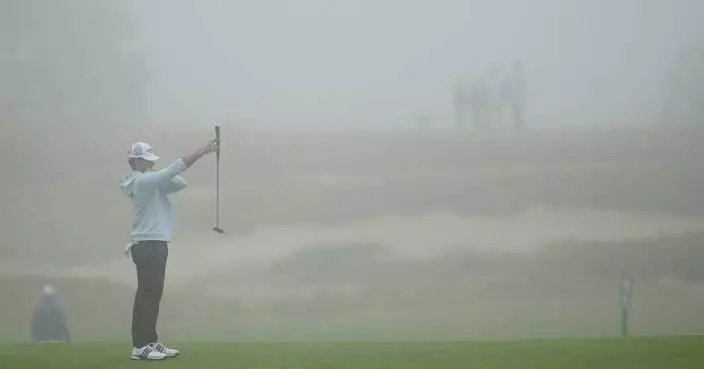
Scheffler, who needs this tournament to complete the career Grand Slam, found plenty of those tough spots in his 10th straight round at the U.S. Open in which he has failed to break par. It began in the morning but bled well into the afternoon — a 5 1/2-hour grind through the wind that started late because of a two-hour fog delay. One of his playing partners, defending champion J.J. Spaun, fared even worse. Spaun shot 77.
Scheffler made double bogey on No. 8 after teeing off into the rough, hitting his second into a bunker some 40 yards from the hole, then three-putting.
He hit a wedge from 110 yards to the middle of the 13th green, but the ball spun and rolled off the front. That led to a bogey; blame it on the soft conditions the USGA has been trying to hang on to in wake of the wind forecast.
“Overall, yeah, it was a really challenging day,” Scheffler said. “If you told me when I was staring at my par putt on 9 that I would post 2-over today, I would definitely have taken it at the time.”
He made that putt, a 6-footer, to make the turn at 3 over. He sank a 9-footer for a sand save on No. 18 to walk away with his 72. Three of his four birdies came on the back nine.
“I feel like this course can change pretty rapidly from day to day,” he said. “I think that’s also part of the challenge of the tournament is adjusting to those conditions.”
Some 90 minutes after the round, Scheffler was still on the driving range, having an animated conversation with his coach, Randy Smith, while the wind picked up for the second wave of players, many of whom would be on the course at twilight.
As much as his swing, Scheffler knows this tournament will come down to who can untangle the conditions, then deal with them the best. He walked off the course in a tie for 75th place — not out of it, but still looking for answers.
“I think it’s a little easier sometimes in a U.S. Open,” Scheffler said, “because it’s happening to everybody.”
AP golf: https://apnews.com/hub/golf
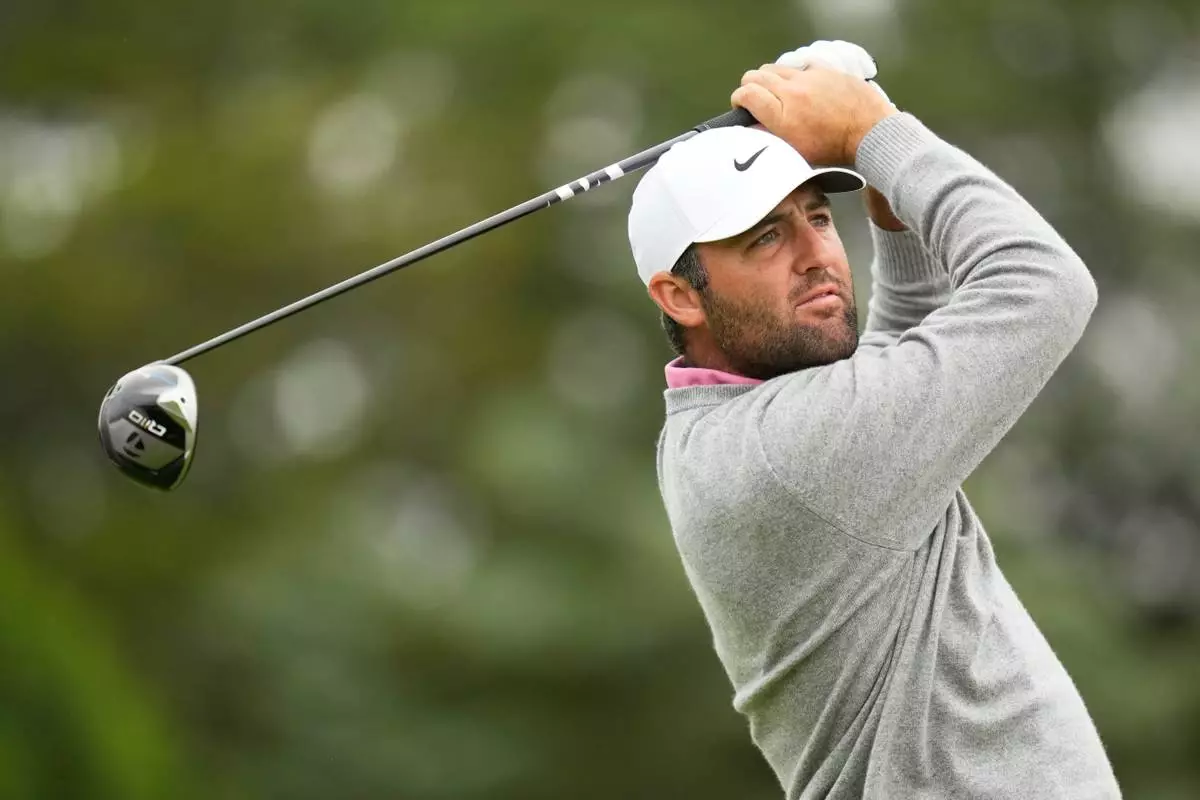
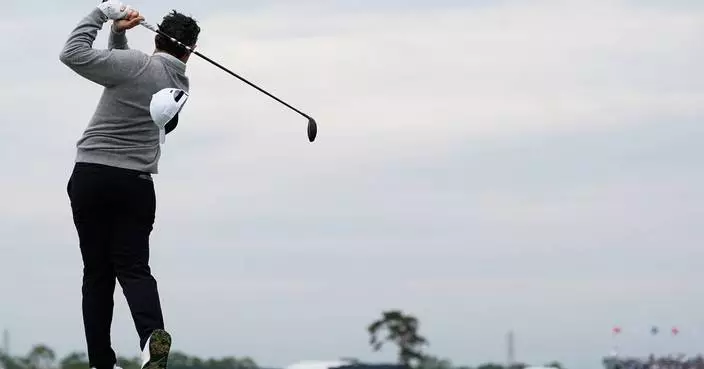
Scottie Scheffler watches his tee shot on the sixth hole during the first round of the U.S. Open golf tournament at Shinnecock Hills Golf Club in Southampton, N.Y., Thursday, June 18, 2026.(AP Photo/Seth Wenig)
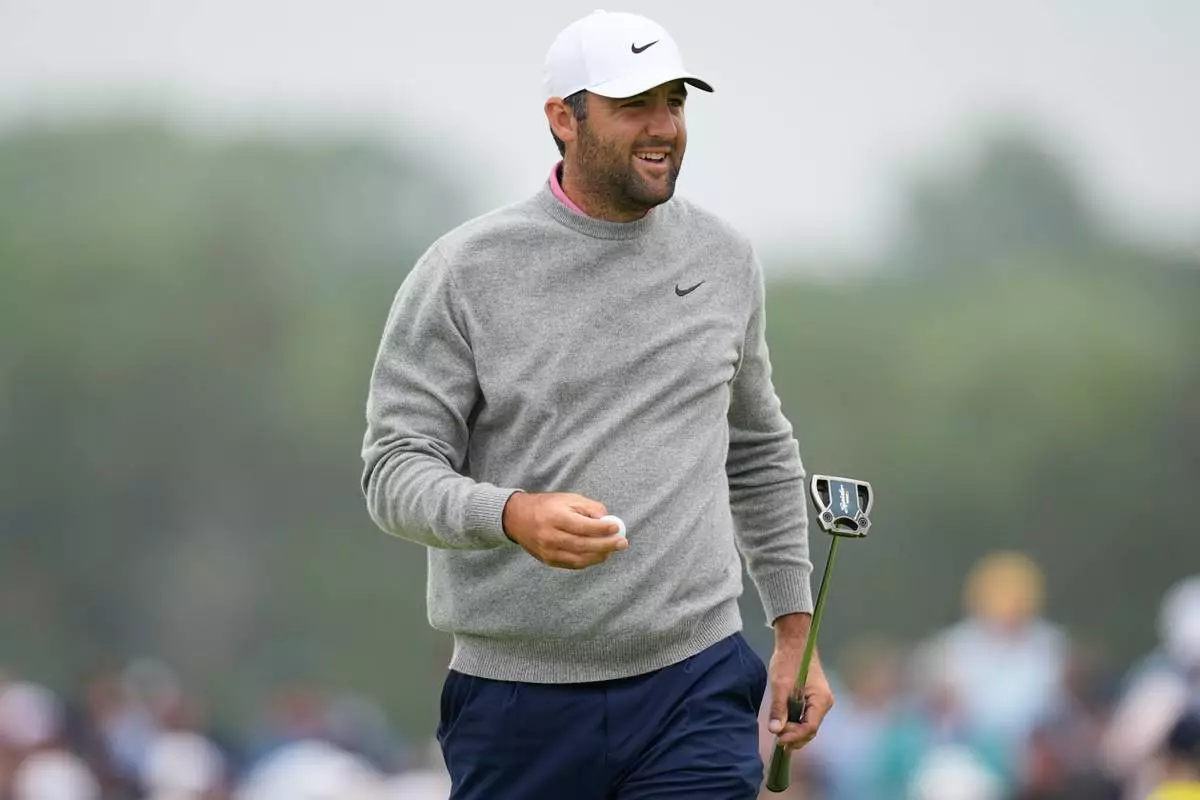
Scottie Scheffler reacts after missing a putt on the fourth hole during the first round of the U.S. Open golf tournament at Shinnecock Hills Golf Club in Southampton, N.Y., Thursday, June 18, 2026.(AP Photo/David J. Phillip)
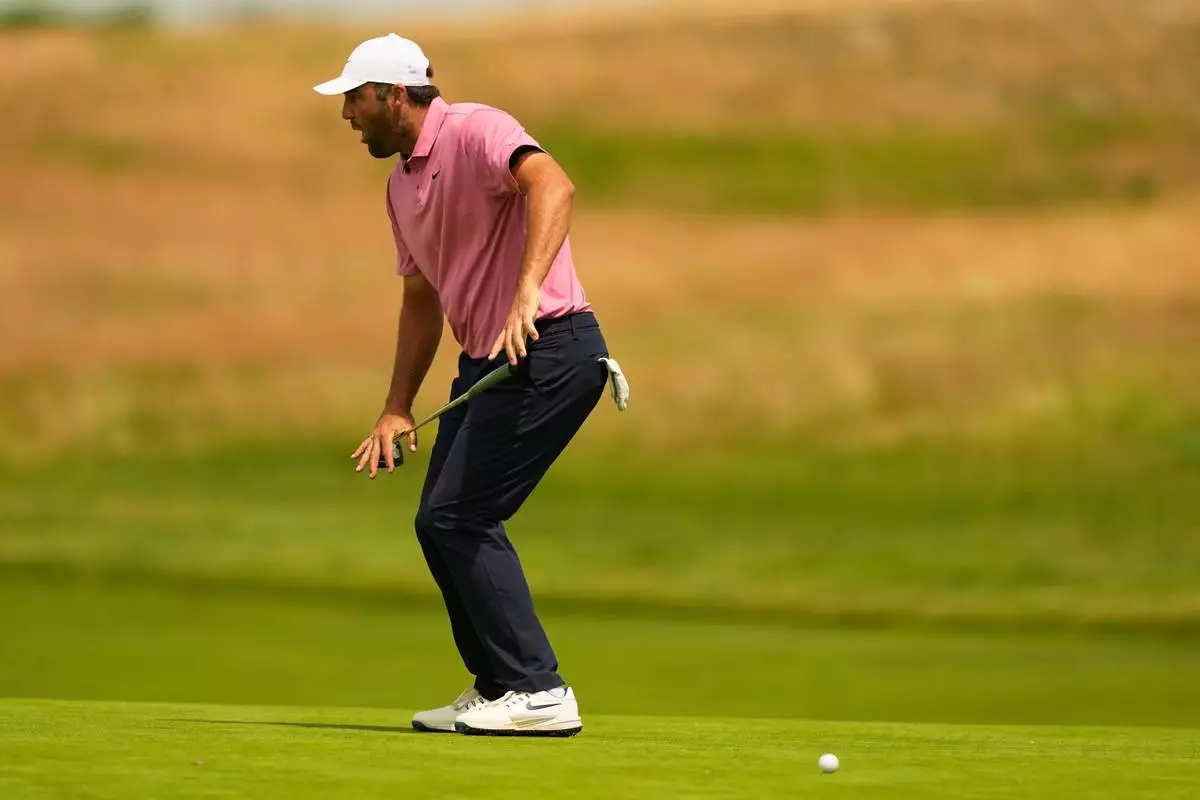
Scottie Scheffler reacts after missing a putt on the 13th hole during the first round of the U.S. Open golf tournament at Shinnecock Hills Golf Club in Southampton, N.Y., Thursday, June 18, 2026.(AP Photo/Gerald Herbert)
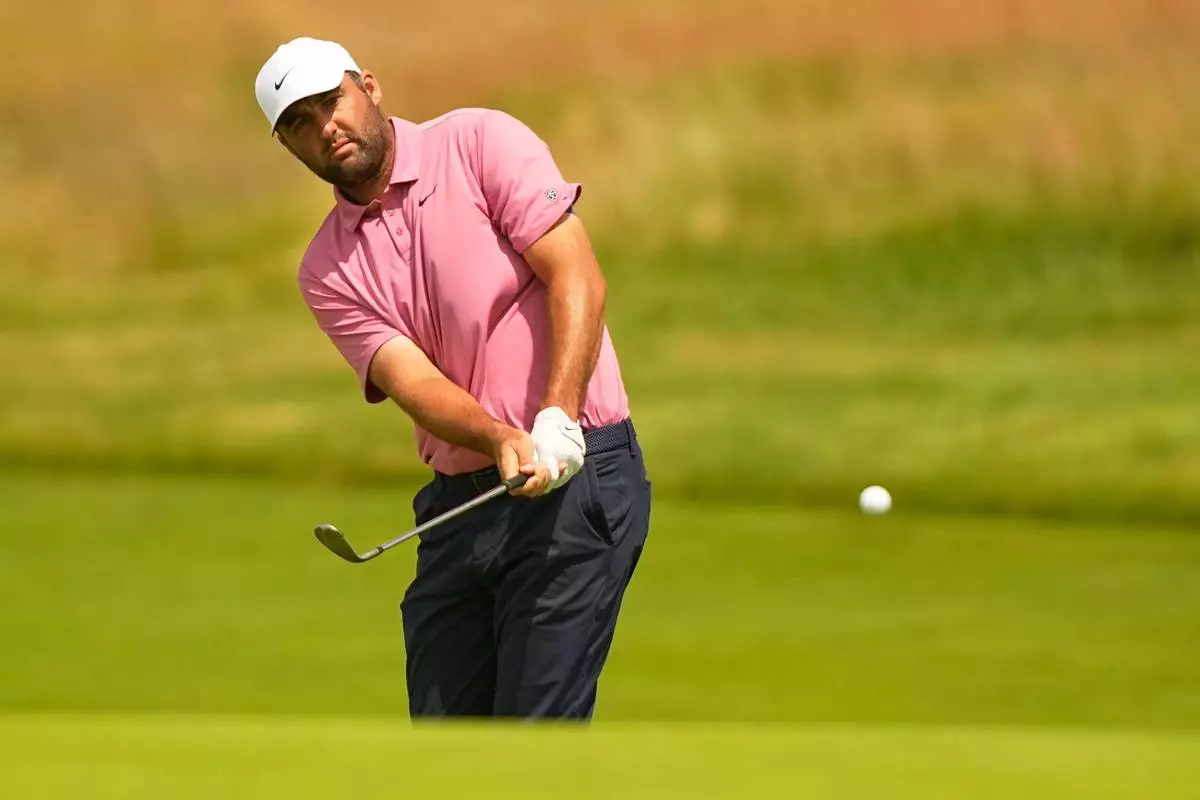
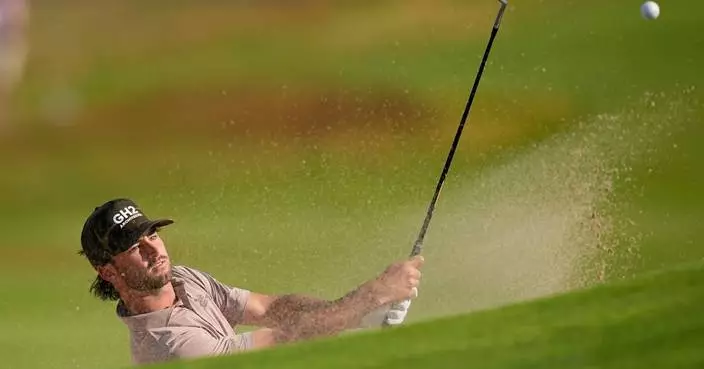
Scottie Scheffler chips to the green on the 13th hole during the first round of the U.S. Open golf tournament at Shinnecock Hills Golf Club in Southampton, N.Y., Thursday, June 18, 2026.(AP Photo/Gerald Herbert)
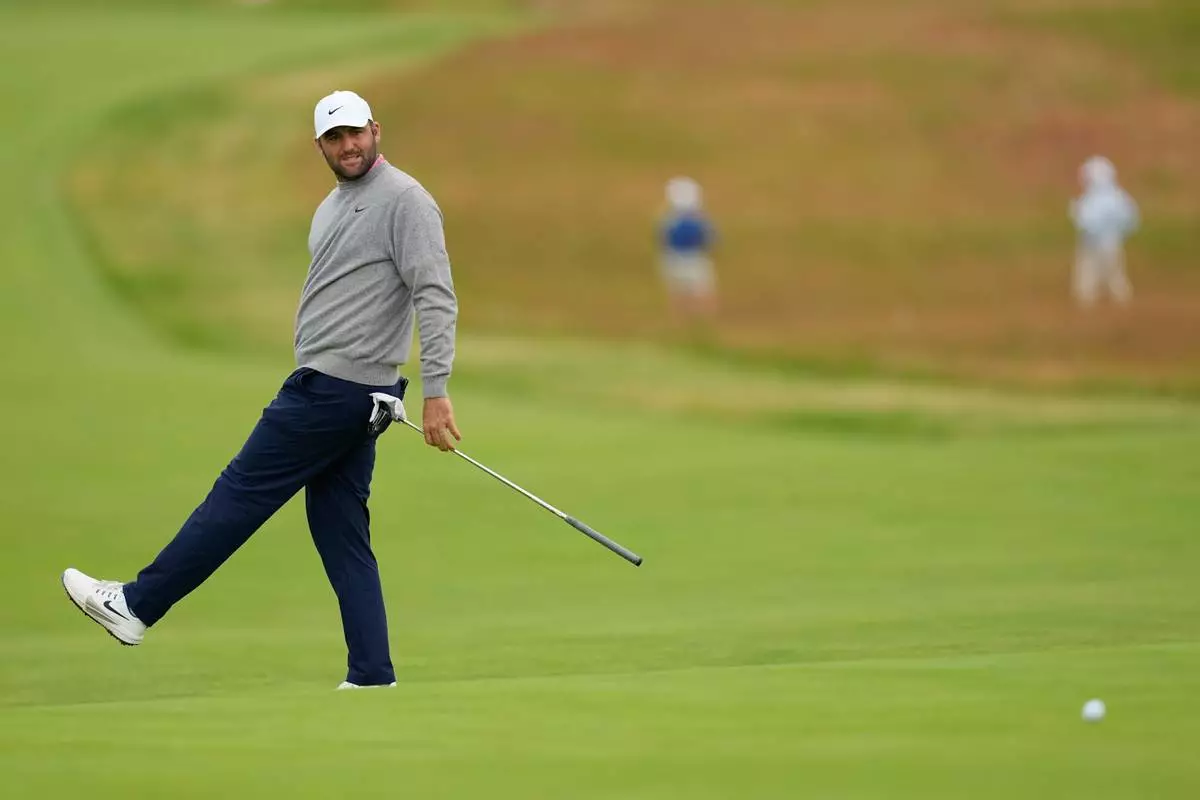
Scottie Scheffler reacts after missing a putt on the third hole during the first round of the U.S. Open golf tournament at Shinnecock Hills Golf Club in Southampton, N.Y., Thursday, June 18, 2026.(AP Photo/David J. Phillip)