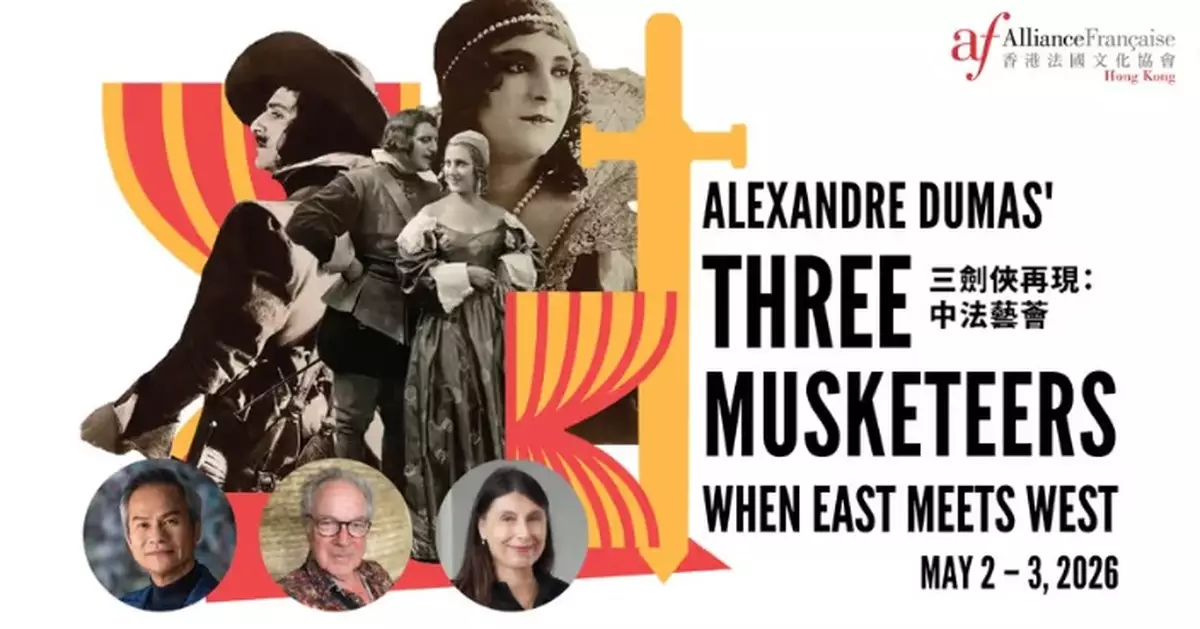
Adventure, chivalry, heritage and cutting-edge artistry collide as Alliance Française Hong Kong and the Hong Kong Academy for Performing Arts (HKAPA) co-present Alexandre Dumas’ Three Musketeers: When East Meets West, a highly anticipated stage revival of the 1921 silent film masterpiece, Les Trois Mousquetaires. Two ticketed public performances will take place on 2 and 3 May 2026 at HKAPA’s Hong Kong Jockey Club Amphitheatre.
Alexandre Dumas’ Three Musketeers: When East Meets West, Photo source: Amara Communications
Originally a 12-episode cinematic serial directed by Henri Diamant-Berger, the work is reimagined for a live stage phenomenon through a high-profile creative dialogue between legendary Hong Kong director Stephen Tang Shu Wing, former Dean of Drama at HKAPA, and French visionaries, including acclaimed French composer Béatrice Thiriet who composed the original score, as well as filmmaker Jérôme Diamant-Berger — the grandson of the original 1921 director.
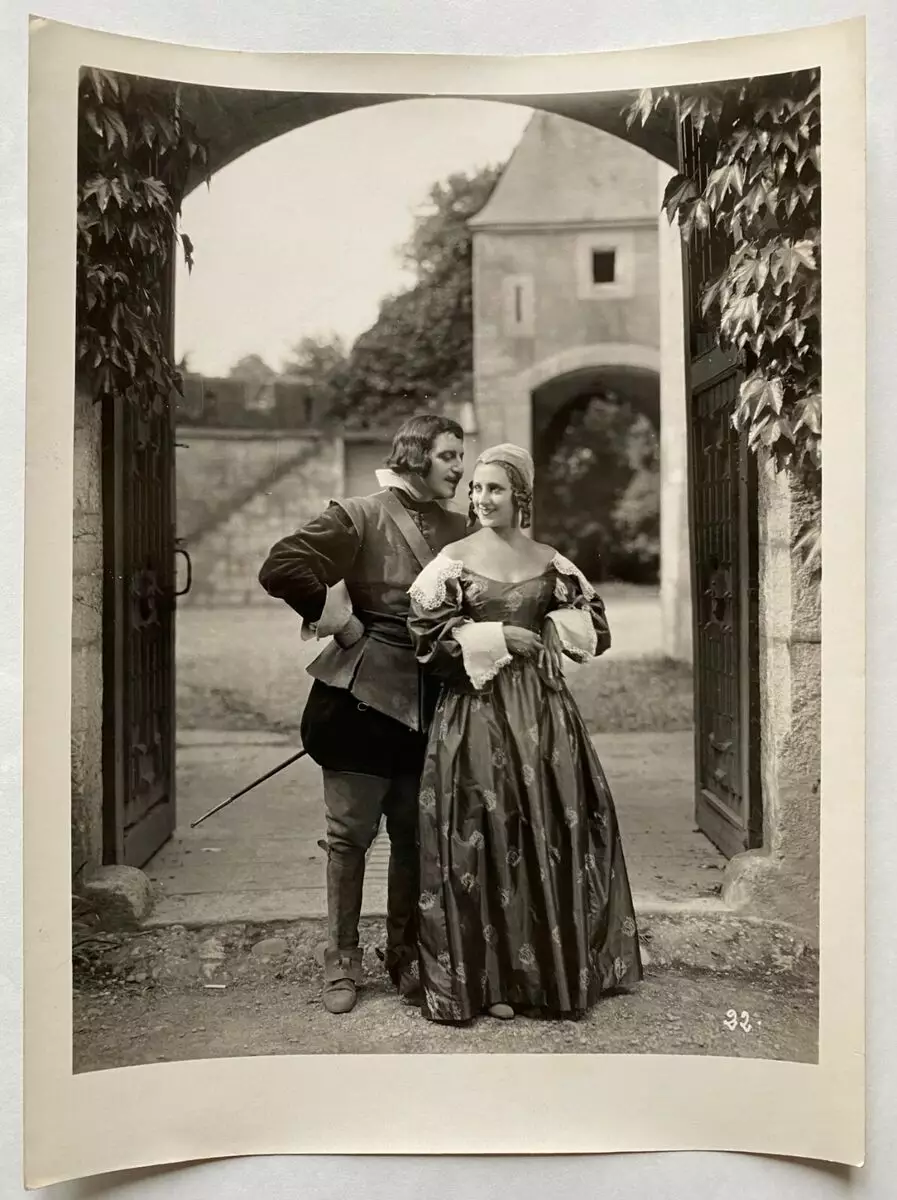
Still from 1921’s Les Trois Mousquetaires, Photo source: Amara Communications
A Tale of Two Chivalries: From Musketeers to Water Margin
In a narrative twist designed for Hong Kong audiences, the production bridges Western knightly honour with Eastern heroism. The performance uses a traditional Chinese-style storyteller to draw parallels between the musketeers’ "One for all, all for one" and the brotherhood found in the Chinese classic Water Margin. This dialogue explores the universal pursuit of justice, contrasting the romanticised individual bravery of the West to the collective loyalty of the East.
Giving Voice to the Silenced
While the 1921 film captured the swashbuckling action of d’Artagnan, this 2026 revival injects a vital contemporary lens. Act Two breaks away from the male-dominated adventure to feature powerful monologues from Madame Bonacieux, Queen Anne and Milady de Winter. By exploring their struggles for autonomy and survival in 17th-century France, the production reframes these historical figures through a modern feminist perspective, reclaiming their narratives and redefining them as protagonists in their own rights.
Interdisciplinary Innovation
The production showcases the next generation of multidisciplinary talent, uniting HKAPA’s Schools of Music, Drama, and Film & Television. HKAPA students will be involved in the
production by contributing across performance, music, filmmaking and stagecraft. In a unique stylistic twist, the French classic is reinterpreted through Hong Kong’s own performance traditions, creating a cross-culturaltapestry that connects European heritage with contemporary Eastern stage practice.
Legacy Meets the Next Generation
“Alliance Française Hong Kong is proud to co‑present this East‑West reinterpretation of The Three Musketeers with the Hong Kong Academy for Performing Arts,” said Julia Liotard-Vogt, Acting Executive Director, Alliance Française Hong Kong. “This collaboration embodies our mission to foster cultural dialogue and innovation, bringing together French heritage and Hong Kong’s diverse and vibrant performing arts scene. By uniting internationally renowned French artists with the next generation of local talent, we aim to create a unique experience that celebrates both tradition and contemporary creativity.”
"This play is a testament to the enduring power of storytelling," says Jérôme Diamant-Berger, who has dedicated his career to preserving his grandfather’s archive. "By bringing this 1921 classic to a modern Hong Kong stage, we are allowing the next generation of performers to breathe new life into a century-old legacy."
Beyond the performances, the residency includes workshops and talks led by the French collaborators, offering HKAPA students and the public unique insights into cinema history, as well as archival preservation and production.
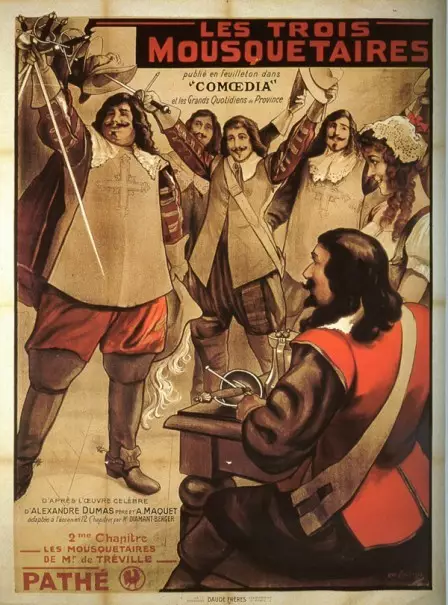
Les Trois Mousquetaires, Photo source: Amara Communications
Ticketing Information
With only two performances scheduled, this limited-run event is expected to be a highlight of the 2026 cultural calendar. Audiences are encouraged to book early.
● Date and Time: 2 May 2026 (8pm) & 3 May 2026 (3pm)
● Venue: Hong Kong Jockey Club Amphitheatre, HKAPA, 1 Gloucester Road, Wanchai, Hong Kong
● Price: HK$180, HK$280 and HK$380
● Tickets: Available now via Cityline
About Alliance Française de Hong Kong
Founded in 1953, Alliance Française de Hong Kong (AFHK) is a self-funded, non-profit organization governed by a Board of Directors composed of prominent local figures. Today, it is part of a global network of over 850 associations. Dedicated to promoting the French language and fostering cross-cultural exchange, AFHK welcomes over 6,000 students annually. Its four core services include: providing French courses for adults, teenagers, and children taught by qualified native speakers; offering access to "La Médiathèque" (multimedia library) and the
"Culturethèque" digital platform; organizing and co-hosting French cultural events with local and international partners—such as the Hong Kong French Film Festival, French May Arts Festival, Francophonie, and "Art de Vivre" programs; and publishing PAROLES, a bilingual Franco-Chinese magazine and the longest-running cultural publication in Hong Kong.
About the Artistic Team
Tang Shu Wing, MH (Artistic Director)
Born in Hong Kong, Tang is a theatre director, actor and educator, having worked in professional theatre for 30 years. He has done more than 60 works, including spoken drama, non-verbal theatre, dance drama and opera. Tang is hailed by the media as "one of the most important theatre directors in Hong Kong". Minimalist aesthetics and physical theatre that Tang advocated have become a brand of contemporary theatre in Hong Kong. To acknowledge his achievement in past decades, Tang was awarded a Medal of Honour by the Government of the HKSAR in 2020, the Award for Outstanding Contribution in Arts by the Hong Kong Arts Development Council in 2021, an Honorary Doctorate by HKAPA in 2022.
Tang studied laws in Hong Kong in early years; then he studied Theatre Studies in the Université de la Sorbonne Nouvelle in Paris. Tang founded No Man’s Land in 1997. Between 2004 and 2011, Tang worked in the Hong Kong Academy for Performing Arts and got promoted from Lecturer, to Senior Lecturer, Head of Directing and Playwriting and Dean of the School of Drama within 5 years.
In 2009, Tang founded Tang Shu-wing Theatre Studio, which aims to create cross-disciplinary and cross-cultural works, further promoting Hong Kong’s theatre to international stages. In 2011, he left the Academy and started to put great effort in training the next generation and cares for the public good through arts. In 2014, he established “PTI Professional Physical Theatre Youth Training Programme" and served as the Course Director/Curriculum Designer and Tutor.
He has served in a number of public bodies such as Leisure and Cultural Services Department, Consultation Panel of the West Kowloon Cultural District Authority, the Hong Kong Arts Development Council, Arts Programme Committee of Hong Kong Arts Centre and Hong Kong-Taiwan Cultural Co-operation Committee. He is currently an Artistic Advisor of Hong Kong Dance Company.
Jérôme Diamant-Berger (Filmmaker)
Cinema is a living legacy for Jérôme Diamant-Berger. Carrying the torch of a legendary filmmaking tradition started by his grandfather, Henri, Jérôme has carved a unique path by blending the nostalgia of the past with the bold frontiers of the future. He is a cinematic explorer who treats the screen as a canvas for poetic experimentation, most notably in the visionary L'Unique. His work serves as a vital bridge between eras, where the meticulous preservation of film heritage meets the cutting edge of modern technology. To watch a Diamant-Berger film is to step into a carefully crafted dreamscape, where history and imagination collide to create something truly timeless.
Béatrice Thiriet (Musical Director)
For Béatrice Thiriet, music is not merely an accompaniment to film; it is a vital, breathing character in its own right. For over thirty years, she has divided her passion between the lyrical world of opera and the evocative power of film scores. Her journey is a masterclass in emotional precision, perhaps most famously seen in her César-nominated work for Lady Chatterley, which redefined how nature and desire are translated into sound.
Beyond her own creations, Thiriet is deeply committed to the art of transmission. Recently, in collaboration with SACEM and the Institut Français’s Fabrique Cinéma, she shared her expertise in masterclasses, engaging with the next generation of directors on the delicate stakes of cinematic composition. For Béatrice, creating music is as much about the solitary act of writing as it is about the dialogue with the creators of tomorrow, ensuring that the pulse of storytelling remains audible for years to come.