As China's first national reading week and the fifth national reading conference opened in tandem on Monday, a series of reading events are being held across the country, ranging from lectures and book fairs to salons and book donations, all aimed at promoting reading among the public.
As a country with more than five millennia of continuous civilization, China has long valued reading and learning. Today, the Chinese government has elevated nationwide reading to a national strategy, incorporating it into the 15th Five-Year Plan and featuring it in government work reports for 13 consecutive years.
The government sees building a reading-friendly society as crucial to raising people's cultural refinement and the nation's level of social progress, and to fostering the country's overall innovation and creativity.
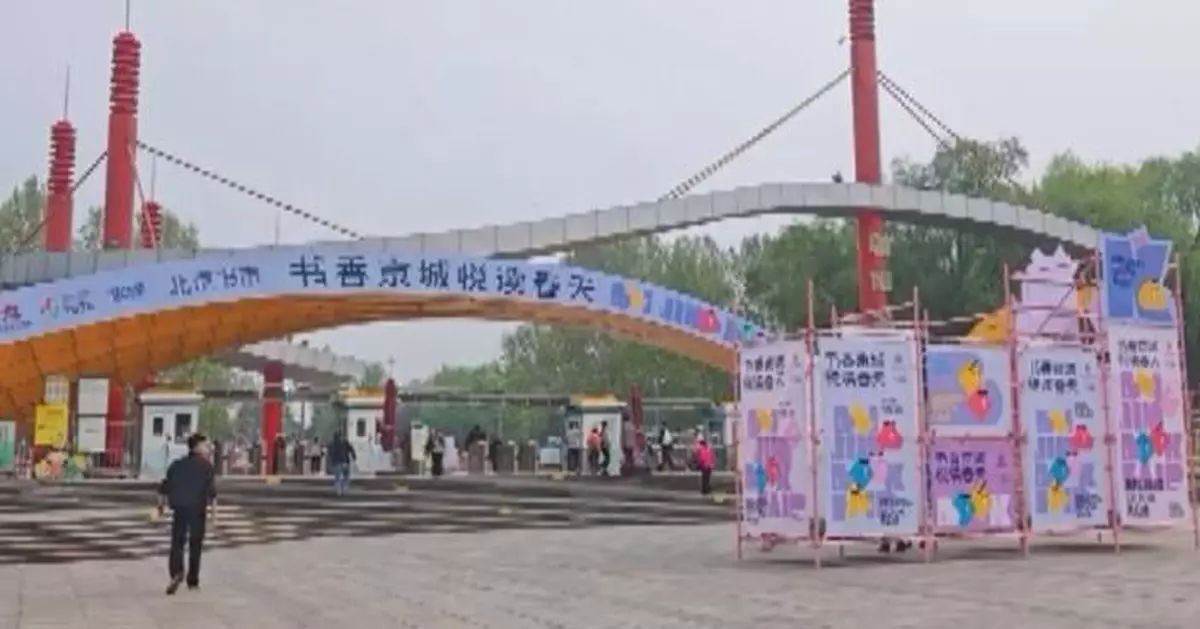
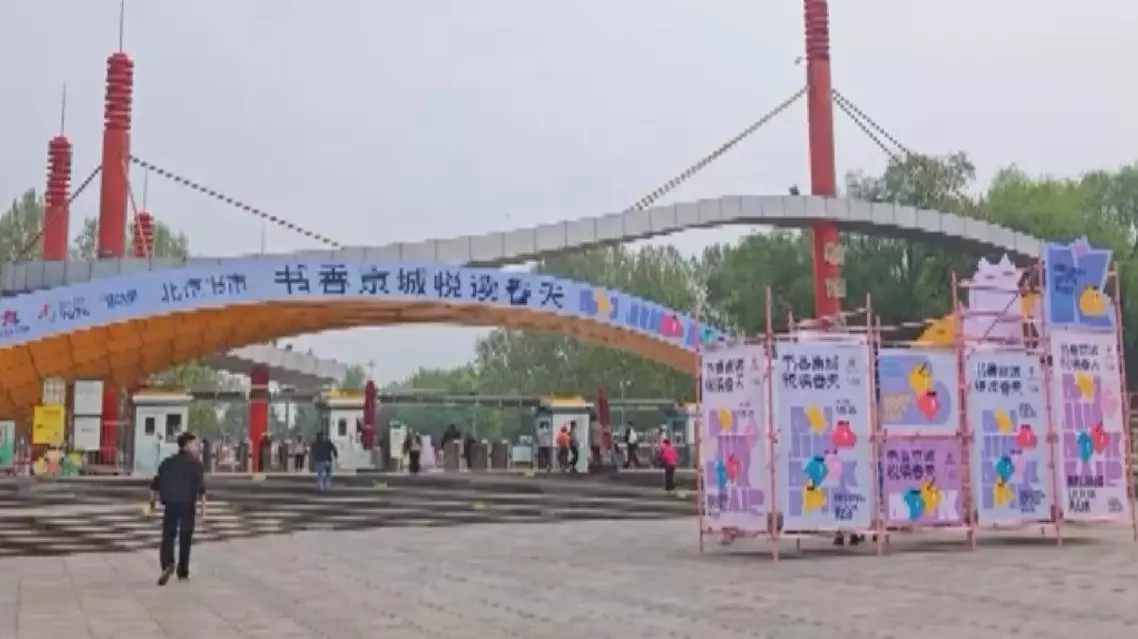
A book fair in Beijing has set up four exhibition venues and will host over 70 events in communities, commercial districts, schools, and others, offering a rich cultural feast to the city's residents. At the same time, a total of six cultural venues in Shanghai's Zhujiajiao ancient town are offering curated reading experiences that blend intangible cultural heritage crafts with parent-child reading.
Meanwhile, the integration demonstration zone in the Yangtze River Delta will coordinate more than 50 reading activities throughout the week. The launch ceremony of the Nanjing branch of the nationwide reading week and the 31st Nanjing reading month was held at Nanjing Library in east China's Jiangsu Province on Sunday morning, where the "12 good books" recommended to the public for 2026 were announced. A scenic area in Jiangsu's Lianyungang City has turned its mountain trails into a literary quiz adventure, where hikers must answer history and literature questions at "reading checkpoints" to move forward. "Integrating reading with exercise allows participants to gain knowledge without feeling fatigued, making the experience far more engaging than hiking alone," Wu Xuan, a local resident. In addition, east China's Anhui Province has launched a dedicated reading list for rural areas and delivered books directly to village entrances and local markets, extending the national reading campaign into the countryside.
At present, east China's Zhejiang Province has built nearly 5,000 standardized school libraries across the province under its scholarly campus initiative.
Quzhou City's Kecheng District opened a book market where students and parents could exchange old books for new ones, fresh produce, or potted plants.
"It shows our children that reading can be something truly heartwarming," said a mother.
By integrating intangible cultural heritage with traditional Chinese attire hanfu, a reading promotion event in Langzhong ancient town in southwest China's Sichuan Province invites visitors to experience and appreciate traditional culture through interactive poetry and literary games.
Local organizers have also brought some movable-type printing experiences into schools, giving students a hands-on encounter with an ancient craft. Meanwhile, south China's Guizhou Province has built a comprehensive digital reading service platform, bringing together millions of e-books to offer readers a cultural gift package all year round. Shenzhen City of south China's Guangdong Province has also launched a series of reading activities to engage students in in-depth reading.
In the Puzhehei scenic area in southwest China's Yunnan Province, a reading and sharing event during the national reading week attracted many long-stay visitors.
"It's my third time in Puzhehei. The stunning landscape, together with the sense of literary atmosphere, gives me both a relaxing getaway and the uplifting power of reading," said Ma Liqin, a long-stay visitor.
China launches national reading week to promote reading among public, build book-loving society