Skip to Content Facebook Feature Image

Institute of Philanthropy collaborates with the Palace Museum to launch “Divine Steeds: Horses in Painting and Calligraphy of the Palace Museum”

HK

Institute of Philanthropy collaborates with the Palace Museum to launch   “Divine Steeds: Horses in Painting and Calligraphy of the Palace Museum”
HK

HK

Institute of Philanthropy collaborates with the Palace Museum to launch “Divine Steeds: Horses in Painting and Calligraphy of the Palace Museum”

2026-04-22 17:27 Last Updated At:17:29

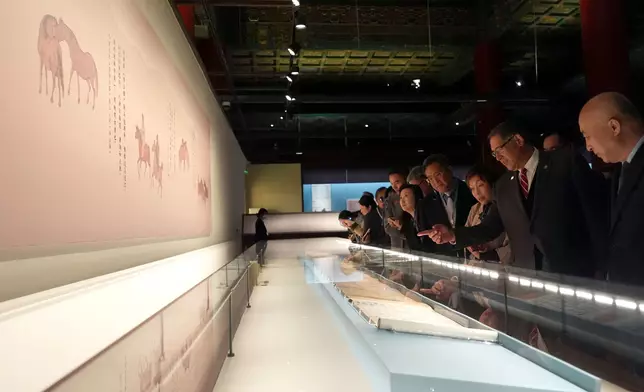
The opening ceremony of the “Divine Steeds: Horses in Painting and Calligraphy of the Palace Museum” exhibition was held in the Hall of Literary Brilliance at the Palace Museum. Exclusively sponsored by the Institute of Philanthropy (IoP) and organised by the Palace Museum, the exhibition presents more than 50 paintings and calligraphic works from the Palace Museum's collection, including 20 Grade One national treasures, illustrating the bond between horses and humans and the special role of the horse in Chinese culture.
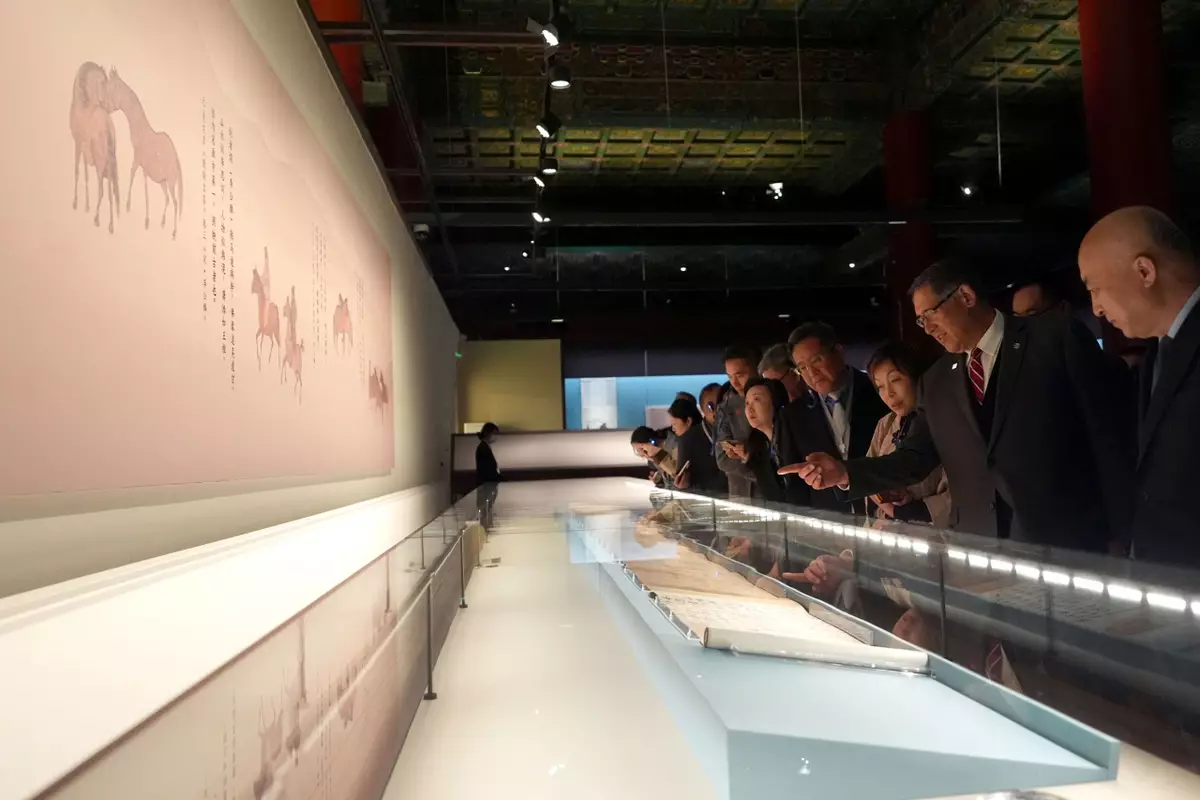
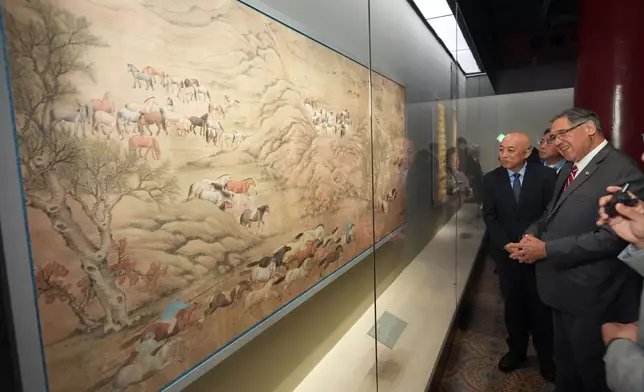
Guests tour the “Divine Steeds: Horses in Painting and Calligraphy of the Palace Museum” exhibition.
Guests tour the “Divine Steeds: Horses in Painting and Calligraphy of the Palace Museum” exhibition.

The exhibition explores four themes: Leisure, Herding, the Warhorse and the Spiritual Horse, with selected paintings and calligraphic treasures from the Palace Museum's collection. Spanning the Tang and Song dynasties, the Ming and Qing dynasties, through to the modern era, it presents important works by renowned masters including Li Gonglin, Zhao Mengfu, Ren Renfa, Giuseppe Castiglione and Xu Beihong. Through these treasures the exhibition immerses visitors in the world of horses across the ages, deepening their understanding of the nation and its equine culture, and fostering a sense of cultural identity and pride.

More Images
Guests tour the “Divine Steeds: Horses in Painting and Calligraphy of the Palace Museum” exhibition.

Guests tour the “Divine Steeds: Horses in Painting and Calligraphy of the Palace Museum” exhibition.

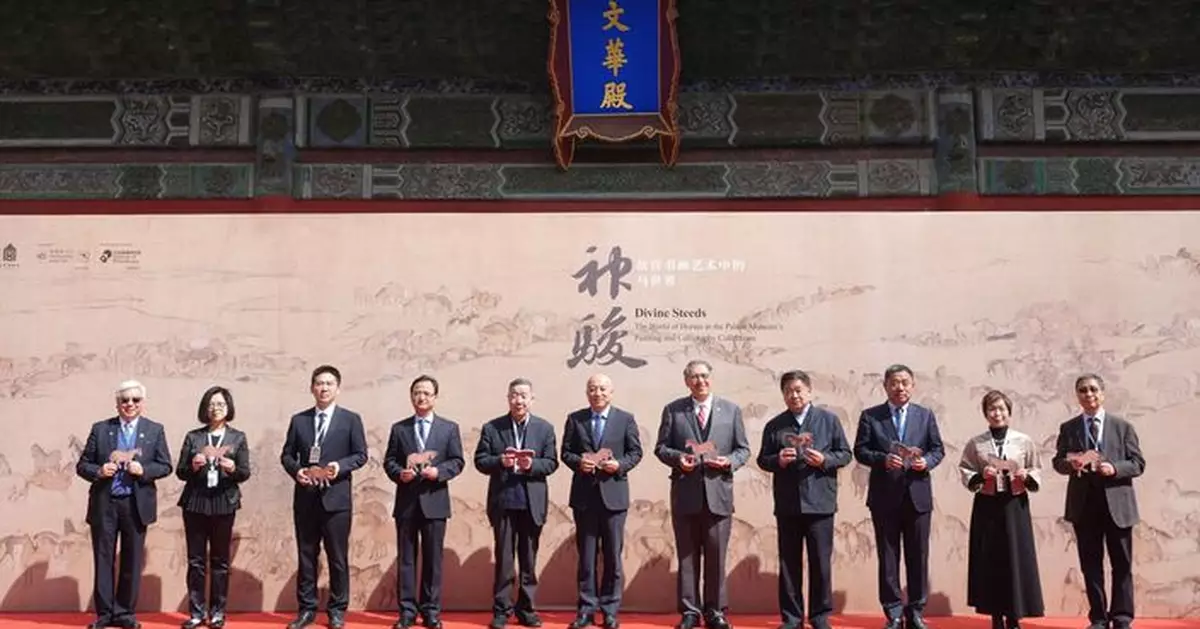
Officiating guests at the opening ceremony.
Officiating guests at the opening ceremony.

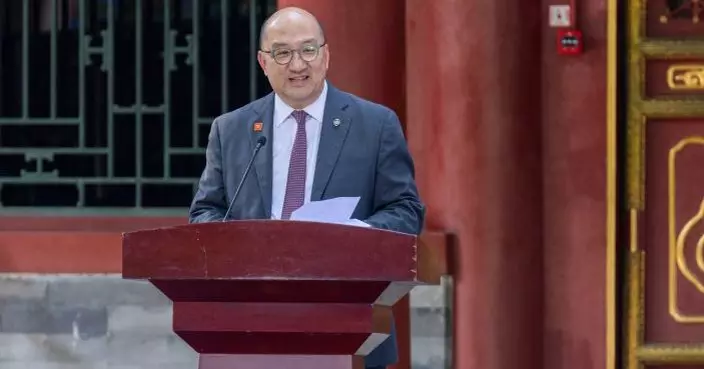
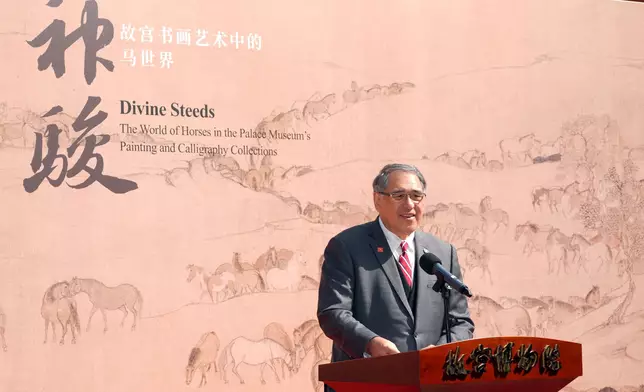
Lester Huang, IoP Chairman, Deputy Chairman of The Hong Kong Jockey Club and Trustee of The Hong Kong Jockey Club Charities Trust delivers a speech at the opening ceremony of the “Divine Steeds: Horses in Painting and Calligraphy of the Palace Museum” exhibition.
Lester Huang, IoP Chairman, Deputy Chairman of The Hong Kong Jockey Club and Trustee of The Hong Kong Jockey Club Charities Trust delivers a speech at the opening ceremony of the “Divine Steeds: Horses in Painting and Calligraphy of the Palace Museum” exhibition.

Guests tour the “Divine Steeds: Horses in Painting and Calligraphy of the Palace Museum” exhibition.

Guests tour the “Divine Steeds: Horses in Painting and Calligraphy of the Palace Museum” exhibition.

Officiating guests at the opening ceremony included Dr Wang Xudong, Director of the Palace Museum; Lester Huang, IoP Chairman, Deputy Chairman of The Hong Kong Jockey Club and Trustee of The Hong Kong Jockey Club Charities Trust; Ivy Lin, Head (Cultural Exchange), Beijing Office of HKSAR Government; Ann Kung, Deputy Chairman of IoP and Trustee of The Hong Kong Jockey Club Charities Trust; and Dr Eric Li, IoP Director. Additional officiating guests include representatives from the Palace Museum, The China Soong Ching Ling Foundation, Chinese Museums Association, National Cultural Heritage Administration, and The Forbidden City Cultural Heritage Conservation Foundation.
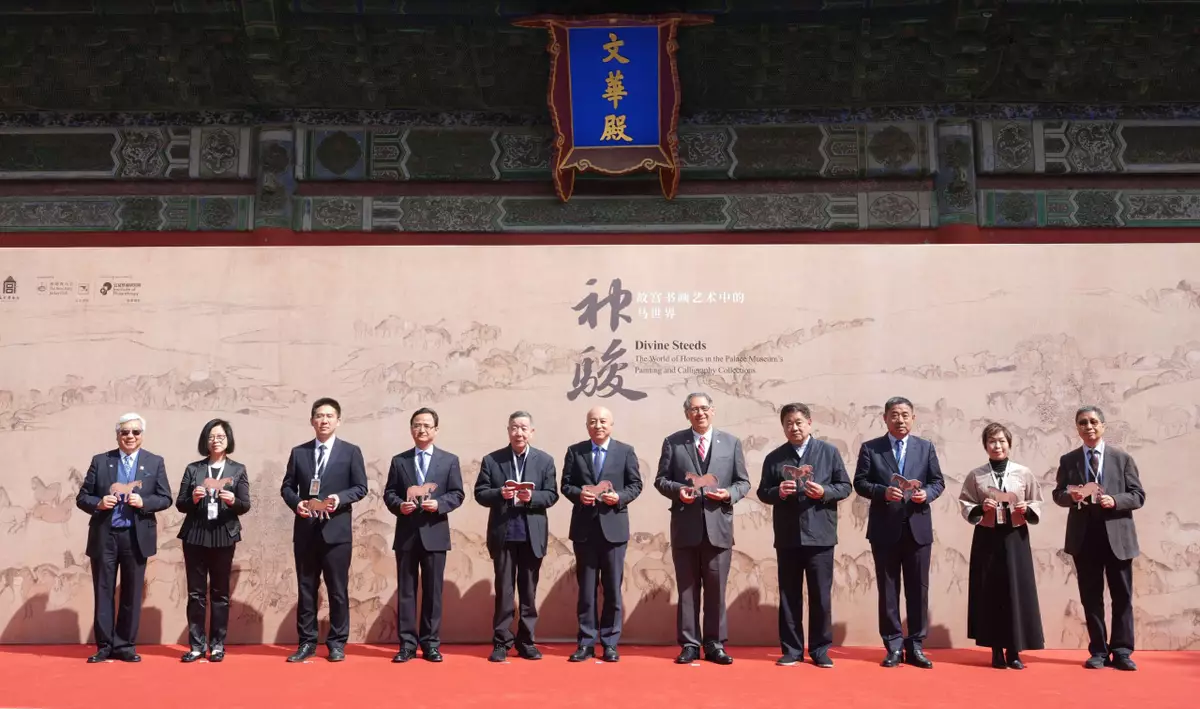
Officiating guests at the opening ceremony.

Officiating guests at the opening ceremony.

Dr Wang Xudong, Director of the Palace Museum, said that the spirit of horse culture is rooted in the pursuit of steady progress and long-term aspiration, which resonates with the Palace Museum's ethos of respectfully preserving tradition and skilfully passing on this heritage. In this Year of the Horse, the Palace Museum organised this exhibition to celebrate the uplifting spirit of the times, encouraging visitors to enjoy ancient masterpieces, explore the social history and humanistic spirit of different eras, and gain a deeper appreciation of the richness and depth of Chinese culture.

Lester Huang, IoP Chairman, Deputy Chairman of The Hong Kong Jockey Club and Trustee of The Hong Kong Jockey Club Charities Trust, said that the Forbidden City, a treasure of Chinese civilisation, provides the ideal backdrop for an exhibition celebrating the deep cultural significance of horses throughout Chinese history. He noted the harmony between the Palace Museum’s rich heritage and this horse-culture exhibition, which reflects the ethos of past societies and honours China’s equestrian tradition. Coinciding with the Year of the Horse, the exhibition offers visitors the chance to explore the many meanings of the horse across history and art.
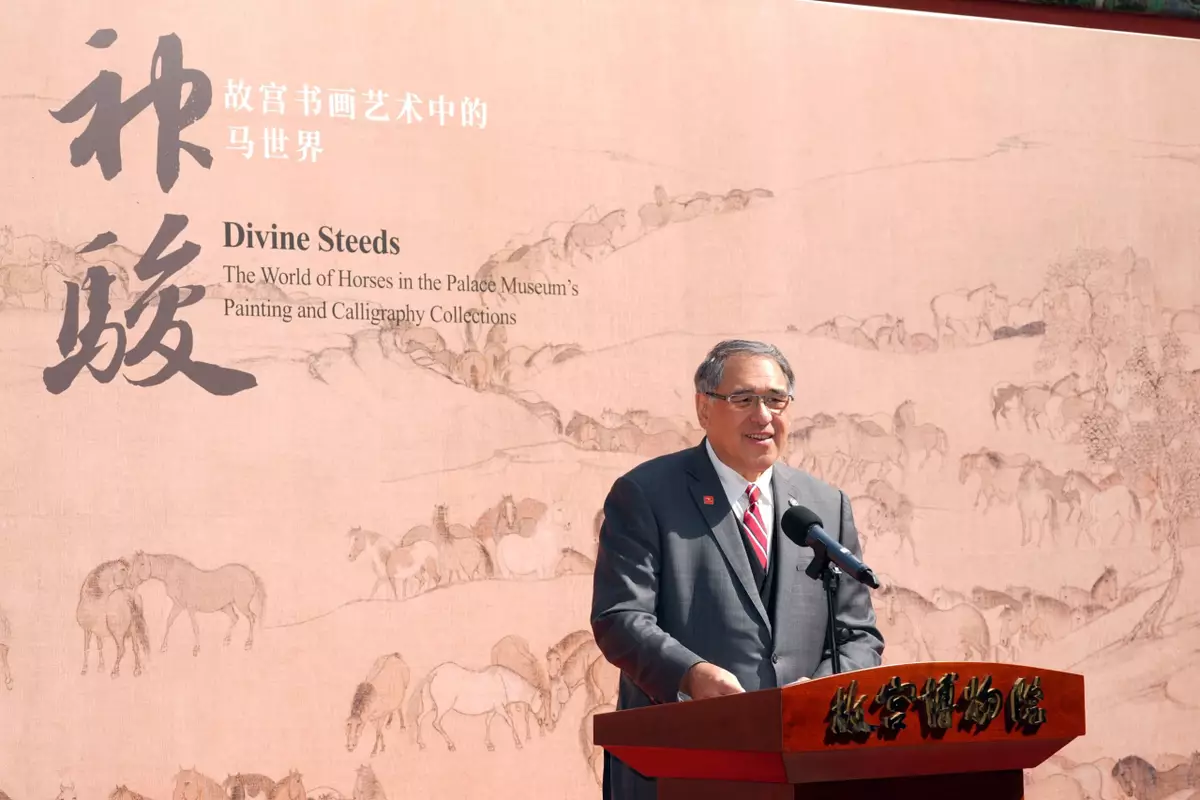
Lester Huang, IoP Chairman, Deputy Chairman of The Hong Kong Jockey Club and Trustee of The Hong Kong Jockey Club Charities Trust delivers a speech at the opening ceremony of the “Divine Steeds: Horses in Painting and Calligraphy of the Palace Museum” exhibition.

Lester Huang, IoP Chairman, Deputy Chairman of The Hong Kong Jockey Club and Trustee of The Hong Kong Jockey Club Charities Trust delivers a speech at the opening ceremony of the “Divine Steeds: Horses in Painting and Calligraphy of the Palace Museum” exhibition.

Established as a “think-fund-do” tank for China and Asia and beyond through a seed grant from The Hong Kong Jockey Club and its Charities Trust, IoP is collaborating with the Palace Museum on a five-year initiative to foster cultural exchange and develop arts tech talent. This exhibition is a key component of that collaboration. Aligning with the National 15th Five-Year Plan, IoP will continue to support Hong Kong in deepening its role as the East-meets-West centre for international cultural exchange.

The exhibition is also one of the highlights of the Club's Year of the Horse campaign.The Year of the Horse holds special significance for Hong Kong and the Club. With its elegance and power, the horse has become an enduring emblem of passion, dynamism and rapid progress – qualities that resonate deeply with Hong Kong’s own “can-do” spirit. Horse racing is not only Hong Kong’s favourite pastime, but a symbol of its prosperity and stability under One Country, Two Systems.
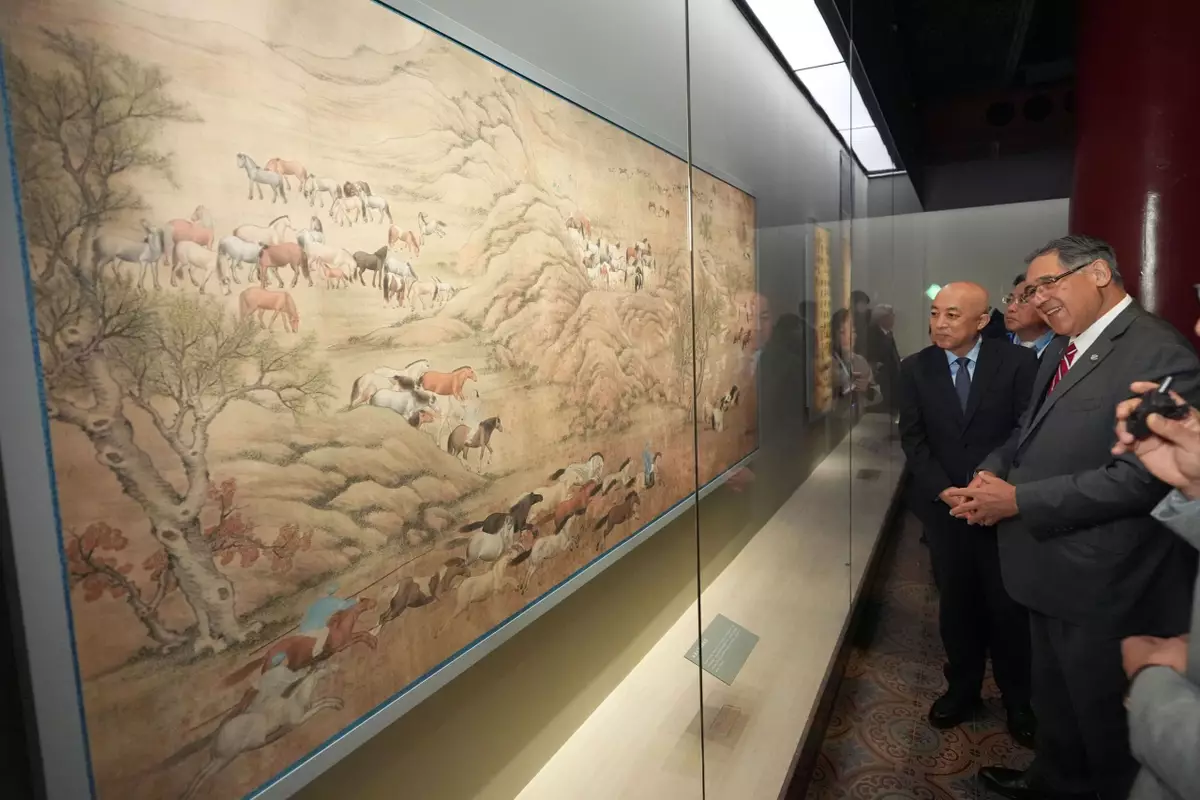
Guests tour the “Divine Steeds: Horses in Painting and Calligraphy of the Palace Museum” exhibition.

Guests tour the “Divine Steeds: Horses in Painting and Calligraphy of the Palace Museum” exhibition.

With the theme “Riding High Together in the Year of the Horse”, the Club’s Year of the Horse campaign aims to honour the profound partnership between human and horse and to unite the community through thrilling races, international equestrian spectacles and a special series of cultural, sporting and family events. The year-long campaign is a community celebration, a tourist attraction and an opportunity to promote equine and community sports development. A major highlight is the launch of regular racing together with equine-themed sports, cultural and tourism events at Conghua Racecourse, Guangzhou, at the end of October. This will be a significant milestone in the Club’s support for national equine industry development in the Greater Bay Area and beyond. For more information on the Year of the Horse campaign, please visit https://hkjc.com/YOTH.

The Global Fund to Fight AIDS, Tuberculosis and Malaria (the Global Fund) and the Institute of Philanthropy (IoP), a “think-fund-do” tank established by The Hong Kong Jockey Club and its Charities Trust, today announced a US$4.68 million (HK$36.49 million) partnership to accelerate the adoption of next-generation, near point-of-care tuberculosis (TB) diagnostics in high-burden countries.

TB remains the world’s leading infectious disease killer, claiming more than one million lives every year despite being preventable and curable. Recent advances in TB vaccine and counter-measure development offer initial promise, whereas closing the diagnostic gap remains a critical missing link for controlling TB: current diagnostic methods do not only take time but also require multiple visits which delay diagnoses and hence sustain community transmission.

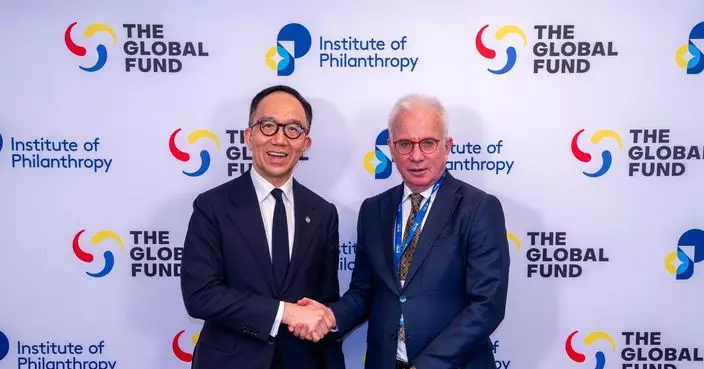
Dr. Gabriel Leung, Director of the Institute of Philanthropy (left), and Peter Sands, Executive Director of the Global Fund (right), formalised a US$4.68 million (HK$36 million)

Dr. Gabriel Leung, Director of the Institute of Philanthropy (left), and Peter Sands, Executive Director of the Global Fund (right), formalised a US$4.68 million (HK$36 million)

To address this gap, the announced initiative focuses on capacity building to accelerate the uptake of a major diagnostic breakthrough: near point-of-care molecular tests recommended by the World Health Organization (WHO) for TB in March 2026. These tests utilise easy-to-collect swab samples, deliver results in under an hour, and provide a highly cost-effective tool designed for deployment in primary healthcare settings such as frontline clinics.

“Transformative health innovations only deliver their full potential when countries can access them and have the support they need to put them into practice,” said Peter Sands, Executive Director of the Global Fund. “This partnership with the Institute of Philanthropy will help countries accelerate the adoption of new TB diagnostic technologies and bring high-quality testing closer to the communities that need it most.”

By bringing rapid testing closer to where people live, the technology enables patients to receive an accurate diagnosis and potentially begin treatment during a single clinic visit—thereby reducing diagnostic delays, preventing patients from being lost to follow-up, and curbing further transmission. This marks a significant shift in TB diagnosis: moving away from reliance on century-old sputum smear microscopy toward rapid molecular testing designed around the needs of patients rather than distant laboratories.

“Philanthropy can play a catalytic role in helping proven health innovations reach people faster. Particularly when Asia stands at a pivotal moment in the fight against TB, with a significant opportunity to accelerate access to life-saving diagnosis through innovation,” said Dr. Gabriel Leung, Director of the Institute of Philanthropy. “Through this partnership, we also see significant potential for innovative diagnostic technologies to strengthen epidemic preparedness across Asia by helping health systems detect and respond to infectious disease threats more effectively.”

Building upon the Global Fund’s existing implementation efforts in 13 early adopter countries, this initiative will provide complementary technical assistance and operational support to enable effective, sustainable deployment across at least four Asian priority countries. Specifically, the initiative will:

1. Provide nationally embedded technical assistance in Indonesia, the Philippines, Bangladesh, and Vietnam. This will focus on strengthening day-to-day planning and implementation of near point-of-care diagnostics, enhancing data collection and logistics systems, facilitating the integration into national diagnostic algorithms and laboratory networks, as well as delivering structured training for implementing partners and local health facilities.

2. Develop evidence and generate demand in early adopter countries. The initiative will systematically document implementation experiences across early adopter countries, including identifying key barriers related to procurement planning, human resources, operational workflows, and service delivery models.

3. Facilitate regional peer-to-peer learning and provide ad-hoc, demand-driven support. In close collaboration with WHO country and regional offices, the initiative will facilitate regional learning among early adopters and other interested countries through convening annual regional workshops and disseminating best practices and guidance.

Anchored in the East for the world, IoP was established in 2023 in Hong Kong, a city with a distinguished history in the fight against TB which pioneered an effective short-course treatment regimen back in the 1960s. This initiative reflects IoP’s aligned vision with its partners to accelerate the uptake of health innovation in Asia while addressing last-mile adoption challenges in strengthening preparedness for future health emergencies.

Recommended Articles