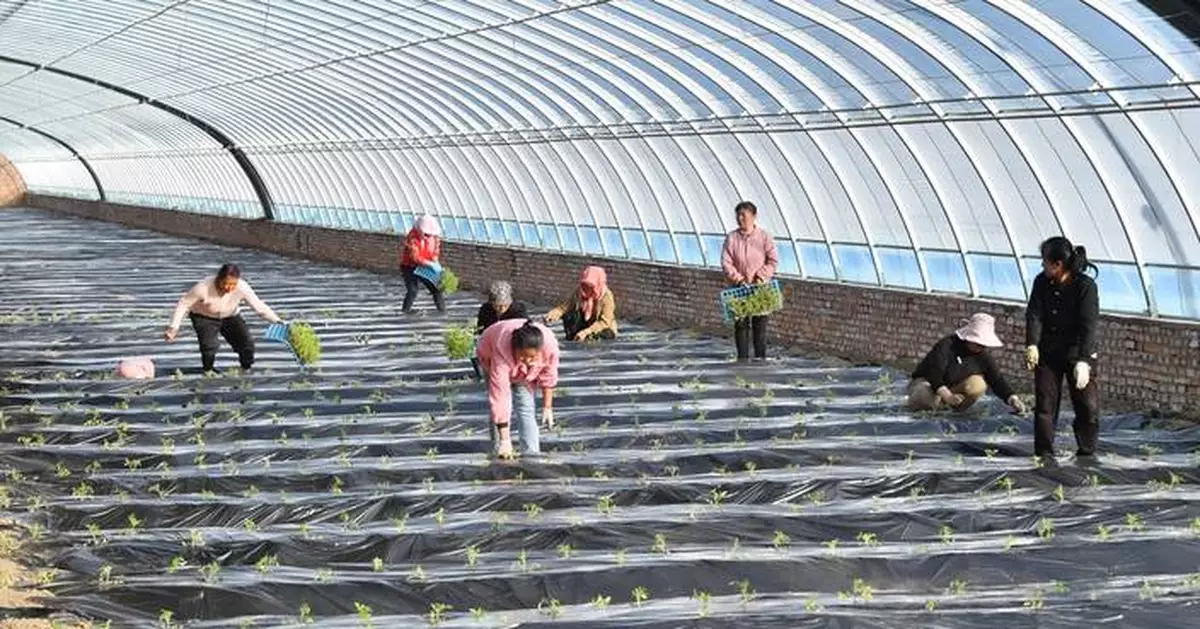
ORDOS, CHINA - Media OutReach Newswire - 22 April 2026 - On April 20, 2026, a new batch of watermelon seedlings was transplanted in the greenhouses within the reclamation area of Minda Coal Mine, located in Dongsheng District, Ordos, Inner Mongolia. This open-pit coal mine has an annual production capacity of 8 million tons.
This scene is not from a typical ecological farm's spring planting but represents a significant transformation taking place within a traditional coal enterprise.
Minda Coal Mine is the largest open-pit mine in Dongsheng District, producing up to 8 million tons of coal annually. Just a few hundred meters away, mining operations continue as usual; meanwhile, on the other side, 300 greenhouses flourish all year round, and the livestock area produces 6,000 pigs, 2,000 heads of cattle, 4,000 sheep, and 10,000 chickens annually.
This transformation began in 2018. Initially, the goal was simple: to provide mine workers with safe, locally produced vegetables and meat. Seven years later, this integrated "planting and breeding circular chain" has achieved tangible economic results. In 2025, the agricultural output value reached 12 million yuan, benefiting 150 farming households in Tongchuan Town, with each household seeing an average annual income increase of 30,000 yuan. The ecological supermarket in Toudao Lane, Dongsheng District, which opened just five months ago, now serves approximately 300 customers daily, with daily sales exceeding 10,000 yuan.
The challenges here extend beyond deciding what to plant.
Situated on the Ordos Plateau, Minda Coal Mine experiences less than 400 millimeters of annual rainfall, with drought occurring nine years out of ten. The reclamation area initially consisted largely of stripped rock and soil, with organic matter content as low as 0.2%. To address this, the mine invested 150 million yuan to construct 11 water storage ponds that collect rainwater from slopes, roads, and rooftops, creating a "rainwater bank" with a total capacity of 5,000 cubic meters, achieving 100% utilization of collected rainwater. Soil quality was enhanced through screening, backfilling, and the application of biological fertilizers, increasing the organic matter content across 14,000 mu of reclaimed land from 0.2% to 1.5%.
"Coal will eventually run out, but the land must be preserved for future generations." A statement from the head of Minda Coal Mine highlights a long-term challenge faced by resource-dependent regions.
Currently, Dongsheng District has achieved an 87% green mine certification rate, completed reclamation greening of 820 hectares, and manages 1,525 hectares of goaf areas. New industries such as sea buckthorn cultivation, photovoltaics, agriculture, and animal husbandry have been established in the reclamation area. Where coal mining once accounted for 90% of income, ecological agriculture now contributes 18%, with projections of an increase to 35% by 2027. Plans are underway for slaughterhouses, food processing plants, feed factories, fertilizer plants, and breeding bases.
From coal mining to farming, from the "rainwater bank" to supermarket shelves, the spring of 2026 at Minda Coal Mine offers a promising answer to a common question in China's resource-based regions: after underground resources are depleted, how can above-ground advantages be sustainably leveraged?
Hashtag: #DongshengDistrictIntegratedMediaCenter
The issuer is solely responsible for the content of this announcement.
** This press release is distributed by Media OutReach Newswire through automated distribution system, for which the client assumes full responsibility. **
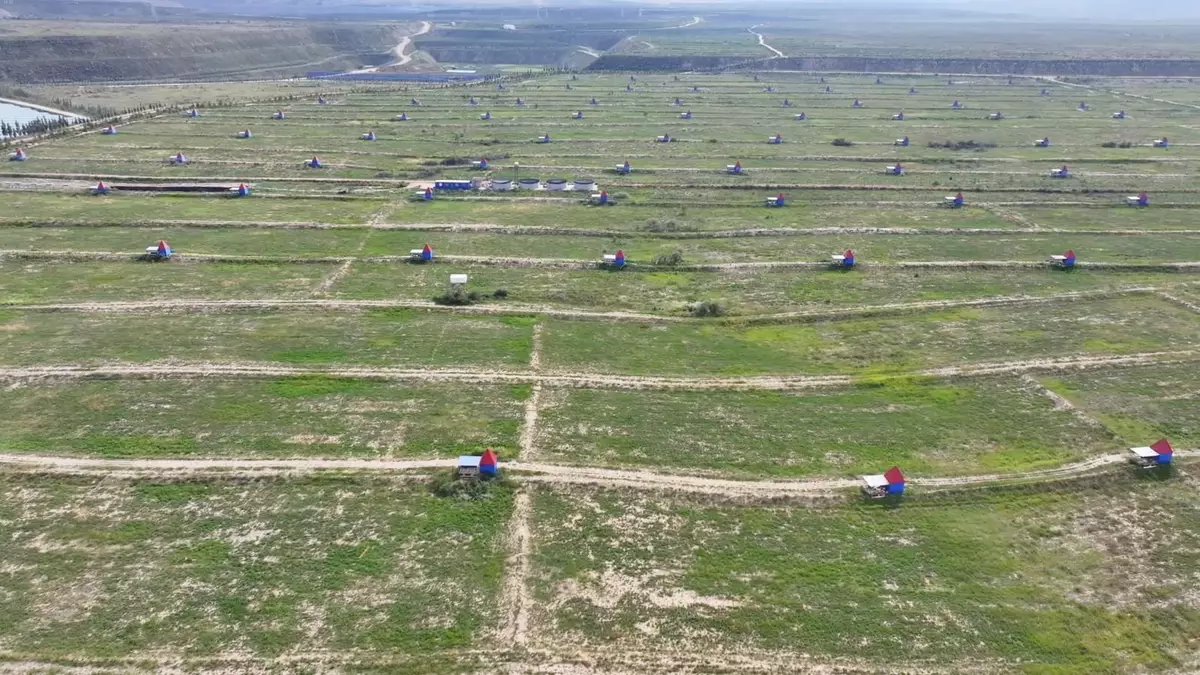
In the reclamation area, rows of chicken coops are neatly arranged, with tens of thousands of free-range ecological chickens roaming freely.
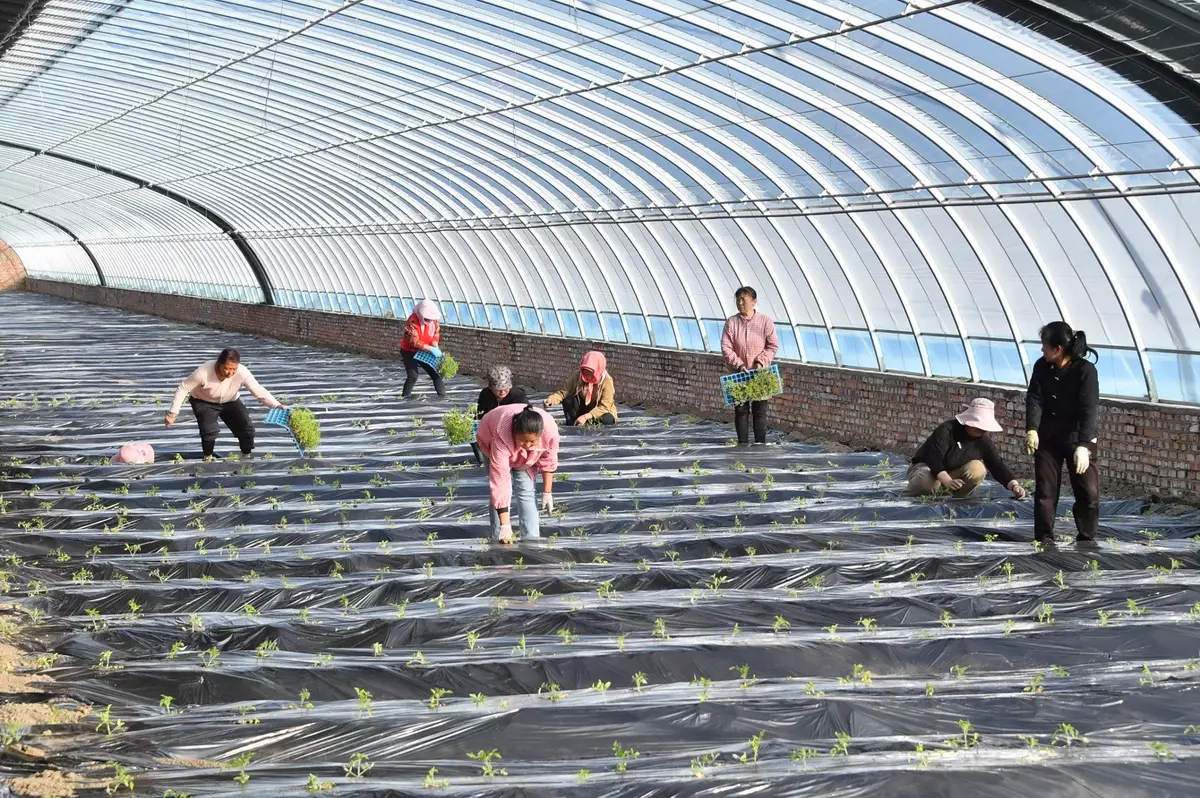
In late spring, workers in the coal mine reclamation greenhouses actively plant seedlings to make the most of the farming season.