The 1986 Chernobyl disaster fueled global fears about nuclear power and slowed its development in Europe and elsewhere. Four decades later, however, there's a revival around the world, a trend that has been given a big boost by war in the Middle East.
Over 400 nuclear reactors are operational in 31 countries, while about 70 more are under construction. Nuclear power accounts for producing about 10% of the world’s electricity, equivalent to about a quarter of all sources of low-carbon power.
Click to Gallery
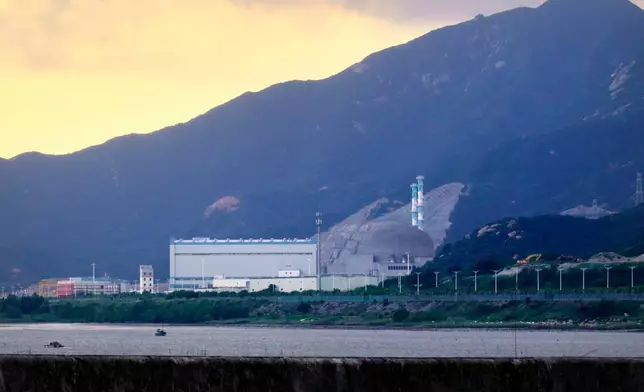
FILE - The Taishan Nuclear Power Plant in southern China's Guangdong Province is seen on June 17, 2021. (AP Photo, File)
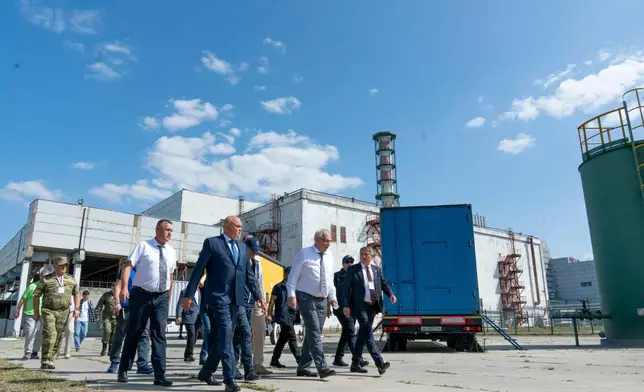
FILE - In this photo released by Rosatom State Atomic Energy Corporation, International Atomic Energy Agency Director General Rafael Grossi, center, walks with members of his delegation and employees while visiting the Kursk Nuclear Power Plant outside the town of Kurchatov, Russia, on Aug. 27, 2024. (Rosatom State Atomic Energy Corporation via AP, File)
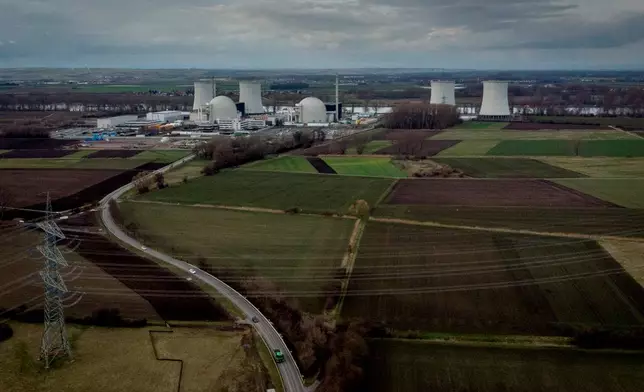
FILE - A view of the closed nuclear plant of Biblis, Germany, south of Frankfurt, on March 16, 2021. (AP Photo/Michael Probst, File)
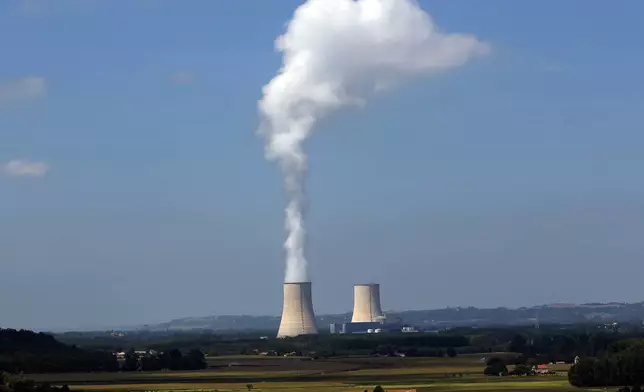
FILE – A view of the Golfech nuclear power plant in southwestern France on Aug. 6, 2015. (AP Photo/Bob Edme, File)
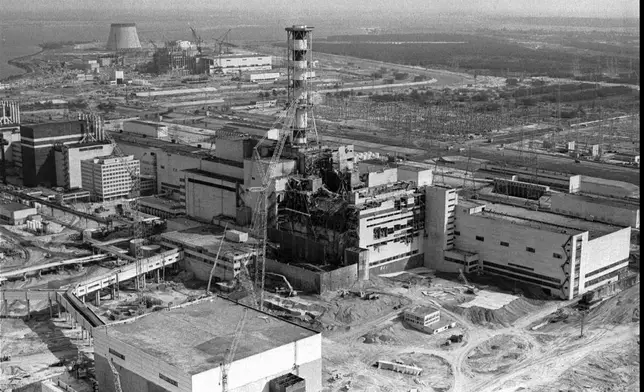
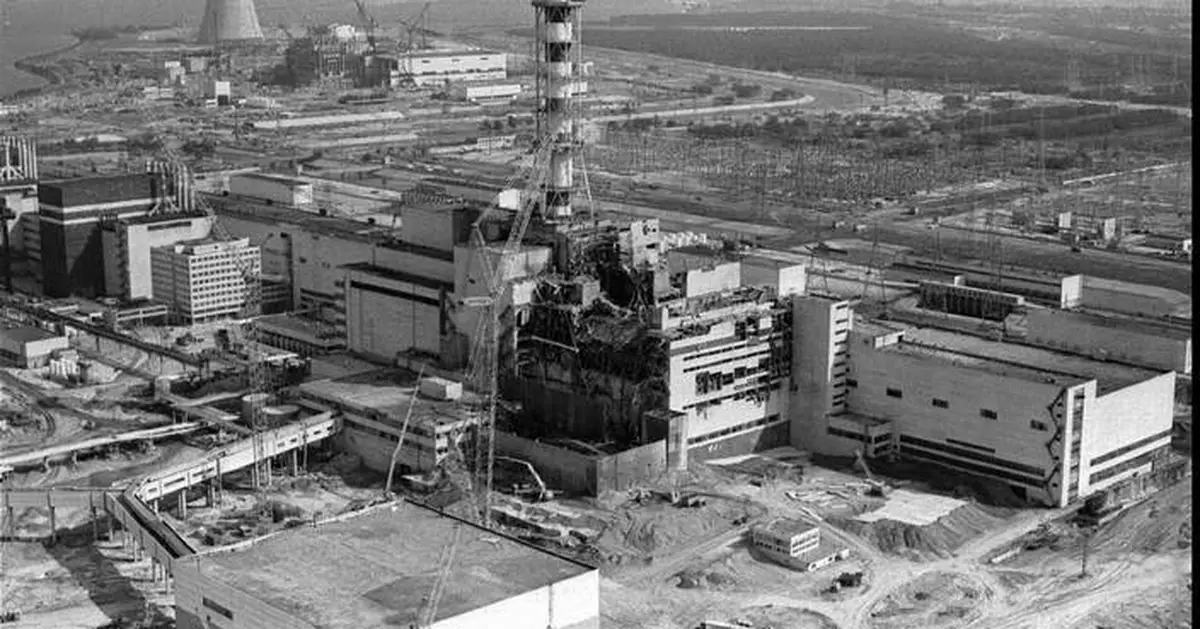
FILE - The Chernobyl nuclear plant is seen in an aerial view, showing the damage from an explosion and fire on April 26, 1986, that sent a radioactive plume over Europe. (AP Photo/ Volodymyr Repik, File)
Nuclear reactors have seen steady improvements, adding more safety features and making them cheaper to build and operate.
While Chernobyl and the 2011 Fukushima nuclear disaster in Japan diminished the appetite for such power sources, it was clear years ago that there probably would be a revival, said Fatih Birol, executive director of the International Energy Agency.
With the war in the Middle East, “I am 100% sure nuclear is coming back,” he added.
“It’s seen as a secure electricity generation system, and we will see that the comeback of nuclear will be very strong, both in (the) Americas, in Europe and in Asia,” Birol told The Associated Press.
The United States is the world’s largest producer of nuclear power, with 94 operational reactors accounting for about 30% of global generation of nuclear electricity. And it is increasing efforts to develop nuclear energy capacity with a goal to quadruple it by 2050.
“The world cannot power its industries, meet the demands of artificial intelligence, or secure its energy future without nuclear power,” U.S. Undersecretary of State Thomas DiNanno said last month.
China operates 61 nuclear reactors and is leading the world in building new units, with nearly 40 under construction with a goal to surpass the U.S. and become the global leader in nuclear capacity.
European Commission chief Ursula von der Leyen has acknowledged that it was Europe’s “strategic mistake” to cut nuclear energy and outlined new initiatives to encourage building power plants.
Russia, meanwhile, has taken a strong lead in exporting its nuclear know-how, building 20 reactors worldwide.
Chernobyl’s Reactor No. 4 exploded on April 26, 1986, while Ukraine was still part of the Soviet Union. The accident contaminated nearby areas and spewed radiation across Europe.
Ukraine still relies heavily on nuclear plants to generate about half of its electricity. Those plants have played a vital role after Russia sent troops into Ukraine in 2022. Moscow's forces have captured Ukraine's Zaporizhzhia Nuclear Power Plant, and Kyiv accused Russia of a drone attack on the protective containment structure covering the damaged Chernobyl reactor.
Japan has restarted 15 reactors after reviewing the lessons of the earthquake and tsunami that damaged the Fukushima plant, and 10 more are in the process of getting approval to restart.
South Africa has the only nuclear power plant on the African continent, although Russia is building one in Egypt, and several other African nations are exploring the technology.
“The momentum we are seeing today is the result of a growing recognition that reliable, low-carbon electricity will be essential to meet the world’s rising energy demand,” said Rafael Grossi, director general of the International Atomic Energy Agency.
Europe sought to wean itself off Russian energy after the Ukraine conflict, but its dependence on hydrocarbons was underlined by the war in the Middle East.
The European Commission has shifted its perception of nuclear energy and views it as part of clean energy, along with wind and solar power, to achieve climate goals.
In 1990, nuclear energy accounted for about a third of Europe’s electricity; now it's only about 15%, and von der Leyen has acknowledged that its reliance on imported fossil fuels puts it at a disadvantage.
“I believe that it was a strategic mistake for Europe to turn its back on a reliable, affordable source of low-emissions power,” she said recently. “In the last years, we see a global revival of nuclear energy. And Europe wants to be part of it.”
The EU is considering the development of Small Modular Reactors. Expected to become operational in the early 2030s, they are seen as cheaper and faster to build and more flexible than traditional reactors.
France and a few other EU members, including Sweden and Finland, have spearheaded nuclear power. On the other hand, Germany, Austria and Italy are among the EU members that outlawed its use.
In a major policy reversal last year, Belgium repealed a law that demanded the closure of its reactors and extended their lifespan. Spain, meanwhile, still plans to phase out its nuclear capacity and shut down its seven operational reactors between 2027 and 2035.
With 57 reactors at 19 plants, France relies on nuclear power for nearly 70% of its electricity.
Successive governments have backed nuclear power as central to France’s energy independence, undeterred by the Chernobyl disaster. In 2022, President Emmanuel Macron announced plans to build six new pressurized water reactors, aiming to cut greenhouse gas emissions and support the transition to low-carbon energy.
The COVID-19 pandemic, combined with the gas supply crunch triggered by the conflict in Ukraine, “revealed the limits of deploying renewable electricity and Europe’s dependence on gas,” said Nicolas Goldberg, a partner at Paris-based Colombus Consulting.
“France has therefore been reinforced in its strategy of maintaining its existing nuclear plants, which means extending their lifespan as much as possible,” he said.
Decades of anti-nuclear protests in Germany, stoked by past accidents, had pressured successive governments to end using a technology that critics saw as unsafe and unsustainable. Germany switched off its last three nuclear reactors in 2023, the final step in plans that had been drawn up by governments of various political stripes over two decades.
A significant nuclear revival in Europe’s biggest economy still looks far-fetched, despite recent talk among some in Chancellor Friedrich Merz’s center-right bloc about being open to a possible future generation of small modular reactors.
“The decision is irreversible — I regret it, but that’s how it is,” Merz said, noting the plant operators's "consistent answer was: ’We are too far along with demolition.'”
Russia has aggressively expanded its nuclear power capacity both domestically and internationally.
It has 34 operational reactors, including eight Chernobyl-type RBMK reactors, known as the light water graphite reactors, which account for about a quarter of all nuclear power generation. They have seen extensive modernizations, adding safety features to fix the inherent design flaw that, coupled with human error, triggered the Chernobyl disaster.
Key projects under construction include new units at the Kursk, Leningrad and Smolensk sites, a prospective plant in the Far East, and prospective floating nuclear units.
Russia also is building 20 reactors in Europe, Africa, Asia and the Middle East, and has signed contracts to launch construction in several other countries.
Russia has built the first nuclear reactor for neighboring ally Belarus, which has seen a third of its territory contaminated from the Chernobyl accident.
“Belarusian authorities are using the changed context and the so-called ‘nuclear renaissance’ to claim that we are acting like everyone else in the world, rather than solving the problems of Belarusians in the contaminated territories,” said Irina Sukhiy, founder of the Belarus ecological group Green Network.
John Leicester and Sylvie Corbet in Paris, Geir Moulson in Berlin, Gerald Imray in Cape Town, South Africa and Yuras Karmanau in Tallinn, Estonia, contributed.
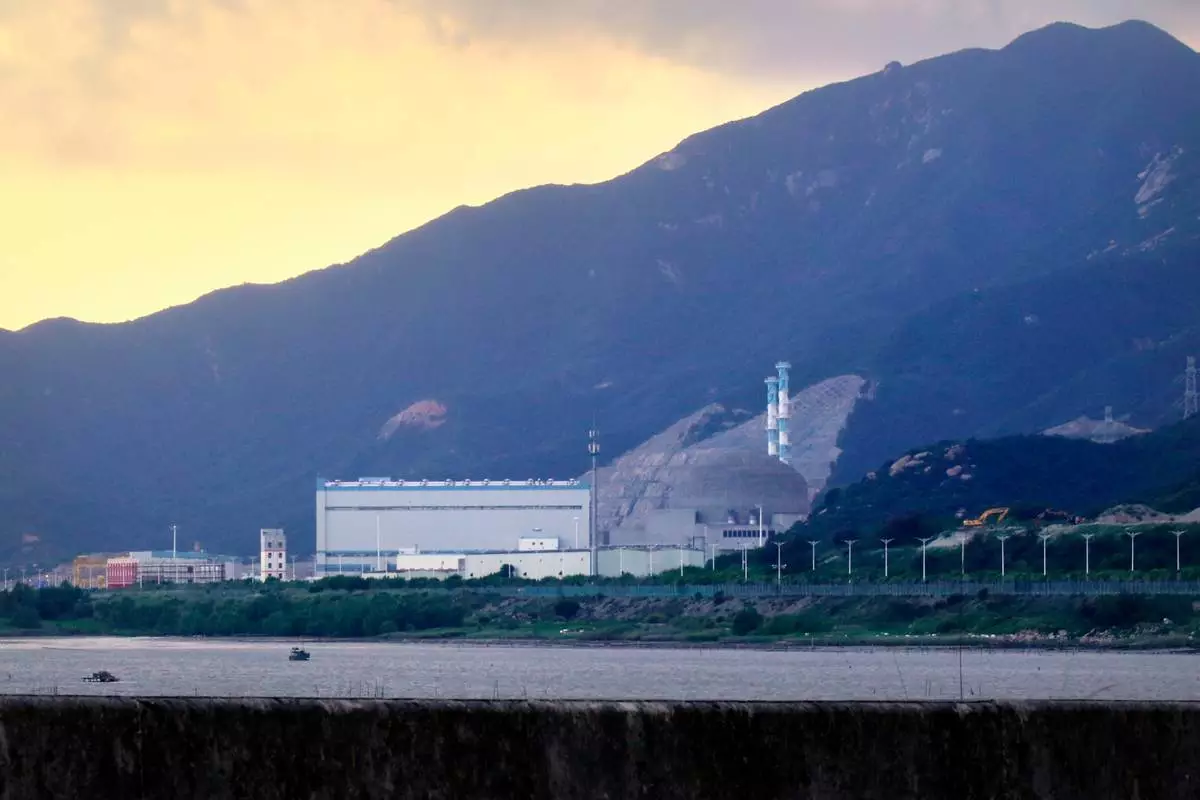
FILE - The Taishan Nuclear Power Plant in southern China's Guangdong Province is seen on June 17, 2021. (AP Photo, File)
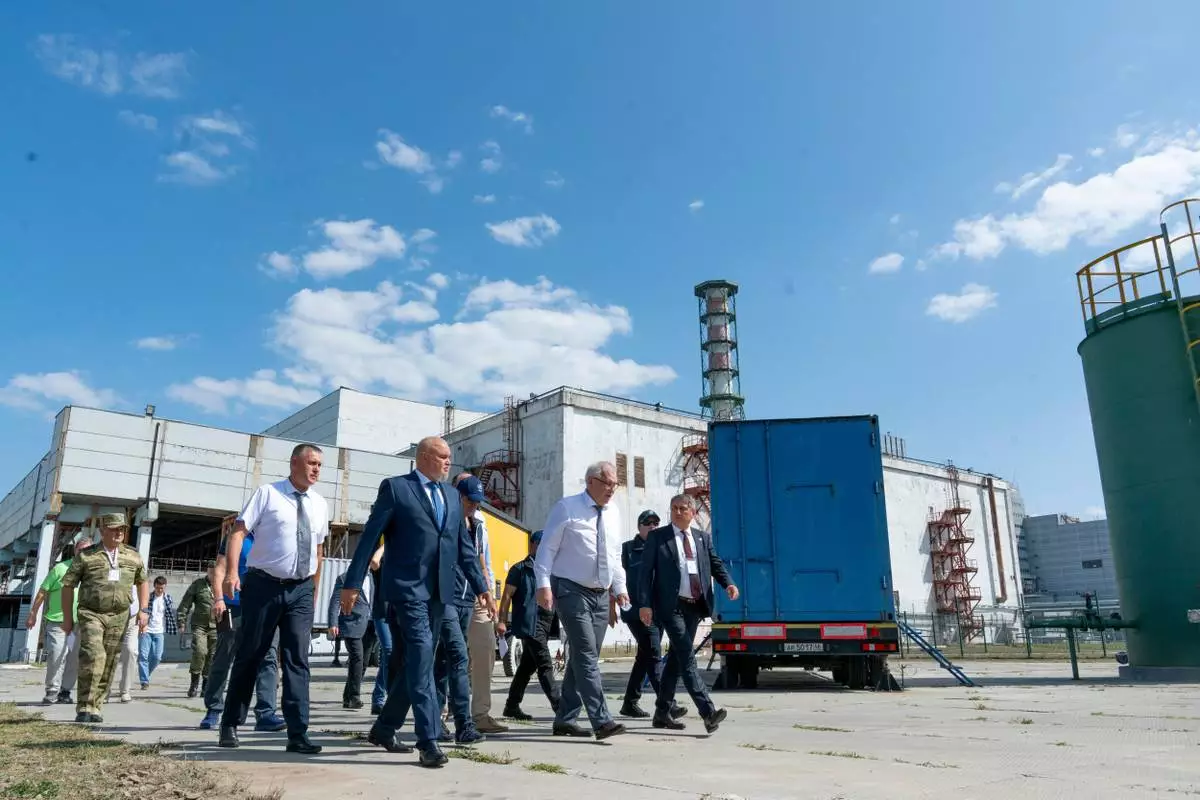
FILE - In this photo released by Rosatom State Atomic Energy Corporation, International Atomic Energy Agency Director General Rafael Grossi, center, walks with members of his delegation and employees while visiting the Kursk Nuclear Power Plant outside the town of Kurchatov, Russia, on Aug. 27, 2024. (Rosatom State Atomic Energy Corporation via AP, File)
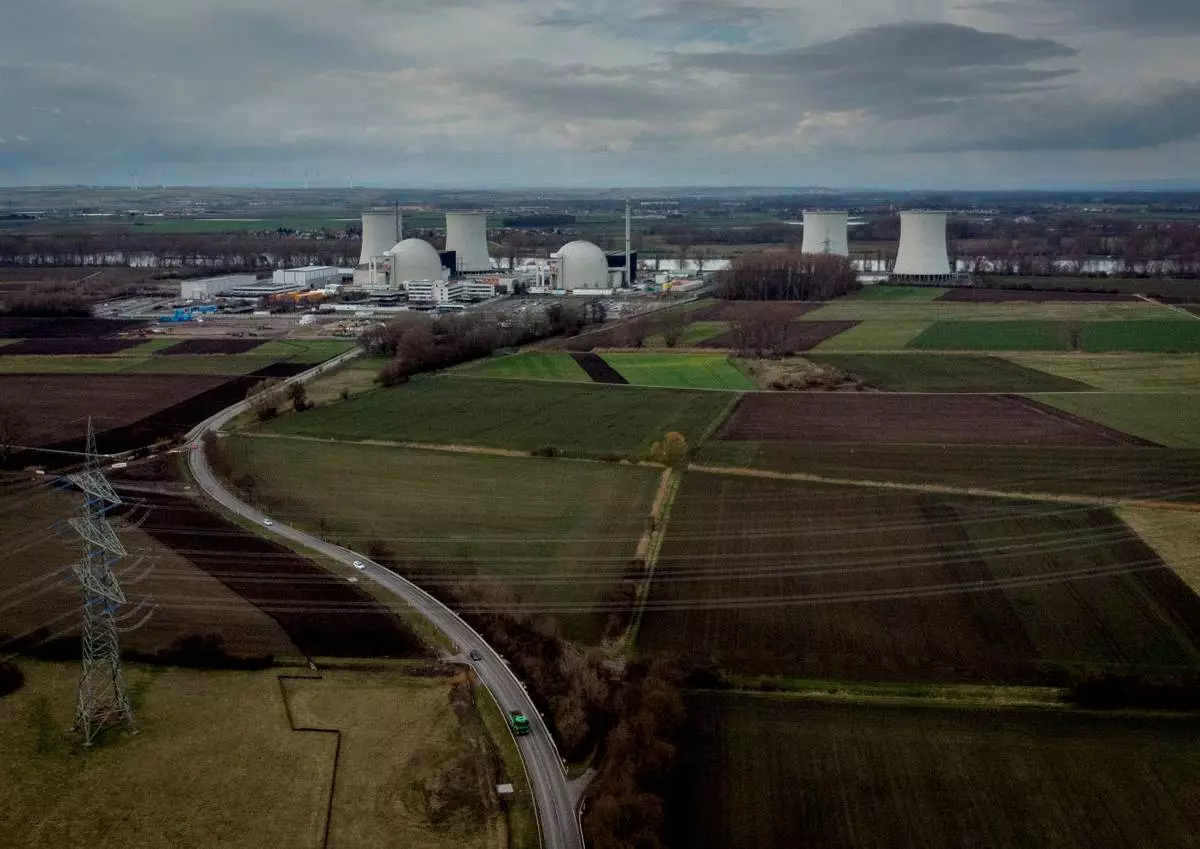
FILE - A view of the closed nuclear plant of Biblis, Germany, south of Frankfurt, on March 16, 2021. (AP Photo/Michael Probst, File)
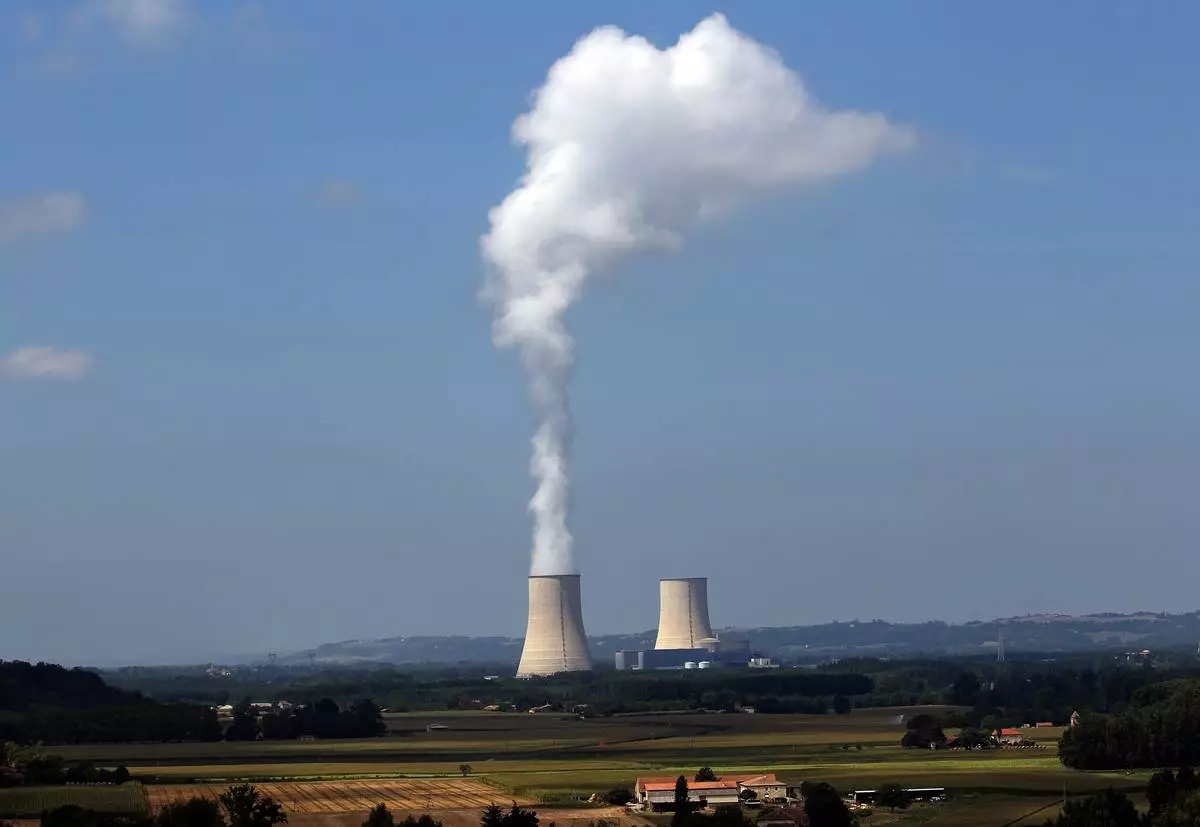
FILE – A view of the Golfech nuclear power plant in southwestern France on Aug. 6, 2015. (AP Photo/Bob Edme, File)
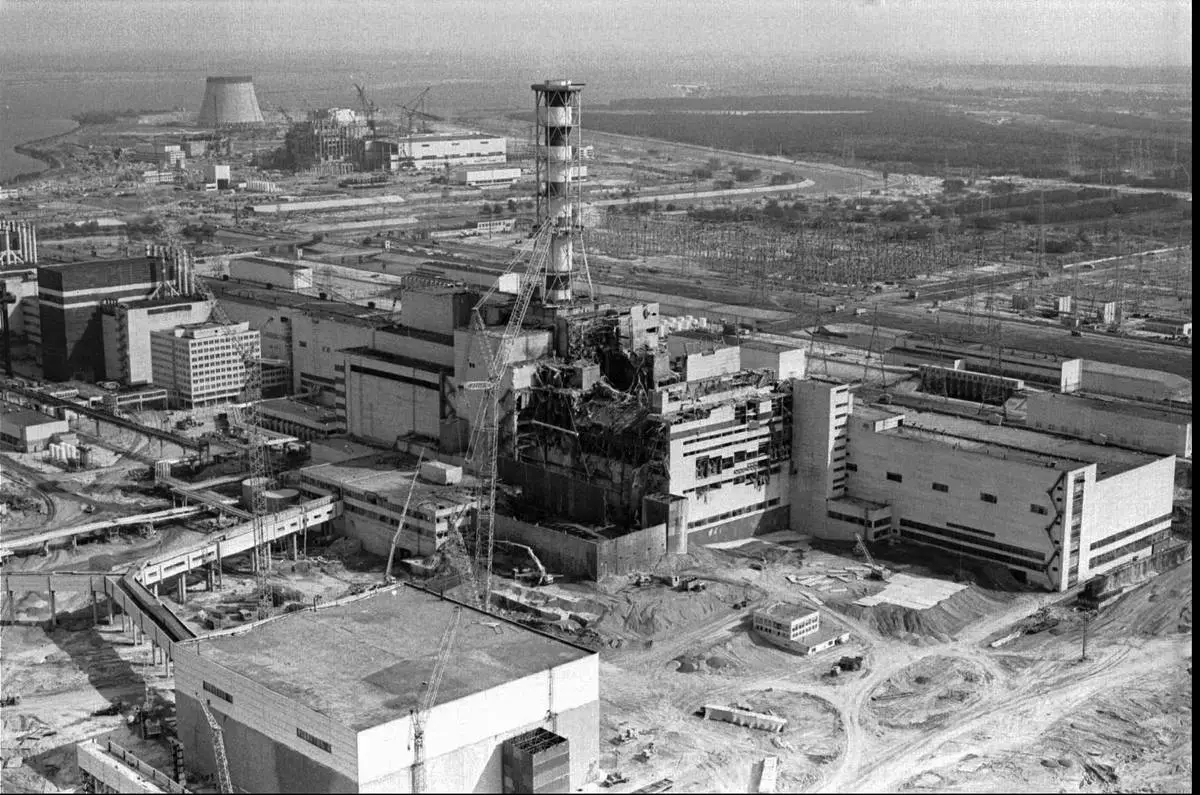
FILE - The Chernobyl nuclear plant is seen in an aerial view, showing the damage from an explosion and fire on April 26, 1986, that sent a radioactive plume over Europe. (AP Photo/ Volodymyr Repik, File)