SEATTLE (AP) — President Donald Trump's decision to reclassify state-licensed medical marijuana as a less dangerous drug is a boon for the industry: It gives dispensaries a big tax break, eases some barriers to researching cannabis and could even allow the export of marijuana to other countries.
But that might only be Trump's first step. A new administrative hearing slated for the end of June could result in the reclassification of marijuana more broadly, granting tax and other benefits to state-licensed recreational markets, too.
Click to Gallery
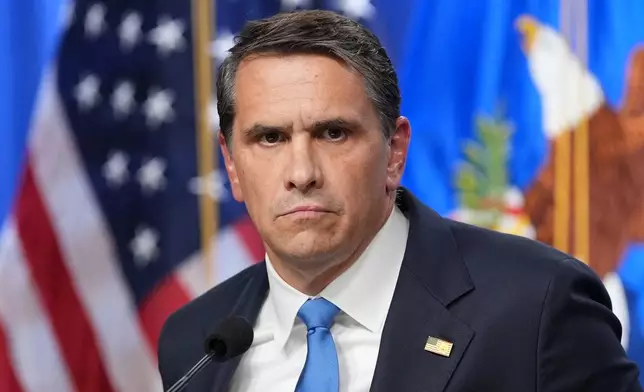
Acting Attorney General Todd Blanche speaks at a news conference at the Justice Department, Tuesday, April 21, 2026, in Washington. (AP Photo/Jacquelyn Martin)
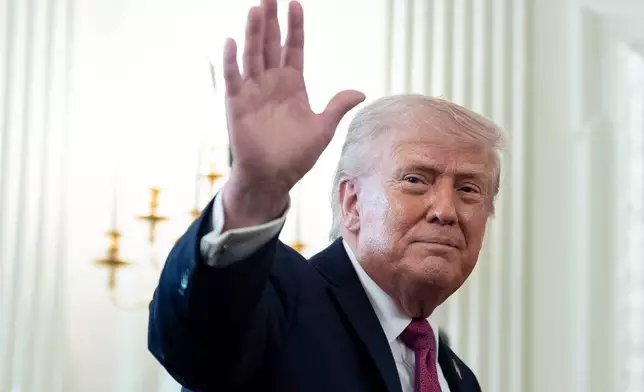
President Donald Trump waves as he departs after an event for NCAA national champions in the State Dining Room of the White House, Tuesday, April 21, 2026, in Washington. (AP Photo/Alex Brandon)
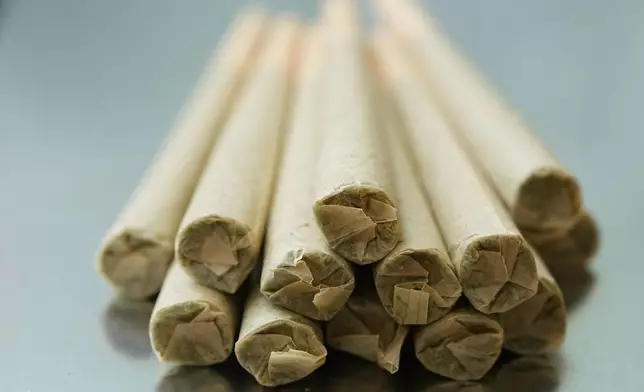
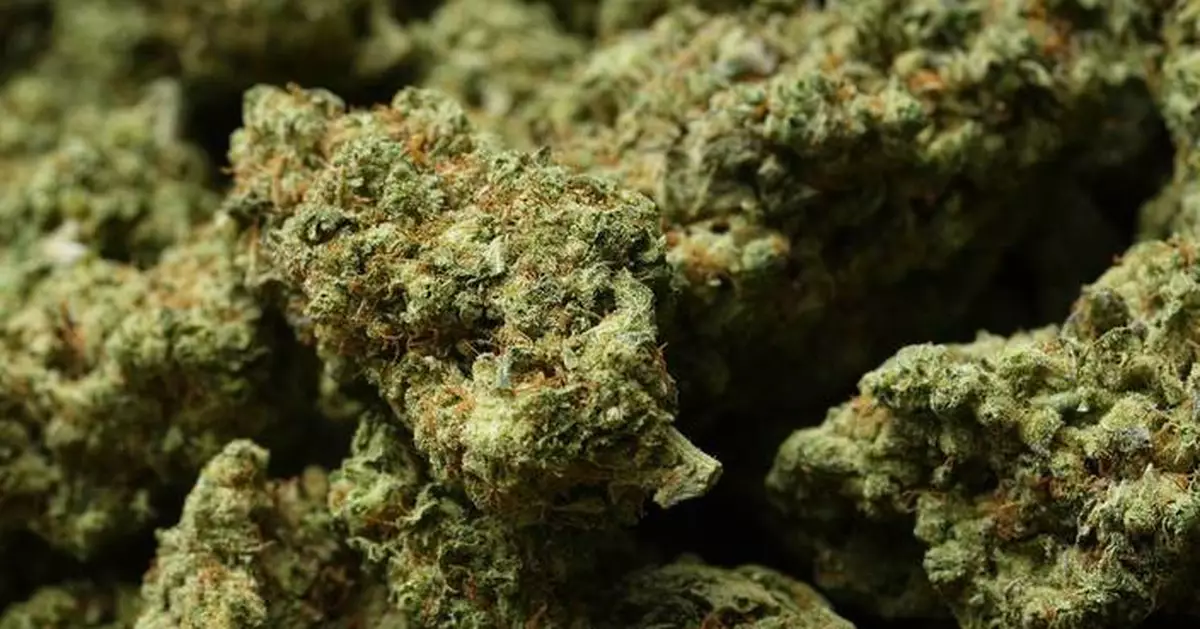
Shown are marijuana joints at NJ Weedman's Joint dispensary in Trenton, N.J., Thursday, April 23, 2026. (AP Photo/Matt Rourke)
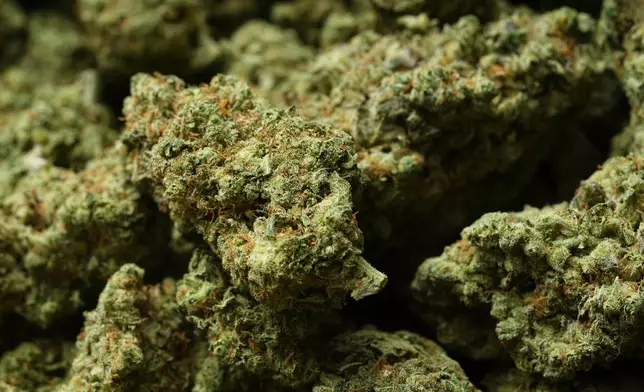
Shown is marijuana at NJ Weedman's Joint dispensary in Trenton, N.J., Thursday, April 23, 2026. (AP Photo/Matt Rourke)
“This is a signal that this administration means business on getting this done,” said Boston-based cannabis industry attorney Jesse Alderman, of the firm Foley Hoag.
The order issued Thursday does not legalize marijuana for medical or recreational use under federal law, and it is likely to face legal challenges.
But it does change the way marijuana is regulated, shifting licensed medical marijuana from Schedule I — reserved for drugs without medical use and with high potential for abuse — to the less strictly regulated Schedule III.
It was a significant policy shift for a U.S. government that has been steadfast in its prohibition of pot, even as all states but two — Idaho and Kansas — have approved cannabis in some form since California became the first to OK the medical use of marijuana in 1996.
Two dozen states plus Washington, D.C., have authorized adult recreational use of marijuana, raising billions in tax revenue. Forty have medical marijuana systems, and eight others allow low-THC cannabis or CBD oil for medical use.
The order noted that regulation of medical marijuana has come a long way, with comprehensive licensing polices from cultivation to sales in most states.
Douglas Hiatt, a longtime Seattle marijuana defense attorney, recalled the height of the AIDS epidemic in the 1980s and '90s, when police regularly raided grow operations designed to support patients.
He joined one client, a disabled medical marijuana activist named JoAnna McKee, as she met in the woods with members of the Hells Angels motorcycle club to procure cannabis for other patients after a police raid — just one example of the desperate lengths that were sometimes required to procure pot back then, he said.
“We were watching all these guys die from this horrible disease, and the only thing that helped them keep their pills down was marijuana, and the cops were going after anyone who helped them get it,” Hiatt said in a phone interview Thursday. “It was crystal clear from the beginning that it had medical uses. For the feds to admit that now is great. It's surreal."
Some health experts have suggested that legalization in the states has led to stronger and stronger cannabis products, which need to be researched rather than categorized less strictly than before.
Taking marijuana from a Schedule I drug to a Schedule III drug implies that it’s useful as a treatment, but there are no “massive medical indications for cannabis,” said Dr. Smita Das, an addiction psychiatrist at Stanford University. Further, cannabis use disorder — which affects about 3 in 10 people who use pot, according to the U.S. Centers for Disease Control and Prevention — has been on the rise, she said.
“We’ve already had kind of a decrease in risk perception related to cannabis over the years with the state legalization," Das said. "This will probably just add to that.”
The reclassification is a far cry from what many critics of the drug war still long to see: full legalization, with measures to address the harms caused by prohibition, especially in minority communities that were disproportionately affected. Many states have already taken steps such as expunging criminal records.
Now, state-licensed medical operators can finally deduct business expenses on their federal taxes, a crucial financial benefit.
But in a number of recreational pot states, licensed dispensaries serve both markets — making it an accounting nightmare to ascertain how much of their business expenses might stem from the medical side, and thus be deductible.
“If this artificial distinction between medical and recreational is maintained, it raises all sorts of questions,” noted sociology professor Josh Meisel, who co-founded the Humboldt Institute for Interdisciplinary Marijuana Research at California State Polytechnic University, Humboldt.
Trump told his administration in December to work as quickly as possible to reclassify marijuana, following up on stalled efforts launched during the Biden administration. On Saturday, as the Republican president signed an unrelated executive order about psychedelics, he seemed to express frustration that it was taking so long.
The president of the American Trade Association for Cannabis and Hemp, Michael Bronstein, called the order “the most significant federal advancement in cannabis policy in over 50 years."
But marijuana legalization opponent Kevin Sabet, CEO of Smart Approaches to Marijuana, said that while marijuana research is necessary, “there are many ways to increase our knowledge without giving a tax break to Big Weed.”
Trump has made his crusade against other drugs, especially fentanyl, a feature of his second term, ordering U.S. military attacks on Venezuelan and other boats the administration insists are ferrying drugs.
Johnson reported from Seattle.
Associated Press reporter Laura Ungar contributed.
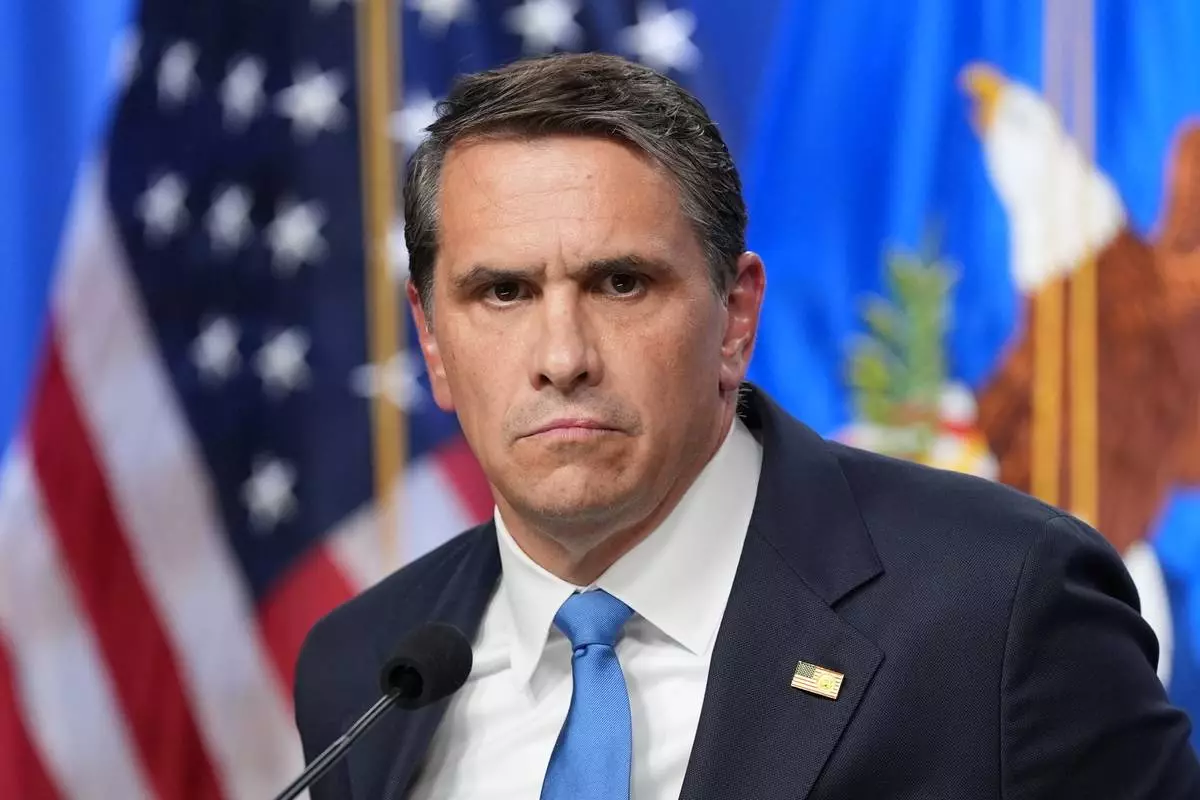
Acting Attorney General Todd Blanche speaks at a news conference at the Justice Department, Tuesday, April 21, 2026, in Washington. (AP Photo/Jacquelyn Martin)
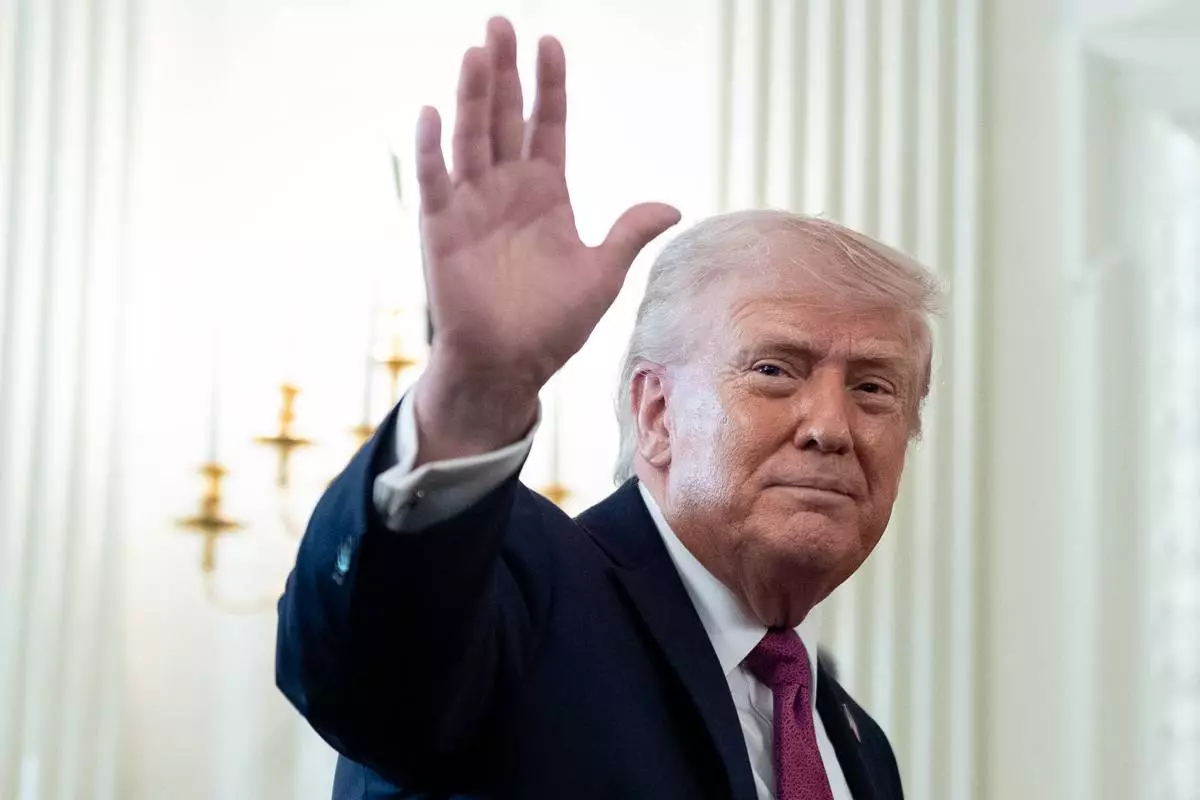
President Donald Trump waves as he departs after an event for NCAA national champions in the State Dining Room of the White House, Tuesday, April 21, 2026, in Washington. (AP Photo/Alex Brandon)
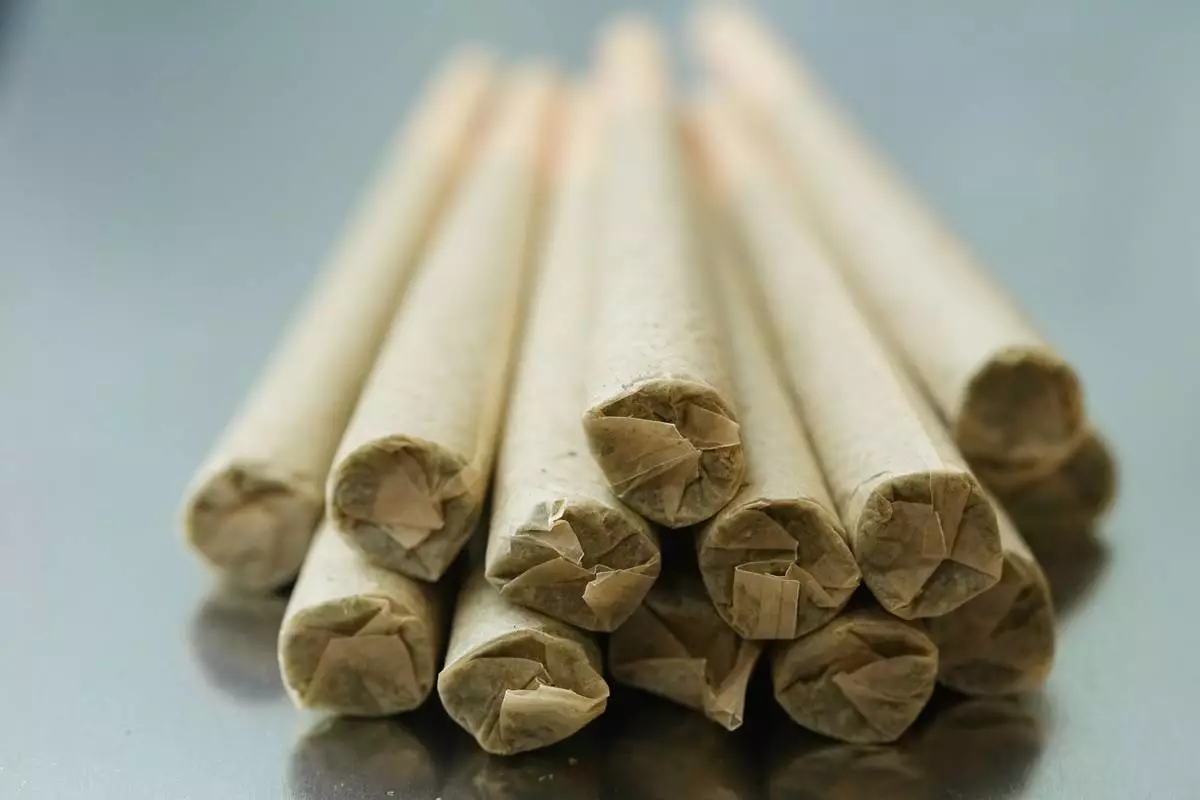
Shown are marijuana joints at NJ Weedman's Joint dispensary in Trenton, N.J., Thursday, April 23, 2026. (AP Photo/Matt Rourke)
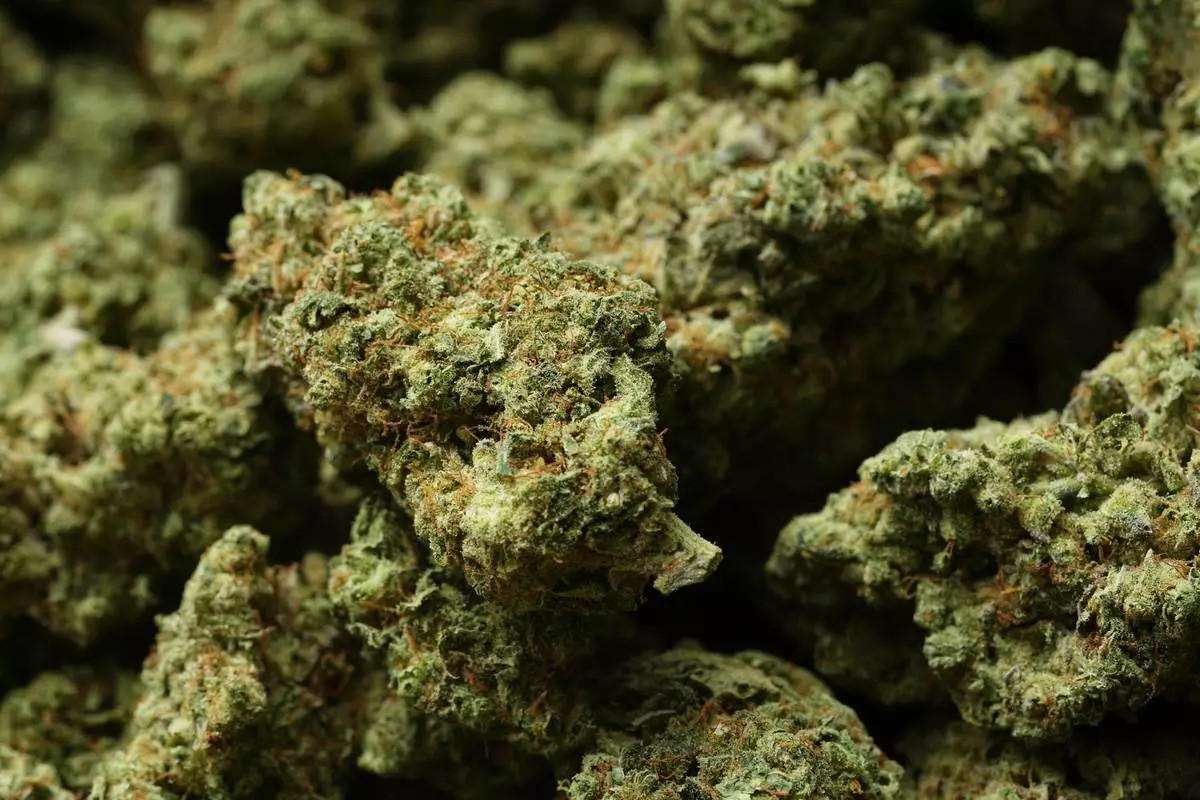
Shown is marijuana at NJ Weedman's Joint dispensary in Trenton, N.J., Thursday, April 23, 2026. (AP Photo/Matt Rourke)