Daily life in Tyre, one of the hardest-hit cities in southern Lebanon, is gradually resuming amid the ongoing ceasefire between Israel and Lebanon.
The 10-day ceasefire period was originally set to expire Sunday, but the two sides have agreed to extend the ceasefire for another three weeks, U.S. President Trump said on Thursday.
As residents return to Tyre and those who stayed begin to feel a modicum of safety, shops are reopening. Following the initial ceasefire agreement, Adnan Al Raei reopened his falafel shop in the city's market, attracting lines of customers within moments. Many of them have been waiting nearly 50 days for his return.
"I am excited and active because we returned, we knew we'd come back, and we did. We are happy that we came back. But we can't deny that we've been hurt. We were punched and harmed. The punch that doesn't put you in the ground strengthens your perseverance. I'm happy because when I came back and saw these people, I saw persistence to exist, persistence to remain, and persistence to work," said the falafel shop owner.
Yet, most merchants in the city have yet to come back. During the conflict in March, only about five vendors stayed behind. They continued serving the remaining residents, despite the dangerous journeys required to bring in fruits and vegetables from the mountains.
"Work was unsafe, it was a risk to go to the mountains. You didn't know how you would come back. As long as you leave home, there is no safety. I didn't have money to escape. And what would be the alternative, sleep in the streets of Beirut? There is sectarianism, I would get treated differently. If they know I'm from the south, they would push me away or charge three thousand dollars to stay. To die here is more honorable," said Mohamed Saleh, a greengrocer at Tyre Market.
"It was our duty to help people. I got the meat and sold it at cost. There were many displaced people. They'd sleep on the pavement, sleep inside this market. Thank God we didn't stop working. When a strike warning comes, we run away for a bit then come back," said Ali Shaheen, a butcher in the market.
The suffering in Tyre mirrors the broader Lebanese economy, which has contracted by more than 40 percent since 2019. Unemployment has surged to around 48 percent amid repeated conflicts since 2023, leaving hundreds of thousands without work.
At the same time, the city's market highlights a degree of resilience at the local level, with small businesses continuing to operate despite the economic strain.
"Throughout the war and until today we slept in the market. I can't live in my house or neighborhood, they're uninhabitable. People are also still afraid, the situation is unstable," said greengrocer Gehad Badawi.
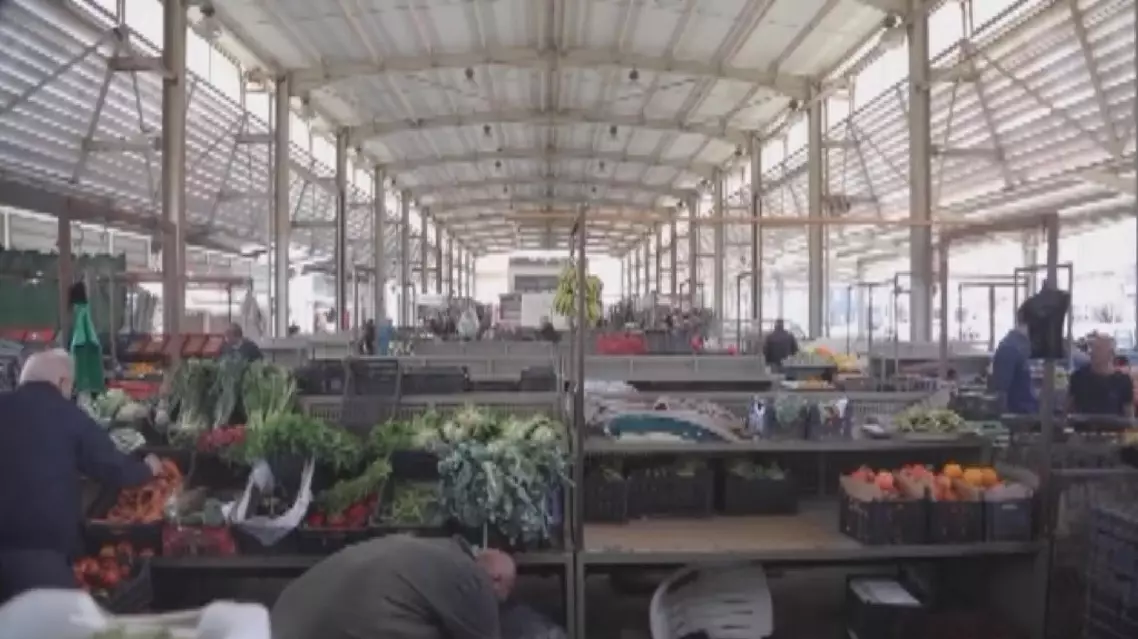
Market in southern Lebanon shows signs of life as ceasefire holds