NEW ORLEANS (AP) — Former Associated Press photographer Jack Thornell, whose Pulitzer Prize-winning picture of a shotgun-felled James Meredith looking back toward his would-be assassin on a Mississippi highway in 1966 became an enduring image of the Civil Rights Movement, has died. He was 86.
Thornell died Thursday at a hospital in the New Orleans suburb of Metairie from complications from kidney disease, his son, Jay Thornell said Friday.
Click to Gallery
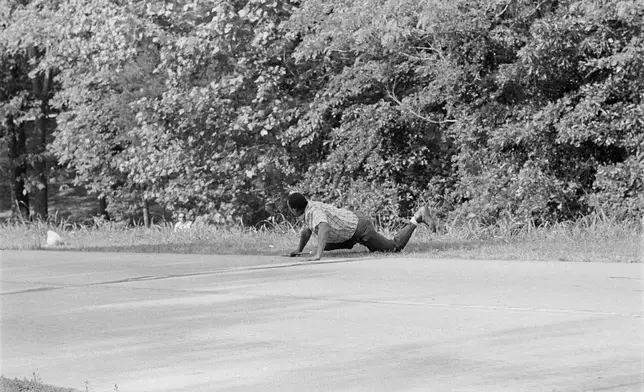
FILE - James Meredith looks at Aubrey James Norvell, background left partially hidden behind foliage, after being shot on a road near Hernando, Miss., June 6, 1966. (AP Photo/Jack Thornell, File)
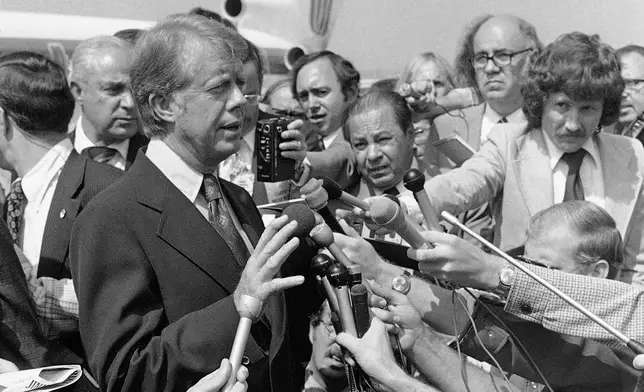
FILE - Democratic presidential nominee Jimmy Carter speaks to reporters on his arrival at Hobby International Airport in Houston Sept. 24, 1976. (AP Photo/Jack Thornell, File)
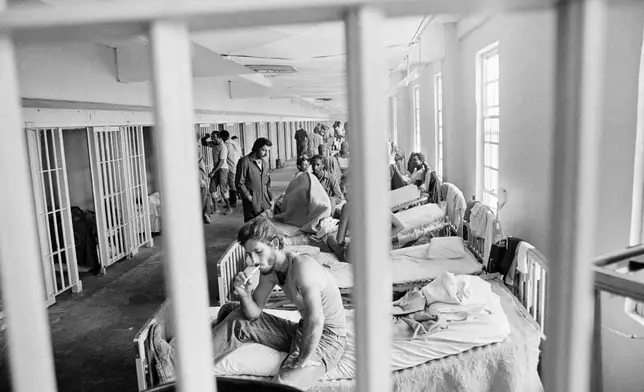
FILE - A prisoner lights a cigarette in the maximum security section of the Louisiana State prison at Angola, in December 1975. (AP Photo/Jack Thornell, File)
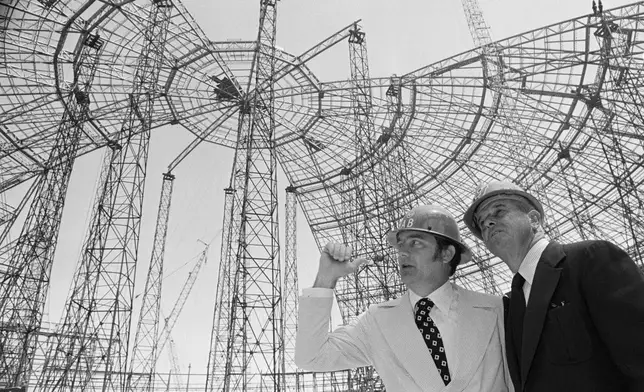
FILE - New York Mets general manager Robert Scheffing, right, chats with stadium official Bill Connick under the roof of the dome stadium that is under construction in New Orleans, April 2, 1973. (AP Photo/Jack Thornell, File)
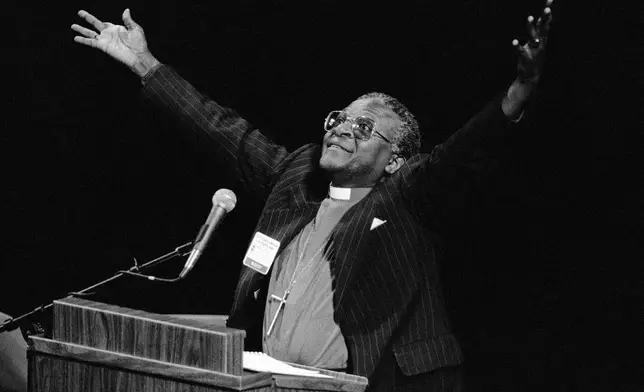
FILE - South African Bishop Desmond Tutu denounces his country's apartheid policy of racial separation in New Orleans, Sept. 7, 1982. (AP Photo/Jack Thornell, File)
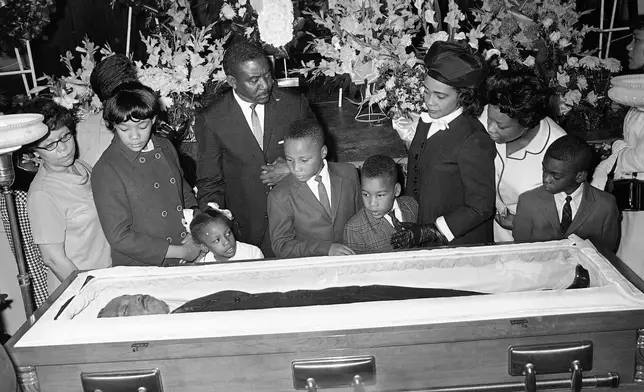
FILE - Coretta Scott King, third right, is accompanied by her children, Yolanda, Bernice, Martin III, and Dexter at Sisters Chapel on the campus of Spellman College in Atlanta, April 8, 1968. (AP Photo/Jack Thornell, File)
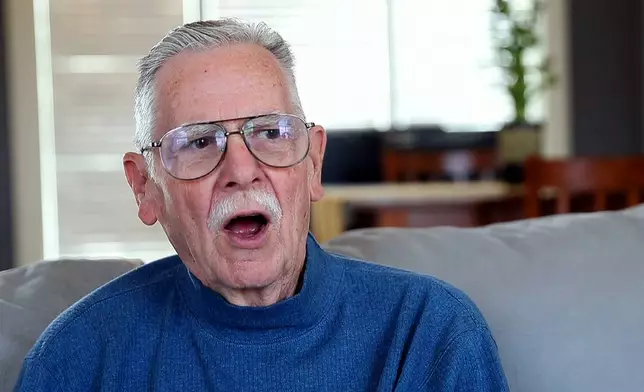
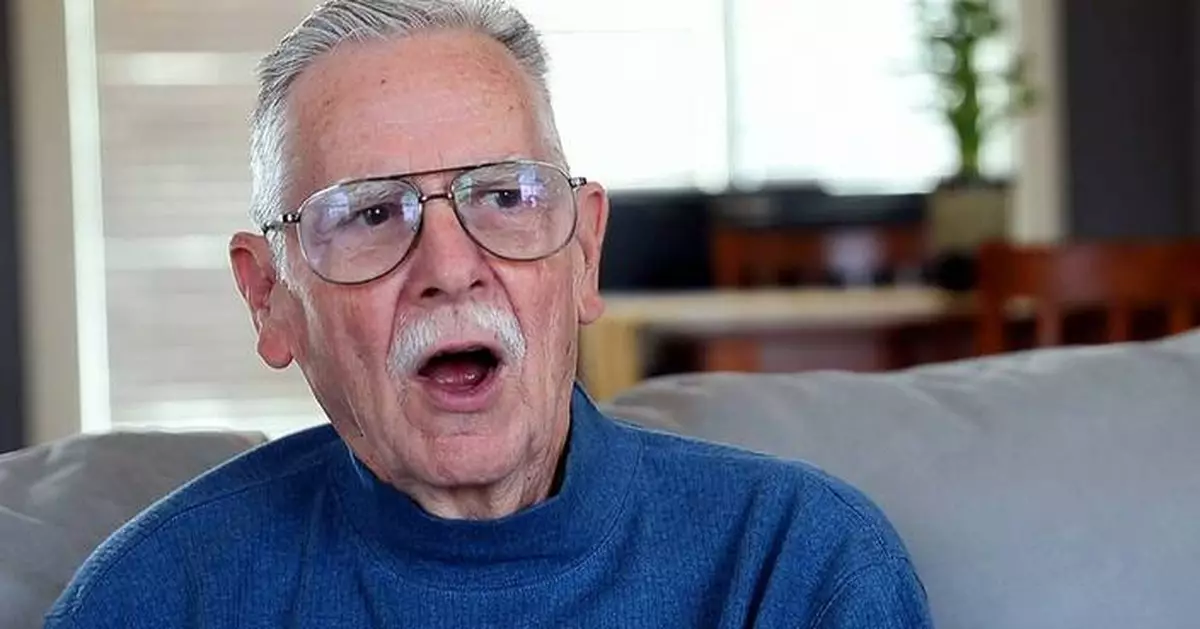
FILE - Former Associated Press staff photographer Jack Thornell speaks during an interview in Harahan, La., Feb. 7, 2018. (AP Photo/Gerald Herbert, File)
He worked for the AP from 1964 to 2004 and had a variety of assignments over the years, photographing politicians, natural disasters, crime scenes. But the struggle for racial justice punctuated Thornell’s wire service career from the beginning. He covered the integration of a Mississippi Gulf Coast school on his first day of work for the AP New Orleans bureau.
In June 1966, Thornell, then 26, was assigned to cover a civil rights march led by Meredith, who had already made history by integrating the University of Mississippi in 1962, and was mounting a “March Against Fear” through the state encouraging Black residents to register and vote.
Meredith was walking on U.S. Highway 51 near Hernando, Mississippi, and Thornell and a rival photographer were in a car parked roadside, when the sound of the first shotgun blast sent them scrambling.
One resulting Thornell image remains a sobering photographic reminder of the violent resistance to desegregation. It shows a wounded Meredith grimacing in agony as he dragged himself to the road’s edge. Along with it was the Pulitzer-winning photo Thornell didn’t initially realize he had captured: Meredith is on the ground at the edge of the highway with arms extended and hands on the pavement — it’s unclear if he is still falling or pushing himself up after the fall. His head is turned and he appears to be looking at his would-be assassin, visible at the extreme left of the picture in a weedy ditch.
Meredith was hospitalized and recovered. Aubrey James Norvell, who was apprehended at the scene, pleaded guilty and served 18 months of a five-year prison sentence.
Until he developed the film and pored over the negatives, Thornell believed he might be fired. He feared his competitor had an image of the gunman and he didn’t. Instead of dismissal, Thornell won the Pulitzer in 1967.
Jay Thornell remembered his father as a loving dad, but said he could be “regimented” and “stubborn,” saying that the stress of covering the Civil Rights Movement could sometimes kept Jack Thornell from realizing his own achievements at the time.
“He never really enjoyed or appreciated what he was accomplishing and doing,” Jay Thornell said. “Through his pictures, he was serving the world and exposing things that were going on in places that other parts of the world and country didn’t know about during the Civil Rights era.”
In 1964, Jack Thornell photographed the burned-out station wagon in Neshoba County, Mississippi, that belonged to civil rights workers Michael Schwerner, James Chaney and Andrew Goodman, whose bodies were found buried in an earthen dam weeks after Ku Klux Klansmen abducted and killed them. And Thornell would hurriedly snap a photo of the local sheriff being arrested by federal agents on conspiracy charges in connection with their deaths. Thornell got the shot while backing away as a supporter of the sheriff threatened him with a knife.
Thornell chronicled violence leading up to the integration of schools in Grenada, Mississippi, in 1966. One of his photos showed a Black man covering his ears as he moved away from a cherry bomb tossed by angry white people.
Thornell photographed the Rev. Martin Luther King Jr. multiple times, including during the Selma-to-Montgomery march in Alabama in 1965, and demonstrations in support of striking sanitation workers in Memphis, Tennessee, in 1968, the week before King was assassinated there.
Thornell had returned to his home base in New Orleans before King was assassinated, but later was dispatched to Atlanta, where he photographed King’s family viewing the body at Spelman College’s Sisters Chapel.
He was late for that assignment. He said in the 2018 interview that he dashed around another photographer and climbed atop a pew, clambering toward the casket by stepping over pew after pew to get in position to make the picture.
“I was shaken when I left there. I had my eyes on the floor because I knew everyone was looking at me for my despicable behavior,” Thornell said in the interview at his home in Kenner, Louisiana. “But I didn’t leave without the picture.”
Years later, in 1977, King’s assassin, James Earl Ray, escaped from a Tennessee prison. Thornell was on hand when Ray, muddy and haggard, was recaptured.
Thornell was born and raised in Vicksburg, Mississippi. His career as a photographer might not have happened but for an Army snafu in the late 1950s, according to a 1967 account in the AP World corporate magazine.
“The U.S. Army had decided to make a radio repairman of him. But at Fort Monmouth, his name got mixed up with that of a camera bug who wanted to attend photographic school. So Thornell, who didn’t know an aperture from a back focus, took the short course in picture-taking while the camera bug learned to fix radios.”
After leaving the Army, Thornell got a job with the Jackson (Miss.) Daily News before he was hired by the AP in New Orleans.
Hired during a turbulent time in the South, Thornell recalled the fear he sometimes felt amid violence and threats. But there was a greater fear than physical harm.
“The greatest fear for me was coming back without the photograph,” he said. “The things that were happening there, you just kind of dealt with it and tried to photograph what was happening, because that was your bread and butter, that was your career. And your success depended on how well you did that day. Because tomorrow there’s always another newspaper coming out.”
But Jay Thornell said that later in life, his father got to survey his achievements without that deadline pressure, enjoying autographing his photos sent to him by others. Jay Thornell said a recent cherished memory is Jack Thornell telling the stories behind some of his famous photos to his granddaughter.
Thornell is survived by his son Jay, his daughter Candy Gros, and a granddaughter.
Amy reported from Atlanta.
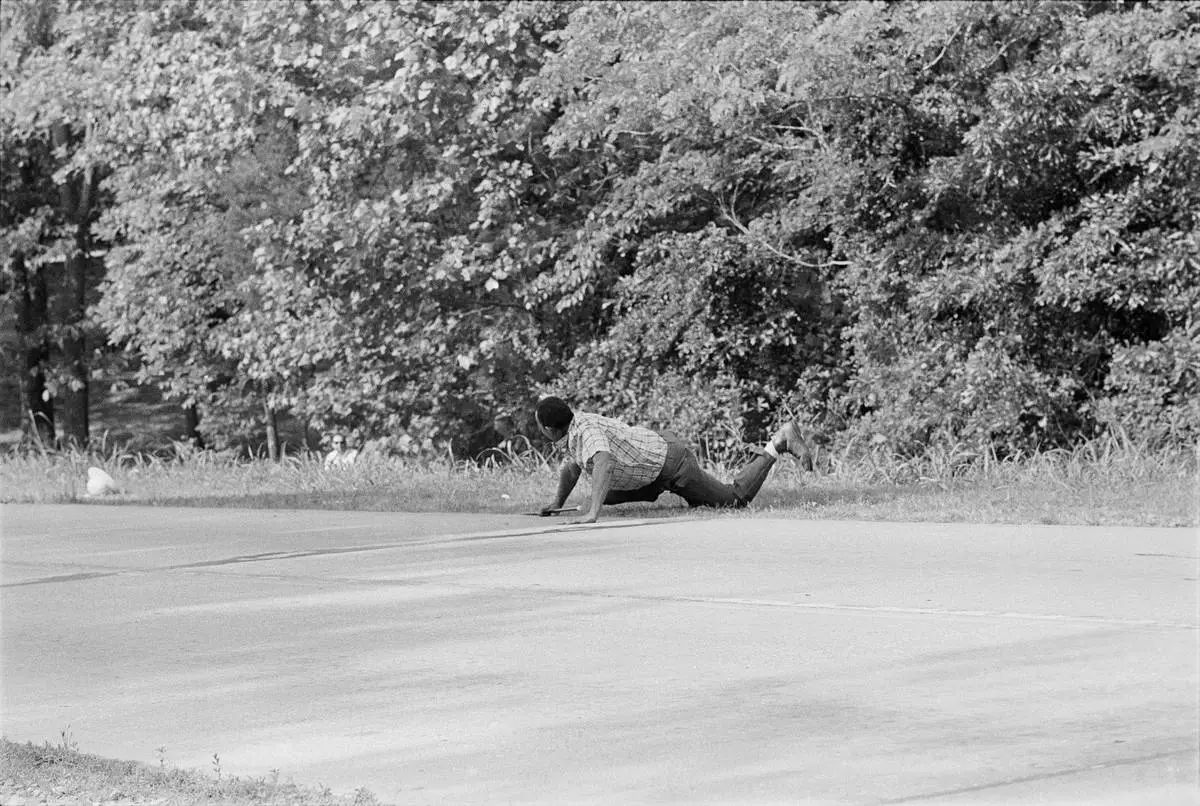
FILE - James Meredith looks at Aubrey James Norvell, background left partially hidden behind foliage, after being shot on a road near Hernando, Miss., June 6, 1966. (AP Photo/Jack Thornell, File)
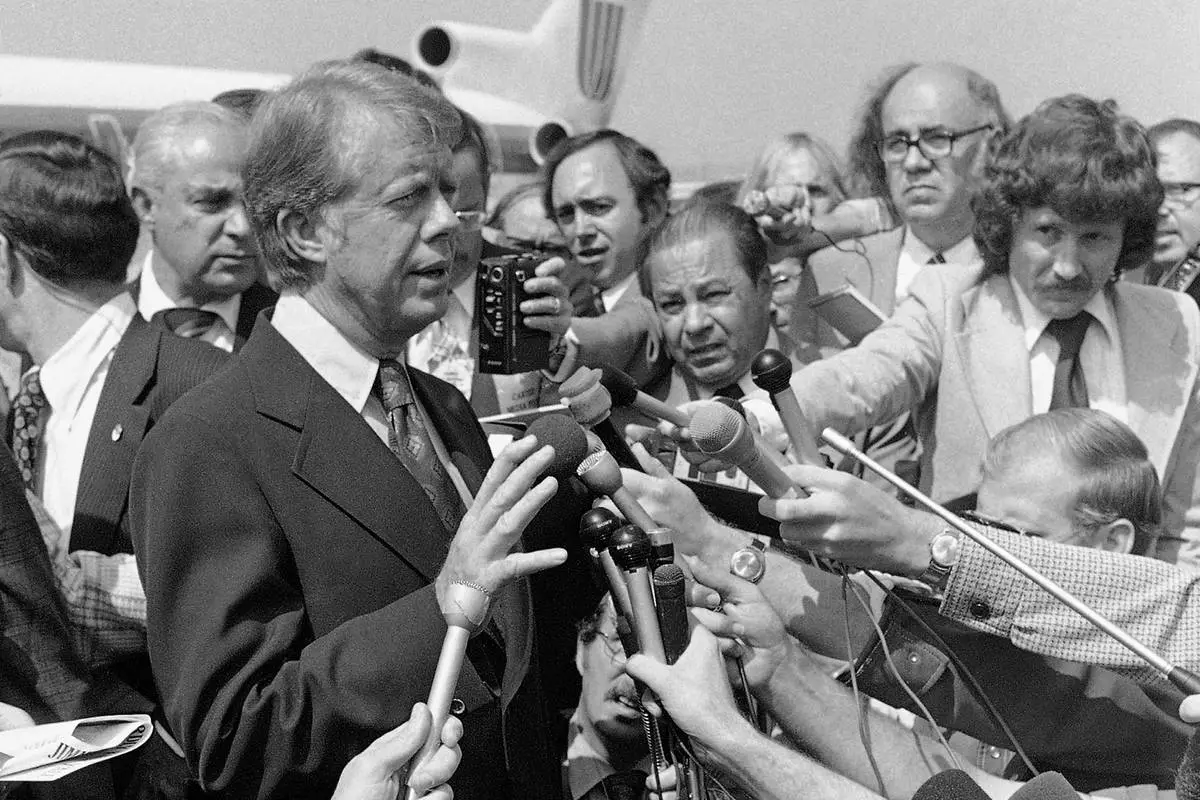
FILE - Democratic presidential nominee Jimmy Carter speaks to reporters on his arrival at Hobby International Airport in Houston Sept. 24, 1976. (AP Photo/Jack Thornell, File)
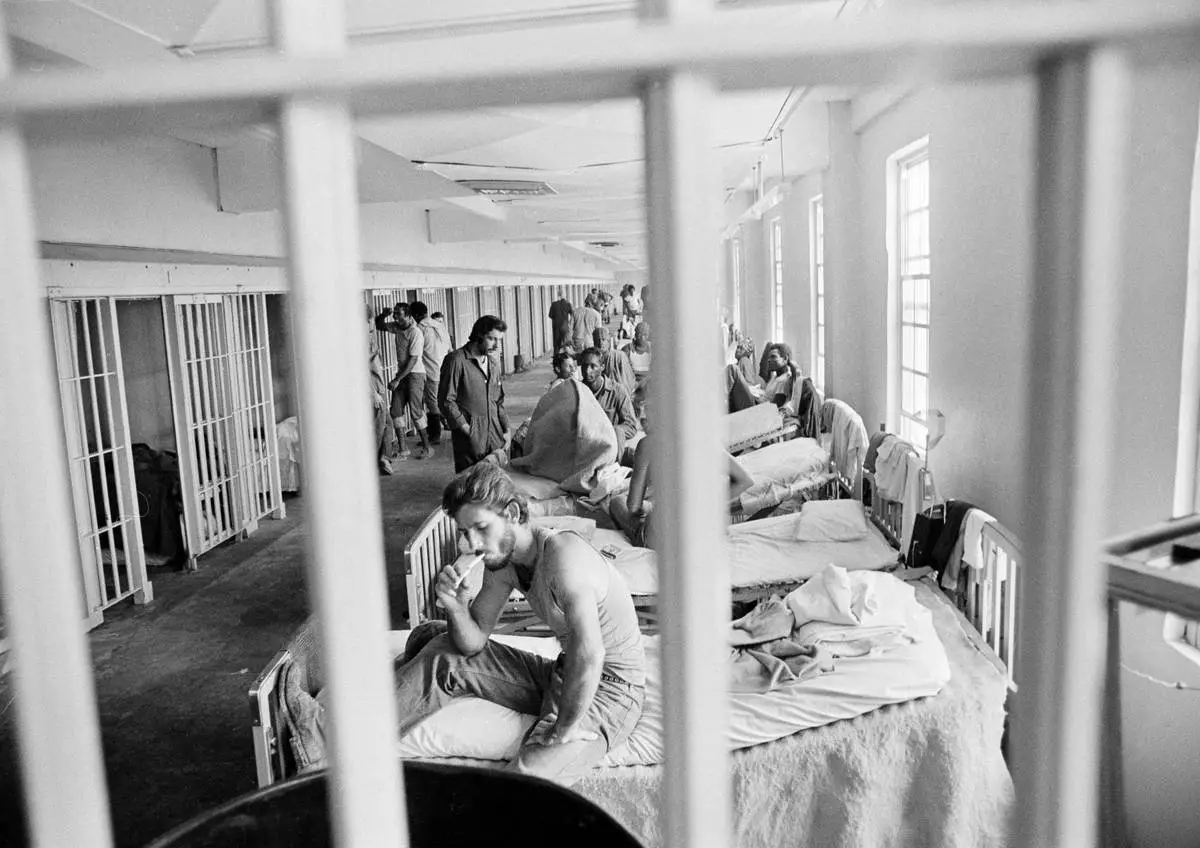
FILE - A prisoner lights a cigarette in the maximum security section of the Louisiana State prison at Angola, in December 1975. (AP Photo/Jack Thornell, File)
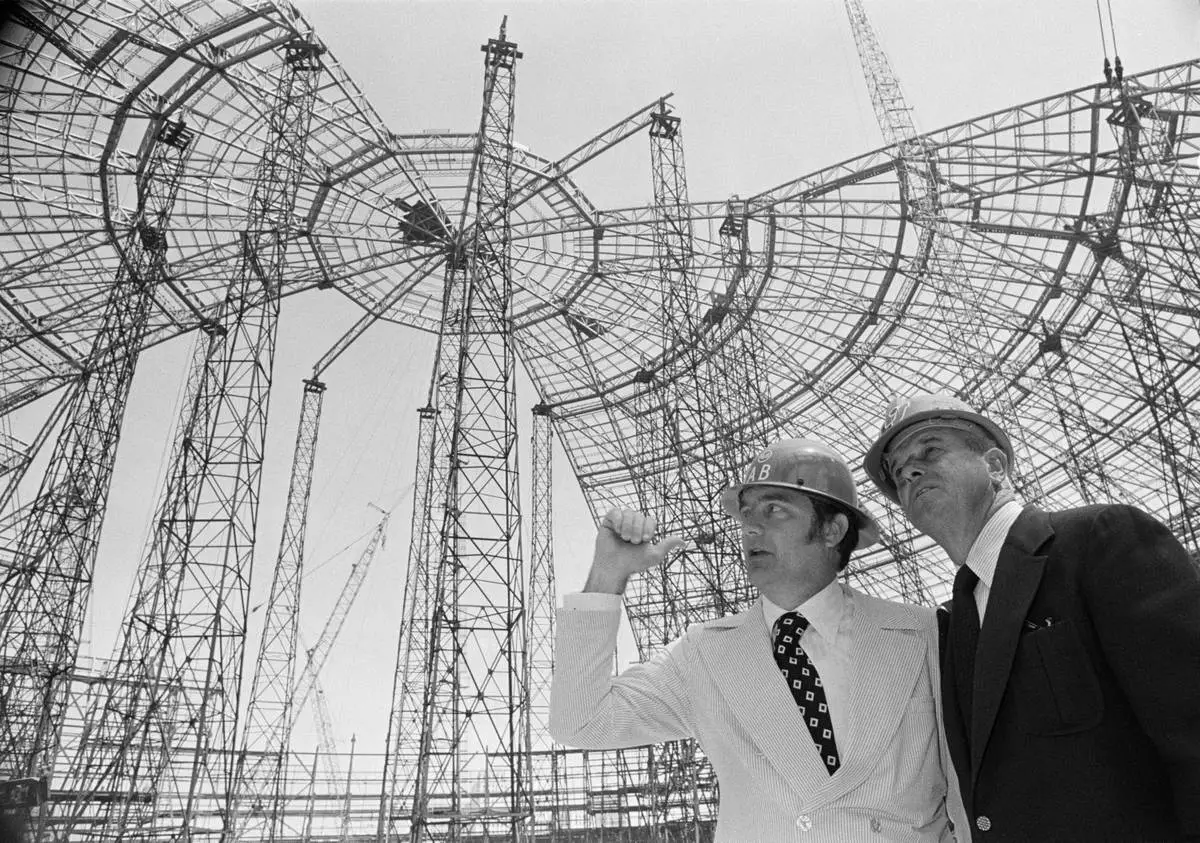
FILE - New York Mets general manager Robert Scheffing, right, chats with stadium official Bill Connick under the roof of the dome stadium that is under construction in New Orleans, April 2, 1973. (AP Photo/Jack Thornell, File)
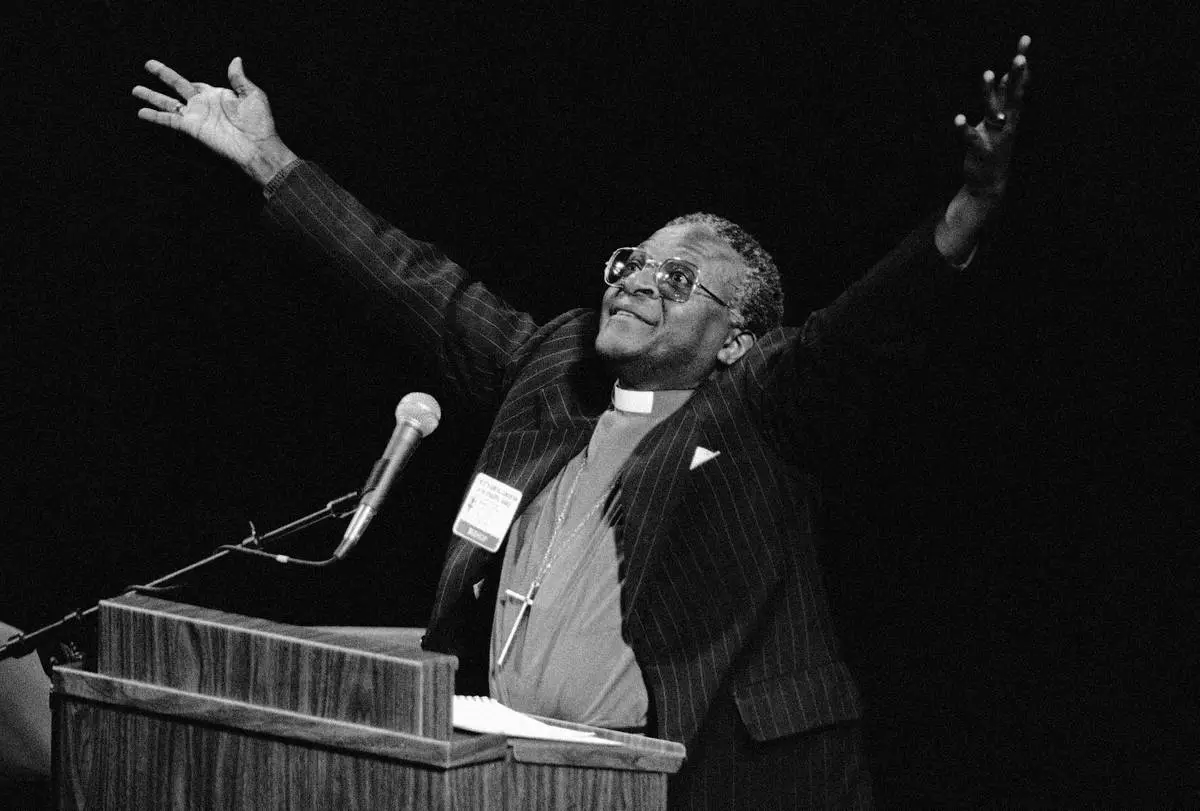
FILE - South African Bishop Desmond Tutu denounces his country's apartheid policy of racial separation in New Orleans, Sept. 7, 1982. (AP Photo/Jack Thornell, File)
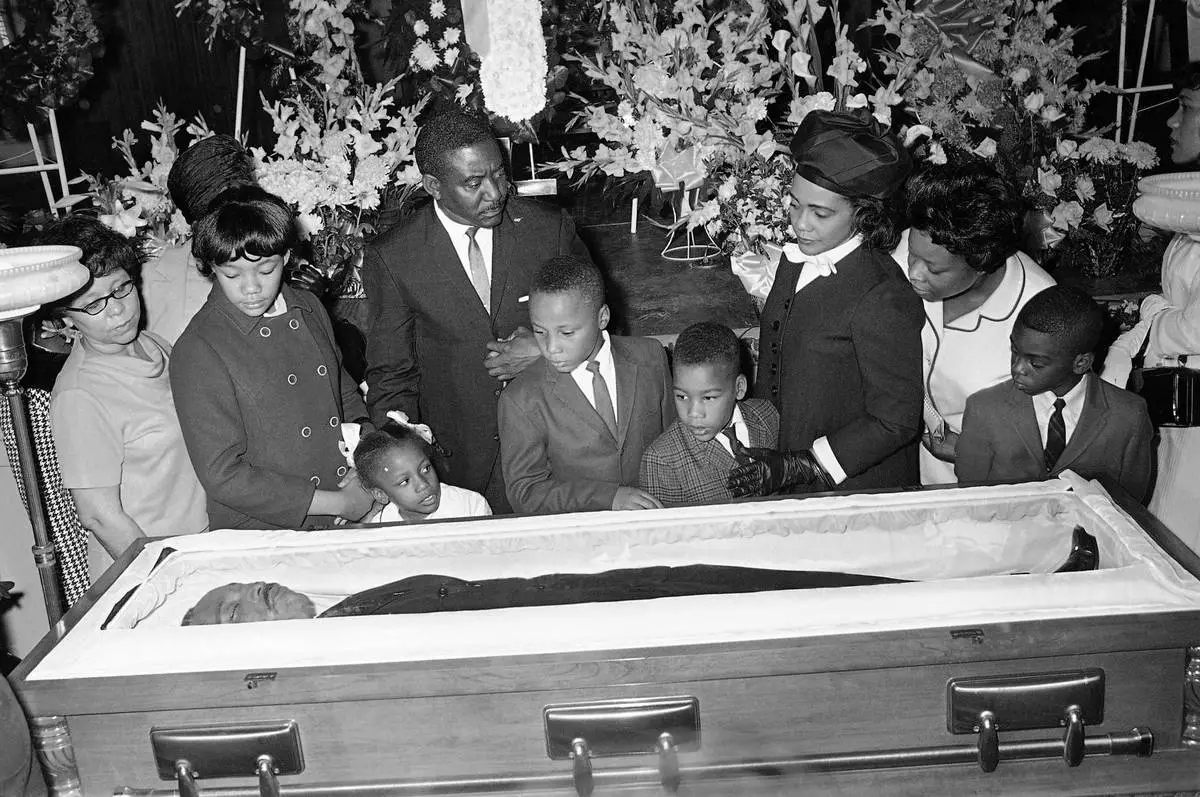
FILE - Coretta Scott King, third right, is accompanied by her children, Yolanda, Bernice, Martin III, and Dexter at Sisters Chapel on the campus of Spellman College in Atlanta, April 8, 1968. (AP Photo/Jack Thornell, File)
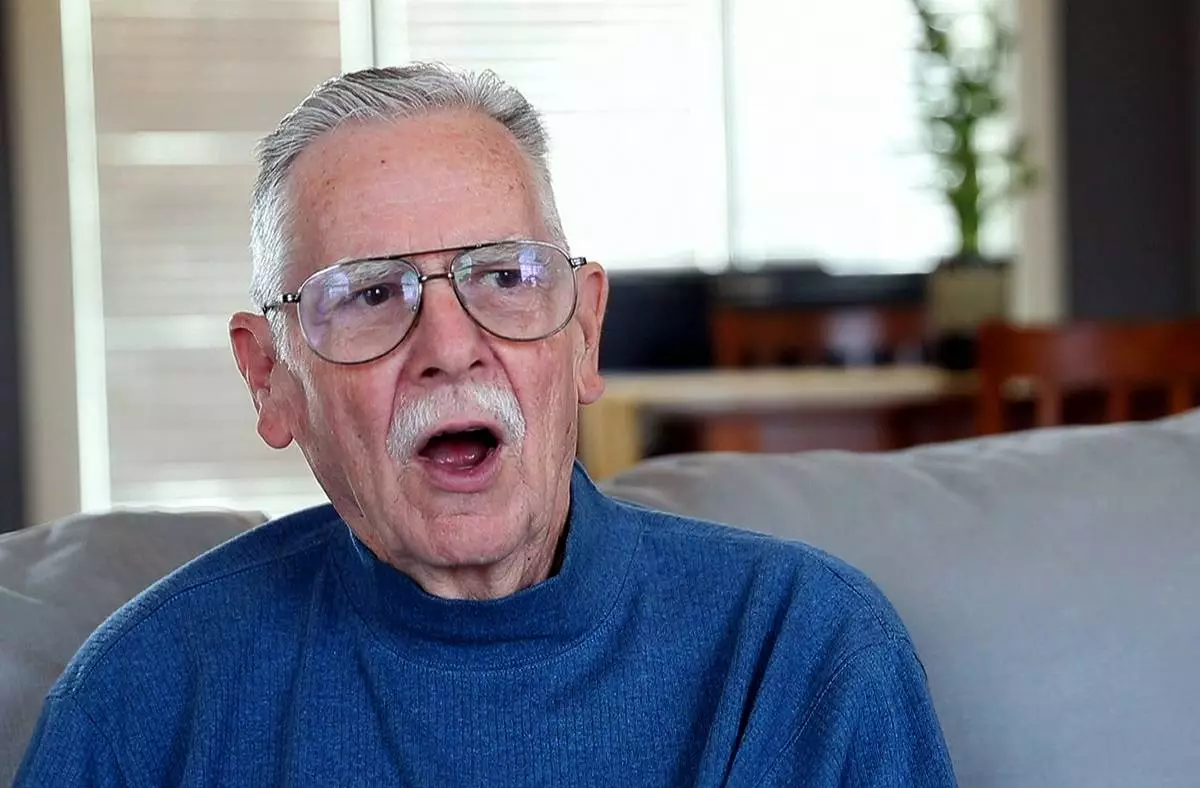
FILE - Former Associated Press staff photographer Jack Thornell speaks during an interview in Harahan, La., Feb. 7, 2018. (AP Photo/Gerald Herbert, File)