WASHINGTON (AP) — President Donald Trump has made it clear he expects his choice for Federal Reserve chair to quickly cut interest rates once he takes office. Yet Americans shouldn’t pencil in lower borrowing costs for mortgages, auto loans, or business loans just yet.
The odds of Kevin Warsh becoming chair by the time Jerome Powell's term ends May 15 shot higher Friday when U.S. Attorney for Washington, D.C., Jeanine Pirro, said she would drop her probe into Powell over his testimony last summer about the Fed’s costly building renovations.
Click to Gallery
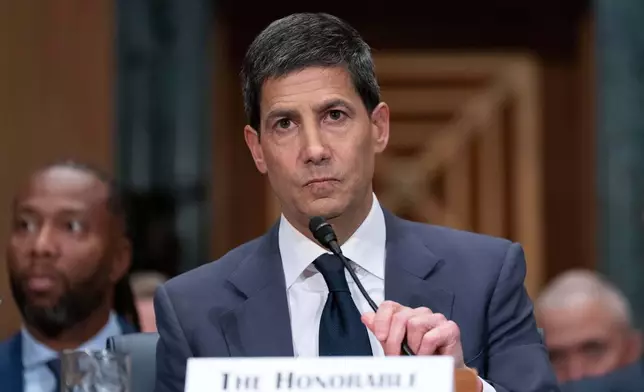
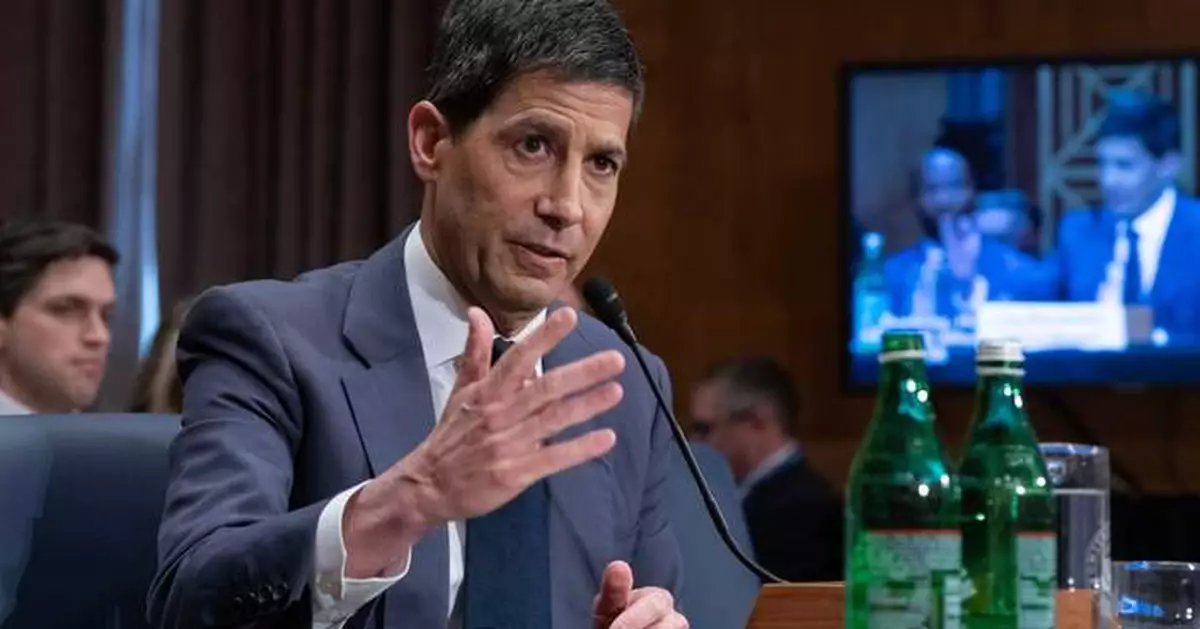
Kevin Warsh testifies during his nomination hearing to be a member and chairman of the Federal Reserve Board of Governors before the Senate Banking, Housing and Urban Affairs Committee on Capitol Hill, in Washington Tuesday, April 21, 2026. (AP Photo/Jose Luis Magana)
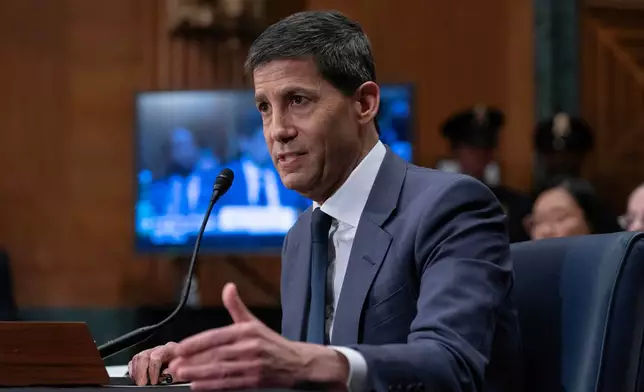
Kevin Warsh testifies during his nomination hearing to be a member and chairman of the Federal Reserve Board of Governors before the Senate Banking, Housing and Urban Affairs Committee on Capitol Hill, in Washington Tuesday, April 21, 2026. (AP Photo/Jose Luis Magana)
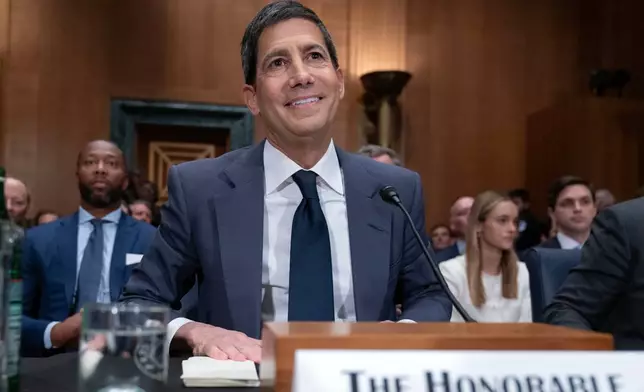
Kevin Warsh testifies during his nomination hearing to be a member and chairman of the Federal Reserve Board of Governors before the Senate Banking, Housing and Urban Affairs Committee on Capitol Hill, in Washington Tuesday, April 21, 2026. (AP Photo/Jose Luis Magana)
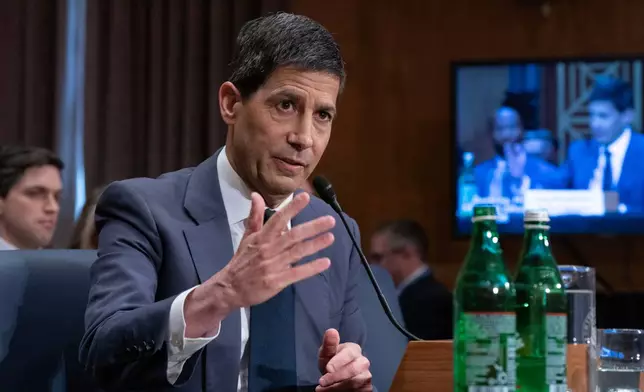
Kevin Warsh testifies during his nomination hearing to be a member and chairman of the Federal Reserve Board of Governors before the Senate Banking, Housing and Urban Affairs Committee on Capitol Hill, in Washington Tuesday, April 21, 2026. (AP Photo/Jose Luis Magana)
But should he be confirmed, Warsh will still face several hurdles to reducing rates, including rising gas prices that are pushing up inflation, questions about his political independence, and 11 other Fed policymakers who have a vote on the decision, with most of them not ready to cut.
At a Senate hearing Tuesday, Warsh pledged to be independent from White House pressure, but said relatively little about the direction he would take rates. While economists say he was likely just being cautious, he missed a chance to lay out an argument for rate cuts.
“Warsh’s stated outlook is much more consistent with an extended hold than additional cuts,” Aditya Bhave, head of U.S. economics at BofA Securities, wrote in a client note.
Trump, meanwhile, has kept up the pressure. When asked last week on Fox Business whether he still expects interest rates to decline, Trump said, “when Kevin gets in, I do ... interest rates should be much lower.”
Here's what you need to know about Warsh and what he will face as next Fed chair:
Warsh, who was a member of the Fed's governing board from 2006 to 2011, regularly argued for rate cuts last year as he sought Trump's nomination to replace Powell. But since being named in late January, he has kept quiet, and hasn't made any public comments since the Iran war started Feb. 28.
The war has pushed up oil and gas prices, which caused inflation to spike to a two-year high of 3.3% in March, above the Fed's target of 2%. The Fed typically keeps its short-term rate — currently at about 3.6% — elevated to combat inflation, or even raises it.
The Fed reduces its rate to spur more spending and hiring, and earlier this year several Fed officials worried that a slowdown in job gains demonstrated that the rate was too high. But in recent weeks there are signs the job market may be stabilizing, possibly undercutting the need for a rate reduction.
Christopher Waller, a Fed governor who voted in favor of a rate cut in January, last week expressed concerns that rising inflation could mean the Fed would have to stand pat. He also suggested that with the unemployment rate a still-low 4.3%, rate cuts might not be necessary.
And Treasury Secretary Scott Bessent said last week that if the Fed wanted “to wait for some clarity” before cutting rates, "I understand that,” a statement widely seen as providing some cover for Warsh to keep rates unchanged for at least a few months.
For now, Wall Street investors see little chance for a rate cut until October 2027, according to futures pricing.
Certainly, if inflation cools in the coming months and unemployment worsens, more Fed officials could end up supporting a rate cut. The economy has been volatile for the past year, at times looking healthy and other times anemic.
Another challenge for Warsh is that he will be just one of 12 voters on the Fed's rate-setting committee, which meets eight times a year to decide on where to set its overnight interest rate. Most have indicated in recent speeches or votes that they are reluctant to lower borrowing costs with inflation as high as it is. The committee voted 11-1 to keep rates unchanged in March.
Next week, at a meeting likely to be Powell's last, the committee is widely expected to keep rates where they are.
Stephen Miran, a governor Trump appointed last September, was the only official to vote for a rate cut in March and has voted to cut rates at every meeting he has attended. But Warsh will replace Miran. Another governor Trump named in his first term, Michelle Bowman, has also occasionally dissented in favor of a rate cut.
But there is a larger faction on the committee that wants the Fed to start considering the possibility of hiking rates, rather than cutting them, at upcoming meetings, according to minutes of their March gathering.
Members of the Fed's board typically seek to support the chair, former Fed officials say. But rarely can a chair single-handedly and quickly swing an entire committee in his or her direction.
Jon Faust, an economist at Johns Hopkins and former adviser to Powell, said that the last time a chair was able to achieve something close to that was in the late 1990s, when then-chair Alan Greenspan famously persuaded the rest of the committee that rising productivity from the Internet would prevent inflation from taking off, and so the Fed didn't need to raise rates.
Yet that was after Greenspan had been chair for several years and had built support on the committee, Faust said.
“Warsh comes in with essentially none of the gravitas that Greenspan had,” Faust said. “Instead, Warsh comes in with the baggage that Trump has really loaded on him. It’s not Warsh’s fault, but Trump has led to legitimate questions about whether he’ll act independently.”
One way to establish independence would be for Warsh to not cut rates right away, economists have said.
In his remarks at Tuesday's hearing, Warsh acknowledged that “we have a short window to try to bring inflation back down to where it should be,” which some economists said sounded more like an argument for rate hikes, rather than cuts.
Warsh also said that the job market is essentially at what the Fed considers “maximum employment,” or the lowest the unemployment rate can go before it starts to push up inflation. That also suggests the Fed doesn't need to cut to boost hiring.
Before being nominated, Warsh had often argued that artificial intelligence would accelerate growth and make the economy more efficient. Similar to the Internet, he often said, it would allow the Fed to reduce interest rates without worrying about inflation.
At his hearing, Warsh repeated his claim about AI, but added, “we don't know that, we can't bank on that,” which struck many economists as a step back from his previous stance.
Warsh's views "didn't have a lot of clarity going in,” Claudia Sahm, chief economist at New Century Advisers and a former Fed economist, said. “And then he muddied the waters. There were so few specifics.”
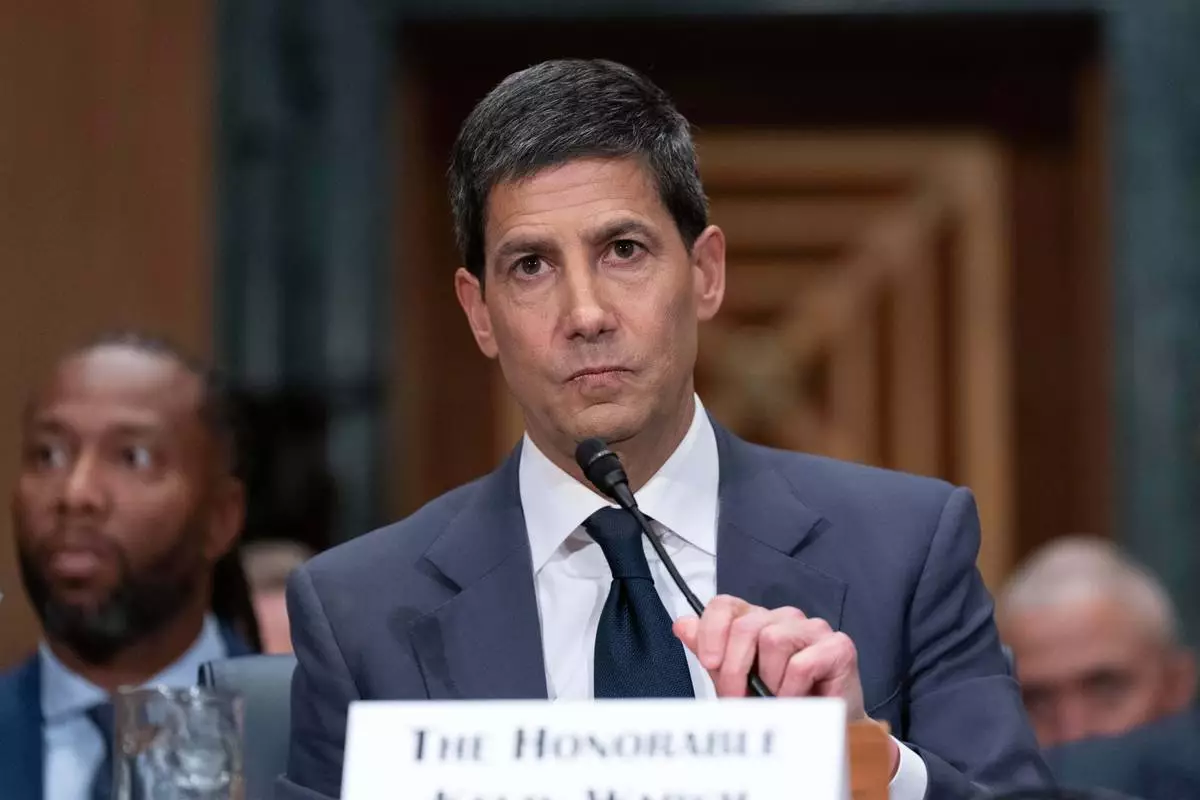
Kevin Warsh testifies during his nomination hearing to be a member and chairman of the Federal Reserve Board of Governors before the Senate Banking, Housing and Urban Affairs Committee on Capitol Hill, in Washington Tuesday, April 21, 2026. (AP Photo/Jose Luis Magana)
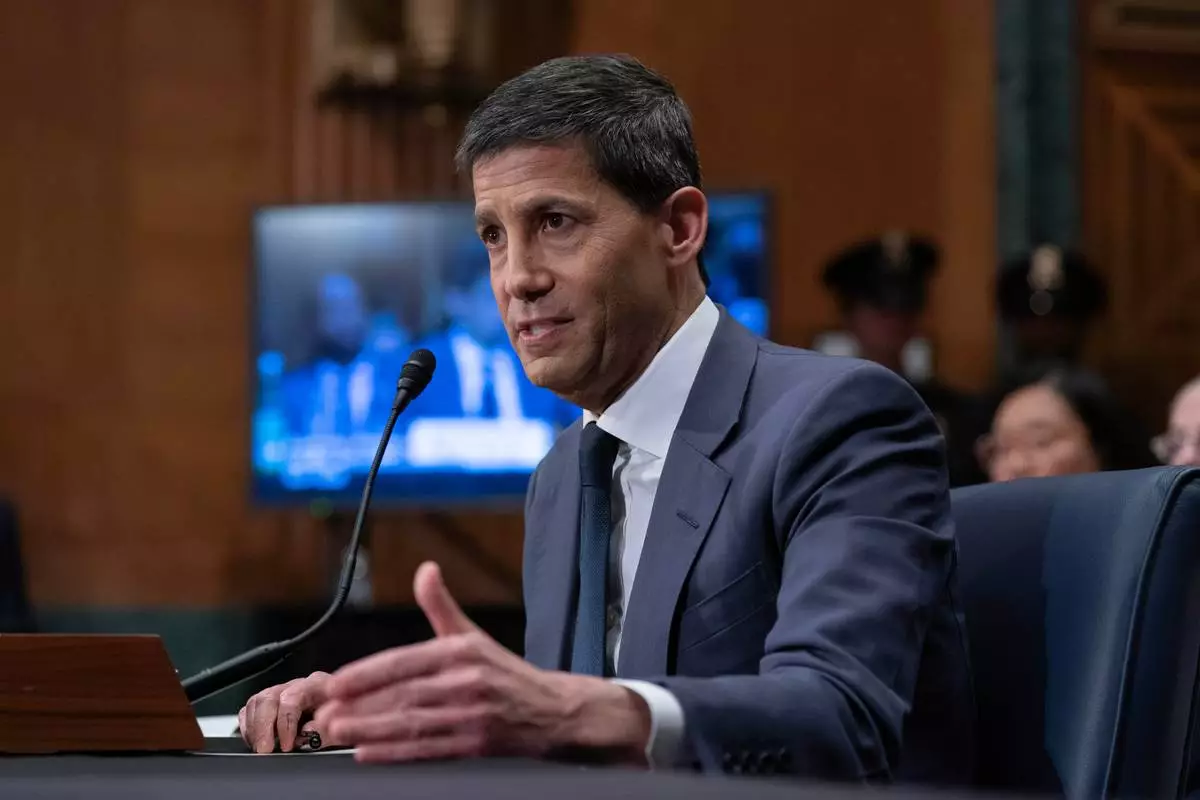
Kevin Warsh testifies during his nomination hearing to be a member and chairman of the Federal Reserve Board of Governors before the Senate Banking, Housing and Urban Affairs Committee on Capitol Hill, in Washington Tuesday, April 21, 2026. (AP Photo/Jose Luis Magana)
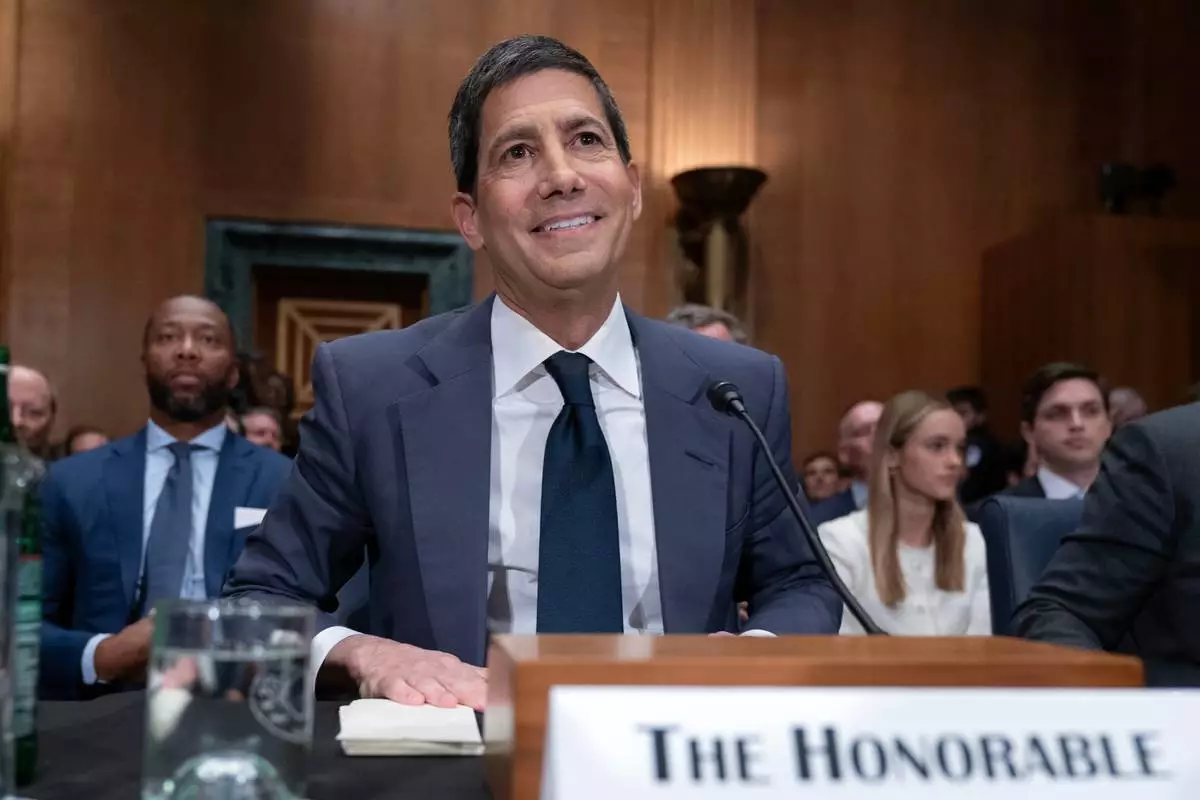
Kevin Warsh testifies during his nomination hearing to be a member and chairman of the Federal Reserve Board of Governors before the Senate Banking, Housing and Urban Affairs Committee on Capitol Hill, in Washington Tuesday, April 21, 2026. (AP Photo/Jose Luis Magana)
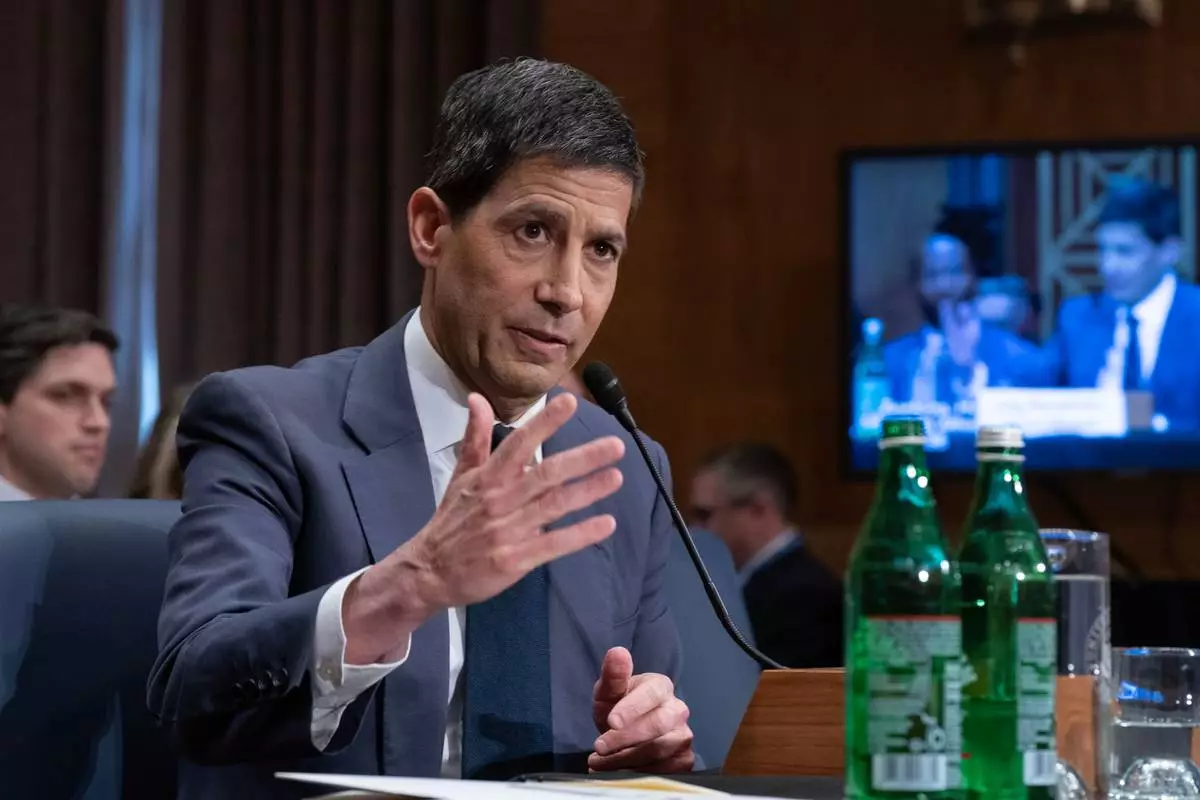
Kevin Warsh testifies during his nomination hearing to be a member and chairman of the Federal Reserve Board of Governors before the Senate Banking, Housing and Urban Affairs Committee on Capitol Hill, in Washington Tuesday, April 21, 2026. (AP Photo/Jose Luis Magana)