A severe and prolonged drought continues to grip Chile, deepening an already critical water crisis within the country.
For more than a decade, Chile has been living through what experts are calling a "mega drought." According to some estimates, it is the most severe drought in 1,000 years. Since 2010, central Chile has had between 25 percent and 45 percent less rainfall than usual. Driven by climate change and natural meteorological cycles, the crisis is affecting agriculture, energy production, and daily life for millions.
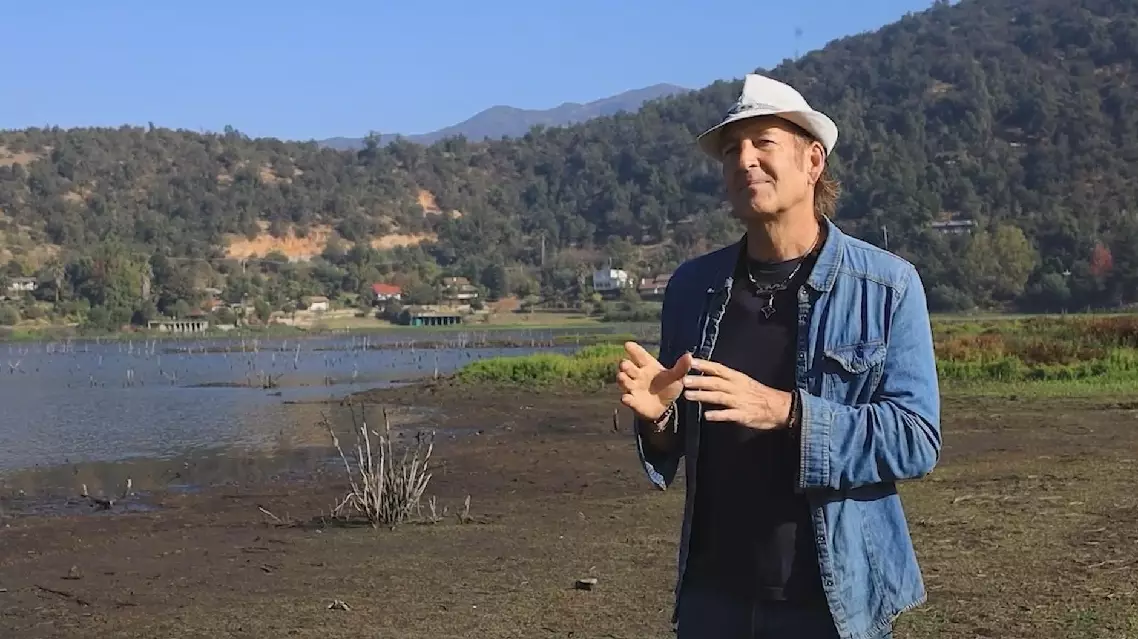
While climate change has led to prolonged dry spells in Chile, local residents also decry the country's highly privatized water rights system, which allows landowners to buy rights to water - in this area largely to irrigate crops. They said that this diversion of resources has contributed to the lake's falling levels.
''Today, the water supply has recovered, and rain is expected this year. We believe it can continue to recover, but what we urgently need is to address the water code. So, we don't repeat the same mistakes. But without control and oversight, we'll be back to square one," said Marcos Barracchita, a local resident.
As climate change intensifies, the country is being forced to rethink how water is managed and distributed. This has brought renewed focus on Chile's water rights system, which was reformed in 2022 to limit the concession of rights, which had been perpetual since 1981.
"If there isn't a coherent public policy in terms of how to protect resources and biodiversity, we're going to return to those times of crisis," said journalist Tania Tamayo, also co-author of the book "El negocio del Agua."
In Santiago, intermittent water rationing measures have been in place since April 2022.The current government, which only took power last month, has shown little sign of reforming the privatized water model. The environment ministry declined a request for an interview. But the need is increasingly urgent. The estimated time for central Chile's aquifers to recover, even in the most optimistic scenario, is 50 years.
Chile mega drought deepens water crisis