BALTIMORE (AP) — Less than 24 hours after the Boston Red Sox shockingly fired manager Alex Cora and five members of his coaching staff, infielder Trevor Story said the club’s path forward feels unclear.
“I mean obviously, it’s kind of up in the air what the true direction is,” the two-time All-Star said on Sunday morning before a series finale against the Baltimore Orioles. “Those are conversations that need to be had. They’ll be had today and onward going forward, too.”
The Red Sox officially dismissed Cora on Saturday evening after a 10-17 start to his eighth season guiding the club, including an embarrassing three-game sweep at home to the New York Yankees earlier this week.
Chief baseball officer Craig Breslow explained the first in-season firing of a Boston manager since 2001 by suggesting it showed commitment to the current season.
“It really comes down to the belief we have in the players, and the belief we have in the group to accomplish what we set out to accomplish,” Breslow said Sunday. “By acting today, it gives us 135 games ahead of us, almost a full season’s worth of run, to take advantage of this fresh start.”
But Story, in the fifth season of a six-year, $140-million deal, is an exception on a young roster that has traded away stars like Mookie Betts, Chris Sale, Xander Bogaerts and Rafael Devers in the years since Cora guided Boston to a 2018 World Series title in his first season.
The Red Sox have reached only two postseasons since, and only one since Story’s arrival when they made a wild-card appearance in 2025.
“I came here to win and I came here to be successful,” said the 33-year-old Story, who is among the Boston batters struggling with a .198 average, two homers and 17 RBIs. “And we had a flash of that last year. We’re looking to build on that. Obviously not off to a great start. But yeah, some of the direction needs to be cleared up, in my opinion.”
Breslow and interim manager Chad Tracy spoke with the team for roughly eight minutes in a Sunday morning gathering that also included owner John Henry and team president Sam Kennedy, according to reliever Garrett Whitlock. Players did not talk during the meeting.
“They spoke. Yeah, they spoke,” Story said. “There just has to be more conversations had. I wouldn’t say it was satisfactory.”
To reporters, Breslow and Kennedy indicated this was a decision driven by baseball operations after the club had performed particularly poorly on offense.
Despite a 17-1 win over Baltimore Saturday that halted a four-game slide, the Red Sox batters entered Sunday slashing .233/.312/.354 collectively and ranked in the bottom quarter of MLB in most key metrics.
“Ultimately, responsibility for the performance on the field, it falls on me as the leader of baseball operations,” Breslow said. “But so, too, does the responsibility for doing everything I can and the organization can to find solutions. And right now we feel like this change, these changes were warranted.”
Kennedy said Breslow has “made several bold decisions and recommendations.”
"And this was one of them and we fully support it.," he said.
Henry remained in Baltimore Sunday but did not address the media.
“I think it’s evident by his presence here that this was a collaborative decision (with Henry),” Kennedy said.
Tracy makes his MLB managerial debut after six seasons guiding Triple-A Worcester. The son of longtime manager Jim Tracy, he recognized the delicate dynamics of his opportunity.
“I’m toeing that line of sitting here with all of you in this moment, but also acknowledge the relationship with some of the people that are no longer here was strong,” Tracy said. “And you also know that that’s, in a lot of ways, that’s how some of the players feel as well. So, excited, right? But also honoring the people that were before me that were mentors to me.”
Story praised Tracy’s “baseball mind,” but was clearly still emotional about Cora’s firing.
“He had our backs every single day,” Story said. “He was very truthful with players and took bullets for us and did everything you can ask for and more as a manager. I just can’t express how thankful I am to have played for him. Yeah, I’ve got a love for that guy.”
AP MLB: https://apnews.com/hub/mlb
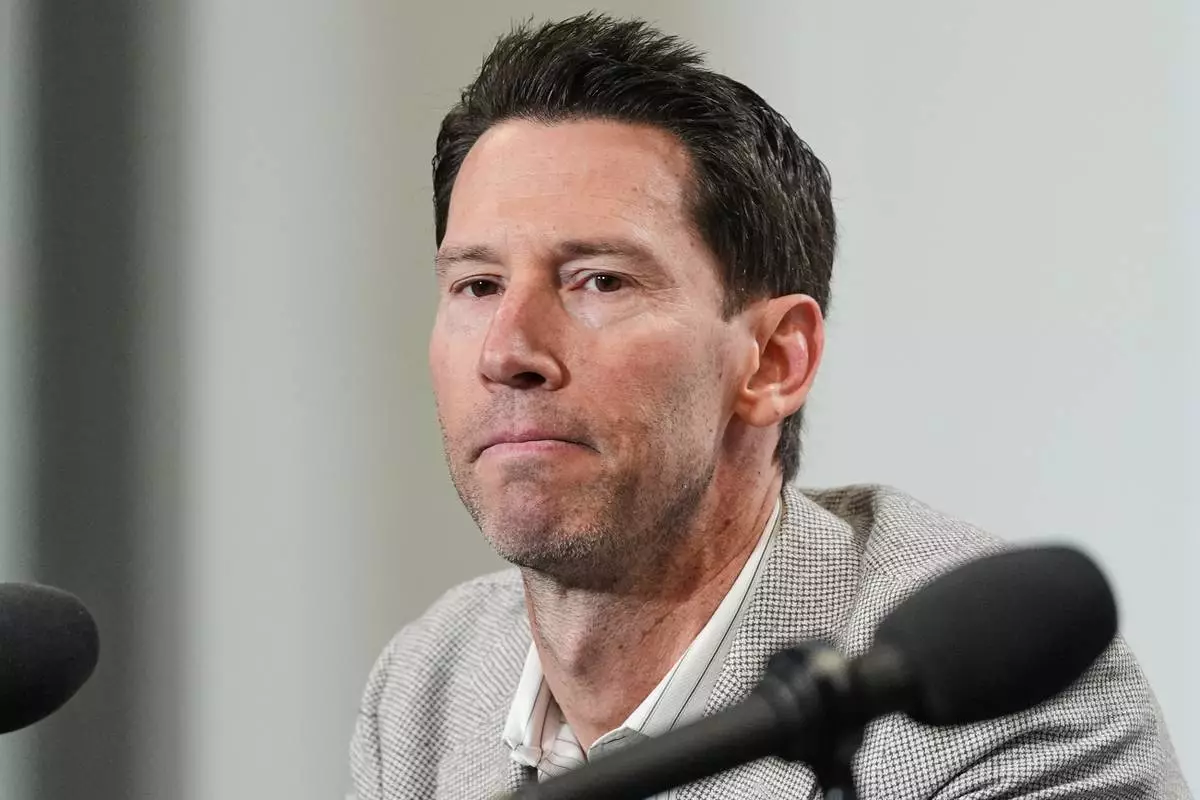
Boston Red Sox Chief Baseball Officer Craig Breslow speaks during a press conference with President & CEO Sam Kennedy, Sunday, April 26, 2026, in Baltimore. (AP Photo/Stephanie Scarbrough)
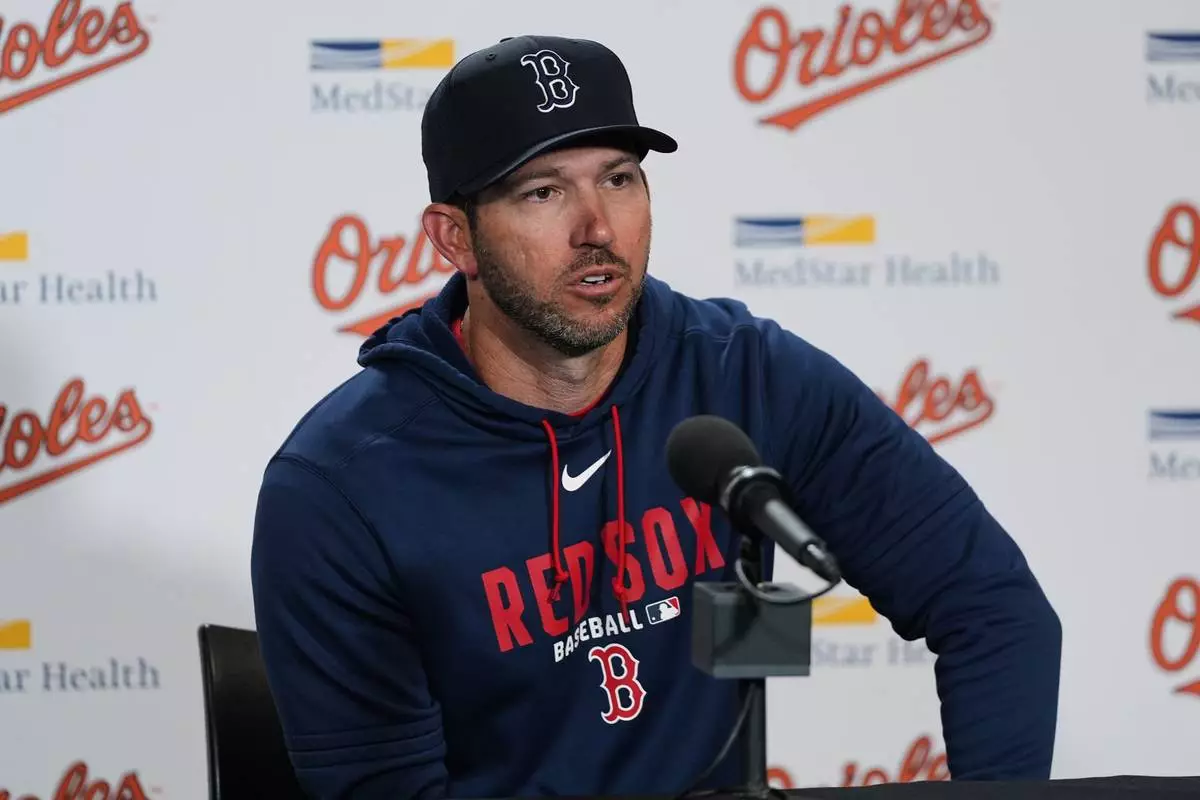
Boston Red Sox interim manager Chad Tracy speaks during a press conference, Sunday, April 26, 2026, in Baltimore. (AP Photo/Stephanie Scarbrough)
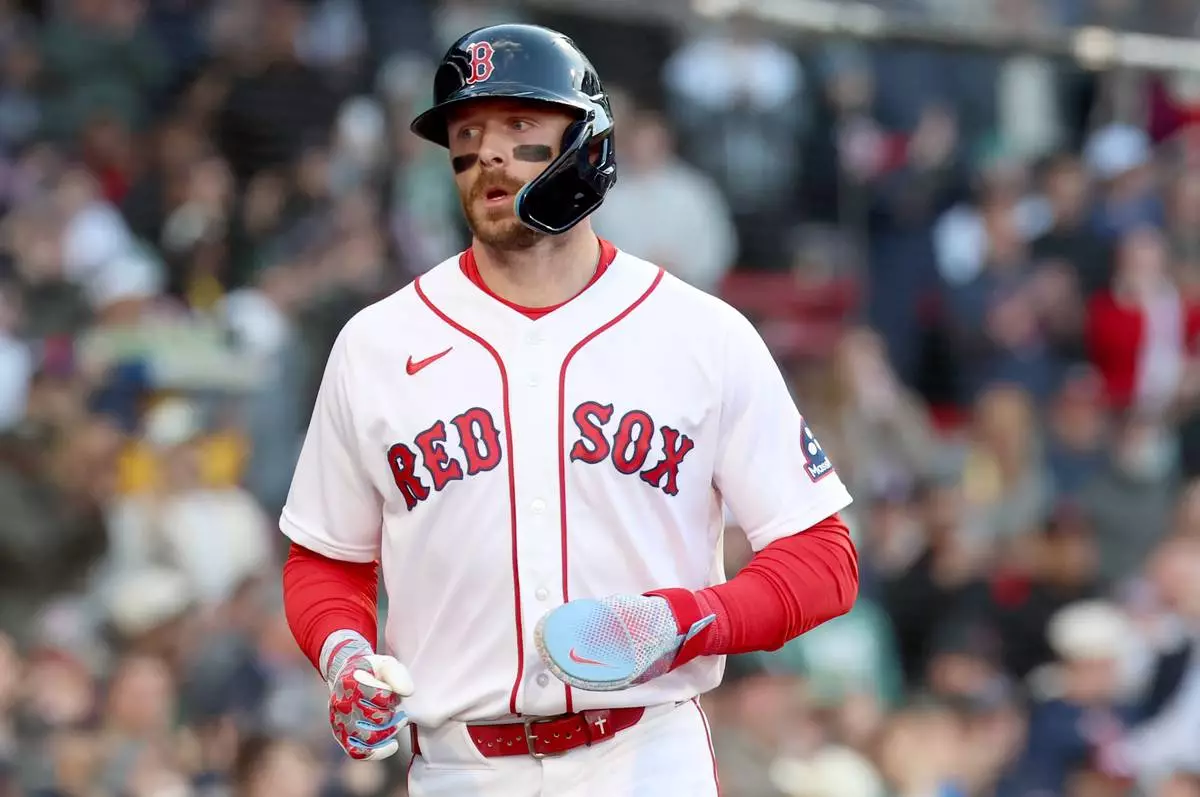
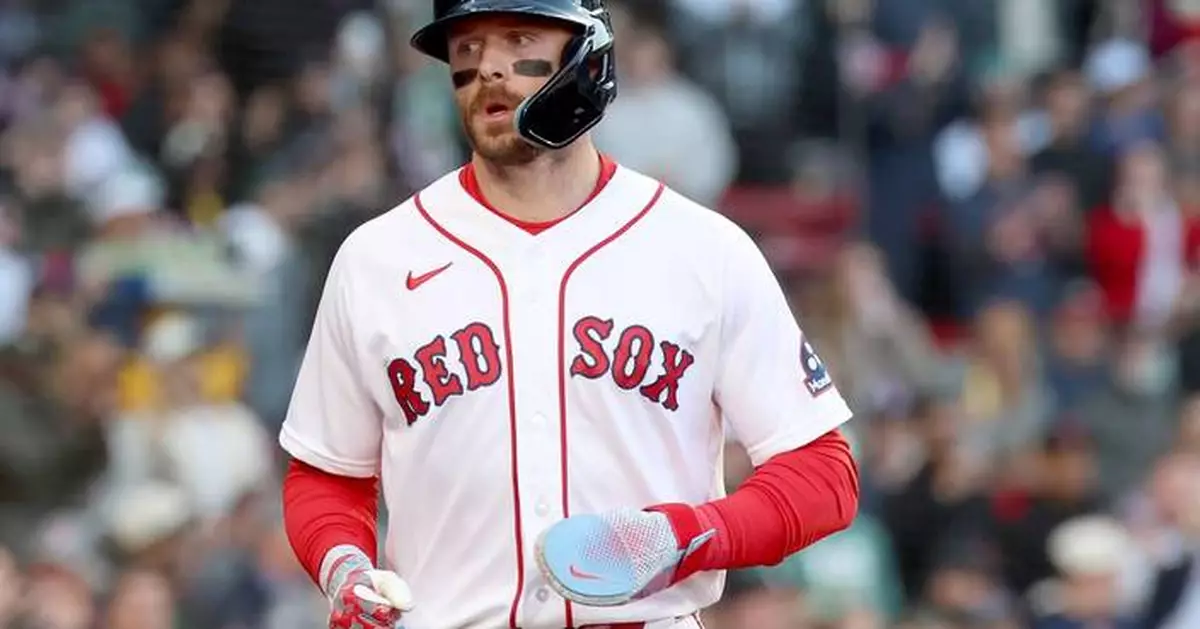
Boston Red Sox's Trevor Story runs to the dug out after scoring during the second inning of a baseball game against the New York Yankees, Thursday, April 23, 2026, in Boston. (AP Photo/Mark Stockwell)
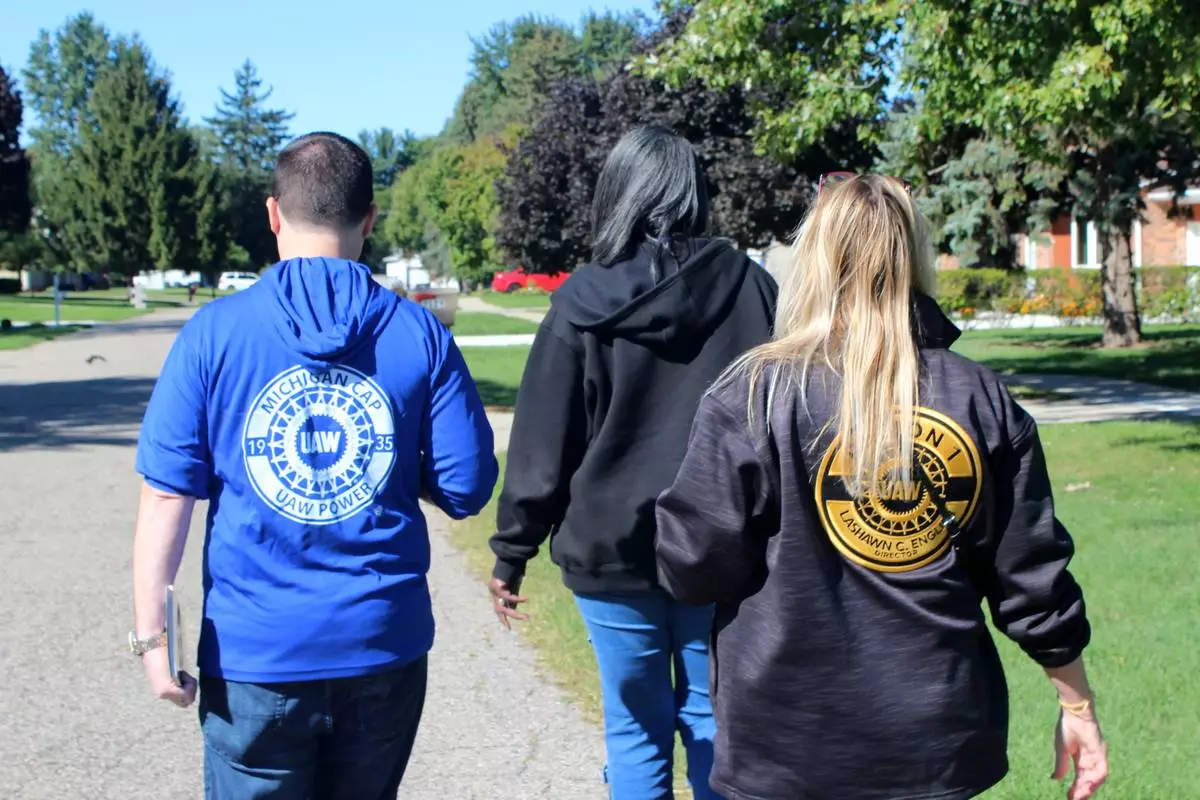
SHELBY TOWNSHIP, Mich. (AP) — Walter Usakowski was mowing his lawn in a northern suburb of Detroit when three canvassers from the United Auto Workers approached.
“I don’t even need to talk to you,” Usakowski said. As a retired member, he was already supporting the union’s slate of Democratic candidates in the Nov. 3 midterms.
But he is not sure how many of the other “guys in the shop” will vote for Democrats. He worked at Ford Motor Co.’s Sterling Axle Plant for more than 45 years, and he knows many members who backed Republican President Donald Trump.
The election-year canvassing was one part of the UAW’s efforts to reassert its political power in Michigan, a premier political battleground. Although the union generally backs Democrats, its membership is more divided over which party best represents working-class interests. It also is reckoning with past corruption scandals, a drop in membership and a lack of transparency that has eroded trust within its ranks.
“It’s not going to be an overnight thing,” said JJ Jewell, who is part of the UAW’s Community Action Program executive committee. “Even if this election goes fantastically, that’s not mission accomplished. That means we’re 1% of the way done.”
Jewell and others made the rounds on a recent sunny Saturday in Macomb County, where Trump won by nearly 14 percentage points in 2024. Many of the union members they met in a neighborhood of well-kept suburban houses were retirees, and while most said the cost of living was their top concern, they did not agree on whether Democrats or Republicans would better address it.
One resident, who said she blamed billionaires for the country’s problems, planned to vote for Democrats. Another street over, a couple said they both supported Trump and declined to take a flyer of the UAW-endorsed candidates.
In a microcosm of broader political rifts, union voters remain politically divided. Union voters have traditionally been seen as a Democratic-leaning constituency, but Trump made direct appeals to them with his anti-elite rhetoric and promises to overhaul international trade agreements that sapped factory jobs. In 2024, voters who were union members or were in a household with a union member split between Trump and Democratic nominee Kamala Harris, with more than half voting for the then-vice president and 44% for Trump.
Betty Anderson, a UAW member, thinks the organization is on the right track, but she is not confident about bridging internal political divisions. She said she is angry with members who voted for Trump, whom she sees as selling out the working class.
“I don’t think those people are ever going to be on our side,” Anderson said. “They think they have an opportunity to be in an elite class.”
Since 2017, more than 10 UAW officials have pleaded guilty in a corruption investigation that found millions of dollars of union dues were stolen. Members also faulted leaders for closed-door contract negotiations that they said destroyed trust in the UAW.
Shawn Fain was elected UAW president in 2023 on a platform of transparency, and victories in labor disputes with Detroit's three major automakers bolstered member support. Leaders hope this will translate into votes for its candidates.
“I think the UAW members now are starting to fall a little more in line,” said Usakowski, the retired axle plant worker.
On Friday, Fain said he won reelection to lead the union for four more years. The results have not yet been certified.
Mark DePaoli, director for one of the UAW’s southeast Michigan regions, said the union hosted forums with candidates where any member could ask questions. The UAW endorsed progressive Democrat Abdul El-Sayed in the U.S. Senate primary even though rival Haley Stevens, a four-term congresswoman, worked as chief of staff on an auto bailout task force during the Great Recession, a position she frequently cited while campaigning.
“I don’t think anybody expected us to endorse him,” DePaoli said. In its announcement, the union referenced El-Sayed’s support for universal healthcare and criticism of corporate money in politics. El-Sayed wore a UAW pin during the first Senate debate with his Republican opponent, former U.S. Rep. Mike Rogers.
“The UAW’s backing of Abdul was critical in winning a historic primary despite being outspent by tens of millions of dollars, and will be just as critical in winning" next month, El-Sayed spokesperson Cole Wozniak said in a statement.
Rogers is emphasizing his opposition to controversial federal regulations under Democratic President Joe Biden that would have required automakers to ramp up production of electric vehicles, which some feared would lead to factory closures.
“Mike knows the challenges our autoworkers face, and he’ll be their champion in the U.S. Senate,” Rogers spokesperson Alyssa Brouillet said in a statement. “The same can’t be said for Abdul and UAW national leadership.”
Robert Bruno, a professor in the School of Labor and Employment Relations at the University of Illinois Urbana-Champaign, said the UAW's strength relies on its ability to mobilize voters.
“You don’t win campaigns off of your endorsements,” Bruno said. “You win campaigns at the door, or at the bar, or at the union hall.”
In the 1980s, there were more than 600,000 active and retired UAW members in Michigan, according to the union. Today, that number hovers around 350,000. The UAW is still the largest union in the state.
UAW leaders are optimistic after a primary election campaign drive and what they see as better, more transparent leadership. The union said about 113,000 of its members voted early during Michigan’s August primary, and it has volunteers canvassing and calling voters before Election Day.
In September, the UAW hosted a conference of its Michigan political arm for the first time since 2018. Fain told reporters at the Lansing event that the organization wants members to drive the direction of the union, focusing on issues like affordability.
“We are as active as we can be right now,” he said.
GaNun is a corps member for The Associated Press/Report for America Statehouse News Initiative. Report for America is a nonprofit national service program that places journalists in local newsrooms to report on undercovered issues.
United Auto Workers union canvassers JJ Jewell, from left, LaShawn Barnett and Kim Avouris check canvassing routes on their phones in Shelby Township, Mich., Saturday, Sept. 26, 2026. (AP Photo/Jacqueline GaNun)
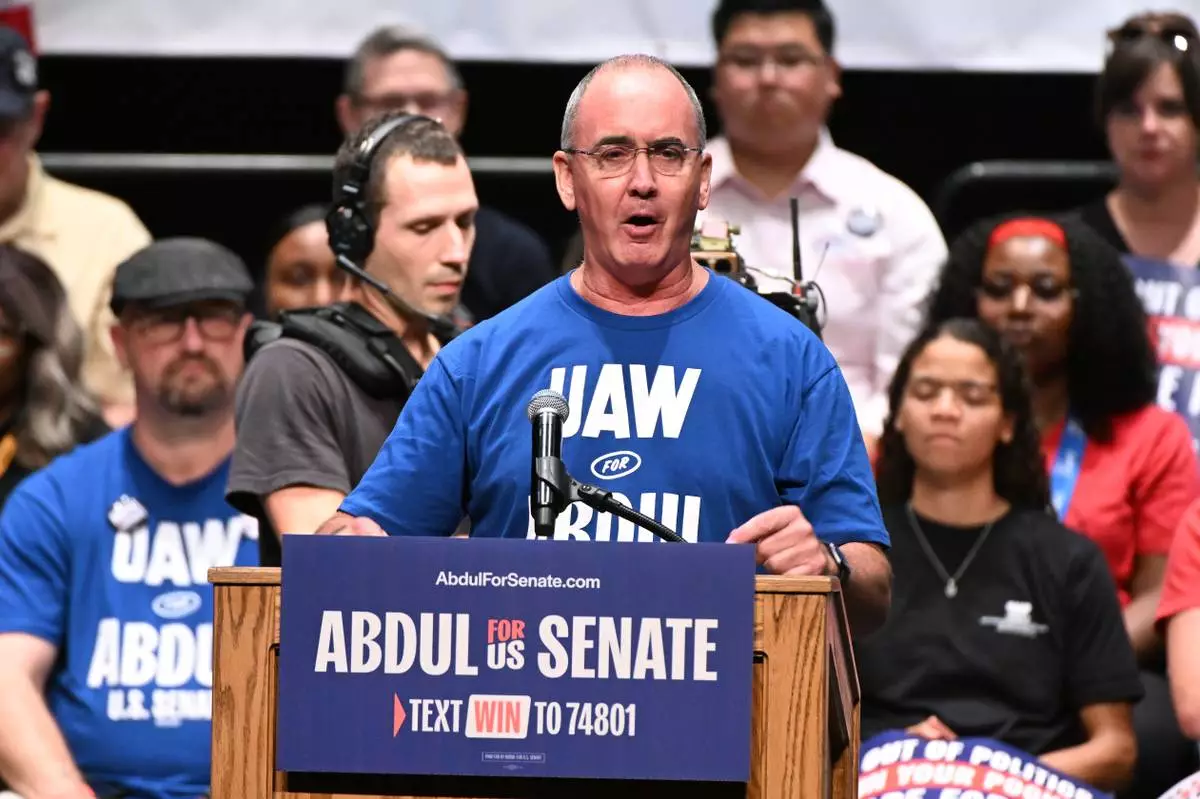
FILE - United Auto Workers President Shawn Fain addresses the crowd during a campaign rally for Michigan U.S. Senate candidate Abdul El-Sayed, July 18, 2026, in Detroit. (AP Photo/Jose Juarez, File)
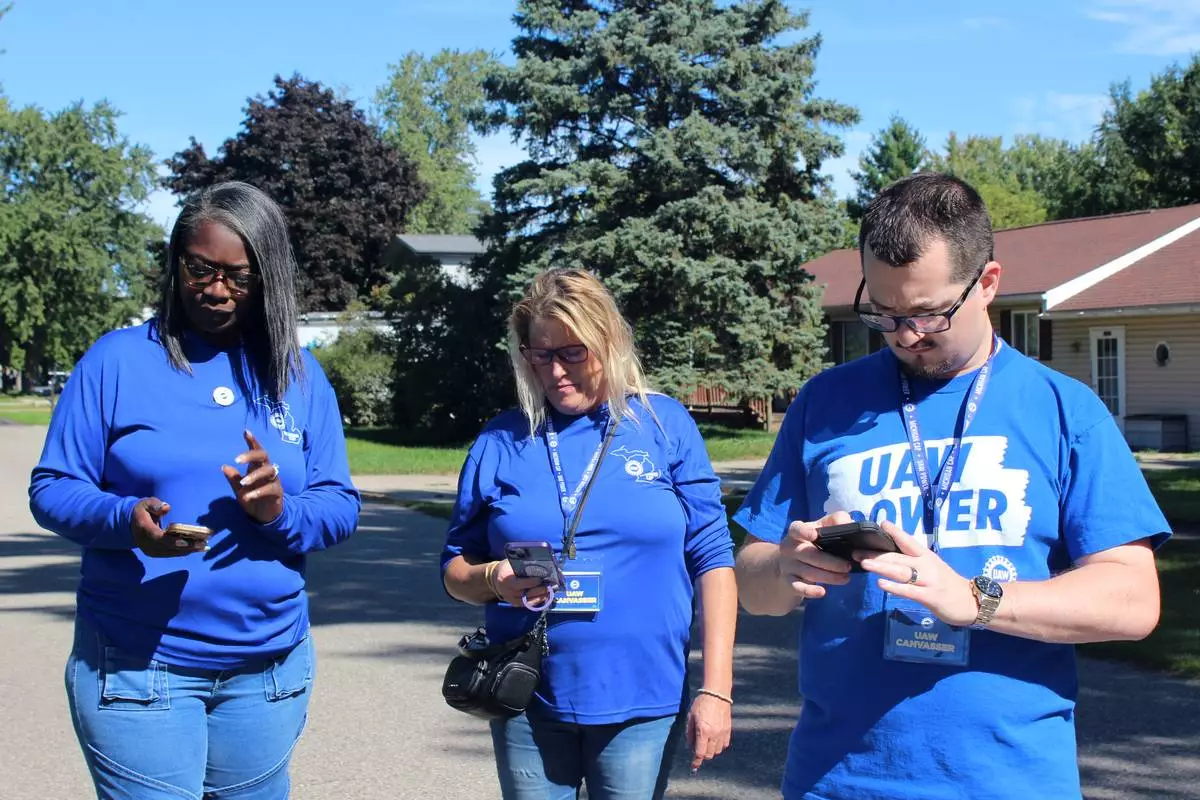
JJ Jewell, from right, Kim Avouris and LaShawn Barnett canvass for the United Auto Workers union in Shelby Township, Mich., Saturday, Sept. 26, 2026. (AP Photo/Jacqueline GaNun)
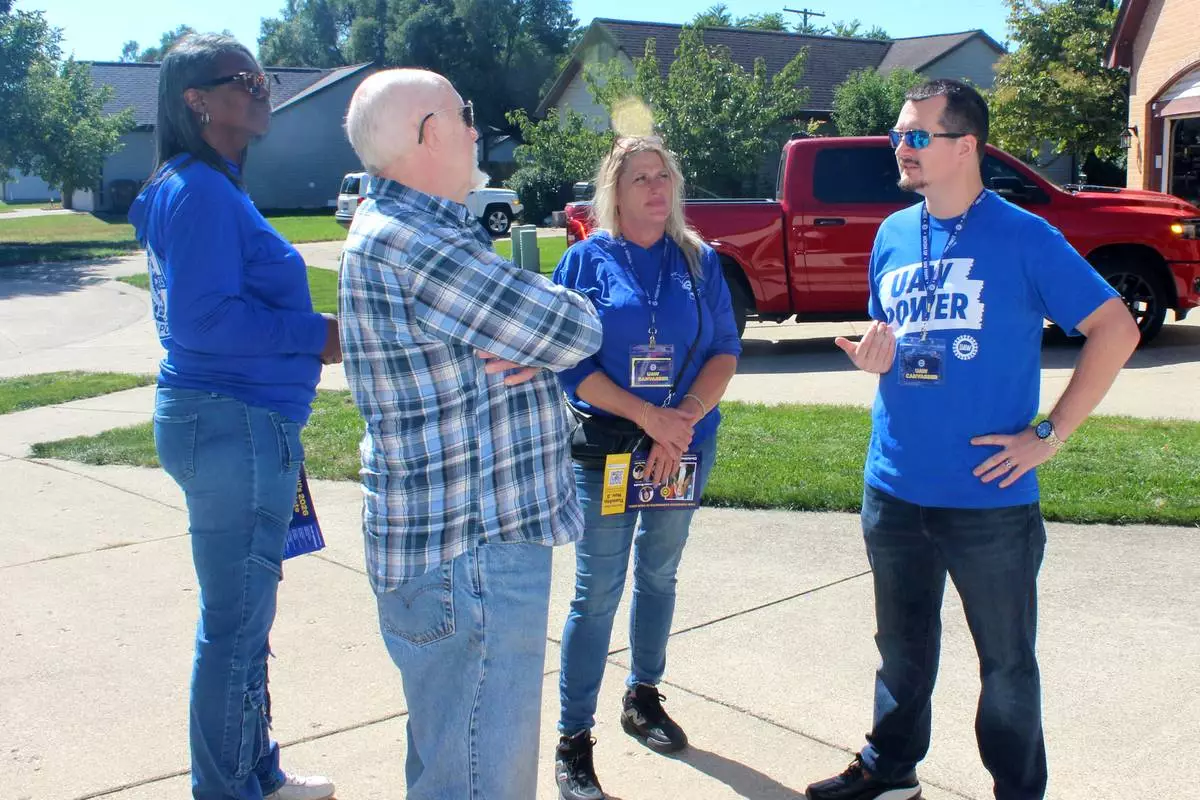
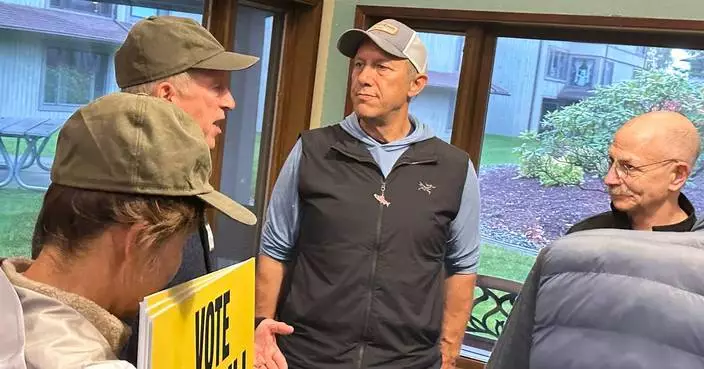
Walter Usakowski, second left, a retired worker from the Ford Motor Co.'s Sterling Axe Plant who plans to vote for the union's slate of Democratic candidates in the midterms, talks with United Auto Workers union canvassers LaShawn Barnett, from left, Kim Avouris and JJ Jewell in Shelby Township, Mich., Saturday, Sept. 26, 2026. (AP Photo/Jacqueline GaNun)
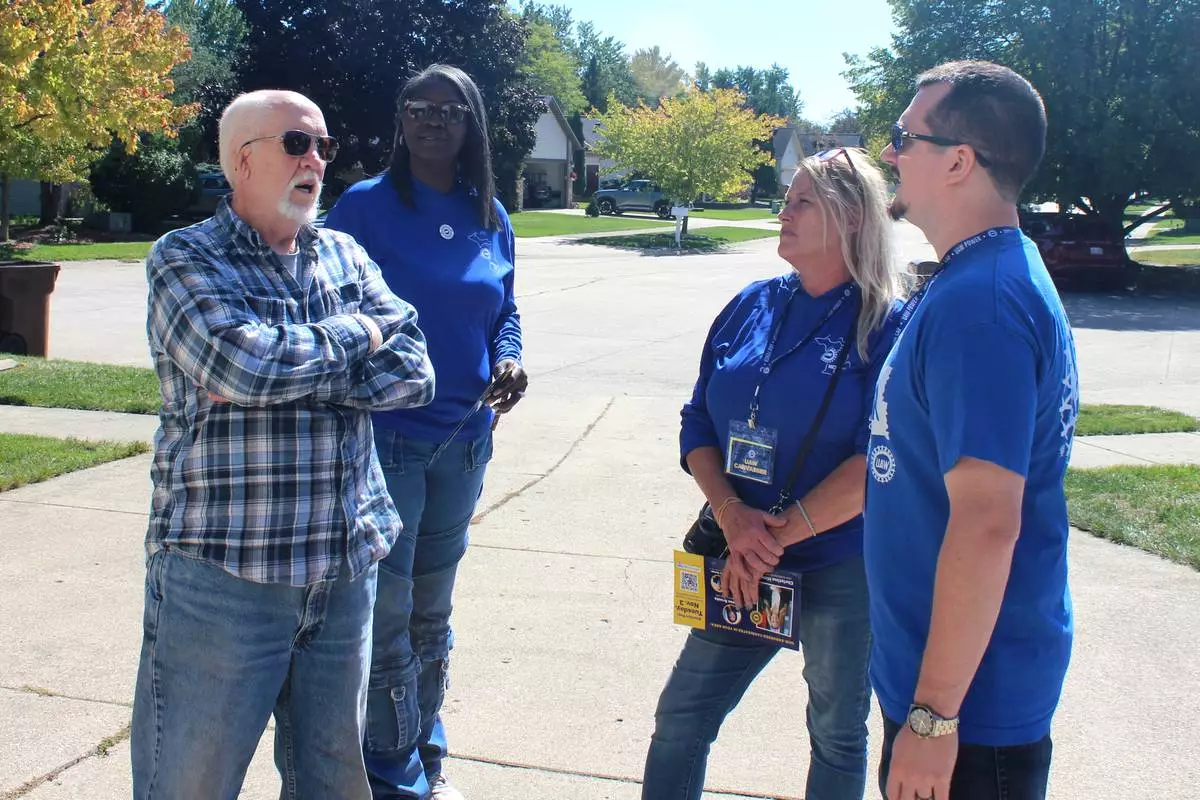
Walter Usakowski, from left, a retired worker from the Ford Motor Co.'s Sterling Axe Plant who plans to vote for the union's slate of Democratic candidates in the midterms, talks with United Auto Workers union canvassers LaShawn Barnett, Kim Avouris and JJ Jewell in Shelby Township, Mich., Saturday, Sept. 26, 2026. (AP Photo/Jacqueline GaNun)