For Lucy Lau, this was a typical working day like any other day in South Sudan, she was helping local people to receive the medical treatment they needed at Lankien hospital. Suddenly, boom! A bombing struck without any warning.
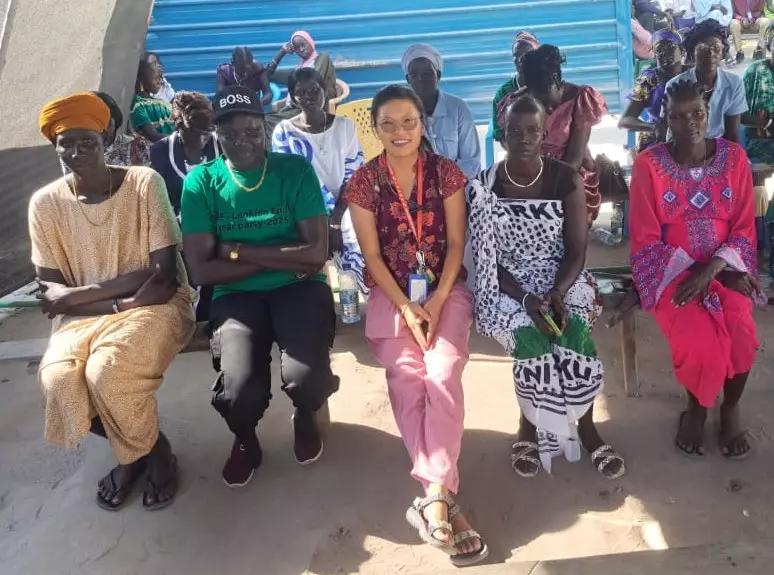
In 2025, Lucy worked as a project coordinator in South Sudan for 4-months, she took a pitcure with the locally hired staff. Provided by MSF
Lucy gathered all the staff into the safe room immediately, tried to reach the local military contacts to figure out what was happening, and whether another attack might follow. However, there was no response. That night, Lucy and her colleague decided to withdraw the international and regional staff, and the local staff would stay to maintain the essential life-saving services for about three weeks - until another bombing occured.
Click to Gallery
In 2025, Lucy worked as a project coordinator in South Sudan for 4-months, she took a pitcure with the locally hired staff. Provided by MSF
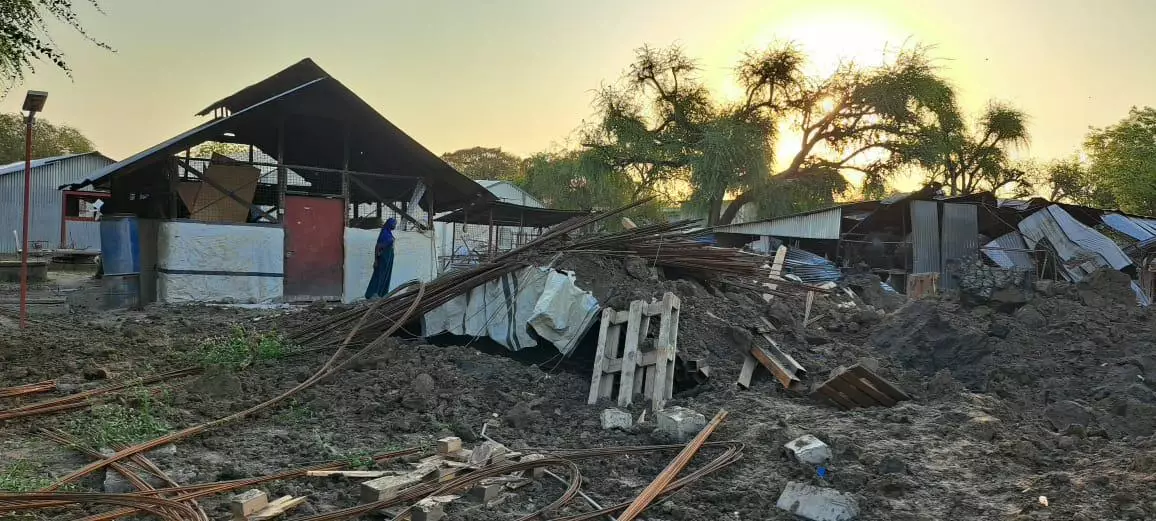
The destroyed remnants of the main warehouse at MSF's hospital in Lankien, Jonglei state. The hospital was hit in an airstrike by the government of South Sudan forces during the night of 3 February 2026. Provided by MSF
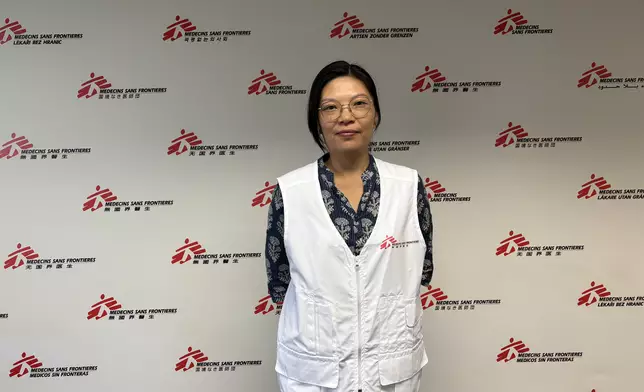
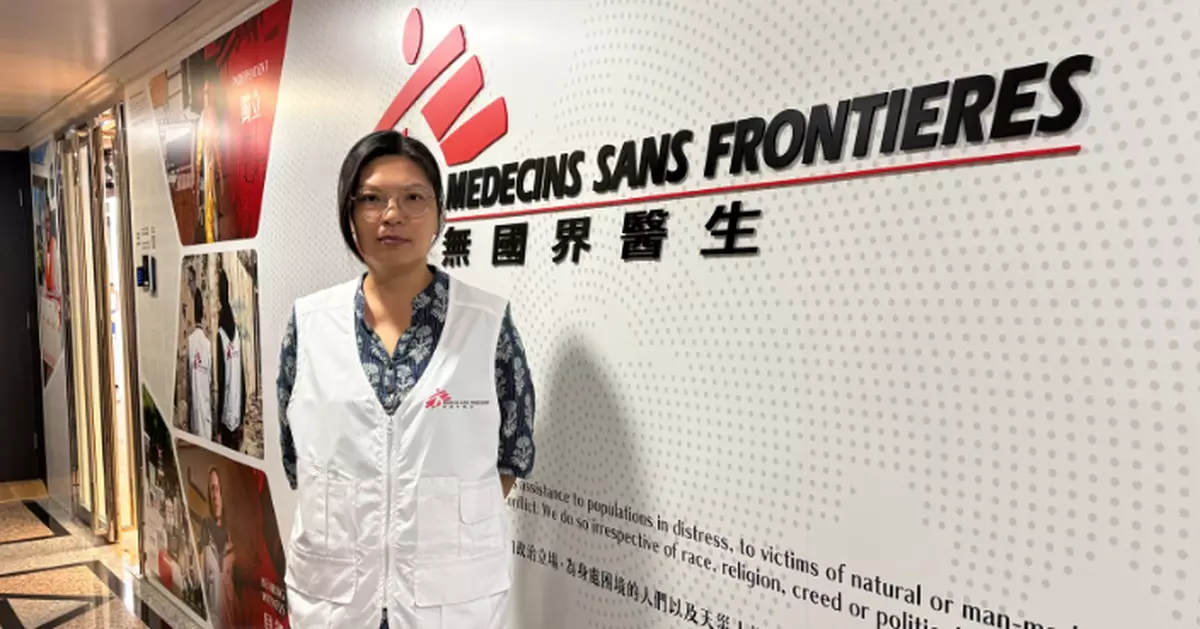
Lucy Lau, the Project Coordinator of MSF to South Sudan. Photo by Bastillepost
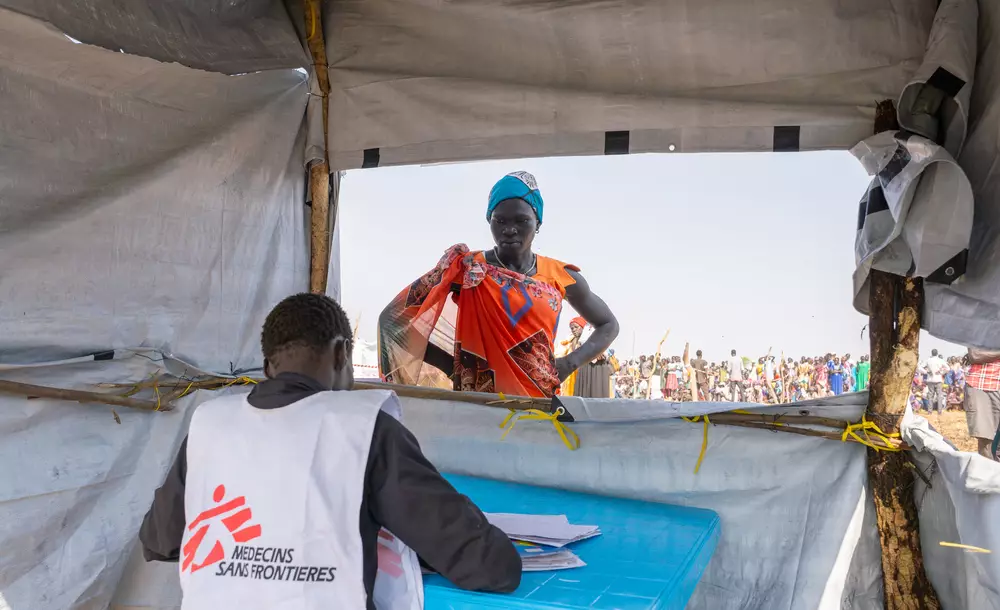
In Chuil, Jonglei state, South Sudan, MSF teams have provided essential relief items to more than 1,500 families affected by recent violence and displacement. Provided by MSF
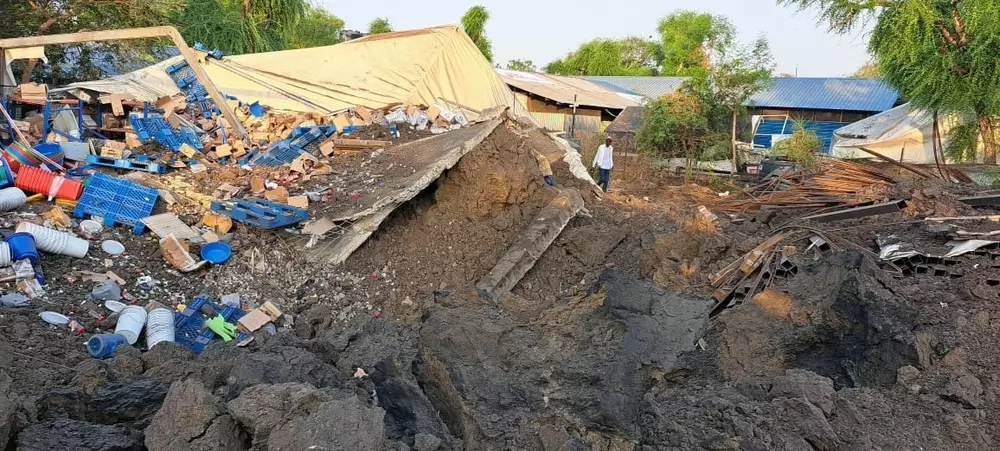
Médecins Sans Frontières’ (MSF’s) hospital in Lankien, Jonglei state, South Sudan, was hit in an airstrike by the government of South Sudan forces during the night of Tuesday, 3 February 2026. One MSF staff member suffered minor injuries. The hospital’s main warehouse was destroyed during the attack, and MSF lost most of critical supplies for providing medical care. Provided by MSF
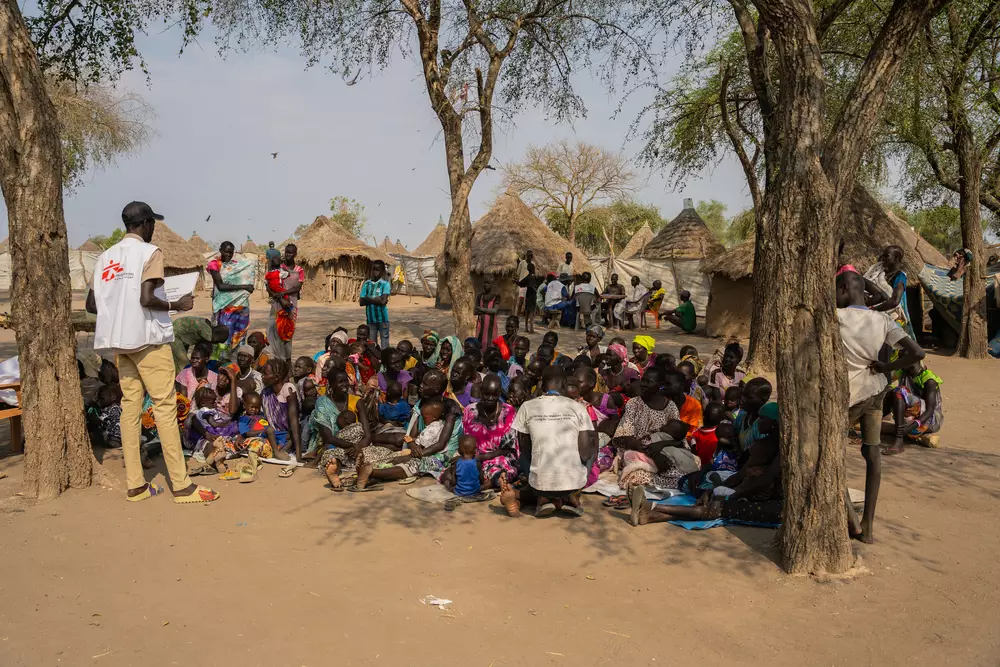
An MSF health educator speak with patients at a mobile clinic in Yakuach, Jonglei State, South Sudan, where teams provide health promotion, medical consultations, and nutrition support to communities displaced by recent violence. Provided by MSF
The destroyed remnants of the main warehouse at MSF's hospital in Lankien, Jonglei state. The hospital was hit in an airstrike by the government of South Sudan forces during the night of 3 February 2026. Provided by MSF
The next time Lucy returned to the hospital, all she could see was the remains of medical equipment and walls. This remains her most indelible moment as Médecins Sans Frontières (MSF) Project Coordinator to South Sudan from October last year to February this year. “This project has the toughest environment, ” Lucy tells Bastillepost. “We try to give South Sudanese medical treatment to help them, but the situation is not improving. We hope more people will pay more attention to it.”
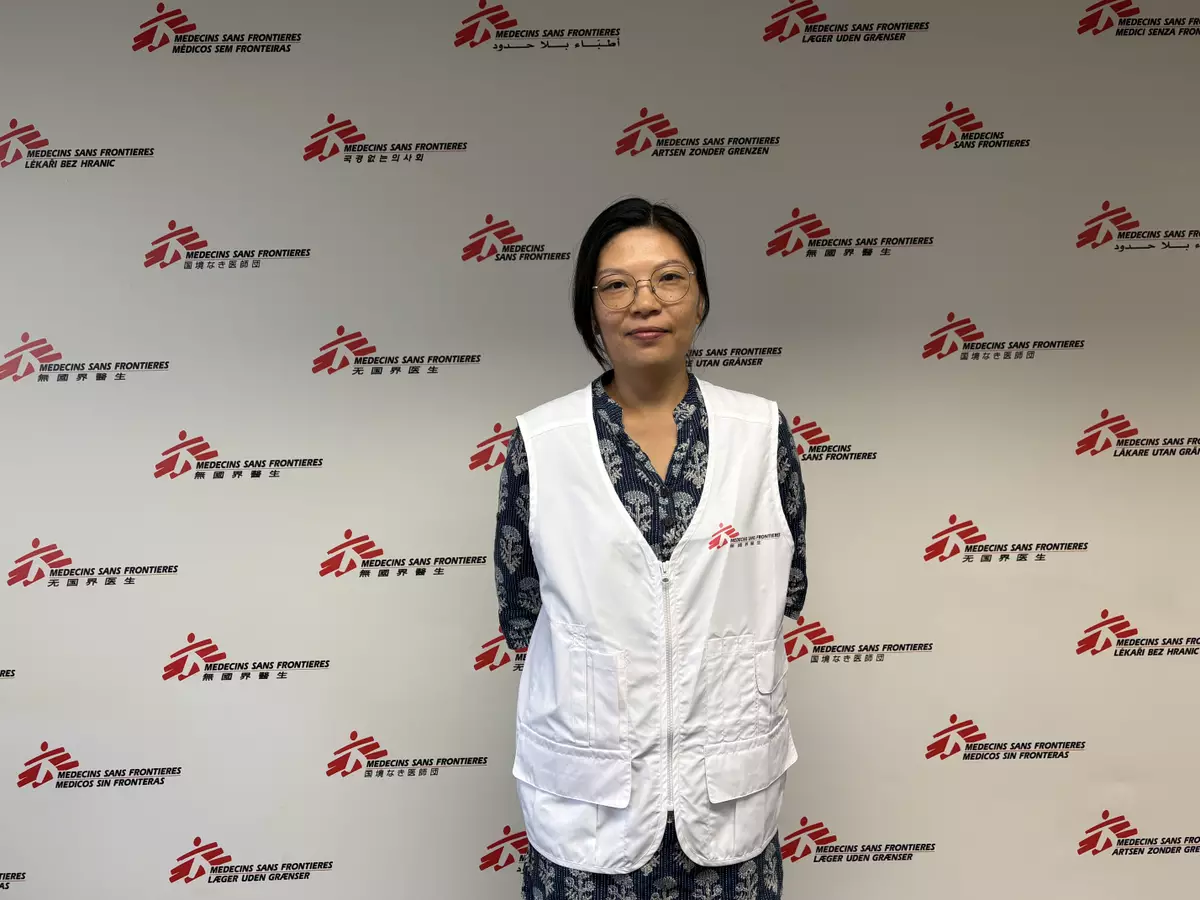
Lucy Lau, the Project Coordinator of MSF to South Sudan. Photo by Bastillepost
As an international medical humanitarian rescue organization, MSF adheres to the principles of independence, neutrality, and impartiality. Since 1983, MSF has been working on aiding projects in South Sudan, including general medical care, mental health, and specialist hospital care covering eight states and two administrative districts.
According to a 2025 United Nations report, a new wave of violent clashes has erupted in several parts of South Sudan, with ongoing hostilities resulting in casualties and disruptions to basic services. The country remains one of Africa's largest displacement crises, with more than 2.3 million people living as refugees in countries such as the Democratic Republic of Congo, Ethiopia, Kenya, Uganda, and Sudan.
Lucy Lau joined MSF in 2011 as a logistics officer. She has served as a project coordinator since 2019 and has been deployed to Liberia, Afghanistan, Pakistan, and 8 other countries. In South Sudan, Lucy and her colleagues need to make the most of the non-rainy season, which lasts two or three months, to transport heavy supplies by truck to their warehouse, while also planning up to a year in advance to transport some lighter supplies to the stronghold. Her team also tries to work with the local government and other NGOs to maximize support for affected communities.
To improve efficiency, MSF has established four supply centers in Europe and East Africa, along with multiple warehouses storing relief supplies in Central America and East Asia. In mainland China and Dubai, UAE, MSF stores thousands of tents, emergency medical kits, and other long-term storage supplies to respond quickly to disasters. Pre-packaged emergency relief items can be airlifted to the front lines at any time.
In Chuil, Jonglei state, South Sudan, MSF teams have provided essential relief items to more than 1,500 families affected by recent violence and displacement. Provided by MSF
“This operation should have lasted longer, but it only ran for four months,” Lucy says, “MSF has been in South Sudan for over 40 years, but 2025 was the worst situation we have seen.” Lucy does not believe the warehouse attack was accidental, as the building was critical for the MSF hospital. Before the bombing, Lucy’s team maintained communication with all parties involved in the conflict, shared MSF’s operational details, and requested that civilians and the medical services not be targeted.
In 2025, MSF (Hong Kong) deployed 134 medical and non-medical staff to 32 countries or regions, including 17 staff from Hong Kong. MSF would independently assess local medical needs adhering to its principles of independence from political, economic, and religious influence.
Ashley To, Communications Director of MSF (Hong Kong), explaned that the organization provides comprehensive training to the frontline staff. Before departure, rescue workers receive a safety briefing locally, and upon arrival, they are given detailed safety guidelines. MSF also prioritizes staff mental health, with a dedicated team of mental health specialists available to provide support through multiple channels at any time.
For Lucy, the most difficult part of working in South Sudan is balancing personal safety with delivering service in dangerous conditions. During the Lankien hospital attack, some wounded people came for help, and some staff left the safe room to provide treatment despite the risks. Patients were discharged just hours before the warehouse was destroyed. Ultimately, Lankien Hospital was evacuated since it remained a target for attacks.
Médecins Sans Frontières’ (MSF’s) hospital in Lankien, Jonglei state, South Sudan, was hit in an airstrike by the government of South Sudan forces during the night of Tuesday, 3 February 2026. One MSF staff member suffered minor injuries. The hospital’s main warehouse was destroyed during the attack, and MSF lost most of critical supplies for providing medical care. Provided by MSF
“Humanitarian aid space is shrinking, and the risks we face are increasing,” Lucy said. “Our neutral role is important to communities and civilians, and many people express their appreciation for our work.”
An MSF health educator speak with patients at a mobile clinic in Yakuach, Jonglei State, South Sudan, where teams provide health promotion, medical consultations, and nutrition support to communities displaced by recent violence. Provided by MSF
Despite the challenging situation, Lucy remains committed to delivering quality service and co-designing programs with local people. “MSF and other NGOs cannot meet everyone's needs ,” Lucy says, “but we believe we can at least make a difference in the lives of a few individuals, and we can work together to achieve that.”