President Donald Trump has lifted a federal ban on mining near Minnesota's Boundary Waters Canoe Area Wilderness, clearing the way for a South American company eyeing the region's precious metals to begin applying for permits.
Environmentalists fear the move will create a precedent for wiping out other protections for public lands across the country. Twin Metals Minnesota LLC, a subsidiary of Chile-based Antofagasta Minerals, has been looking to dig for copper, nickel and other precious metals in the Superior National Forest since 2019.
The canoe area lies in the national forest just downstream from the mine site, raising concerns that digging could create pollution that would contaminate one of the nation's last remaining wild areas.
Former President Joe Biden's administration in 2023 imposed a 20-year moratorium on mining in the national forest, putting Twin Metals plans on hold. But Trump has called for boosting domestic energy and mineral production, and congressional Republicans sent him a resolution to lift the moratorium earlier this month, promising the move would create jobs and reenergize the mining industry in Minnesota's Iron Range. The president signed the resolution on Monday.
“Today is a dark day for America's most beloved Wilderness area, the Boundary Waters Canoe Area Wilderness, and a stark warning call for public lands nationwide,” Ingrid Lyons, executive director the group Save the Boundary Waters, said in a statement. “Minnesotans and the American public writ large have been loud and clear -- this iconic place needs to be protected. Today, by the very people who claim to represent them, they were ignored, and even worse, silenced. But of course, it's not over, and we will always keep fighting.”
Twin Metals spokesperson Kathy Graul said in a statement to The Associated Press that lifting the moratorium creates an opportunity to strengthen mineral supply chains but stressed that the company still must go through a rigorous permitting process that could last years.
Indeed, the mine site stands on a patchwork of state, federal and private land, creating a regulatory labyrinth.
The first hurdle for the company is reestablishing a right to mine after officials in Biden's Department of the Interior terminated its federal site leases in early 2022. Twin Metals filed a federal lawsuit seeking a declaration that the leases are still valid but a judge threw the case out in 2023. The company is appealing that decision.
Twin Metals also would have to win a mining permit from the Minnesota Department of Natural Resources by showing that the company can prevent water pollution, safely store waste rock and restore the land after the mine is played out. The company also will need state water and air permits. U.S. Sen. Amy Klobuchar, a Minnesota Democrat who voted against lifting the moratorium, could be a serious roadblock for the company if she wins her bid for the governor's office in November.
Environmental groups and tribes could conceivably challenge every permit in court, potentially blocking Twin Metals' plans for years. Friends of the Boundary Waters, for example, has said litigation remains “under active consideration.”
And Canadian officials could raise concerns about whether the mine could create cross-border pollution that violates treaties with the U.S. The Boundary Waters separates northeastern Minnesota from northwestern Ontario, hence the name.
The area remains largely untouched by humans. Logging is prohibited, planes must obey minimum altitude limits when flying over it, and motorized boats are limited to certain areas. The U.S. Forest Service issued about 776,000 visitor permits between 2020 and 2024.
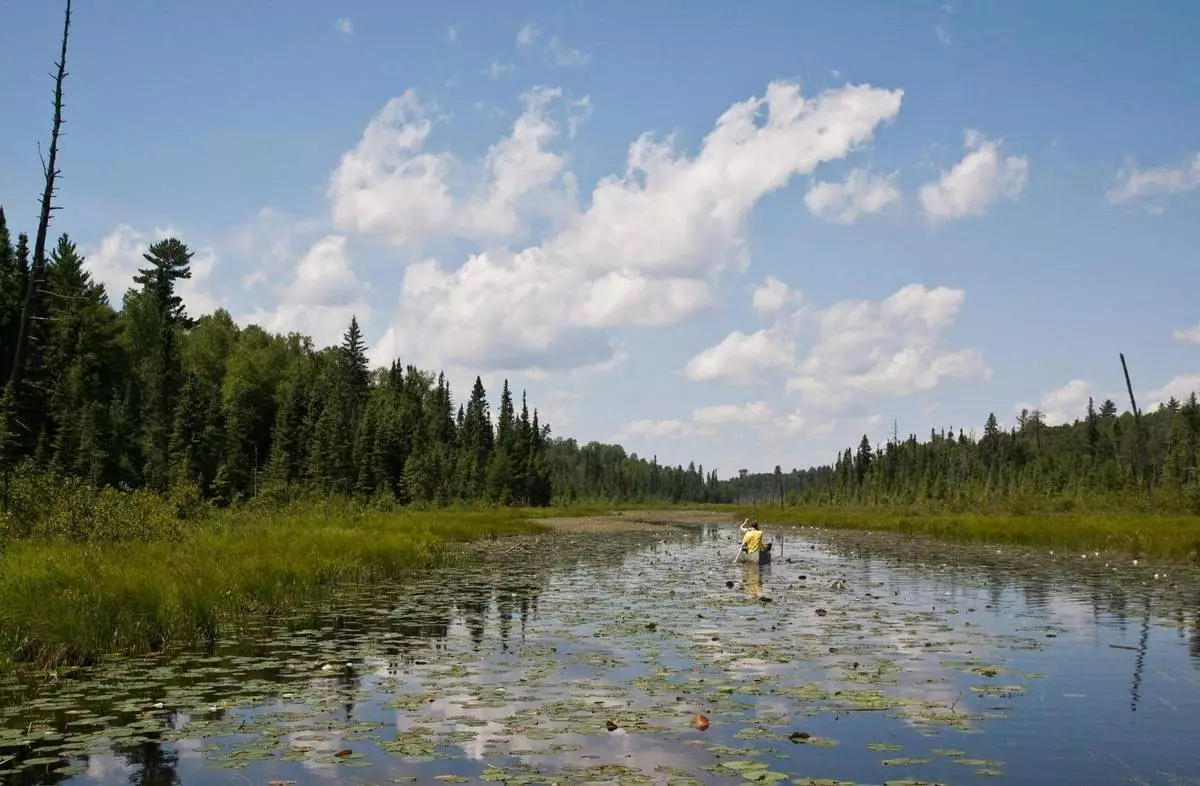
FILE- In this undated photo provided by Minnesota Public Radio on Sept. 2, 2016, canoeists navigate the Pocket River in the Boundary Waters Canoe Area Wilderness near Ely, Minn. (Nathaniel Minor/Minnesota Public Radio via AP, File)/Minnesota Public Radio via AP)
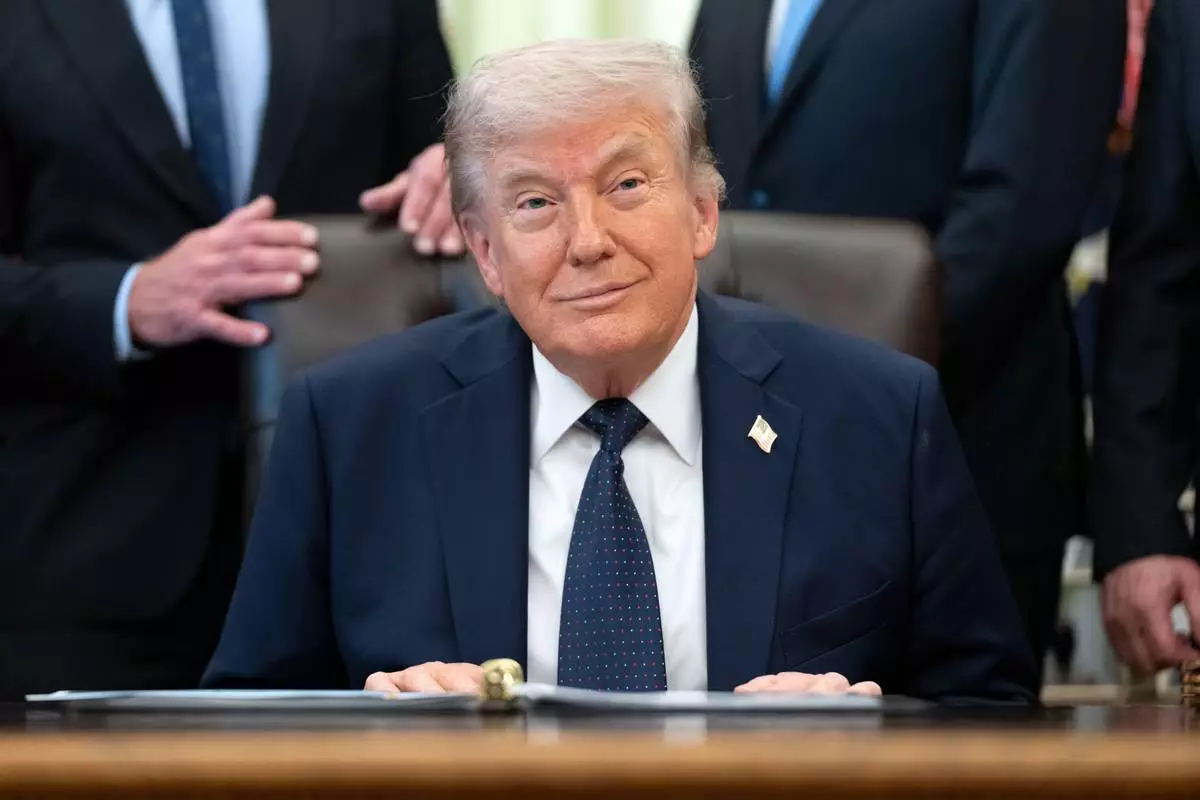
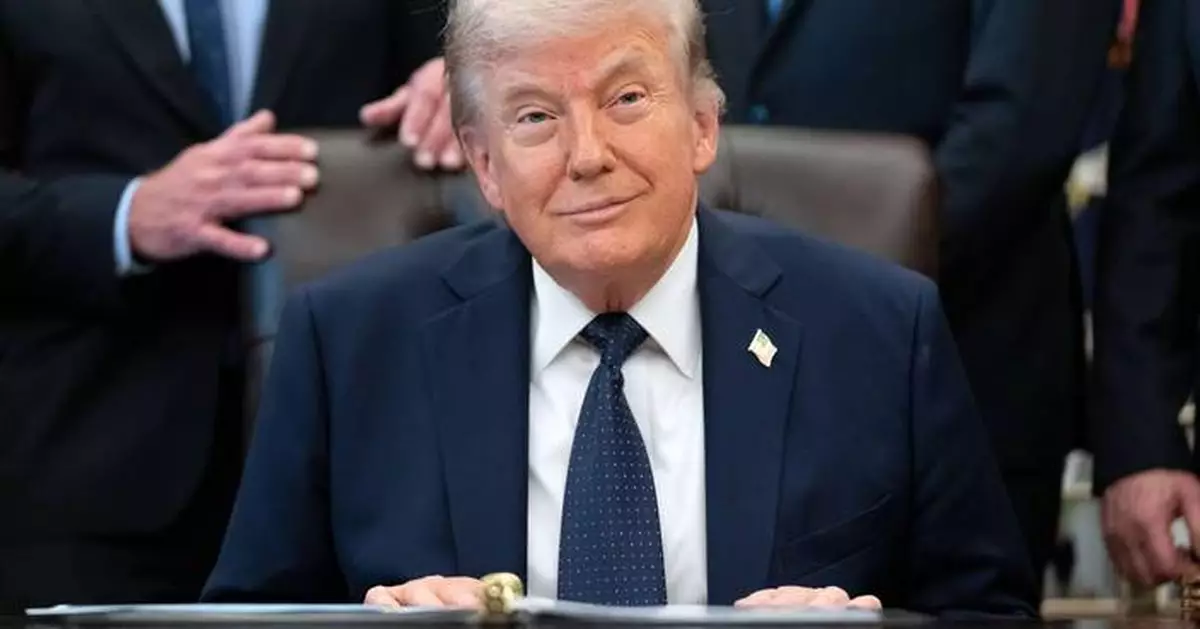
President Donald Trump listens during an event on health care affordability in the Oval Office at the White House, Thursday, April 23, 2026, in Washington. (AP Photo/Mark Schiefelbein)
MINNEAPOLIS (AP) — Federal agents executed multiple searches in Minnesota on Tuesday, seizing records and other evidence in an ongoing fraud investigation by the Trump administration of publicly funded social programs for children, authorities said.
Few details were released, though armed agents were seen at childcare centers in the Minneapolis area. KSTP-TV said one crew even had a battering ram.
Democratic Gov. Tim Walz, who has been on the defensive amid Trump administration claims that he hasn't done enough to root out fraud, welcomed the raids. The state child welfare agency said it shared key information with law enforcement.
“We catch criminals when state and federal agencies share information. Joint investigations work, and securing justice depends on it,” Walz said.
The searches were being conducted at daycares, businesses and some residences, according to a person familiar with the matter who spoke to The Associated Press on the condition of anonymity because they were not authorized to publicly discuss the investigation.
Tensions between Minnesota officials and the federal government were high during an extraordinary immigration crackdown that led to the deaths of two people before Operation Metro Surge was eased in February.
Before that crackdown, the government had brought fraud charges against dozens of people, many of them Somali Americans, who were accused of fleecing a federal program that was meant to provide food to children. The investigation began during the Biden administration. More than 60 people have been convicted.
Various state and federal agencies, including the Department of Homeland Security, participated in searches Tuesday.
“The American people deserve to know how their taxpayer money was abused. ... No stone will be left unturned,” DHS said.
Jason Steck, an attorney who represents childcare centers, said the names of targeted businesses that were shared with him show they're operated by Somali immigrants. They were not his clients.
“A few childcare centers, a few autism centers, a few healthcare agencies of some type," Steck said, adding that it appeared to be a "particular sweep for fraud.”
The executive director of Child Care Aware of Minnesota, a nonprofit that serves childhood educators, said the publicity will be unflattering.
“The majority are in business to do good business. You’re going to come across individuals who try to capitalize on systems that are broken and need to be fixed," Candace Yates said.
Right-wing influencer Nick Shirley posted a video in December that caught the attention of the Trump administration. He alleged that members of Minnesota's Somali community were running fake child care centers so they could collect federal subsidies, fueling suspicions on top of the food aid scandal. The claims were disproven by inspectors.
President Donald Trump, meanwhile, has used dehumanizing rhetoric, calling Somali immigrants “garbage” and “low IQ.”
In February, Vice President JD Vance said the government would temporarily halt $243 million in Medicaid funding to Minnesota over fraud concerns. Minnesota sued in response, warning it may have to cut healthcare for low-income families, but a judge on April 6 declined to grant a restraining order.
Walz told Congress in March that he wanted to work with the federal government in fraud investigations, but that the immigration surge had made it more difficult.
“The people of Minnesota have been singled out and targeted for political retribution at an unparalleled scale,” he said at the time.
Durkin Richer contributed from Washington. AP reporters Steve Karnowski in Minneapolis and Corey Williams and Ed White in Detroit contributed to this story.
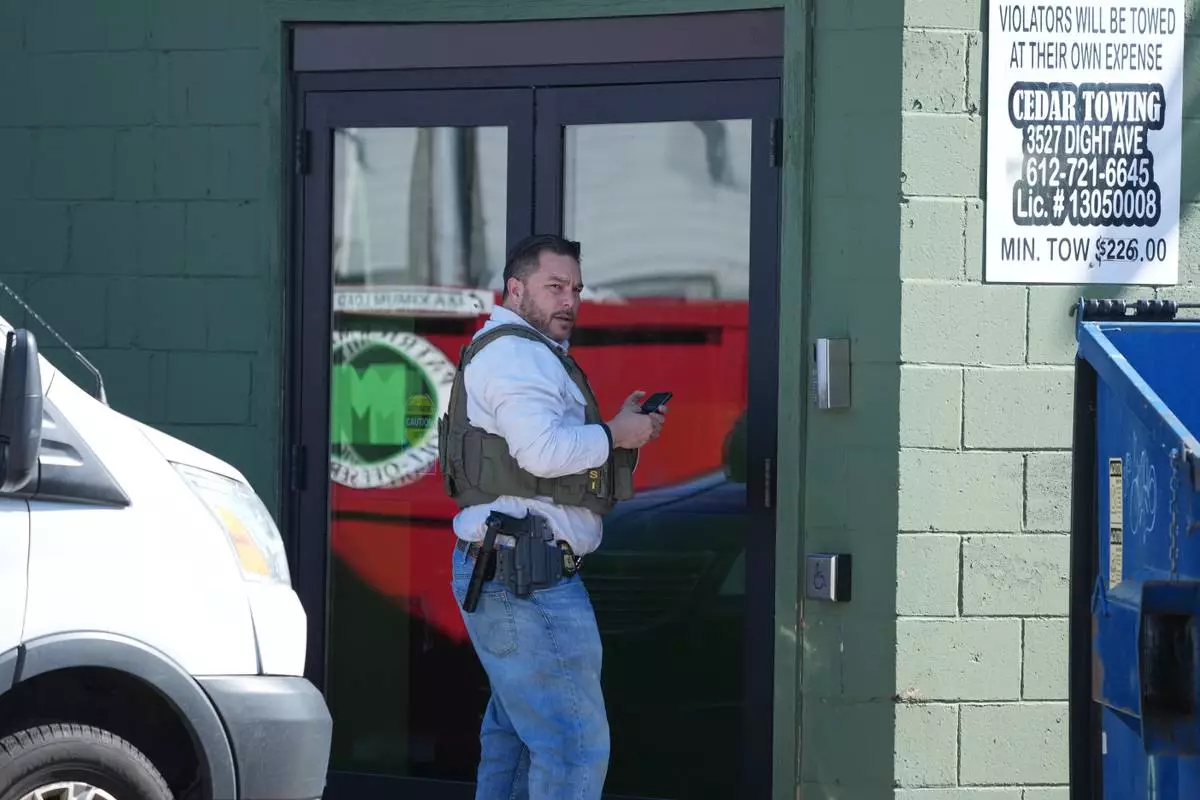
A federal officer stands outside the Mako Child Care Center in Minneapolis, Minn., Tuesday, April 28, 2026. (Anthony Soufflé/Minnesota Star Tribune via AP)
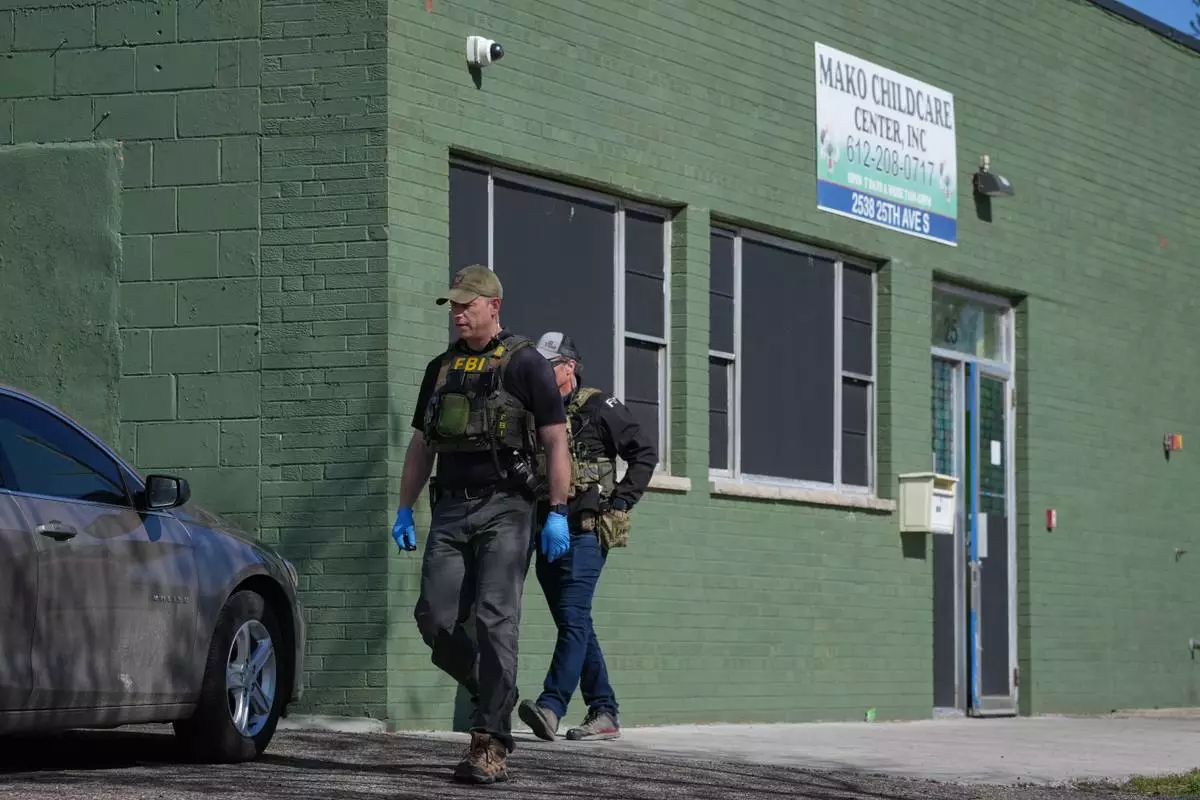
FBI agents walk outside the Mako Child Care Center in Minneapolis, Minn. on Tuesday, April 28, 2026. (Anthony Soufflé/Minnesota Star Tribune via AP)
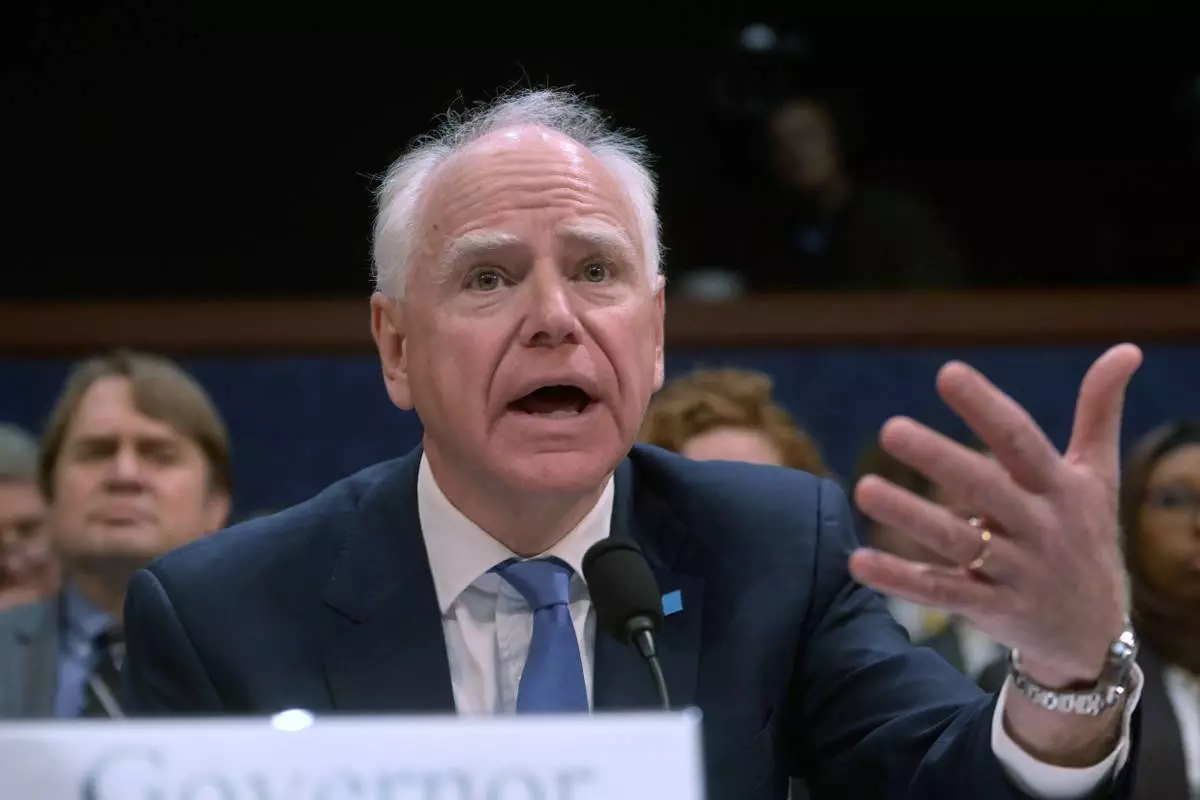
FILE - Minnesota Gov. Tim Walz speaks during a House Committee on Oversight and Government Reform hearing on oversight of fraud and misuse of Federal funds in Minnesota, March 4, 2026, on Capitol Hill in Washington. (AP Photo/Rod Lamkey, Jr., File)