KHARTOUM, Sudan (AP) — Khaled Abdulgader noticed children using an unusual object as a football and tried to stop them. He grabbed it, and it exploded in his hand. He lost two fingers, and shrapnel sliced into his chest.
In a hospital for a checkup after last year's blast, he tried to stay positive.
Click to Gallery
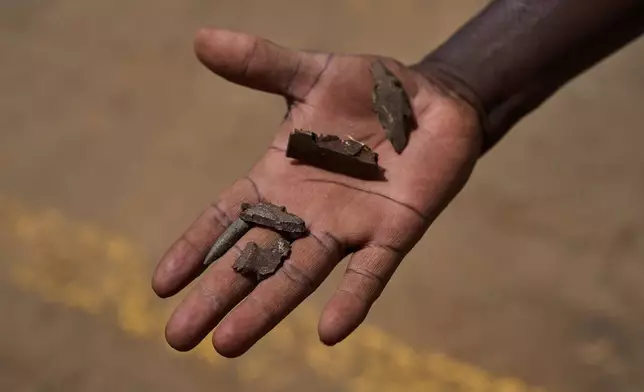
A member of Jasmar's demining team displays pieces of shrapnel found in a mine-affected area in Khartoum, Sudan, Tuesday, April 21, 2026. (AP Photo/Bernat Armangue)
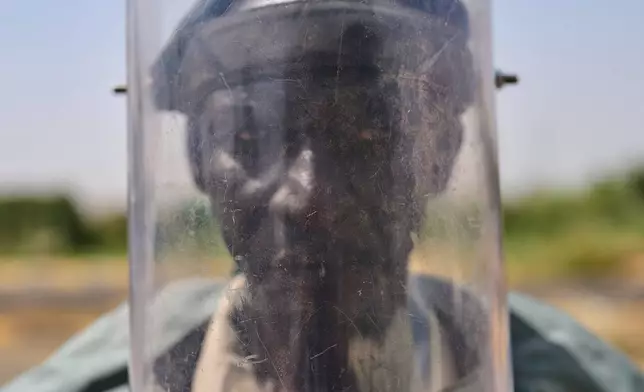
A member of Jasmar's demining team wears personal protective equipment, or PPE, at a demining site in Khartoum, Sudan, Tuesday, April 21, 2026. (AP Photo/Bernat Armangue)
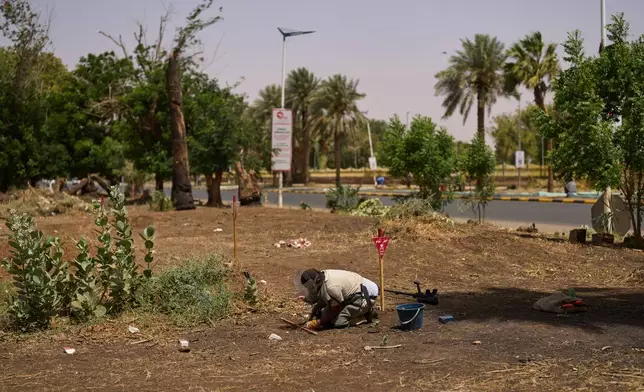
A member of Jasmar's demining team works in a mine-affected area in Khartoum, Sudan, Tuesday, April 21, 2026. (AP Photo/Bernat Armangue)
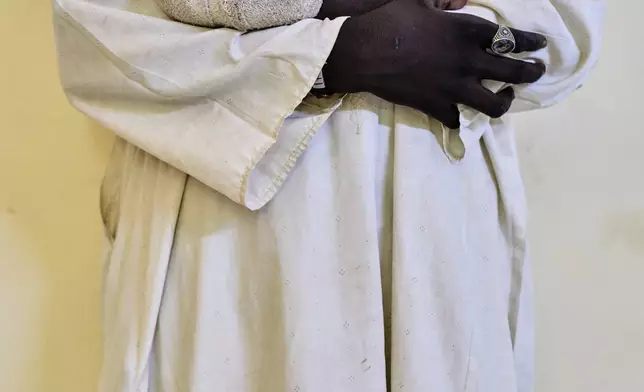
Mogadem Ibrahim, 18, who was injured in an explosion caused by unexploded ordnance, waits for treatment at Al Nao Hospital in Omdurman, on the outskirts of Khartoum, Saturday, April 18, 2026. (AP Photo/Bernat Armangue)
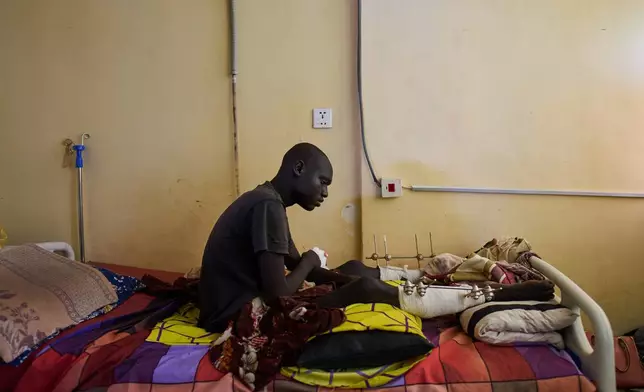
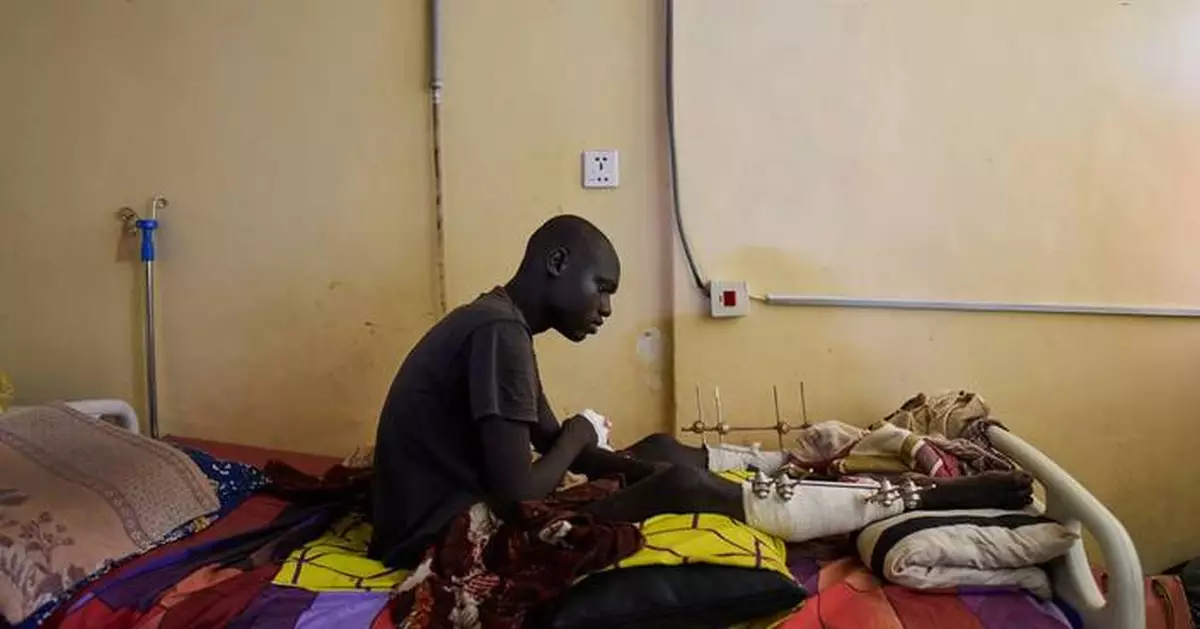
Emadeldein Babiker, 17, who was injured in an explosion caused by unexploded ordnance, sits on a bed at Al Nao Hospital in Omdurman, on the outskirts of Khartoum, Saturday, April 18, 2026. (AP Photo/Bernat Armangue)
“I feel like, ‘Thank God it was just my hands,’” Abdulgader said.
He is among hundreds of people who have been injured or killed by unexploded ordnance in Sudan's three years of war. That includes mines as well as weapons such as bombs, shells, grenades or rockets that failed to detonate, tens of thousands of items in all.
The government and aid groups say it's a problem particularly in and around Khartoum, where residents, many unfamiliar with the threat, have started to return after the Sudanese military recaptured the capital last year.
Nearly 60 people were injured or killed in Khartoum state last year, over half of them children, and 23 were injured or killed in the first three months of this year, 21 of them children, according to the United Nations.
Decades of conflict in Sudan have left unexploded ordnance scattered across the country, with a combined area of about 7,700 football fields contaminated.
More than half of that is the result of the war that erupted in 2023 between Sudan's army and the Rapid Support Forces paramilitary group, with new areas such as Khartoum state affected.
Both the Sudanese army and the RSF have been accused of laying mines, according to aid groups, during the war as they fought for control of the capital.
“The presence of land mines and other explosive ordnance is of great concern to everybody," said Juma Abuanja, the team leader for Jasmar, a Sudanese demining group.
He said it will take years to clear. Demining is a slow, careful process with staff covering 10 to 15 square meters a day.
Khartoum city is still a ghost town, strewn with remnants of fighting. Charred, abandoned buildings are pocked with bullet holes.
Walking through the streets, AP journalists saw a soldier emerge from a house with a small metal object that appeared to be a tail of a rocket-propelled grenade after being summoned by a resident to assess the threat.
A member of the military media accompanied the AP during the visit, including during interviews. The AP retains full editorial control of its content.
Tens of thousands of people have returned to the city and 1.7 million have returned to Khartoum state, according to the U.N.
The U.N. says deminers over nearly the past year have cleared some 7.8 million square meters of land in Khartoum state. They found more than 36,000 items including hundreds of anti-tank and anti-personnel mines.
Those that are safe to move are destroyed away from population areas. Those that can't be moved are destroyed on the spot.
There is still much to clear as people try to rebuild their lives.
In Khartoum, Jasmar's demining team has spent eight months clearing a popular park from land mines, one of at least seven identified mine fields in Khartoum state. Some locations are on the outskirts. Others are downtown. Some are near important bridges.
Removing their heavy vests and face shields, team members rested last week under trees between shifts, shielded from the scorching sun.
The clearance of some 123,000 square meters in the park began in August and is expected to be completed in May. So far the group has found more than 160 devices, including anti-personnel and anti-tank mines.
Abuanja said at least one person was killed in the park before they started clearing it. The area is now cordoned off, surrounded by danger signs.
Sudan's government says it is doing what it can to reduce the threat but says it is strapped for cash and personnel.
A government official told the AP it is trying to raise awareness by speaking at mosques and in the markets and via radio and podcasts, and it is creating educational materials with schools. The official spoke on condition of anonymity because they were not authorized to speak to the media.
Yet several injured people told the AP they hadn’t seen or heard any warnings, which began in late 2024.
Some people said there could be fear of reporting unexploded ordnance to authorities because they could be questioned about why they have weapons. A report earlier this year by Human Rights Watch said security forces have detained civilians for allegedly collaborating with the RSF, especially in areas where the army has regained control.
Others don't recognize the threat until it's too late.
Mogadem Ibrahim once picked up a piece of metal thinking it was part of a car. But when it stuck to his hand and he tried to strike it away, it exploded.
The 18-year-old now keeps his bandaged left arm hidden beneath his clothes. The blast outside his home in Omdurman in August took his fingers, and he can no longer work as a laborer.
“I feel depressed and worthless. I was supporting my family and now I’m sitting here and doing nothing,” he said.
For more on Africa and development: https://apnews.com/hub/africa-pulse
The Associated Press receives financial support for global health and development coverage in Africa from the Gates Foundation. The AP is solely responsible for all content. Find AP’s standards for working with philanthropies, a list of supporters and funded coverage areas at AP.org.
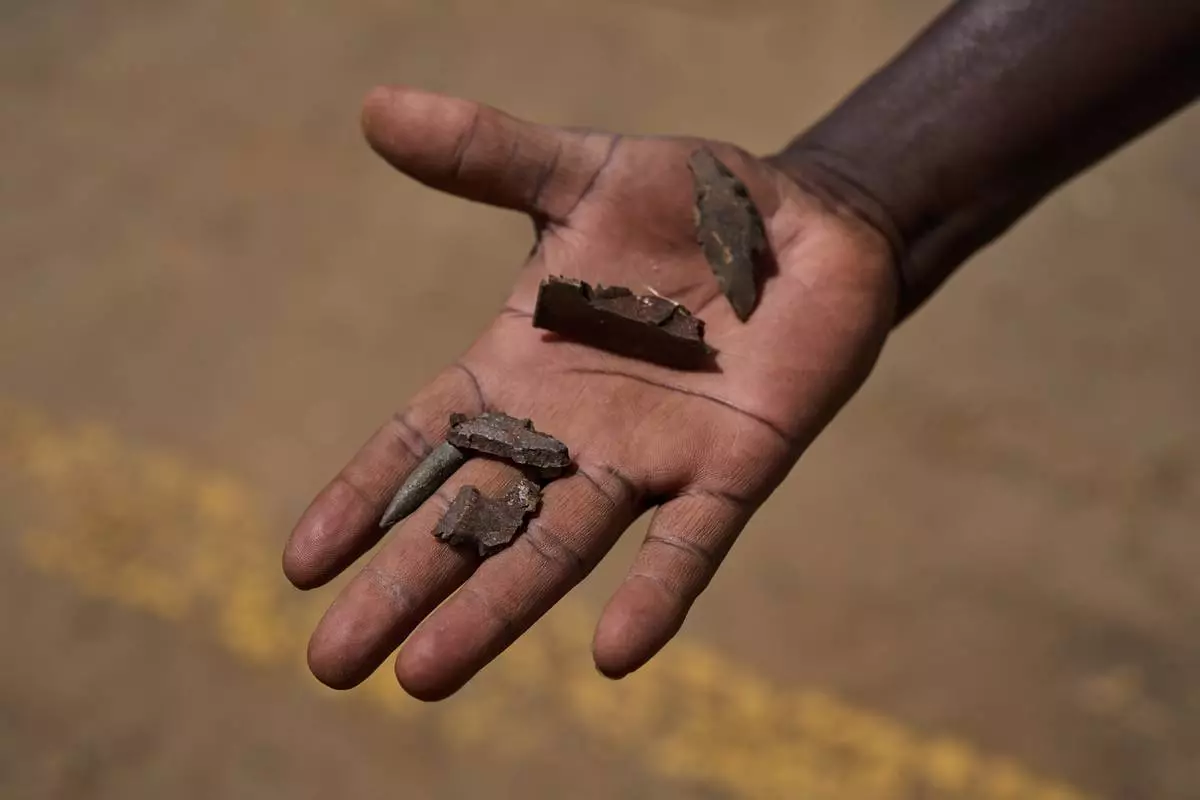
A member of Jasmar's demining team displays pieces of shrapnel found in a mine-affected area in Khartoum, Sudan, Tuesday, April 21, 2026. (AP Photo/Bernat Armangue)
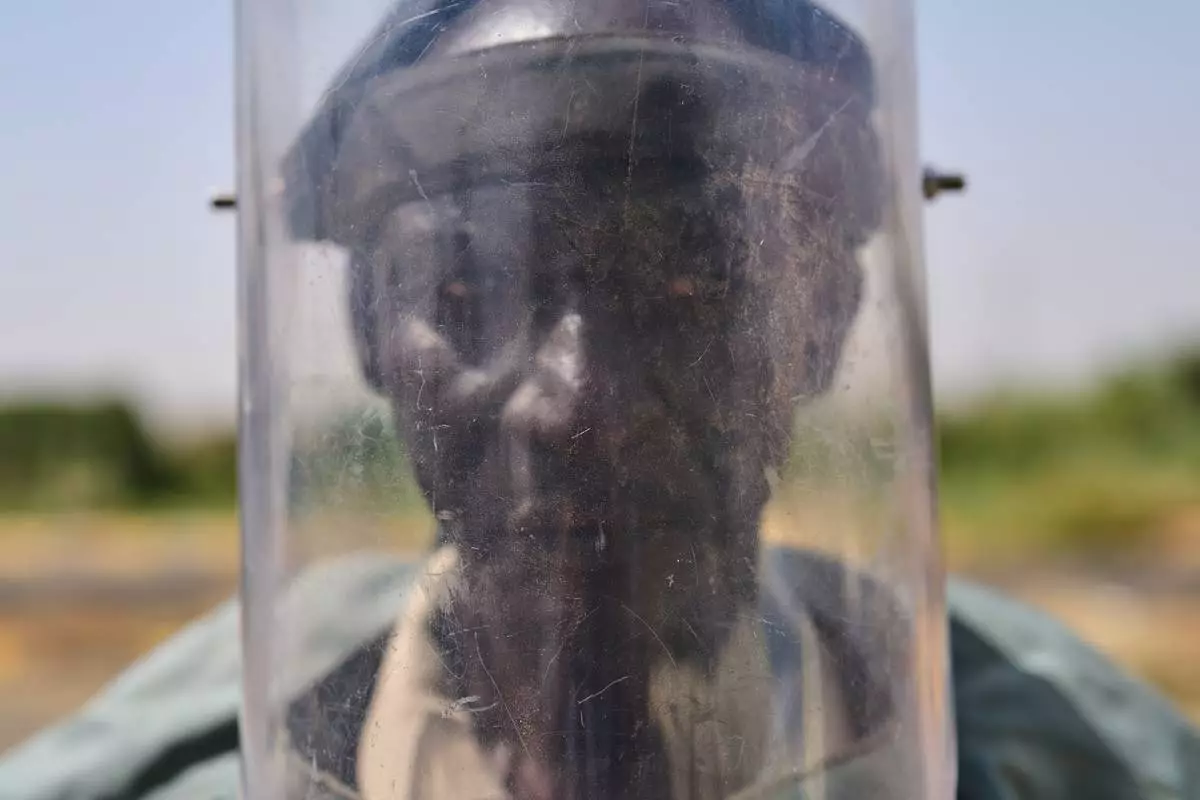
A member of Jasmar's demining team wears personal protective equipment, or PPE, at a demining site in Khartoum, Sudan, Tuesday, April 21, 2026. (AP Photo/Bernat Armangue)
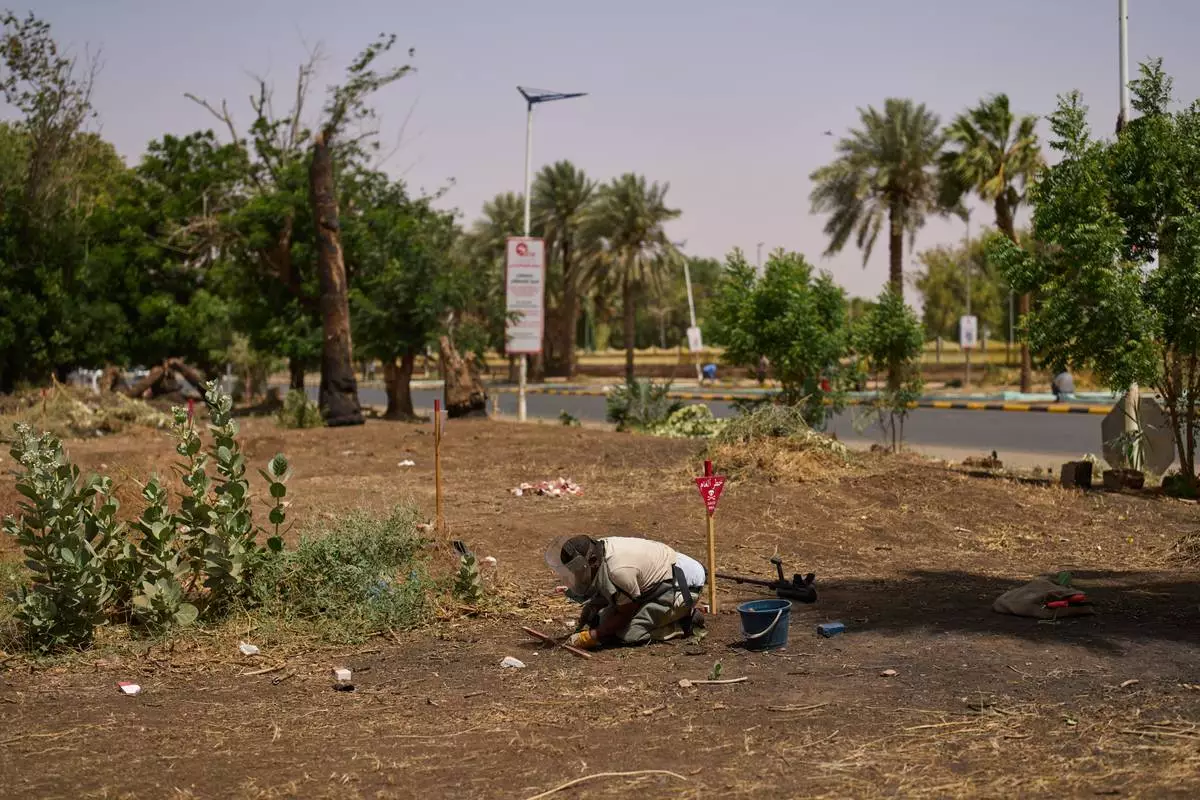
A member of Jasmar's demining team works in a mine-affected area in Khartoum, Sudan, Tuesday, April 21, 2026. (AP Photo/Bernat Armangue)
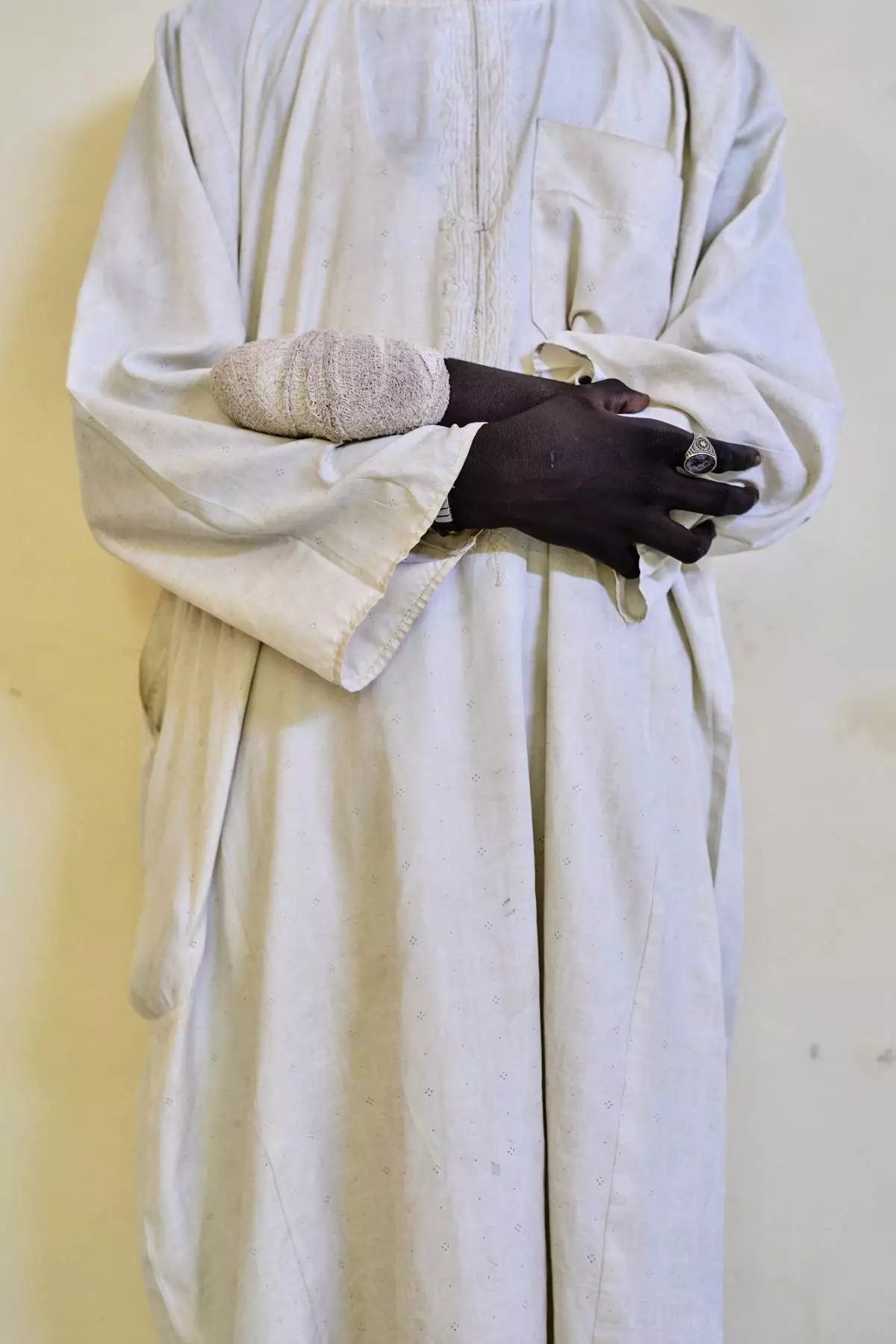
Mogadem Ibrahim, 18, who was injured in an explosion caused by unexploded ordnance, waits for treatment at Al Nao Hospital in Omdurman, on the outskirts of Khartoum, Saturday, April 18, 2026. (AP Photo/Bernat Armangue)
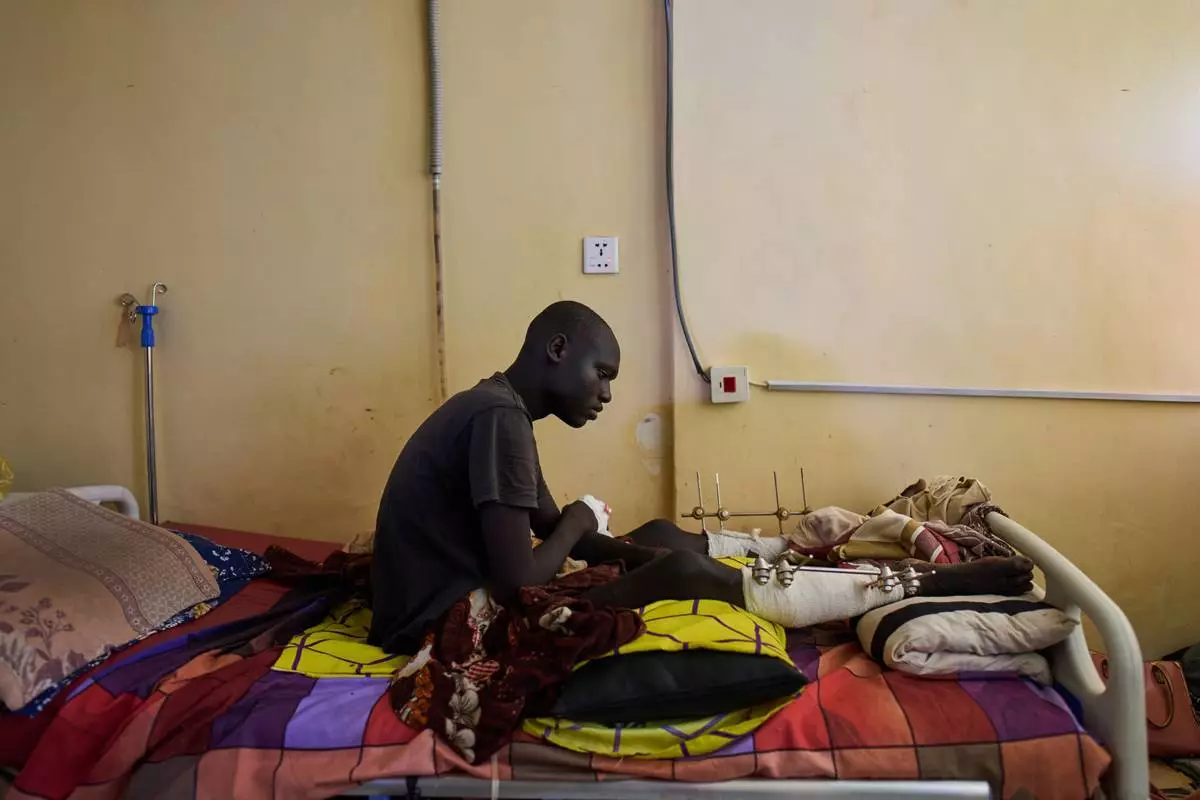
Emadeldein Babiker, 17, who was injured in an explosion caused by unexploded ordnance, sits on a bed at Al Nao Hospital in Omdurman, on the outskirts of Khartoum, Saturday, April 18, 2026. (AP Photo/Bernat Armangue)