CFS announces food safety report for March
The Centre for Food Safety (CFS) of the Food and Environmental Hygiene Department today (April 30) released the findings of its food safety report for last month. The results of about 5 300 food samples tested (including food items purchased online) were found to be satisfactory except for two unsatisfactory samples that were announced earlier. The overall satisfactory rate was 99.9 per cent.
A CFS spokesman said that about 1 400 food samples were collected for microbiological tests, and about 3 900 samples were taken for chemical and radiation level tests.
The microbiological tests covered pathogens and hygiene indicators; the chemical tests included testing for pesticides, preservatives, metallic contaminants, colouring matters, veterinary drug residues and others; and the radiation-level tests included testing for radioactive caesium and iodine in samples collected from imported food from different regions.
The samples comprised about 1 400 samples of vegetables and fruit and their products; about 500 samples of cereals, grains and their products; about 800 samples of meat and poultry and their products; about 900 samples of milk, milk products and frozen confections; about 700 samples of aquatic and related products; and about 1 000 samples of other food commodities (including beverages, bakery products and snacks).
The two unsatisfactory samples were a taro sample detected with a metallic contaminant exceeding the legal limit and a bottled apple juice drink sample detected with a patulin concentration exceeding the legal limit.
The CFS has taken follow-up actions on the above-mentioned unsatisfactory samples, including informing the vendors concerned of the test results, instructing them to stop selling the affected food items, and tracing the sources of the food items in question.
The spokesman reminded the food trade to ensure that food is fit for human consumption and meets legal requirements. Consumers should patronise reliable shops when buying food and maintain a balanced diet to minimise food risks.
Separately, in response to the Japanese Government's discharge of nuclear-contaminated water at the Fukushima Nuclear Power Station, the CFS will continue enhancing the testing on imported Japanese food, and make reference to the risk assessment results to adjust relevant surveillance work in a timely manner. The CFS will announce every working day on its dedicated webpage (www.cfs.gov.hk/english/programme/programme_rafs/daily_japan_nuclear_incidents.html) the radiological test results of the samples of food imported from Japan, with a view to enabling the trade and members of the public to have a better grasp of the latest safety information.
The Centre for Food Safety (CFS), Photo source: reference image
Hong Kong Customs detects drug trafficking case involving incoming passenger at airport
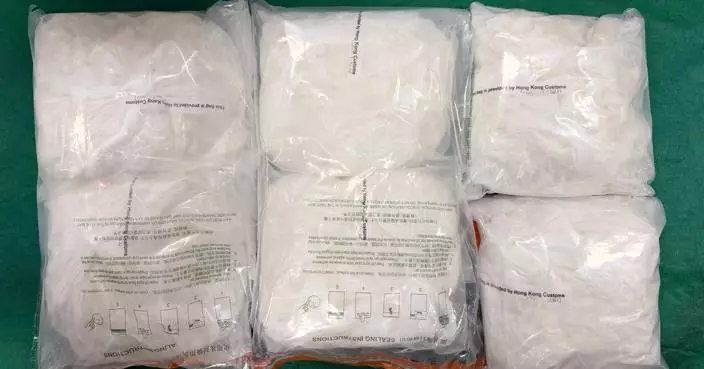
Hong Kong Customs yesterday (May 9) detected a drug trafficking case involving passenger at Hong Kong International Airport and seized about 2.25 kilograms of suspected heroin, four tablets of suspected Viagra and 26 sticks of duty-not-paid cigarette, with a total estimated market value of about $1.4 million. A man was arrested.
A 61-year-old male passenger arrived in Hong Kong from Kuala Lumpur, Malaysia yesterday. During customs clearance, Customs officers found a total of about 2.25 kg of suspected heroin in his check-in suitcase, and four tablets of suspected Viagra and 26 sticks of duty-not-paid cigarette in his carry-on backpack. The man was subsequently arrested.
The arrested person has been charged with one count of trafficking in a dangerous drug, one count of possession of Part 1 poison, one count of possession of dutiable goods and one count of failing to declare to a member of the Customs and Excise Service the possession of dutiable goods. The case will bebrought up at the West Kowloon Magistrates' Courts tomorrow (May 11).
Customs will continue to step up enforcement against drug trafficking activities through intelligence analysis. The department also reminds members of the public to stay alert and not participate in drug trafficking activities for monetary return. They must not accept hiring or delegation from another party to carry controlled items into and out of Hong Kong. They are also reminded not to carry unknown items for other people.
Customs will continue to apply a risk assessment approach and focus on selecting passengers from high-risk regions for clearance to combat transnational drug trafficking activities.
Under the Dangerous Drugs Ordinance, trafficking in a dangerous drug is a serious offence. The maximum penalty upon conviction is a fine of $5 million and life imprisonment.
Under the Pharmacy and Poisons Ordinance, any person who possesses any poison included in Part 1 of the Poisons List other than in accordance with provisions commits an offence. The maximum penalty upon conviction is a fine of $100,000 and imprisonment for two years.
Under the Dutiable Commodities Ordinance, any person who imports, possesses, sells or buys dutiable commodities without a valid licence commits an offence. The maximum penalty upon conviction is a fine of $1 million and imprisonment for two years.
Members of the public may report any suspected drug trafficking activities to Customs' 24-hour hotline 182 8080 or its dedicated crime-reporting email account (crimereport@customs.gov.hk) or online form (eform.cefs.gov.hk/form/ced002).
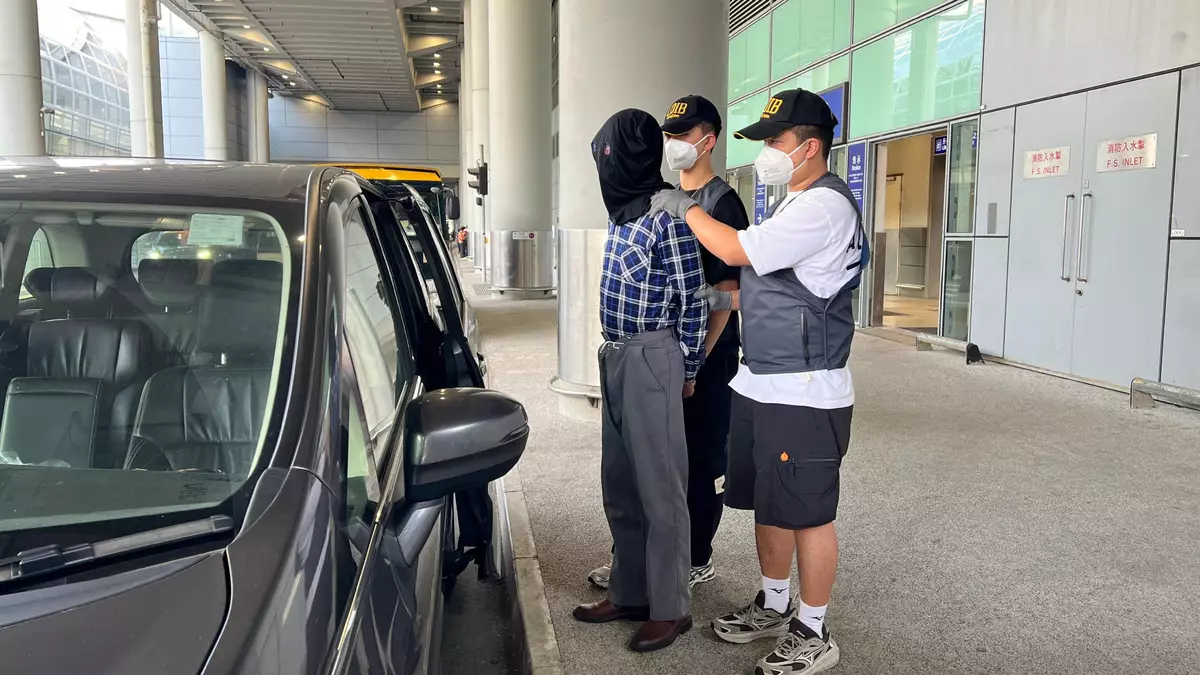
Hong Kong Customs detects drug trafficking case involving incoming passenger at airport Source: HKSAR Government Press Releases
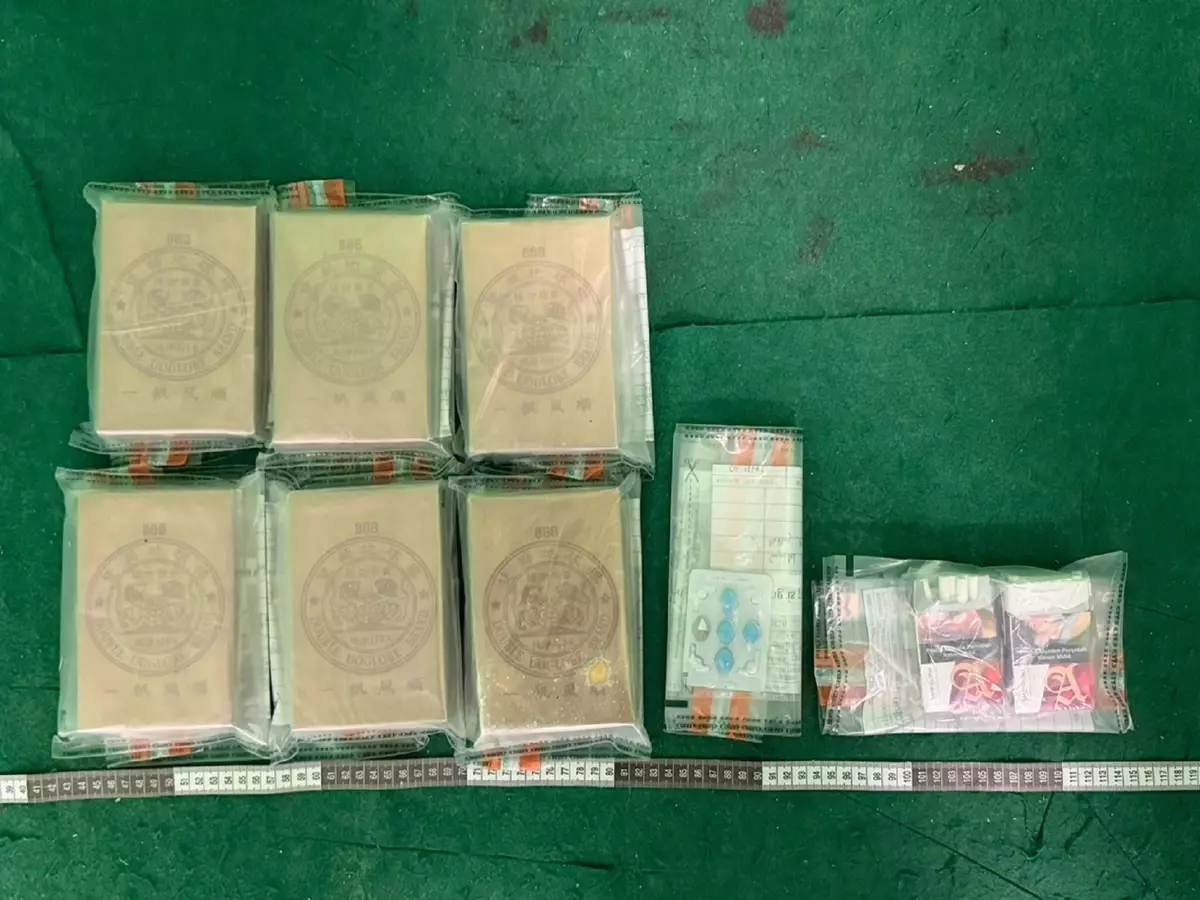
Hong Kong Customs detects drug trafficking case involving incoming passenger at airport Source: HKSAR Government Press Releases