CHP investigates measles case imported from Pakistan
The Centre for Health Protection (CHP) of the Department of Health (DH) today (April 30) is investigating an imported measles case from Pakistan and reminds members of the public that vaccination is the most effective way to prevent measles. Meanwhile, the CHP continues to provide free measles vaccinations at the airport for eligible airport staff to strengthen herd immunity within the airport community. So far, no further transmission has been detected among close contacts of the measles clusterinvolving three airport backend support staff.
Details of imported measles case
----------------------------------------
The case involves a 14-month-old boy with good past health. He developed a fever on April 22, followed by a rash on April 26. He was brought for medical treatment at a private clinic the next day (April 27). He subsequently developed a cough, runny nose and red eyes on April 28 and was brought to the Accident and Emergency Department of Kwong Wah Hospital (KWH). He has been admitted to KWH for treatment in isolation. His clinical specimen tested positive for measles virus upon nucleic acid testing. The patient remains hospitalised in stable condition.
The CHP's epidemiological investigation revealed that the patient received the first dose of measles vaccination on April 22 (the date of illness onset). However, since vaccines generally require 14 days to produce sufficient antibody protection, and the patient had not yet reached the appropriate age for the second dose of measles vaccination, the patient does not have immunity to measles. The patient had been to Pakistan with his parents from January 19 to April 17. As measles outbreaks have been ongoing in Pakistan and the patient had no contact with anyone infected with measles in Hong Kong, the case is classified as imported.
His two household contacts developed mild symptoms of upper respiratory infections. The CHP has arranged testing for them. Their clinical specimens tested negative for measles virus upon nucleic acid testing.
During the patient's communicable period (April 22 to 30), he visited the Kowloon City Maternal and Child Health Centre, a private clinic and the Accident and Emergency Department of KWH on April 22, 27 and 28, respectively. The CHP is identifying close contacts and investigating whether any high-risk individuals were involved. As of 4pm today, a total of 95 people have been identified as close contacts of the patient. The CHP will continue to conduct medical surveillance for the close contacts.
Measles vaccination booth at airport
-------------------------------------------------------------------
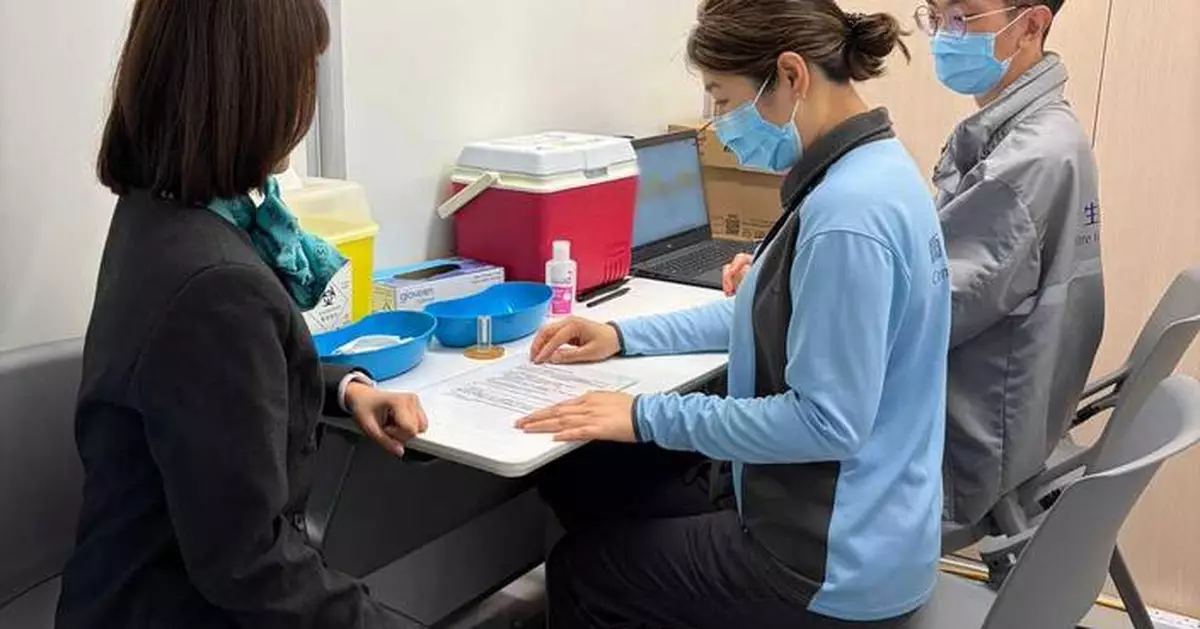
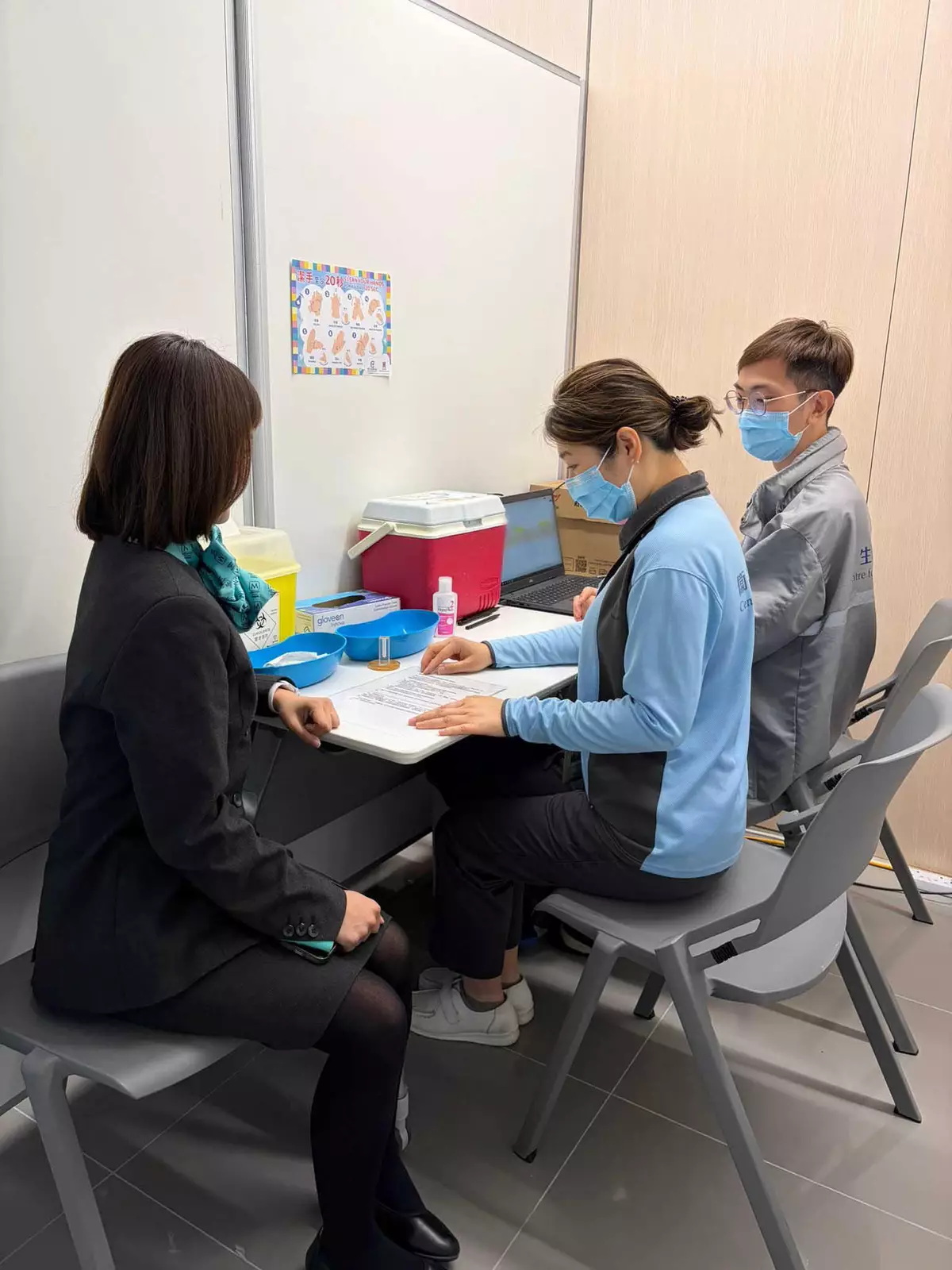
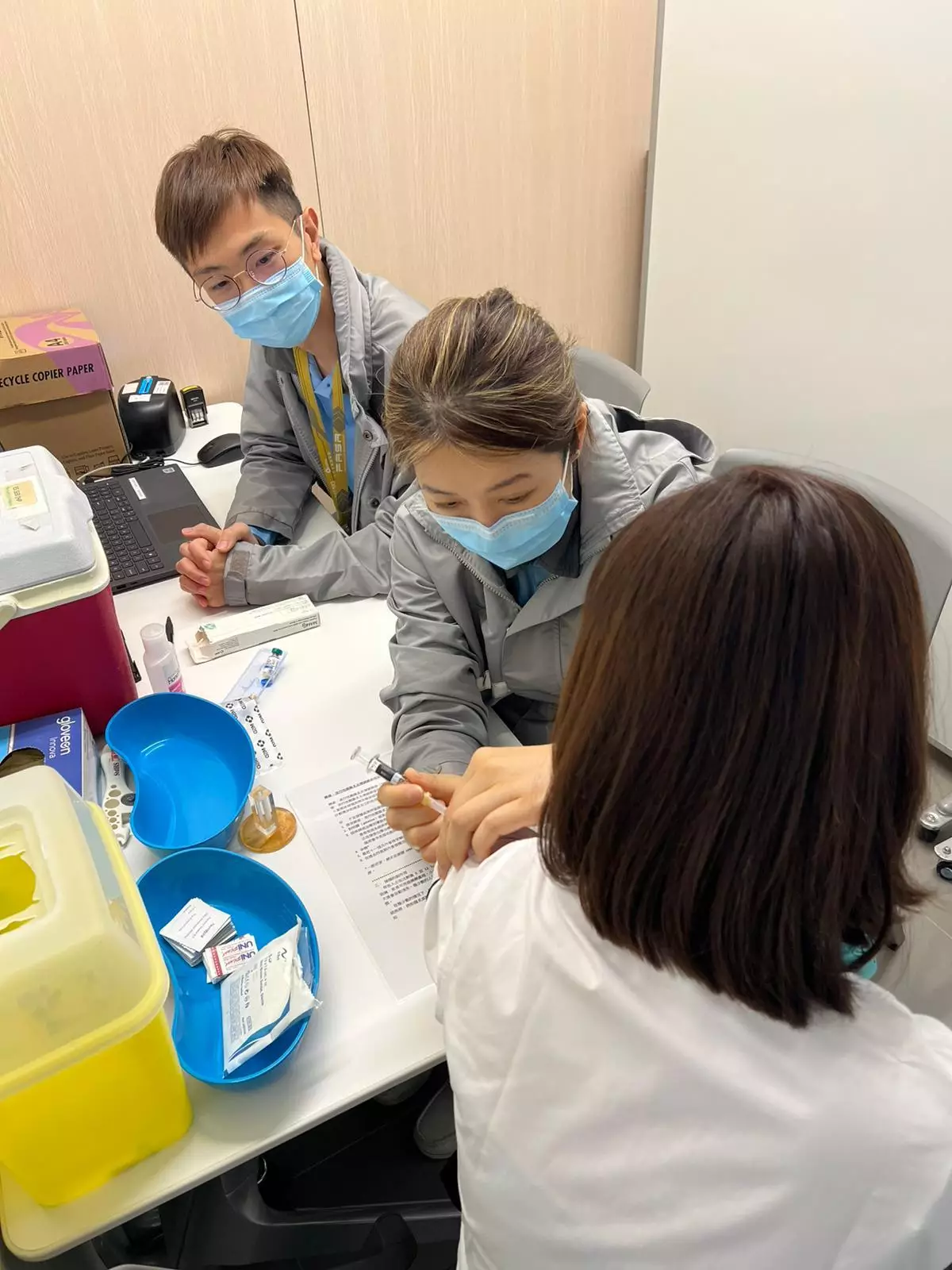
Currently, measles outbreaks continue to occur worldwide. As airport staff frequently come into contact with large numbers of travellers and a higher proportion of employees working at the airport are not locally born and may not have received measles vaccine during childhood, the risk of measles transmission is higher. During the investigation into the recent cluster involving three airport backend support staff, the CHP found that approximately 30 per cent of airport staff, especially those who were not born in Hong Kong, were unsure whether they had completed the two-dose measles vaccination series. In order to prevent another measles outbreak among airport staff, the CHP has set up a vaccination booth at the airport since April 24 to provide local airport staff with free measles vaccinations. Under the coordination of the CHP and the Airport Authority Hong Kong, more than 800 eligible airport staff members (including the contacts of the above-mentioned measles cluster) have received vaccinations.
The CHP urged all airport staff, especially those non-locally born people, to review their vaccination records as soon as possible. The measles vaccination service targets Hong Kong airport staff who have not received two doses of the measles vaccine and have never had measles. If a Hong Kong airport employee has undergone a blood test confirming a positive reaction to measles antibodies (IgG), vaccination is not required.
Non-airport staff should also review their vaccination records
--------------------------------------------------------------------
Measles outbreaks are currently occurring in many regions around the world. North America (including the United States, Canada and Mexico) and Southeast Asia (including Indonesia, Cambodia and the Philippines) have seen persistent measles outbreaks in recent years due to low vaccination coverage. About 1 800 cases have been recorded in the United States so far this year, a figure significantly higher than the same period last year. In Europe, the number of measles cases in the United Kingdom and Spain has increased recently, with 442 and 103 cases recorded respectively since January this year. In Asia, the incidence of measles remains high in the Philippines, Indonesia, Pakistan, Bangladesh and Cambodia. Japan has also seen a substantial rise in cases this year, with 362 cases recorded as of April 22, exceeding the 265 cases recorded last year and marking the highest record since 2019. Singapore and Australia have reported 27 and 92 measles cases respectively this year, also higher than in the same period last year. Most of the overseas cases involved those who were not vaccinated against measles or had an unknown vaccination status, which highlights the importance of maintaining a high vaccination rate and herd immunity within the community.
Hong Kong is a city with a high volume of international travel. It therefore faces the potential risk of importation of the measles virus and its spread in the local community. The CHP's territory-wide immunisation surveys showed that under the Hong Kong Childhood Immunisation Programme, the two-dose measles vaccination coverage has remained consistently high, well above 95 per cent, and the local seroprevalence rates of measles virus antibodies reflect that most people in Hong Kong are immune to measles. However, measles is highly contagious. A small number of people who have not completed measles vaccinations (such as non-locally born people including new immigrants, foreign domestic helpers, overseas employees and people coming to Hong Kong for further studies) are still at risk of being infected and spreading measles to others without immunity against measles, such as children under one year old who have not yet received the first dose of the measles vaccine.
In response to the global rise in measles cases and the risk of imported cases, the CHP has earlier issued a letter to all doctors in Hong Kong informing them of the latest measles situation and urging them to remain vigilant and report any suspected cases. In addition to the airport industry mentioned above, the CHP has also sent a letter to foreign domestic helper agencies earlier, encouraging foreign domestic helpers to receive measles vaccination to protect their health and prevent the spread of the virus in the community.
The incubation period of measles (i.e. the time from infection to onset of illness) is seven to 21 days. Symptoms include fever, skin rash, cough, runny nose and red eyes. If travellers returning from places with a high incidence or an outbreak of measles develop symptoms of measles (e.g. fever and rash), they should seek medical advice immediately and avoid contact with non-immune individuals, especially pregnant women and infants under one year old. They should also report their symptoms and prior travel history to healthcare workers so that appropriate infection control measures can be implemented at the healthcare facilities to prevent any potential spread.
The Hong Kong Childhood Immunisation Programme introduced a measles vaccine for the first time in 1967. Since then, the incidence of measles has gradually decreased. People born and raised in Hong Kong before 1967 can be considered to have acquired immunity to measles through natural infection, as measles was endemic in Hong Kong at that time. People born in Hong Kong in or after 1967 who have not yet completed the two doses of measles vaccination, or whose measles vaccination history is unknown, should consult their family doctors as soon as possible to complete the vaccination and ensure adequate protection against measles.
Besides being vaccinated against measles, members of the public should take the following measures to prevent infection:
For more information on measles, the public may visit the CHP'smeasles thematic page. Members of the public who are going to travel can visit the website of the DH'sTravel Health Servicefor news of measles outbreaks outside Hong Kong.
CHP investigates measles case imported from Pakistan Source: HKSAR Government Press Releases
CHP investigates measles case imported from Pakistan Source: HKSAR Government Press Releases