DH responds to comments about alternative smoking products
In response to claims that prohibiting the possession of specified alternative smoking products (ASPs) in public places would deter tourists from visiting Hong Kong, a spokesman for the Department of Health (DH) today (April 30) issued the following statement:
Click to Gallery
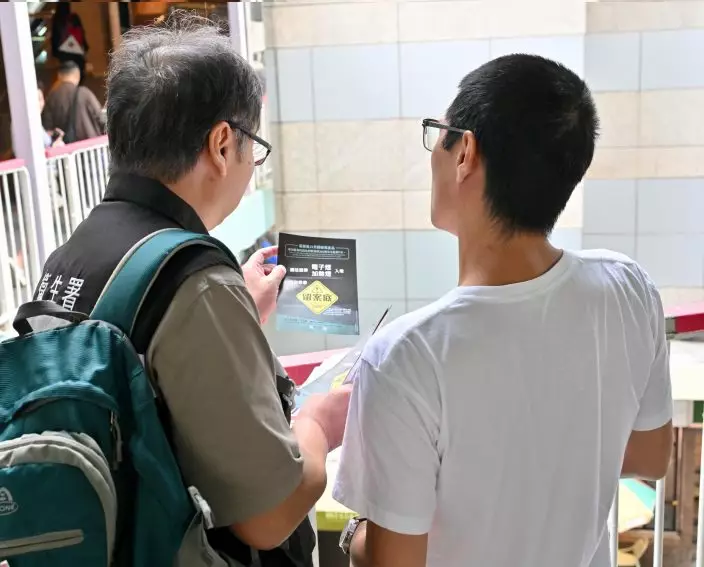
The provision under the Tobacco Control Legislation (Amendment) Ordinance 2025 prohibiting the possession of specified alternative smoking products, such as e-cigarette capsules and heat sticks, in public places takes effect today (April 30). Photo shows an officer from the Tobacco and Alcohol Control Office distributing leaflets in Admiralty to remind members of the public and visitors of the ban today. Source: HKSAR Government Press Releases

The provision under the Tobacco Control Legislation (Amendment) Ordinance 2025 prohibiting the possession of specified alternative smoking products, such as e-cigarette capsules and heat sticks, in public places takes effect today (April 30). Photo shows an officer from the Tobacco and Alcohol Control Office distributing leaflets in Admiralty to remind members of the public and visitors of the ban today. Source: HKSAR Government Press Releases

The provision under the Tobacco Control Legislation (Amendment) Ordinance 2025 prohibiting the possession of specified alternative smoking products, such as e-cigarette capsules and heat sticks, in public places takes effect today (April 30). Photo shows an officer from the Tobacco and Alcohol Control Office (TACO) distributing leaflets in Admiralty to remind members of the public and visitors of the ban today. Looking on is the Head of TACO, Dr Manny Lam (centre). Source: HKSAR Government Press Releases

The provision under the Tobacco Control Legislation (Amendment) Ordinance 2025 prohibiting the possession of specified alternative smoking products, such as e-cigarette capsules and heat sticks, in public places takes effect today (April 30). Photo shows the Head of the Tobacco and Alcohol Control Office of the Department of Health, Dr Manny Lam, distributing leaflets in Admiralty to remind members of the public and visitors of the ban. Source: HKSAR Government Press Releases

The provision under the Tobacco Control Legislation (Amendment) Ordinance 2025 prohibiting the possession of specified alternative smoking products, such as e-cigarette capsules and heat sticks, in public places takes effect today (April 30). Photo shows the Head of the Tobacco and Alcohol Control Office of the Department of Health, Dr Manny Lam, distributing leaflets in Admiralty to remind members of the public and visitors of the ban. Source: HKSAR Government Press Releases
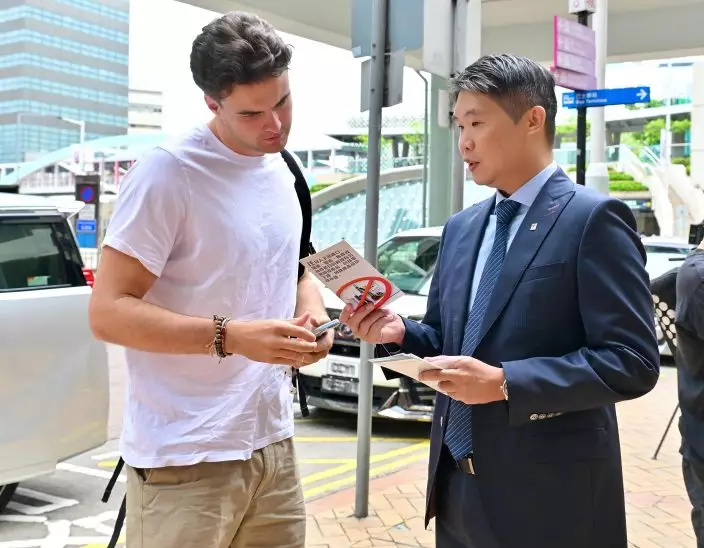
The provision under the Tobacco Control Legislation (Amendment) Ordinance 2025 prohibiting the possession of specified alternative smoking products, such as e-cigarette capsules and heat sticks, in public places takes effect today (April 30). Photo shows the Head of the Tobacco and Alcohol Control Office of the Department of Health, Dr Manny Lam, distributing leaflets in Admiralty to remind members of the public and visitors of the ban. Source: HKSAR Government Press Releases
Hong Kong has prohibited the import, sale and possession of ASPs for commercial purposes, including e-cigarettes and heat sticks since April 30, 2022. For the past four years, all inbound travellers, including tourists, have been legallybarred from bringing e-cigarettes and heat sticks into the city, and such products have not been available for purchase locally. The ban taking effect today simply extends regulation to cover possession in public places. In practice, no additional restrictions are being imposed on tourists.
Regarding suggestions that the new measure will discourage tourists from visiting Hong Kong, the spokesman stressed that such claims completely overlook the fact that the importation (including carrying into Hong Kong) and sale of e-cigarettes and heat sticks have already been banned for four years. Extending prohibition to possession will not affect tourists’ willingness to visit Hong Kong. Instead, it is the rumour-mongers who are spreading false information, misleading the public and visitors, causing unnecessary alarm and damaging Hong Kong’s reputation. The spokesman urged all sectors to work with the government to convey accurate information to tourists and prevent misleading messages from damaging Hong Kong’s image as a healthy travel destination.
The World Health Organization has clearly identified the health risks posed by e-cigarettes and heated tobacco products. Hong Kong is not alone in prohibiting ASPs. Currently, more than 30 jurisdictions worldwide ban e-cigarettes, and over 10 ban heated tobacco products. Thailand and Singapore implemented comprehensive bans as early as 2014 and 2018 respectively, without adverse impact on their visitor numbers. In fact, the number of tourists visiting Hong Kong have continued to rise from 2023 to 2025, demonstrating that public health protection and tourism development can coexist.
Members of the public and tourists may visit the website of the Tobacco and Alcohol Control Office (TACO) for detailed information and frequently asked questions. TACO has also adopted a multipronged publicity approach to disseminate relevant information to tourists, including:
- producing promotional leaflets (see Annex) for tourists to help tourists to understand the new tobacco control measures. Relevant promotional materials are displayed and distributed at all border control points and visitor centres of the Hong Kong Tourism Board, ensuring that tourists are informed immediately upon arrival;
- coordinating with the Shenzhen Municipal Health Commission, the Office of Port of Entry and Exit of Shenzhen Municipal People's Government, Shenzhen Customs District and Shenzhen General Station of Exit and Entry Frontier Inspection to strengthen the promotion of Hong Kong’s latest tobacco control measures at Shenzhen ports, including displaying information on large electronic screens on the mainland side of the ports;
- coordinating with airlines to make in-flight announcements about the new measures; and
- conducting promotional activities on social media, at boundary control points and at major tourist attractions to remind the public and visitors to comply with the law.
Hong Kong welcome visitors from all over the world to experience the city’s healthy and vibrant appeal.
The provision under the Tobacco Control Legislation (Amendment) Ordinance 2025 prohibiting the possession of specified alternative smoking products, such as e-cigarette capsules and heat sticks, in public places takes effect today (April 30). Photo shows an officer from the Tobacco and Alcohol Control Office distributing leaflets in Admiralty to remind members of the public and visitors of the ban today. Source: HKSAR Government Press Releases
The provision under the Tobacco Control Legislation (Amendment) Ordinance 2025 prohibiting the possession of specified alternative smoking products, such as e-cigarette capsules and heat sticks, in public places takes effect today (April 30). Photo shows an officer from the Tobacco and Alcohol Control Office distributing leaflets in Admiralty to remind members of the public and visitors of the ban today. Source: HKSAR Government Press Releases
The provision under the Tobacco Control Legislation (Amendment) Ordinance 2025 prohibiting the possession of specified alternative smoking products, such as e-cigarette capsules and heat sticks, in public places takes effect today (April 30). Photo shows an officer from the Tobacco and Alcohol Control Office (TACO) distributing leaflets in Admiralty to remind members of the public and visitors of the ban today. Looking on is the Head of TACO, Dr Manny Lam (centre). Source: HKSAR Government Press Releases
The provision under the Tobacco Control Legislation (Amendment) Ordinance 2025 prohibiting the possession of specified alternative smoking products, such as e-cigarette capsules and heat sticks, in public places takes effect today (April 30). Photo shows the Head of the Tobacco and Alcohol Control Office of the Department of Health, Dr Manny Lam, distributing leaflets in Admiralty to remind members of the public and visitors of the ban. Source: HKSAR Government Press Releases
The provision under the Tobacco Control Legislation (Amendment) Ordinance 2025 prohibiting the possession of specified alternative smoking products, such as e-cigarette capsules and heat sticks, in public places takes effect today (April 30). Photo shows the Head of the Tobacco and Alcohol Control Office of the Department of Health, Dr Manny Lam, distributing leaflets in Admiralty to remind members of the public and visitors of the ban. Source: HKSAR Government Press Releases
The provision under the Tobacco Control Legislation (Amendment) Ordinance 2025 prohibiting the possession of specified alternative smoking products, such as e-cigarette capsules and heat sticks, in public places takes effect today (April 30). Photo shows the Head of the Tobacco and Alcohol Control Office of the Department of Health, Dr Manny Lam, distributing leaflets in Admiralty to remind members of the public and visitors of the ban. Source: HKSAR Government Press Releases